Adolescence Netflix Series: Filmmaking and Production Breakdown
Oct 23, 2025

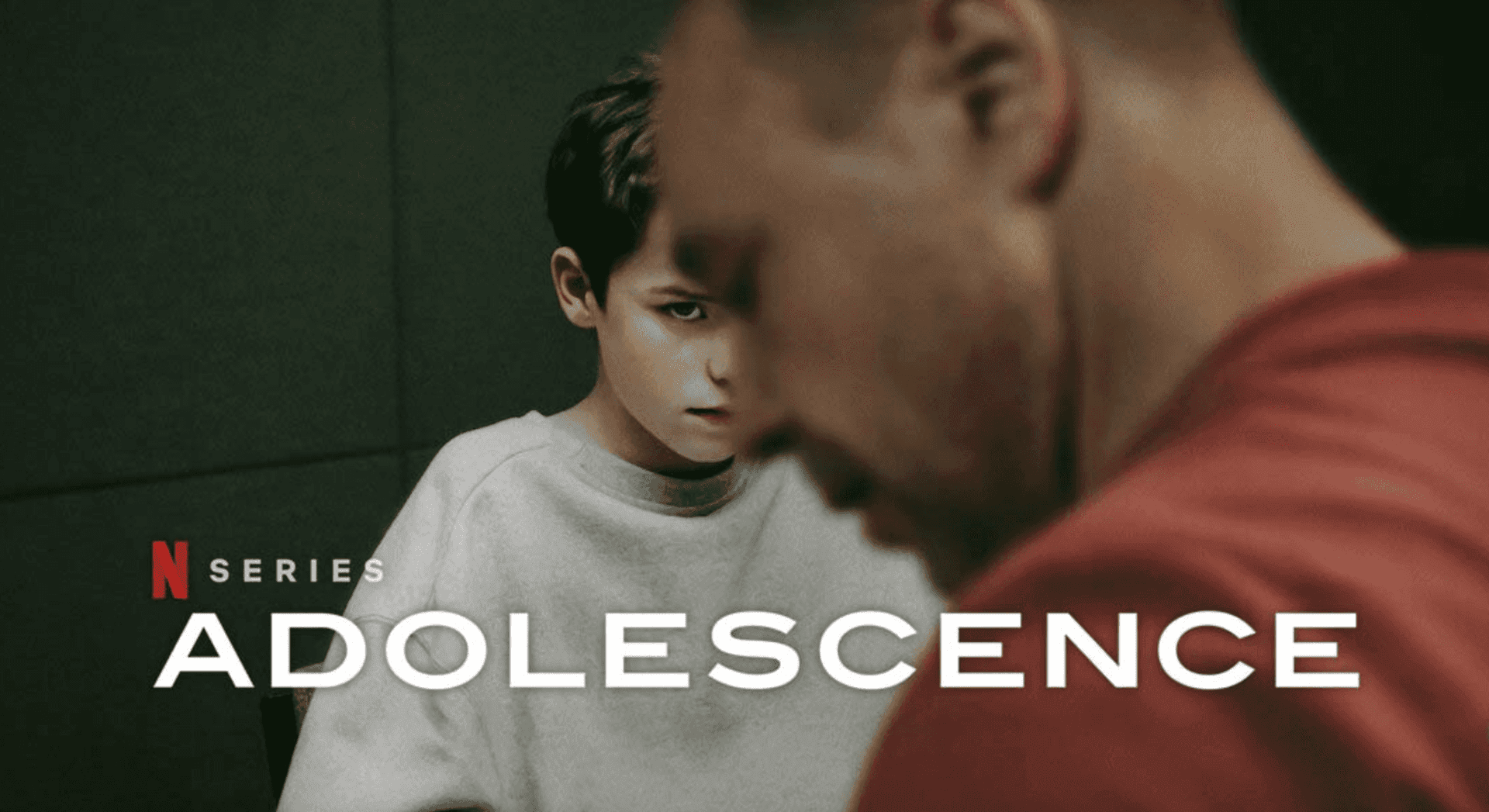
Adolescence is presented as a high-concept, continuous-shot Netflix series that uses one-take filmmaking to immerse viewers in the emotional and social realities of young people. This article explains the technical mechanics behind the continuous-shot approach, profiles the creative leaders who shaped the series, and analyzes how form and content combine to portray knife crime, juvenile justice, and psychological nuance. Many readers want to know how a single-shot method can sustain narrative clarity while protecting young performers and staying on budget; the following sections answer those practical concerns with production-focused detail. You will get a technical breakdown of camera and sound choices, rehearsal and blocking workflows, a producer’s look at budgeting and scheduling, and an assessment of the series’ industry impact. Keywords such as one-take filmmaking, continuous shot, DJI Ronin 4D, Philip Barantini, and youth drama are woven through this exploration to help filmmakers and curious viewers understand both craft and intent. The article maps to six core questions: how the one-take was achieved, who made the series, how sensitive themes are portrayed, production challenges and innovations, industry impact, and common viewer questions.

How Was Adolescence Filmed Using One-Take Techniques?

One-take filmmaking is a technique where long uninterrupted camera passes create uninterrupted temporal flow, and in Adolescence it functions to heighten immersion and emotional intimacy with adolescent characters. The mechanism relies on sustained camera stabilization, precise blocking, and live sound capture so that performance energy and narrative tension are preserved across extended beats. The specific benefit is increased viewer empathy: continuous-shot cinematography reduces editing interruptions and allows actors to carry psychological arcs in real time, which is particularly potent for youth drama that hinges on small behavioral cues. Below we summarize how pre-production, camera systems, blocking, sound, and lighting all interlock to deliver those uninterrupted sequences.

Immediately following this overview, it’s useful to note the role of modern integrated gimbal systems that enabled mobile, reliable long takes; one such rig referenced in production conversations is the DJI Ronin 4D, which combines stabilization and autofocus systems suitable for oner-style shooting. The Ronin 4D’s integrated LiDAR autofocus and built-in stabilization streamline focus pulls and operator movement, reducing the need for additional external focus teams during continuous passes. That equipment choice complements broader rig decisions—lenses, wireless power, and compact audio setups—that keep the camera nimble while maintaining image fidelity over long takes. Below are the main technical pillars that supported the one-take approach.

The core technical pillars for one-take sequences include camera stabilization, integrated autofocus, sound redundancy, and adaptive lighting control. These pillars work together so that camera mobility does not compromise image quality or audio fidelity during long passes across varied locations. Maintaining those pillars requires intensive rehearsal and interdepartmental coordination to anticipate camera paths, actor beats, and lighting transitions that would otherwise expose equipment or create continuity issues. The next subsections break down definition and rationale, directing practice, camera equipment, blocking choreography, and audio/lighting strategies.

What Is One-Take Filmmaking and Why Is It Used in Adolescence?

One-take filmmaking is the practice of shooting extended narrative segments in a single continuous shot without conventional cuts, and it works by preserving temporal continuity and sustained performance energy. The reason this technique is used in Adolescence is to deepen viewer identification with characters, creating a live, uninterrupted vantage that mirrors adolescent emotional volatility and social pressure. The specific result is sustained tension and intimacy: audiences witness reactions and choices unfold without editorial compression, which amplifies small gestures and conversational beats. Comparative examples such as other single-shot dramas help show how the technique can shift emphasis from plot mechanics to character experience, making the one-take an artistic choice aligned with the series’ thematic goals.

This definition sets the stage for how the director and crew structured rehearsals and technical runs to realize that creative choice. Understanding the concept informs why rehearsal time, technical redundancy, and collaborative blocking were non-negotiable in production planning. That rehearsal foundation directly influences how the director translates the script into continuous dramatic time.

How Did Philip Barantini Direct the Continuous Shot in Adolescence?

Philip Barantini’s direction in a continuous-shot project centers on pacing, clear emotional beats, and tightly controlled rehearsal cadence to support uninterrupted performance. His methodology emphasizes actor-driven choreography where emotional landmarks are mapped to physical locations on set, enabling performers to hit emotional peaks while camera movement sustains visual momentum. Collaboration with the cinematographer was iterative: they previsualized camera trajectories, refined sightlines, and calibrated pacing so that the camera both observes and participates in the drama without obstructing performances. Barantini’s use of extended rehearsals and run-throughs ensured that the emotional rhythm of each scene could survive the physical demands of a single take.

Those directing choices also shaped how support departments—ADs, sound, lighting—structured their cues to follow actor-driven beats rather than camera-only cues. The director’s preference for preserved continuity required generous rehearsal schedules and a culture of live, real-time problem solving during technical rehearsals. This director-led rehearsal model directly determined scheduling and budgeting trade-offs discussed later.

What Camera Equipment Enabled the One-Take Filming?

Camera rigs for continuous-shot work prioritize mobility, reliable autofocus, onboard stabilization, and battery/runtime solutions that reduce downtime between takes. In Adolescence, production-level conversation referenced integrated gimbal-cinema rigs that marry stabilized motion with focus automation, helping camera operators execute complex paths while maintaining sharpness and exposure. Lenses and sensor choices balance low-light performance with weight and maneuverability, since heavier cinema rigs limit operator movement and smaller sensors can compromise low-light latitude; accessories such as wireless follow focus, redundant power packs, and compact monitor systems further support uninterrupted runs. The practical benefit of this equipment mix is fewer technical interruptions, allowing actors to sustain narrative momentum across long takes.

Introductory comparison data clarifies why certain systems are favored for oner-style shooting; the table below summarizes common rig attributes and uses. This comparative view helps production teams match camera systems to their blocking and lighting constraints.

Rig/System

Key Capability

Practical Reason for Use

Integrated gimbal + LiDAR autofocus (e.g., DJI Ronin 4D)

Stabilization + active focus

Enables smooth operator movement and automated focus during dynamic shots

Lightweight mirrorless/compact cinema body

Mobility + low weight

Reduces operator fatigue and allows tighter interior choreography

Wireless follow focus & monitor

Remote focus control

Allows focus technicians to assist without obstructing operator path

This comparison highlights why integrated stabilization and autofocus are often prioritized: they reduce crew congestion and technical failure points during long runs. Choosing the right rig is a production decision that directly impacts rehearsal efficiency and the number of viable takes per day.

How Were Blocking and Camera Movements Choreographed for Seamless Takes?

Blocking and camera choreography began with pre-visualization and moved through layered rehearsal stages: previs diagrams, camera blocking rehearsals, and full-crew run-throughs before recording. The mechanism used is iterative: floor plans define sight-lines, actors rehearse beats relative to fixed camera paths, and technicians mark physical references on set to ensure repeatable trajectories. The benefit of this process is repeatability—each take must reliably reproduce spatial relationships so editing remains invisible and narrative continuity holds. Interdepartmental coordination between ADs, cinematography, staging, and sound ensures checkpoints are in place to prevent collisions, exposure errors, and microphone shadows.

Practical rehearsals include staged run-throughs with incremental technical elements added—first movement, then lighting cues, then sound elements—so complexity increases in controlled steps. This incremental rehearsal model reduces risk by letting teams validate each layer before full integration. The blocking workflow therefore ties directly into rehearsal scheduling and resource allocation in pre-production.

What Sound and Lighting Strategies Supported the Single-Take Environment?

Sound and lighting strategies for long takes prioritize redundancy and concealment so that audio remains clean and exposure stays consistent across varied zones. The mechanism includes distributed wireless lavalier networks, boom choreography that mirrors camera movement, and live mixing so that sound levels are balanced in real time; production often uses backup recorders and parallel capture to mitigate capture failure. For lighting, teams rely on soft, motivated sources and DMX-controlled cues that can shift intensity and color to match camera movement without revealing fixtures or creating harsh shadows. The specific benefit is a live, consistent audiovisual environment that supports uninterrupted performances and preserves emotional continuity.

These approaches require tight communication: sound mixers, lighting technicians, and camera operators must coordinate cues to avoid on-screen equipment or inconsistent audio. The strategies used to conceal gear and automate transitions directly shaped location choices and set dressing during pre-production.

Who Are the Key Creators Behind Adolescence and What Are Their Roles?

This section defines the core creative roles and explains how each contribution shaped the series’ one-take execution and thematic treatment. The mechanism is role specialization: director and writer set aesthetic and narrative goals, producers secure resources and schedule, and casting/actors embody authenticity. The benefit is clarity in responsibility—knowing who handles rehearsal logistics, who orchestrates camera and sound, and who adjudicates content decisions helps explain how high-risk formats are realized. Below are profiles and a role-summary table to make those responsibilities explicit.

Production companies are part of the collaborative ecosystem: entities such as Netflix, Plan B Entertainment, Warp Films, and Matriarch Productions typically provide financing, production infrastructure, distribution coordination, and creative oversight. Their involvement anchors production decisions ranging from talent attachment to location access and affects budgeting priorities. The participation of a major distributor like Netflix also influences release strategy and audience reach, which in turn can justify higher upfront investment in rehearsal days and technical equipment. The next subsections profile individual creative leaders and casting choices.

What Is Philip Barantini’s Vision and Style as Director?

Philip Barantini’s directorial vision centers on sustained real-time tension, prioritizing actor-driven performance and camera immersion to produce an unbroken emotional arc. His stylistic mechanism uses continuous shots to accelerate psychological realism, relying on detailed rehearsal to coordinate physical beats with internal emotional shifts. The benefit is heightened verisimilitude: long takes force actors to commit to choices across an uninterrupted arc, delivering performances that feel lived-in rather than edited into continuity. His prior experience with single-shot formats informs a rehearsal-first philosophy that shapes every department’s workflow.

This directing style leads to production practices that favor extended technical rehearsals and close collaboration with writers and cinematographers to ensure the script’s pacing translates into real-time movement. Barantini’s signature therefore influences casting, rehearsal length, and camera system decisions.

How Did Stephen Graham Influence Adolescence as Actor and Executive Producer?

Stephen Graham contributed both on camera and behind the scenes, combining performance leadership with creative oversight to shape tone and casting. His dual role’s mechanism involves mentoring younger cast members, influencing casting choices, and lending production credibility that helps secure partnerships and resources. The benefit is a bridge between performance authenticity and production pragmatism: an experienced actor-producer can advocate for rehearsal time, actor support measures, and narrative fidelity when sensitive themes are at play. Graham’s participation thus helped align on-set practices with the show’s ethical and dramatic goals.

That dual role also supports collaborative decision-making in day-to-day production, where actor insights can refine character beats and producer leverage can protect rehearsal schedules. The presence of a seasoned actor-producer often reduces friction between creative and logistical demands.

What Was Jack Thorne’s Contribution as Writer to the Series?

Jack Thorne’s writing contribution adapts narrative structure to accommodate long uninterrupted scenes, emphasizing naturalistic dialogue, beat-based pacing, and scene architectures that allow performances to breathe. The mechanism involves scripting with continuous-shot constraints—writing longer conversational passages that maintain dramatic tension without conventional cuts and embedding actionable beats for performers. The benefit is scripts that are both theatrical and cinematic, giving directors and actors the scaffolding to sustain emotional arcs across single takes. Thorne’s handling of sensitive social issues also steers the balance between dramatization and ethical fidelity.

The writer’s collaboration with the director and actors ensures that pacing choices are practical for live performance and that thematic focus—on juvenile justice and youth trauma—remains specific and grounded in character moments. This collaborative writing process informs rehearsal content and on-set adjustments.

How Did Owen Cooper’s Casting Enhance Authenticity in Portraying Adolescence?

Owen Cooper’s casting amplifies authenticity through age-appropriate casting choices and performance techniques tailored to adolescent behavior and speech patterns. The mechanism includes targeted auditions, workshop-style rehearsals, and character preparation that focuses on lived experience rather than theatrical affectation. The benefit is credible portrayals: younger actors who are supported through rehearsal and safeguarding measures deliver nuanced, realistic performances that foreground the series’ social themes. Cooper’s involvement underlines casting’s role in marrying dramatic realism to ethical production practices.

Casting decisions like this directly affect rehearsal design and on-set support, requiring coaching, tailored schedules, and careful coordination with guardians and support staff to maintain performer wellbeing.

Person/Company

Role

Contribution

Philip Barantini

Director

One-take direction approach, rehearsal methodology

Jack Thorne

Writer

Script structure adapted for continuous shots and sensitive themes

Stephen Graham

Actor / Executive Producer

Performance leadership, casting influence, creative oversight

How Does Adolescence Portray Youth and Sensitive Social Issues Authentically?

Young actors portraying emotional scenes in a realistic urban setting

Adolescence approaches sensitive topics—knife crime, juvenile justice, youth trauma—by grounding scenes in character-driven realism and contextualizing systemic factors that shape choices. The mechanism pairs close-up observational filmmaking with informed research, allowing drama to portray individual psychology while nodding to broader social structures. The benefit is a multi-layered representation that encourages empathy without reducing characters to issue-based archetypes. This ethical intent shapes casting, rehearsal, and editorial decisions to protect young actors while telling truthful stories.

Narrative techniques used to achieve this include naturalistic dialogue, micro-emotional beats sustained across long takes, and framing that privileges the subjectivity of young characters. That cinematic strategy connects formal choices—such as close tracking shots—to thematic goals of immersion and understanding. The following subsections unpack themes, psychological representation, and direction of young performers.

What Social Themes Are Explored in Adolescence, Such as Knife Crime and Juvenile Justice?

Adolescence foregrounds themes including knife crime, juvenile justice, peer pressure, and trauma, treating them as interrelated social phenomena rather than isolated plot devices. The mechanism is dramaturgy rooted in social context: scenes show interpersonal dynamics and institutional responses that together trace how youths become enmeshed in risk and consequence. The benefit is nuanced storytelling that avoids sensationalism and instead examines systemic drivers and personal history. By dramatizing these themes in close, continuous takes, the series invites viewers to witness the slow accretion of choices that lead to pivotal moments.

Presenting these themes responsibly requires research, consultation, and sensitivity in rehearsal so that depictions remain grounded and avoid exploitation. This approach also shapes actor preparation and the safeguards enacted on set.

How Does the Series Reflect Psychological Nuances of Adolescence?

Cinematography and pacing mimic adolescent perception by using variable proximity, mobile framing, and rhythmic pacing that reflect impulsivity, shame, and group dynamics. The mechanism is stylistic empathy: shot selection, camera distance, and uninterrupted takes recreate the compressed emotional intensities typical of adolescence. The benefit is an experiential perspective for viewers that captures fleeting micro-expressions and unspoken social cues that define youth interactions. Editing choices—or the deliberate absence of them—help sustain psychological trajectories across scenes.

Directorial and acting choices reinforce this cinematic strategy by privileging small behavioral markers and allowing silence and reaction to carry narrative weight. Those methods make psychological nuance legible on screen without expository narration.

How Were Young Actors Directed to Achieve Realistic Performances?

Young actors were prepared through workshop-style rehearsals, character-building exercises, and staged run-throughs that emphasize naturalistic interaction rather than performative gestures. The mechanism includes safe rehearsal environments, role-specific coaching, and incremental technical integration so performers can focus on truthfulness before adding camera and sound complexity. The benefit is authentic performance that communicates adolescent interiority while protecting actor wellbeing. Directors and casting teams prioritize psychological safety and clear boundaries when staging sensitive material.

These preparatory measures also include adjusted schedules and on-set support systems to minimize fatigue and maintain emotional balance across demanding continuous-shot takes.

The series used several key rehearsal practices to prepare young actors:

  • Workshop rehearsals: Group exercises that build ensemble dynamics and trust.

  • Emotional bounding: Scene runs focused on sustaining emotional arcs without technical cues.

  • Technical integration runs: Incremental addition of camera and sound so actors focus on performance first.

What Are the Production Challenges and Innovations in Creating Adolescence?

Producing a one-take youth drama entails logistical complexity, higher upfront rehearsal costs, and heightened risk management; production innovations mitigate these challenges through precise planning and technical redundancy. The mechanism is concentrated pre-production investment—scheduling more rehearsal days and technical run-throughs—to reduce costly reshoots during principal photography. The benefit is fewer disruptive retakes during expensive shoot days, better performer readiness, and a more reliable path to usable takes. Below we explore pre-production rhythms, production-company roles, and budgeting strategies employed for high-concept one-take shoots.

Producers and production companies often reallocate resources toward rehearsals, technical rehearsals, and equipment that minimize failure points during live runs. Entities such as Plan B Entertainment and distribution partners typically play roles in financing, staffing, and coordinating logistics that allow for those front-loaded investments. The next subsections detail pre-production practices, company roles, and conceptual budget breakdowns for such projects.

How Did Pre-Production Planning Support the Complex One-Take Filming?

Pre-production expanded to include extended previs, technical scouts, coordinated rehearsal schedules, and layered run-throughs that integrated camera, sound, and lighting. The mechanism relies on iterative validation: teams confirm camera paths, actor beats, and lighting transitions in sequence so the full take can be rehearsed reliably. The benefit is a reproducible performance that reduces the probability of costly on-set stoppages and helps predict daily shoot output. Detailed planning also allows departments to identify failure modes and develop contingency plans for common risks.

Best practices emerging from this model include dedicating separate days to actor rehearsal, technical rehearsal, and full integrated runs, with each stage building toward the final production tempo. This pacing directly influences budget allocation and labor scheduling.

What Role Did Production Companies Like Plan B Entertainment Play?

Production companies function as financiers, infrastructure providers, and creative liaisons that translate artistic ambitions into executable plans; for one-take productions they often underwrite extended rehearsal periods and specialist equipment rental. The mechanism is resource alignment: production companies marshal funding, hire experienced crew, and negotiate location access so that technical aims are feasible. The benefit is stability—backing from established production houses allows creative teams to justify the logistical and financial overhead of oner-style shooting. Companies also help bridge relations with distributors who can absorb higher initial costs in return for distinctive content.

This role includes administrative support such as staffing key producer roles, coordinating insurance and safeguarding measures, and facilitating relationships with equipment vendors and post-production houses that can support a continuous-shot workflow.

How Was Budget Managed for This High-Concept Youth Drama?

Budget management prioritized rehearsal investment and equipment rental while controlling variables like shoot days and location changes to limit unpredictable costs. The mechanism involves trade-offs: spend more on rehearsal days and technical staffing to minimize the number of expensive shoot days and reshoots. The benefit is predictable output per day and reduced risk of costly overruns due to technical failure or performance inconsistency. Producers reallocate contingency funds to pay for specialized rigs, redundancy equipment, and additional crew who can troubleshoot in real time.

Budget Area

Typical Cost Driver

Producer Strategy

Rehearsal & Prep

Days of rehearsal, workshop facilitation

Front-load rehearsal, reduce reshoot risk

Camera & Support

Specialized rigs, rentals, technicians

Rent integrated gimbal systems, prioritize reliability

Shoot Days

Location fees, crew overtime

Minimize location moves, optimize daily call sheets

What Impact Has Adolescence Had on Film Industry Trends and Streaming Content?

Adolescence contributes to a wider trend of experimental formats in streaming content by demonstrating how continuous-shot techniques can serve youth-centric storytelling on serialized platforms. The mechanism is demonstrative effect: when high-profile streaming commissions adopt risky forms, other creators and platforms take notice, which can shift commissioning patterns and investment priorities. The benefit for the industry is an expanded vocabulary for immersive storytelling, encouraging more projects that merge technical innovation with social realism. This section compares stylistic influence, platform roles, and emerging trends.

The series’ presence on a global streaming platform helps propagate the format by exposing broad audiences to oner-style television and by demonstrating commercial viability for artistically ambitious projects. The next subsections examine stylistic influence, Netflix’s commissioning role, and future trends in immersive youth storytelling.

How Has Adolescence Influenced One-Take Filmmaking in Modern Cinema?

Adolescence advances one-take filmmaking by applying continuous-shot grammar to serialized TV storytelling, showing that long-take techniques can support character-driven youth drama rather than spectacle alone. The mechanism is cross-format translation: methods developed for feature one-shot films are adapted to episodic cadence, which requires rethinking pacing, act structure, and character arcs. The benefit is pedagogical: cinematographers and directors can study these adaptations to understand how continuous shots behave across longer narrative forms. This influence may shape curricula and tooling preferences for cinematography training.

By comparing the series to prior one-take works, filmmakers can extract lessons about rehearsal discipline, camera mobility, and actor training that are specific to serialized youth drama.

What Role Does Netflix Play in Promoting Innovative Youth Drama Series?

Netflix’s commissioning and global distribution power create conditions where high-concept series can reach large audiences and justify riskier production methods; the mechanism is scale and financing. The benefit is that distinctive formats can be financially viable when a platform offers broad reach, marketing resources, and audience testing. This platform-level support influences what producers pitch, encouraging bolder formal experiments that might be untenable on smaller platforms. Netflix’s participation also affects the international circulation of styles and thematic priorities in youth drama.

Platform commissioning therefore shapes not only what gets made but how imaginative or technically ambitious a project can be at the outset.

What Future Trends Are Emerging in Immersive Storytelling and Youth-Centric Films?

Near-term trends include increased use of integrated stabilization systems, tighter integration of LiDAR autofocus, and more rehearsal-centric production models for projects that aim to immerse viewers in lived experience. The mechanism is technological maturation: as practical tools like integrated gimbals and camera-assisted autofocus improve, one-take methods become more accessible to mid-budget productions. The benefit is democratization of immersive formats, enabling more creators to experiment with continuous-shot storytelling in youth-centric narratives. Longer-term trends may include hybrid formats that combine extended takes with interactive or augmented elements to deepen viewer agency.

These trajectories suggest an expanding toolkit for filmmakers seeking to tell socially engaged youth stories with experiential immediacy.

What Frequently Asked Questions Do Viewers Have About Adolescence’s Production?

This FAQ-style section offers concise, practical answers to common viewer inquiries about production, focusing on verifiable process and technique rather than unverified specifics. The mechanism is short-form clarity: each answer states a fact or practice and then provides a brief contextual note. The benefit is quick access to production insights for curious viewers and aspiring filmmakers. The following Q&A items anticipate common points of interest about episodes, factual basis, camera choice, director, and technical achievement.

Is Adolescence Based on a True Story?

The series’ relationship to factual events or real-world cases depends on the creators’ stated intent; some dramas draw from real-world research and experiences while remaining fictionalized. The distinction matters because fictionalization allows dramatists to compress timelines and composite characters, whereas documentary-style work adheres to verified accounts. For viewers concerned about fidelity to actual events, creators’ commentary and production notes are the best sources to determine inspiration versus direct adaptation.

Clarifying that distinction helps audiences interpret dramatized depictions of sensitive social issues.

What Camera Was Used to Film Adolescence?

Discussions around production reference integrated gimbal-cinema systems with active autofocus as practical choices for continuous-shot work; one specifically mentioned rig in production contexts is the DJI Ronin 4D. The mechanism behind that choice is the combination of stabilization and LiDAR-assisted autofocus, which supports mobile focus pulls and reduces the number of dedicated focus technicians in cramped, moving setups. The benefit of such rigs is reliable tracking and simplified operator workflows during long takes, which supports continuous performance capture without frequent technical interruption.

This explanation connects the named rig to its practical advantages for oner-style filming.

Who Directed Adolescence on Netflix?

Philip Barantini is identified as the director associated with the series’ continuous-shot approach, bringing a rehearsal-driven, actor-focused style to the production. The mechanism of his direction involves mapping emotional beats to camera movement and ensuring rehearsal time scales to the technical demands of long takes. The benefit is a cohesive aesthetic where performance and camera choreography reinforce one another to communicate psychological truth. That directorial identity helps explain many of the technical and rehearsal choices discussed above.

Linking the director to stylistic choices clarifies how creative leadership shaped production workflows.

How Was the One-Take Filming Achieved Technically?

One-take filming was achieved through a layered technical process: through previs and staggered rehearsals, integrated stabilization and autofocus camera systems, live audio capture with redundancy, and DMX-driven lighting cues that follow camera movement. The mechanism begins with previs diagrams and actor blocking, advances through technical rehearsals adding lighting and sound, and culminates in full integrated runs where all departments synchronize cues. The benefit is a reproducible performance environment that minimizes surprises on shoot days and preserves uninterrupted narrative flow across extended scenes.

This stepwise summary gives viewers and filmmakers a clear blueprint of how continuous-shot production is operationalized.

Common technical steps for one-take production:

  • Previsualization: Sketch camera paths and actor beats.

  • Layered rehearsals: Add camera, then lighting, then sound, in stages.

  • Integrated runs: Full technical rehearsals that simulate shoot conditions.

Conclusion

Adolescence showcases the power of one-take filmmaking to create immersive narratives that resonate with youth experiences and social issues. By employing innovative techniques and collaborative practices, the series not only captivates audiences but also sets a new standard for storytelling in streaming media. For those interested in exploring the intersection of technical artistry and emotional depth, consider diving deeper into the world of continuous-shot productions. Discover more about the creative processes behind groundbreaking series like Adolescence today.

Adolescence is presented as a high-concept, continuous-shot Netflix series that uses one-take filmmaking to immerse viewers in the emotional and social realities of young people. This article explains the technical mechanics behind the continuous-shot approach, profiles the creative leaders who shaped the series, and analyzes how form and content combine to portray knife crime, juvenile justice, and psychological nuance. Many readers want to know how a single-shot method can sustain narrative clarity while protecting young performers and staying on budget; the following sections answer those practical concerns with production-focused detail. You will get a technical breakdown of camera and sound choices, rehearsal and blocking workflows, a producer’s look at budgeting and scheduling, and an assessment of the series’ industry impact. Keywords such as one-take filmmaking, continuous shot, DJI Ronin 4D, Philip Barantini, and youth drama are woven through this exploration to help filmmakers and curious viewers understand both craft and intent. The article maps to six core questions: how the one-take was achieved, who made the series, how sensitive themes are portrayed, production challenges and innovations, industry impact, and common viewer questions.

How Was Adolescence Filmed Using One-Take Techniques?

One-take filmmaking is a technique where long uninterrupted camera passes create uninterrupted temporal flow, and in Adolescence it functions to heighten immersion and emotional intimacy with adolescent characters. The mechanism relies on sustained camera stabilization, precise blocking, and live sound capture so that performance energy and narrative tension are preserved across extended beats. The specific benefit is increased viewer empathy: continuous-shot cinematography reduces editing interruptions and allows actors to carry psychological arcs in real time, which is particularly potent for youth drama that hinges on small behavioral cues. Below we summarize how pre-production, camera systems, blocking, sound, and lighting all interlock to deliver those uninterrupted sequences.

Immediately following this overview, it’s useful to note the role of modern integrated gimbal systems that enabled mobile, reliable long takes; one such rig referenced in production conversations is the DJI Ronin 4D, which combines stabilization and autofocus systems suitable for oner-style shooting. The Ronin 4D’s integrated LiDAR autofocus and built-in stabilization streamline focus pulls and operator movement, reducing the need for additional external focus teams during continuous passes. That equipment choice complements broader rig decisions—lenses, wireless power, and compact audio setups—that keep the camera nimble while maintaining image fidelity over long takes. Below are the main technical pillars that supported the one-take approach.

The core technical pillars for one-take sequences include camera stabilization, integrated autofocus, sound redundancy, and adaptive lighting control. These pillars work together so that camera mobility does not compromise image quality or audio fidelity during long passes across varied locations. Maintaining those pillars requires intensive rehearsal and interdepartmental coordination to anticipate camera paths, actor beats, and lighting transitions that would otherwise expose equipment or create continuity issues. The next subsections break down definition and rationale, directing practice, camera equipment, blocking choreography, and audio/lighting strategies.

What Is One-Take Filmmaking and Why Is It Used in Adolescence?

One-take filmmaking is the practice of shooting extended narrative segments in a single continuous shot without conventional cuts, and it works by preserving temporal continuity and sustained performance energy. The reason this technique is used in Adolescence is to deepen viewer identification with characters, creating a live, uninterrupted vantage that mirrors adolescent emotional volatility and social pressure. The specific result is sustained tension and intimacy: audiences witness reactions and choices unfold without editorial compression, which amplifies small gestures and conversational beats. Comparative examples such as other single-shot dramas help show how the technique can shift emphasis from plot mechanics to character experience, making the one-take an artistic choice aligned with the series’ thematic goals.

This definition sets the stage for how the director and crew structured rehearsals and technical runs to realize that creative choice. Understanding the concept informs why rehearsal time, technical redundancy, and collaborative blocking were non-negotiable in production planning. That rehearsal foundation directly influences how the director translates the script into continuous dramatic time.

How Did Philip Barantini Direct the Continuous Shot in Adolescence?

Philip Barantini’s direction in a continuous-shot project centers on pacing, clear emotional beats, and tightly controlled rehearsal cadence to support uninterrupted performance. His methodology emphasizes actor-driven choreography where emotional landmarks are mapped to physical locations on set, enabling performers to hit emotional peaks while camera movement sustains visual momentum. Collaboration with the cinematographer was iterative: they previsualized camera trajectories, refined sightlines, and calibrated pacing so that the camera both observes and participates in the drama without obstructing performances. Barantini’s use of extended rehearsals and run-throughs ensured that the emotional rhythm of each scene could survive the physical demands of a single take.

Those directing choices also shaped how support departments—ADs, sound, lighting—structured their cues to follow actor-driven beats rather than camera-only cues. The director’s preference for preserved continuity required generous rehearsal schedules and a culture of live, real-time problem solving during technical rehearsals. This director-led rehearsal model directly determined scheduling and budgeting trade-offs discussed later.

What Camera Equipment Enabled the One-Take Filming?

Camera rigs for continuous-shot work prioritize mobility, reliable autofocus, onboard stabilization, and battery/runtime solutions that reduce downtime between takes. In Adolescence, production-level conversation referenced integrated gimbal-cinema rigs that marry stabilized motion with focus automation, helping camera operators execute complex paths while maintaining sharpness and exposure. Lenses and sensor choices balance low-light performance with weight and maneuverability, since heavier cinema rigs limit operator movement and smaller sensors can compromise low-light latitude; accessories such as wireless follow focus, redundant power packs, and compact monitor systems further support uninterrupted runs. The practical benefit of this equipment mix is fewer technical interruptions, allowing actors to sustain narrative momentum across long takes.

Introductory comparison data clarifies why certain systems are favored for oner-style shooting; the table below summarizes common rig attributes and uses. This comparative view helps production teams match camera systems to their blocking and lighting constraints.

Rig/System

Key Capability

Practical Reason for Use

Integrated gimbal + LiDAR autofocus (e.g., DJI Ronin 4D)

Stabilization + active focus

Enables smooth operator movement and automated focus during dynamic shots

Lightweight mirrorless/compact cinema body

Mobility + low weight

Reduces operator fatigue and allows tighter interior choreography

Wireless follow focus & monitor

Remote focus control

Allows focus technicians to assist without obstructing operator path

This comparison highlights why integrated stabilization and autofocus are often prioritized: they reduce crew congestion and technical failure points during long runs. Choosing the right rig is a production decision that directly impacts rehearsal efficiency and the number of viable takes per day.

How Were Blocking and Camera Movements Choreographed for Seamless Takes?

Blocking and camera choreography began with pre-visualization and moved through layered rehearsal stages: previs diagrams, camera blocking rehearsals, and full-crew run-throughs before recording. The mechanism used is iterative: floor plans define sight-lines, actors rehearse beats relative to fixed camera paths, and technicians mark physical references on set to ensure repeatable trajectories. The benefit of this process is repeatability—each take must reliably reproduce spatial relationships so editing remains invisible and narrative continuity holds. Interdepartmental coordination between ADs, cinematography, staging, and sound ensures checkpoints are in place to prevent collisions, exposure errors, and microphone shadows.

Practical rehearsals include staged run-throughs with incremental technical elements added—first movement, then lighting cues, then sound elements—so complexity increases in controlled steps. This incremental rehearsal model reduces risk by letting teams validate each layer before full integration. The blocking workflow therefore ties directly into rehearsal scheduling and resource allocation in pre-production.

What Sound and Lighting Strategies Supported the Single-Take Environment?

Sound and lighting strategies for long takes prioritize redundancy and concealment so that audio remains clean and exposure stays consistent across varied zones. The mechanism includes distributed wireless lavalier networks, boom choreography that mirrors camera movement, and live mixing so that sound levels are balanced in real time; production often uses backup recorders and parallel capture to mitigate capture failure. For lighting, teams rely on soft, motivated sources and DMX-controlled cues that can shift intensity and color to match camera movement without revealing fixtures or creating harsh shadows. The specific benefit is a live, consistent audiovisual environment that supports uninterrupted performances and preserves emotional continuity.

These approaches require tight communication: sound mixers, lighting technicians, and camera operators must coordinate cues to avoid on-screen equipment or inconsistent audio. The strategies used to conceal gear and automate transitions directly shaped location choices and set dressing during pre-production.

Who Are the Key Creators Behind Adolescence and What Are Their Roles?

This section defines the core creative roles and explains how each contribution shaped the series’ one-take execution and thematic treatment. The mechanism is role specialization: director and writer set aesthetic and narrative goals, producers secure resources and schedule, and casting/actors embody authenticity. The benefit is clarity in responsibility—knowing who handles rehearsal logistics, who orchestrates camera and sound, and who adjudicates content decisions helps explain how high-risk formats are realized. Below are profiles and a role-summary table to make those responsibilities explicit.

Production companies are part of the collaborative ecosystem: entities such as Netflix, Plan B Entertainment, Warp Films, and Matriarch Productions typically provide financing, production infrastructure, distribution coordination, and creative oversight. Their involvement anchors production decisions ranging from talent attachment to location access and affects budgeting priorities. The participation of a major distributor like Netflix also influences release strategy and audience reach, which in turn can justify higher upfront investment in rehearsal days and technical equipment. The next subsections profile individual creative leaders and casting choices.

What Is Philip Barantini’s Vision and Style as Director?

Philip Barantini’s directorial vision centers on sustained real-time tension, prioritizing actor-driven performance and camera immersion to produce an unbroken emotional arc. His stylistic mechanism uses continuous shots to accelerate psychological realism, relying on detailed rehearsal to coordinate physical beats with internal emotional shifts. The benefit is heightened verisimilitude: long takes force actors to commit to choices across an uninterrupted arc, delivering performances that feel lived-in rather than edited into continuity. His prior experience with single-shot formats informs a rehearsal-first philosophy that shapes every department’s workflow.

This directing style leads to production practices that favor extended technical rehearsals and close collaboration with writers and cinematographers to ensure the script’s pacing translates into real-time movement. Barantini’s signature therefore influences casting, rehearsal length, and camera system decisions.

How Did Stephen Graham Influence Adolescence as Actor and Executive Producer?

Stephen Graham contributed both on camera and behind the scenes, combining performance leadership with creative oversight to shape tone and casting. His dual role’s mechanism involves mentoring younger cast members, influencing casting choices, and lending production credibility that helps secure partnerships and resources. The benefit is a bridge between performance authenticity and production pragmatism: an experienced actor-producer can advocate for rehearsal time, actor support measures, and narrative fidelity when sensitive themes are at play. Graham’s participation thus helped align on-set practices with the show’s ethical and dramatic goals.

That dual role also supports collaborative decision-making in day-to-day production, where actor insights can refine character beats and producer leverage can protect rehearsal schedules. The presence of a seasoned actor-producer often reduces friction between creative and logistical demands.

What Was Jack Thorne’s Contribution as Writer to the Series?

Jack Thorne’s writing contribution adapts narrative structure to accommodate long uninterrupted scenes, emphasizing naturalistic dialogue, beat-based pacing, and scene architectures that allow performances to breathe. The mechanism involves scripting with continuous-shot constraints—writing longer conversational passages that maintain dramatic tension without conventional cuts and embedding actionable beats for performers. The benefit is scripts that are both theatrical and cinematic, giving directors and actors the scaffolding to sustain emotional arcs across single takes. Thorne’s handling of sensitive social issues also steers the balance between dramatization and ethical fidelity.

The writer’s collaboration with the director and actors ensures that pacing choices are practical for live performance and that thematic focus—on juvenile justice and youth trauma—remains specific and grounded in character moments. This collaborative writing process informs rehearsal content and on-set adjustments.

How Did Owen Cooper’s Casting Enhance Authenticity in Portraying Adolescence?

Owen Cooper’s casting amplifies authenticity through age-appropriate casting choices and performance techniques tailored to adolescent behavior and speech patterns. The mechanism includes targeted auditions, workshop-style rehearsals, and character preparation that focuses on lived experience rather than theatrical affectation. The benefit is credible portrayals: younger actors who are supported through rehearsal and safeguarding measures deliver nuanced, realistic performances that foreground the series’ social themes. Cooper’s involvement underlines casting’s role in marrying dramatic realism to ethical production practices.

Casting decisions like this directly affect rehearsal design and on-set support, requiring coaching, tailored schedules, and careful coordination with guardians and support staff to maintain performer wellbeing.

Person/Company

Role

Contribution

Philip Barantini

Director

One-take direction approach, rehearsal methodology

Jack Thorne

Writer

Script structure adapted for continuous shots and sensitive themes

Stephen Graham

Actor / Executive Producer

Performance leadership, casting influence, creative oversight

How Does Adolescence Portray Youth and Sensitive Social Issues Authentically?

Young actors portraying emotional scenes in a realistic urban setting

Adolescence approaches sensitive topics—knife crime, juvenile justice, youth trauma—by grounding scenes in character-driven realism and contextualizing systemic factors that shape choices. The mechanism pairs close-up observational filmmaking with informed research, allowing drama to portray individual psychology while nodding to broader social structures. The benefit is a multi-layered representation that encourages empathy without reducing characters to issue-based archetypes. This ethical intent shapes casting, rehearsal, and editorial decisions to protect young actors while telling truthful stories.

Narrative techniques used to achieve this include naturalistic dialogue, micro-emotional beats sustained across long takes, and framing that privileges the subjectivity of young characters. That cinematic strategy connects formal choices—such as close tracking shots—to thematic goals of immersion and understanding. The following subsections unpack themes, psychological representation, and direction of young performers.

What Social Themes Are Explored in Adolescence, Such as Knife Crime and Juvenile Justice?

Adolescence foregrounds themes including knife crime, juvenile justice, peer pressure, and trauma, treating them as interrelated social phenomena rather than isolated plot devices. The mechanism is dramaturgy rooted in social context: scenes show interpersonal dynamics and institutional responses that together trace how youths become enmeshed in risk and consequence. The benefit is nuanced storytelling that avoids sensationalism and instead examines systemic drivers and personal history. By dramatizing these themes in close, continuous takes, the series invites viewers to witness the slow accretion of choices that lead to pivotal moments.

Presenting these themes responsibly requires research, consultation, and sensitivity in rehearsal so that depictions remain grounded and avoid exploitation. This approach also shapes actor preparation and the safeguards enacted on set.

How Does the Series Reflect Psychological Nuances of Adolescence?

Cinematography and pacing mimic adolescent perception by using variable proximity, mobile framing, and rhythmic pacing that reflect impulsivity, shame, and group dynamics. The mechanism is stylistic empathy: shot selection, camera distance, and uninterrupted takes recreate the compressed emotional intensities typical of adolescence. The benefit is an experiential perspective for viewers that captures fleeting micro-expressions and unspoken social cues that define youth interactions. Editing choices—or the deliberate absence of them—help sustain psychological trajectories across scenes.

Directorial and acting choices reinforce this cinematic strategy by privileging small behavioral markers and allowing silence and reaction to carry narrative weight. Those methods make psychological nuance legible on screen without expository narration.

How Were Young Actors Directed to Achieve Realistic Performances?

Young actors were prepared through workshop-style rehearsals, character-building exercises, and staged run-throughs that emphasize naturalistic interaction rather than performative gestures. The mechanism includes safe rehearsal environments, role-specific coaching, and incremental technical integration so performers can focus on truthfulness before adding camera and sound complexity. The benefit is authentic performance that communicates adolescent interiority while protecting actor wellbeing. Directors and casting teams prioritize psychological safety and clear boundaries when staging sensitive material.

These preparatory measures also include adjusted schedules and on-set support systems to minimize fatigue and maintain emotional balance across demanding continuous-shot takes.

The series used several key rehearsal practices to prepare young actors:

  • Workshop rehearsals: Group exercises that build ensemble dynamics and trust.

  • Emotional bounding: Scene runs focused on sustaining emotional arcs without technical cues.

  • Technical integration runs: Incremental addition of camera and sound so actors focus on performance first.

What Are the Production Challenges and Innovations in Creating Adolescence?

Producing a one-take youth drama entails logistical complexity, higher upfront rehearsal costs, and heightened risk management; production innovations mitigate these challenges through precise planning and technical redundancy. The mechanism is concentrated pre-production investment—scheduling more rehearsal days and technical run-throughs—to reduce costly reshoots during principal photography. The benefit is fewer disruptive retakes during expensive shoot days, better performer readiness, and a more reliable path to usable takes. Below we explore pre-production rhythms, production-company roles, and budgeting strategies employed for high-concept one-take shoots.

Producers and production companies often reallocate resources toward rehearsals, technical rehearsals, and equipment that minimize failure points during live runs. Entities such as Plan B Entertainment and distribution partners typically play roles in financing, staffing, and coordinating logistics that allow for those front-loaded investments. The next subsections detail pre-production practices, company roles, and conceptual budget breakdowns for such projects.

How Did Pre-Production Planning Support the Complex One-Take Filming?

Pre-production expanded to include extended previs, technical scouts, coordinated rehearsal schedules, and layered run-throughs that integrated camera, sound, and lighting. The mechanism relies on iterative validation: teams confirm camera paths, actor beats, and lighting transitions in sequence so the full take can be rehearsed reliably. The benefit is a reproducible performance that reduces the probability of costly on-set stoppages and helps predict daily shoot output. Detailed planning also allows departments to identify failure modes and develop contingency plans for common risks.

Best practices emerging from this model include dedicating separate days to actor rehearsal, technical rehearsal, and full integrated runs, with each stage building toward the final production tempo. This pacing directly influences budget allocation and labor scheduling.

What Role Did Production Companies Like Plan B Entertainment Play?

Production companies function as financiers, infrastructure providers, and creative liaisons that translate artistic ambitions into executable plans; for one-take productions they often underwrite extended rehearsal periods and specialist equipment rental. The mechanism is resource alignment: production companies marshal funding, hire experienced crew, and negotiate location access so that technical aims are feasible. The benefit is stability—backing from established production houses allows creative teams to justify the logistical and financial overhead of oner-style shooting. Companies also help bridge relations with distributors who can absorb higher initial costs in return for distinctive content.

This role includes administrative support such as staffing key producer roles, coordinating insurance and safeguarding measures, and facilitating relationships with equipment vendors and post-production houses that can support a continuous-shot workflow.

How Was Budget Managed for This High-Concept Youth Drama?

Budget management prioritized rehearsal investment and equipment rental while controlling variables like shoot days and location changes to limit unpredictable costs. The mechanism involves trade-offs: spend more on rehearsal days and technical staffing to minimize the number of expensive shoot days and reshoots. The benefit is predictable output per day and reduced risk of costly overruns due to technical failure or performance inconsistency. Producers reallocate contingency funds to pay for specialized rigs, redundancy equipment, and additional crew who can troubleshoot in real time.

Budget Area

Typical Cost Driver

Producer Strategy

Rehearsal & Prep

Days of rehearsal, workshop facilitation

Front-load rehearsal, reduce reshoot risk

Camera & Support

Specialized rigs, rentals, technicians

Rent integrated gimbal systems, prioritize reliability

Shoot Days

Location fees, crew overtime

Minimize location moves, optimize daily call sheets

What Impact Has Adolescence Had on Film Industry Trends and Streaming Content?

Adolescence contributes to a wider trend of experimental formats in streaming content by demonstrating how continuous-shot techniques can serve youth-centric storytelling on serialized platforms. The mechanism is demonstrative effect: when high-profile streaming commissions adopt risky forms, other creators and platforms take notice, which can shift commissioning patterns and investment priorities. The benefit for the industry is an expanded vocabulary for immersive storytelling, encouraging more projects that merge technical innovation with social realism. This section compares stylistic influence, platform roles, and emerging trends.

The series’ presence on a global streaming platform helps propagate the format by exposing broad audiences to oner-style television and by demonstrating commercial viability for artistically ambitious projects. The next subsections examine stylistic influence, Netflix’s commissioning role, and future trends in immersive youth storytelling.

How Has Adolescence Influenced One-Take Filmmaking in Modern Cinema?

Adolescence advances one-take filmmaking by applying continuous-shot grammar to serialized TV storytelling, showing that long-take techniques can support character-driven youth drama rather than spectacle alone. The mechanism is cross-format translation: methods developed for feature one-shot films are adapted to episodic cadence, which requires rethinking pacing, act structure, and character arcs. The benefit is pedagogical: cinematographers and directors can study these adaptations to understand how continuous shots behave across longer narrative forms. This influence may shape curricula and tooling preferences for cinematography training.

By comparing the series to prior one-take works, filmmakers can extract lessons about rehearsal discipline, camera mobility, and actor training that are specific to serialized youth drama.

What Role Does Netflix Play in Promoting Innovative Youth Drama Series?

Netflix’s commissioning and global distribution power create conditions where high-concept series can reach large audiences and justify riskier production methods; the mechanism is scale and financing. The benefit is that distinctive formats can be financially viable when a platform offers broad reach, marketing resources, and audience testing. This platform-level support influences what producers pitch, encouraging bolder formal experiments that might be untenable on smaller platforms. Netflix’s participation also affects the international circulation of styles and thematic priorities in youth drama.

Platform commissioning therefore shapes not only what gets made but how imaginative or technically ambitious a project can be at the outset.

What Future Trends Are Emerging in Immersive Storytelling and Youth-Centric Films?

Near-term trends include increased use of integrated stabilization systems, tighter integration of LiDAR autofocus, and more rehearsal-centric production models for projects that aim to immerse viewers in lived experience. The mechanism is technological maturation: as practical tools like integrated gimbals and camera-assisted autofocus improve, one-take methods become more accessible to mid-budget productions. The benefit is democratization of immersive formats, enabling more creators to experiment with continuous-shot storytelling in youth-centric narratives. Longer-term trends may include hybrid formats that combine extended takes with interactive or augmented elements to deepen viewer agency.

These trajectories suggest an expanding toolkit for filmmakers seeking to tell socially engaged youth stories with experiential immediacy.

What Frequently Asked Questions Do Viewers Have About Adolescence’s Production?

This FAQ-style section offers concise, practical answers to common viewer inquiries about production, focusing on verifiable process and technique rather than unverified specifics. The mechanism is short-form clarity: each answer states a fact or practice and then provides a brief contextual note. The benefit is quick access to production insights for curious viewers and aspiring filmmakers. The following Q&A items anticipate common points of interest about episodes, factual basis, camera choice, director, and technical achievement.

Is Adolescence Based on a True Story?

The series’ relationship to factual events or real-world cases depends on the creators’ stated intent; some dramas draw from real-world research and experiences while remaining fictionalized. The distinction matters because fictionalization allows dramatists to compress timelines and composite characters, whereas documentary-style work adheres to verified accounts. For viewers concerned about fidelity to actual events, creators’ commentary and production notes are the best sources to determine inspiration versus direct adaptation.

Clarifying that distinction helps audiences interpret dramatized depictions of sensitive social issues.

What Camera Was Used to Film Adolescence?

Discussions around production reference integrated gimbal-cinema systems with active autofocus as practical choices for continuous-shot work; one specifically mentioned rig in production contexts is the DJI Ronin 4D. The mechanism behind that choice is the combination of stabilization and LiDAR-assisted autofocus, which supports mobile focus pulls and reduces the number of dedicated focus technicians in cramped, moving setups. The benefit of such rigs is reliable tracking and simplified operator workflows during long takes, which supports continuous performance capture without frequent technical interruption.

This explanation connects the named rig to its practical advantages for oner-style filming.

Who Directed Adolescence on Netflix?

Philip Barantini is identified as the director associated with the series’ continuous-shot approach, bringing a rehearsal-driven, actor-focused style to the production. The mechanism of his direction involves mapping emotional beats to camera movement and ensuring rehearsal time scales to the technical demands of long takes. The benefit is a cohesive aesthetic where performance and camera choreography reinforce one another to communicate psychological truth. That directorial identity helps explain many of the technical and rehearsal choices discussed above.

Linking the director to stylistic choices clarifies how creative leadership shaped production workflows.

How Was the One-Take Filming Achieved Technically?

One-take filming was achieved through a layered technical process: through previs and staggered rehearsals, integrated stabilization and autofocus camera systems, live audio capture with redundancy, and DMX-driven lighting cues that follow camera movement. The mechanism begins with previs diagrams and actor blocking, advances through technical rehearsals adding lighting and sound, and culminates in full integrated runs where all departments synchronize cues. The benefit is a reproducible performance environment that minimizes surprises on shoot days and preserves uninterrupted narrative flow across extended scenes.

This stepwise summary gives viewers and filmmakers a clear blueprint of how continuous-shot production is operationalized.

Common technical steps for one-take production:

  • Previsualization: Sketch camera paths and actor beats.

  • Layered rehearsals: Add camera, then lighting, then sound, in stages.

  • Integrated runs: Full technical rehearsals that simulate shoot conditions.

Conclusion

Adolescence showcases the power of one-take filmmaking to create immersive narratives that resonate with youth experiences and social issues. By employing innovative techniques and collaborative practices, the series not only captivates audiences but also sets a new standard for storytelling in streaming media. For those interested in exploring the intersection of technical artistry and emotional depth, consider diving deeper into the world of continuous-shot productions. Discover more about the creative processes behind groundbreaking series like Adolescence today.

Adolescence is presented as a high-concept, continuous-shot Netflix series that uses one-take filmmaking to immerse viewers in the emotional and social realities of young people. This article explains the technical mechanics behind the continuous-shot approach, profiles the creative leaders who shaped the series, and analyzes how form and content combine to portray knife crime, juvenile justice, and psychological nuance. Many readers want to know how a single-shot method can sustain narrative clarity while protecting young performers and staying on budget; the following sections answer those practical concerns with production-focused detail. You will get a technical breakdown of camera and sound choices, rehearsal and blocking workflows, a producer’s look at budgeting and scheduling, and an assessment of the series’ industry impact. Keywords such as one-take filmmaking, continuous shot, DJI Ronin 4D, Philip Barantini, and youth drama are woven through this exploration to help filmmakers and curious viewers understand both craft and intent. The article maps to six core questions: how the one-take was achieved, who made the series, how sensitive themes are portrayed, production challenges and innovations, industry impact, and common viewer questions.

How Was Adolescence Filmed Using One-Take Techniques?

One-take filmmaking is a technique where long uninterrupted camera passes create uninterrupted temporal flow, and in Adolescence it functions to heighten immersion and emotional intimacy with adolescent characters. The mechanism relies on sustained camera stabilization, precise blocking, and live sound capture so that performance energy and narrative tension are preserved across extended beats. The specific benefit is increased viewer empathy: continuous-shot cinematography reduces editing interruptions and allows actors to carry psychological arcs in real time, which is particularly potent for youth drama that hinges on small behavioral cues. Below we summarize how pre-production, camera systems, blocking, sound, and lighting all interlock to deliver those uninterrupted sequences.

Immediately following this overview, it’s useful to note the role of modern integrated gimbal systems that enabled mobile, reliable long takes; one such rig referenced in production conversations is the DJI Ronin 4D, which combines stabilization and autofocus systems suitable for oner-style shooting. The Ronin 4D’s integrated LiDAR autofocus and built-in stabilization streamline focus pulls and operator movement, reducing the need for additional external focus teams during continuous passes. That equipment choice complements broader rig decisions—lenses, wireless power, and compact audio setups—that keep the camera nimble while maintaining image fidelity over long takes. Below are the main technical pillars that supported the one-take approach.

The core technical pillars for one-take sequences include camera stabilization, integrated autofocus, sound redundancy, and adaptive lighting control. These pillars work together so that camera mobility does not compromise image quality or audio fidelity during long passes across varied locations. Maintaining those pillars requires intensive rehearsal and interdepartmental coordination to anticipate camera paths, actor beats, and lighting transitions that would otherwise expose equipment or create continuity issues. The next subsections break down definition and rationale, directing practice, camera equipment, blocking choreography, and audio/lighting strategies.

What Is One-Take Filmmaking and Why Is It Used in Adolescence?

One-take filmmaking is the practice of shooting extended narrative segments in a single continuous shot without conventional cuts, and it works by preserving temporal continuity and sustained performance energy. The reason this technique is used in Adolescence is to deepen viewer identification with characters, creating a live, uninterrupted vantage that mirrors adolescent emotional volatility and social pressure. The specific result is sustained tension and intimacy: audiences witness reactions and choices unfold without editorial compression, which amplifies small gestures and conversational beats. Comparative examples such as other single-shot dramas help show how the technique can shift emphasis from plot mechanics to character experience, making the one-take an artistic choice aligned with the series’ thematic goals.

This definition sets the stage for how the director and crew structured rehearsals and technical runs to realize that creative choice. Understanding the concept informs why rehearsal time, technical redundancy, and collaborative blocking were non-negotiable in production planning. That rehearsal foundation directly influences how the director translates the script into continuous dramatic time.

How Did Philip Barantini Direct the Continuous Shot in Adolescence?

Philip Barantini’s direction in a continuous-shot project centers on pacing, clear emotional beats, and tightly controlled rehearsal cadence to support uninterrupted performance. His methodology emphasizes actor-driven choreography where emotional landmarks are mapped to physical locations on set, enabling performers to hit emotional peaks while camera movement sustains visual momentum. Collaboration with the cinematographer was iterative: they previsualized camera trajectories, refined sightlines, and calibrated pacing so that the camera both observes and participates in the drama without obstructing performances. Barantini’s use of extended rehearsals and run-throughs ensured that the emotional rhythm of each scene could survive the physical demands of a single take.

Those directing choices also shaped how support departments—ADs, sound, lighting—structured their cues to follow actor-driven beats rather than camera-only cues. The director’s preference for preserved continuity required generous rehearsal schedules and a culture of live, real-time problem solving during technical rehearsals. This director-led rehearsal model directly determined scheduling and budgeting trade-offs discussed later.

What Camera Equipment Enabled the One-Take Filming?

Camera rigs for continuous-shot work prioritize mobility, reliable autofocus, onboard stabilization, and battery/runtime solutions that reduce downtime between takes. In Adolescence, production-level conversation referenced integrated gimbal-cinema rigs that marry stabilized motion with focus automation, helping camera operators execute complex paths while maintaining sharpness and exposure. Lenses and sensor choices balance low-light performance with weight and maneuverability, since heavier cinema rigs limit operator movement and smaller sensors can compromise low-light latitude; accessories such as wireless follow focus, redundant power packs, and compact monitor systems further support uninterrupted runs. The practical benefit of this equipment mix is fewer technical interruptions, allowing actors to sustain narrative momentum across long takes.

Introductory comparison data clarifies why certain systems are favored for oner-style shooting; the table below summarizes common rig attributes and uses. This comparative view helps production teams match camera systems to their blocking and lighting constraints.

Rig/System

Key Capability

Practical Reason for Use

Integrated gimbal + LiDAR autofocus (e.g., DJI Ronin 4D)

Stabilization + active focus

Enables smooth operator movement and automated focus during dynamic shots

Lightweight mirrorless/compact cinema body

Mobility + low weight

Reduces operator fatigue and allows tighter interior choreography

Wireless follow focus & monitor

Remote focus control

Allows focus technicians to assist without obstructing operator path

This comparison highlights why integrated stabilization and autofocus are often prioritized: they reduce crew congestion and technical failure points during long runs. Choosing the right rig is a production decision that directly impacts rehearsal efficiency and the number of viable takes per day.

How Were Blocking and Camera Movements Choreographed for Seamless Takes?

Blocking and camera choreography began with pre-visualization and moved through layered rehearsal stages: previs diagrams, camera blocking rehearsals, and full-crew run-throughs before recording. The mechanism used is iterative: floor plans define sight-lines, actors rehearse beats relative to fixed camera paths, and technicians mark physical references on set to ensure repeatable trajectories. The benefit of this process is repeatability—each take must reliably reproduce spatial relationships so editing remains invisible and narrative continuity holds. Interdepartmental coordination between ADs, cinematography, staging, and sound ensures checkpoints are in place to prevent collisions, exposure errors, and microphone shadows.

Practical rehearsals include staged run-throughs with incremental technical elements added—first movement, then lighting cues, then sound elements—so complexity increases in controlled steps. This incremental rehearsal model reduces risk by letting teams validate each layer before full integration. The blocking workflow therefore ties directly into rehearsal scheduling and resource allocation in pre-production.

What Sound and Lighting Strategies Supported the Single-Take Environment?

Sound and lighting strategies for long takes prioritize redundancy and concealment so that audio remains clean and exposure stays consistent across varied zones. The mechanism includes distributed wireless lavalier networks, boom choreography that mirrors camera movement, and live mixing so that sound levels are balanced in real time; production often uses backup recorders and parallel capture to mitigate capture failure. For lighting, teams rely on soft, motivated sources and DMX-controlled cues that can shift intensity and color to match camera movement without revealing fixtures or creating harsh shadows. The specific benefit is a live, consistent audiovisual environment that supports uninterrupted performances and preserves emotional continuity.

These approaches require tight communication: sound mixers, lighting technicians, and camera operators must coordinate cues to avoid on-screen equipment or inconsistent audio. The strategies used to conceal gear and automate transitions directly shaped location choices and set dressing during pre-production.

Who Are the Key Creators Behind Adolescence and What Are Their Roles?

This section defines the core creative roles and explains how each contribution shaped the series’ one-take execution and thematic treatment. The mechanism is role specialization: director and writer set aesthetic and narrative goals, producers secure resources and schedule, and casting/actors embody authenticity. The benefit is clarity in responsibility—knowing who handles rehearsal logistics, who orchestrates camera and sound, and who adjudicates content decisions helps explain how high-risk formats are realized. Below are profiles and a role-summary table to make those responsibilities explicit.

Production companies are part of the collaborative ecosystem: entities such as Netflix, Plan B Entertainment, Warp Films, and Matriarch Productions typically provide financing, production infrastructure, distribution coordination, and creative oversight. Their involvement anchors production decisions ranging from talent attachment to location access and affects budgeting priorities. The participation of a major distributor like Netflix also influences release strategy and audience reach, which in turn can justify higher upfront investment in rehearsal days and technical equipment. The next subsections profile individual creative leaders and casting choices.

What Is Philip Barantini’s Vision and Style as Director?

Philip Barantini’s directorial vision centers on sustained real-time tension, prioritizing actor-driven performance and camera immersion to produce an unbroken emotional arc. His stylistic mechanism uses continuous shots to accelerate psychological realism, relying on detailed rehearsal to coordinate physical beats with internal emotional shifts. The benefit is heightened verisimilitude: long takes force actors to commit to choices across an uninterrupted arc, delivering performances that feel lived-in rather than edited into continuity. His prior experience with single-shot formats informs a rehearsal-first philosophy that shapes every department’s workflow.

This directing style leads to production practices that favor extended technical rehearsals and close collaboration with writers and cinematographers to ensure the script’s pacing translates into real-time movement. Barantini’s signature therefore influences casting, rehearsal length, and camera system decisions.

How Did Stephen Graham Influence Adolescence as Actor and Executive Producer?

Stephen Graham contributed both on camera and behind the scenes, combining performance leadership with creative oversight to shape tone and casting. His dual role’s mechanism involves mentoring younger cast members, influencing casting choices, and lending production credibility that helps secure partnerships and resources. The benefit is a bridge between performance authenticity and production pragmatism: an experienced actor-producer can advocate for rehearsal time, actor support measures, and narrative fidelity when sensitive themes are at play. Graham’s participation thus helped align on-set practices with the show’s ethical and dramatic goals.

That dual role also supports collaborative decision-making in day-to-day production, where actor insights can refine character beats and producer leverage can protect rehearsal schedules. The presence of a seasoned actor-producer often reduces friction between creative and logistical demands.

What Was Jack Thorne’s Contribution as Writer to the Series?

Jack Thorne’s writing contribution adapts narrative structure to accommodate long uninterrupted scenes, emphasizing naturalistic dialogue, beat-based pacing, and scene architectures that allow performances to breathe. The mechanism involves scripting with continuous-shot constraints—writing longer conversational passages that maintain dramatic tension without conventional cuts and embedding actionable beats for performers. The benefit is scripts that are both theatrical and cinematic, giving directors and actors the scaffolding to sustain emotional arcs across single takes. Thorne’s handling of sensitive social issues also steers the balance between dramatization and ethical fidelity.

The writer’s collaboration with the director and actors ensures that pacing choices are practical for live performance and that thematic focus—on juvenile justice and youth trauma—remains specific and grounded in character moments. This collaborative writing process informs rehearsal content and on-set adjustments.

How Did Owen Cooper’s Casting Enhance Authenticity in Portraying Adolescence?

Owen Cooper’s casting amplifies authenticity through age-appropriate casting choices and performance techniques tailored to adolescent behavior and speech patterns. The mechanism includes targeted auditions, workshop-style rehearsals, and character preparation that focuses on lived experience rather than theatrical affectation. The benefit is credible portrayals: younger actors who are supported through rehearsal and safeguarding measures deliver nuanced, realistic performances that foreground the series’ social themes. Cooper’s involvement underlines casting’s role in marrying dramatic realism to ethical production practices.

Casting decisions like this directly affect rehearsal design and on-set support, requiring coaching, tailored schedules, and careful coordination with guardians and support staff to maintain performer wellbeing.

Person/Company

Role

Contribution

Philip Barantini

Director

One-take direction approach, rehearsal methodology

Jack Thorne

Writer

Script structure adapted for continuous shots and sensitive themes

Stephen Graham

Actor / Executive Producer

Performance leadership, casting influence, creative oversight

How Does Adolescence Portray Youth and Sensitive Social Issues Authentically?

Young actors portraying emotional scenes in a realistic urban setting

Adolescence approaches sensitive topics—knife crime, juvenile justice, youth trauma—by grounding scenes in character-driven realism and contextualizing systemic factors that shape choices. The mechanism pairs close-up observational filmmaking with informed research, allowing drama to portray individual psychology while nodding to broader social structures. The benefit is a multi-layered representation that encourages empathy without reducing characters to issue-based archetypes. This ethical intent shapes casting, rehearsal, and editorial decisions to protect young actors while telling truthful stories.

Narrative techniques used to achieve this include naturalistic dialogue, micro-emotional beats sustained across long takes, and framing that privileges the subjectivity of young characters. That cinematic strategy connects formal choices—such as close tracking shots—to thematic goals of immersion and understanding. The following subsections unpack themes, psychological representation, and direction of young performers.

What Social Themes Are Explored in Adolescence, Such as Knife Crime and Juvenile Justice?

Adolescence foregrounds themes including knife crime, juvenile justice, peer pressure, and trauma, treating them as interrelated social phenomena rather than isolated plot devices. The mechanism is dramaturgy rooted in social context: scenes show interpersonal dynamics and institutional responses that together trace how youths become enmeshed in risk and consequence. The benefit is nuanced storytelling that avoids sensationalism and instead examines systemic drivers and personal history. By dramatizing these themes in close, continuous takes, the series invites viewers to witness the slow accretion of choices that lead to pivotal moments.

Presenting these themes responsibly requires research, consultation, and sensitivity in rehearsal so that depictions remain grounded and avoid exploitation. This approach also shapes actor preparation and the safeguards enacted on set.

How Does the Series Reflect Psychological Nuances of Adolescence?

Cinematography and pacing mimic adolescent perception by using variable proximity, mobile framing, and rhythmic pacing that reflect impulsivity, shame, and group dynamics. The mechanism is stylistic empathy: shot selection, camera distance, and uninterrupted takes recreate the compressed emotional intensities typical of adolescence. The benefit is an experiential perspective for viewers that captures fleeting micro-expressions and unspoken social cues that define youth interactions. Editing choices—or the deliberate absence of them—help sustain psychological trajectories across scenes.

Directorial and acting choices reinforce this cinematic strategy by privileging small behavioral markers and allowing silence and reaction to carry narrative weight. Those methods make psychological nuance legible on screen without expository narration.

How Were Young Actors Directed to Achieve Realistic Performances?

Young actors were prepared through workshop-style rehearsals, character-building exercises, and staged run-throughs that emphasize naturalistic interaction rather than performative gestures. The mechanism includes safe rehearsal environments, role-specific coaching, and incremental technical integration so performers can focus on truthfulness before adding camera and sound complexity. The benefit is authentic performance that communicates adolescent interiority while protecting actor wellbeing. Directors and casting teams prioritize psychological safety and clear boundaries when staging sensitive material.

These preparatory measures also include adjusted schedules and on-set support systems to minimize fatigue and maintain emotional balance across demanding continuous-shot takes.

The series used several key rehearsal practices to prepare young actors:

  • Workshop rehearsals: Group exercises that build ensemble dynamics and trust.

  • Emotional bounding: Scene runs focused on sustaining emotional arcs without technical cues.

  • Technical integration runs: Incremental addition of camera and sound so actors focus on performance first.

What Are the Production Challenges and Innovations in Creating Adolescence?

Producing a one-take youth drama entails logistical complexity, higher upfront rehearsal costs, and heightened risk management; production innovations mitigate these challenges through precise planning and technical redundancy. The mechanism is concentrated pre-production investment—scheduling more rehearsal days and technical run-throughs—to reduce costly reshoots during principal photography. The benefit is fewer disruptive retakes during expensive shoot days, better performer readiness, and a more reliable path to usable takes. Below we explore pre-production rhythms, production-company roles, and budgeting strategies employed for high-concept one-take shoots.

Producers and production companies often reallocate resources toward rehearsals, technical rehearsals, and equipment that minimize failure points during live runs. Entities such as Plan B Entertainment and distribution partners typically play roles in financing, staffing, and coordinating logistics that allow for those front-loaded investments. The next subsections detail pre-production practices, company roles, and conceptual budget breakdowns for such projects.

How Did Pre-Production Planning Support the Complex One-Take Filming?

Pre-production expanded to include extended previs, technical scouts, coordinated rehearsal schedules, and layered run-throughs that integrated camera, sound, and lighting. The mechanism relies on iterative validation: teams confirm camera paths, actor beats, and lighting transitions in sequence so the full take can be rehearsed reliably. The benefit is a reproducible performance that reduces the probability of costly on-set stoppages and helps predict daily shoot output. Detailed planning also allows departments to identify failure modes and develop contingency plans for common risks.

Best practices emerging from this model include dedicating separate days to actor rehearsal, technical rehearsal, and full integrated runs, with each stage building toward the final production tempo. This pacing directly influences budget allocation and labor scheduling.

What Role Did Production Companies Like Plan B Entertainment Play?

Production companies function as financiers, infrastructure providers, and creative liaisons that translate artistic ambitions into executable plans; for one-take productions they often underwrite extended rehearsal periods and specialist equipment rental. The mechanism is resource alignment: production companies marshal funding, hire experienced crew, and negotiate location access so that technical aims are feasible. The benefit is stability—backing from established production houses allows creative teams to justify the logistical and financial overhead of oner-style shooting. Companies also help bridge relations with distributors who can absorb higher initial costs in return for distinctive content.

This role includes administrative support such as staffing key producer roles, coordinating insurance and safeguarding measures, and facilitating relationships with equipment vendors and post-production houses that can support a continuous-shot workflow.

How Was Budget Managed for This High-Concept Youth Drama?

Budget management prioritized rehearsal investment and equipment rental while controlling variables like shoot days and location changes to limit unpredictable costs. The mechanism involves trade-offs: spend more on rehearsal days and technical staffing to minimize the number of expensive shoot days and reshoots. The benefit is predictable output per day and reduced risk of costly overruns due to technical failure or performance inconsistency. Producers reallocate contingency funds to pay for specialized rigs, redundancy equipment, and additional crew who can troubleshoot in real time.

Budget Area

Typical Cost Driver

Producer Strategy

Rehearsal & Prep

Days of rehearsal, workshop facilitation

Front-load rehearsal, reduce reshoot risk

Camera & Support

Specialized rigs, rentals, technicians

Rent integrated gimbal systems, prioritize reliability

Shoot Days

Location fees, crew overtime

Minimize location moves, optimize daily call sheets

What Impact Has Adolescence Had on Film Industry Trends and Streaming Content?

Adolescence contributes to a wider trend of experimental formats in streaming content by demonstrating how continuous-shot techniques can serve youth-centric storytelling on serialized platforms. The mechanism is demonstrative effect: when high-profile streaming commissions adopt risky forms, other creators and platforms take notice, which can shift commissioning patterns and investment priorities. The benefit for the industry is an expanded vocabulary for immersive storytelling, encouraging more projects that merge technical innovation with social realism. This section compares stylistic influence, platform roles, and emerging trends.

The series’ presence on a global streaming platform helps propagate the format by exposing broad audiences to oner-style television and by demonstrating commercial viability for artistically ambitious projects. The next subsections examine stylistic influence, Netflix’s commissioning role, and future trends in immersive youth storytelling.

How Has Adolescence Influenced One-Take Filmmaking in Modern Cinema?

Adolescence advances one-take filmmaking by applying continuous-shot grammar to serialized TV storytelling, showing that long-take techniques can support character-driven youth drama rather than spectacle alone. The mechanism is cross-format translation: methods developed for feature one-shot films are adapted to episodic cadence, which requires rethinking pacing, act structure, and character arcs. The benefit is pedagogical: cinematographers and directors can study these adaptations to understand how continuous shots behave across longer narrative forms. This influence may shape curricula and tooling preferences for cinematography training.

By comparing the series to prior one-take works, filmmakers can extract lessons about rehearsal discipline, camera mobility, and actor training that are specific to serialized youth drama.

What Role Does Netflix Play in Promoting Innovative Youth Drama Series?

Netflix’s commissioning and global distribution power create conditions where high-concept series can reach large audiences and justify riskier production methods; the mechanism is scale and financing. The benefit is that distinctive formats can be financially viable when a platform offers broad reach, marketing resources, and audience testing. This platform-level support influences what producers pitch, encouraging bolder formal experiments that might be untenable on smaller platforms. Netflix’s participation also affects the international circulation of styles and thematic priorities in youth drama.

Platform commissioning therefore shapes not only what gets made but how imaginative or technically ambitious a project can be at the outset.

What Future Trends Are Emerging in Immersive Storytelling and Youth-Centric Films?

Near-term trends include increased use of integrated stabilization systems, tighter integration of LiDAR autofocus, and more rehearsal-centric production models for projects that aim to immerse viewers in lived experience. The mechanism is technological maturation: as practical tools like integrated gimbals and camera-assisted autofocus improve, one-take methods become more accessible to mid-budget productions. The benefit is democratization of immersive formats, enabling more creators to experiment with continuous-shot storytelling in youth-centric narratives. Longer-term trends may include hybrid formats that combine extended takes with interactive or augmented elements to deepen viewer agency.

These trajectories suggest an expanding toolkit for filmmakers seeking to tell socially engaged youth stories with experiential immediacy.

What Frequently Asked Questions Do Viewers Have About Adolescence’s Production?

This FAQ-style section offers concise, practical answers to common viewer inquiries about production, focusing on verifiable process and technique rather than unverified specifics. The mechanism is short-form clarity: each answer states a fact or practice and then provides a brief contextual note. The benefit is quick access to production insights for curious viewers and aspiring filmmakers. The following Q&A items anticipate common points of interest about episodes, factual basis, camera choice, director, and technical achievement.

Is Adolescence Based on a True Story?

The series’ relationship to factual events or real-world cases depends on the creators’ stated intent; some dramas draw from real-world research and experiences while remaining fictionalized. The distinction matters because fictionalization allows dramatists to compress timelines and composite characters, whereas documentary-style work adheres to verified accounts. For viewers concerned about fidelity to actual events, creators’ commentary and production notes are the best sources to determine inspiration versus direct adaptation.

Clarifying that distinction helps audiences interpret dramatized depictions of sensitive social issues.

What Camera Was Used to Film Adolescence?

Discussions around production reference integrated gimbal-cinema systems with active autofocus as practical choices for continuous-shot work; one specifically mentioned rig in production contexts is the DJI Ronin 4D. The mechanism behind that choice is the combination of stabilization and LiDAR-assisted autofocus, which supports mobile focus pulls and reduces the number of dedicated focus technicians in cramped, moving setups. The benefit of such rigs is reliable tracking and simplified operator workflows during long takes, which supports continuous performance capture without frequent technical interruption.

This explanation connects the named rig to its practical advantages for oner-style filming.

Who Directed Adolescence on Netflix?

Philip Barantini is identified as the director associated with the series’ continuous-shot approach, bringing a rehearsal-driven, actor-focused style to the production. The mechanism of his direction involves mapping emotional beats to camera movement and ensuring rehearsal time scales to the technical demands of long takes. The benefit is a cohesive aesthetic where performance and camera choreography reinforce one another to communicate psychological truth. That directorial identity helps explain many of the technical and rehearsal choices discussed above.

Linking the director to stylistic choices clarifies how creative leadership shaped production workflows.

How Was the One-Take Filming Achieved Technically?

One-take filming was achieved through a layered technical process: through previs and staggered rehearsals, integrated stabilization and autofocus camera systems, live audio capture with redundancy, and DMX-driven lighting cues that follow camera movement. The mechanism begins with previs diagrams and actor blocking, advances through technical rehearsals adding lighting and sound, and culminates in full integrated runs where all departments synchronize cues. The benefit is a reproducible performance environment that minimizes surprises on shoot days and preserves uninterrupted narrative flow across extended scenes.

This stepwise summary gives viewers and filmmakers a clear blueprint of how continuous-shot production is operationalized.

Common technical steps for one-take production:

  • Previsualization: Sketch camera paths and actor beats.

  • Layered rehearsals: Add camera, then lighting, then sound, in stages.

  • Integrated runs: Full technical rehearsals that simulate shoot conditions.

Conclusion

Adolescence showcases the power of one-take filmmaking to create immersive narratives that resonate with youth experiences and social issues. By employing innovative techniques and collaborative practices, the series not only captivates audiences but also sets a new standard for storytelling in streaming media. For those interested in exploring the intersection of technical artistry and emotional depth, consider diving deeper into the world of continuous-shot productions. Discover more about the creative processes behind groundbreaking series like Adolescence today.

Try Saturation today with our
free budget templates.

Get Free Template

About the author

Jens Jacob
Film producer, co-founder of Saturation.