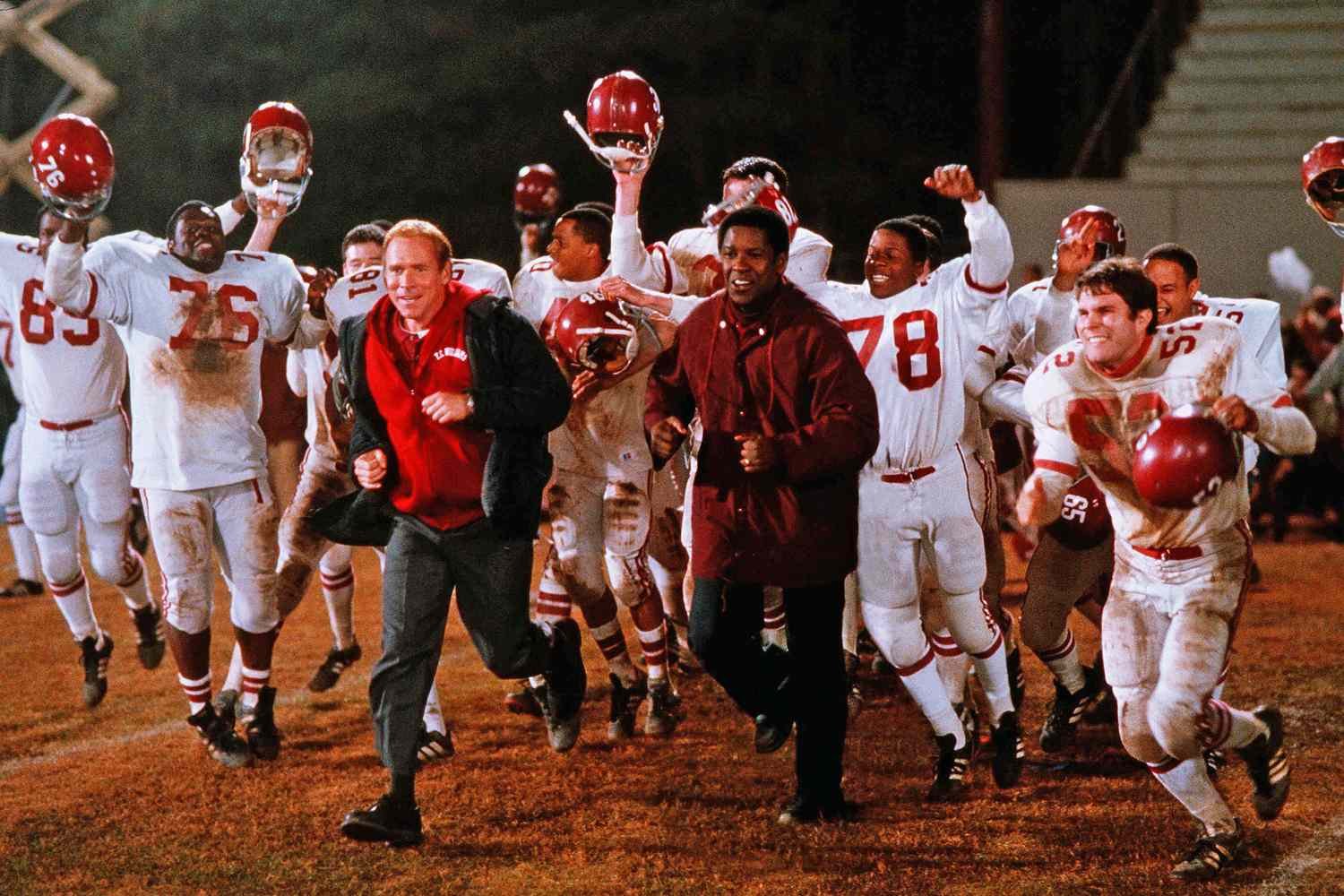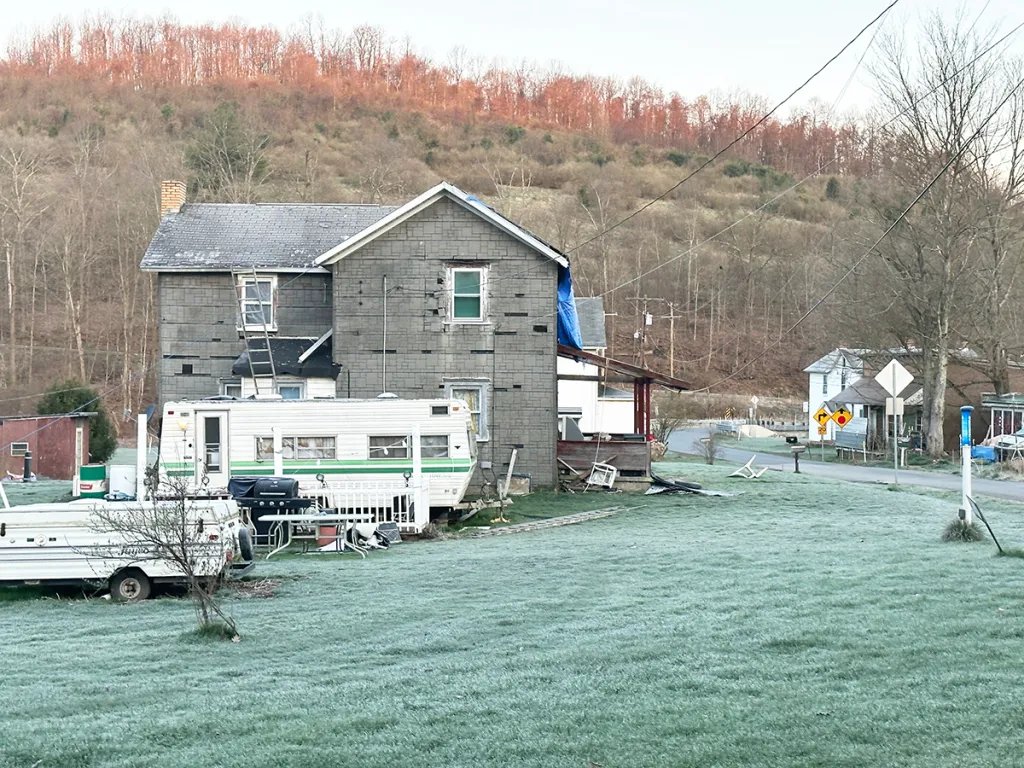
Saturation - Shot in Alabama: Selma

Virginia Film Tax Credit

Virginia Film Tax Credit

Transferable Tax Credit

Transferable Tax Credit

Incentive:

15-20% base + payroll credits

Minimum Spend:
$250,000

Minimum Spend: $250,000

Annual Cap: $6.5M/year

Project Cap: None stated

Apply for Incentive

More Info:

Virginia Film Tax Credit: Complete Guide for 2026

Virginia offers a motion picture production tax credit of 15% to 20% on qualifying production expenditures, with additional refundable credits available for Virginia resident payroll. The program is administered by the Virginia Film Office and is one of the longer-running production incentives in the Mid-Atlantic region. In 2025, the Virginia legislature extended the program through taxable year 2031 through Senate Bill 612, providing multi-year certainty for productions planning Virginia shoots.

Virginia's incentive structure is distinctive in offering both a tax credit component and, through separate authorization, a grant mechanism for larger productions. The Virginia Film Office evaluates each application and recommends the most appropriate incentive type based on the production's size, employment impact, and economic footprint in the Commonwealth.

How Virginia's Motion Picture Production Tax Credit Works

Virginia's credit program provides two parallel financial incentives that can be combined to maximize the overall incentive value for qualifying productions.

Base Production Expenses Credit

  • 15% credit on all qualifying Virginia production expenses for productions filming outside of economically distressed areas

  • 20% credit on all qualifying Virginia production expenses for productions filmed in an economically distressed area of the Commonwealth

The "economically distressed area" designation covers specific counties and cities in Virginia that the state has identified as qualifying under relevant poverty and unemployment criteria. The Virginia Film Office can provide a current list of qualifying distressed areas and help productions determine whether their planned filming locations qualify for the enhanced 20% rate.

Virginia Resident Payroll Credits

Beyond the base production expenses credit, Virginia offers additional credits specifically tied to Virginia resident employment:

  • For productions with $250,000 to $1 million in Virginia production costs: an additional 10% credit on the total aggregate payroll for Virginia residents employed on the production

  • For productions with more than $1 million in Virginia production costs: an additional 20% credit on the total aggregate payroll for Virginia residents employed on the production

  • An additional refundable 10% credit on the total aggregate payroll for Virginia residents who are employed for the first time as actors or production crew members on a qualifying production

The "first-time employee" credit is particularly notable: it is refundable rather than merely transferable, meaning the state pays cash for this portion of the credit regardless of the production company's Virginia tax liability. This provides a direct financial incentive for productions to hire and train new Virginia-based production professionals.

Annual Program Cap

The Virginia Film Office can issue no more than $6.5 million in motion picture production tax credits per fiscal year. This is a relatively modest annual cap compared to states like Georgia, New Mexico, or Pennsylvania. The $6.5 million cap means Virginia's program is better suited to small and mid-size productions rather than major studio films with very large budgets.

A proposal in the 2025 Virginia legislative session (Senate Bill 1179) sought to increase the annual cap from $6.5 million to $11.5 million and make the program permanent, but this legislation did not pass. The cap remains at $6.5 million and the program is now authorized through taxable year 2031.

Minimum Spend Requirement

To qualify for Virginia's film tax credit, a production must spend at least $250,000 in total production costs in the Commonwealth. This minimum applies to actual spending, not projected spending. Productions must be committed to filming in Virginia and generating at least $250,000 in genuine Virginia production activity.

Principal Photography in Virginia

Virginia's program requires that productions demonstrate a best-faith effort to film at least 50% of principal photography days in the Commonwealth. This is not an absolute requirement with severe consequences for falling slightly short, but it is a material factor in the Film Office's evaluation of applications. Productions that plan to use Virginia primarily as a second unit or supplemental location, with the majority of photography occurring elsewhere, should discuss their specific situation with the Virginia Film Office before applying.

Eligible Production Types

Virginia's credit covers the following production types:

  • Feature films for theatrical or streaming release

  • Television series, mini-series, and pilots

  • Television movies and movies of the week

  • Commercials produced for television or digital distribution

  • Documentary films

  • Short films with commercial distribution potential

  • Animated productions

News programs, sports event coverage, political advertisements, industrial videos, and productions not intended for general audience distribution do not qualify. The Virginia Film Office exercises discretion in evaluating applications for project types not explicitly listed, and productions with unusual formats should contact the office for guidance before applying.

What Counts as a Qualifying Virginia Production Expense

Qualifying expenses include expenditures that are directly related to production activity physically occurring in Virginia:

  • Compensation paid to Virginia residents and non-residents for services physically performed in Virginia

  • Payments to Virginia-registered vendors for goods and services used in production

  • Equipment rental from Virginia-based companies

  • Location fees paid to Virginia property owners

  • Lodging and per diems at Virginia hotels and accommodations during production

  • Set construction costs using Virginia labor and materials

  • Meals and catering from Virginia businesses

  • Fuel and transportation within Virginia

  • Post-production costs at Virginia-based facilities

Tax Credit vs. Grant: Virginia's Two-Track Approach

The Virginia Film Office has historically offered qualifying productions a choice between the statutory tax credit and a performance-based grant. The grant option can be more valuable for productions with very large Virginia footprints, as it may provide faster and more certain payment than the credit mechanism. The tax credit and the grant are not typically combined on a single production.

The appropriate incentive type depends on the production's size, tax structure, and timing needs. Productions should discuss both options with the Virginia Film Office during the pre-application consultation to determine which structure best fits their financing and production plan.

How to Apply for Virginia's Film Tax Credit

Pre-Application Consultation

Virginia's Film Office encourages productions to contact the office before submitting a formal application. Pre-application consultation helps productions understand whether they qualify, which incentive type is most appropriate (credit vs. grant), and what documentation will be required. The Film Office also assists with location scouting and production planning at no cost to the production.

Formal Application

Applications are submitted to the Virginia Film Office. Required documentation typically includes:

  • Project description, script or treatment, and distribution plan

  • Detailed production budget with Virginia expenditures identified

  • Financing documentation demonstrating the project is funded or has committed funding

  • List of proposed Virginia crew and cast hiring

  • Shooting schedule with Virginia filming days identified

  • Corporate entity documentation showing registration to do business in Virginia

Application Review and Award

The Virginia Film Office reviews applications and makes recommendations to the Virginia Economic Development Partnership and the Department of Taxation. The review process is discretionary: not all qualifying applications are automatically approved, and the Film Office considers the production's economic impact on Virginia, the employment of Virginia residents, and the nature of the locations to be filmed. Applications are evaluated in the order received, subject to available annual cap allocation.

Post-Production Verification

After production is complete, the production company submits a final accounting of actual Virginia expenditures, supported by an independent CPA audit. The certified expenditures form the basis for the final credit certificate amount, which may differ from the preliminary reservation if actual spending differs from projections.

2025-2026 Legislative Updates

The most significant development for Virginia's film incentive in recent years is Senate Bill 612, passed in the 2025 Virginia legislative session, which extends the program through taxable year 2031. This extension provides six years of program certainty, allowing productions to plan multi-year projects or series with confidence that the Virginia incentive will remain available.

The 2025 session also saw an unsuccessful proposal to increase the annual cap to $11.5 million. This suggests there is legislative appetite for expanding the program, though the expansion did not happen in 2025. Productions planning large Virginia shoots should note the $6.5 million annual cap constraint and plan their credit expectations accordingly.

Virginia Locations and Production Environment

Virginia's diverse geography makes it a compelling production destination across genres and time periods.

Historic Virginia

Virginia's history as one of the original American colonies, the site of key Revolutionary War and Civil War engagements, and the home of American founders gives the state unparalleled access to authentic historic settings. Colonial Williamsburg, Jamestown, Yorktown, Fredericksburg, Richmond's historic districts, and dozens of plantation properties and 18th and 19th century structures provide period settings that are difficult to replicate elsewhere. Productions requiring Revolutionary War, antebellum, or Civil War period settings find Virginia offers exceptional location depth.

Northern Virginia and Washington D.C. Adjacent

Northern Virginia's proximity to Washington, D.C. gives productions access to federal government settings, Potomac River landscapes, and the distinctive architecture of the D.C. metropolitan area without the permitting complexity and cost of filming in the District itself. The Virginia Film Office works closely with local governments in Northern Virginia to facilitate efficient permitting for productions.

Coastal and Mountain Environments

Virginia Beach and the Chesapeake Bay coastline provide Atlantic and estuarine environments for maritime productions. The Blue Ridge Mountains and Shenandoah Valley provide mountain landscapes within a few hours of the coast, offering productions exceptional geographic range within a single state. The Appalachian Highlands of southwestern Virginia offer rugged, undeveloped terrain for outdoor adventure and wilderness productions.

Richmond: An Emerging Production Hub

Richmond has emerged as Virginia's primary production hub, with a growing professional crew base, active film community, and strong local government support for production. The city's combination of historic architecture, waterfront settings on the James River, and gritty urban environments has attracted independent films and major productions. The Richmond area offers stage space and production support companies capable of supporting mid-size productions.

Contact and Resources

Virginia Film Office: 901 E. Cary St., Richmond, VA 23219. Phone: (804) 545-5530. Website: film.virginia.org.

The Virginia Film Office provides location scouting, production support, permitting assistance, and incentive guidance at no cost to qualifying productions.

Frequently Asked Questions

What is Virginia's film tax credit rate?

15% of qualifying Virginia production expenses (20% for productions filming in economically distressed areas), plus additional credits of 10-20% on Virginia resident payroll and a refundable 10% credit on payroll for first-time Virginia production employees.

What is the annual cap for Virginia film credits?

$6.5 million per fiscal year across all productions. This modest cap means Virginia is better suited to smaller and mid-size productions than to major studio films.

Is Virginia's film tax credit transferable or refundable?

The base production expenses credit is transferable. The additional 10% credit for first-time Virginia employees is refundable. The Virginia Film Office can provide details on credit structure based on a production's specific circumstances.

What is the minimum spend to qualify in Virginia?

$250,000 in total Virginia production costs.

Does Virginia have a resident hiring requirement?

There is no absolute resident hiring requirement, but the additional payroll credits (10-20% on Virginia resident aggregate payroll) provide a meaningful financial incentive to hire Virginia residents, particularly for larger productions. The resident payroll credits are layered on top of the base production expenses credit.

When was Virginia's film credit extended?

Senate Bill 612, passed in the 2025 Virginia legislative session, extended the program through taxable year 2031.

Virginia Film Office:

Applying for the credit?

Get Free Template

Use our budget template to add qualified expenses to the proper chart of accounts as required by the state.

Check out other states incentives: