Incentive:
No Program
Annual Cap: N/A
Project Cap: N/A
More Info:
Vermont Film Tax Incentive: Current Status (2026)
Vermont does not have an active statewide film production tax credit, rebate, or grant program as of 2026. Productions shooting in Vermont must budget without relying on a state incentive to offset in-state costs. This puts Vermont at a competitive disadvantage compared to neighboring states, particularly Massachusetts, which offers a 25% transferable tax credit on production spending, and New York, which maintains one of the most generous incentive programs in the country.
This is the essential fact for any producer evaluating Vermont: there is no financial offset from the state government for production spending in Vermont. Every dollar spent in the state comes at full cost.
The Vermont Film and Media Industry Task Force (2023)
Vermont has studied the film incentive question seriously at the legislative level. The Vermont General Assembly authorized a Vermont Film and Media Industry Task Force that submitted a formal report to the legislature in January 2023. This report documented:
The competitive gap between Vermont and incentive states like Massachusetts and New York, where neighboring programs were drawing productions that might otherwise have considered Vermont
The economic activity that film and media production generates for local communities, including lodging, food service, equipment, and crew wages
Recommendations that Vermont establish a structured incentive to attract productions and support the development of a sustainable local film industry
Analysis of program models from comparable small states that have implemented modest but effective incentive programs
Despite this legislative groundwork, Vermont had not enacted a formal film incentive program as of early 2026. The Task Force report established a factual and analytical record that future legislation can build on, but the political and fiscal environment has not yet produced enacted law. Productions planning Vermont shoots in 2026 or 2027 should monitor the Vermont Legislature's Commerce and Economic Development committees for any new incentive bills, but should not budget based on a program that does not yet exist.
What Vermont Does Offer Productions
Vermont's lack of a tax incentive is a real limitation, but the state offers genuine advantages for productions that choose it for creative reasons.
Vermont Film Commission
Vermont operates a state film office through the Vermont Film Commission that provides location scouting assistance, permit facilitation, and production liaison services. The Film Commission maintains a location library, a crew and vendor directory, and staff who can help incoming productions navigate Vermont's permit requirements at both the state and municipal levels. While the Commission cannot offer financial incentives, it actively works to make the practical side of filming in Vermont as straightforward as possible.
Contact the Vermont Film Commission at vtfilmcommission.com or through the Vermont Agency of Commerce and Community Development. The Commission can provide location photography, referrals to local crew and vendors, and guidance on specific permit requirements for state and private land locations.
Distinctive Visual Character
Vermont offers a visual environment that is genuinely difficult to replicate in other incentive states. The combination of elements that defines Vermont's landscape includes:
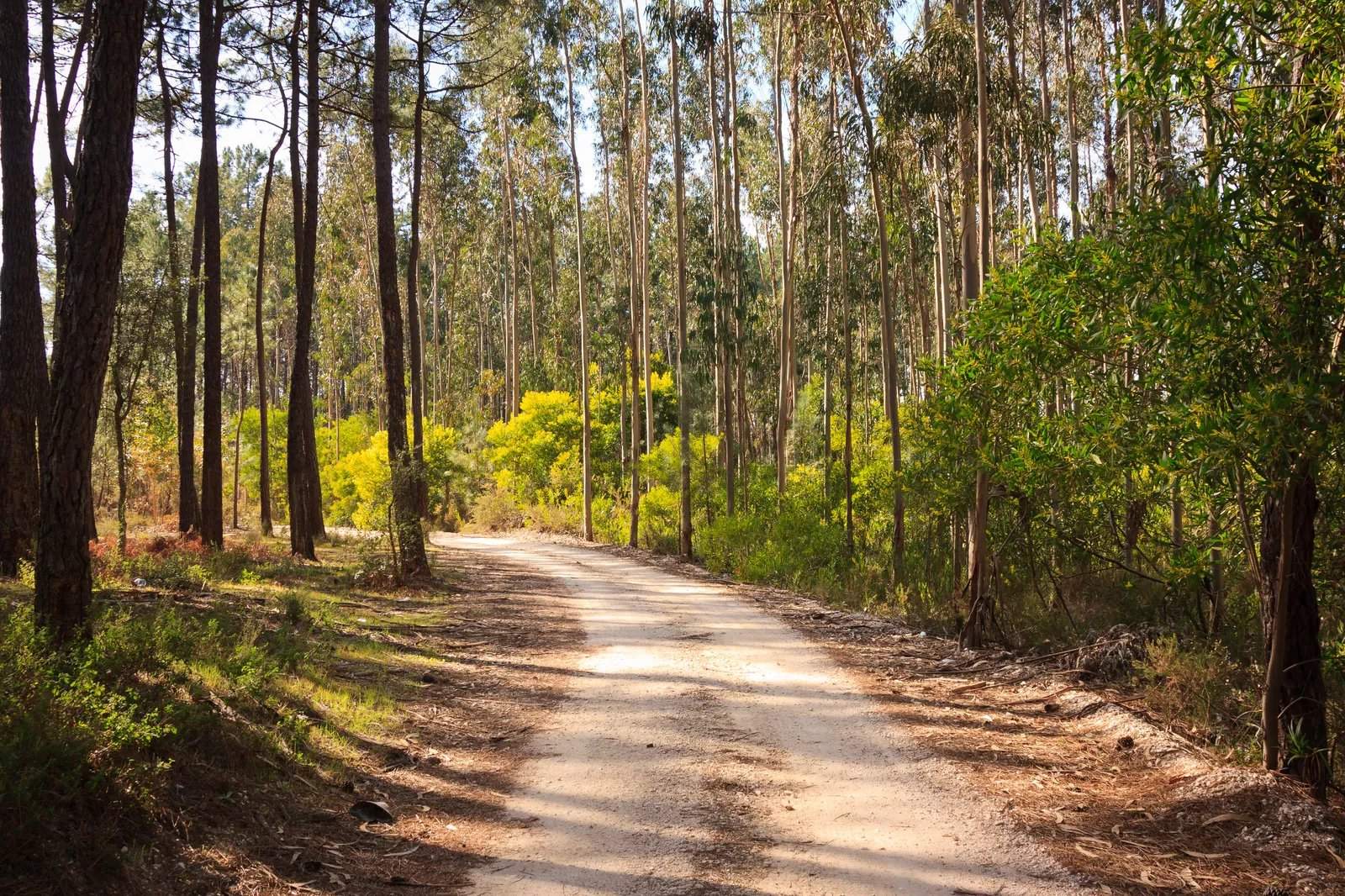
Dense hardwood forests with spectacular fall foliage that is unmatched in duration and intensity anywhere in the United States outside northern New England
Working dairy farms and agricultural landscapes that represent a specific version of New England rural life that has been heavily diminished in Massachusetts and Connecticut
Covered bridges, village commons with white clapboard churches, and small town centers that represent a concentrated version of idealized New England architecture
Mountain terrain in the Green Mountains and the Northeast Kingdom that provides both dramatic alpine environments and intimate valley settings within a compact geography
Lake Champlain and its islands, offering lakefront locations with the Adirondacks as a backdrop
These visual elements have made Vermont a consistent choice for productions that specifically require authentic New England rural character, a setting that Massachusetts and Connecticut can rarely provide given their higher population density and development levels.
Location Permit Environment
Vermont's smaller government footprint means fewer layers of permitting bureaucracy for most location types. Private property locations are negotiated directly with landowners who have generally limited experience with film productions, often resulting in very modest location fees compared to markets where landowners are accustomed to production activity. State Agency of Natural Resources permits for filming in state parks and forests are handled through a relatively accessible process. Municipal permits in Vermont's small towns are typically issued by local selectboards or town managers with minimal formality.
Proximity to Major Markets
Vermont sits within driving distance of Boston (3 hours), Montreal (2 hours from Burlington), and New York City (4-5 hours from Burlington by vehicle or shorter by rail). This proximity means productions can base crew in Vermont without completely cutting them off from major market resources. Above-the-line talent traveling from New York or Boston can fly into Burlington International Airport or drive to most Vermont locations. Equipment can be sourced from Boston-area rental houses and trucked to Vermont locations.
How Vermont Compares to New England Neighbors
Understanding what Vermont's neighbors offer helps producers decide when Vermont makes financial sense versus when they should shoot a New England-set story in an incentive state.
Massachusetts
Massachusetts offers a 25% transferable tax credit on all Massachusetts-based production spending with no annual funding cap. There is a $50,000 minimum spend for the production expenses credit and no minimum for the payroll credit. Productions with at least $50,000 in Massachusetts spending and production budgets of $50,000 or more qualify. The 25% rate is among the most consistently competitive in the Northeast and has attracted major studio productions, episodic television, and independent films for two decades. Massachusetts can double for much of New England's visual vocabulary including historic coastal towns, college campuses, and urban environments.
New York
New York State offers a 25% refundable tax credit on qualifying production expenditures, with additional credits available for New York City shoots (an additional 10% for the city credit). The annual cap is $700 million statewide, ensuring consistent program availability. New York's breadth of locations from the Adirondacks and Catskills to the Hudson Valley, the Finger Lakes, and the five boroughs means productions can access genuine rural New England-adjacent environments while qualifying for New York's generous incentive. Vermont's Northeast Kingdom can sometimes be replicated visually in upstate New York locations that do qualify for the NY credit.
Maine
Maine offers a wage reimbursement program that returns a percentage of wages paid to Maine residents working on qualifying productions. While the Maine program is more modest than Massachusetts or New York, it applies to productions spending as little as $75,000 in qualifying Maine expenditures. Maine's coastal and forested landscapes share visual characteristics with Vermont's more inland environments, and productions set in northern New England sometimes evaluate both states. Maine's incentive, even at its modest rate, provides a financial offset that Vermont cannot match.
Connecticut
Connecticut provides a 10% to 30% tax credit depending on in-state spending thresholds, with 10% for productions spending $100,000 to $500,000 in state and 30% for productions spending $1 million or more. The state has attracted significant television and film production activity and offers urban-to-suburban environments and shoreline locations. Connecticut's incentive makes it competitive for productions seeking New England settings that do not require Vermont's specific rural character.
What Productions Currently Shoot in Vermont
Without financial incentives, Vermont primarily attracts productions with specific creative requirements that override the financial disadvantage.
Independent Films and Documentaries
Filmmakers with personal connections to Vermont or projects about Vermont-specific subjects choose the state out of creative necessity. Independent narrative films set in Vermont's farming communities, ski culture, and small-town environments regularly choose to film on location despite the absence of an incentive. Documentary productions covering Vermont's dairy farming crisis, maple syrup industry, ice fishing culture, and agricultural history choose Vermont because the subject matter demands authenticity.
Fall Foliage and Seasonal Content
Vermont's fall foliage, which peaks from late September through mid-October, attracts commercial photography, travel content, and lifestyle productions that prioritize the specific quality of Vermont's autumn color over any financial incentive. The foliage season is brief enough that productions willing to time their shoots correctly can access location character that is simply unavailable anywhere else.
Student and Emerging Filmmaker Work
Vermont's college and university community, including Middlebury College, the University of Vermont, and Green Mountain College, generates student and emerging filmmaker productions that use the state as their primary filming environment. These productions operate at budget levels where the absence of a state incentive is less decisive than the availability of locations, student crew, and inexpensive production support.
Commercial and Advertising Shoots
Vermont's brand identity, associated with natural beauty, authenticity, craft production, and rural life, makes it a consistent choice for commercial shoots promoting outdoor products, food and beverage brands, lifestyle products, and environmental organizations. Commercial productions are typically less dependent on tax credits than feature films and often choose Vermont for its specific brand associations rather than financial incentives.
Planning a Vermont Production Budget
If your project requires Vermont locations, budget accurately for the financial environment:
Do not model a tax incentive offset. There is no program to claim against. Any financial model that includes a Vermont film incentive rebate is based either on proposed legislation that has not passed or on inaccurate information.
Factor in lower location and per-diem costs. Vermont's below-average accommodation rates, food costs, and location fees do provide a real cost advantage compared to major market productions. A crew of 20 in Burlington or Montpelier will have lower day rates for lodging and meals than equivalent crews in Boston or New York City, partially offsetting the absence of a state credit.
Consider a split-shoot structure for larger budgets. Productions that require Vermont's specific visual character for some scenes but have flexibility on others can anchor the majority of their production spend in Massachusetts or New York, collect the incentive on that majority spend, then send a smaller unit to Vermont for the specific locations that genuinely require it. This structure preserves the bulk of the incentive value while capturing the Vermont-specific elements the creative requires.
Track all Vermont expenditures carefully. If Vermont establishes a film incentive program in a future legislative session, it will almost certainly be a prospective program that applies to future productions. Retroactive application to past productions is unlikely. However, developing clean production accounting habits now prepares your team to qualify for any future Vermont program that may be enacted.
Resources for Vermont Production
Vermont Film Commission: vtfilmcommission.com. Location assistance, crew directories, permit guidance, and production support. The primary contact for incoming productions.
Vermont Agency of Natural Resources: Permits for filming in state parks, forests, and wildlife management areas. Contact the agency at anr.vermont.gov for the commercial photography and filming permit process.
Burlington Department of Public Works: Permits for filming in Burlington's public spaces, streets, and parks. Contact through the City of Burlington at burlingtonvt.gov.
Vermont Lodging Association: Can assist productions in sourcing bulk lodging for cast and crew across Vermont's various lodging markets from Burlington to Stowe to Brattleboro.
Managing Budgets for Vermont Productions
In the absence of a state incentive, production budget management becomes the primary financial control mechanism. Every dollar of Vermont spending matters more because there is no credit to offset overages. Saturation's collaborative budgeting tools give Vermont production teams real-time visibility into spending versus budget, with vendor payment tracking and accurate budget-versus-actual reporting from pre-production through final wrap. For productions splitting their work between Vermont and an incentive state like Massachusetts, Saturation keeps all spending visible in one place so your line producer and production accountant are always working from the same numbers.
Vermont Film Office:
Applying for the credit?
Get Free Template
Use our budget template to add qualified expenses to the proper chart of accounts as required by the state.