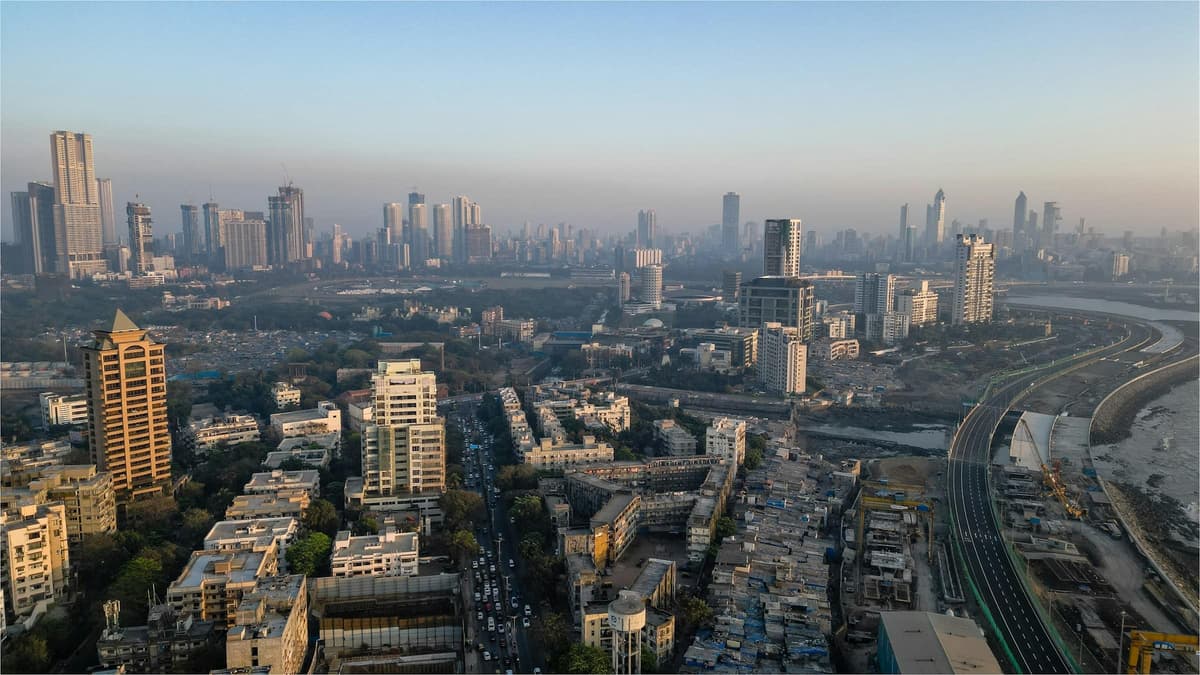
Saturation - Shot in Alabama: Selma

Utah Film Tax Credit

Utah Film Tax Credit

Refundable Tax Credit / Cash Rebate

Refundable Tax Credit / Cash Rebate

Incentive:

20-25%

Minimum Spend:
$100K (CFIP) / $500K (MPIP)

Minimum Spend: $100K (CFIP) / $500K (MPIP)

Annual Cap: Annual legislative appropriation + $12M rural bonus (FY25-26)

Project Cap: None

Apply for Incentive

More Info:

How Utah's Film Incentive Programs Work

Utah administers two film incentive programs through the Utah Film Commission and the Governor's Office of Economic Opportunity: the Motion Picture Incentive Program (MPIP) and the Community Film Incentive Program (CFIP). Together, these programs cover productions across a wide range of budget sizes, from smaller regional projects to major studio films and streaming series.

The Motion Picture Incentive Program is Utah's primary offering and serves as the state's main tool for attracting larger productions. It provides a fully refundable tax credit of up to 25% for productions that spend at least $500,000 in Utah. The Community Film Incentive Program is designed for emerging filmmakers and smaller projects, offering a 20% post-performance cash rebate for productions spending between $100,000 and $500,000 in-state. Both programs are currently active and accepting applications, with the MPIP set to expire after fiscal year 2026 unless the Utah Legislature acts to extend it.

Motion Picture Incentive Program (MPIP) Details

The MPIP provides a base refundable tax credit of 20% for qualifying productions. Productions can reach the 25% maximum rate by meeting one of two additional criteria:

  • Option 1: Spend at least $1 million in Utah AND ensure that at least 75% of the cast and crew (excluding extras and five principal cast members) are Utah residents

  • Option 2: Spend at least $1 million in Utah AND conduct at least 75% of principal photography days in rural Utah (outside Davis, Salt Lake, Utah, and Weber counties)

Productions spending between $500,000 and $1 million that meet the 75% Utah resident crew requirement can also qualify for a 20% cash rebate rather than the tax credit. This rebate option is particularly useful for productions without Utah tax liability that prefer a direct cash payment.

The refundable credit is fully refundable, meaning productions receive any excess credit above their Utah tax liability as a cash payment. Out-of-state production companies with no Utah tax exposure receive the full credit value in cash.

Community Film Incentive Program (CFIP) Details

The CFIP is designed for lower-budget productions that want access to Utah's locations and crew but cannot meet the MPIP's $500,000 minimum spend. The program offers a 20% post-performance cash rebate on qualifying in-state expenditures for productions spending between $100,000 and $500,000 in Utah.

The CFIP is structured as a post-performance rebate, meaning productions receive the incentive after completing production and submitting verified expenditure documentation to the Utah Film Commission. There is no credit transfer or brokerage involved, just a direct cash payment equal to 20% of the verified qualifying spend.

The CFIP has been used effectively by documentary filmmakers, independent narrative features, short film productions, and student film projects that have professional distribution attached. The program requires a 100% financing commitment and an established distribution plan at the time of application, which sets a floor of seriousness for qualifying projects.

2025-2026 Rural Production Bonus

For fiscal years 2025 and 2026, the state set aside an additional $12 million in tax credit certificates specifically for rural productions. A rural production under this bonus is defined as one where at least 75% of principal photography days occur outside the four-county Wasatch Front corridor (Davis, Salt Lake, Utah, and Weber counties).

This rural bonus runs parallel to the standard MPIP allocation and gives rural productions access to an additional pool of incentive funds. As of early 2026, the Utah Film Commission reported continued active approvals from this rural bonus pool, including three new productions approved in February 2026 with a projected combined economic impact of $11.3 million and more than 175 jobs across multiple counties.

Eligible Production Types

Utah's MPIP and CFIP cover a broad range of production formats:

  • Feature films (narrative and documentary)

  • Scripted television series

  • Reality and unscripted television

  • Pilots

  • Animation

  • Commercials

  • Video games

  • Post-production only projects

  • Industrial and corporate films (case-by-case)

Both programs require the production to demonstrate 100% financing and a credible distribution or exhibition plan. Productions that cannot demonstrate financing and distribution at the time of application are not eligible regardless of the budget size or in-state spend projection.

What Counts as a Qualifying Utah Expenditure

Qualifying in-state expenditures include costs paid to Utah vendors, Utah-based facilities, and Utah-resident workers for work performed in Utah. Specifically eligible categories include:

  • Wages paid to Utah residents for above-the-line and below-the-line services performed in-state (excluding the top five principal cast members for the 75% resident crew calculation)

  • Wages paid to non-resident crew members for work performed in Utah

  • Location fees paid to Utah property owners

  • Equipment rentals from Utah-based companies

  • Set construction materials from Utah vendors

  • Catering and craft services from Utah businesses

  • Lodging costs for cast and crew while working in Utah

  • Vehicle and transportation costs from Utah vendors

  • Post-production work performed by Utah facilities

  • Wardrobe and props sourced from Utah suppliers

Story rights, music licensing, marketing and distribution costs, and above-the-line compensation for the five highest-paid principal cast members are excluded from the qualified spend calculation for purposes of the 75% resident crew test, though they may count toward the overall in-state spend threshold.

Application Process

Step 1: Pre-Application Contact

Contact the Utah Film Commission before submitting a formal application to discuss your project, its production scope, and how Utah locations fit your creative needs. Utah Film Commission staff can advise on which program (MPIP or CFIP) is most appropriate, how to structure the production to maximize incentive eligibility, and what supporting materials the application will require.

Step 2: Application Submission

Applications to the MPIP must be submitted before principal photography begins in Utah. Productions must commence principal photography within 90 days of the application date. The application requires a complete budget, projected Utah expenditure breakdown, financing documentation showing 100% committed financing, and a distribution or exhibition plan.

Unlike some state programs, Utah does not operate strictly on a first-come-first-served basis. The Governor's Office of Economic Opportunity Board evaluates applications based on relative merit, including economic impact, Utah employment, and whether the incentive is necessary to bring the project to the state. Productions that can demonstrate a competitive need for the incentive because Utah is competing against other states for the project are better positioned in the review process.

Step 3: Production and Documentation

During production, maintain detailed records of all qualifying expenditures organized by vendor location, crew residency status, and expense category. The Utah Film Commission will require this documentation during the post-production review. Productions using the 75% resident crew pathway should track crew residency status on their daily production reports and payroll records throughout the shoot.

Step 4: Post-Production Audit and Certification

After principal photography wraps in Utah, submit the final cost report with supporting documentation to the Utah Film Commission. A CPA audit of the expenditure report is required for MPIP applications. The audit must be conducted by a CPA independent of the production and should be arranged in advance of production wrapping to avoid delays in the certification process.

Step 5: Credit Certificate Issuance

Following approval of the final cost report and CPA audit, the Governor's Office of Economic Opportunity issues the tax credit certificate. For productions electing the cash rebate option, a cash payment is issued following the same review and approval process.

Utah Film Locations

Utah's filming reputation rests on its extraordinary geological landscapes, which have served as backdrops for films and television series across virtually every genre. But the state offers more than canyon country, with a growing urban production infrastructure in Salt Lake City and Provo.

Moab and Canyon Country

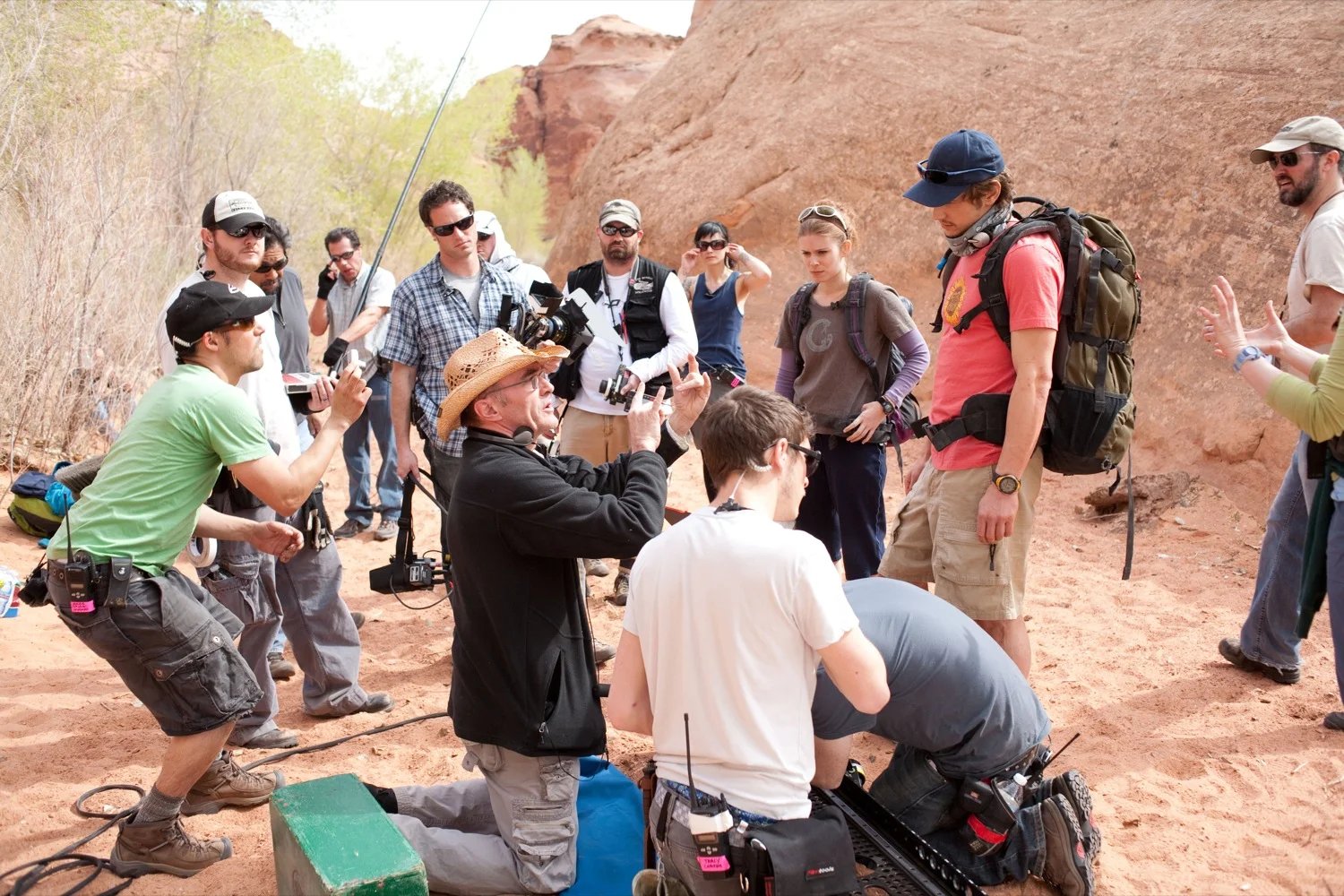
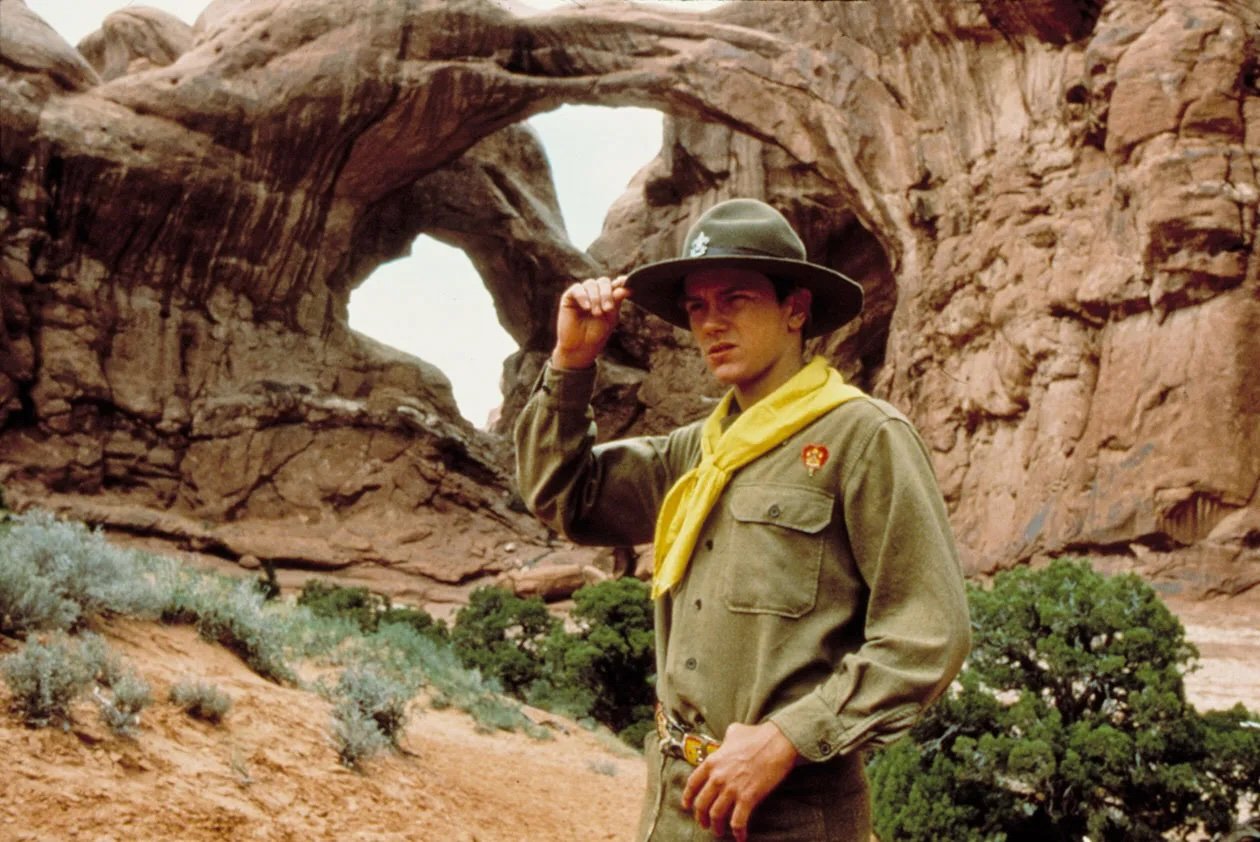
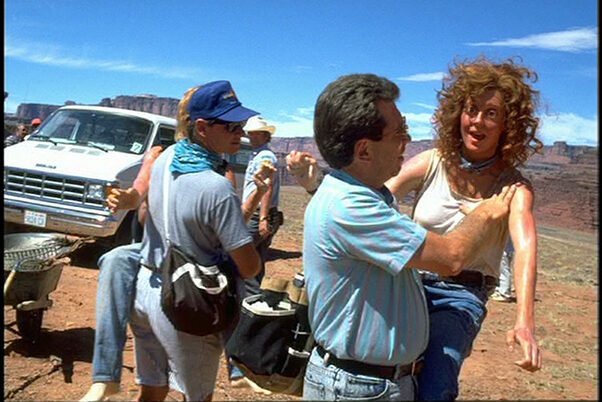
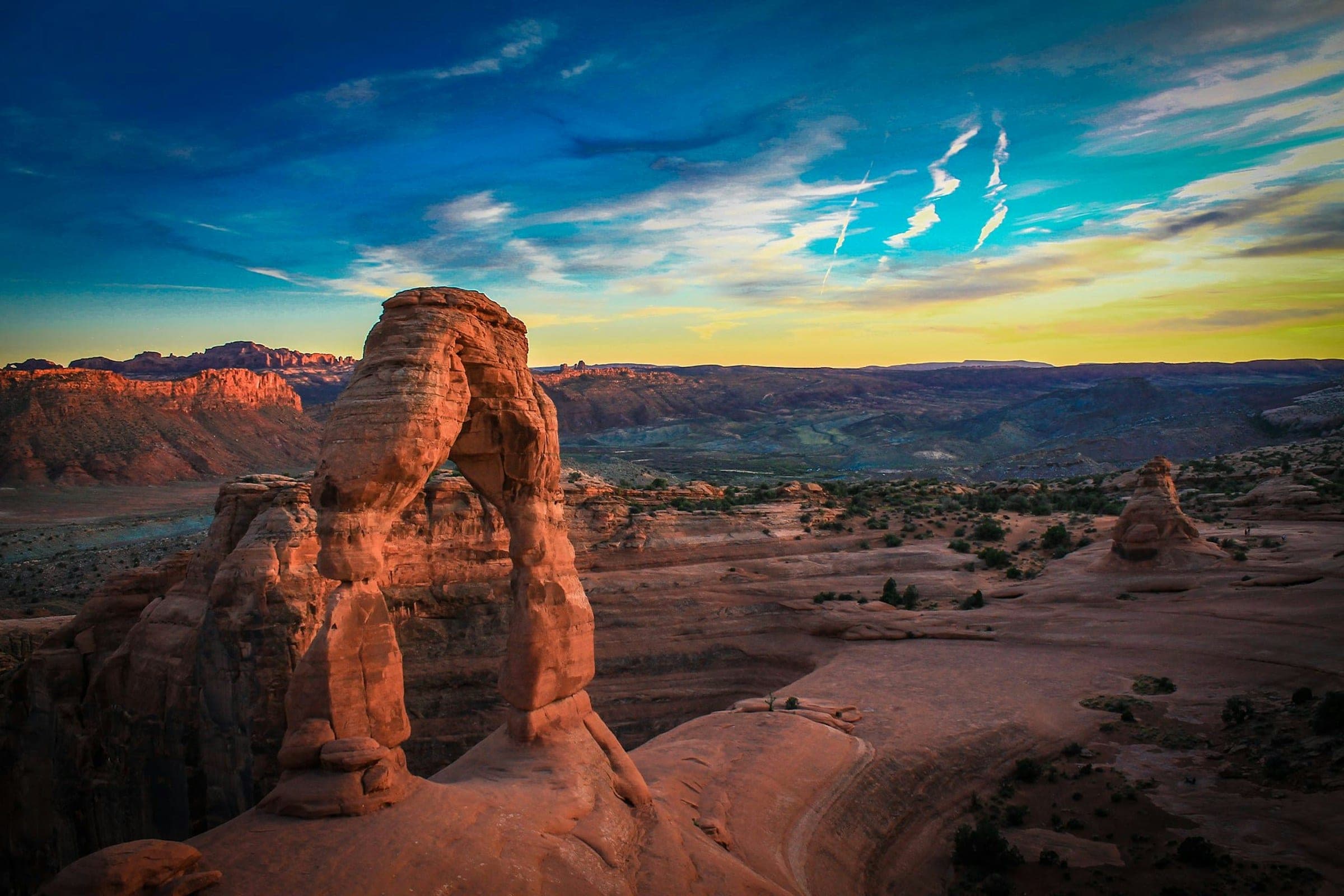
Moab serves as the gateway to southeastern Utah's canyon landscapes. Arches National Park, Canyonlands National Park, Dead Horse Point State Park, and the surrounding BLM lands provide red rock formations, dramatic mesas, river gorges, and high desert terrain that has appeared in hundreds of productions. The region around Moab is among the most filmed outdoor locations in the United States.

Kanab and Southwestern Utah

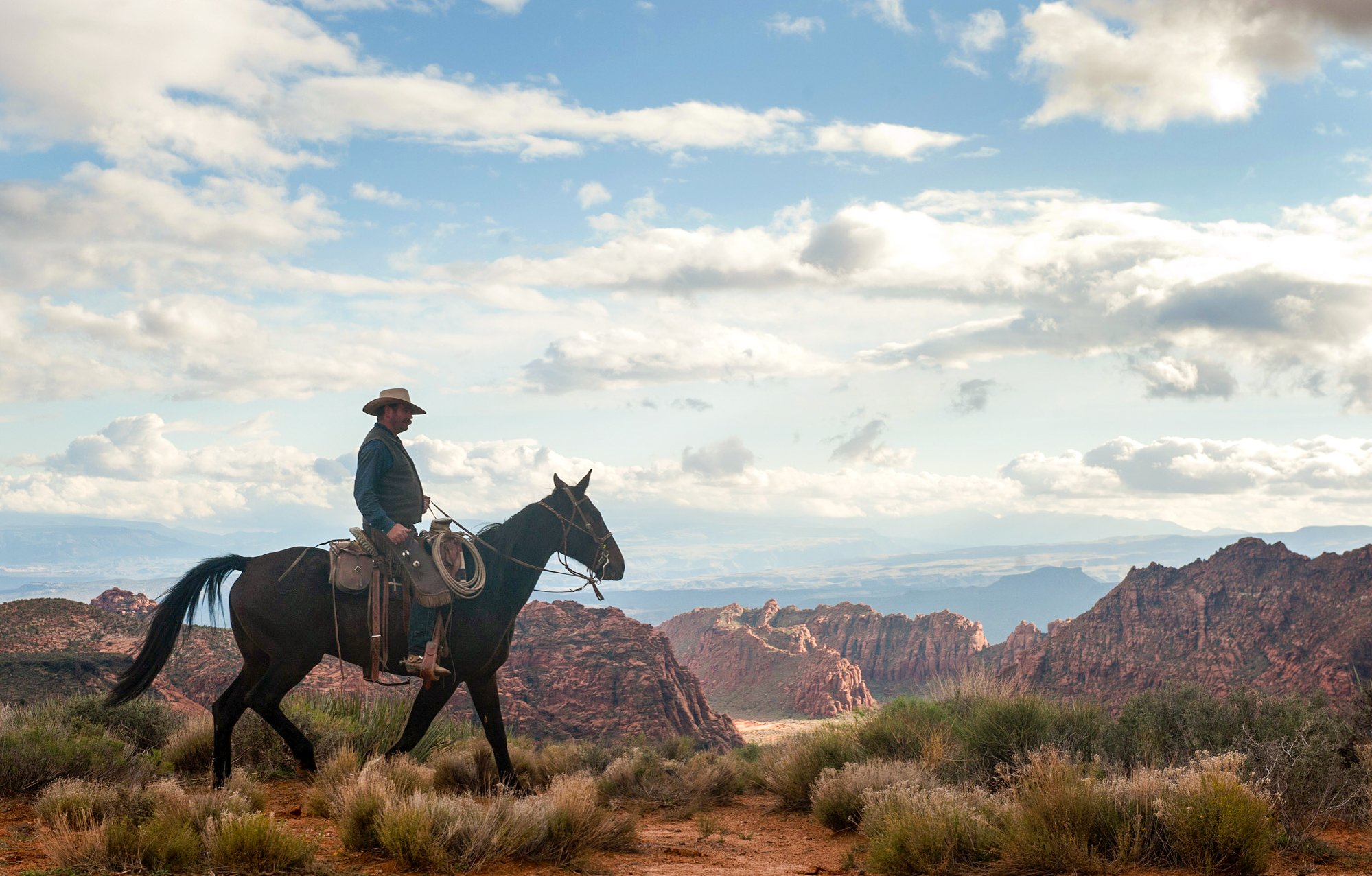
Kanab, often called "Little Hollywood," has been a film production hub since the 1920s. The surrounding area includes Zion National Park, Bryce Canyon National Park, the Vermilion Cliffs, and the Grand Staircase-Escalante National Monument. This southwestern corner of Utah offers a visual range from slot canyons and hoodoos to high plateau grasslands that can stand in for a variety of geographic settings.

Salt Lake City and Wasatch Front

Salt Lake City provides a modern urban environment backed by the Wasatch Range, which rises dramatically from the valley floor. The combination of metropolitan infrastructure, mountain proximity, and Great Salt Lake creates a visual setting that is instantly distinctive. Downtown Salt Lake City, the University of Utah campus, and the historic neighborhoods of the Avenues and Sugar House offer a range of urban production environments.

Park City and Alta-Snowbird

Park City is recognized globally as the home of the Sundance Film Festival but also offers a historic Main Street, ski resort infrastructure, and mountain terrain within 30 minutes of Salt Lake City. The ski resort areas of Alta, Snowbird, Brighton, and Deer Valley provide winter environments and mountain settings accessible from a major airport.

Monument Valley

Monument Valley straddles the Utah-Arizona border within the Navajo Nation. The iconic sandstone buttes and mesas of Monument Valley are among the most recognizable landscapes in world cinema. Productions filming in Monument Valley work with Navajo Nation tourism and film liaison programs and must obtain tribal permits.

Utah Film Production Infrastructure

Utah's production services community has grown alongside the state's incentive program. Salt Lake City and the surrounding Wasatch Front support:

  • IATSE Local 99, which covers grip, electric, art department, and other below-the-line union crew across Utah

  • Multiple production equipment rental companies serving the greater Salt Lake area

  • Several soundstage facilities in Salt Lake City and Provo

  • Post-production companies offering editorial, color, and sound services

  • A growing SAG-AFTRA talent pool in Salt Lake City

  • Location management professionals familiar with both federal and state land agency permitting

The Utah Film Commission also maintains a production guide that lists in-state vendors, facilities, crew contacts, and location scouts that productions can reference when building their local crew and vendor network.

How Utah Compares to Neighboring States

Utah vs. New Mexico

New Mexico offers up to 40% on qualifying expenditures and has a larger pool of studio infrastructure in Albuquerque. Utah's maximum rate of 25% is lower, but Utah's refundable credit eliminates the need for credit brokerage, and Utah's canyon and desert locations are in many cases more distinctive than New Mexico's. For productions where location drives the creative decision, Utah's locations frequently win even at a lower incentive rate.

Utah vs. Arizona

Arizona's MPPP tops out at 20% base plus up to 7.5% in bonuses, for a potential 27.5%. Utah's maximum rate of 25% with the resident crew or rural pathway is comparable, and both states share many similar landscape types, including desert, canyon country, and Monument Valley. Productions often compare both states when seeking Southwestern visuals, with the final decision frequently coming down to specific location needs and the production's crew composition.

Utah vs. Colorado

Colorado offers a 20% cash rebate through its Colorado Film Incentive Program. Utah's refundable tax credit can reach 25% with the resident crew or rural pathway, giving Utah a higher maximum rate. Both states have mountain terrain and growing urban production markets, but Utah's southern canyon country has no Colorado equivalent for productions that need that specific visual profile.

Program Sunset and Legislative Outlook

The current MPIP program is set to expire after fiscal year 2026 unless the Utah Legislature acts to extend it. The Utah Film Commission and the Governor's Office of Economic Opportunity have advocated for renewal based on the program's economic impact, which has grown substantially since the incentive was established. Productions planning to shoot in Utah in 2027 or beyond should monitor the program's legislative status closely. Washington Filmworks' history of extensions in similar situations suggests that programs generating documented economic returns tend to earn legislative support for renewal.

The rural production bonus, which runs through fiscal year 2026 with its separate $12 million allocation, is also subject to legislative renewal for subsequent fiscal years. Productions targeting rural Utah locations for 2027 should factor the uncertainty around the bonus into their financial modeling.

Managing Utah Production Budgets with Saturation

Utah's 75% resident crew requirement for the top 25% credit rate demands precise crew residency tracking throughout the production. A production that reaches the end of principal photography and discovers it fell short of the 75% threshold has no mechanism to retroactively adjust its credit eligibility.

Saturation's cloud-based production budgeting and expense tracking software supports this workflow by flagging crew residency status at the point of hire and tracking the running ratio of Utah-resident to non-resident crew days throughout the production. Productions can monitor their resident crew percentage in real time rather than discovering a compliance gap at the close of production.

For productions using the rural pathway to reach the 25% rate, Saturation tracks production day locations against the rural county definition, making it straightforward to demonstrate the 75% rural day requirement in the final cost report.

Frequently Asked Questions

Is the Utah MPIP credit refundable?

Yes. The MPIP provides a fully refundable tax credit. Productions that owe less Utah tax than the credit amount receive the difference as a cash payment from the state. Out-of-state production companies with no Utah tax liability receive the full credit value in cash.

Does Utah require a CPA audit?

Yes. A CPA audit of the expenditure report is required for MPIP applications. Productions should identify a CPA familiar with film production audits early in the production process and budget for audit costs separately from production expenses.

Can a production split its shoot between Utah and other states?

Yes. Productions frequently split principal photography between Utah and other states. Only Utah expenditures count toward the in-state spend calculation, and only Utah-based crew days count toward the 75% resident crew threshold. Productions should track in-state versus out-of-state activity carefully throughout the shoot to ensure the Utah spend and crew day thresholds are met.

What is the difference between the MPIP and the CFIP?

The MPIP is for productions spending $500,000 or more in Utah and provides a refundable tax credit of 20-25%. The CFIP is for productions spending between $100,000 and $500,000 and provides a 20% post-performance cash rebate. Smaller productions that cannot qualify for the MPIP threshold can access the CFIP as an alternative incentive pathway.

Is the program available in 2026?

Yes. As of early 2026, both the MPIP and the CFIP are accepting applications, and the rural production bonus pool remains available. The Utah Film Commission reported approvals in February 2026 for new productions under the rural bonus. Productions should contact the Utah Film Commission directly for the most current information on fund availability and application timelines.

Contact the Utah Film Commission

The Utah Film Commission administers both the MPIP and the CFIP and serves as the primary contact for productions considering Utah. Virginia Pearce serves as Director of the Utah Film Commission. Application materials, program guidelines, and production resources are available at film.utah.gov. Productions should contact the Utah Film Commission well before their planned start of principal photography to discuss program eligibility and the application requirements.

Utah Film Office:

Utah Film Commission

Council Hall/Capitol Hill 300 North State Street, Salt Lake City,UT 84114 

Applying for the credit?

Get Free Template

Use our budget template to add qualified expenses to the proper chart of accounts as required by the state.

Check out other states incentives: