Incentive:
5-31%
Annual Cap: $300M per biennium ($1.5B over 10 years through 2035)
Project Cap: None
More Info:
How the Texas Film Incentive Works
The Texas Moving Image Industry Incentive Program (TMIIIP) is one of the largest and most transformative film production grant programs in the United States. Administered by the Texas Film Commission under the Office of the Governor, TMIIIP provides direct cash grants based on a percentage of eligible Texas expenditures for qualifying film, television, commercial, animation, visual effects, video game, extended reality (XR), and other moving image productions.
Unlike a tax credit that must be applied against state tax liability or sold to a third-party buyer, TMIIIP operates as a direct cash grant paid by the state of Texas after production expenditures are verified. This cash grant structure eliminates the credit transfer process and delivers the incentive value directly as a state payment, making TMIIIP's face value equivalent to its cash value. A 20% Texas grant returns 20 cents on every qualifying dollar in direct cash, without a brokerage haircut.
Under Senate Bill 22, signed into law in 2025 following a high-profile campaign backed by Matthew McConaughey, Woody Harrelson, and Yellowstone creator Taylor Sheridan (all Texas natives), the program was dramatically expanded. The Texas Legislature committed $300 million per biennium to the Texas Moving Image Industry Incentive Fund, with a 10-year commitment totaling $1.5 billion through August 31, 2035. This makes Texas one of the best-capitalized film incentive states in the country and signals a long-term legislative commitment that production companies can rely on when planning multi-season series and permanent facility investments.
Texas TMIIIP Grant Rates
Grant rates vary by production type and total Texas expenditure level:
Film and Television (including streaming series and pilots)
Base grant: 5% to 25% of qualified Texas expenditures depending on the project's total Texas spend and residency ratios
Additional uplift grants: 1% to 2.5% per qualifying criterion, stackable to reach a combined maximum of approximately 31%
Commercials and Reality Television
Base grant: 5% to 10% of qualified Texas expenditures
Additional uplift grants: 1% to 2.5% per qualifying criterion, stackable up to the category maximum
Video Games, Animation, and Visual Effects
Base grant: 5% to 25% of qualified Texas expenditures
Additional uplift grants: 1% to 2.5% per qualifying criterion
The specific grant rate within each range depends on the production's total Texas expenditure level, the percentage of Texas resident crew and cast, and any applicable uplift criteria.
Available Uplift Categories
Productions can stack additional grant percentages by meeting specific criteria. Available uplift categories include:
In-state post-production: 1% additional grant for routing significant post-production work to Texas-based facilities
Rural area filming: 2.5% additional grant for productions filming a qualifying portion of shooting days in rural Texas locations
Veterans participation: 2.5% additional grant for productions meeting specific thresholds for hiring Texas-resident veterans
Texas heritage or historical promotion: 2.5% additional grant for productions that authentically promote Texas history, culture, or significant historical sites
Faith-based content: 2.5% additional grant for qualifying faith-based productions
Historic site filming: 2.5% additional grant for productions incorporating filming at Texas state or national historic sites
Workforce development: 2.5% additional grant for productions with qualified workforce development partnerships
The maximum combined grant rate (base plus all applicable uplifts) is approximately 31% for film and television productions that qualify for both the highest base rate tier and all applicable uplift categories.
Core Eligibility Requirements
To qualify for TMIIIP, productions must meet the following baseline requirements:
Minimum in-state spend: $250,000 in qualified Texas expenditures (or $250,000 per season for episodic series)
Texas resident crew: at least 35% of paid crew positions must be held by Texas residents. This percentage increases to 50% by 2031 under the SB 22 schedule.
Texas resident cast: at least 35% of paid cast members (including principal and background talent) must be Texas residents
Texas production days: at least 60% of total production must be completed in Texas
Per-person wage cap: the first $1 million of each Texas resident's wages count toward the qualified spend calculation for labor
Productions that fall below the 35% crew and cast residency thresholds do not qualify for the base grant, even if they meet the minimum spend and production day requirements. The residency thresholds are strictly enforced and require documentation of Texas residency for each qualifying crew and cast member.
Qualified Texas Expenditures
The TMIIIP covers a broad definition of qualifying Texas expenditures:
Wages paid to Texas residents for above-the-line and below-the-line services performed in Texas, up to $1 million per individual per production
Wages paid to non-Texas residents for work performed in Texas, up to $1 million per individual
Vendor invoices from Texas-based businesses for equipment rentals, set construction, location fees, catering, transportation, wardrobe, props, and other production services
Petty cash expenditures incurred in Texas
Post-production costs incurred at Texas facilities
Animation, visual effects, and technical production costs incurred with Texas vendors
Story rights and script acquisition, music licensing, marketing and distribution, and expenditures clearly incurred outside Texas are excluded from the qualified spend calculation. The TMIIIP includes wages, vendor invoices, and even petty cash in its qualifying expenditure definition, which is broader than many state incentive programs that exclude certain cost categories.
How to Apply for TMIIIP
Step 1: Pre-Application Contact
Contact the Texas Film Commission before submitting a formal application to discuss your project, confirm eligibility, and understand the current fund availability and review timeline. Given the $300 million biennial fund, Texas has significantly more capacity than it did under the previous program structure, but the volume of applicants has also grown substantially following the SB 22 expansion.
Step 2: Application Submission
Applications are submitted to the Texas Film Commission before the start of principal photography. The application requires the production budget with a Texas expenditure breakdown, evidence of project financing, the shooting schedule with Texas location dates, and documentation of the crew and cast composition required to meet the residency thresholds. The Texas Film Commission reviews applications on a competitive basis, evaluating economic impact, Texas resident employment, and the geographic distribution of production activity across the state.
Step 3: Production and Documentation
During production, maintain detailed records of all qualifying Texas expenditures. Texas residency documentation for crew and cast members claiming the residency credit must be maintained throughout the production. Tracking the Texas resident crew percentage on a running basis is essential to confirm that the 35% (or applicable) threshold is maintained across the entire production period rather than just on specific shooting days.
Step 4: Final Cost Report and CPA Audit
After production wraps, submit a final cost report to the Texas Film Commission. An independent CPA audit of qualifying Texas expenditures is required before grant disbursement. The audit must verify both the dollar amounts of qualifying expenditures and the crew and cast residency percentages claimed in the application. Productions should identify an audit firm familiar with TMIIIP requirements early in the production process.
Step 5: Grant Payment
Following approval of the final cost report and CPA audit, the Texas Film Commission authorizes the grant payment. The grant is paid directly to the production company as a cash disbursement from the Texas Moving Image Industry Incentive Fund. No credit transfer or brokerage is required. Budget approximately 90 to 120 days from audit submission to receipt of grant funds for cash flow planning purposes.
The 2025 SB 22 Expansion
Senate Bill 22, passed by the Texas Legislature in 2025, represents the most significant overhaul of TMIIIP since the program launched. Key changes include:
Biennial funding increased to $300 million (from approximately $200 million per biennium previously)
Ten-year program commitment through 2035 with $1.5 billion in total state funding
Expanded eligible production types to include XR and interactive content categories explicitly
New uplift categories added including veterans participation and workforce development partnerships
Texas resident crew percentage requirement scheduled to increase from 35% to 50% by 2031, signaling the state's intent to build a larger resident crew base over time
Program sunset extended from 2025 to 2035, providing a decade-long planning horizon for infrastructure investors
The SB 22 expansion followed years of advocacy by Texas-based production community members who documented that Texas was losing major productions to other states despite its advantages in geography, infrastructure, and workforce. The advocacy campaign's success, backed by internationally recognized Texas-born talent, demonstrated the political viability of film industry investment for the Texas Legislature.
Texas Film Locations
Texas offers the widest geographic range of any single state in the continental United States, and this variety is one of its primary advantages as a filming destination:
Austin
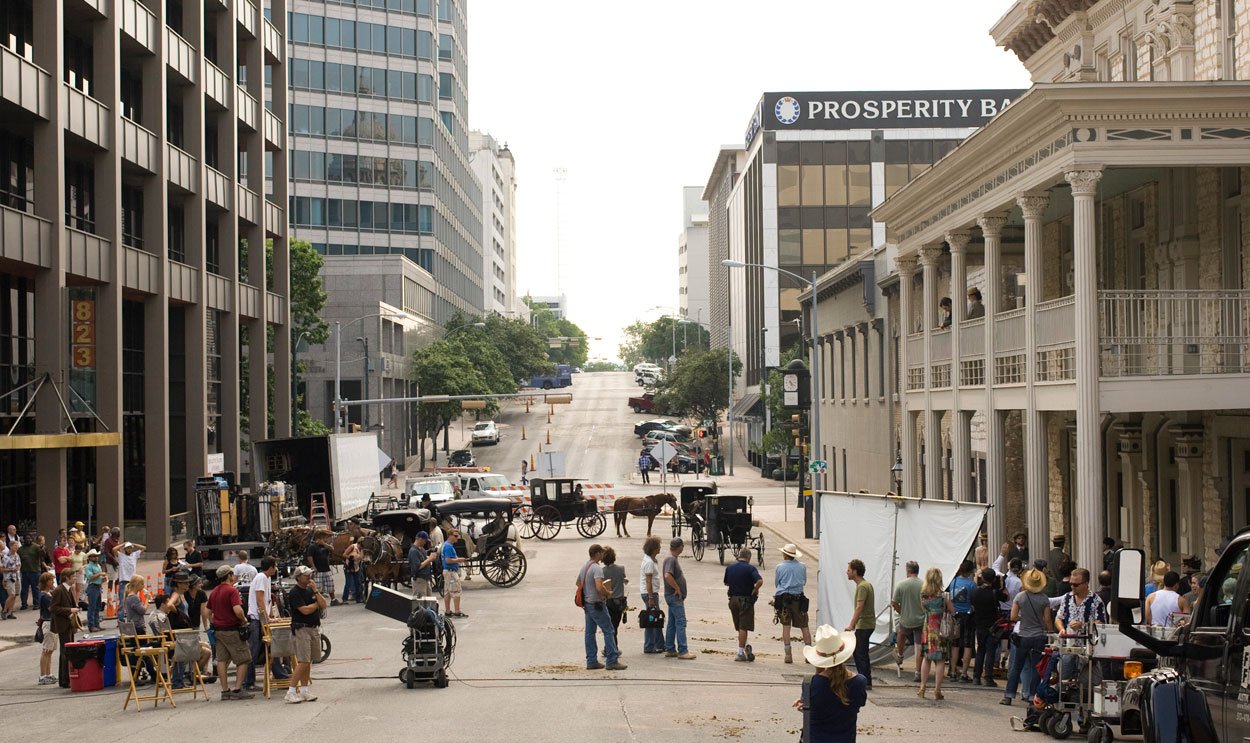
Austin is Texas's primary production hub for narrative film and television. The city combines a vibrant live music scene with a growing tech industry, the University of Texas campus, the Colorado River lakes, rolling Hill Country terrain accessible within 30 minutes of downtown, and a large, experienced production community. Austin has served as a filming location for major studio features, independent films, and a growing volume of streaming series. The Austin Film Commission is actively engaged with productions considering the city.
Dallas-Fort Worth
The Dallas-Fort Worth metroplex is the largest production market in Texas by crew size and infrastructure. DFW has multiple major soundstage facilities, a large IATSE crew base, proximity to multiple major airports, and a metropolitan environment that ranges from modern glass towers to historic neighborhoods and stockyards. Fort Worth's Stockyards National Historic District provides one of the most authentic western-heritage production environments in the United States, with working cattle drives, honky-tonks, and 19th-century architecture preserved within a functioning entertainment district.
Houston
Houston provides a distinctively diverse urban environment as one of the most ethnically heterogeneous large cities in the United States. The Houston Ship Channel, NASA's Johnson Space Center, the Texas Medical Center, Galveston's Gulf Coast beaches, and an extensive network of bayous and parks within the city limits give Houston an unusually varied production location portfolio. Houston also has established soundstage infrastructure and a significant commercial production community.
West Texas and the Permian Basin
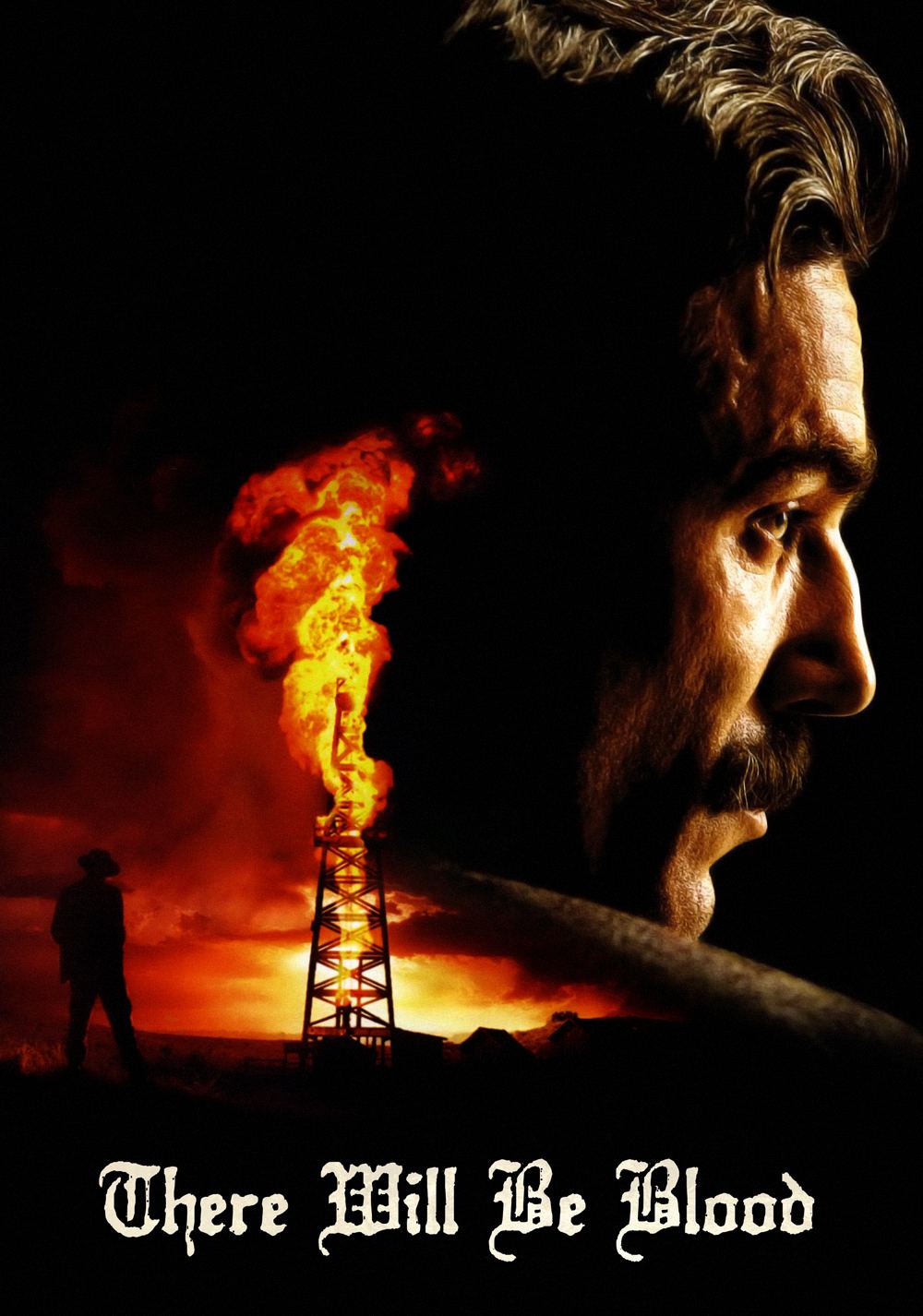
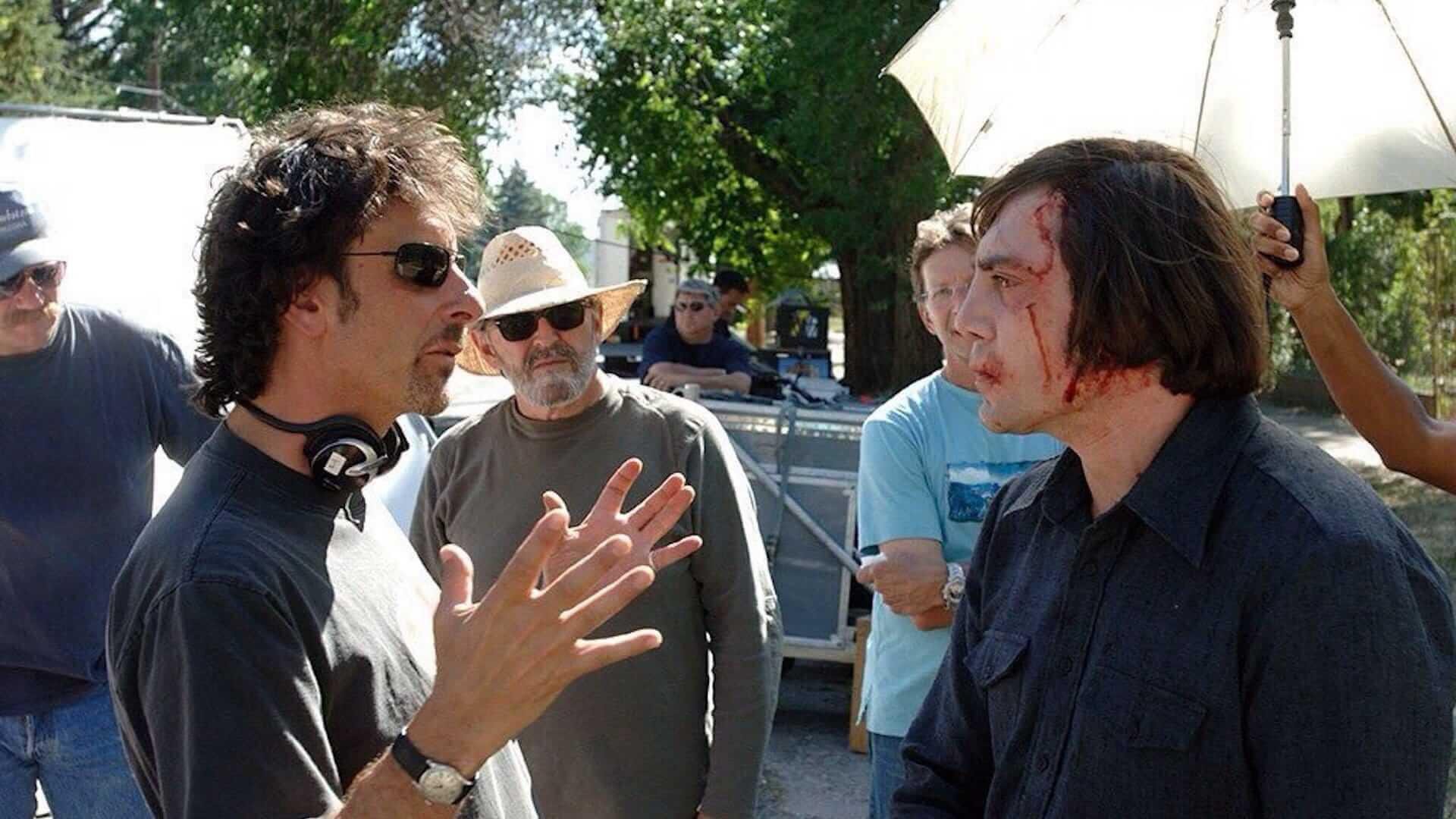
West Texas's vast high desert, the Davis Mountains, Big Bend National Park, Marfa's art colony, and the Guadalupe Mountains create a visual environment associated with the American Southwest at its most iconic. Marfa has been a production destination since Giant was filmed there in 1956 and has attracted productions ranging from No Country for Old Men to There Will Be Blood. The combination of stark landscape, dramatic light, and an established production infrastructure makes West Texas a top choice for productions seeking a distinctive American Southwest look.
San Antonio and the Hill Country
San Antonio combines the historic Alamo and River Walk with contemporary urban infrastructure and easy access to the Texas Hill Country. The Hill Country, spanning from San Antonio northwest toward Fredericksburg and the Colorado River lakes, provides rolling limestone terrain, cedar forests, wildflower meadows, and spring-fed rivers. The region offers a specifically Texan visual profile that distinguishes it from the more arid West Texas landscape.
Gulf Coast
The Texas Gulf Coast from Corpus Christi to Galveston provides barrier island beaches, shrimping villages, offshore oil infrastructure, and coastal wetlands. Galveston Island has been used extensively as a period location for productions set in the early 20th century due to its Victorian-era architecture and Gulf waterfront character.
Texas Film Production Infrastructure
Texas has invested heavily in production infrastructure across all three major markets:
IATSE Local 484 (Austin), Local 399 (DFW area), and Local 476 (Houston) provide union below-the-line crew statewide
Teamsters Local 657 handles transportation in the Houston area; other Texas locals serve DFW and Austin
Multiple major soundstage complexes in Austin, Dallas-Fort Worth, and Houston, including facilities that qualify for the TMIIIP QPF-equivalent designation
A large SAG-AFTRA talent pool across Texas with substantial principal cast capabilities in Austin and DFW
Multiple post-production facilities in Austin and DFW offering editorial, color, visual effects, and sound mixing
One of the largest commercial production industries in the country, concentrated in DFW and Houston, providing a highly trained below-the-line crew base
Film commissions in Austin, Dallas, Houston, San Antonio, Fort Worth, and other cities providing location facilitation, permitting support, and production resources
How Texas Compares to Other Major Incentive States
Texas vs. Georgia
Georgia's Entertainment Industry Investment Act offers a 20% transferable tax credit plus a 10% bonus for including a specific Georgia promotional logo, for a combined 30%. Georgia's program has no annual cap, which has made it the dominant production incentive state in the country. Texas's TMIIIP grant structure delivers cash directly without a credit transfer, and Texas's $300 million biennial fund provides substantial capacity. The two states now compete directly for the largest studio productions, with Texas positioning its quality-of-life advantages and expanded incentive as reasons to choose it over Georgia.
Texas vs. Louisiana
Louisiana offers a 40% base transferable tax credit for productions spending in the state, one of the highest rates in the country. Louisiana's incentive rate advantage over Texas is significant for productions where the incentive rate is the primary decision factor. Texas's competitive advantage is its larger production infrastructure, greater location diversity, and the cash grant structure that eliminates credit transfer costs.
Texas vs. New Mexico
New Mexico offers up to 40% on qualifying expenditures. New Mexico has built substantial studio infrastructure in Albuquerque and has attracted marquee streaming productions. Texas's $300 million biennial fund is larger in absolute dollars than New Mexico's program, and Texas's geographic diversity and infrastructure give it a broader appeal for productions with varied location requirements.
Local Texas Incentives
In addition to the statewide TMIIIP grant, several Texas cities and counties offer supplemental production incentives that can stack with the state program:
Austin
The City of Austin's film commission provides rebates and incentives for productions that meet local spending and workforce criteria. Austin's local incentive stacks with the TMIIIP state grant for qualifying productions.
San Antonio
San Antonio offers local production incentives administered through the San Antonio Film Commission. Productions filming in San Antonio should contact the Film Commission to discuss current local incentive availability.
Houston
Houston has a local production incentive program for productions meeting specific Houston-spending and crew criteria. Contact the Houston Film Commission for current program details and availability.
Managing Texas Production Budgets with Saturation
TMIIIP's crew residency requirement, which mandates that 35% of paid crew and cast must be Texas residents (rising to 50% by 2031), requires active tracking throughout the production period rather than a one-time certification at the end. A production that falls short of the residency threshold at any stage has no guaranteed mechanism to retroactively adjust its qualifying crew composition.
Saturation's cloud-based production budgeting software tracks crew residency status and payroll categorization from the point of hire, allowing production managers to monitor the Texas resident crew percentage in real time as the production progresses. When the running resident percentage approaches the qualifying threshold from either direction, the production team can make informed decisions about crew hiring before the threshold becomes a compliance issue rather than after.
For productions managing the Texas grant application alongside budgeting for the CPA audit, Saturation organizes qualifying versus non-qualifying expenditures from the point of purchase order issuance, making the final audit documentation substantially easier to compile. The direct cash grant structure of TMIIIP means that every dollar of qualified Texas spending generates a direct, predictable grant return, making the budget modeling straightforward compared to states that require credit transfer at variable market prices.
Frequently Asked Questions
Is TMIIIP a tax credit or a cash grant?
TMIIIP provides a direct cash grant from the Texas Moving Image Industry Incentive Fund. It is not a tax credit and does not require any credit transfer or brokerage transaction. The production receives a direct cash payment from the state equal to the applicable percentage of certified qualifying Texas expenditures.
What is the maximum grant rate available?
The maximum combined grant rate for film and television productions is approximately 31%, achieved by combining the highest base grant tier with all applicable uplift categories including rural filming, veterans participation, workforce development, and others. Specific uplift availability depends on the production's structure and content.
What happens if the crew residency percentage drops below 35%?
Productions that do not meet the minimum Texas resident crew and cast thresholds do not qualify for the base grant. The thresholds must be maintained across the full production period. Productions should track residency percentages continuously and adjust crew hiring as needed to remain above the qualifying threshold.
Is the program available for video game and XR productions?
Yes. TMIIIP explicitly covers video game productions, animation, visual effects, and extended reality (XR) content alongside traditional film and television formats. The SB 22 expansion reinforced these categories as eligible production types.
When does the Texas resident crew threshold increase to 50%?
Under the SB 22 schedule, the Texas resident crew and cast requirement increases from 35% to 50% by 2031. Productions planning multi-year series in Texas should factor this increasing threshold into their long-term crew development planning.
Contact the Texas Film Commission
The Texas Film Commission administers TMIIIP under the Office of the Governor. Application materials, program guidelines, the current grant rate schedule, uplift criteria documentation, and contact information are available at gov.texas.gov/film. The Texas Film Commission can also provide referrals to regional film commissions in Austin, Dallas-Fort Worth, Houston, San Antonio, and other Texas markets. Productions planning Texas shoots should contact the Commission early in development to discuss program eligibility, current fund availability, and the application review process.
Texas Film Office:
Texas Film Commission, Office of the Governor
1100 San Jacinto, Suite 3410, Austin, TX 78701
Applying for the credit?
Get Free Template
Use our budget template to add qualified expenses to the proper chart of accounts as required by the state.