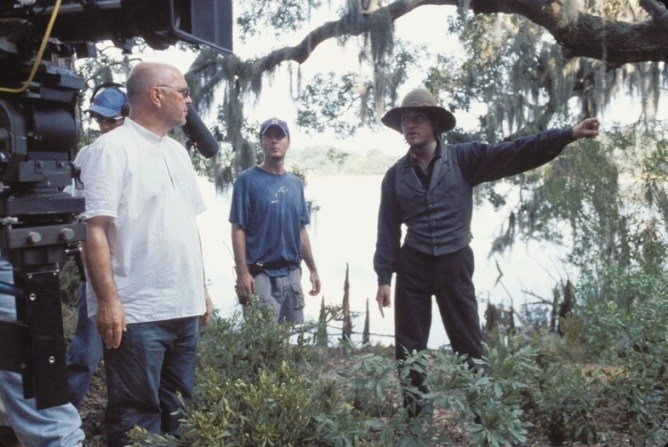
Saturation - Shot in Alabama: Selma

South Carolina Film Tax Credit

South Carolina Film Tax Credit

Cash Rebate

Cash Rebate

Incentive:

20% - 30%

Minimum Spend:
$1,000,000

Minimum Spend: $1,000,000

Annual Cap: $15.5M/year (min)

Project Cap: None

Apply for Incentive

More Info:

How the South Carolina Film Rebate Works

South Carolina offers a tiered cash rebate program for qualifying film and television productions through the South Carolina Motion Picture Incentive Act. Productions can receive a 25% rebate on compensation paid to South Carolina resident cast and crew, a 20% rebate on compensation paid to non-resident cast and crew who perform work in the state, and up to 30% on qualifying production expenditures for goods and services purchased from South Carolina suppliers.

The program is administered by the South Carolina Film Commission, which operates under the South Carolina Department of Parks, Recreation and Tourism (SCPRT). The rebate is paid as actual cash after production wraps and qualifying expenses are audited, rather than as a tax credit offset against state tax liability. This cash structure makes South Carolina's incentive functionally straightforward for productions: qualify, spend, audit, receive payment.

The current annual rebate fund carries a minimum of $15.5 million available per fiscal year (July 1 through June 30), replenished each July 1. House Bill 3832, introduced in the 2025-2026 legislative session, proposes raising the annual cap to $30 million and adding a new incentive for live production shows with a $2 million cap. Productions should monitor this legislation as it moves through the 2026 session, as it would significantly expand the available funding pool.

Rebate Rates by Expenditure Type

South Carolina uses a tiered rebate structure that rewards different types of qualifying expenditures at different rates:

  • 25% rebate: Compensation paid to South Carolina residents where wages are subject to South Carolina income tax withholding. This rate applies to all South Carolina resident cast, crew, and above-the-line talent when they are paid wages subject to SC withholding.

  • 20% rebate: Compensation paid to non-resident cast and crew members who perform services in South Carolina and are subject to SC withholding. This includes studio actors, directors, and specialized non-resident crew brought in for the production.

  • Up to 30% rebate: Qualifying goods and services purchased, rented, or leased by the production from South Carolina suppliers. This covers equipment rentals, set construction, location fees, catering from SC vendors, transportation companies, and similar in-state vendor spend.

A per-person compensation cap of $1 million applies. Only the first $1 million in compensation paid to any individual, including principal cast, producers, and directors, is eligible for the rebate. Amounts paid above $1 million per person are not eligible regardless of the rate that would otherwise apply. All wages must be subject to South Carolina withholding tax to qualify.

Minimum Spend Requirement

The minimum spending requirement to qualify for the South Carolina film rebate is $1,000,000 in qualifying in-state expenditures for the Supplier Rebate. Productions spending at least $250,000 in state qualify for the sales tax exemption and other secondary incentives but must reach $1 million to access the primary rebate fund. Productions should confirm current threshold requirements with the SC Film Commission before finalizing budget assumptions, as thresholds can be adjusted by the legislature.

Sales Tax Exemption

Productions spending a minimum of $250,000 in qualifying in-state expenditures receive an exemption from South Carolina state and local sales and use tax on production supplies, at the point of purchase. This exemption applies to equipment, props, costumes, expendable supplies, and similar purchases made directly for production use. The exemption is applied at the point of sale rather than as a rebate after purchase, simplifying the accounting process and providing immediate cost savings on qualifying purchases.

South Carolina's combined state and local sales tax rates range from 6% to 9% depending on the county, making this exemption meaningful for productions making significant equipment or supply purchases in state. A production spending $500,000 on qualifying purchases could realize $30,000 to $45,000 in sales tax savings at the point of purchase.

Motion Picture Project Tax Credit for Investors

South Carolina also offers a separate investor tax credit for individuals and businesses that make cash investments in qualifying South Carolina film projects. This credit is distinct from the production rebate and is designed to attract in-state private investment in South Carolina productions:

  • Credit rate: 20% of the cash investment in a qualifying SC film project

  • Maximum credit per taxpayer per project: $100,000

  • Credit offsets up to 50% of the investor's South Carolina income tax liability for the year

  • Unused credits carry forward for up to 15 years

  • The production must be a qualifying South Carolina project with meaningful in-state content

This investor credit can be a useful tool for smaller South Carolina productions raising capital from local investors who want both a financial return and a credit against their SC tax liability. It does not replace or supplement the production rebate but operates as a parallel incentive for the capital formation side of SC film financing.

Eligible Production Types

Feature films, television movies, television series and pilots, commercials, music videos, and documentary films may qualify for the South Carolina film rebate. The production must be intended for commercial distribution or broadcast to a general audience.

News programs, sports events, political content, and productions primarily intended for internal promotional or training use are generally excluded. The South Carolina Film Commission can confirm eligibility for specific project types before application.

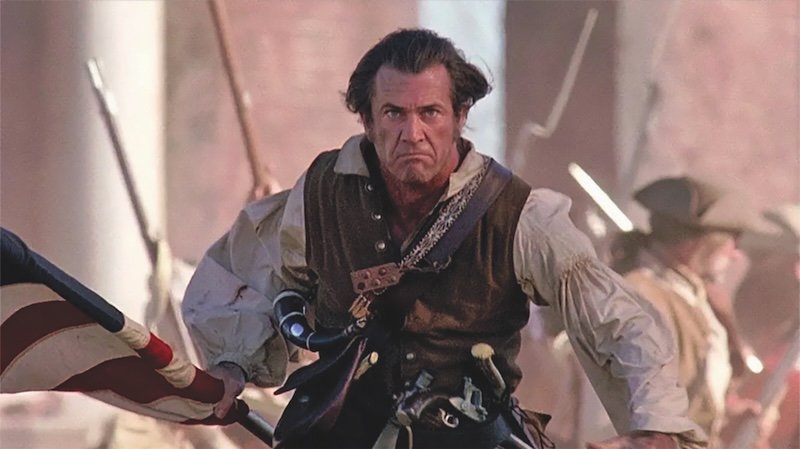
South Carolina's mix of coastal locations, historic cities, and inland landscapes has made it a consistent choice for both independent and studio productions across multiple decades. The state has hosted productions ranging from historical feature films shot in Charleston's antebellum architecture to contemporary television series using the Lowcountry's distinctive coastal marshes and barrier island environments.

What Qualifies as a South Carolina Expenditure

The 25% resident rebate applies to wages paid to South Carolina residents where wages are subject to SC income tax withholding. Productions must register with the South Carolina Secretary of State and establish South Carolina tax withholding accounts before paying qualifying wages.

The 20% non-resident rebate applies to wages paid to cast and crew members who are not state residents but who perform services in South Carolina. Non-resident wages must also be subject to South Carolina withholding to qualify. Productions typically establish a South Carolina tax withholding account and withhold at the required rate for non-resident workers, then apply for the rebate on those withholding amounts.

The supplier rebate of up to 30% applies to production expenditures with South Carolina vendors. Qualifying vendor categories include equipment rental companies, grip and lighting vendors, catering and craft services from SC businesses, transportation companies, set construction contractors, location fees paid to SC property owners, and post-production facilities operating in the state.

Productions are required to submit weekly wage reports during production and maintain detailed records of all qualifying expenditures by category. The Film Commission will audit these records after production wraps before releasing the rebate payment.

How to Apply for the South Carolina Film Rebate

The application process for the SC film rebate involves several steps that must be completed before production begins.

Step 1: Contact the South Carolina Film Commission

Initiate contact with the Film Commission well before production begins to discuss your project, confirm eligibility, and understand current program requirements. The Film Commission at SCPRT reviews each project individually. Phone: 803-737-1785. Website: scprt.com/film-commission.

Step 2: Register the Production Company

The production company must register with the South Carolina Secretary of State. This registration establishes the production entity's legal presence in the state, which is required before establishing withholding accounts and qualifying for the rebate.

Step 3: Establish South Carolina Tax Withholding

The production must register with the South Carolina Department of Revenue to establish state income tax withholding accounts. Withholding is required on all qualifying wages for both residents and non-residents to make those wages eligible for the rebate. Productions should consult with a South Carolina payroll service or entertainment payroll company that understands SC withholding requirements before beginning principal photography.

Step 4: Submit Weekly Wage Reports

During principal photography, productions submit weekly wage reports to the Film Commission documenting qualifying wages paid to both resident and non-resident workers. These reports must be submitted on time throughout the production period, not compiled retroactively at wrap. Delays in submitting weekly wage reports can complicate the rebate application and audit process.

Step 5: Complete Production and Request Audit

After production wraps, contact the Film Commission to initiate the audit process. An independent review of all qualifying expenditures is conducted. Maintaining organized records throughout production, including vendor invoices, payroll records, location agreements, and equipment rental contracts, is essential for a smooth audit.

Step 6: Receive Rebate Payment

After the audit is completed and the Film Commission approves the qualifying expenditure totals, the rebate is disbursed from the annual fund. Because the fund is capped, productions that apply after the annual cap has been reached may need to wait for the fund to be replenished at the start of the next fiscal year (July 1).

South Carolina Locations and Production Infrastructure

South Carolina's production history is built on the diversity of its locations and a Film Commission that has actively cultivated relationships with property owners and local governments over decades.

Charleston

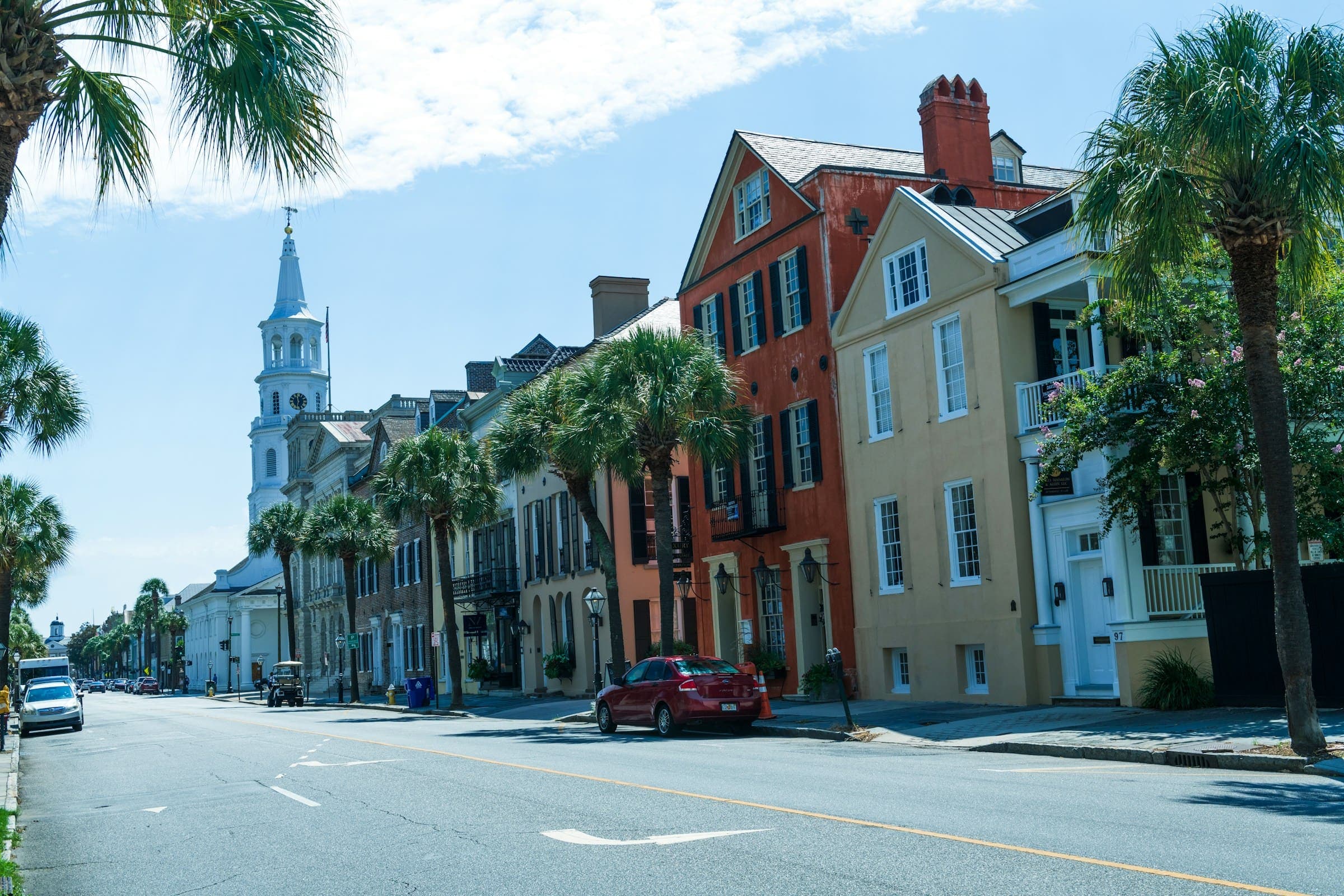
Charleston's historic downtown, antebellum architecture, cobblestone streets, and harbor views have made it one of the most-filmed cities in the Southeast for historical period productions. The Battery, Rainbow Row, the French Quarter, and the surrounding plantation properties provide a visual environment that has stood in for 18th and 19th century settings across numerous feature films and television series. The Charleston area also offers beachfront locations on Sullivan's Island and the Isle of Palms.

Lowcountry Coastal Environments

The ACE Basin, the Beaufort area, Hilton Head Island, and the barrier islands of the Sea Islands region offer tidal marshes, Spanish moss-draped live oaks, and isolated coastal environments that are distinct from any other location in the country. These environments have attracted productions seeking authentic Southern Gothic, Civil War era, and contemporary Southern coastal settings.

Upstate and Piedmont

Greenville, Spartanburg, and the surrounding Upstate region offer urban production infrastructure in a growing mid-size city environment, along with access to the Blue Ridge foothills and rural farmland for exterior work. Greenville in particular has attracted technology and creative industry investment in recent years, building a local crew base and vendor network that supports production activity.

Myrtle Beach and the Grand Strand

The Myrtle Beach area's beachfront, boardwalk, and tourist infrastructure have been used for contemporary beach productions, commercials, and reality programming. The Grand Strand's 60 miles of continuous beach provides flexibility for productions requiring extended coastal shooting.

2026 Legislative Update: House Bill 3832

House Bill 3832, introduced in the 2025-2026 South Carolina legislative session, proposes several significant changes to the film incentive program:

  • Raise the annual rebate cap from approximately $10 million to $30 million for motion picture productions

  • Create a new incentive for live production shows with a minimum investment of $250,000 and a $2 million annual cap

  • Allow unused annual rebate funds to carry over to the following fiscal year for up to three years

If enacted, these changes would make South Carolina's program substantially more competitive with larger incentive states in the Southeast. The current $15.5 million minimum annual fund has been sufficient for the state's historical production volume, but a $30 million cap would allow the Film Commission to approve significantly more and larger productions per year. Productions planning South Carolina shoots in 2026 or 2027 should monitor HB 3832's progress through the legislature.

Why Productions Choose South Carolina

South Carolina offers a combination of genuine competitive advantages for productions evaluating the Southeast:

  • Cash rebate structure rather than a tax credit, providing simpler financial modeling for out-of-state production companies

  • Tiered rates that reward local hiring (25% for residents) while still providing meaningful rebates on non-resident above-the-line costs (20%)

  • Aggressive sales tax exemption available at a low $250,000 spending threshold

  • Film Commission with decades of experience supporting incoming productions at all budget levels

  • Location diversity within a single state that allows productions to capture multiple visual environments without moving crew between states

  • Proximity to Georgia's production infrastructure in Atlanta for larger productions that want Southeast locations with access to major studio resources

Managing Your South Carolina Production Budget

South Carolina's tiered rebate structure requires careful expense categorization from the first day of pre-production. Understanding which expenditures qualify at 30% (supplier), 25% (resident wages), or 20% (non-resident wages) matters for accurate financial modeling. The difference between categorizing a wage payment correctly can affect your projected rebate by thousands of dollars per week.

Saturation gives South Carolina productions the tools to track expenditures by category and by qualifying rate in real time, generate the weekly wage report documentation that the SC Film Commission requires throughout production, and maintain the organized records that support a clean post-production audit. For productions managing both a South Carolina primary unit and additional units in other states, Saturation's collaborative platform keeps all spending visible in one place.

South Carolina Film Office:

South Carolina Film Commission

1205 Pendleton Street, Room 225,  Columbia, SC 29201

Applying for the credit?

Get Free Template

Use our budget template to add qualified expenses to the proper chart of accounts as required by the state.

Check out other states incentives: