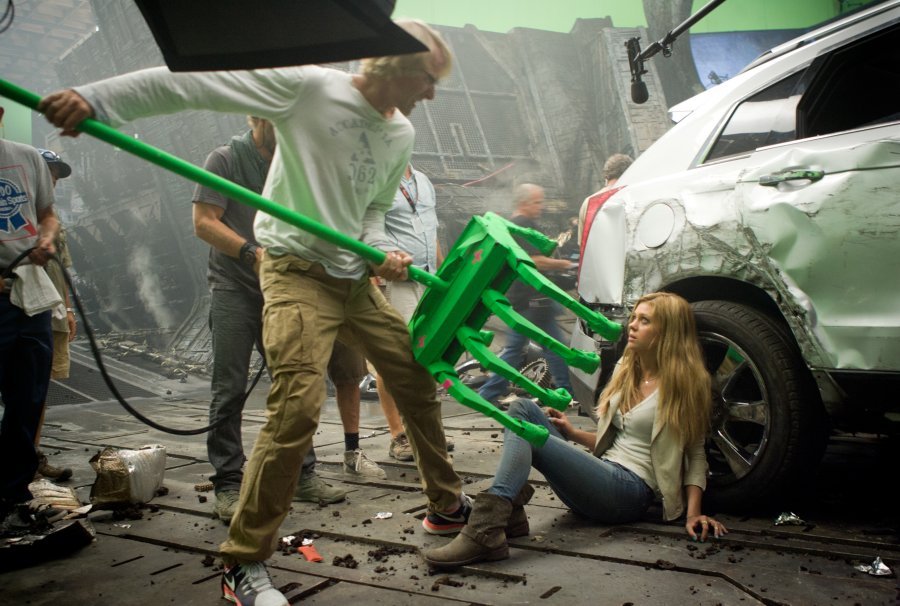
Saturation - Shot in Alabama: Selma

Pennsylvania Film Tax Credit

Pennsylvania Film Tax Credit

Transferable Tax Credit

Transferable Tax Credit

Incentive:

25-30%

Minimum Spend:
60% of total budget in PA

Minimum Spend: 60% of total budget in PA

Annual Cap: $100M/year

Project Cap: $20M (20% of annual cap)

Apply for Incentive

More Info:

Pennsylvania Film Tax Credit: Rates, Application Windows, and How to Qualify in 2026

Pennsylvania's Film Production Tax Credit is a 25% transferable credit on qualified in-state production expenses, with a 30% rate available for productions that meet the principal photography requirement at a Qualified Production Facility. The program runs at a $100 million annual cap, making it one of the most substantial film incentive programs in the Northeast and the primary reason that Philadelphia and Pittsburgh have sustained active production communities for two decades.

This guide covers the full program structure, the 60% in-state spending requirement, the quarterly application windows, the secondary credit market for transferable credits, budget math with a worked example, production infrastructure in both Philadelphia and Pittsburgh, the union ecosystem, and how Pennsylvania compares to New York and Georgia.

How the Pennsylvania Film Tax Credit Works

Pennsylvania offers a transferable income tax credit equal to 25% of a production's total Qualified Pennsylvania Production Expenses (QPPE). "Transferable" means the production company can sell the credit to another entity with Pennsylvania tax liability if the production itself does not have in-state tax obligations. Because most film productions filming in Pennsylvania are structured as LLCs or limited partnerships with minimal Pennsylvania-sourced income, selling the credit on the secondary market is the standard path.

The 30% rate is available for productions that meet a minimum number of shoot days at a Qualified Production Facility (QPF) in Pennsylvania. The additional 5% applies to the full QPPE of the production, not just to expenses incurred at the QPF. This makes the QPF bonus a significant financial uplift for any production that can book sufficient stage time at an approved Pennsylvania facility.

Postproduction expenses incurred at a Qualified Post-Production Facility in Pennsylvania also qualify for the 30% rate, separately from the production credit. If your postproduction is substantial and performed in-state, this is a second credit application opportunity on top of your production credit.

Eligibility Requirements

The 60% In-State Spending Rule

The most important structural requirement in Pennsylvania's program is the 60% rule: Pennsylvania production expenses must constitute at least 60% of the film's total production expenses to qualify. This is a higher in-state spending threshold than most comparable programs and is the reason Pennsylvania works best for productions genuinely shooting the majority of the project in Pennsylvania rather than using the state as a tax address for a production actually based elsewhere.

Productions that split shooting between Pennsylvania and another state should model the 60% requirement carefully before committing to an application. If your Pennsylvania budget will be 50% of total spend, you do not qualify, and there is no partial credit for falling short of the threshold.

Production Types That Qualify

  • Feature films

  • Television films

  • Television talk and game show series

  • Television commercials

  • Television pilots

  • Television series intended for national broadcast or streaming audiences

Reality programs, documentary series, and web series may or may not qualify depending on distribution platform and intended audience. Productions uncertain about eligibility should contact the Pennsylvania Film Office at filminpa.com before filing an application.

Financing Documentation Requirement

Pennsylvania requires that applications demonstrate 70% of total production financing is secured and that the remaining 30% will be secured before principal photography in Pennsylvania begins. This is a substantive gatekeeping requirement that screens out productions that have not yet closed their financing. Productions with gap financing or equity still being raised need to time their Pennsylvania applications to their financing close.

Application Windows

Unlike New Mexico's rolling registration system, Pennsylvania uses quarterly application windows. Applications are accepted and reviewed during four windows each year:

  • Window 1: July 1 through September 30

  • Window 2: October 1 through December 31

  • Window 3: January 1 through March 31

  • Window 4: April 1 through June 30

Applications must be submitted no sooner than 90 days before the start of principal photography in Pennsylvania. This creates a planning constraint: if you plan to begin shooting in January, your earliest possible application window opens in October (90 days prior). Time your financing close and production start accordingly.

The $100 million annual cap allocates across all applications received and approved in a given fiscal year. The program has historically been oversubscribed, with the fund running out mid-year in active production cycles. This creates a genuine first-mover advantage within each quarterly window. Productions that apply early in the fiscal year (first window, July-September) generally secure their allocation; productions that wait until the fourth window (April-June) often find the fund depleted and receive credits from the following fiscal year's allocation.

Per-project, the cap on any single credit award is set at 20% of the annual aggregate. With the $100 million program, the effective per-project maximum is $20 million in any single fiscal year, with any excess funded from the next year's allocation.

The Secondary Credit Market

Because Pennsylvania's credit is transferable rather than refundable, productions sell their credits to companies or individuals with Pennsylvania tax liability. Common buyers include banks, insurance companies, utility companies, and private equity firms with substantial Pennsylvania income. The secondary market for Pennsylvania film credits is active and liquid relative to smaller state programs.

Typical secondary market purchase rates for Pennsylvania film credits have historically ranged from 88 to 93 cents per dollar of credit value. On a $5 million credit, selling at 90 cents yields $4.5 million in cash. This discount is the cost of the transferable structure versus a direct refundable payment.

Productions can sell credits immediately upon issuance, giving them cash before or shortly after production closes rather than waiting for a state payment queue. Entertainment attorneys and production accountants who work regularly in Pennsylvania can connect productions with active credit brokers and buyers.

Worked Budget Scenario: $15M Feature Film in Philadelphia

Budget Category

PA Qualified Spend

Credit Rate

Credit Value

Cast wages (PA-sourced work)

$2,500,000

25%

$625,000

Crew wages (PA-sourced work)

$3,000,000

25%

$750,000

Stage rental and services (QPF)

$1,500,000

30%*

$450,000

Production goods and equipment

$1,800,000

25%

$450,000

Location fees, catering, transport

$700,000

25%

$175,000

Total PA Qualified Spend

$9,500,000

avg. 26.6%

~$2,530,000

*If the production qualifies for the 30% QPF rate, the 5% uplift applies to the full QPPE ($9.5M x 30% = $2.85M). In this example, the base 25% calculation is shown for clarity.

After selling the $2.53 million credit at 90 cents on the dollar, the production receives approximately $2.27 million in cash. The effective net production cost on $9.5 million of Pennsylvania spend is $7.23 million, a reduction of 24%. For a $15 million feature with $9.5 million of that in Pennsylvania, the credit represents 17 cents of effective return on every dollar of total budget.

Notable Productions Filmed in Pennsylvania

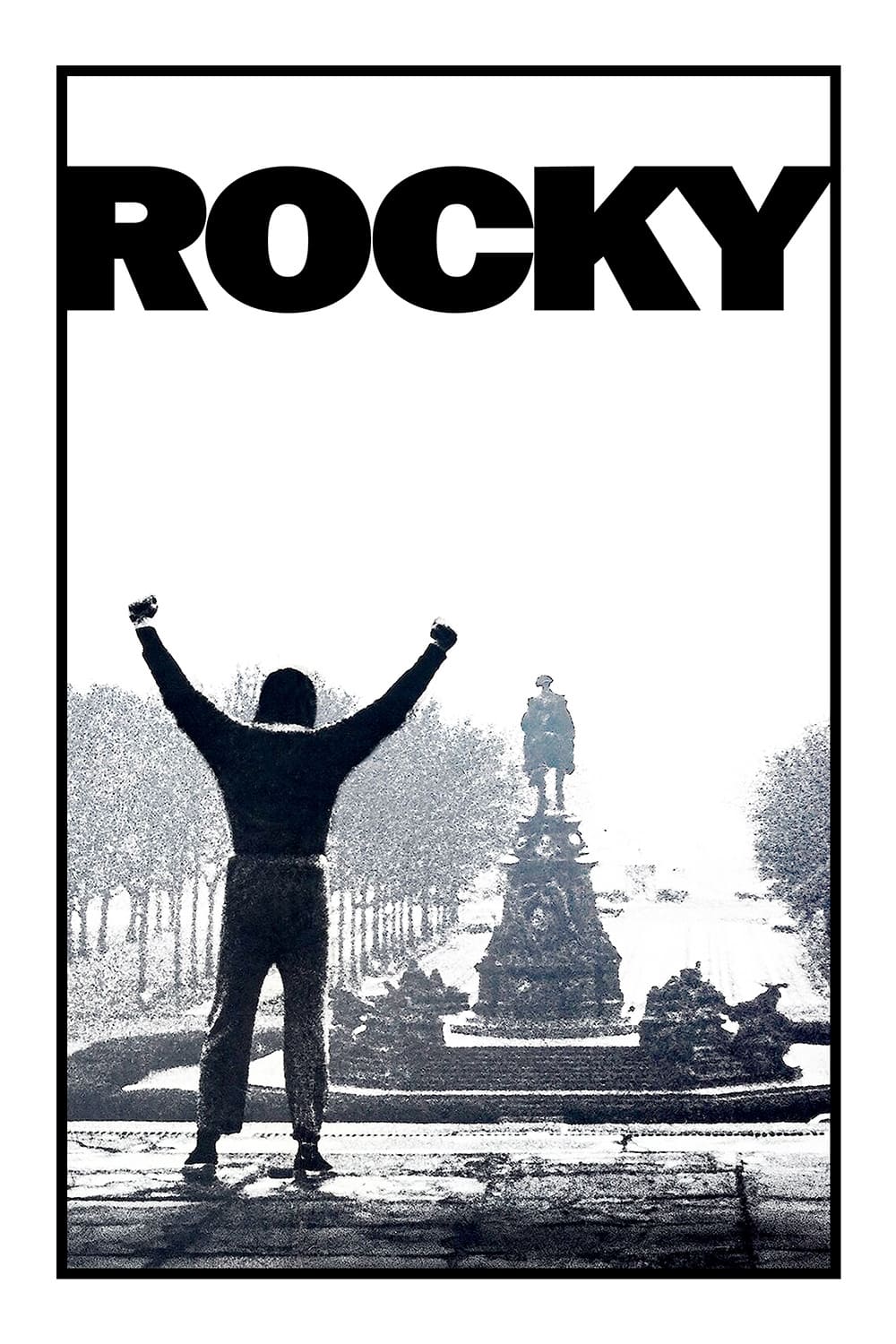
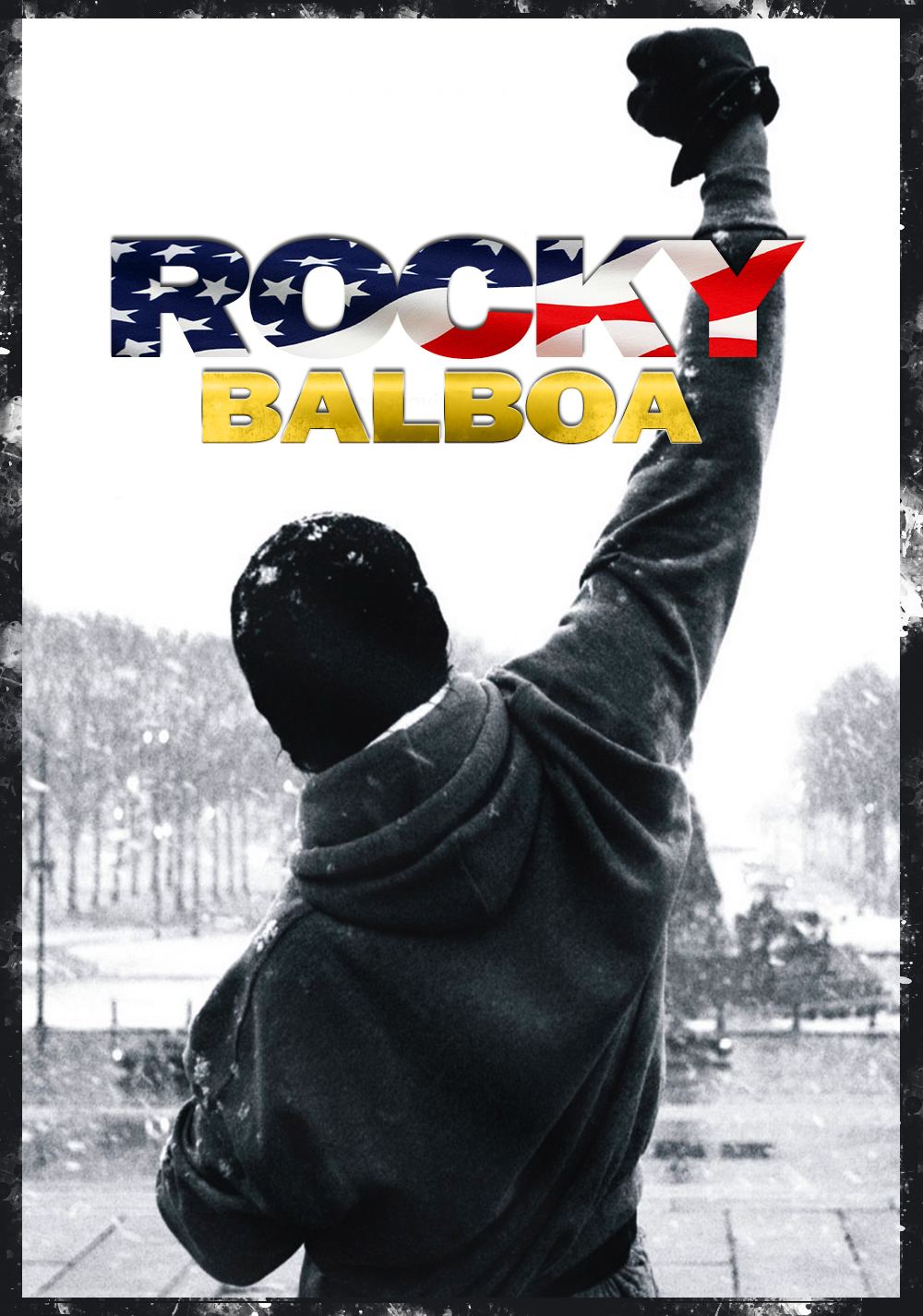
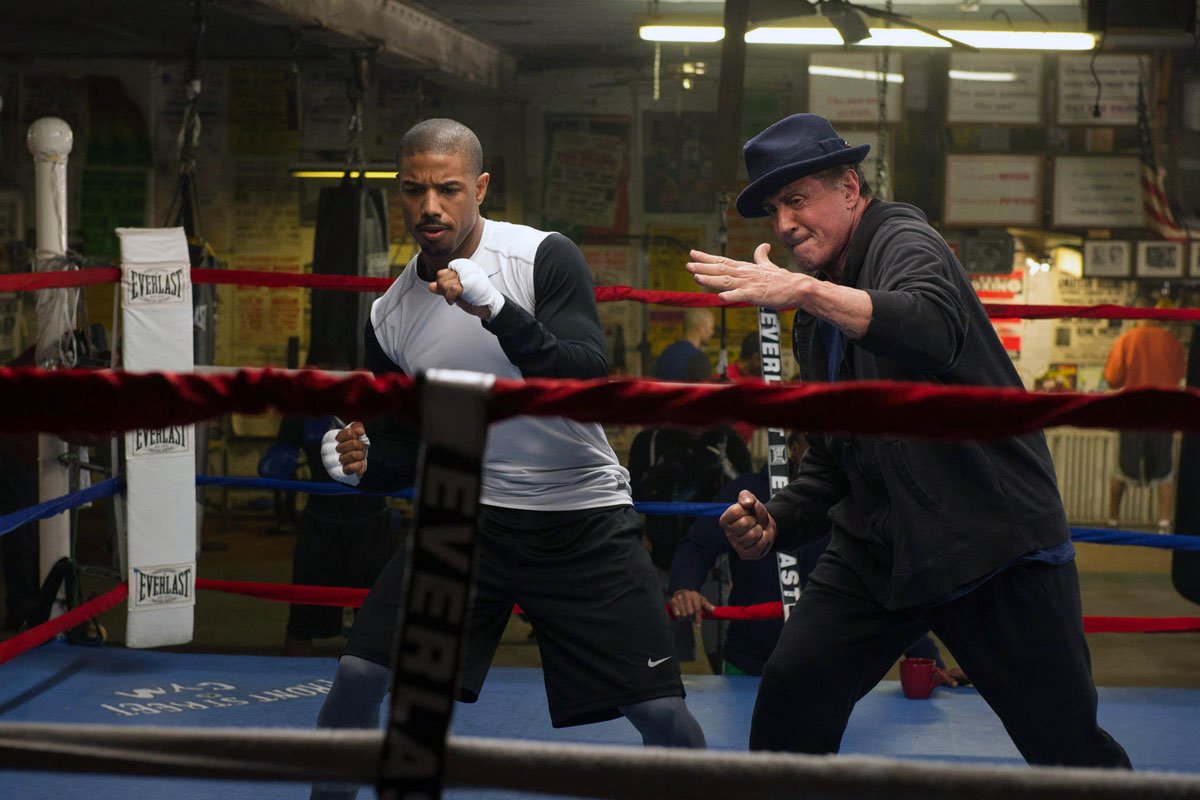
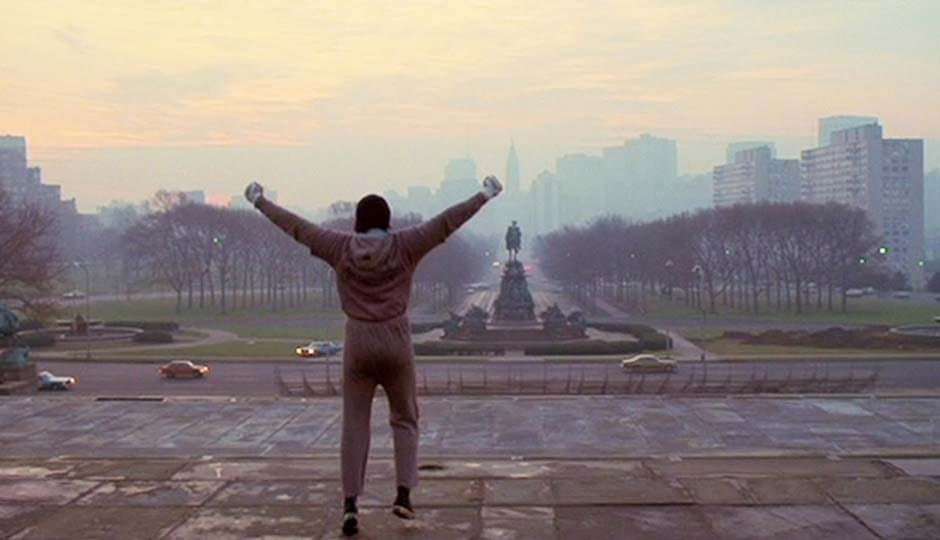
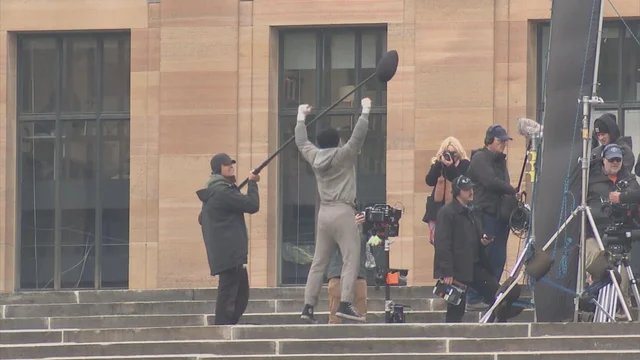
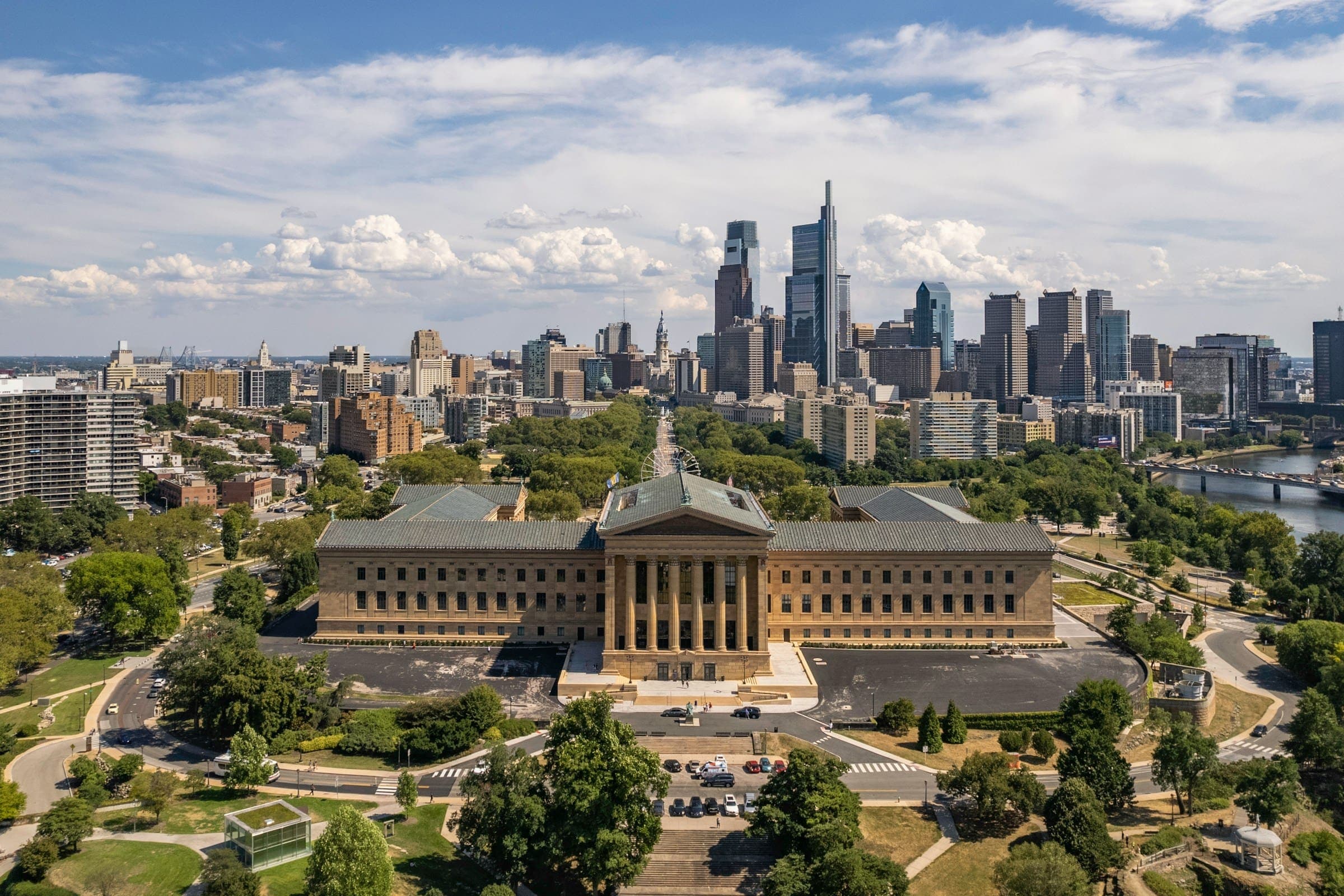
Rocky (1976): The original Rocky was shot almost entirely on location in Philadelphia, establishing the city's distinctive industrial landscape, row houses, and the Art Museum steps as enduring cinematic icons. The production demonstrated that Philadelphia's authentic urban texture could be a lead visual character in a film, a reputation that has drawn productions back to the city for decades.

Silver Linings Playbook (2012): David O. Russell's Oscar-winning film was set and shot in the Philadelphia suburbs, particularly the working-class neighborhoods of Collingswood and the greater Delaware Valley area. Jennifer Lawrence won Best Actress and Bradley Cooper received a nomination for a film that showcased Pennsylvania's residential and cultural identity.

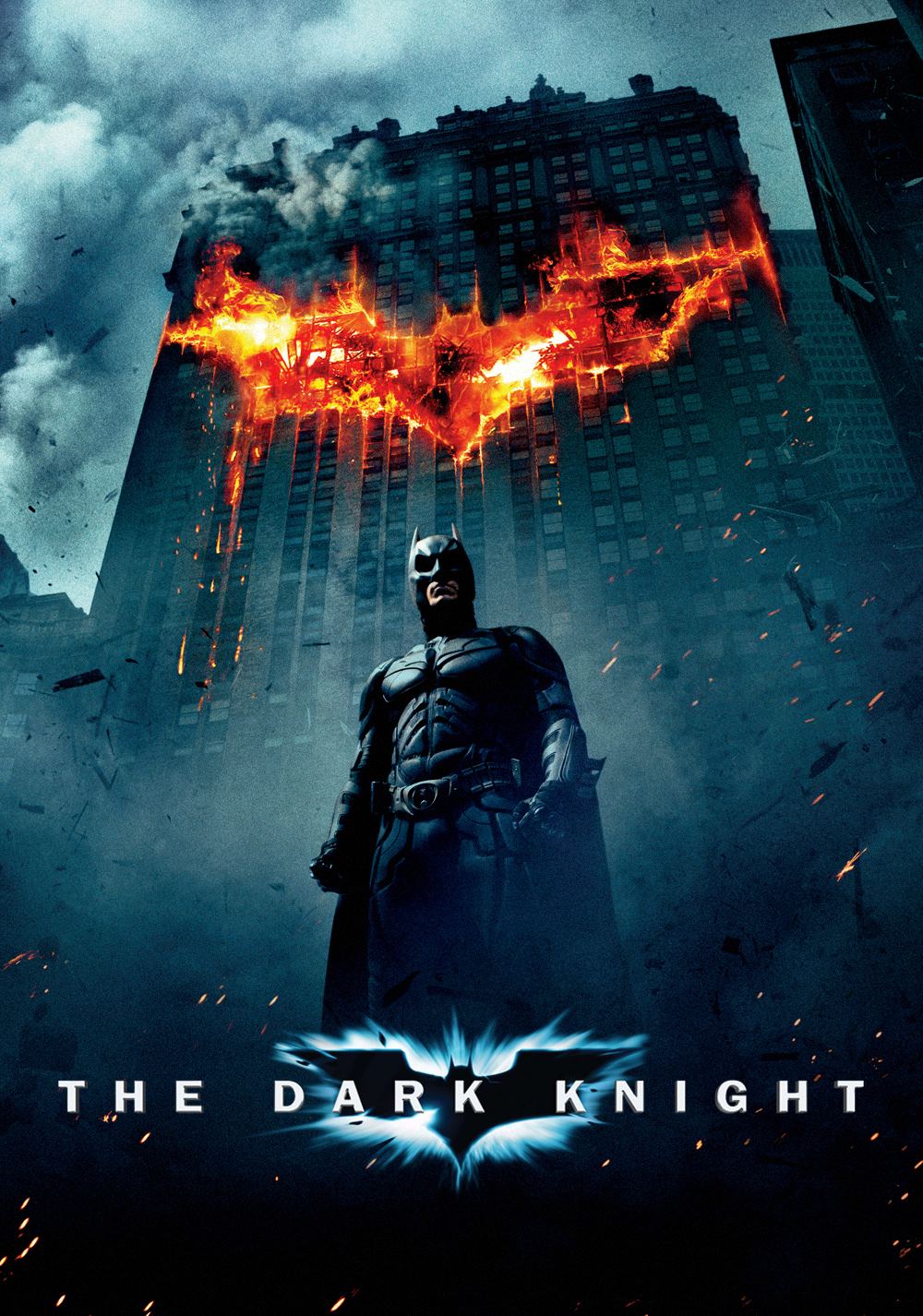
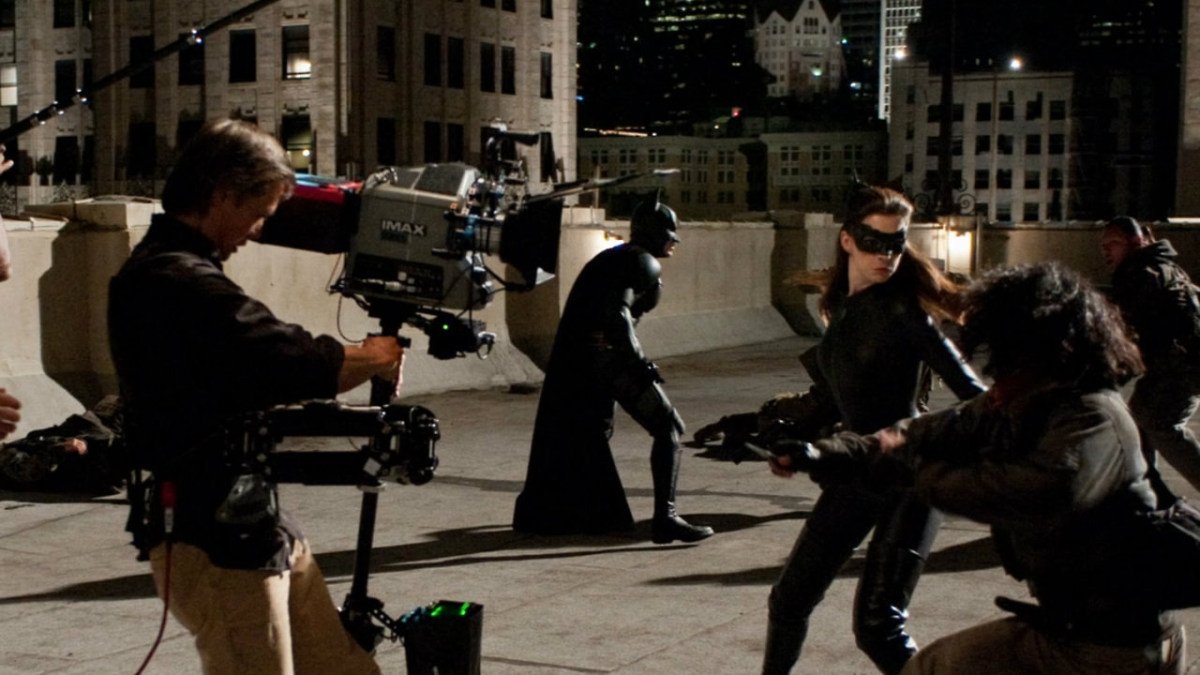
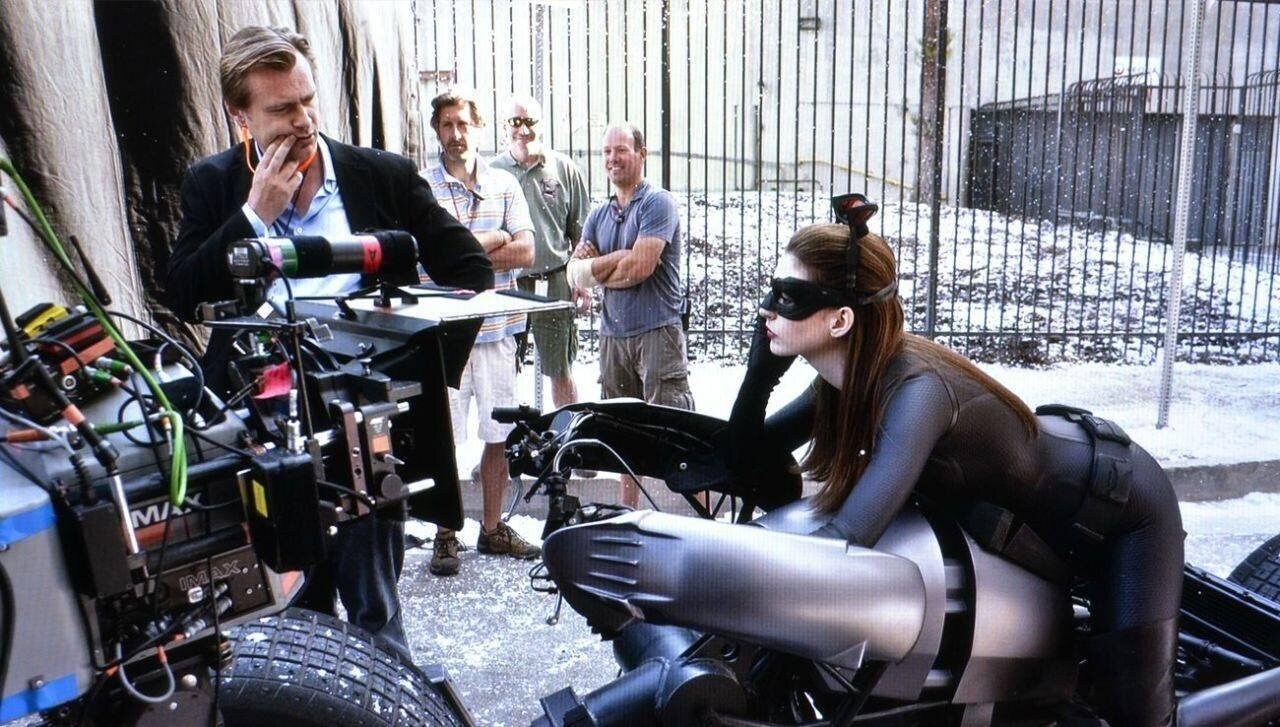
The Dark Knight Rises (2012): Christopher Nolan used Pittsburgh extensively as the stand-in for Gotham City, shooting at Heinz Field, the Mellon Institute, and throughout downtown Pittsburgh. The production brought significant economic impact to the Pittsburgh area and highlighted the city's architectural diversity and dramatic bridges as a cinematic asset.

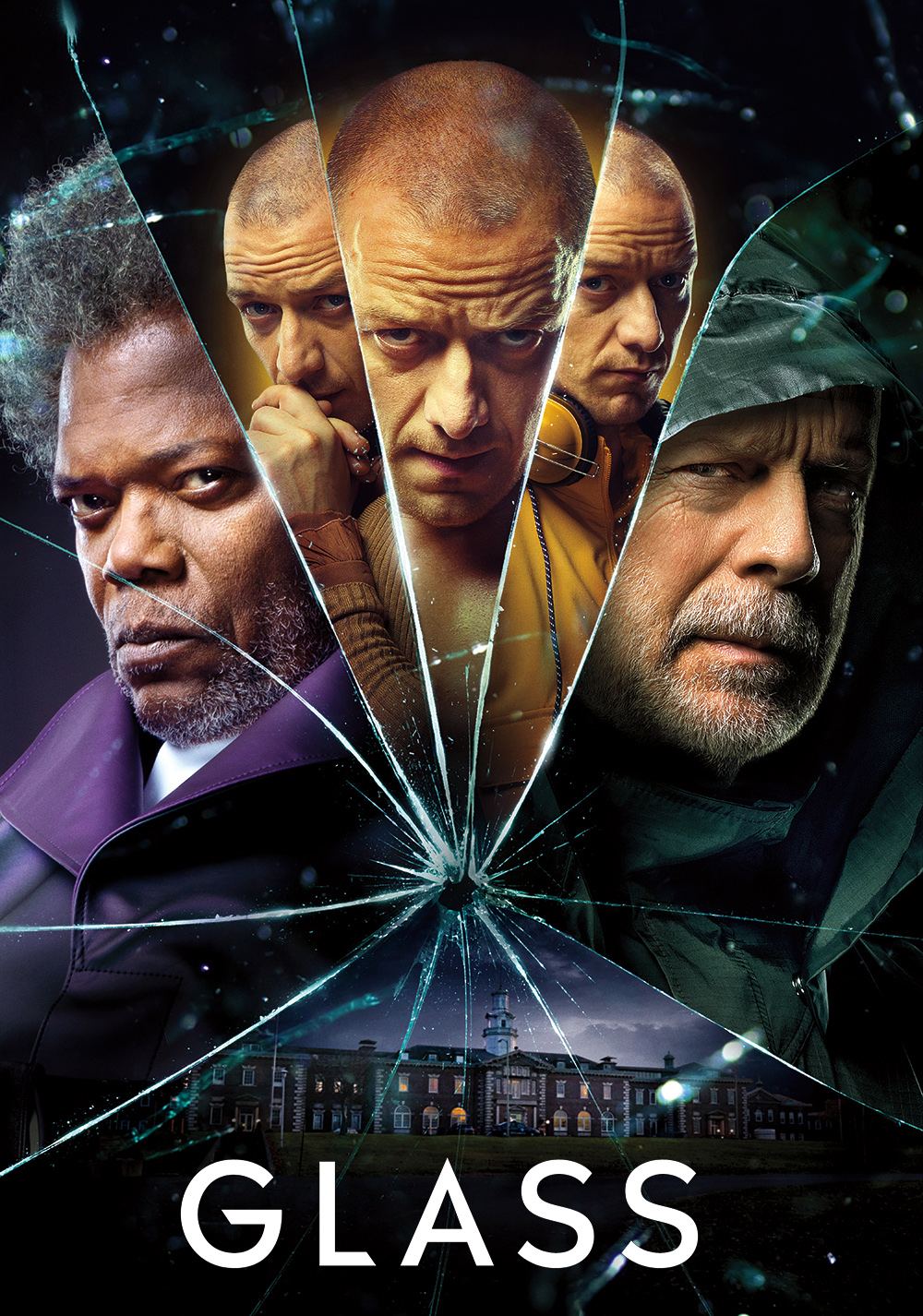
M. Night Shyamalan's Philadelphia films: Shyamalan, who grew up near Philadelphia, has repeatedly used the city and surrounding area as his primary location for The Sixth Sense (1999), Unbreakable (2000), Split (2016), Glass (2019), and subsequent works. His films have consistently used Pennsylvania's tax credit program and have become a long-running example of how a filmmaker's relationship with a state can anchor sustained production over decades.

TASK (HBO): The streaming series secured a record $49.8 million Pennsylvania film tax credit for its second season, the largest single-project award in the program's history, demonstrating that Pennsylvania can accommodate extremely high-budget episodic production at the top of the market.

It's Always Sunny in Philadelphia: The long-running FX comedy series, set in Philadelphia, has used Pennsylvania's production infrastructure throughout its run, providing a consistent ongoing presence in the market.

Production Infrastructure: Philadelphia

Philadelphia Area Studios

Philadelphia does not have a large legacy studio lot comparable to Cinespace Wilmington or Netflix Albuquerque, but the city and surrounding region support active stage and production office facilities built around the sustained demand from Pennsylvania's tax credit program.

The Greater Philadelphia Film Office (film.org) maintains a current directory of production facilities, stage rentals, and supporting services in the Philadelphia region. The market supports full camera houses, lighting and grip vendors, wardrobe facilities, and production vehicle fleets adequate for most feature and episodic budgets.

For productions requiring very large stages, some Philadelphia-area productions have used facilities in southern New Jersey or transported production to purpose-built stages. The development of larger dedicated stage infrastructure in the Philadelphia market has been a recurring discussion in the state's film policy community.

Philadelphia's Location Assets

Philadelphia's primary competitive advantage is its location diversity within a compact geography: colonial-era architecture in Old City, industrial waterfront on the Delaware River, dense row house neighborhoods that read as working-class East Coast, the dramatic Benjamin Franklin Parkway corridor, and suburban residential areas across Delaware County and Montgomery County. For stories set on the East Coast, Philadelphia can stand in for New York, Baltimore, and Boston at materially lower cost.

Production Infrastructure: Pittsburgh

31st Street Studios

31st Street Studios in Pittsburgh is the primary purpose-built production facility serving the Pittsburgh market. The facility provides soundstage space, production offices, and supporting infrastructure for features and television productions using Pittsburgh as their base. The studio has hosted major productions including The Dark Knight Rises and has grown its capacity in response to sustained demand driven by the Pennsylvania tax credit.

Pittsburgh Film Office

The Pittsburgh Film Office (pghfilm.org) coordinates production support, location access, crew referrals, and permit assistance for the greater Pittsburgh area. The office runs a CREATE PA workforce development initiative in partnership with Pittsburgh Film + Theater Works, which trains local crew and builds the regional talent pipeline.

Pittsburgh's Location Assets

Pittsburgh is architecturally distinct: its bridges (446 of them), dramatic topography, and post-industrial landscape create a cinematic texture that no other American city replicates exactly. The city's neighborhoods span Gilded Age mansions in Shadyside, working-class steel country rowhouses, and modern downtown towers. For productions needing a credibly gritty American city that is not New York, Pittsburgh is the default choice for many directors.

Union Ecosystem

IATSE Local 8: Philadelphia

IATSE Local 8, based in Philadelphia, is one of the oldest IATSE locals in the country. It covers stage and motion picture technicians in the Philadelphia area, including grip, electric, camera, art department, props, set decoration, wardrobe, and makeup for productions shooting in eastern Pennsylvania. The local has deep roots in live event and broadcast production in addition to film and television, giving it a broad craft coverage across departments.

IATSE Local 489: Pittsburgh

IATSE Local 489, chartered in 1991 during the filming of Lorenzo's Oil in Pittsburgh, covers production technicians in western Pennsylvania within a 50-mile radius of Pittsburgh. The local represents animal wranglers, craft service, diving, first aid, greens, grip, lighting, marine, props, scenic paint, set construction, set decoration, sound, special effects, video, and wardrobe. Pittsburgh's production community has grown substantially since The Dark Knight Rises, and Local 489 has expanded alongside it.

Teamsters

Teamsters Local 115 covers motion picture transportation in the Philadelphia area. Teamsters Local 249 covers Pittsburgh-area transportation. For productions that need large transportation departments, Pennsylvania's Teamster coverage is well-established and experienced with feature film workflows.

Additional Programs

Postproduction Credit

Separate from the production credit, Pennsylvania offers a 30% credit on qualified postproduction expenses incurred at a Qualified Post-Production Facility in the state. If your film is editing, doing visual effects, or completing sound work at an approved Pennsylvania postproduction facility, you can apply for this credit in addition to your production credit. The two credits are tracked and filed separately.

City of Philadelphia Local Support

The Greater Philadelphia Film Office coordinates with the City of Philadelphia's Office of Arts, Culture and the Creative Economy on production support. Philadelphia has an established film-friendly permit process and a history of accommodating large location shoots, including street closures and historic site access. The film office at film.org is the primary contact for city-level production logistics.

Pennsylvania's CREATE PA Initiative

The Pennsylvania Film Office and the Pittsburgh Film Office jointly support CREATE PA, a workforce development program that builds the local crew pipeline and is designed to increase the proportion of Pennsylvania residents working on Pennsylvania-credited productions. Productions that hire through CREATE PA-affiliated programs may receive additional support from regional film office liaisons.

Pennsylvania vs. New York vs. Georgia

Factor

Pennsylvania

New York

Georgia

Base credit rate

25%

25%

20%

Maximum credit rate

30% (QPF)

35% (upstate, independent)

30% (logo uplift)

Credit type

Transferable

Refundable

Transferable

Annual program cap

$100M

$700M

No cap

Per-project cap

$20M (20% of annual)

No per-project cap

No per-project cap

Minimum in-state spend threshold

60% of total budget

75% of total or 75% of shoot days

$500K total

Application timing

Quarterly windows

Rolling (two 6-month windows)

Rolling

Studio infrastructure

31st Street (Pittsburgh), building out

Steiner, Silvercup, Kaufman

Trilith, Pinewood Atlanta

Pennsylvania vs. New York: New York's $700 million annual program cap dwarfs Pennsylvania's $100 million and has historically absorbed large-budget studio productions with ease. New York's credit is refundable, eliminating the secondary market discount that Pennsylvania productions absorb. However, New York's production costs, particularly crew rates and daily operating expenses, run materially higher than Pennsylvania. For productions genuinely set in Pennsylvania stories or needing Philadelphia or Pittsburgh as lead locations, the Pennsylvania credit is the natural choice. For productions flexible on location and chasing maximum credit value on a large budget, New York's deeper fund and refundable structure are more attractive.

Pennsylvania vs. Georgia: Georgia's uncapped program and Trilith's massive stage inventory make it the dominant destination for large-budget studio productions that can shoot anywhere in the country. For a production not tied to a Pennsylvania-specific story or location, Georgia eliminates the 60% in-state spending constraint, has no per-project cap, and offers unlimited stage availability. Pennsylvania's advantage is its specific locations, its established crew base in two major cities, and for productions genuinely set in the Northeast, the authenticity it provides that Georgia simply cannot replicate.

How to Apply: Step-by-Step

  1. Confirm eligibility: Verify that your production type qualifies and that your Pennsylvania expenses will meet or exceed 60% of total production expenses.

  2. Close financing: Secure documentation that 70% of your total financing is committed before filing. Pennsylvania requires this proof with your application.

  3. Identify your application window: Determine which quarterly window corresponds to 90 days before your Pennsylvania principal photography start date.

  4. File the application: Submit via the Pennsylvania Department of Community and Economic Development's Enterprise eGrants system at dced.pa.gov. Include all required documentation: production budget, financing evidence, entity structure, and project details.

  5. Receive credit allocation: DCED reviews applications within the quarterly window and issues credit allocation letters. Once allocated, your credit amount is reserved.

  6. Complete production and cost report: After principal photography, prepare a certified cost report of Qualified Pennsylvania Production Expenses. This requires engagement of a CPA familiar with Pennsylvania's QPPE definitions.

  7. Receive and sell credits: Upon cost report approval, the state issues the tax credit certificates. Engage a credit broker or direct buyer to sell the certificates on the secondary market.

Budget Tracking for Pennsylvania Productions

Pennsylvania's 60% in-state spending threshold requires careful tracking from day one of pre-production. Productions that do not monitor their Pennsylvania vs. out-of-state spend ratio in real time risk discovering late in production that they have fallen below the threshold and will not qualify for the credit. At that point, there is no remediation, just a lost credit on a completed production.

Saturation's production budgeting software lets production accountants set up location-based cost codes from the initial budget, so every purchase order and check request is tagged to Pennsylvania or non-Pennsylvania spend as it occurs. Your running ratio is visible at any time, and if Pennsylvania spend is trending below the 60% threshold, you can identify it while there is still time to adjust. Start a free Saturation account to see how the platform handles multi-jurisdiction budget tracking for incentive-driven productions.

FAQ: Pennsylvania Film Tax Credit

What does "transferable" mean and how do I sell my credit?

Transferable means the credit can be legally assigned and sold to another entity with Pennsylvania state tax liability. After the state issues your tax credit certificate, you (or a broker) find a buyer, typically a bank, insurance company, or large corporation with Pennsylvania income. The buyer pays you cash at a negotiated discount, typically 88 to 93 cents per dollar. The buyer then uses the credit to offset their Pennsylvania taxes.

What is a Qualified Production Facility in Pennsylvania?

A QPF is a purpose-built soundstage or standing set that meets Pennsylvania Film Office standards. Productions must conduct a defined minimum of principal photography days at an approved QPF to qualify for the 30% rate. The Pennsylvania Film Office maintains an approved QPF list at filminpa.com. 31st Street Studios in Pittsburgh is among the approved facilities.

Can I apply for both the production credit and the postproduction credit?

Yes. The production credit (25-30% on QPPE) and the postproduction credit (30% on qualified post-production expenses at a Qualified Post-Production Facility) are separate programs filed separately. Productions with significant Pennsylvania postproduction can claim both credits on the same project.

What happens if the $100 million annual cap is exhausted before my application window?

Productions that apply in a window after the cap has been exhausted for that fiscal year are typically placed in queue for the following year's allocation. This is a real risk for productions applying in the third and fourth quarterly windows. The practical mitigation is to apply in the first or second window (July-December) whenever possible, which requires timing your production start date and financing close accordingly.

Can a production shoot partially in Pennsylvania and partially in another state and still qualify?

Only if the Pennsylvania expenditures constitute at least 60% of total production expenses. There is no partial credit for falling below 60%. A production that spends 55% of its budget in Pennsylvania receives zero Pennsylvania credit. The 60% rule is an all-or-nothing threshold.

Is there a minimum spending requirement to apply?

The program guidelines reference minimum spend amounts, but the binding constraint is the 60% in-state requirement rather than a flat dollar minimum. The practical effect for small productions is that a $200,000 feature spending $120,000 in Pennsylvania could technically qualify, but the administrative cost of a full cost report audit may make the credit economically marginal at that scale. Most production accountants advise that the program is most efficient for productions with at least $1 to 2 million in qualified Pennsylvania expenses.

Do commercials and television commercials qualify?

Yes. Television commercials are explicitly listed as a qualifying production type. The 60% in-state spend rule applies to commercials as it does to features and series. For a commercial production structured to spend the majority of its budget in Pennsylvania, the credit is available on the same terms.

Key Contacts and Resources

  • Pennsylvania Film Office: filminpa.com | (717) 783-3456

  • PA DCED (Applications): dced.pa.gov/programs/film-tax-credit-program

  • Greater Philadelphia Film Office: film.org

  • Pittsburgh Film Office: pghfilm.org

  • IATSE Local 8 (Philadelphia): iatse8.org

  • IATSE Local 489 (Pittsburgh): iatse489.org

  • 31st Street Studios (Pittsburgh): 31ststreetstudios.com

  • Annual Program Cap: $100 million | Per-Project Cap: $20 million (20% of annual)

Pennsylvania Film Office:

Pennsylvania Film Office

Commonwealth Keystone Building, 400 North Street, 4th Floor, Harrisburg, PA 17120-0225

Applying for the credit?

Get Free Template

Use our budget template to add qualified expenses to the proper chart of accounts as required by the state.

Check out other states incentives: