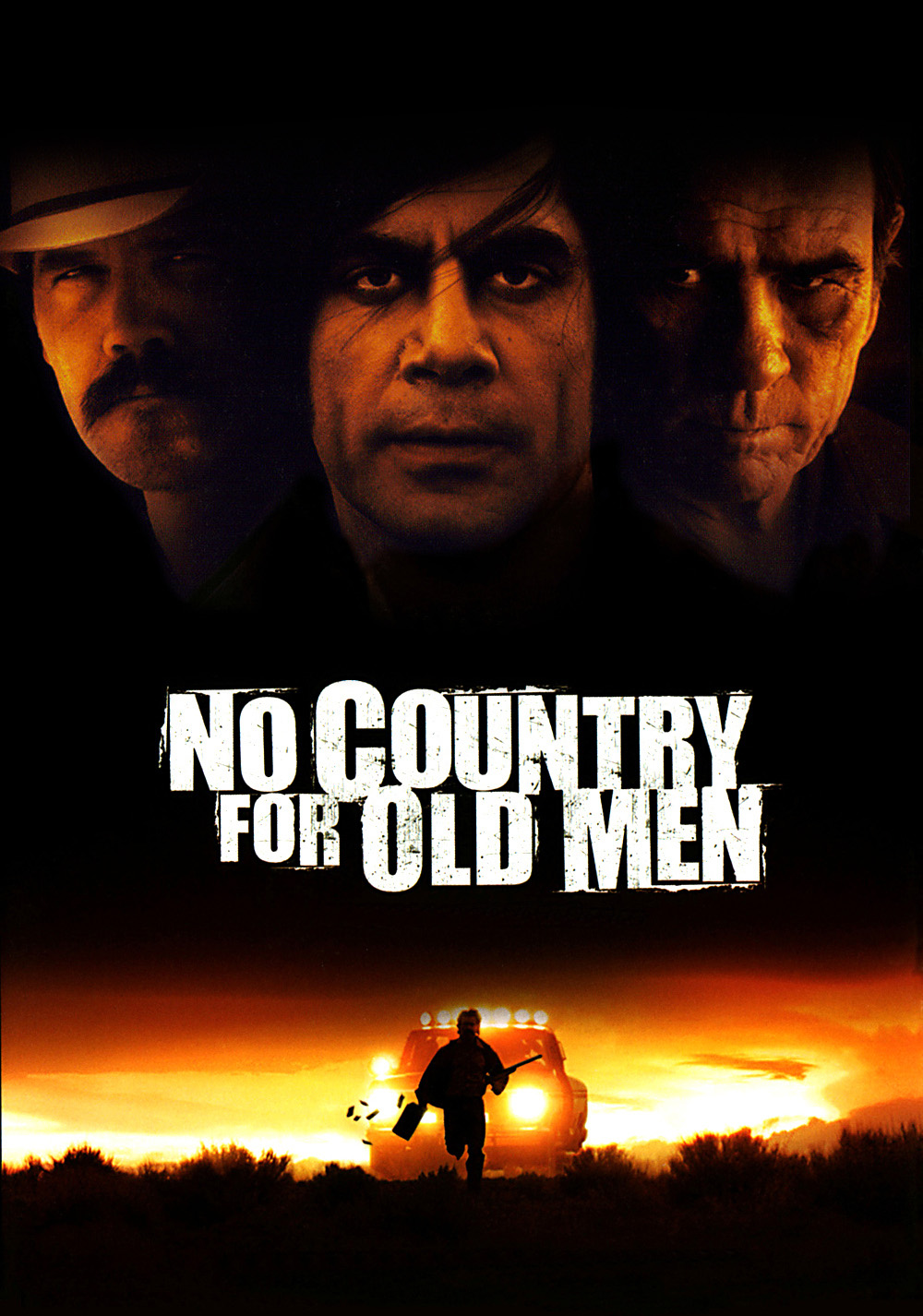
Incentive:
25%-40%
Annual Cap: $140M (FY2026)
Project Cap: None
More Info:
New Mexico Film Tax Credit: Rates, Uplifts, and How to Qualify in 2026
New Mexico has built one of the most competitive film incentive programs in the United States. The state offers a fully refundable tax credit starting at 25%, with multiple stackable uplifts that can push the effective rate to 40%. For productions structured to maximize those uplifts, few states can match what New Mexico puts on the table.
This guide covers the current program structure, how uplifts stack, the application process, budget math with a worked example, the state's production infrastructure, union ecosystem, and how New Mexico compares to Georgia and Louisiana for 2026.
Program Overview: Refundable, Not Transferable
The New Mexico Film Production Tax Credit is refundable, meaning the state pays out the credit directly to the production company even if it has no New Mexico tax liability. This is a critical structural difference from transferable credits (like Georgia or Pennsylvania), where productions must find a buyer for the credit on the secondary market. In New Mexico, the state cuts you a check.
The credit applies to qualified direct production expenditures made in New Mexico. That includes New Mexico-resident labor, goods and services purchased in-state, and postproduction work performed in-state. Nonresident below-the-line (BTL) crew wages are eligible at 15% of qualified wages, while resident BTL crew and nonresident performing artists qualify at the full base rate.
There is no minimum spend threshold to qualify, which makes New Mexico accessible to smaller projects that would be locked out of programs like Georgia ($500K minimum) or California ($1M minimum). The annual fund for FY2026 is $140 million, scheduled to increase by $10 million per fiscal year through FY2028, when it reaches $160 million.
Credit Rates at a Glance
Rate | Qualifying Condition |
|---|---|
25% | Base rate, all qualified New Mexico expenditures |
+5% | Television series or pilot (any episode count) |
+5% | Time spent at a Qualified Production Facility (QPF) |
+10% | Expenditures in areas 60+ miles from Albuquerque or Santa Fe city halls |
Up to 40% | Maximum effective rate (TV or QPF uplift do not stack with each other) |
The two 5% uplifts (television series and QPF) cannot be combined, so the maximum from stacking is: 25% base + 5% (TV or QPF) + 10% (rural) = 40%. A feature that qualifies for QPF and shoots in a rural area can also reach 40%.
Qualified Production Facility (QPF) Uplift
To claim the QPF uplift, the production must spend a qualifying amount of production days on a soundstage or standing set that meets state facility standards. The 5% bonus applies only to expenditures incurred during the time actually spent at the QPF, not to the entire production budget. Production offices attached to the QPF do not qualify for the uplift. The New Mexico Film Office maintains a list of approved QPF facilities at nmfilm.com.
Rural Uplift: 10% Extra for Remote Locations
The rural uplift is the most significant stacking opportunity in New Mexico. Any qualified expenditures for goods and services provided at locations more than 60 miles from the Albuquerque or Santa Fe city halls qualify for the additional 10% credit. This includes on-location production days, crew wages for work performed in that area, and postproduction services performed there.
For a narrative feature shooting in the White Sands region, the Jemez Mountains, or the eastern plains, the entire below-the-line budget spent in those areas qualifies for the uplift, on top of the base 25%. That turns a $3 million New Mexico spend in a qualifying rural area into a $1.05 million credit at 35%.
Worked Budget Scenario: $5M Feature Film
Here is how the credit math works for a mid-budget independent feature with a $5 million total budget shooting in New Mexico:
Budget Category | NM Spend | Credit Rate | Credit Value |
|---|---|---|---|
Resident crew labor (above and below the line) | $1,500,000 | 25% | $375,000 |
Nonresident BTL crew wages | $600,000 | 15% | $90,000 |
Production goods and services (in Albuquerque) | $800,000 | 25% | $200,000 |
Rural location shoot (80 miles from ABQ) | $700,000 | 35% | $245,000 |
New Mexico postproduction | $200,000 | 25% | $50,000 |
Total New Mexico Spend | $3,800,000 | avg. ~25.3% | ~$960,000 |
In this scenario, a $5M feature with $3.8M in qualified New Mexico spend returns approximately $960,000 in refundable credits, or about 25 cents on every dollar spent in-state. Productions that lean heavily into rural locations or qualify for the QPF uplift can push that number closer to $1.3 million on the same budget.
The credit is paid out after the production submits a completed cost report, which is audited by the New Mexico Taxation and Revenue Department. Payment timelines vary but typically run 6 to 12 months after submission. Plan your cash flow accordingly and build a credit financing facility into your production plan if you need liquidity during production.
Application and Registration Process
New Mexico uses a registration-based system rather than a competitive allocation window. Productions register with the New Mexico Film Office before principal photography begins. There is no application deadline racing against a quarterly window, which gives producers more scheduling flexibility compared to states like Pennsylvania or California.
Steps to qualify:
Register your project with the New Mexico Film Office at nmfilm.com before starting principal photography.
Maintain detailed records of all New Mexico expenditures throughout production, broken down by category (resident labor, nonresident labor, goods, services, postproduction).
Upon wrap, engage a CPA or entertainment accountant to prepare a qualified expenditure report meeting New Mexico Taxation and Revenue Department standards.
Submit the cost report to the Tax and Revenue Department. An auditor reviews and certifies the credit amount.
Receive the refundable credit payment directly from the state.
The state allows productions to assign or transfer credits to a third party if the production prefers immediate liquidity over waiting for the state payment. Credit buyers typically purchase at 85 to 91 cents on the dollar, so selling your credit is a trade-off between timing and yield.
Notable Productions That Chose New Mexico
Breaking Bad (2008-2013): Vince Gilligan originally planned to shoot in California, but Albuquerque Studios and New Mexico's emerging incentive program made the economics work. The series spent all five seasons in Albuquerque, put the city on the film tourism map, and generated what the state estimates at hundreds of millions in economic activity. The show demonstrated that New Mexico could sustain a long-running network series end-to-end.
Better Call Saul (2015-2022): The Breaking Bad prequel went deeper into Albuquerque, filming extensively at Albuquerque Studios and on location throughout the metro. By the time the series wrapped, it had become one of the most sustained productions in the state's history, building a deep bench of trained local crew across six seasons.
Oppenheimer (2023): Christopher Nolan shot at Los Alamos and Abiquiu, New Mexico, using the state's authentic desert and mountain terrain as stand-ins for the Trinity test site. The production's scale and profile drew significant attention to the state's location diversity beyond the Albuquerque metro.
Poker Face (Peacock, 2023-present): Rian Johnson's mystery series shoots extensively in New Mexico, using the state's varied landscape to stand in for different American locales each episode. It typifies the kind of ongoing episodic work that takes full advantage of New Mexico's TV series uplift.
El Camino: A Breaking Bad Movie (2019): Netflix produced this feature as one of its first Albuquerque-based projects following the studio acquisition, a signal of the company's long-term commitment to New Mexico production.
The Curse (Showtime, 2023): Nathan Fielder and Benny Safdie's series filmed across the Albuquerque region, another example of prestige productions choosing New Mexico for its combination of incentives and unique visual landscape.
Production Infrastructure
Netflix Studios Albuquerque
Netflix purchased Albuquerque Studios in 2018 for approximately $30 million and immediately began a major expansion. The campus now spans more than 108 acres and includes 12 soundstages, production offices, three mill buildings, two stage support buildings, and two dedicated backlot areas. The expansion added two-story stages not available at most major studio complexes, along with on-site solar and battery storage, geothermal heating and cooling, and 50 EV fast-charging stations.
While Netflix has a long-term presence agreement, the facility books third-party productions as well. Netflix has committed to spending over $1 billion in New Mexico production over its initial decade of operation and had spent more than $640 million and employed over 4,000 residents through 2024.
Albuquerque Studios (Independent Stages)
Separate from Netflix's owned complex, Albuquerque Studios offers additional stage inventory with approximately 100,000 square feet of production space. The facility has hosted major productions and provides an alternative for projects not booking into the Netflix campus.
Santa Fe Studios
Located north of Albuquerque in Santa Fe, this facility provides soundstage options for productions centered in the capital region. Santa Fe itself has served as a filming location for dozens of features and series seeking the city's distinctive adobe architecture and high-altitude light.
Equipment and Vendor Ecosystem
The sustained volume of production since 2008 has built a strong local vendor base. Albuquerque supports multiple full-service camera rental houses, lighting and grip suppliers, production vehicle vendors, and specialty fabrication shops. Panavision and other major equipment companies have local presence in the market. Productions arriving from Los Angeles or New York typically find they can source 80 to 90% of their equipment requirements locally, reducing logistics costs.
Union Ecosystem: IATSE Local 480
IATSE Local 480, chartered in 1988, is the primary union for film and television technicians in New Mexico. The local covers 99 crafts across 20 departments, representing grip, electric, camera, art department, props, set decoration, wardrobe, makeup, transportation, and construction, among others. Since Breaking Bad established New Mexico as a viable long-term production market, the local has grown substantially and trained a deep crew base across all departments.
The University of New Mexico and the New Mexico Film Academy operate training pipelines that feed directly into IATSE 480 membership, creating a self-sustaining local crew ecosystem. For most departments, productions filming in Albuquerque can staff locally through Local 480 without relying on Los Angeles travel hires, which reduces below-the-line costs significantly and increases the proportion of spending that qualifies for the resident labor credit rate.
Teamsters Local 492 covers transportation for film and television in New Mexico. IATSE Local 660 covers set designers and illustrators. For productions structuring around the resident labor credit, working with Local 480 crews is the clearest path to maximizing the portion of the budget qualifying at the full 25% base rate rather than the 15% nonresident BTL rate.
Additional Programs and Local Incentives
Albuquerque Film Office Incentives
The City of Albuquerque runs a complementary incentive program that provides additional support for productions filming within city limits. This can include fee waivers for location permits, police and fire support rates negotiated for film productions, and production-specific assistance through the Albuquerque Film Office. Contact the ABQ Film Office at abqfilmoffice.com for current program details.
New Mexico State Crew and Training Grants
The New Mexico Film Office administers workforce development programs aimed at increasing the pool of trained resident crew available to qualify for the resident labor uplift. Productions employing trainees through approved programs may receive additional support. Check with the Film Office on current workforce development opportunities that can complement tax credit applications.
Location Fee Negotiations
State and federal lands in New Mexico, including Bureau of Land Management territory, national forests, and White Sands National Park, are available for filming under permit. The Film Office actively coordinates with land management agencies and can facilitate location access that would be difficult to negotiate independently, particularly for large-scale action or exterior photography.
Budget Tracking for New Mexico Productions
Managing a New Mexico production budget requires tracking which expenditures fall into each credit category: resident labor, nonresident BTL labor, in-state goods and services, rural location expenditures, QPF time, and postproduction. The cleaner your cost tracking by category throughout production, the faster and smoother your cost report audit will go.
Saturation's cloud-based budgeting software lets your production accountant flag expenditures by location and category in real time, so your New Mexico qualified spend is already organized when you hand off to your CPA for the credit report. Rather than reconstructing categories from raw invoices at wrap, you track it as you go. Try Saturation free to see how it handles multi-location budgets with incentive tracking built in.
New Mexico vs. Georgia vs. Louisiana: How They Compare
Factor | New Mexico | Georgia | Louisiana |
|---|---|---|---|
Base credit rate | 25% | 20% | 25% |
Maximum rate | 40% (with stacking) | 30% (logo uplift) | 40% (with uplifts) |
Credit type | Refundable | Transferable | Transferable |
Annual fund cap | $140M (FY2026) | No cap | $125M |
Minimum spend | None | $500,000 | $300,000 (most productions) |
Per-project cap | None | None | None (removed) |
Studio infrastructure | Netflix Studios ABQ (12 stages) | Trilith, Pinewood (largest in US) | Raleigh Studios New Orleans, Messina |
Crew depth | Strong in Albuquerque | Very deep, Atlanta-based | Deep, New Orleans-based |
New Mexico vs. Georgia: Georgia's uncapped program and massive studio infrastructure (Trilith is the largest purpose-built studio campus outside Los Angeles) make it the dominant large-budget production destination in the U.S. For projects that need giant stages and unlimited scale, Georgia wins on infrastructure. New Mexico wins for projects that need authentic desert Southwest locations, smaller stages with less competition for booking, and a refundable credit that does not require finding a credit buyer.
New Mexico vs. Louisiana: Louisiana and New Mexico both cap at 40% maximum and share a similar credit rate structure. Louisiana reduced its annual cap from $150 million to $125 million effective July 2025, while New Mexico's fund is growing. Louisiana's credit is transferable rather than refundable, meaning productions must sell the credit rather than receiving a direct state payment, which introduces market timing and discount risk. New Mexico's refundable structure eliminates that variable.
FAQ: New Mexico Film Tax Credit
Is there a minimum budget to qualify for New Mexico's film tax credit?
No. New Mexico imposes no minimum spend requirement. A $200,000 short film and a $200 million studio feature are both eligible, as long as qualified expenditures are made in the state. This is a genuine competitive advantage over most comparable programs.
How long does it take to receive the refundable credit payment?
After submitting the certified cost report, expect the audit and payment process to take 6 to 12 months. Productions that need liquidity during or immediately after production typically arrange credit financing, where a bank or specialty lender advances against the expected credit amount at a discounted rate.
Can the rural uplift and the TV series uplift be combined?
Yes. A television series shooting 60+ miles from Albuquerque or Santa Fe city halls qualifies for both the 5% TV uplift and the 10% rural uplift, bringing the effective rate to 40% on those expenditures. This is the maximum rate achievable under the program.
Do nonresident above-the-line wages qualify for the credit?
Nonresident performing artists (actors, directors, and similar above-the-line talent) qualify for the credit at the base 25% rate. Nonresident below-the-line crew wages qualify at 15%. Resident crew wages qualify at the full base rate plus any applicable uplifts.
What is a Qualified Production Facility and where can I find a list?
A QPF is a soundstage or standing set that meets New Mexico Film Office standards. The Film Office maintains an updated list at nmfilm.com/whynewmexico/locations/qualified-production-facilities. The Netflix Studios Albuquerque campus and Albuquerque Studios both qualify. If your production uses an approved QPF for a qualifying proportion of your shoot days, the 5% QPF uplift applies to expenditures incurred at that facility.
Can New Mexico credits be transferred or sold?
Yes. Although the credit is structurally refundable (the state will pay it directly), productions can assign or sell the credit to a third-party buyer if they prefer immediate cash at a discount to waiting for state payment. Typical secondary market purchase rates run from 85 to 91 cents per dollar of credit value.
What types of productions qualify?
Feature films, television series, pilots, documentaries, commercials, and other productions with qualified New Mexico expenditures are eligible. Music videos, personal videos, and news programming generally do not qualify. The New Mexico Film Office reviews eligibility on a project-by-project basis for unusual production types.
Working with the New Mexico Film Office
The New Mexico Film Office is one of the more producer-friendly state film offices in the country. It provides pre-production location scouts, coordinates with local vendors and crew, assists with permit applications across state and federal lands, and offers production liaisons for larger projects. The office is reachable at nmfilm.com and maintains regional contacts for the Albuquerque, Santa Fe, and rural New Mexico areas.
For productions coming in from out of state, an introductory call with the Film Office before locking a schedule is worth the time. The office knows which QPF stages are available, can estimate rural uplift eligibility for specific locations, and has direct relationships with the crew community and equipment vendors that can shortcut the vendor search process.
Key Contacts and Resources
New Mexico Film Office: nmfilm.com | (505) 476-5600
New Mexico Taxation and Revenue Department: tax.newmexico.gov (administers credit certification)
Albuquerque Film Office: abqfilmoffice.com
IATSE Local 480: local480.com
Netflix Studios Albuquerque: stages.netflixstudios.com/albuquerque
FY2026 Annual Fund: $140 million, increasing to $160M by FY2028
New Mexico Film Office:
New Mexico Film Office
1100 S. Saint Francis Drive, Suite 1213, Santa Fe, New Mexico, 87505
Applying for the credit?
Get Free Template
Use our budget template to add qualified expenses to the proper chart of accounts as required by the state.