Incentive:
20% base (uplifts available)
Annual Cap: $500,000 (FY 2025-2026)
Project Cap: No published per-project cap
More Info:
How the Nebraska Film Tax Credit Works
Nebraska introduced the Cast and Crew Nebraska Act (CCNA) effective January 1, 2025, establishing the state's first meaningful film production tax credit program. Administered by the Nebraska Department of Economic Development (DED), the CCNA offers a 20% base tax credit on qualifying Nebraska production expenditures, with additional uplifts available for specific qualifying factors. The credit is transferable, meaning production companies can sell or transfer the credit to Nebraska taxpayers who can apply it against their Nebraska tax liability.
The program was designed to attract production spending to Nebraska, which had previously operated without any state-level film incentive. The CCNA's introduction followed years of advocacy from Nebraska-based entertainment professionals, economic development organizations, and legislators who pointed to the production activity flowing to neighboring states with established programs as a missed economic opportunity for Nebraska.
CCNA Credit Rates and Uplifts
The Cast and Crew Nebraska Act base credit rate is 20% of qualifying Nebraska expenditures. Additional uplifts are available that can increase the effective rate:
20% base credit on all qualifying production expenditures incurred in Nebraska
Uplifts available for Nebraska resident above-the-line and below-the-line labor
Potential combined rates above 20% for productions with high resident labor participation
Contact the Nebraska DED for the current uplift schedule, as guidelines were in a public comment and finalization phase in early 2025. The base 20% rate applies to all qualifying expenditures before any uplifts are considered.
Annual Program Cap
The Cast and Crew Nebraska Act has a modest annual cap during its initial phase. For fiscal year 2025-2026, the total tax credits available under the program are $500,000. This is a very small cap compared to most state film incentive programs, reflecting Nebraska's conservative initial approach to the program. It effectively limits the program's reach in the near term to smaller-scale productions or to projects that represent a small portion of their budget in Nebraska.
Productions should contact the Nebraska DED before developing production plans dependent on the CCNA to confirm current cap availability and whether any of the 2025-2026 allocation remains uncommitted. If program demand exceeds the cap, additional credits would not be available until the next fiscal year.
Minimum Spend Requirements
The CCNA has different minimum spend thresholds by production type:
$500,000 minimum qualifying expenditures for full-length films (60 minutes or more), made-for-television movies, and television series
$25,000 minimum qualifying expenditures for short-length films (30-59 minutes), documentaries, animation, and commercial advertisements
The lower threshold for smaller formats makes the program accessible to a broader range of Nebraska-based production companies and independent filmmakers, not just large productions with multi-million dollar budgets.
Eligible Production Types
The Cast and Crew Nebraska Act covers the following production formats:
Full-length films (60 minutes or more)
Made-for-television movies
Over-the-air and streaming television series (pilots and episodes)
Short-length films (30 minutes to 59 minutes)
Documentaries
Animation projects
Commercial advertisements
Productions should confirm eligibility for specific formats with the Nebraska DED, as the program guidelines were being finalized through a public comment process in early 2025.
Qualifying Expenditures
Qualifying expenditures under the CCNA include costs that are subject to Nebraska taxation and are incurred in Nebraska during pre-production, production, or post-production:
Above-the-line and below-the-line labor costs for Nebraska resident cast and crew
Equipment rentals from Nebraska vendors
Location fees paid to Nebraska property owners
Set construction and production materials purchased in Nebraska
Catering and production services from Nebraska businesses
Post-production services completed in Nebraska
Other production-related costs incurred with Nebraska vendors and subject to Nebraska taxation
Credit Transfer Mechanics
The CCNA credit is transferable rather than refundable. This is a meaningful distinction that affects how productions monetize the credit:
Transferable credits can be sold to Nebraska taxpayers who apply them against their own Nebraska tax liability. The transferee, the person or entity buying the credit, pays the production company at least 85% of the face value of the credit. The transfer can occur at any time during the taxable year in which the credit was certified or in the three taxable years immediately following certification.
The practical effect is that a production that earns $100,000 in CCNA credits can sell those credits to a Nebraska business or individual taxpayer for at least $85,000 in cash. After accounting for broker fees if a credit intermediary is used, the net cash to the production will typically be in the 80% to 90% range of the credit's face value.
For productions without Nebraska tax liability, the transferable structure is less attractive than a refundable credit, which would pay out the full credit value as cash without requiring a buyer. Productions should factor the transfer discount into their financial projections when evaluating the CCNA's net benefit relative to programs in other states.
Application Process
Applications for the Cast and Crew Nebraska Act are submitted through the Nebraska Department of Economic Development. The application process involves:
Eligibility determination. Contact the Nebraska DED before beginning production to confirm that the project and the production company meet CCNA eligibility requirements and that funding remains available in the annual cap.
Application submission. Submit a formal application to the DED through the Nebraska DED's application portal (ne.amplifund.com). Required information includes project description, budget, estimated Nebraska expenditures, production schedule, and production company information.
DED review and approval. The DED reviews applications and issues approvals based on available cap allocation. Productions should not begin qualifying activities before receiving DED approval, as expenditures incurred before approval may not qualify.
Production and documentation. Track all qualifying Nebraska expenditures during the production period with supporting invoices, payroll records, and contracts.
Credit certification. After completing qualifying activities, submit final documentation to the DED. The DED reviews the documentation and issues a tax credit certification for the qualifying amount.
Transfer or application against tax. The production company can then transfer the credit to a Nebraska taxpayer or apply it against its own Nebraska income tax liability if applicable.
History: Nebraska's Production Landscape Before the CCNA
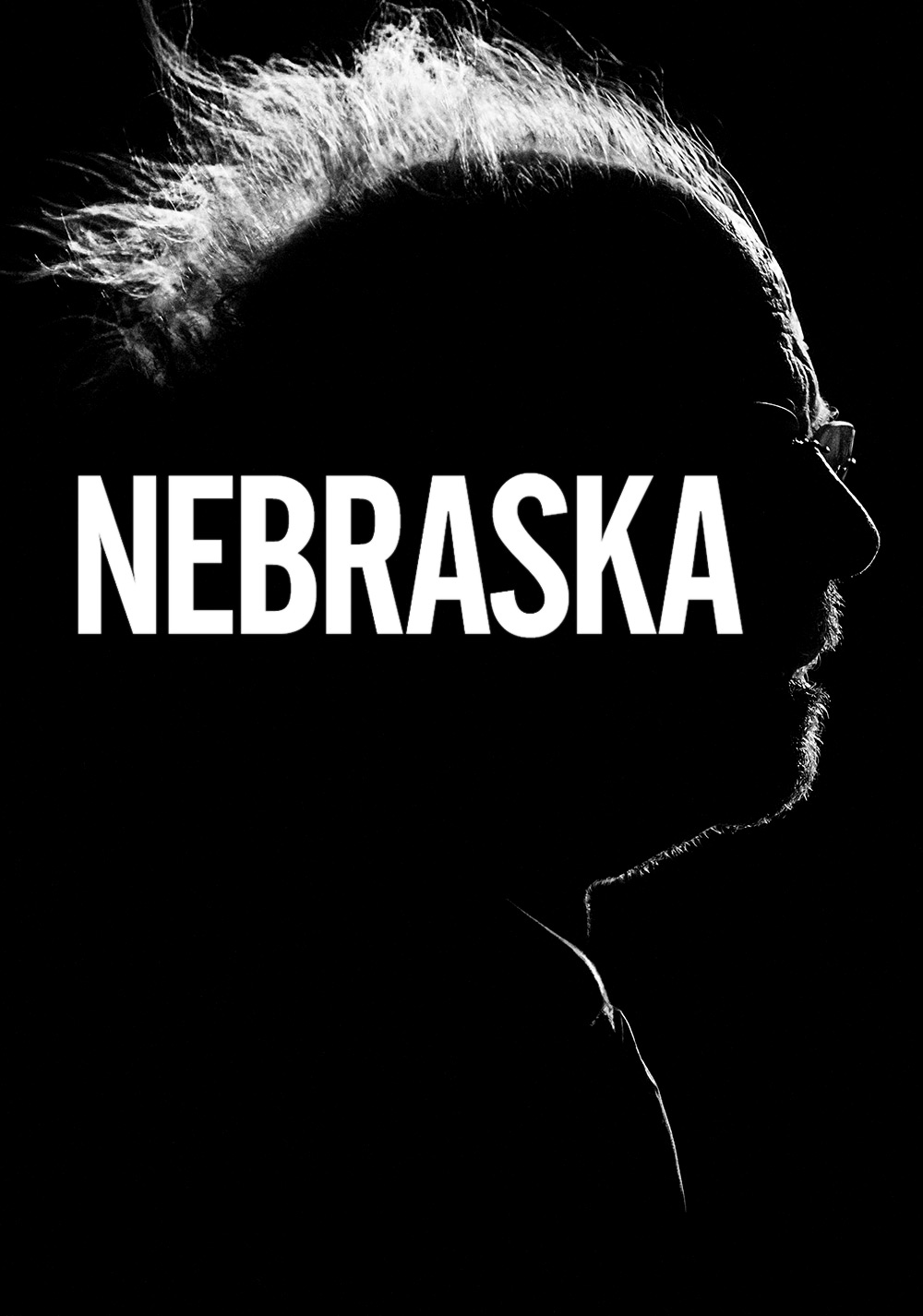
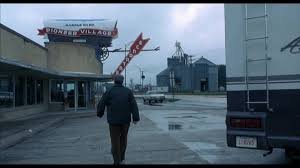
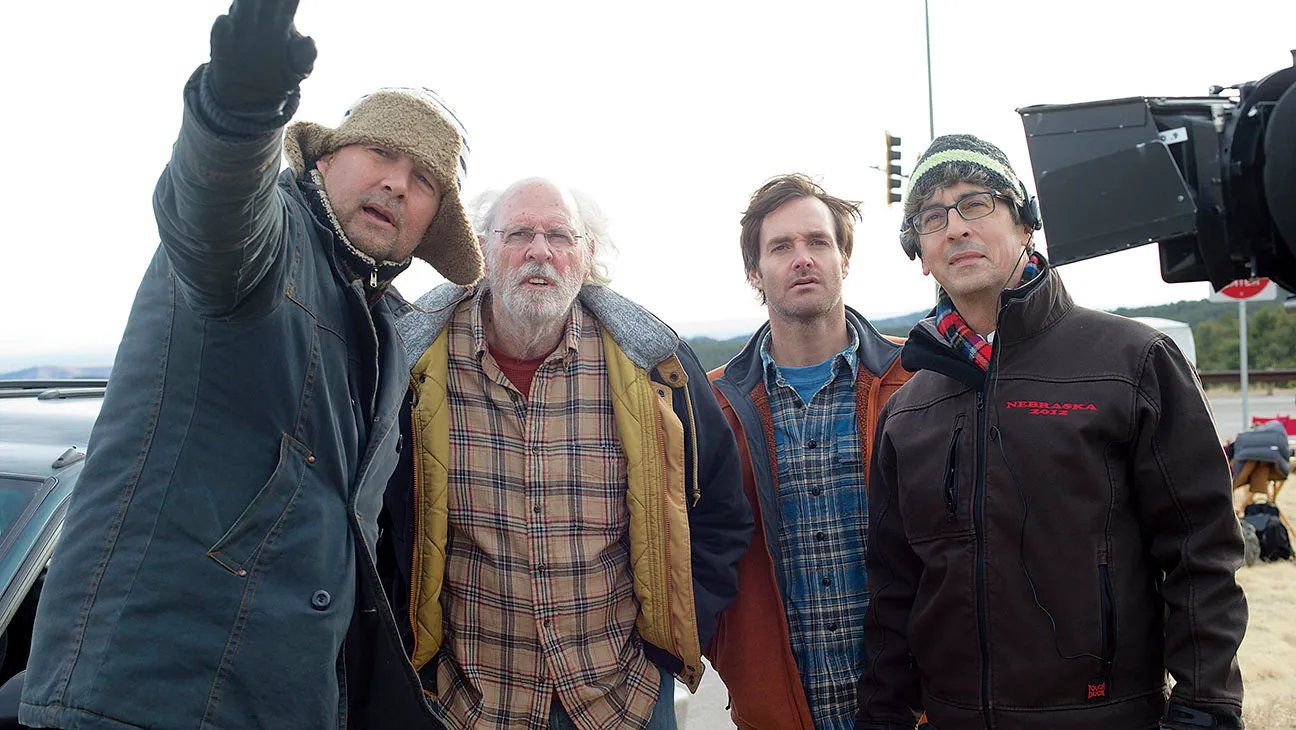
Nebraska's production industry before the CCNA operated primarily through smaller-scale commercial, corporate, and documentary work, along with a community of independent filmmakers who produced projects at budgets where state incentives would not be a decisive factor. The state's most famous film connection is the work of director Alexander Payne, a Nebraska native whose films including "Election," "About Schmidt," and "Nebraska" have featured the state prominently. Payne shot "Nebraska" (2013) in Plainview, Nebraska, and the production is widely credited in Nebraska's film community as evidence that the state can host major productions that get noticed.
Without an incentive program, larger productions that could have filmed in Nebraska consistently chose neighboring states or more established production hubs. Nebraska's below-the-line crew community remained small relative to states of comparable size that offered active incentives. The CCNA is intended to begin building that base by attracting qualifying productions that hire and train Nebraska residents.
Nebraska Filming Locations
Nebraska's diverse geography provides several settings with genuine visual appeal for production:
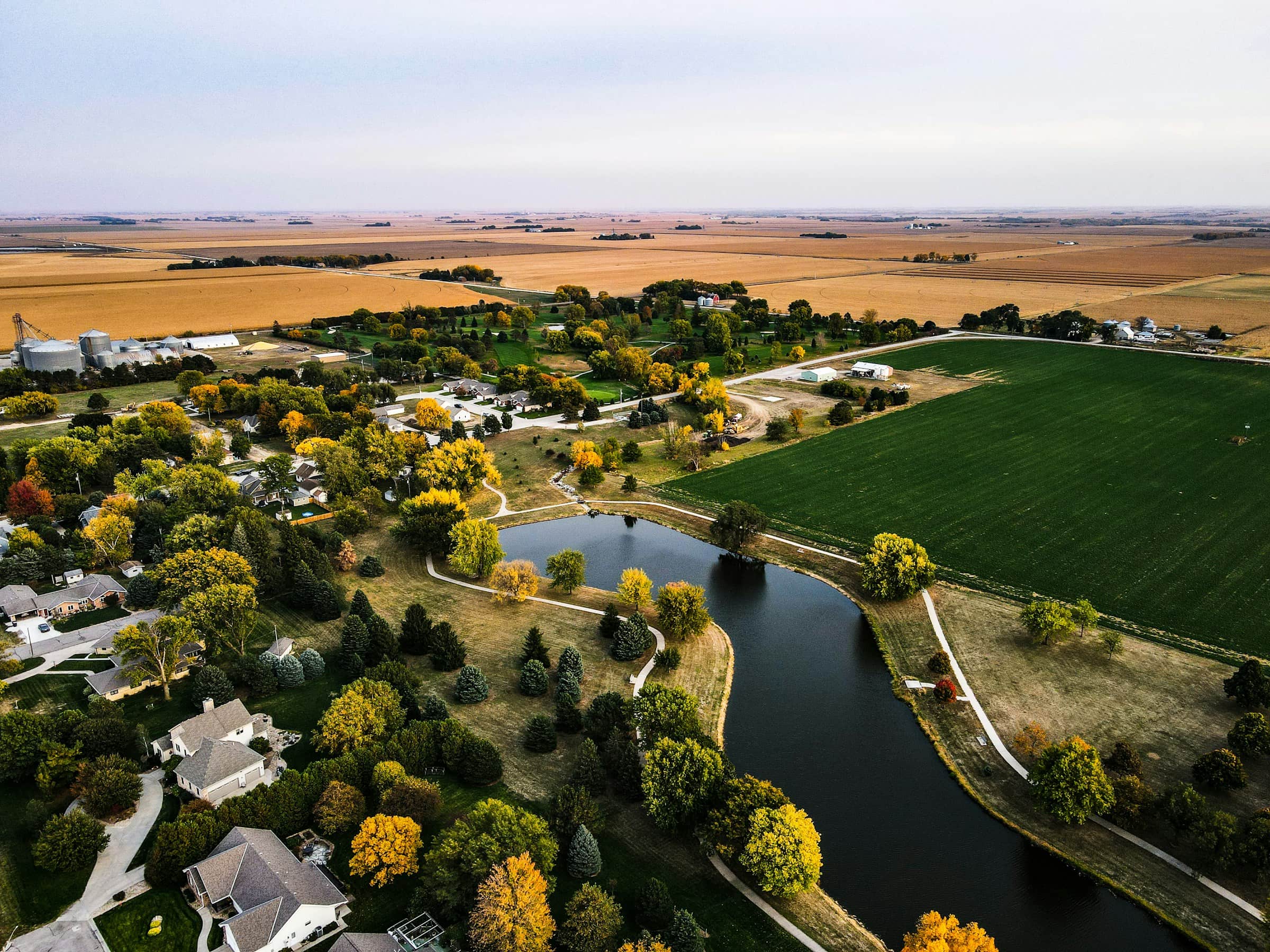
Great Plains and Sandhills. Nebraska's rolling grasslands, particularly the Sandhills region in the north-central part of the state, offer wide-open prairie landscapes with minimal development interference. The Sandhills cover approximately 19,000 square miles and include thousands of natural lakes and wetlands within the grass-covered dunes. This landscape is unique to Nebraska and has a quality unlike anywhere else in the country.
Chimney Rock and Scotts Bluff. The iconic rock formations of western Nebraska, including Chimney Rock National Historic Site and Scotts Bluff National Monument, served as trail markers for westward-traveling pioneers and are visually distinctive badlands and butte formations that photograph as dramatically different from either Plains or Mountain West landscapes.
Omaha. Nebraska's largest city has a downtown with significant architectural character, including the Old Market historic district with 19th-century brick warehouses and cobblestone streets, the scenic Missouri River bluffs, and a mix of residential neighborhoods that range from early 20th-century working-class bungalows to midcentury ranch homes to modern suburban development.
Lincoln. The state capital has the distinctive Nebraska State Capitol building (a skyscraper-style capitol that is architecturally unusual among state capitals), the University of Nebraska campus, and a compact downtown that works for productions seeking a mid-size college town setting.
Small town Nebraska. Dozens of small Nebraska towns, from the Panhandle west to the Missouri River east, retain main street architecture and rural character that serves period productions and contemporary stories about the American heartland. The town of Plainview, used in Alexander Payne's "Nebraska," is representative of the authentic small-town Nebraska environment that is appealing for certain production types.
Why Produce in Nebraska
Nebraska's CCNA is new and modest compared to established programs in states like Georgia or Louisiana, but it offers a foundation for productions that specifically want or need Nebraska locations:
First-mover advantage. As the CCNA scales, productions that establish relationships with the Nebraska DED and Film Office early may benefit from more personalized attention and support than they would receive in a highly competitive, crowded program like Georgia's.
Lower overall production costs. Nebraska's crew day rates, location fees, accommodation costs, and local vendor pricing are generally below those in established production markets. The 20% credit stacks on top of these inherent cost advantages.
Unique locations. The Sandhills, Chimney Rock, Scotts Bluff, and the state's small-town main street environments offer visual settings that are genuinely difficult to replicate anywhere else, regardless of the financial incentive structure.
State investment in growth. The Nebraska Film Office (film.nebraska.gov) and the DED are actively working to grow the state's production infrastructure. Productions that come to Nebraska now are arriving as the ecosystem is being built, which can mean more direct engagement with state officials and more flexibility in how the program is interpreted and applied.
How Saturation Helps Nebraska Productions
Nebraska's CCNA is a transferable credit, which means the production company needs clean, auditable documentation of all qualifying expenditures to support the credit certification and any subsequent transfer. Saturation's cloud-based production budgeting software gives Nebraska production companies the ability to track qualifying expenses in real time, organize vendor documentation by category, and generate the line-by-line expense records that the DED review and credit certification process requires.
For productions where Nebraska is one of several shooting locations, Saturation's split-location budget tracking keeps Nebraska-qualifying spend separate from out-of-state costs, ensuring that the final CCNA application reflects only legitimate Nebraska expenditures without manual reconciliation work at the end of production.
Understanding the $500 Application Fee
The Cast and Crew Nebraska Act includes a non-refundable $500 application fee. This fee is paid when the production company submits its application to the Nebraska DED. The fee is non-refundable regardless of whether the application is approved, the project qualifies for funding under the annual cap, or the production ultimately moves forward. Productions should factor this fee into their evaluation of whether to apply, particularly for smaller projects where the total expected credit may be modest.
Nebraska vs. Neighboring Plains States
Nebraska's new CCNA program is among a small number of production incentives in the Great Plains region. Understanding the competitive landscape helps productions assess their options:
Nebraska vs. Kansas: Kansas has no active film production incentive as of 2026, despite ongoing legislative efforts. Nebraska's 20% CCNA credit makes it more financially attractive than Kansas for any production that qualifies under both states' location and practical requirements.
Nebraska vs. South Dakota: South Dakota does not have a state film incentive program. Nebraska has an advantage on financial grounds for qualifying productions.
Nebraska vs. Iowa: Iowa launched its new Film Rebate Program in 2026, offering 30% on qualifying spend but with a facility-based requirement that limits eligibility to Iowa-based production companies. Nebraska's CCNA is available to any qualifying production company, not just Nebraska-established entities, making it potentially more accessible to visiting productions despite Iowa's higher rate.
Nebraska vs. Colorado: Colorado has a film incentive program with competitive rates. Colorado's more established production infrastructure, larger crew base, and greater variety of stage and location options make it stronger competition for larger productions. Nebraska's lower overall production costs can narrow the effective gap for productions that specifically need Nebraska locations or that are Nebraska-based companies.
Nebraska vs. Missouri: Missouri has a film tax credit that has been competitive when funded. Missouri's Kansas City metro area has more production infrastructure and a larger crew base than Omaha. For productions that need a Midwest urban center with established crew availability, Missouri can be preferable. For productions that need Nebraska's specific locations, the CCNA provides a meaningful financial offset.
The Nebraska Film Office Grant Program
In addition to the Cast and Crew Nebraska Act, the Nebraska Film Office has historically administered a grant program for smaller productions. The Film Office Grant has offered smaller cash awards (typically in the range of $1,000 to $10,000) for qualifying projects that meet state residency or subject matter criteria. This grant program is separate from the CCNA and has different eligibility requirements.
Productions at the smaller end of the budget scale, particularly Nebraska-focused documentaries, short films, and student projects, should inquire about the Film Office Grant as a supplement or alternative to the CCNA if their project does not meet the CCNA's minimum spend thresholds. Contact the Nebraska Film Office directly for current grant availability and eligibility information.
Common Questions About the Nebraska CCNA
What exactly is the $500,000 minimum for full-length films? Full-length films, defined as 60 minutes or more, made-for-television movies, and television series all require a minimum of $500,000 in qualifying Nebraska expenditures to be eligible for the CCNA. This minimum is similar to thresholds in other states' programs and is designed to ensure the credit attracts substantive production spending rather than minimal-budget projects that generate little economic activity.
Can the credit be split between multiple transferees? Yes. Transferable credits can be transferred to one or more Nebraska taxpayers. The production company retains flexibility to split the credit among multiple buyers, which can be useful if the total credit is larger than a single buyer's Nebraska tax liability in a given year. Each transfer must be documented with the Nebraska DED.
Is there a minimum transfer price for the credit? Yes. The CCNA specifies that the transferee must pay the transferor at least 85% of the face value of the transferred credits. This minimum protects productions from being forced to accept deeply discounted prices in the secondary market. However, the minimum does not prevent higher prices from being negotiated, and productions in good favor with financially motivated Nebraska businesses may achieve transfer prices above 85%.
Are animated productions eligible? Yes. Animation is explicitly listed as an eligible production type in the CCNA. Animation work performed in Nebraska, whether traditional or computer-generated, qualifies as a qualifying expenditure provided it meets the CCNA's other requirements for taxable expenditures incurred in the state.
What happens if the annual cap is already fully committed when I apply? If the $500,000 annual cap for the current fiscal year has been fully committed to approved projects, additional credits will not be available until the next fiscal year begins. The DED will inform applicants of cap availability during the review process. Productions that miss the current year's allocation would need to reapply in the next fiscal year or delay the Nebraska production activity to the new year.
Nebraska Film Office Contact
Nebraska Film Office: film.nebraska.gov
Nebraska Department of Economic Development (CCNA applications): opportunity.nebraska.gov/programs/incentives/ccna
Productions interested in the Cast and Crew Nebraska Act should contact the Nebraska DED early in the planning process to confirm current annual cap availability, discuss specific project eligibility, and understand the guidelines that were being finalized through the 2025 public comment process.
Nebraska Film Office:
Nebraska Film Office Home
301 Centennial Mall South, Lincoln, NE 68509-4666
Applying for the credit?
Get Free Template
Use our budget template to add qualified expenses to the proper chart of accounts as required by the state.