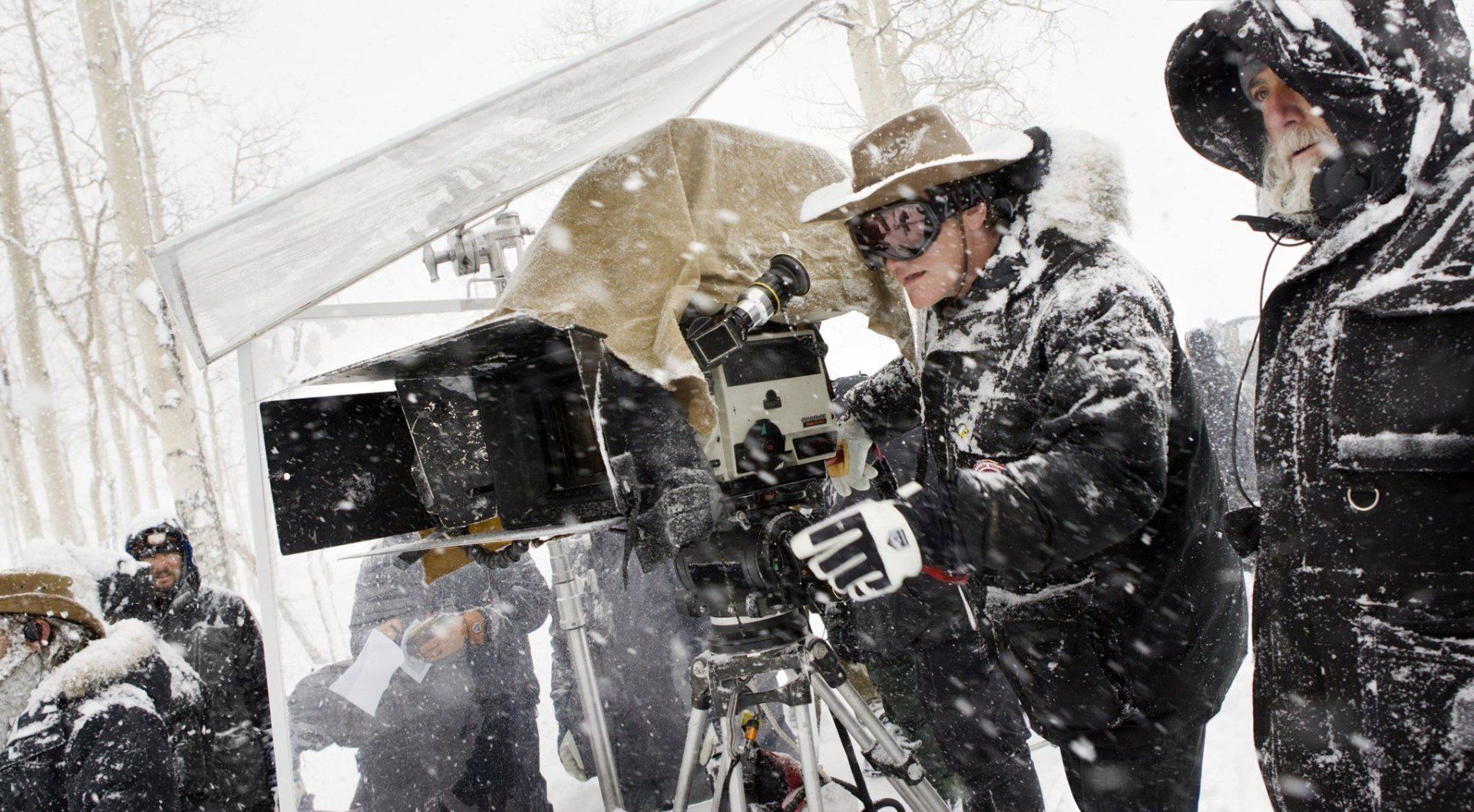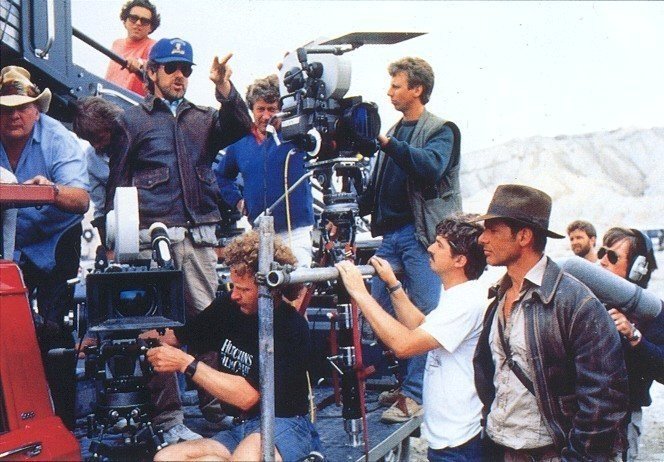
Saturation - Shot in Colorado: The Hateful EIght

Colorado Film Tax Credit

Colorado Film Tax Credit

Refundable Income Tax Credit

Refundable Income Tax Credit

Incentive:

20% base; 22% for Enterprise Zone/rural/urban center

Minimum Spend:
$100,000 (in-state); $1,000,000 (out-of-state)

Minimum Spend: $100,000 (in-state); $1,000,000 (out-of-state)

Annual Cap: $5,000,000

Project Cap: None (limited by $5M annual cap)

Apply for Incentive

More Info:

How Colorado's Film Incentive Tax Credit Works

Colorado's Film Incentive Tax Credit is a refundable income tax credit that production companies claim directly on their Colorado income tax returns. The program offers a base rate of 20% on qualified local production expenses, with an enhanced 22% rate available for productions that meet specific location or community criteria. The credit is refundable, meaning productions receive the full credit value even if they have no Colorado tax liability, paying the excess as a direct cash refund.

The Colorado Office of Economic Development and International Trade (OEDIT) administers the program through its Colorado Office of Film, Television and Media. The program has a combined annual cap of $5 million on all credits issued in any calendar year, making it a boutique-scale incentive suited to smaller productions and projects that want Colorado's specific locations and environments without requiring the scale of spending that large state programs demand.

The program has a sunset date of December 31, 2034, providing production certainty for approximately a decade. Colorado's Legislature has extended the program several times since its original establishment, and the current extension through 2034 reflects ongoing legislative support for in-state production activity.

Credit Rate Structure

Colorado's credit rates:

  • Base rate: 20% of qualified local production expenses for productions meeting standard eligibility requirements and the 50% local cast and crew hiring threshold.

  • Enhanced rate: 22% for productions meeting one of three additional location criteria:

    • The production is filmed primarily in a designated Enterprise Zone

    • At least 50% of principal photography takes place in a rural community

    • At least 50% of principal photography takes place in a designated marginalized urban center

  • The enhanced rate also applies to productions that make significant use of Colorado's locally owned infrastructure and facilities, as determined by OEDIT during the review process.

Local Hiring Requirement

Colorado's program includes a mandatory workforce requirement: all production companies must hire at least 50% of their total cast and crew from Colorado residents to qualify for the credit. This threshold is calculated on a headcount basis, meaning the number of Colorado residents employed must equal or exceed half of the total cast and crew employed on the production.

The 50% local hiring requirement is one of the more significant eligibility conditions in Colorado's program. Productions planning to bring a complete crew from Los Angeles or other markets need to plan for substantial local hiring to qualify. The Colorado Office of Film, Television and Media maintains vendor and crew directories to help productions identify qualified Colorado-based crew.

Minimum Spend Requirements

Colorado's minimum spend requirements vary by company origin:

  • In-state production companies: $100,000 minimum in qualified local production expenses

  • Out-of-state production companies: $1,000,000 minimum in qualified local production expenses

  • Television commercials: $250,000 minimum (special commercial track)

  • Video game productions: $250,000 minimum (special video game track)

The elevated $1 million threshold for out-of-state companies is designed to ensure that out-of-state productions make a substantial Colorado commitment before accessing the credit. Colorado-based independent production companies benefit from the lower $100,000 threshold, making the program accessible to local producers on smaller projects.

Annual Program Cap

Colorado's film incentive has a $5 million annual aggregate cap on all credits issued in a calendar year. This is the total across all productions approved in the year, not a per-production limit. Once the $5 million cap is reached, additional applications for that calendar year are placed on a waitlist for the following year's allocation.

The $5 million annual cap positions Colorado as a supplemental rather than primary incentive state for most large-budget productions. A feature film spending $20 million in Colorado at a 20% credit rate would generate a $4 million credit claim, nearly exhausting the entire annual program on a single production. Productions planning to use Colorado's credit should apply early in the calendar year to secure priority in the allocation queue.

Eligible Production Types

Colorado's Film Incentive Tax Credit applies to:

  • Feature films (theatrical and streaming)

  • Television series (broadcast, cable, streaming)

  • Television pilots

  • Made-for-TV movies and miniseries

  • Documentaries

  • Short films (if qualifying local spend threshold is met)

  • Television commercials (subject to the commercial minimum spend and specific commercial program guidelines)

  • Video game productions meeting specific criteria

News programming, sports broadcasts, and productions intended primarily for corporate or educational use are excluded. Productions must demonstrate that the project has a bona fide commercial distribution intent.

What Qualifies as a Colorado Expenditure

Qualified local production expenses are costs directly incurred in Colorado with Colorado vendors or for services performed in Colorado:

  • Wages for Colorado residents performing production services

  • Equipment rentals from Colorado vendors

  • Location fees for Colorado filming locations (including National Forest and state park permits)

  • Set construction materials and labor in Colorado

  • Transportation and vehicle costs incurred in Colorado

  • Lodging for crew during Colorado production

  • Post-production services at Colorado facilities

  • Catering and craft services from Colorado providers

Costs for non-residents performing work outside Colorado, goods purchased from out-of-state vendors, and pre-production costs incurred before Colorado production begins do not qualify. Productions should structure their accounting to clearly segregate Colorado and non-Colorado costs from the start of pre-production.

How to Apply for the Colorado Film Tax Credit

Applications are processed by the Colorado Office of Film, Television and Media within OEDIT:

  1. Pre-production application: Submit an application to OEDIT during pre-production. The application requires a production budget, project description, description of Colorado shooting locations and activities, projected Colorado expenditure breakdown, and demonstration of the 50% Colorado hiring plan. OEDIT reviews applications and issues approvals on a first-come, first-served basis within the annual cap.

  2. Production activity: During production, track all Colorado expenditures and Colorado resident employment records. The Colorado crew percentage is calculated based on actual employment, not the initial projection, so maintaining accurate records throughout production is essential.

  3. Post-production documentation: After completion of Colorado production activity, submit final cost documentation to OEDIT. The documentation includes vendor receipts, payroll records showing Colorado residency verification, and location agreements.

  4. Credit calculation and tax filing: OEDIT calculates the eligible credit amount based on verified Colorado expenditures and confirms the Colorado hiring percentage was met. The production company claims the credit on its Colorado income tax return. Any excess credit over Colorado tax liability is refunded directly.

Colorado's Locations and Production Environment

Colorado's primary value to productions is the state's extraordinary landscape diversity. Within a single state, productions can access Rocky Mountain peaks and ski resorts, high alpine tundra, red rock desert in the Western Slope, the dramatic canyon country of the Colorado Plateau, the sweeping plains of Eastern Colorado, and the classic Western town atmosphere of communities like Ouray, Telluride, and Durango.

Denver and Boulder provide urban environments with distinct architectural character and access to established Colorado production services. The state's dry climate reduces weather uncertainty for outdoor production, though high-altitude locations require crew altitude adjustment periods and can affect shooting schedules.

Colorado's production infrastructure is thinner than major production states. The local crew base in Denver and Front Range communities covers core departments but may require bringing in specialists from other markets for technical or highly specialized roles. The state's Film, Television and Media office actively works to grow the local crew base, but productions planning complex shoots in Colorado should budget for bringing some crew from outside the state.

Why Productions Choose Colorado

Colorado's primary appeal is location-driven. The state's landscape is genuinely distinctive and difficult to replicate elsewhere. For productions where the Colorado environment is integral to the story (mountain adventure, Western, outdoor sports, frontier history), the location authenticity is worth the logistical overhead of a smaller production market.

The refundable credit structure means productions do not need Colorado tax exposure to benefit from the 20-22% credit. Combined with the genuine economic benefit of below-market location costs in many Colorado communities compared to more established production markets, the total value proposition for location-appropriate projects is competitive.

Colorado's Legislature has consistently renewed the program, with the current authorization running through 2034. The OEDIT Film office is pro-production and provides active logistical support including help with Forest Service and Bureau of Land Management permits for natural area filming.

Colorado Film Tax Credit: Key Facts at a Glance

  • Program name: Colorado Film Incentive Tax Credit

  • Administering agency: Colorado Office of Film, Television and Media (OEDIT)

  • Base credit rate: 20% of qualified local production expenses

  • Enhanced rate: 22% for Enterprise Zone, rural, or marginalized urban center productions

  • Annual cap: $5 million aggregate

  • Per-project cap: None explicit (limited by annual cap)

  • Minimum spend: $100,000 (in-state companies); $1,000,000 (out-of-state companies); $250,000 (commercials, video games)

  • Local hiring requirement: At least 50% Colorado cast and crew

  • Credit type: Refundable Income Tax Credit

  • Sunset date: December 31, 2034

  • Eligible types: Features, TV series, documentaries, commercials, video games

Colorado Film Office:

Colorado Office of Film, Television & Media 

1625 Broadway #2700, Denver, CO 80202

Applying for the credit?

Get Free Template

Use our budget template to add qualified expenses to the proper chart of accounts as required by the state.

Check out other states incentives: