Saturation - Shot in Alabama: Selma

North Carolina Film Tax Credit

North Carolina Film Tax Credit

Cash Grant (direct payment)

Cash Grant (direct payment)

Incentive:

25%

Minimum Spend:
$1.5M (features)

Minimum Spend: $1.5M (features)

Annual Cap: $31M/year

Project Cap: $7M (features), $15M (TV season)

Apply for Incentive

More Info:

North Carolina Film Grant: How the 25% Rebate Works in 2026

North Carolina's film incentive is not a tax credit. It is a cash grant paid directly to the production company after the project wraps and passes a state-run audit of its in-state spending. That distinction matters for how you structure your financing and plan cash flow, because there is no secondary credit market to navigate and no buyer discount to absorb. The state sends a check.

The North Carolina Film and Entertainment Grant has been running since 2015 and has funded billions in production spending across the state. In 2025 alone, film and television productions generated $185.5 million in direct in-state spending, the fourth-highest annual total since the current program launched. This guide covers the grant mechanics, per-project caps, minimum spends, infrastructure, notable productions, union ecosystem, and how North Carolina stacks up against Georgia and California.

How the Grant Works

The North Carolina Film and Entertainment Grant provides a 25% rebate on qualified in-state expenditures. The fund runs on a fiscal year calendar (July 1 through June 30), with a recurring appropriation currently set at $31 million per year. Any unused funds carry over from one fiscal year to the next, so the available pool can grow if a quiet year precedes a heavy one.

The grant is paid out after production closes, not during production. Productions receive no advance and no progress payments. The timeline from final audit submission to grant disbursement typically runs several months. If your production needs liquidity during the shoot, you will need to structure that separately through production lending or gap financing, with the anticipated grant as a repayment source.

Qualifying expenditures include goods, services, and compensation paid to North Carolina residents and non-resident cast and crew for work performed in North Carolina. There is no distinction between resident and nonresident crew rates, unlike New Mexico, where nonresident BTL wages qualify at a lower rate. In North Carolina, qualifying in-state expenditures all count at 25%.

Grant Caps by Production Type

Production Type

Per-Project Maximum Grant

Feature film

$7,000,000

Movie made for television (or streaming)

$7,000,000

Television or streaming series (single season)

$15,000,000

Commercial

$250,000

The per-season cap for television at $15 million is among the more generous in the Southeast and is a primary driver of why long-running series have chosen to base themselves in North Carolina. A series spending $60 million in-state in a season still caps at $15 million in grant value, but for most single-season budgets in the $20 to $40 million in-state range, the cap is never the binding constraint.

Minimum Spend Requirements

Production Type

Minimum Qualifying In-State Spend

Feature film

$1,500,000

Movie for television or streaming

$500,000

TV or streaming series (per episode average)

$500,000 per episode

Commercial

$250,000

The $1.5 million minimum for features is meaningful. A sub-$2 million feature spending most of its budget in-state might barely clear the threshold. Producers working at that budget level should calculate their qualified North Carolina spend carefully before filing an intent to film.

Application and Intent to Film

The process starts with submitting an Intent to Film declaration with the North Carolina Film Office (filmnc.com). This is a pre-production step that establishes the production's intent to qualify for the grant. Filing early matters because the $31 million annual fund operates on a first-come, first-served basis within each fiscal year. Once the fund is exhausted for a given fiscal year, productions that have not yet filed an intent may be deferred to the following year.

After wrapping, the production submits qualified expenditure documentation and undergoes a state audit. North Carolina Commerce reviews the spending data, and upon approval, issues the grant payment. The grant is subject to clawback provisions if the production fails to meet its qualified spend commitments.

Unlike states with quarterly application windows, North Carolina does not require productions to apply during a specific 90-day window before photography begins. However, the fund's annual cap creates a practical urgency to file early in the fiscal year.

Worked Budget Scenario: $12M Feature Film

Consider a $12 million independent feature shooting primarily in North Carolina:

Budget Category

NC In-State Spend

Grant Rate

Grant Value

Cast wages (work performed in NC)

$1,800,000

25%

$450,000

Crew wages (NC-based work)

$2,500,000

25%

$625,000

Production goods and services

$2,200,000

25%

$550,000

Stage rental (Cinespace Wilmington)

$900,000

25%

$225,000

Locations, permits, catering

$600,000

25%

$150,000

Total NC Qualified Spend

$8,000,000

25%

$2,000,000

In this scenario, the production receives $2 million in grant funds, well within the $7 million feature cap. The effective return is 16.7 cents per dollar of total production budget, or 25 cents on every dollar spent in North Carolina. For a production structured to maximize in-state spend, the return scales proportionally up to the cap.

Notable Productions That Chose North Carolina

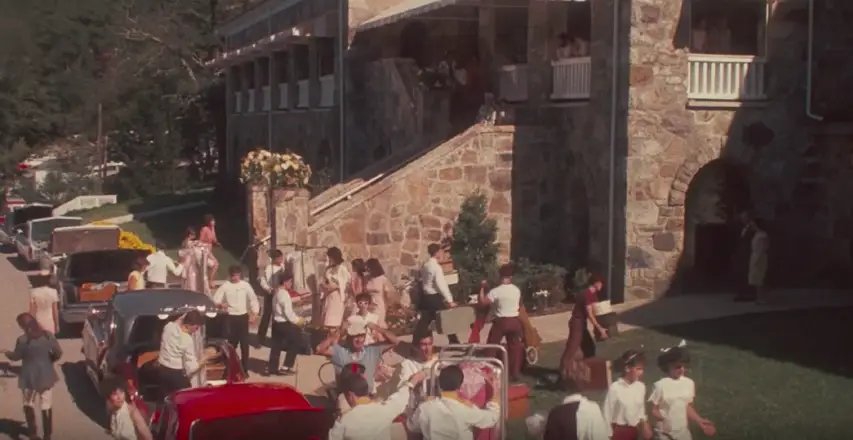
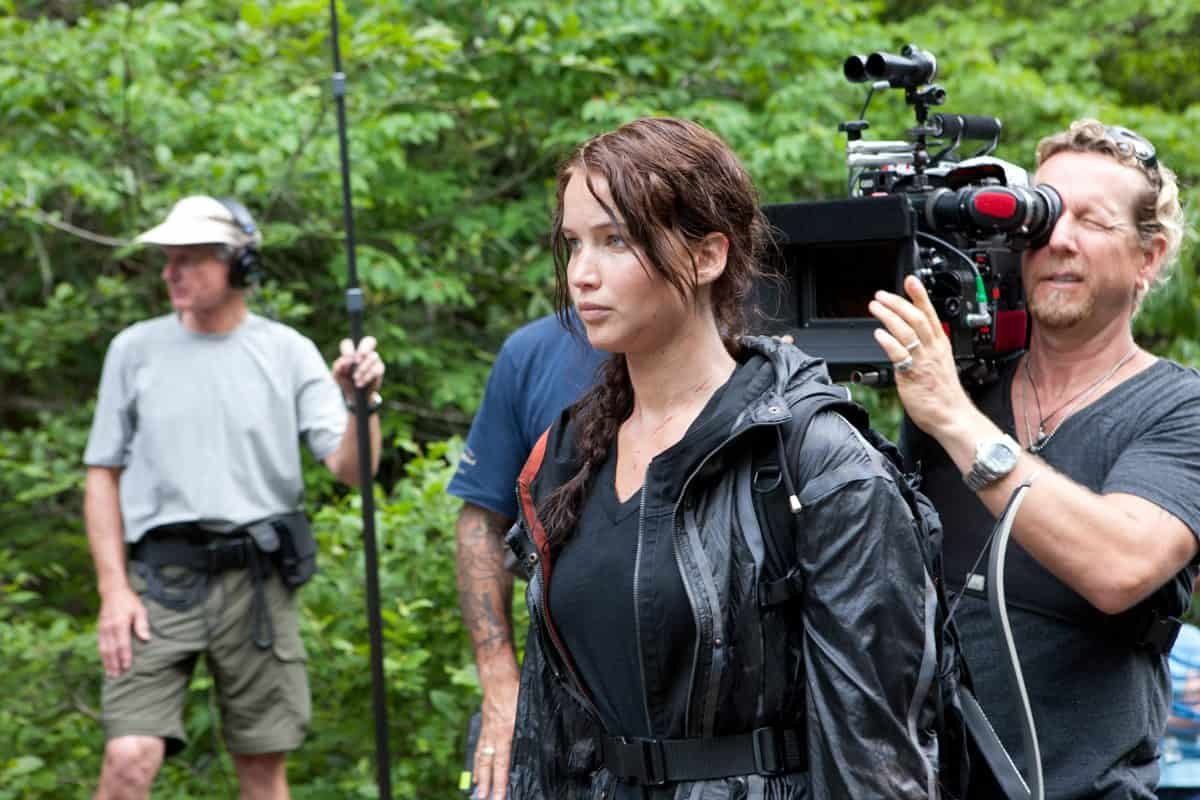
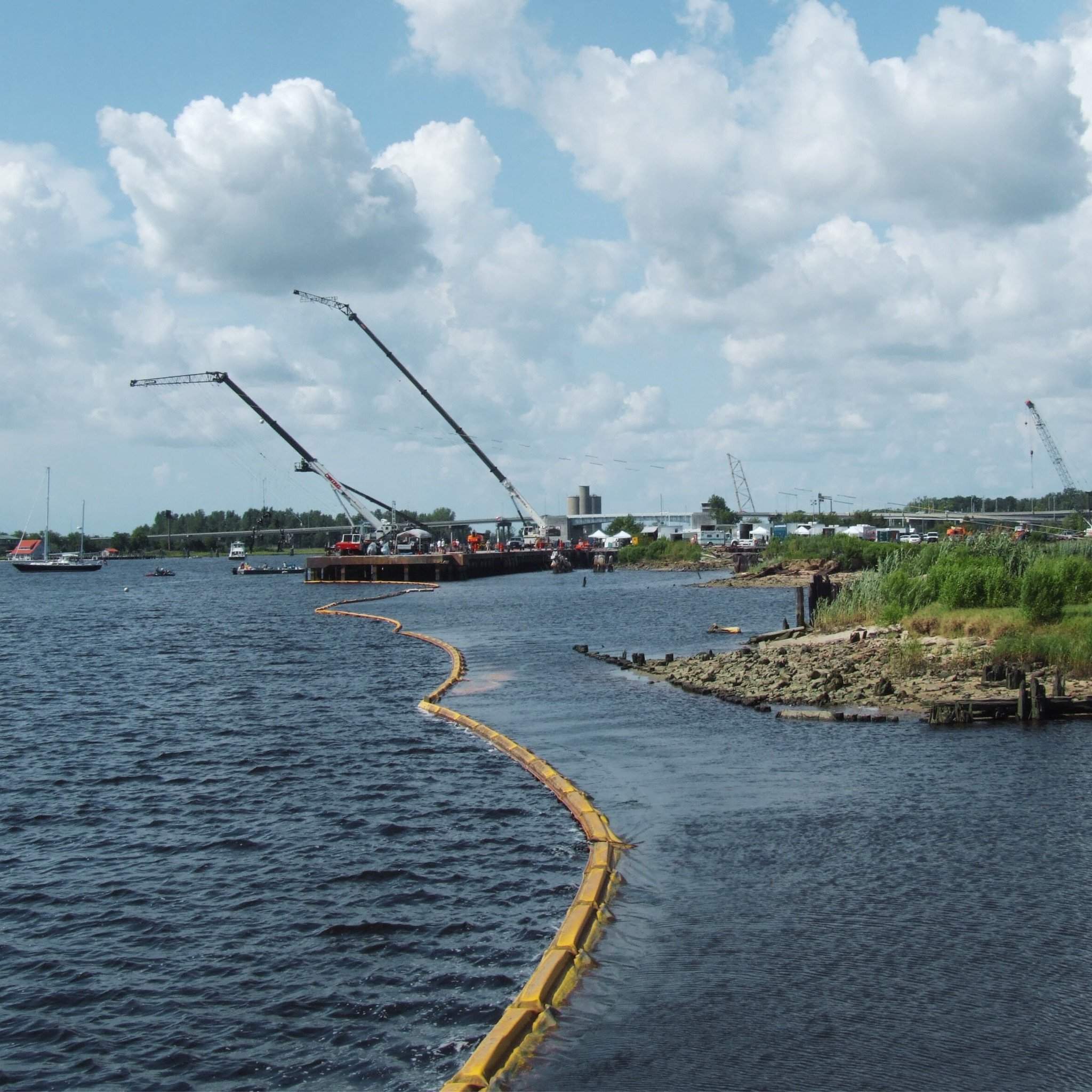
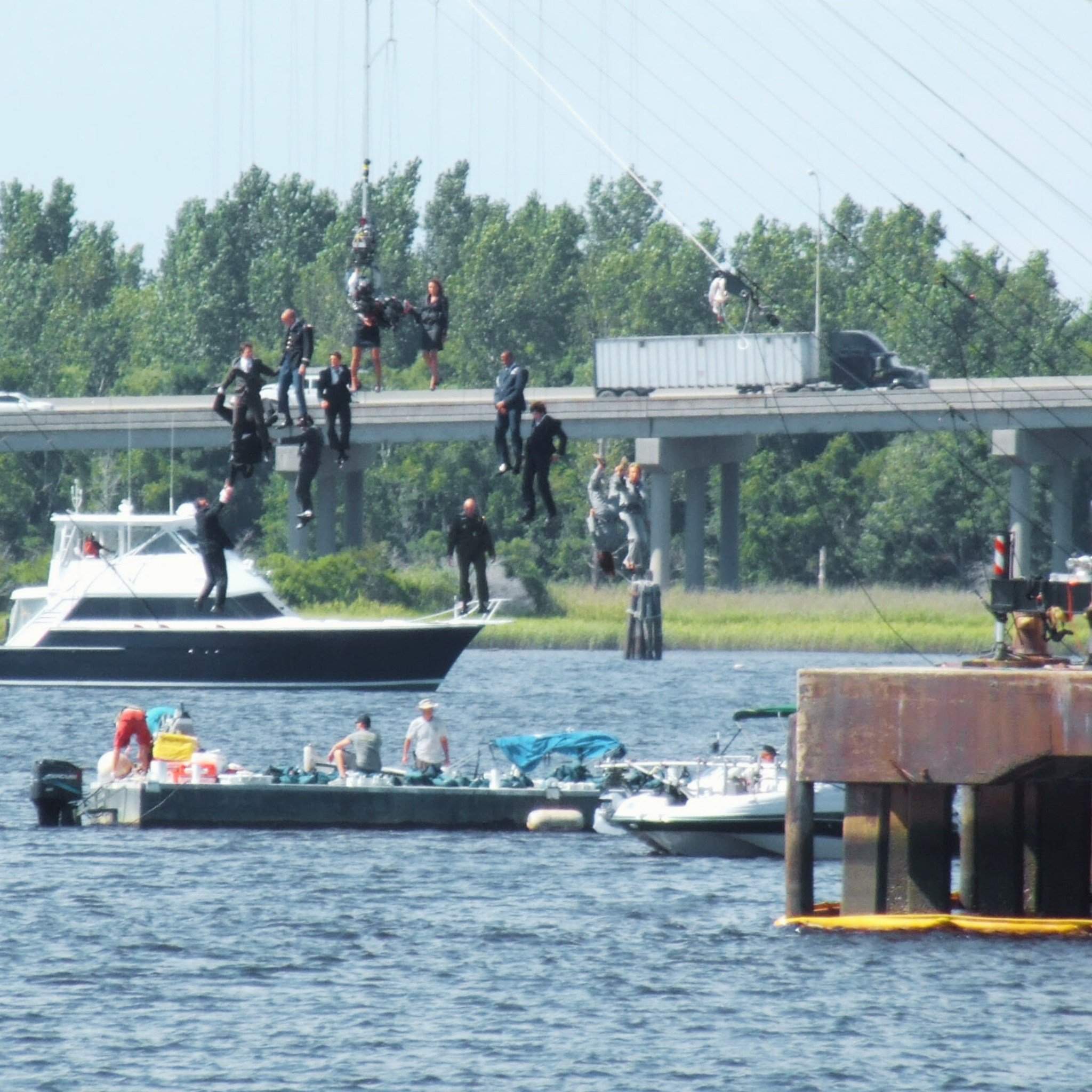
Iron Man 3 (2013): Marvel's blockbuster remains the largest film ever shot in North Carolina. The production used Cinespace Wilmington (then EUE/Screen Gems) as its primary stage base, spending heavily on local crew and services. The scale of the production demonstrated that North Carolina's infrastructure could handle tentpole studio features, not just mid-budget independents.

The Notebook (2004): This romantic drama set largely in the Carolinas used actual North Carolina coastal locations, including areas around Southport and along the Cape Fear River. Its success established North Carolina as a credible destination for character-driven studio features and helped fuel the Wilmington-area production community in the mid-2000s.

Dawson's Creek (1998-2003): The WB series filmed in Wilmington for its entire run, a six-year anchor production that demonstrated the state could sustain multi-season network television. The show's long tenure built the local crew base that later supported larger productions.

One Tree Hill (2003-2012): Another long-running series based in Wilmington, spanning nine seasons. Back-to-back with Dawson's Creek and subsequent productions, it established the Wilmington area as a genuine television production hub rather than a one-off filming destination.

Scream (franchise revivals): The Scream franchise has returned repeatedly to North Carolina for its recent installments, using the state's varied residential and rural locations alongside stage space at Cinespace Wilmington.

The Summer I Turned Pretty (Amazon, 2022-present): This popular streaming series shoots in North Carolina, combining coastal location photography with stage work at Cinespace. It exemplifies the streaming-era productions that have replaced traditional network series as the dominant multi-season anchor tenants in the state.

Production Infrastructure

Cinespace Studios Wilmington

The facility that began as Dino DeLaurentiis's studio in 1984, operated for decades as EUE/Screen Gems, and was acquired by Cinespace in September 2023, is now Cinespace Studios Wilmington. It is the largest and most established studio campus in the Carolinas.

The facility includes 10 purpose-built soundstages totaling 152,000 square feet of stage space, plus more than 40,000 square feet of production office space. On-site services include mill and paint shops, FX capabilities, wardrobe with laundry, set decoration and props warehouses, dressing rooms, base camp areas, ADR services, and catering spaces. The lot is fully gated with 24-hour security. Cinespace Lighting, one of the largest lighting and grip companies in the Southeast, operates on-site.

For productions requiring a full service lot with diverse stage options in one gated location, Cinespace Wilmington is the primary destination in North Carolina.

Wilmington Film Community

Beyond Cinespace, Wilmington supports a network of supporting facilities and vendors built up over four decades of continuous production. Local equipment houses, production vehicle fleets, specialty fabrication shops, and post services are concentrated in the greater Wilmington area. The Wilmington Regional Film Commission (wilmingtonfilm.com) maintains up-to-date vendor and crew directories for productions in pre-production.

Charlotte Production Hub

Charlotte is North Carolina's second major production market. The Charlotte Regional Film Commission supports commercial production, music video shoots, and feature work throughout Mecklenburg County and the surrounding Piedmont region. Charlotte's urban infrastructure, modern downtown, and proximity to both mountains and mid-Atlantic markets make it a viable alternative to Wilmington for productions not requiring major stage space.

Research Triangle and Western NC

The Raleigh-Durham area hosts smaller commercial and documentary productions, leveraging the region's university campuses, government buildings, and suburban landscapes. Western North Carolina, centered on Asheville, provides mountain terrain, historic architecture, and a distinct visual identity from the coastal and Piedmont regions. Productions shooting in Asheville or the surrounding Blue Ridge region should confirm their specific location qualifies for the state grant alongside the Charlotte Film Commission.

Union Ecosystem: IATSE Local 491

IATSE Local 491 covers professional film and television production technicians across the Carolinas and the Savannah, Georgia area. The local represents below-the-line crew in all major departments: camera, grip, electric, art department, wardrobe, makeup, hair, props, set decoration, locations, and more.

The decades of sustained production in Wilmington have built a Local 491 crew base that can staff most department head and department positions locally, with travel hires needed primarily for specialty roles or unusually large crew requirements. Productions that have built ongoing relationships in Wilmington generally find that Local 491 crews are experienced with both single-camera episodic and feature-film workflows.

Teamsters Local 71, based in Charlotte, covers transportation for film and television production. For staging and live event work, IATSE Local 322 in Charlotte handles those jurisdictions. Productions headquartered in Wilmington deal primarily with Local 491 for all below-the-line technician categories.

Local and County-Level Additional Incentives

Wilmington Regional Film Commission

The WRFC provides production support services including location scouting assistance, permit coordination, crew and vendor referrals, and liaison services with local and state agencies. This support reduces the practical cost of setting up a new production in the region and is available to qualifying productions at no direct charge.

Charlotte Film Office

Charlotte Film (charlottefilm.com) operates the Charlotte Regional Film Commission and coordinates with productions shooting in the greater Charlotte area. The office assists with permits, location access, crew connections, and relationships with local vendors and city departments.

North Carolina Locations Incentive (Commercial Grant)

For commercial productions, the $250,000 cap and $250,000 minimum spend create an all-or-nothing scenario: you either qualify cleanly or you do not. Commercials are typically shot in a compressed timeframe with concentrated spending, which makes the threshold achievable for most major national commercial productions shooting in-state.

North Carolina vs. Georgia vs. California

Factor

North Carolina

Georgia

California

Incentive structure

25% cash grant

20-30% transferable credit

20-35% refundable credit

Annual program cap

$31M

Uncapped

$750M (2025 expansion)

Feature film per-project cap

$7M

None

None

TV series per-season cap

$15M

None

None

Feature minimum spend

$1.5M

$500K

$1M

Sunset date

None

None

Program 4.0 active

Primary studio hub

Cinespace Wilmington (10 stages)

Trilith, Pinewood Atlanta

Multiple legacy studio lots

Crew depth

Strong (IATSE 491, 40+ years)

Very deep (Atlanta market)

Very deep (LA market)

North Carolina vs. Georgia: Georgia's uncapped program and massive studio infrastructure at Trilith and Pinewood Atlanta give it an inherent scale advantage for large-budget studio productions. For a $200 million Marvel film, Georgia is the obvious choice. For an $8 to $20 million feature or a 10-episode streaming series, North Carolina's cash grant structure (direct payment, no credit broker needed) and Cinespace's established infrastructure are genuinely competitive. The $31 million annual cap is the binding constraint, and productions that file early in the fiscal year generally secure their allocation.

North Carolina vs. California: California's expansion to a $750 million program cap with up to 35% on qualifying productions has made the home state more competitive than at any point in the past decade. For productions that want Los Angeles crew, California infrastructure, and maximum incentive rate, California's Program 4.0 is attractive. North Carolina's advantage is cost of living, location diversity, and a cash grant structure that simplifies the financing equation. Below-the-line crew costs, housing, and daily operating costs run materially lower in Wilmington than in Los Angeles, which offsets part of the rate differential for budget-conscious productions.

The Grant Application Process: Step by Step

The North Carolina film grant process involves three distinct phases: pre-production filing, production-period record-keeping, and post-wrap audit submission. Each phase has specific requirements that affect your timeline and your ability to collect the full grant amount.

Phase 1: Intent to Film

Before principal photography begins in North Carolina, submit an Intent to Film declaration with the North Carolina Film Office at filmnc.com. This filing establishes your production's position in the grant queue for the current fiscal year. Given the $31 million annual cap and the first-come, first-served allocation, filing your Intent early in the fiscal year (ideally at or near July 1) is important for productions targeting larger grant amounts. A $15 million TV series grant represents nearly half the annual fund, and productions competing for that allocation benefit from early filing.

The Intent to Film is not an application for a specific dollar amount. It declares your intent to qualify and starts the clock on your eligibility. You will need basic production information including title, production entity, projected North Carolina spend, production type, and anticipated production dates.

Phase 2: Production-Period Documentation

During production, maintain detailed records of every qualifying North Carolina expenditure. The state audits spending after wrap, and incomplete or poorly organized records will slow down the audit and potentially reduce the certified grant amount. Qualifying expenditures must be clearly identified as occurring in North Carolina and directly related to the production.

Key documentation requirements include: payroll records showing that wages were earned for work performed in North Carolina; vendor invoices with North Carolina addresses for goods and services; location agreements and permit records for North Carolina filming locations; and expense reports linked to specific North Carolina shoot days. Productions that use a unified accounting system with location-tagged cost codes can generate the audit documentation with significantly less post-wrap reconstruction.

Phase 3: Post-Wrap Audit and Payment

After principal photography completes, submit your qualified expenditure documentation to the North Carolina Department of Commerce for audit. A state auditor reviews the records, certifies the qualifying expenditures, calculates the 25% grant amount (subject to the applicable per-project cap), and issues the payment.

The timeline from audit submission to payment receipt varies based on the audit queue and the completeness of your submission. Well-organized, complete submissions move faster. Productions with complex accounting across multiple North Carolina locations or long production timelines benefit from working with a production accountant experienced in North Carolina grant documentation, as the audit scope can expand significantly with disorganized records.

North Carolina's Film Industry Trajectory

North Carolina's film history spans more than four decades. Dino DeLaurentiis opened the original Wilmington studio in 1984, and the state has been a continuous production destination since then. The 2015 launch of the current Film and Entertainment Grant replaced a previous tax credit structure and has produced steady annual production volume since.

The 2025 calendar year saw $185.5 million in direct in-state spending across all qualifying productions, representing the fourth-highest annual total in the grant program's history. Film production activity has rebounded strongly since the 2020-2021 industry disruption, and North Carolina's consistent $31 million recurring fund has positioned it as a reliable destination for productions that value predictability over maximum incentive rate.

In December 2025, the Governor's office announced new film grant awards for additional productions shooting in the state in late 2025 and early 2026, demonstrating ongoing state commitment to the program and continued demand from production companies. North Carolina's program does not have a sunset date, which is a meaningful structural advantage over incentive programs that face periodic reauthorization uncertainty.

Budget Tracking for North Carolina Productions

The North Carolina grant requires clear documentation of which expenditures were made in-state. Productions that track spending by location and vendor jurisdiction in real time arrive at wrap with an organized cost report rather than having to reconstruct categories from raw invoices. Saturation's budgeting platform lets production accountants tag expenditures by location during the production, which makes the grant application audit significantly faster. Start a free Saturation account to see how it handles grant-documentation workflows.

FAQ: North Carolina Film and Entertainment Grant

Is the North Carolina incentive a tax credit or a grant?

It is a cash grant, not a tax credit. The state pays the production company directly after auditing its qualified in-state expenditures. Productions do not need to have North Carolina tax liability to benefit, and there is no credit to sell on a secondary market. The grant is simply paid out after the audit passes.

When can I file an Intent to Film?

You can file an Intent to Film with the North Carolina Film Office at any point before principal photography begins in North Carolina. Filing early in the fiscal year (July 1) is strategically important given the $31 million annual cap. Check current fund availability at filmnc.com before committing to a North Carolina shoot.

Are commercials eligible for the grant?

Yes, with a $250,000 minimum in-state spend and a $250,000 maximum grant per commercial. National advertising campaigns with significant in-state production budgets qualify. Short social media content and low-budget branded content typically do not meet the minimum threshold.

Does North Carolina have any residency requirement for crew?

No residency requirement exists for cast and crew. Both North Carolina residents and out-of-state hires count toward the qualified in-state spend as long as the work is performed in North Carolina.

What happens if the $31M annual fund runs out before my production is complete?

Productions that have filed an Intent to Film and begun production are generally protected against mid-year fund exhaustion for their committed allocation. However, productions that have not yet filed when the fund is fully committed may be deferred to the next fiscal year. File your Intent early to lock your position in the queue.

Are documentaries eligible?

Yes. The North Carolina Film and Entertainment Grant covers documentaries as a qualifying production type. Animated productions and webisodes also qualify. News programming, game shows, and talk shows do not qualify under the current program structure.

What is the North Carolina Film Office's role in the process?

The North Carolina Film Office (filmnc.com) manages the grant program, receives Intent to Film submissions, coordinates with the North Carolina Department of Commerce, and provides production support services. After wrap, the department audits the qualified expenditure documentation and issues the grant payment upon approval.

Key Contacts and Resources

  • North Carolina Film Office: filmnc.com | (919) 733-9900

  • NC Department of Commerce (Film Grants): commerce.nc.gov/grants-incentives/film-industry-grants

  • Wilmington Regional Film Commission: wilmingtonfilm.com

  • Charlotte Film: charlottefilm.com

  • Cinespace Studios Wilmington: cinespace.com/cinespace-wilmington

  • IATSE Local 491: Available through Wilmington Regional Film Commission directory

  • Annual Fund: $31 million recurring, carryover from prior year if unused

North Carolina Film Office:

North Carolina Film Office

150 Fayetteville Street Suite 1200, Raleigh, NC 27601

Applying for the credit?

Get Free Template

Use our budget template to add qualified expenses to the proper chart of accounts as required by the state.

Check out other states incentives: