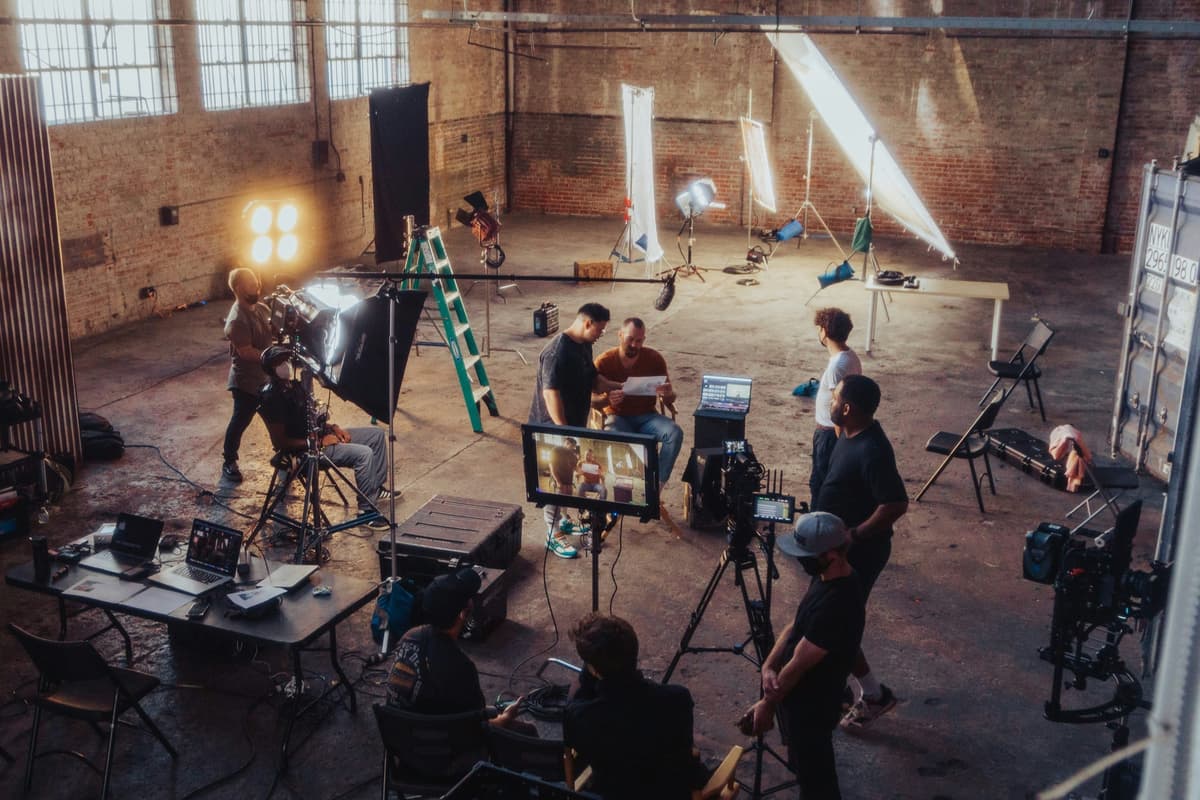
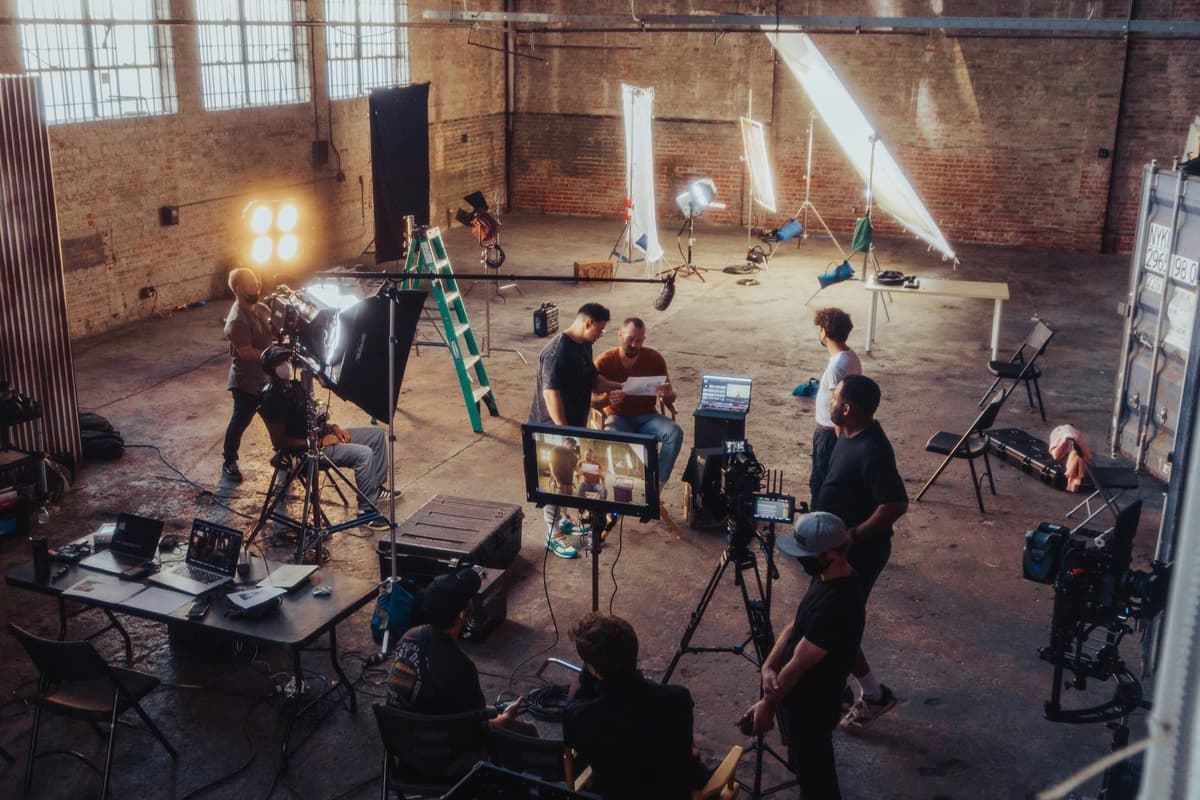
What is a Wardrobe Stylist?
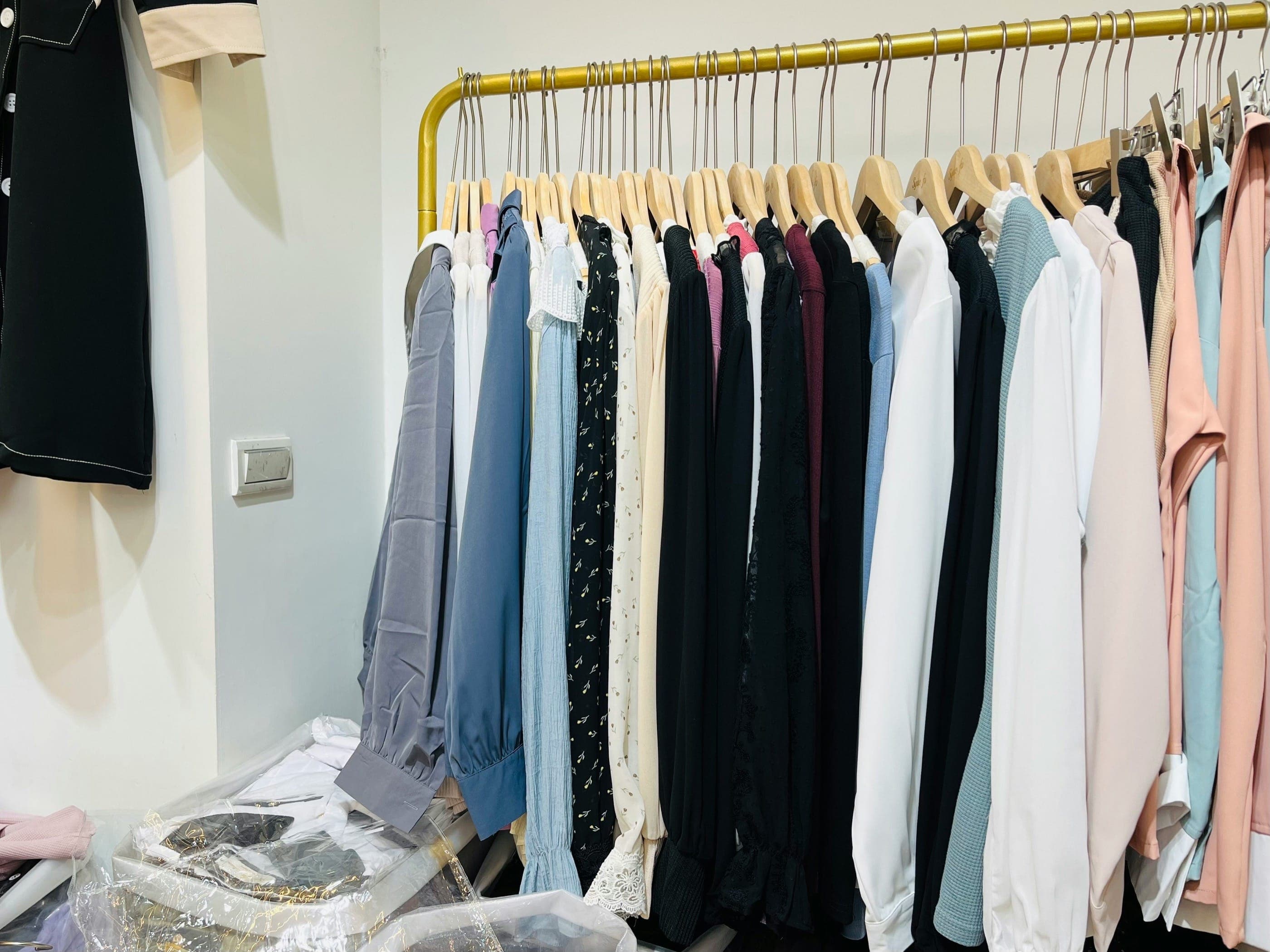
Overview
What Is a Wardrobe Stylist?
A wardrobe stylist is a film and television professional responsible for selecting, organizing, and managing the clothing and accessories worn by on-screen talent. Working within the costume and wardrobe department, the wardrobe stylist ensures every garment is camera-ready, period-accurate, character-appropriate, and consistent from take to take throughout the production schedule.
The wardrobe stylist occupies a critical but often misunderstood niche on set. While the title is sometimes used interchangeably with "costume stylist" or "set costumer," the wardrobe stylist specifically handles the physical management of garments during principal photography — pulling pieces from the costume designer's approved selections, maintaining continuity logs, conducting pre-shoot fittings, and troubleshooting wardrobe emergencies on the day.
Wardrobe Stylist vs. Costume Designer: Key Differences
The single most common source of confusion in the costume department is the distinction between wardrobe stylist and costume designer. These are two separate roles with distinct scopes of authority and creative responsibility.
The costume designer is the department head. They collaborate directly with the director and production designer to develop the visual language of every character's clothing from script breakdown through final frame. The costume designer conceives, sources, purchases, builds, and rents the complete wardrobe for a production. They attend pre-production meetings, conduct research, oversee fittings, and manage the full budget for the costume department.
The wardrobe stylist reports to the costume designer and executes the plan on set. On smaller independent films, one person may wear both hats. On studio productions, there is a clear hierarchy: costume designer → assistant costume designer → wardrobe supervisor → set costumers/wardrobe stylists → wardrobe production assistants.
In commercial and editorial work — music videos, advertising campaigns, photo shoots — the term "wardrobe stylist" is used more broadly to describe someone who performs the costume designer's creative function on a smaller scale. This guide addresses the film and television context specifically.
Where the Wardrobe Stylist Fits in the Production Structure
The wardrobe department is part of the art department family, often coordinating closely with the production designer, set decorator, and props master to ensure visual cohesion across the frame. On a typical union production, the department structure looks like this:
- Costume Designer — creative lead, department head
- Assistant Costume Designer — supports designer, manages breakdowns and fittings
- Wardrobe Supervisor — manages the department budget, on-set team, and costume truck
- Set Costumer / Wardrobe Stylist — attends every shoot day, maintains continuity, dresses talent
- Wardrobe PA / Costumer Trainee — assists with pulling, tagging, steaming, and transportation
Managing any film or TV production requires careful coordination across every department. Saturation.io is a cloud-based production management platform built specifically for film and TV, helping producers and coordinators track budgets, expenses, and department costs — including wardrobe — in real time.
Role & Responsibilities
Core Responsibilities of a Wardrobe Stylist
The day-to-day work of a wardrobe stylist on a film or television production spans pre-production, production, and wrap. Each phase demands a different skill set and a different mode of thinking.
Pre-Production: Preparation and Fittings
The wardrobe stylist's involvement begins weeks before the first day of principal photography. Working from the shooting schedule and the costume designer's approved look book, the stylist helps coordinate fittings for cast members, ensures all approved garments are tagged and labeled, and cross-references the costume breakdown against the production board.
Key pre-production tasks include:
- Receiving, logging, and organizing all purchased, rented, and pulled wardrobe pieces
- Labeling each garment by character, scene number, and episode (on episodic productions)
- Preparing fitting rooms, steaming and pressing garments before cast arrivals
- Photographing each approved look from multiple angles to establish the continuity reference
- Creating and maintaining the wardrobe continuity bible — a scene-by-scene photo log showing exactly what each character wears
- Coordinating with the assistant costume designer on any alterations or builds in progress
- Loading the costume truck and ensuring all pieces are organized for fast on-set access
On-Set Duties During Principal Photography
On shoot days, the wardrobe stylist is one of the first to arrive on set and among the last to leave. Their primary function is to ensure that every actor walks in front of the camera wearing exactly what was approved and photographed — and that every subsequent take matches the first.
On-set responsibilities include:
- Dressing talent — assisting actors and background performers into their approved costumes before scenes
- Continuity monitoring — watching every take through a monitor or live on set to note any deviations in garment placement, accessories, hair tucks, jacket buttons, or visible wear
- Between-take adjustments — re-tucking shirts, replacing accessories, correcting collar angles, and resetting any wardrobe element that has shifted during a take
- Photographing continuity — capturing Polaroids or digital reference shots between takes, especially before any costume change
- Managing quick changes — when a character changes between scenes shot on the same day, the wardrobe stylist orchestrates the change efficiently to minimize turnaround time on set
- On-set emergency repairs — stitching a torn seam, replacing a broken button, sourcing a duplicate garment when an original is damaged
- Aging and distressing — if a character's wardrobe should look worn, lived-in, or progressively deteriorated across scenes, the wardrobe stylist applies aging techniques (sandpaper, tea staining, bleach, controlled distressing) to maintain visual consistency
- Coordinating with makeup and hair — wardrobe, hair, and makeup share the actor's body and must work together; the wardrobe stylist communicates neckline changes, sleeve adjustments, and open collar decisions that affect adjacent departments
- Handling background performers — on large crowd scenes, the wardrobe stylist may oversee the costuming of dozens or hundreds of extras, ensuring the period or stylistic guidelines set by the costume designer are maintained throughout
Continuity: The Core Technical Demand
Continuity is arguably the most technically demanding aspect of on-set wardrobe work. Film and television are rarely shot in script order. A scene set on Day 1 of a story might be filmed on Week 6 of the shoot. A close-up filmed on a Tuesday must cut seamlessly with a wide shot filmed the following month.
The wardrobe stylist must maintain meticulous records that allow any garment to be reproduced to the exact state it appeared in any given scene. This includes:
- Which buttons were fastened or unfastened
- How sleeves were rolled (number of folds, exact cuff position)
- Whether a collar was inside or outside a jacket
- The position of a necktie's knot and length
- Any visible stains, tears, or distressing applied during the shoot
- The specific shade of mud, blood, or grime applied to a garment for a particular scene state
Professional wardrobe stylists use a combination of physical continuity books, digital photo logs (often shot on iPad or dedicated camera), and production management software to track this information reliably across weeks of shooting.
Wrap: End-of-Production Responsibilities
When principal photography concludes, the wardrobe stylist assists with the wrap-out process. This includes cataloging all wardrobe pieces for return to rental houses, documenting any damage sustained during production, steam-cleaning garments before return, separating purchased pieces from rented pieces, and helping prepare the final wardrobe budget reconciliation for the production accountant.
Day in the Life: A Typical Shoot Day
5:45 AM: Arrive on set. Retrieve costume truck keys. Review day's call sheet and scene breakdown. Pull first scene's costumes from truck and hang in dressing room.
6:30 AM: Cast arrives for hair and makeup. Assist actors into approved costumes while makeup and hair work simultaneously. Photograph final looks.
8:00 AM: First shot of the day. Stand by camera during rehearsal. Watch every take for continuity breaks. Reset garments between takes.
12:30 PM: Lunch break. Check next scene's costume requirements. Prepare any quick-change rack needed for afternoon.
1:30 PM: Return from lunch. Afternoon scenes often involve multiple character states — fresh, mid-day, and end-of-day looks. Coordinate transitions.
6:00 PM: Company wrap. Collect all costumes from talent. Log into continuity book. Spot-clean any stained pieces. Steam and hang. Return to truck.
7:15 PM: Drive to production office. Update wardrobe database with next-day requirements. Check in with costume designer on any changes to tomorrow's approved looks.
Skills Required
Essential Skills for a Wardrobe Stylist in Film
The wardrobe stylist's skill set combines technical craft knowledge with interpersonal intelligence and logistical precision. Excelling in this role requires mastery across three domains: hands-on garment skills, production workflow knowledge, and interpersonal communication on a working set.
Garment and Fabric Knowledge
The foundation of any wardrobe stylist's toolkit is a deep understanding of clothing — how garments are constructed, how different fabrics behave under production lighting, and how to maintain, repair, and alter pieces quickly.
- Sewing and alterations — Basic to intermediate sewing proficiency is considered a minimum requirement. On a working set, you must be able to take in a waistband, replace a button, reinforce a stressed seam, or hem a trouser leg on short notice. More advanced hand-sewing techniques — invisible stitches, couture seam finishing — expand your capability on period and high-end productions.
- Steaming and pressing — Every garment that goes before a camera must be perfectly pressed. Wardrobe stylists are expert steamer operators, understanding which fabrics require steam (wool, silk, linen) and which tolerate only a cool iron (synthetics, delicate embroidery). Improperly pressed garments create visible distractions on screen.
- Fabric identification — Knowing the difference between silk and polyester satin, between wool tweed and acrylic tweed, between natural denim and stretch denim matters enormously for care, aging, and camera performance. Synthetic fabrics often "read" poorly under certain lighting conditions; natural fibers tend to photograph more convincingly.
- Garment aging and distressing — Creating the appearance of wear, poverty, period-appropriate deterioration, or scene-specific damage (blood, mud, sweat, fire) is a specialized skill. Techniques include sandpaper distressing at seams and hems, tea or coffee staining for general aging, bleaching for sun-fading effects, and applying theatrical blood or grime compounds that must look believable on camera without permanently destroying the garment (since multiples are often required for coverage shots and stunts).
- Laundry and garment care — Managing the cleaning and care of dozens of costumes on a long shoot requires knowledge of dry-clean-only fabrics, hand-wash protocols, and the logistics of getting garments cleaned overnight so they are ready for the next shooting day.
Continuity and Organizational Systems
Continuity tracking is the wardrobe stylist's primary technical responsibility on set. It demands methodical record-keeping and an exceptional visual memory.
- Photographic continuity logs — Creating and maintaining detailed photo records of every character's approved look, capturing multiple angles (front, back, three-quarter, close-up of accessories), before and after any changes
- Wardrobe bibles — Scene-by-scene spreadsheets cross-referencing character, scene number, shoot day, and the specific state of the costume (clean/dirty/damaged, specific details of wear)
- Tagging systems — Physical labeling of every garment with character name, episode, scene, and any relevant notes
- Duplicate management — Tracking multiple copies of hero garments used for stunts, underwater shots, or heavy action scenes
- Digital tools — Many productions now use dedicated continuity apps (Shotlister, ScriptE, Movie Magic Scheduling) to track and share continuity information across departments. Proficiency with iPad-based photo logging tools is increasingly expected.
Production Workflow Knowledge
A wardrobe stylist who understands production workflow is far more valuable than one who knows only their own department. Film sets operate on compressed timelines where minutes of delay cost thousands of dollars.
- Reading call sheets — Understanding how to extract the day's scene order, location, talent list, and department-specific notes from a call sheet is a baseline professional requirement
- Working with the AD department — The first and second assistant directors control the flow of the shooting day. The wardrobe stylist must understand how to communicate costume delays without disrupting the AD's schedule, and how to work efficiently within turnaround times
- Quick-change choreography — When a scene requires an actor to change costumes between setups, the wardrobe stylist works with the AD department to create a logistically feasible plan: private changing space, pre-staged costume, timed execution
- Production management software — Familiarity with production budgeting, scheduling, and expense management tools helps wardrobe stylists interface with production coordinators and accountants on cost tracking and purchase approvals
Interpersonal and Communication Skills
Wardrobe stylists spend their days in close physical proximity to actors — a uniquely intimate professional relationship that demands exceptional interpersonal skill.
- Talent communication — Actors often have strong feelings about how their character looks. The wardrobe stylist must be able to address concerns diplomatically, explain continuity constraints clearly, and advocate for the costume designer's vision without creating conflict on set
- Collaborative instinct — Working simultaneously with makeup, hair, and camera departments requires constant communication and negotiation: Does the collar need to be open for the microphone pack? Will the camera see the actor's hands when they wear this coat?
- Calm under pressure — A torn seam five minutes before a scene, a missing shoe, an actor who has gained or lost weight since the fitting — wardrobe emergencies are routine. The wardrobe stylist's value is measured in part by their ability to solve problems without panic
- Discretion — Wardrobe stylists often see actors in vulnerable states (undressed, self-conscious about their bodies, stressed before difficult scenes). Professional discretion and respect for talent's privacy is non-negotiable
Tools of the Trade
A professional wardrobe stylist maintains a personal kit that travels with them to every production:
- Steamer (professional-grade travel steamer, such as Jiffy J-2000M)
- Sewing kit: hand-sewing needles, thread in 20+ colors, safety pins (all sizes), basting thread, seam ripper, small scissors
- Fabric tape and body tape for securing garments to skin
- Lint roller (multiple)
- Spot-cleaning kit: Tide To Go pens, white vinegar, baking soda, color-safe stain removers
- Garment bags, velvet hangers, and collapsible rolling rack
- iPad or digital camera for continuity documentation
- Measuring tape and tailor's chalk
- Clear plastic bins for organizing accessories (belts, ties, jewelry) by character
- Wardrobe labels, zip ties, and color-coded tags
- Small iron and mini ironing board for detail work
Salary Guide
Wardrobe Stylist Salary in Film and Television
Wardrobe stylist compensation in film and television varies widely depending on production type, budget tier, union status, geographic market, and individual experience. Understanding the full compensation picture — weekly rates, day rates, overtime, and fringe benefits — is essential for anyone entering or advancing in this career.
National Average Salary Data
According to ZipRecruiter, as of February 2026, the average annual pay for a wardrobe stylist in the United States is $39,190 per year, or approximately $18.84 per hour. The 25th percentile earns around $30,000 annually; the 75th percentile earns around $55,000. Top earners in major union markets significantly exceed these national averages.
The Bureau of Labor Statistics categorizes wardrobe stylists under the broader "Fashion Designers" occupational code (SOC 27-1022) and the "Tailors, Dressmakers, and Custom Sewers" code (SOC 51-6052), as well as "Costume Attendants" (SOC 39-3092). The BLS median annual wage for Costume Attendants is approximately $37,830 as of the most recent national occupational employment data. For reference and the most current figures, see the BLS Occupational Employment and Wage Statistics.
IATSE Local 705 — Motion Picture Costumers (Los Angeles)
In Los Angeles, the primary union for on-set wardrobe professionals in film and television is IATSE Local 705 (Motion Picture Costumers). Union membership provides significantly higher compensation than non-union work, plus employer-paid health insurance contributions and pension accrual.
Under the IATSE Basic Agreement for studio features and television (rates for 2025-2026 contract cycle):
- Set Costumer (Wardrobe Stylist equivalent): approximately $43–$48 per hour on studio productions under the IATSE Basic Agreement
- Weekly scale: approximately $1,800–$2,200 per week at minimum scale for a 5-day week on lower-budget productions qualifying under modified low-budget agreements
- Overtime: After 8 hours, time-and-a-half applies; after 12 hours, double-time applies under standard IATSE agreements — a significant factor on productions that run long days
- Kit rental: Many wardrobe stylists negotiate an additional kit rental fee of $75–$200 per week for their personal tools and equipment
Note: Exact IATSE Local 705 rates are negotiated periodically. Always confirm current rates with the union directly at iatse705.org.
Salary by Experience Level
Entry-Level (0-2 years, non-union, trainee/PA level)
- Day rate: $150–$250 per day on student films and micro-budget projects
- Annual equivalent: $25,000–$35,000 (assuming sporadic work typical of career entry)
- Common roles: Wardrobe PA, set costumer trainee, wardrobe assistant
- Work sources: Student productions, music videos, independent short films, low-budget SAG Ultra-Low productions
Mid-Level (3-6 years, transitioning to union)
- Day rate: $350–$600 per day on non-union commercial and TV productions
- Weekly rate: $1,500–$2,200 on episodic cable/streaming productions
- Annual equivalent: $45,000–$70,000 for consistently working stylists in active markets
- Common roles: Set costumer, wardrobe stylist on independent features, commercial wardrobe stylist
Senior Level (7+ years, established union member)
- Weekly rate: $2,500–$4,000+ on studio features and premium streaming productions
- Annual equivalent: $80,000–$120,000+ for wardrobe supervisors with consistent studio-level bookings
- Wardrobe supervisors — senior management-level positions — earn the upper end of this range and above on major studio productions
Salary by Market
Los Angeles — The largest film and television production market in North America. LA offers the highest volume of union productions and the highest potential earnings, but also the highest cost of living. Non-union day rates range from $200–$700; union weekly rates from $1,800–$4,000+ depending on budget tier.
New York — The second-largest US production market. IATSE Local 764 (Theatrical Wardrobe Union) covers Broadway and live theatrical work; IATSE Local 829 and 764 cover film and TV. New York day rates are comparable to LA. The market skews toward episodic TV, commercials, and editorial fashion work.
Atlanta — A rapidly growing production hub driven by Georgia's film tax incentive program. Non-union rates in Atlanta run $250–$450 per day for mid-level wardrobe stylists. The Atlanta market is increasingly unionized as major studio productions brought by the Georgia tax credit require union crews.
Albuquerque / Santa Fe — New Mexico's aggressive film incentive program has made this market significant, particularly for streaming productions. Rates are typically 10–20% below LA rates.
Other markets (Vancouver, Toronto, Chicago, New Orleans) — Active production markets with their own union structures and rate schedules.
Salary by Production Type
Studio features — Highest rates. Major studio features covered under IATSE Basic Agreement pay set costumers $43–$48/hr with overtime and benefits. A 50-week studio feature booking translates to $130,000–$180,000 in gross earnings for a wardrobe supervisor.
Premium streaming (Netflix, HBO, Amazon) — Comparable to or exceeding studio feature rates. Many premium streaming series use IATSE Low Budget Agreement or Basic Agreement rates.
Network television (episodic) — Consistent weekly rates, typically $2,000–$3,500/week for mid-to-senior level set costumers and wardrobe supervisors under IATSE agreements.
Commercial production — High day rates but inconsistent work. Experienced wardrobe stylists on national advertising campaigns earn $500–$1,200 per day non-union; $600–$1,500 union. Short production windows but quick turnaround.
Music videos — Highly variable, often non-union. Day rates range from $150 on low-budget indie videos to $1,000+ on major label productions with A-list artists. Music video work is often portfolio-building rather than income-generating at early career stages.
Independent features — Weekly rates under deferred pay, flat weekly rates of $500–$1,500, or negotiated flat-deal package. Independent film rarely pays at union scale for wardrobe positions, but provides the on-set experience that builds toward union qualification.
Frequently Asked Questions
Frequently Asked Questions: Wardrobe Stylist in Film
What does a wardrobe stylist do on a film set?
A wardrobe stylist on a film set is responsible for the physical management of all costumes and clothing worn by cast members during production. Their primary duties include dressing actors before each scene, maintaining strict continuity between takes (ensuring that every garment detail matches exactly from shot to shot), conducting on-set repairs and adjustments, photographing continuity references, and coordinating with the costume designer to execute the approved wardrobe plan. On set, they are present for every camera setup and follow the action closely, watching for any wardrobe deviations that would create continuity errors in editing.
What is the difference between a wardrobe stylist and a costume designer?
The costume designer is the creative department head who develops the entire visual wardrobe concept for a production — they research, design, source, purchase, and build all costumes while collaborating directly with the director and production designer. The wardrobe stylist works under the costume designer to execute the plan during actual shooting: dressing talent, maintaining continuity, making on-the-fly repairs, and managing the daily logistics of the costume truck and dressing rooms. Think of the costume designer as the architect and the wardrobe stylist as the contractor delivering the work on set. On smaller indie productions, one person may fill both roles.
How much does a wardrobe stylist make in film?
Wardrobe stylist compensation varies significantly by experience, market, and production type. ZipRecruiter reports a national average of $39,190 per year as of early 2026. In Los Angeles, union wardrobe stylists (set costumers) working under the IATSE Basic Agreement earn approximately $43–$48 per hour, equating to $1,800–$2,500+ per week on studio productions. Wardrobe supervisors at senior levels on major studio features or premium streaming series can earn $80,000–$130,000 per year or more. Freelance commercial wardrobe stylists earn $500–$1,200 per day on national advertising campaigns.
Is wardrobe stylist a union job in film?
In the major US film markets — Los Angeles and New York — most professional wardrobe work on studio features, network television, and premium streaming productions is covered by union agreements. In Los Angeles, the primary union is IATSE Local 705 (Motion Picture Costumers). In New York, IATSE Local 764 covers theatrical wardrobe with overlapping jurisdiction in film and TV. Qualifying for union membership typically requires accumulating a minimum number of days worked on union productions. Non-union work is prevalent in commercial production, music videos, independent films, and non-major markets.
How do I become a wardrobe stylist in film?
The most common path is to start at the bottom of the wardrobe department hierarchy and work upward. Begin by volunteering on student films and micro-budget independent projects as a wardrobe PA or set costumer trainee. Build practical skills — sewing, steaming, continuity photography, call sheet reading — through hands-on experience. Develop your portfolio and network within the film community. In major markets, apply for IATSE training programs or apprenticeships that provide a structured path to union membership. Formal education in fashion design or costume design (at schools like FIT, FIDM, or Parsons) accelerates skills development but is not strictly required.
What is the difference between a wardrobe stylist and a fashion stylist?
Both titles involve selecting and coordinating clothing, but for very different contexts and purposes. A fashion stylist typically works in editorial (magazine photo shoots), commercial advertising, celebrity personal styling, or red carpet appearances. Their work is primarily about creating a specific aesthetic look for a specific image. A wardrobe stylist in film and TV works within a narrative framework — their job is not to create the stylist's personal aesthetic vision, but to execute the character's wardrobe as designed by the costume designer, maintaining strict consistency across weeks or months of shooting. Film wardrobe work demands strong continuity skills and production workflow knowledge that editorial styling work does not require.
Do wardrobe stylists travel for film productions?
Yes. Feature film productions frequently shoot on location domestically and internationally, and wardrobe stylists travel with the production. Location shoots often involve higher pay in the form of daily per diem allowances (typically $50–$100+ per day for meals and incidentals under union agreements) and hotel accommodations provided by the production. For stylists willing to travel, location productions significantly increase annual earning potential. Episodic television tends to involve less travel than features, as series are typically anchored to a home base studio or location.
What software do wardrobe stylists use?
On the continuity side, many wardrobe stylists use dedicated apps like ScriptE, Shotlister, or simple iPad photo organization tools to maintain their continuity logs. For production-level coordination — tracking scene breakdowns, shooting schedules, and budget approvals — wardrobe departments interface with production management platforms used by the broader production team. Cloud-based platforms like Saturation.io help production coordinators and department heads manage schedules, costs, and departmental communications in real time, providing wardrobe supervisors with greater visibility into the production's financial and logistical status.
Education
Education Paths for Wardrobe Stylists
There is no single mandatory educational path to becoming a wardrobe stylist in film and television. The field is highly practical, and industry experience consistently outweighs formal credentials when competing for on-set positions. That said, formal education builds the foundational skills — garment construction, fabric knowledge, fashion history, and visual storytelling — that separate professionals who last from those who struggle on their first production.
Degree Programs in Fashion Design and Costume Design
A Bachelor of Fine Arts (BFA) or Bachelor of Arts (BA) in Fashion Design, Costume Design, or Apparel Design is the most common formal route into the costume department. These four-year programs teach pattern making, draping, sewing, textile science, fashion illustration, and garment construction — skills that directly translate to production work.
Notable programs include:
- Fashion Institute of Technology (FIT), New York — One of the most recognized fashion and costume programs in North America. FIT offers an AAS in Fashion Design as well as a BFA in Fashion Design. The school's location in Manhattan provides direct access to internships at major production companies, costume houses (such as Western Costume, Palace Costume), and the theater world of Broadway and Off-Broadway.
- FIDM (Fashion Institute of Design and Merchandising), Los Angeles — The closest major fashion institution to Hollywood. FIDM's Entertainment Costume Design specialization teaches students specifically for the film, television, and theatrical markets. Graduates regularly enter the costume department at major studios.
- LIM College, New York — Focuses on fashion business and styling, producing graduates who move into editorial, commercial, and entertainment styling careers.
- Parsons School of Design, New York — One of the world's premier design schools. The BFA in Fashion Design at Parsons emphasizes conceptual development alongside technical execution, producing graduates with strong creative portfolios.
- Pratt Institute, New York — Offers fashion design programs with strong foundational arts and construction curricula.
- Academy of Art University, San Francisco — Known for its costume design and fashion programs, with dedicated courses in film and television costume history.
- UCLA School of Theater, Film and Television — Offers programs that intersect design, production, and storytelling, with direct connections to the Los Angeles production community.
Film School as an Alternative Path
Some wardrobe stylists enter through film school, taking production design or art direction tracks rather than fashion programs. Film school provides a different advantage: understanding how the camera interprets color, texture, and silhouette, and how wardrobe decisions interact with cinematography, lighting design, and production design. This technical literacy is highly valued by directors and directors of photography.
Short Courses and Specialized Training
For those who already have a practical background in fashion or sewing but want to transition into production, short-form programs and workshops offer a more targeted entry:
- ScreenSkills (UK) — Offers funded training programs specifically for the film and TV costume department, including trainee finder programs that place candidates on funded productions.
- IATSE Training Trust — The International Alliance of Theatrical Stage Employees offers training programs for aspiring union members across its locals, including Local 705 (Motion Picture Costumers) in Los Angeles.
- Costume Society of America workshops — Industry organization offering professional development for working costumers.
- Community college programs in fashion design, tailoring, or textiles provide practical sewing and construction skills at accessible price points.
The Self-Taught and Assisting Path
Many successful wardrobe stylists never attended a formal fashion program. They built their skills through hands-on experience: starting as wardrobe production assistants on student films and low-budget indie projects, then progressing to set costumer on non-union commercial and music video productions, before eventually qualifying for union membership and working their way into studio-level productions.
This path requires patience and financial resilience — early PA and assistant work is typically low-paid or unpaid — but it provides real-world experience that no classroom replicates. The hierarchy on a working set teaches the practical knowledge that matters: how to read a call sheet, how to coordinate with AD departments, how to manage a quick change under pressure, and how to communicate with talent diplomatically.
Building Your Portfolio as a Student
Whether studying formally or independently, building a strong portfolio is essential. For aspiring wardrobe stylists, this means:
- Volunteering on student film productions to gain on-set continuity experience
- Assisting established stylists on low-budget music videos or commercial shoots
- Documenting every project with behind-the-scenes photography that shows the garments you pulled, fitted, and dressed
- Creating a professional lookbook of styled outfits that demonstrates your eye for character and genre
- Building an online presence (Instagram, portfolio website) that catalogs your work and attracts industry contacts
Last updated August 31, 2026
Budget this role in seconds with Saturation
Rate packs, fringes, and phases turn a crew list into an accurate production budget without the spreadsheet math.
Rate packs
Verified union rates, versioned.


Fringes and markupsRebuilt
Stack them, cap them, and see the split on every line.
PhasesRebuilt
Every column knows its type.
Auto-fill
Rates fill in as you type, from the source you turned on.