What is a Set Designer?
Overview
What Is a Set Designer in Film and TV?
A set designer — also called a scenic designer — is the art department professional responsible for translating the production designer's visual concept into precise technical drawings, blueprints, and construction documents. Where the production designer thinks in broad strokes of mood and story, the set designer converts those ideas into measurable, buildable plans that the construction crew can execute on stage or on location.
In a film or television production, the set designer sits one step below the production designer and art director in the art department hierarchy. Their primary output is technical: AutoCAD or Vectorworks drawings, elevation sheets, floor plans, section drawings, and detailed construction documents that define every wall, archway, column, and structural element of a built set. They are the bridge between artistic vision and physical construction.
Set Designer vs. Production Designer vs. Art Director
These three roles are frequently confused. The production designer is responsible for the entire visual identity of the film — they collaborate directly with the director and director of photography to define the look, color palette, and atmosphere of every scene. The art director manages the day-to-day operations of the art department, supervising budgets, schedules, and the team below them. The set designer focuses specifically on technical drafting and the buildable documentation that makes sets real. A single production may employ multiple set designers, each assigned to different stages or sets within the same project.
Where Set Designers Work
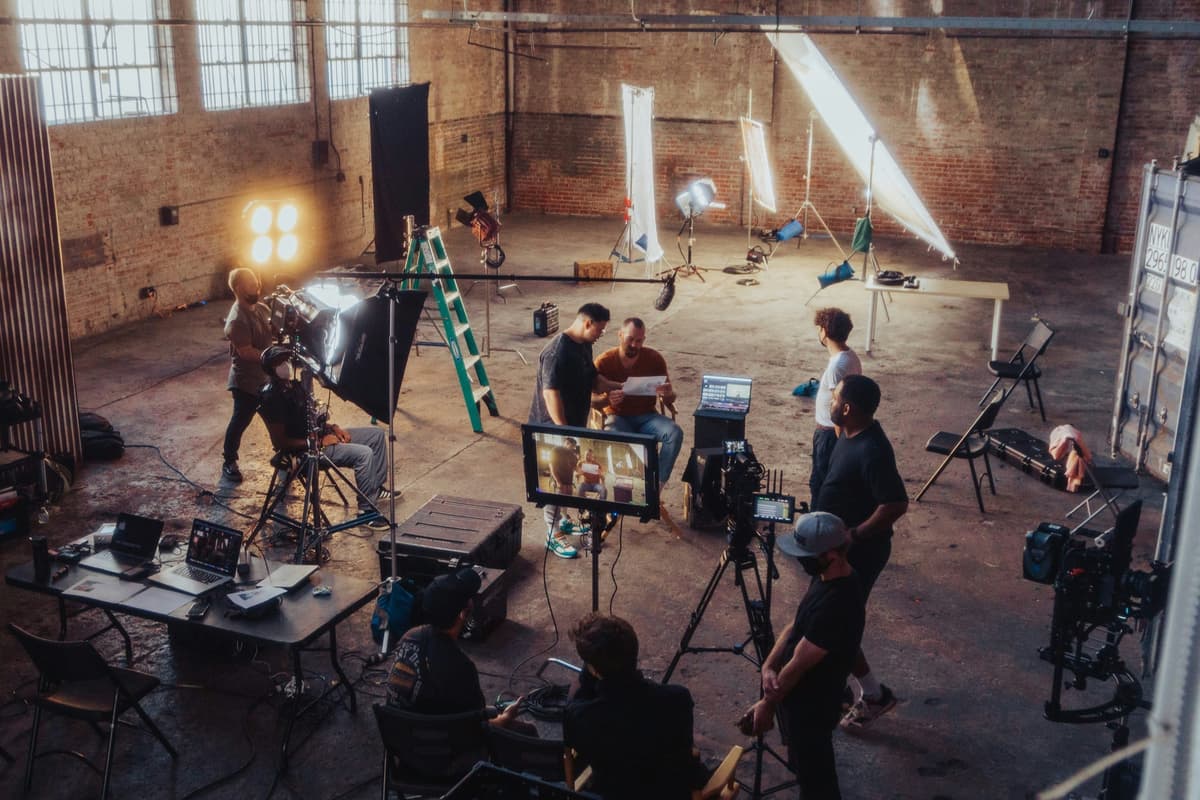
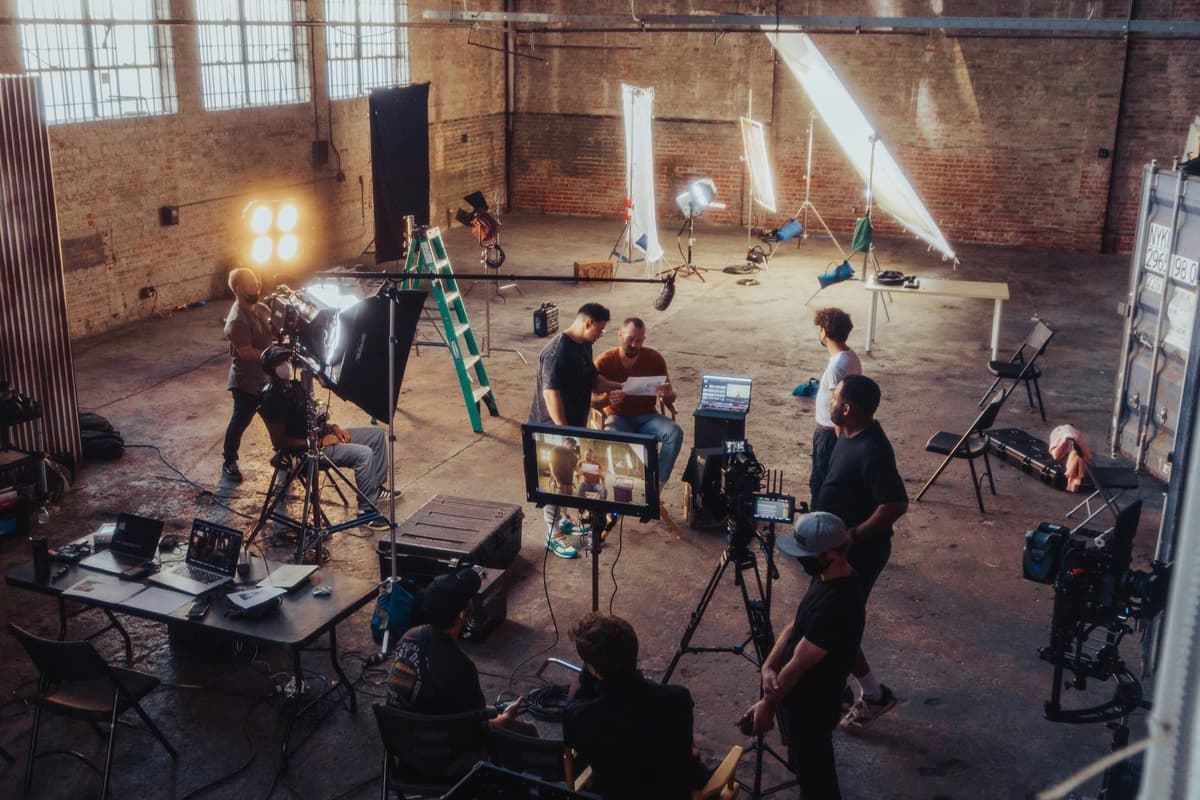
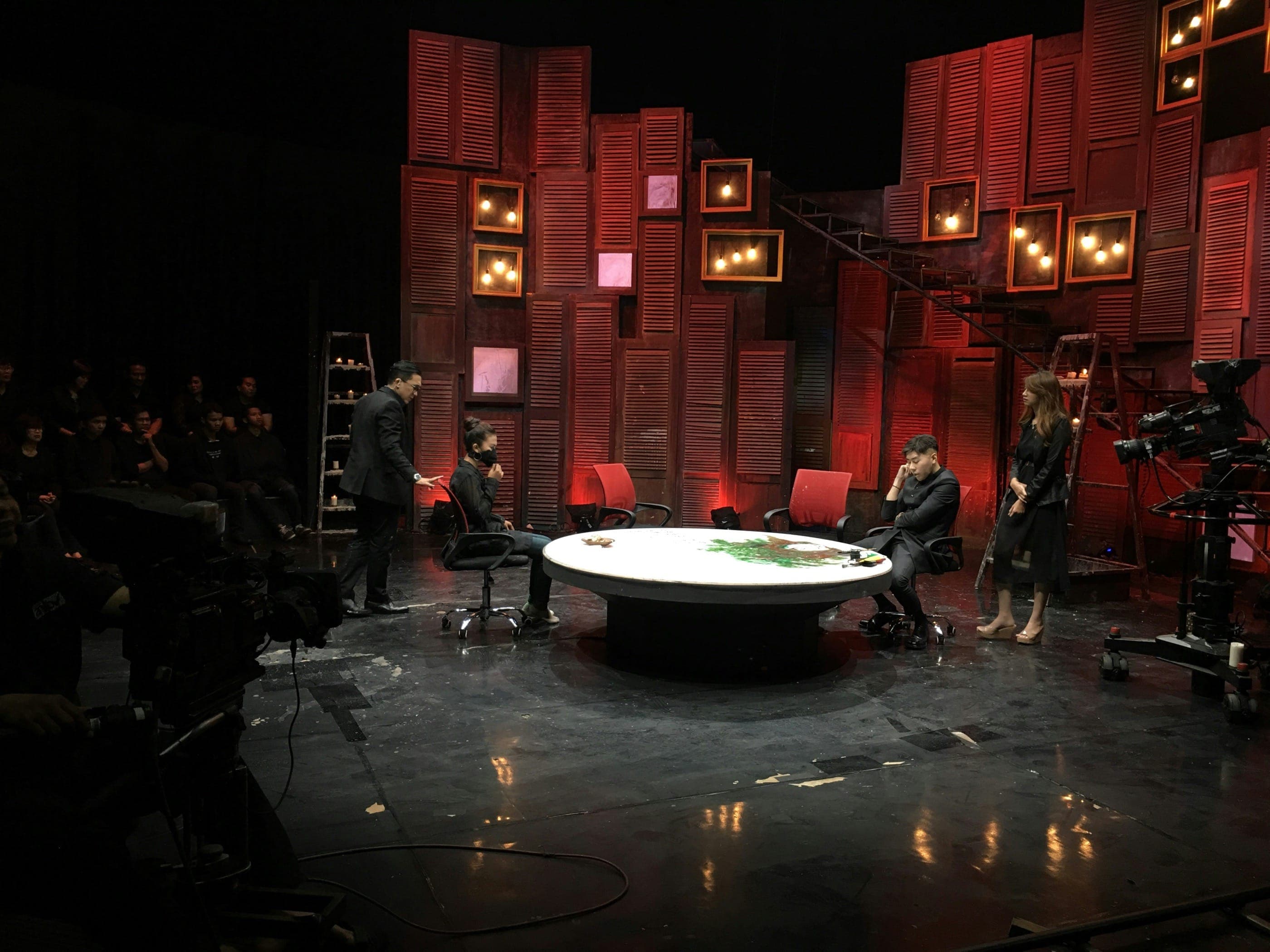
Set designers work across feature films, episodic television, commercials, music videos, theatrical productions, and live events. In Hollywood studio features, set designers typically work on stage-built sets at major facilities such as Warner Bros., Paramount, Sony, or Universal. On location-heavy productions, they draft plans for sets that dress or modify real-world spaces. Television episodic work tends to offer more consistent employment schedules due to the volume of stage sets needed per episode.
Most set designers in the entertainment industry work as freelancers, moving from production to production. Union membership through IATSE Local 800 (Art Directors Guild) is standard on studio and network productions and provides minimum wage guarantees, pension contributions, and health benefits. Production budget management tools like Saturation.io give art directors and production managers real-time visibility into art department spend — including set construction costs — without spreadsheet chaos.
Role & Responsibilities
The primary role of a Set Designer involves translating the script and the director's vision into tangible, visually compelling environments. This process begins with meticulous research and sketches, followed by detailed plans and models that guide the construction and dressing of the set. The Set Designer collaborates closely with the Director, Cinematographer, and Production Designer to ensure that the set supports the story both aesthetically and functionally. Additionally, they must manage budgets, adhere to safety regulations, and sometimes even oversee the dismantling of the sets after filming concludes.
Skills Required
To excel as a Set Designer, one must possess an intricate blend of artistic skills and practical know-how. Key skills include a strong sense of design and an eye for detail, creative problem-solving abilities, and proficiency in design software such as AutoCAD, SketchUp, and Photoshop. Effective communication and collaboration are essential, as is the capacity to manage time and resources efficiently. A successful Set Designer also has a solid grasp of architecture, carpentry, and knowledge of historical and contemporary styles.
Frequently Asked Questions
What does a Set Designer do?
What Is a Set Designer in Film and TV?
What are the main responsibilities of a Set Designer?
The primary role of a Set Designer involves translating the script and the director's vision into tangible, visually compelling environments. This process begins with meticulous research and sketches, followed by detailed plans and models that guide the construction and dressing of the set. The Set Designer collaborates closely with the Director,.
What skills does a Set Designer need?
To excel as a Set Designer, one must possess an intricate blend of artistic skills and practical know-how. Key skills include a strong sense of design and an eye for detail, creative problem-solving abilities, and proficiency in design software such as AutoCAD, SketchUp, and Photoshop. Effective communication and collaboration are essential, as is .
What education or training do I need to become a Set Designer?
Entering the field of set design doesn't necessarily require a college degree; however, a strong educational background can be extremely advantageous. Many Set Designers hold degrees in fields such as theatre design, interior design, architecture, or fine arts. Regardless of formal education, what truly matters is a combination of talent,.
Education
Entering the field of set design doesn't necessarily require a college degree; however, a strong educational background can be extremely advantageous. Many Set Designers hold degrees in fields such as theatre design, interior design, architecture, or fine arts. Regardless of formal education, what truly matters is a combination of talent, practical experience, and a portfolio that showcases a range of design skills and an understanding of various styles and periods.
Last updated August 31, 2026
Budget this role in seconds with Saturation
Rate packs, fringes, and phases turn a crew list into an accurate production budget without the spreadsheet math.
Rate packs
Verified union rates, versioned.


Fringes and markupsRebuilt
Stack them, cap them, and see the split on every line.
PhasesRebuilt
Every column knows its type.
Auto-fill
Rates fill in as you type, from the source you turned on.