What is a Rehearsal Director?
Overview
What Is a Rehearsal Director?
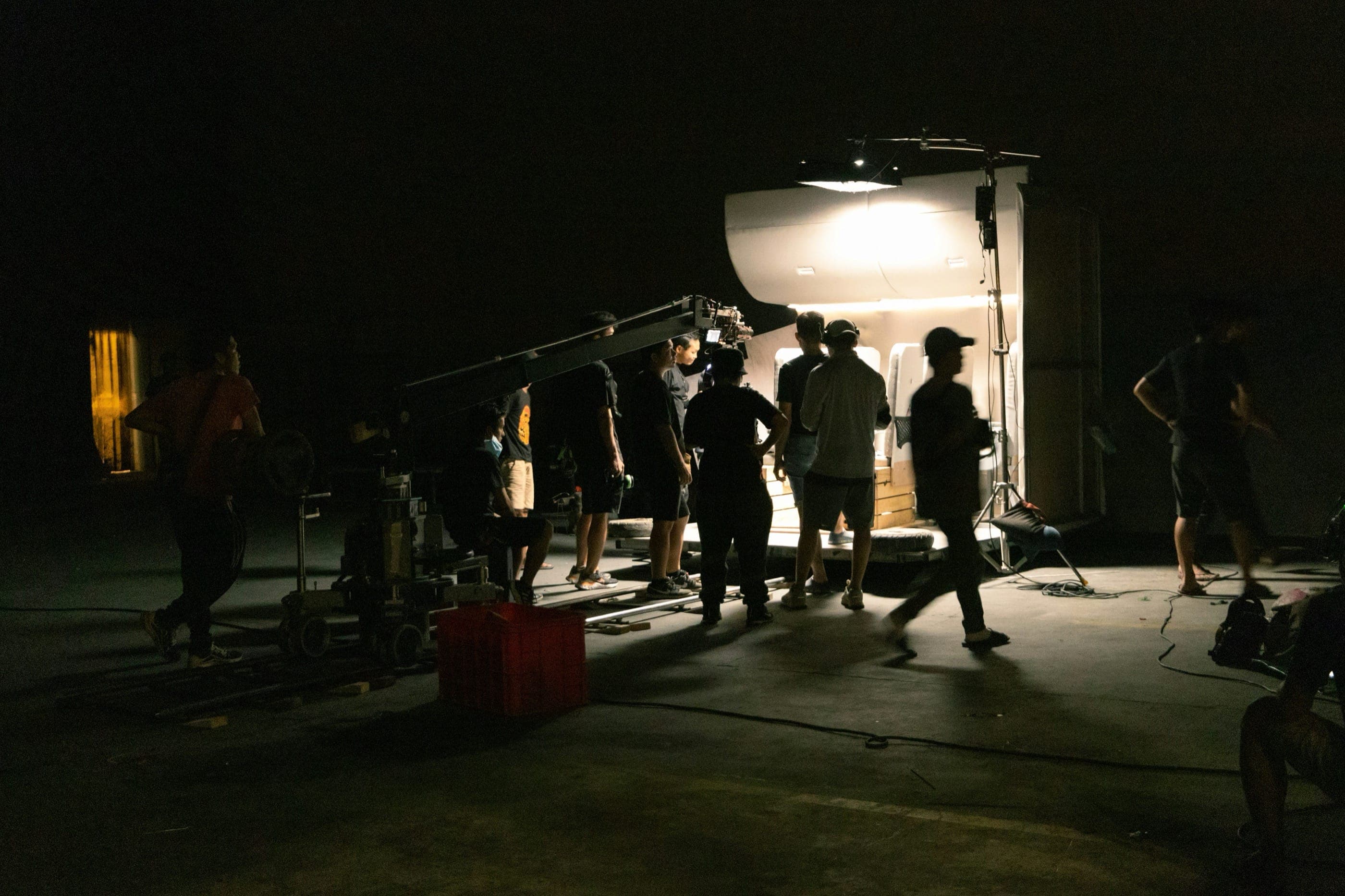
A rehearsal director is a member of the production team responsible for managing and leading actor rehearsals before cameras roll. In scripted multi-camera television — sitcoms, daytime dramas, talk shows, and live broadcasts — the rehearsal director runs the room during table reads, blocking sessions, and run-throughs, translating the director's vision into actionable actor preparation so that camera day runs efficiently.
The role is most firmly rooted in multi-camera TV production, where the rehearsal process is highly structured. A typical multi-camera sitcom shoots one episode per week. Days one through three are dedicated entirely to rehearsal — table reads, blocking, producer run-throughs, and network run-throughs — before the audience tapings on days four and five. The rehearsal director owns this process from beginning to end.
Multi-Camera TV: The Natural Home of the Rehearsal Director
Single-camera dramas and feature films rarely use a dedicated rehearsal director; in those formats, the director handles actor prep personally, often limiting rehearsal to a brief walkthrough on set before rolling. Multi-camera television, however, operates on an industrial schedule that makes dedicated rehearsal leadership essential.
Shows like classic sitcoms, daytime soap operas, and live variety programs — where actors must hit precise marks on standing sets so that four or more cameras can cover the scene simultaneously — require thorough blocking and line-perfect rehearsal before camera day. The rehearsal director ensures that time on set with cameras is spent shooting, not staging.
Relationship to the Director and Showrunner
The rehearsal director does not replace the director. Rather, they function as the director's delegate in the rehearsal room, implementing blocking notes, relaying creative guidance, and managing pacing so that the director can focus on the broader creative vision, attend production meetings, or prep subsequent episodes. On episodic multi-camera shows, it is common for a different director to helm each episode. The rehearsal director provides continuity — they know the show's staging conventions, the standing set, and the cast's working rhythms.
The showrunner, as creative head of the series, may also attend and give notes during producer run-throughs, particularly on comedy shows where joke sharpening is a collaborative process. The rehearsal director must manage this dynamic — balancing notes from the director, showrunner, network executives, and studio representatives while keeping rehearsal on schedule.
Distinction from Acting Coach and Stage Manager
The rehearsal director is not an acting coach. They do not work on technique, emotional depth, or character psychology with individual actors — that work belongs to the actors and the director in private sessions. The rehearsal director focuses on staging, schedule, and process: who stands where, which camera covers which angle, when to take a five-minute break, and how to integrate stand-ins when principal actors step out.
The role also differs from the stage manager, though the two collaborate closely. The stage manager tracks blocking notation, calls rehearsals, manages the rehearsal schedule with the 1st AD, and keeps script revisions circulated. The rehearsal director is more creatively adjacent — they run the room, give line readings when needed to clarify intent, and serve as the primary point of contact between the cast and the director's vision.
Live Television, Daytime, and Variety
In live television — awards shows, late-night broadcasts, game shows, and news magazine formats — the rehearsal director may supervise blocking and camera rehearsal for performers who appear only briefly and have limited prep time. Daytime talk shows and soap operas employ rehearsal directors to manage large ensembles across multiple shooting days. Variety shows with choreography involve the rehearsal director working alongside the choreographer to integrate staging with camera moves.
Production Management and Scheduling
Keeping pace with a multi-camera production schedule requires strong scheduling instincts. The rehearsal director coordinates with the 1st Assistant Director to set the daily call, allocate time per scene, and plan which scenes to run in which order. When a cast member is unavailable, the rehearsal director must adjust on the fly — rerouting the day without losing ground. Thorough preparation means production stays on schedule and camera day begins with a cast that is ready to shoot.
Tools like Saturation.io support the production team's budgeting and scheduling infrastructure, helping production coordinators and UPMs allocate rehearsal days within the overall production budget and call sheet framework.
Role & Responsibilities
Core Responsibilities of a Rehearsal Director
The rehearsal director's responsibilities span the full arc of pre-camera preparation — from the first table read through the final network run-through before the audience taping.
Running Table Reads
The table read is typically the first event on a multi-camera episode's production week. The full cast gathers to read the episode aloud from scripts, often with writers and producers in the room. The rehearsal director facilitates the session — keeping pace, noting where jokes land, flagging scenes that need timing adjustment, and managing any guests or recurring characters who may not know the show's rhythms. The table read is primarily a writers' tool for judging the script on its feet, but the rehearsal director ensures it runs efficiently and that actors leave with a clear sense of the episode's intentions.
Blocking Rehearsals
Following the table read, rehearsals move to the stage — the standing sets where the episode will be shot. The rehearsal director works scene by scene, placing actors on their marks, establishing traffic patterns that work for multi-camera coverage, and integrating the director's blocking notes. Multi-camera blocking is distinctive: every position must be camera-legible from multiple angles simultaneously. The rehearsal director must think spatially, tracking sightlines for Camera 1 through Camera 4 or more while keeping actor movement motivated and natural.
Blocking rehearsals typically run over two to three days, with increasing precision at each pass. Early run-throughs are rough — actors may still be on book, and broad strokes take priority. Later run-throughs, particularly producer and network run-throughs, demand near-complete performance readiness.
Working with Actors on Script and Staging
The rehearsal director is frequently the first person to work through a scene on its feet with actors after the table read. They help clarify intent, suggest physical choices that serve both the story and the camera, and ensure that actors have internalized the staging well enough to execute it with confidence on camera day. On comedy shows, timing is paramount — the rehearsal director helps actors find the rhythm of jokes so that punchlines land cleanly in the frame.
When scripts are revised between episodes — as is standard on multi-camera comedies, where rewrites can arrive nightly — the rehearsal director integrates the new pages into the staging and ensures the cast is up to speed before the next run-through.
Coordinating the Rehearsal Schedule with the 1st AD
The 1st Assistant Director (1st AD) oversees the overall shooting schedule and logistics. The rehearsal director works alongside the 1st AD to plan the rehearsal day: which scenes run in which order, how much time to allocate per scene, and when to break for producer notes. On multi-camera shows, the rehearsal week follows a predictable structure, but individual episode demands — guest casts, complicated physical comedy, multi-set episodes — require ongoing schedule adjustment.
Effective collaboration between the rehearsal director and 1st AD is what keeps a production week from falling behind. If a blocking session runs long on Day 2, they jointly decide whether to trim a later scene or extend the day, always protecting the integrity of the producer run-through.
Relaying Director Notes
On multi-camera series, the episode director may not be present at every rehearsal — they attend key run-throughs but frequently have other responsibilities between sessions. The rehearsal director attends all rehearsals and serves as the continuity link. After director-attended sessions, the rehearsal director documents notes and implements them in subsequent run-throughs, ensuring that the director's vision is carried forward without requiring the director to be present at every moment.
Working with Stand-Ins During Camera Rehearsal
On camera day, before principal actors arrive on set, stand-ins occupy actor positions so the director of photography and camera operators can light the scene and set lens configurations. The rehearsal director has typically worked with stand-ins throughout the rehearsal week — particularly during the technical dress rehearsal — ensuring they know the blocking well enough to serve as accurate proxies. This coordination saves significant time on set and allows the DP to light confidently before principals arrive.
Managing Warm-Up and Audience Experience
On multi-camera sitcoms and variety shows with live studio audiences, audience management is part of the production process. The rehearsal director may coordinate with — or in some productions serve as — the warm-up host, the performer who keeps the studio audience engaged and energized between camera setups during the taping. Keeping a live audience warm between setups requires timing instincts, crowd reading skills, and comfort performing in front of an audience — skills that many rehearsal directors, with their stage backgrounds, bring naturally.
Collaborating with the Script Supervisor During Rehearsal
The script supervisor tracks continuity — ensuring that what is shot matches what is scripted in terms of action, dialogue, and staging. During rehearsal, the script supervisor and rehearsal director work in close proximity: the script supervisor notes which blocking choices have been set, flags departures from the script that may create continuity issues, and tracks the episode's overall timing. On multi-camera productions where taping runs long, the rehearsal director and script supervisor may together identify scenes that can be trimmed without disrupting story logic.
Skills Required
Key Skills for a Rehearsal Director
Rehearsal directing demands a distinctive combination of creative, interpersonal, and organizational competencies. The most effective rehearsal directors blend the spatial intelligence of a choreographer, the psychological fluency of an acting coach, the organizational precision of a stage manager, and the creative authority of a director.
Actor Communication
The ability to communicate effectively with actors is the rehearsal director's most critical skill. Actors process direction differently depending on their training and temperament — some respond to technical specificity ("move to the mark on 'phone'"), others to emotional framing ("you want him out of this conversation before he says something irreparable"). The rehearsal director must read each actor and adapt their communication style accordingly, giving direction that feels supportive rather than directive, creative rather than mechanical.
In multi-camera television, where cast members may have worked together for seasons, the rehearsal director must also navigate established dynamics — the pecking order of the ensemble, the creative preferences of lead actors, the sensitivities that accumulate over years of working together. Building trust with a cast takes time, and maintaining that trust across a long-running series requires consistent, respectful, and effective communication.
Blocking and Spatial Thinking
Multi-camera blocking is a specialized discipline. Unlike single-camera productions where blocking is designed for one camera angle at a time, multi-camera blocking must work for four or more cameras simultaneously. The rehearsal director must hold the entire camera plan in mind while placing actors — ensuring that no camera is shooting another camera's back, that actors hit their marks at the right moment for each shot, and that physical comedy or dramatic beats are staged to read cleanly in the intended frame.
Proficiency in reading a shot list or camera blocking diagram, and the ability to visualize staging in three dimensions, is essential. Strong rehearsal directors can stage a scene in the morning, make adjustments based on director notes in the afternoon, and implement further revisions after a network run-through — maintaining clarity and precision through multiple iterations.
Script Analysis
Before entering the rehearsal room, the rehearsal director has analyzed the script thoroughly — identifying the structural arc of each scene, the emotional beats that drive the action, the jokes that need setup and the moments that need silence, and the staging challenges posed by the physical space. This preparation makes rehearsal time productive: rather than discovering problems on their feet, an experienced rehearsal director anticipates them and arrives with staging solutions ready.
Script analysis for multi-camera comedy also includes timing analysis — understanding where pauses serve the joke, where audience reaction will fill space, and how many beats each scene needs to breathe without losing energy.
Multi-Camera Staging Conventions
Each multi-camera show has its own staging vocabulary — camera assignments, standard shot sizes, conventional positions for leads and supporting cast, and the physical geography of its standing sets. The rehearsal director must master these conventions for their specific show while retaining the flexibility to adapt when an episode demands something different. New rehearsal directors on an established series typically shadow existing directors and rehearsal directors through several episodes before running sessions independently.
Schedule and Time Management
Multi-camera production weeks run on strict schedules. The rehearsal director must manage time in the room precisely — knowing when to move on from a scene that needs more work (and scheduling additional time later), when to call a break to let actors reset, and when to push through to hit a run-through deadline. Falling behind in rehearsal ripples forward through the week, putting camera day at risk. Strong time management is not just a professional courtesy — it is central to the rehearsal director's value to the production.
Collaboration with the Director
The rehearsal director's authority in the room is always delegated from the director. An effective rehearsal director makes the director's job easier — implementing vision efficiently, raising potential problems before they become expensive on camera day, and keeping the cast engaged and prepared. This requires both creative alignment (understanding what the director is after) and interpersonal intelligence (knowing when to take initiative and when to defer). Rehearsal directors who overstep creative boundaries or undermine director authority do not last long in the collaborative multi-camera environment.
Equity and SAG-AFTRA Actor Protocols
On union productions, the rehearsal director must be fluent in the working rules that govern actors' time and conditions. SAG-AFTRA contracts specify daily hour limits, required rest breaks, meal period timing, and conditions under which performers must be released. Equity (Actors' Equity Association) rules apply to stage productions and to some hybrid live-for-TV events. A rehearsal director who mismanages union rules — scheduling rehearsal past meal break without a waiver, failing to account for rest periods, or inadvertently triggering overtime — creates costly friction for the production. Familiarity with the applicable union contract is a professional baseline.
Running Warm-Up for Live Studio Audiences
On multi-camera sitcoms and variety shows with live audiences, taping nights include gaps between scenes as cameras reset, sets change, or technical issues are addressed. During these gaps, a warm-up performer or the rehearsal director keeps the audience engaged, energized, and willing to respond authentically when the cameras roll again. Running warm-up requires improvisational comfort, crowd-reading instincts, and the ability to transition smoothly from entertaining the audience to managing the cast and crew at the call of "rolling."
Professionalism Under Pressure
Multi-camera production is a high-stakes environment. Network run-throughs, in which executives from the studio and network watch and give notes on the episode, compress weeks of creative development into a single hour-long performance. The rehearsal director must keep the cast focused and confident through this pressure — managing anxiety, keeping energy up, and ensuring that the run-through represents the best possible version of the episode's staging. Composure, experience, and genuine confidence in the cast's preparation are the rehearsal director's tools under pressure.
Salary Guide
Rehearsal Director Salary and Compensation Guide
Rehearsal director compensation in film and television varies significantly depending on the type of production, union affiliation, market (Los Angeles vs. New York vs. regional), and the individual's experience and track record. The role is most common in multi-camera television, where structured rehearsal weeks make the position a standing budget line, rather than single-camera drama or feature film, where it rarely appears.
Weekly Rates in Multi-Camera Television
In multi-camera sitcom and variety television, rehearsal directors typically work on a weekly contract basis aligned to the production's episodic schedule. Experienced rehearsal directors on established network or major streaming productions earn between $3,500 and $6,500 per week, with outliers on long-running high-profile series potentially earning more. Mid-level rehearsal directors on cable or smaller-audience productions typically fall in the $2,500 to $4,000 per week range. Entry-level or non-union productions may offer $1,500 to $2,500 per week.
Because multi-camera sitcoms typically produce 18 to 24 episodes per season with 1–2 week breaks between production blocks, a rehearsal director contracted for a full season earns significant annual income over roughly 20–30 active working weeks. Seasoned professionals may work multiple shows per year, particularly if they have the scheduling flexibility and established relationships to move between productions.
DGA Minimums for Live and Taped Productions
Rehearsal directors on DGA-signatory productions — particularly live broadcast events, awards shows, and multi-camera series where they hold the title of Associate Director or Stage Manager in the Live and Tape category — are covered by DGA minimum rates. DGA minimum weekly rates for Associate Directors and Stage Managers in the Live and Tape sector are updated biennially through collective bargaining and typically fall in the $2,800 to $4,500 per week range depending on the specific category and year of the applicable contract. Productions above the DGA floor often negotiate rates well above minimums based on the individual's experience.
For productions organized under the DGA Basic Agreement (covering dramatic series and features), rehearsal directors may be classified differently, and the applicable minimums differ from the Live and Tape rates. Prospective rehearsal directors should consult the current DGA rate schedules directly for the most accurate minimums applicable to their specific production type.
Daytime Television
Daytime soap operas and talk shows produce year-round with demanding schedules — often shooting multiple episodes per week. Rehearsal directors in daytime television typically earn on the lower end of the multi-camera range, in the $2,000 to $3,500 per week bracket, reflecting both the lower per-episode budgets of daytime productions and the volume-based nature of the work. The year-round schedule, however, makes daytime one of the more stable employment environments for rehearsal directors willing to work in the format.
Live Events and Specials
For live televised events — awards shows, variety specials, live sports broadcasts incorporating performance elements, and political/news broadcasts with significant production components — rehearsal directors may be hired on a flat-rate per-project basis rather than weekly. These rates vary enormously: a major network awards show may pay $8,000 to $20,000+ for a rehearsal director's involvement across several weeks of intensive preparation; smaller live specials may pay $3,000 to $7,000 for a shorter engagement. Live events involve high stakes and demanding timelines, and experienced rehearsal directors with strong live television credits can command premium rates.
Annual Income Range
Rehearsal director income is inherently project-based and varies year to year depending on booking. A working rehearsal director who books two or three multi-camera shows per year — common for established professionals with strong relationships in the industry — may earn $100,000 to $200,000 or more annually combining episodic weekly rates. Rehearsal directors early in their careers, or those working primarily on lower-budget productions, should expect annual income in the $50,000 to $90,000 range, potentially supplemented by other production work between engagements.
Unlike staff employees, rehearsal directors do not typically receive employer-sponsored benefits through individual productions. Health insurance and retirement contributions come through DGA or relevant union health and pension plans for members, or must be self-arranged for non-union professionals. This is an important factor in evaluating the true compensation value of any weekly rate.
BLS Context: Producers and Directors
The U.S. Bureau of Labor Statistics does not specifically track "rehearsal director" as a distinct occupational category. The closest applicable BLS classification is "Producers and Directors" (SOC code 27-2012). According to the BLS Occupational Employment and Wage Statistics, the median annual wage for producers and directors was approximately $76,900 (May 2023 data), with the top 25% earning $112,500 or more and the top 10% exceeding $173,000. In major production markets — Los Angeles and New York in particular — median wages for this category are substantially above the national median.
Rehearsal director compensation, concentrated in multi-camera television in these two markets, tends to sit at or above the median for the broader producers and directors category among experienced professionals.
Frequently Asked Questions
Frequently Asked Questions: Rehearsal Director
What is a rehearsal director?
A rehearsal director is a production team member who manages actor rehearsals in preparation for filming, primarily in multi-camera television. They run table reads, conduct blocking rehearsals, relay director notes, and coordinate with the 1st AD to keep the rehearsal schedule on track. On sitcoms and live television shows, the rehearsal director owns the rehearsal week — the days of structured actor preparation before cameras begin rolling.
When is a rehearsal director used?
Rehearsal directors are most common in multi-camera television productions: sitcoms, daytime dramas, talk shows, variety programs, and live broadcast events. The structured rehearsal week of multi-camera TV — where actors must be fully blocked and prepared before camera day — makes the role a regular budget line. Single-camera dramas and feature films rarely employ a dedicated rehearsal director; in those formats, the director typically handles actor preparation directly, often in brief on-set walkthroughs.
How does a rehearsal director differ from the director?
The director holds creative authority over the episode and makes final decisions on performance, staging, and tone. The rehearsal director implements the director's vision in the rehearsal room, particularly during sessions when the director is unavailable. Think of the rehearsal director as the director's delegate in the rehearsal room — they run the day-to-day blocking process, relay creative notes, and keep the cast prepared, while the director focuses on the big picture and attends key run-throughs rather than every rehearsal session.
What happens during sitcom rehearsal week?
A typical multi-camera sitcom produces one episode per week on roughly this schedule:
- Day 1 (usually Monday): Table read with full cast, writers, and producers. The rehearsal director facilitates the session.
- Day 2: Blocking rehearsal on the stage. The rehearsal director works scene by scene, placing actors on marks for the multi-camera setup.
- Day 3: Producer run-through. The showrunner and writing staff watch the episode and give notes; the rehearsal director integrates those notes.
- Day 4: Network/studio run-through, final blocking adjustments, technical camera rehearsal with stand-ins.
- Day 5 (usually Friday): Camera day and audience taping. The cast performs the episode in front of a live studio audience across multiple takes.
The rehearsal director is active throughout Days 1–4, ensuring the cast arrives at camera day fully prepared.
How much does a rehearsal director earn?
Rehearsal directors in multi-camera television typically earn between $2,500 and $6,500 per week depending on experience, union status, and the profile of the production. On major network or premium streaming multi-camera series, experienced rehearsal directors may earn at or above the high end of that range. DGA minimum rates for Associate Directors and Stage Managers in the Live and Tape category provide a floor for union-covered productions. Annual income for working rehearsal directors typically falls between $80,000 and $200,000+ depending on how many productions they book in a year.
How do you become a rehearsal director in television?
Most rehearsal directors reach the role through one of three paths: (1) theater directing — building a directing portfolio in professional or regional theater, then transitioning to television through industry connections; (2) stage management — beginning as a television stage manager and progressing to rehearsal director as creative responsibilities expand; or (3) acting — leveraging performance experience and directing study to move into rehearsal direction. A bachelor's or MFA degree in theater directing or stage management provides foundational training, but industry relationships and a track record of effective work in the rehearsal room are the ultimate qualifications.
Do rehearsal directors work in live television?
Yes. Live television — awards shows, variety specials, live sporting events with performance components, and live-audience broadcasts — regularly employs rehearsal directors. In live formats, the stakes are especially high: there are no retakes. The rehearsal director ensures that every blocking element, every performer's position, and every timing beat has been thoroughly rehearsed before the broadcast begins. Live television rehearsal directors also frequently coordinate with warm-up performers or run the studio audience warm-up themselves between setup breaks during a taping.
Is the rehearsal director the same as a warm-up host?
Not always, but sometimes they overlap. The warm-up host (or warm-up comedian) is the person who keeps the studio audience engaged and energized between camera setups during a live-audience taping. On some productions, the rehearsal director also serves as the warm-up host — particularly on smaller shows without a dedicated warm-up person. On larger shows, the roles are typically separate: the rehearsal director manages cast and blocking while a dedicated warm-up artist handles the audience. Rehearsal directors with strong improvisational skills and performance comfort may double in both roles, which can increase their value to productions.
Education
Education and Training for Rehearsal Directors
There is no single prescribed path to becoming a rehearsal director in film and television. The role tends to attract professionals with deep backgrounds in theatrical directing, stage management, or acting — disciplines that develop exactly the skills a rehearsal director needs: script analysis, spatial thinking, actor communication, and process management.
Theater Directing Degrees and Programs
A bachelor's degree in theater directing, theater arts, or performing arts from an accredited conservatory or university provides essential grounding. Programs at schools like Yale School of Drama, Carnegie Mellon, NYU Tisch, USC School of Dramatic Arts, CalArts, and DePaul's Theatre School offer directing concentrations that teach blocking, text analysis, actor collaboration, and production management. Undergraduate programs typically combine academic coursework — theater history, dramatic theory, script analysis — with practical directing experience in student productions.
Strong undergraduate theater programs emphasize directing productions rather than merely studying them. Graduates who have directed multiple productions — including two-handers, ensemble comedies, and plays with complex staging demands — are far better prepared for the multi-camera rehearsal room than those whose education was primarily academic.
MFA Directing Programs
A Master of Fine Arts (MFA) in directing is the terminal degree for theater directors and is increasingly common among professionals who pivot into television. MFA programs — at institutions including the American Conservatory Theater, Juilliard (Drama Division), Yale School of Drama, UC San Diego, and Florida State/Asolo Conservatory — offer intensive, small-cohort training that develops every dimension of directing craft. MFA graduates typically emerge with a portfolio of directed productions, professional industry connections, and a sophisticated vocabulary for working with actors.
Some MFA programs offer film and television tracks or cross-disciplinary coursework that bridges stage and screen. For prospective rehearsal directors, programs that include television production workshops, comedy writing and performance courses, or partnerships with professional theater companies provide additional preparation for the specific demands of multi-camera TV.
Stage Manager to Rehearsal Director
Many rehearsal directors enter the role through stage management rather than directing. The stage manager path is particularly common in episodic multi-camera television, where the organizational rigor of stage management — tracking blocking notation, managing rehearsal schedules, coordinating between departments, keeping the production on time — directly translates to the rehearsal director's operational responsibilities.
A stage manager who develops strong working relationships with directors and production companies may be invited to take on rehearsal direction duties, particularly on shows where the stage manager has demonstrated creative insight and an ability to work effectively with actors. The transition typically happens gradually — through increased responsibility on existing shows rather than a formal job change — and depends heavily on professional reputation and personal relationships within the industry.
Acting and Directing Experience
Rehearsal directors who come from acting backgrounds bring a distinctive asset: they understand what actors need from a rehearsal room. Former actors-turned-directors often excel at breaking down a scene from the inside, identifying where a moment isn't working because the actor doesn't believe it rather than because the blocking is wrong. This empathetic perspective is especially valuable in comedy, where the rehearsal director must help actors find timing and truth simultaneously.
Pursuing directing opportunities outside of paid work — community theater, short film projects, staged readings, workshop productions — builds the directing portfolio and collaborative experience that production companies look for when hiring rehearsal directors. Many successful rehearsal directors spent years as actors, directors, or stage managers in regional theater before transitioning to television.
DGA Membership and the Live/Taped Production Track
In Los Angeles and New York, rehearsal directors working on DGA (Directors Guild of America) signatory productions may be eligible for DGA membership through the Associate Director or Stage Manager category. Live and taped-before-audience multi-camera productions — sitcoms, variety shows, awards ceremonies, live broadcasts — are organized under DGA jurisdiction. DGA membership as an Associate Director or Stage Manager in the Live and Tape categories can provide a path to eventually directing episodes and qualifying for full DGA Director membership.
Non-DGA productions — including many independent multi-camera projects, smaller-scale productions, and non-union shoots — provide entry-level rehearsal director opportunities without the DGA membership requirement. Working these productions builds credits and relationships while professionals pursue DGA qualification in parallel.
Networking and Industry Entry
Theater communities in Los Angeles and New York are densely connected to the television industry. A track record directing or stage-managing productions at respected theater companies — the Geffen Playhouse, Steppenwolf, Atlantic Theater Company, the Groundlings, Second City, UCB — builds the professional visibility that leads to television introductions. Comedy improv and sketch comedy training is particularly valuable for aspirants to multi-camera sitcom rehearsal directing; the instincts for finding comedic timing, managing ensemble energy, and improvising when blocking doesn't land translate directly to the sitcom rehearsal room.
Last updated April 25, 2026
Budget this role in seconds with Saturation
Rate packs, fringes, and phases turn a crew list into an accurate production budget without the spreadsheet math.
Rate packs
Verified union rates, versioned.


Fringes and markupsRebuilt
Stack them, cap them, and see the split on every line.
PhasesRebuilt
Every column knows its type.
Auto-fill
Rates fill in as you type, from the source you turned on.