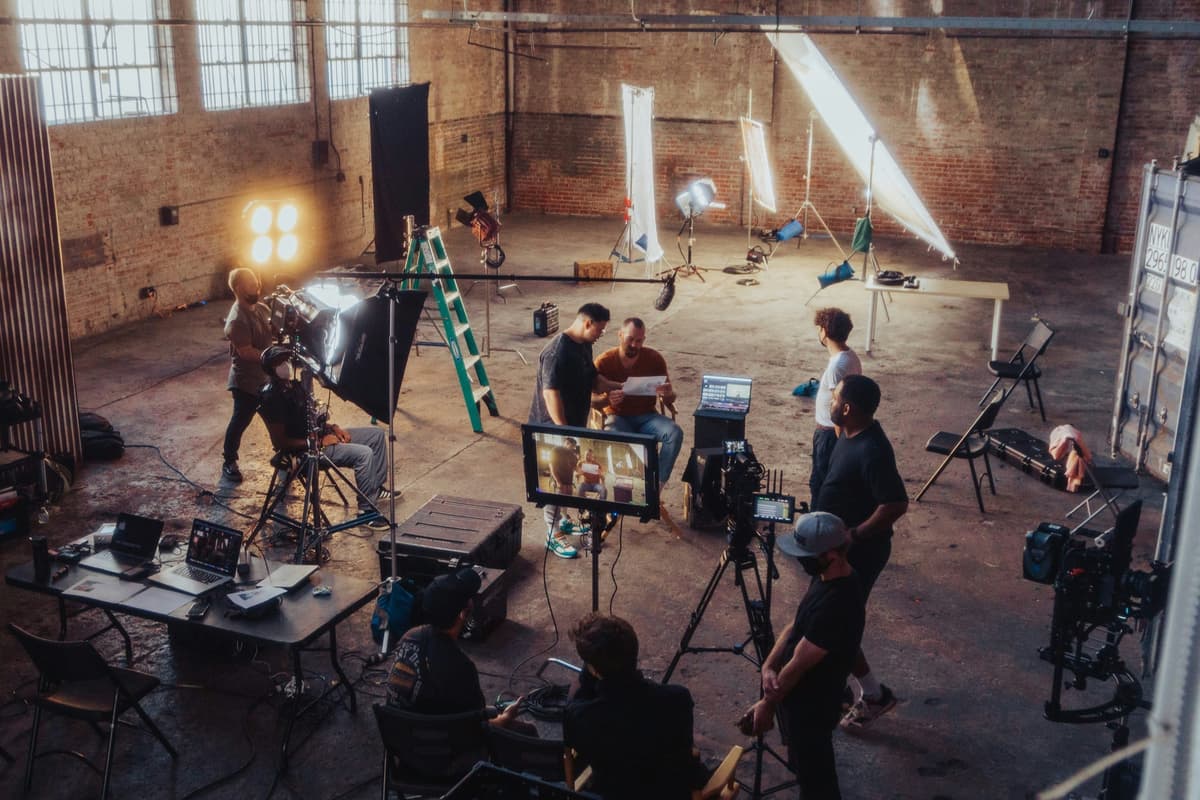
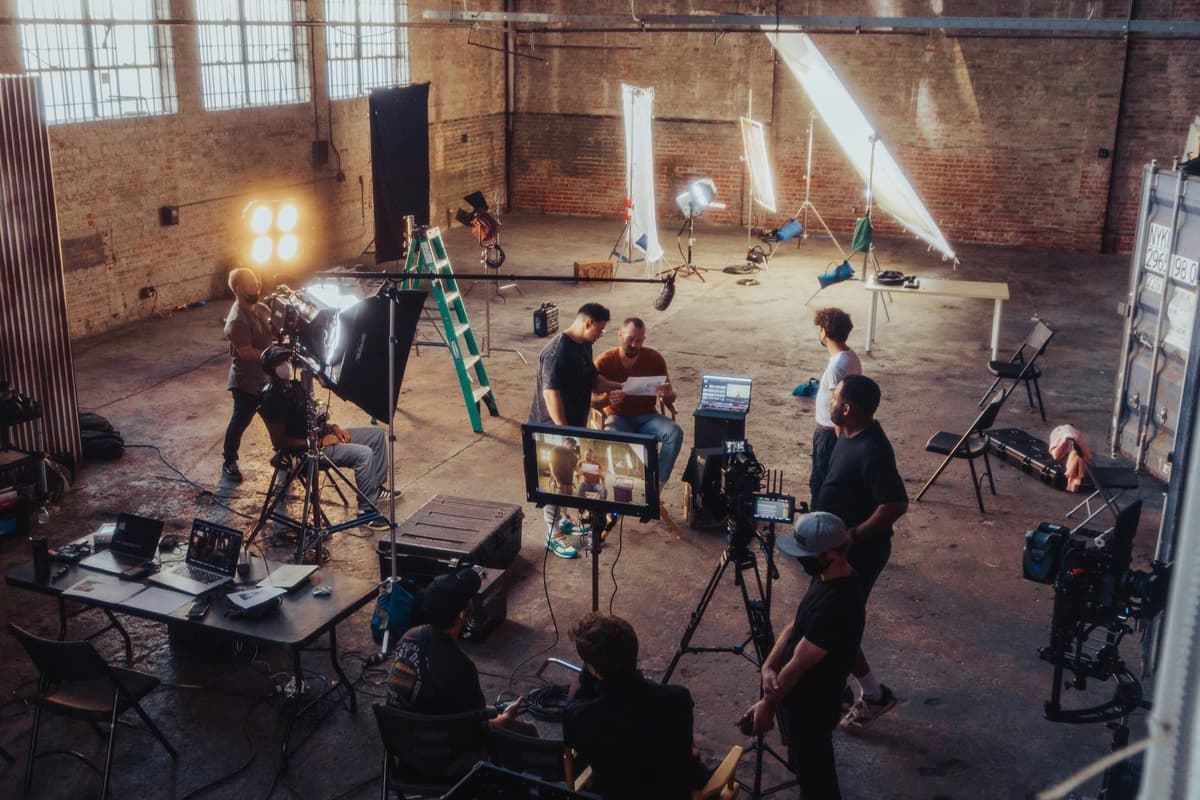
What is a Prop Master?
Overview
The prop master, also called the property master, is the head of the props department on a film, television, or commercial production. They are responsible for every object an actor touches, carries, or interacts with on screen, from a coffee cup to a period firearm.
Prop masters sit within the art department and report to the production designer. They work closely with the director and director of photography to ensure every prop serves the story, matches the visual world of the film, and is available at the right moment on set.
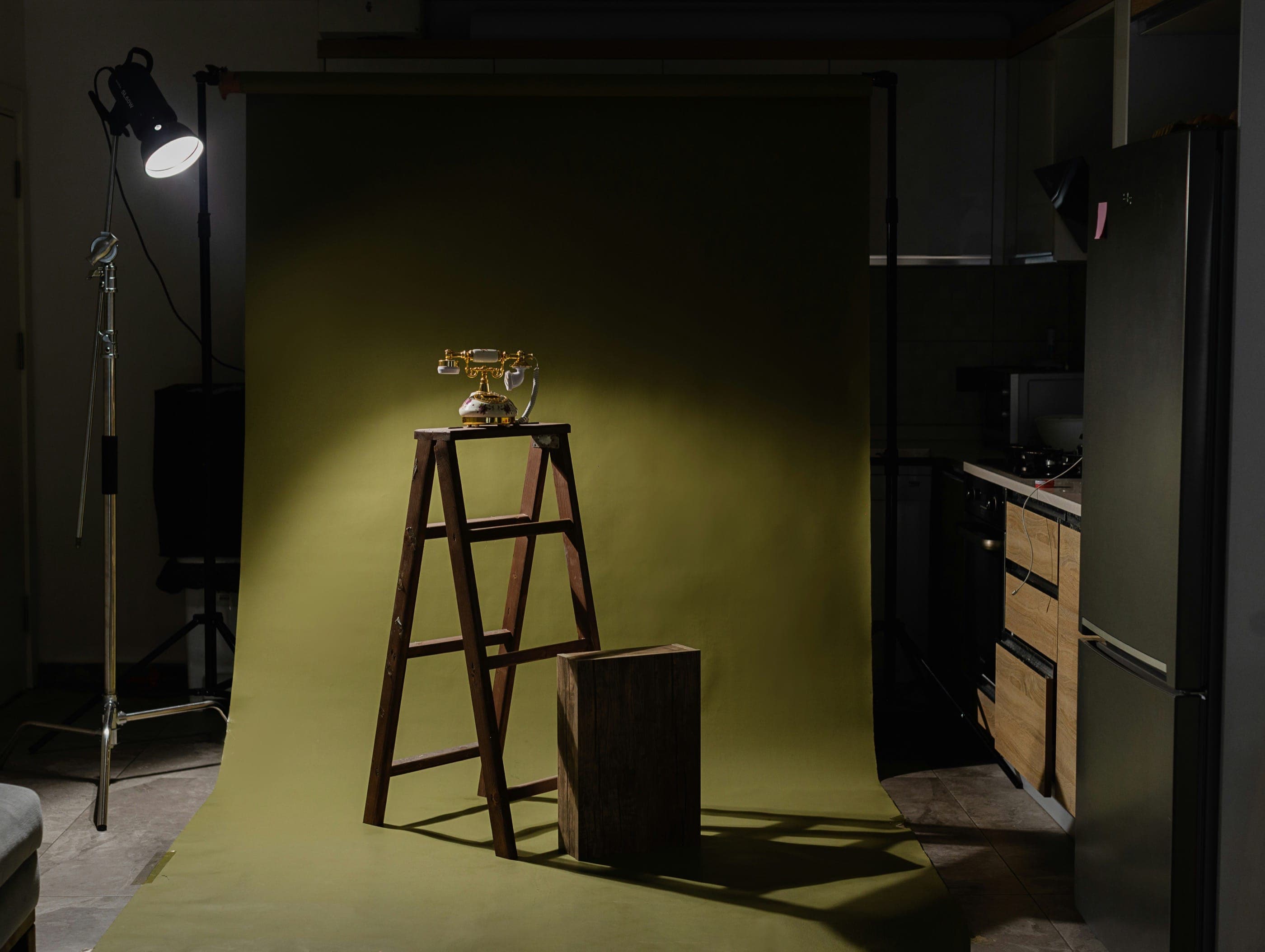
It is important to understand the distinction between props and set dressing. Props are items that actors handle or that are central to action in a scene. Set dressing covers the decorative objects placed around a set by the set decorator to establish environment and atmosphere. A lamp sitting on a table in the background is set dressing. The same lamp used by an actor to hit someone over the head is a prop.
Managing a film's props means overseeing a budget, coordinating vendors and prop houses, hiring a prop crew, tracking continuity from take to take, and maintaining a complete inventory from the first day of prep through the final wrap. On productions using Saturation.io, prop masters can track prop budgets and purchase orders alongside the rest of production spending in a single cloud-based platform, eliminating the spreadsheet chaos that typically plagues art department budgeting.
Related role: Set Decorator
Role & Responsibilities
The prop master's responsibilities span every phase of production, from the first script read through final wrap.
Script Breakdown and Prop List
Pre-production begins with a thorough script breakdown. The prop master reads every draft carefully, flagging every object mentioned in action lines or implied by scene context. A prop list is built scene by scene, noting whether each item is a background prop, a hand prop, or a hero prop requiring special fabrication or multiple copies.
Hero props are the featured versions of a prop that appear in close-up shots. They must look perfect on camera. Supporting versions, called stunt or backup props, are used for action sequences where the hero version might be damaged. A good prop master orders two to five copies of any hero prop that will see heavy use.
Working with the Director and Production Designer
The prop master meets early and often with the director to understand the emotional and narrative function of each prop. Some objects carry significant story weight. The prop master must understand that weight and source or build accordingly. They also collaborate with the production designer on the visual language of the film, ensuring props match the color palette, period, and texture of the designed world.
Sourcing, Buying, Renting, and Building Props
Sourcing is one of the most time-consuming parts of the job. Prop masters draw on a network of prop houses (specialized rental warehouses), antique dealers, costume shops, fabricators, and online auction markets. For contemporary productions, retail sourcing supplements rental. For period or fantasy productions, custom fabrication is often the only option.
The prop master negotiates rental agreements, manages purchase decisions within budget, and tracks every item's origin so returns can be processed at wrap without penalty fees.
Building a Prop Budget
Prop masters work from a line-item budget approved by the producer and line producer. The budget covers rentals, purchases, fabrication labor, expendables (items consumed or destroyed during production), and transportation. Under-budgeted props departments are common on independent films; the prop master must be skilled at negotiating favorable rental rates and finding creative alternatives to expensive specialty items.
Managing the Prop Crew
On larger productions, the prop master leads a crew that includes:
- Assistant prop master: Second-in-command, often runs on-set operations while the prop master handles prep and logistics.
- Prop makers / fabricators: Skilled artisans who build custom props.
- Prop runners / swing gang: Junior crew who transport, stage, and reset props between takes.
- Armorer: A licensed specialist brought in specifically for productions involving firearms, knives, or other weapons. The armorer handles safe storage, loading (blanks), and on-set supervision of any weapon prop.
On micro-budget and independent productions, the prop master often works alone or with a single assistant, handling every aspect of sourcing and on-set management personally.
On-Set Prop Management and Continuity
During production days, the prop master or their assistant is present on set at all times. Their primary jobs are placement (ensuring each prop is correctly positioned before the camera rolls), continuity (documenting the exact state of every prop in every shot so editors can cut between angles without mismatches), and reset (returning props to their starting position between takes).
Continuity tracking relies on detailed notes and photographs taken by the prop team. A glass of water that is half full in a wide shot must be half full in the matching close-up. An actor's newspaper must be folded the same way in every angle. The prop master or their continuity-focused assistant catches these discrepancies before they become expensive post-production problems.
Prop Changes and Special Sequences
Some scenes require multiple identical props, staggered so that each take starts with a fresh version. Fight sequences, scenes involving food or drink consumed by actors, and any moment a prop is broken or destroyed require pre-planned multiples. The prop master coordinates the logistics of these sequences in advance and liaises with the first assistant director to schedule adequate time for prop changes during the shooting day.
Wrap and Inventory
After the final day of principal photography, the prop master oversees the return of all rented items, the sale or storage of purchased items, and the documentation of anything lost or damaged. A clean wrap inventory prevents unexpected charges from rental houses and protects the production's relationship with vendors who will be needed on future projects.
Skills Required
Successful prop masters combine creative visual intelligence with logistical precision. The following skills are essential across all budget levels and production types.
Research and Historical Accuracy
Period and historical productions require deep research skills. A prop master working on a film set in 1940s Los Angeles must know what products existed, what they looked like, how they were packaged, and what would have been present in different socioeconomic environments. Research draws on library archives, museum collections, antique dealers, and specialist consultants. Strong research skills compress the sourcing timeline and reduce the risk of costly on-set corrections when the director or a technical advisor flags an anachronistic prop.
Sourcing and Vendor Relationships
A prop master's network of prop houses, antique dealers, fabricators, and specialty vendors is a core professional asset built over years. Knowing which prop house stocks the best mid-century kitchen appliances, which armorer is licensed and reliable for firearm-heavy productions, and which fabricator can turn around a custom-built piece in 72 hours saves time and budget on every job. Prop masters actively cultivate these relationships between productions.
Budget Management
Prop masters are department heads who manage real money. They write and track their own line-item budget, negotiate rates with vendors, process petty cash and purchase orders, and provide cost reports to the production accountant. Understanding the difference between buyout and rental pricing, knowing when a purchase beats a rental over a long shooting period, and tracking expenditures against actuals requires financial discipline. Productions using Saturation.io give prop masters direct visibility into their department's spending against the approved budget in real time, reducing overages and end-of-shoot surprises.
Organization and Inventory Management
A feature film prop list can contain hundreds of individual items across dozens of scenes. Tracking which items are rented versus purchased, which are in transit versus on set, which need to be returned on specific dates, and which copies of a hero prop remain intact requires meticulous organizational systems. Most prop masters use a combination of production management software and physical tagging systems (labeled bags, numbered shelves, color-coded bins) to maintain control of their inventory.
Continuity Tracking
Continuity is perhaps the most visible skill to directors and editors. A prop placed slightly differently in two angles of the same scene creates a jump cut that editors must work around or audience members will notice. Prop masters and their assistants photograph every prop setup, note consumption levels for consumable props, and track which version of a multi-copy hero prop is on camera in each take. Detailed continuity notes are shared with the script supervisor so their records align.
Fabrication and Prop-Making Basics
While large productions employ dedicated prop makers, prop masters on smaller budgets often build or modify props themselves. Familiarity with foam carving, vacuum forming, resin casting, basic woodworking, painting and aging techniques, and electrical rigging (for lighted props) allows a prop master to solve last-minute problems without waiting for outside help. Even on larger productions, understanding fabrication methods helps the prop master brief and supervise prop makers more effectively.
Negotiation
Rental agreements are negotiated, not fixed. Prop houses offer better rates to repeat customers and to productions that rent in volume. The prop master's ability to negotiate favorable terms directly reduces the department's cost. Negotiation also applies to vendor timelines, return windows, damage assessments, and delivery fees. A prop master who is both fair and firm protects the production's budget while maintaining relationships for future work.
Firearms Safety and Armorer Coordination
Any production involving guns, knives, or other weapons requires specialized protocols. In the United States, following the 2021 on-set fatality on the film Rust, the industry dramatically tightened standards around firearms on set. Most productions now hire a dedicated armorer (also called a weapons master) rather than having the prop master handle weapons directly.
Even when a separate armorer is hired, the prop master must understand safe handling basics, know how to confirm a weapon is clear, and understand the chain-of-custody protocols that prevent unauthorized access to on-set firearms. Productions following the IATSE and SAG-AFTRA joint guidelines on firearms safety distribute clear written protocols to all department heads, including the prop master.
Communication and Collaboration
The prop master works at the intersection of the director's creative vision, the production designer's visual world, the line producer's budget, and the first AD's schedule. Translating creative needs into logistical realities, communicating delays and alternatives clearly, and maintaining positive working relationships under the time pressure of production days requires strong interpersonal skills. Prop masters who create unnecessary friction with other departments develop reputations that limit future hiring.
Attention to Detail
Directors and audiences notice mismatched props. A prop master who allows anachronistic objects, continuity errors, or poorly dressed hero props to appear on camera reflects poorly on the entire art department. The best prop masters maintain a level of vigilance about detail that persists through 14-hour shooting days and week five of a six-week location shoot.
Salary Guide
Prop master compensation varies significantly by budget level, union status, geographic market, and format (feature film, television, commercial, music video). The following figures draw from ZipRecruiter salary data (February 2026), IATSE Local 44 rate cards, and industry-reported ranges.
Overall Salary Range (United States)
According to ZipRecruiter (February 2026), prop master annual salaries in the United States currently range as follows:
- 25th percentile: $63,000/year
- Median (50th percentile): Approximately $80,000/year
- 75th percentile: $99,000/year
- 90th percentile (top earners): $124,000/year
- Highest reported: $148,000/year
- Lowest reported: $28,500/year
The wide range reflects the dramatic difference between union feature film work at the top end and non-union short film or student production work at the bottom.
IATSE Local 44 Union Rates (Los Angeles)
IATSE Local 44 (Affiliated Property Craftspersons) sets minimum rates for property master work on union productions in Los Angeles. Studio contract minimums for property masters on AMPTP (major studio) productions are among the highest in the industry.
- Weekly minimum (feature film, studio): Approximately $3,800-$4,500/week depending on budget tier and contract year
- Daily rate (commercials, Local 44): $600-$1,000/day depending on production budget
- Overtime: Union contracts mandate time-and-a-half after 8 hours, double-time after 12 hours (or 14 on some contracts)
Top prop masters on major studio tent-pole productions negotiate above scale. A property master on a $100M+ studio film may negotiate $6,000-$8,000/week or more based on their track record and the complexity of the production's props requirements.
Entry-Level Prop Positions
Assistant prop masters and prop runners earn significantly less than the prop master. Entry-level positions on union productions typically pay:
- Assistant prop master (union, LA): $2,800-$3,400/week
- Prop runner / swing gang (union): $800-$1,200/week
- Prop PA (non-union): $150-$250/day
Non-union productions pay lower, often flat daily or weekly rates without overtime guarantees. Entry-level assistants on micro-budget films may work for $100-$150/day. These low-budget credits build the portfolio needed to qualify for union work.
Feature Film vs. Television vs. Commercials
Format significantly affects prop master compensation:
- Studio feature films: Longest prep periods (12-20 weeks), highest weekly rates, most complex logistics. Total project earnings can reach $80,000-$150,000+ for a single feature.
- Network and streaming television: Series work offers consistent employment across a full season (9-24 episodes). Weekly rates are comparable to features. A full season at $3,800/week for 30 weeks equals $114,000 before overtime.
- Independent features: Typically below-scale rates, often $1,500-$2,500/week. Prop masters accept these rates for creative projects, emerging director relationships, or to fill schedule gaps.
- Commercials: Short prep and shoot periods but high day rates. A commercial prop master may earn $800-$1,500/day. A busy commercial prop master working 150 days per year earns $120,000-$225,000 annually.
- Music videos: Typically one to two days of shooting with minimal prep. Rates range from $300-$800/day depending on label budget.
Geographic Market Differences
Production activity concentrates in Los Angeles and New York, where union rates and competition push compensation higher. Secondary markets including Atlanta, New Orleans, Vancouver, and Albuquerque have grown significantly due to state tax incentive programs, but local prop master rates in these markets remain lower than LA and NY counterparts.
- Los Angeles: Highest rates. IATSE Local 44 minimums apply to studio work.
- New York: Comparable to LA. IATSE Local 52 covers many productions.
- Atlanta / Georgia: Active market due to Georgia tax incentives. Rates below LA but growing as the local talent pool deepens.
- New Orleans / Louisiana: Strong incentive program attracts major productions but wages remain below LA for equivalent crew positions.
- Remote / travel productions: Productions shooting in non-production markets often add per diem (typically $75-$150/day) and travel to base compensation.
Career Earnings Trajectory
A typical prop master's career earnings progression looks like this:
- Years 1-3 (entry level, non-union): $25,000-$45,000/year. Working as prop runner, prop PA, or prop assistant on student films, short films, and micro-budget productions. Building credits and relationships.
- Years 4-7 (assistant prop master, union eligible): $45,000-$70,000/year. Working as assistant prop master on union productions, accumulating qualifying hours for full union membership.
- Years 8-15 (prop master, established): $70,000-$120,000/year. Working as prop master on mid-tier features, streaming series, and high-budget commercials.
- Years 15+ (senior, A-list productions): $120,000-$200,000+/year. Prop masters with decades of experience on major studio productions and long-term relationships with top directors command the highest rates in the field.
Frequently Asked Questions
What does a prop master do on a film?
A prop master is the head of the props department, responsible for every object an actor touches or interacts with on screen. Their work spans all three phases of production: pre-production (script breakdown, sourcing, building, and budgeting props), production (on-set management, continuity, and prop resets between takes), and wrap (returns, inventory, and vendor settlements). They report to the production designer and work closely with the director.
How much does a prop master make?
According to ZipRecruiter (February 2026), prop master annual salaries range from $63,000 (25th percentile) to $124,000 (90th percentile) in the United States, with a median around $80,000/year. Top earners on major studio productions can reach $148,000/year or more. IATSE Local 44 union minimums for studio feature work run approximately $3,800-$4,500/week. Commercial prop masters working high day rates often earn $120,000-$225,000/year if consistently employed.
What is the difference between a prop master and a set decorator?
The prop master manages all hand props: objects actors pick up, use, or interact with directly. The set decorator is responsible for set dressing: the decorative elements placed around the set to establish environment, period, and atmosphere. A chair that an actor sits in and adjusts during a scene is a prop. The same chair placed in the background of a shot for visual composition is set dressing. Both roles fall under the art department and work closely together, but their inventories and on-set responsibilities are distinct.
How do you become a prop master?
Most prop masters work their way up through the art department, typically following this path: prop PA or prop runner on student films and low-budget productions, then assistant prop master on progressively larger projects, then prop master on smaller budgets (web series, commercials, independent films), and finally prop master on mid-tier and major productions. Formal training in theater design, fine arts, or film production provides useful background but is not required. Many successful prop masters built their knowledge through prop house work and on-the-job experience.
Do prop masters build their own props?
It depends on the budget and production size. On large studio productions, dedicated prop makers and fabricators handle custom construction while the prop master focuses on sourcing, logistics, and on-set supervision. On smaller productions, prop masters often build or modify props themselves. Fabrication skills including foam carving, resin casting, painting, and basic woodworking are valuable even on larger productions, where understanding how props are made helps the prop master brief fabricators and assess timelines accurately.
Do prop masters need to be in a union?
Union membership is not required to work as a prop master, but it is necessary to work on major studio productions in Los Angeles and New York. In Los Angeles, IATSE Local 44 (Affiliated Property Craftspersons) covers property masters on studio productions. Most prop masters begin on non-union projects, accumulate qualifying hours, and then apply for union membership. Non-union prop masters can work on independent films, commercials, and streaming productions that operate on non-union agreements.
What is an entry-level prop job?
Entry-level positions in the props department include prop PA (production assistant assigned to props), prop runner (also called swing gang), and props storeman or props warehouse assistant at a prop house rental facility. These roles involve transporting, staging, and resetting props, pulling items from prop house shelves, and assisting the assistant prop master and prop master with daily logistics. Starting in a prop house is a particularly effective entry point because it builds deep knowledge of period objects, sourcing, and the prop rental industry.
What is a hero prop?
A hero prop is the featured, close-up-ready version of a prop that appears on camera in detail shots. Hero props are manufactured or sourced to the highest standard, with finishing quality that holds up to close-up photography. Productions typically order multiple copies of any hero prop: the hero version for close-ups, and two to four stunt or backup versions for action sequences, repeated takes, or scenes where the prop is consumed or damaged. The iconic lightsaber, the One Ring, or a character's signature weapon in an action film are all examples of props that require multiple hero builds.
Education
There is no single required educational path to become a prop master. The role rewards a blend of creative knowledge, hands-on craft, and organizational discipline. Most working prop masters arrive through a combination of practical experience, self-study, and formal training.
Relevant Undergraduate Programs
Degree programs in the following fields provide a strong foundation:
- Theater design or scenic design: Teaches prop sourcing, construction, and the vocabulary of collaborative storytelling. Many top prop masters hold BFA or BA degrees in theater.
- Fine arts or studio art: Develops visual literacy, craft skills, and an understanding of materials, all essential for evaluating and fabricating props.
- Film production: Provides an understanding of how the prop department fits within the larger production structure, including the relationship to the art department, camera department, and the director.
- Art history: Critical for period productions where props must be historically accurate. Knowing what was available, how objects were made, and how they were used in specific eras makes sourcing and fabrication decisions faster and more credible.
Strong university programs in production design and theater include CalArts, NYU Tisch School of the Arts, Yale School of Drama, DePaul University, and the University of North Carolina School of the Arts.
Prop-Making and Fabrication Courses
Specific prop-making skills can be developed through short courses and workshops. The Prop Building Guild offers community resources and networking. Local community colleges often teach sculptural fabrication, mold-making, foam carving, and metal-working, all skills that directly translate to prop construction. Online platforms including Skillshare and YouTube have strong prop-building communities where professionals share fabrication techniques in detail.
IATSE Local 44 and Union Membership
In Los Angeles, the primary union covering property crafts is IATSE Local 44 (Affiliated Property Craftspersons). Local 44 represents property masters, assistant property masters, prop makers, and set decorators on union film and television productions. Working under a Local 44 contract means access to union-scale wages, health benefits, and pension contributions.
Joining Local 44 typically requires logging a specific number of hours worked on qualifying productions. Most members first accumulate hours working as non-union prop assistants on student films, low-budget features, and commercials before becoming eligible to join. The union's website lists current eligibility requirements and application procedures.
In New York, IATSE Local 52 covers property departments. On commercials, Local 52 often covers New York shoots while Local 44 covers Los Angeles shoots. Productions that travel between markets need prop masters who understand both agreements.
The Self-Taught Path via Prop Houses and Assisting
Many of the most respected working prop masters in the industry never attended a film school. The traditional entry-level path runs through prop houses, the rental warehouses that supply the industry with period furniture, decorative objects, and specialty items.
Working in a prop house as a stocker, puller, or driver exposes you to tens of thousands of objects and teaches you to identify period-appropriate items quickly. That knowledge becomes directly useful on set. From prop house work, many people transition to working as prop runners or production assistants on actual shoots, building credits and relationships that lead to assistant prop master opportunities.
The standard progression looks like this: prop PA or prop runner, then assistant prop master for a series of productions, then prop master on a smaller project (student film, web series, or commercial), then prop master on progressively larger productions.
Building a Portfolio and Networking
Student and short film productions offer the fastest way to accumulate credits. Offering to run props on unpaid student projects while you hold a day job is a common entry strategy. These credits lead to introductions to directors and production designers who will hire you again on paid projects.
Industry networking through guilds, film festivals, and online communities like Stage32 and the Prop Building Guild Facebook group accelerates career development. Prop masters consistently cite who they know as equally important to what they know when landing their first significant credit.
Last updated April 25, 2026
Budget this role in seconds with Saturation
Rate packs, fringes, and phases turn a crew list into an accurate production budget without the spreadsheet math.
Rate packs
Verified union rates, versioned.


Fringes and markupsRebuilt
Stack them, cap them, and see the split on every line.
PhasesRebuilt
Every column knows its type.
Auto-fill
Rates fill in as you type, from the source you turned on.