What is a Production Designer?

Overview
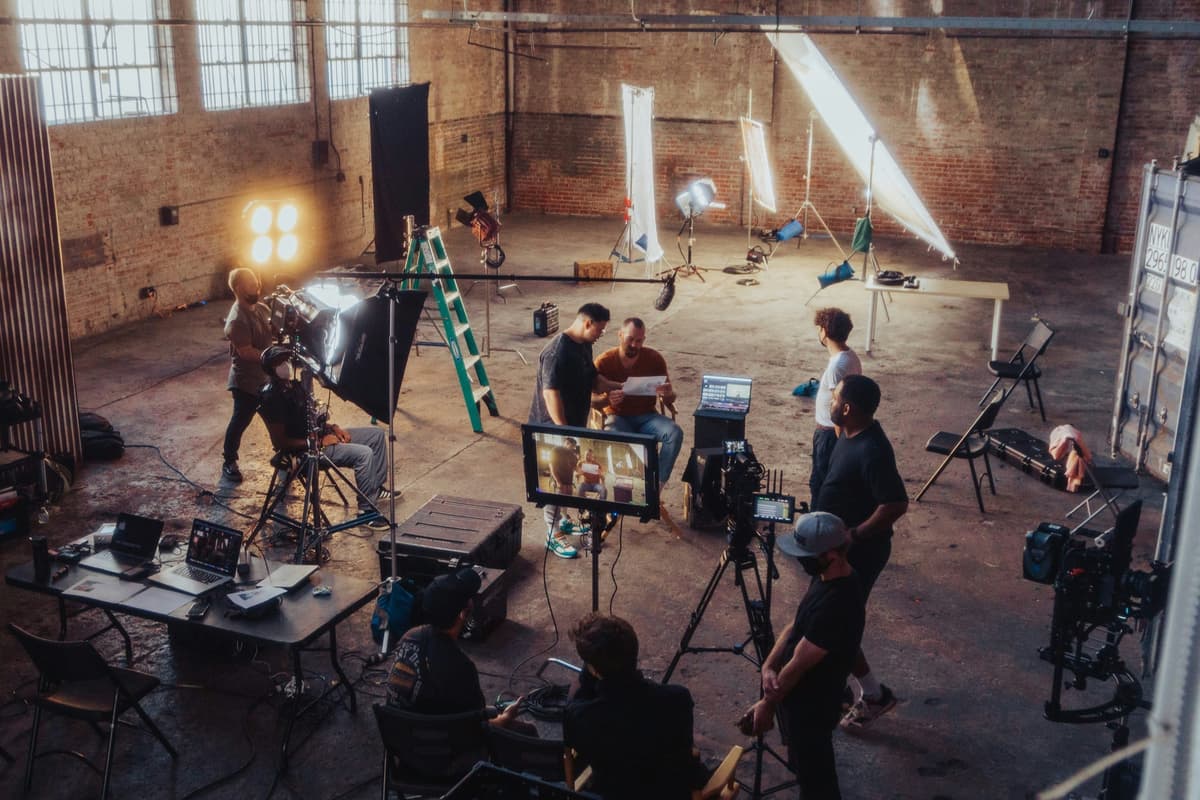
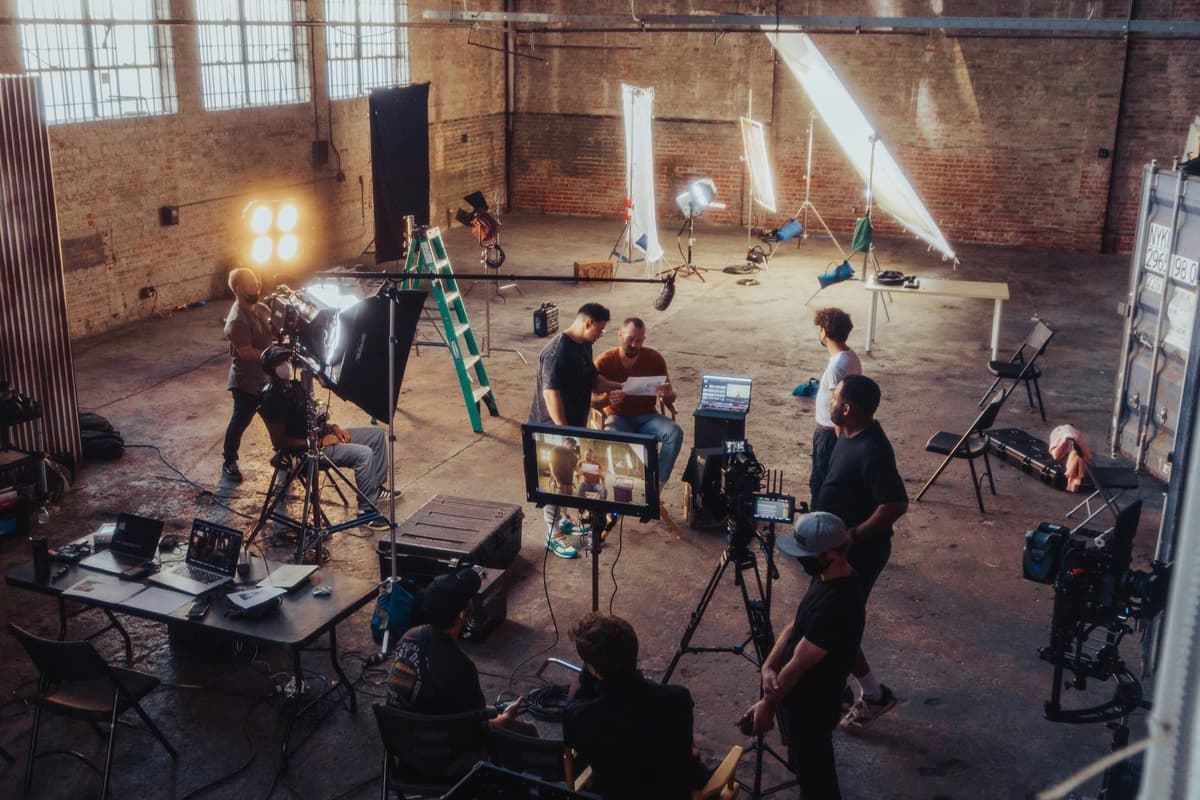
A production designer is the head of the art department on a film, television, or commercial production. They are responsible for the complete visual language of the project: every set, location, prop, color palette, and texture that appears on screen. If the director answers the question "what happens in the story," the production designer answers the question "what does the story look like."
The production designer works directly with the director and director of photography from the earliest stages of development. Together, they translate the script into a shared visual concept that guides every creative department. That concept becomes the blueprint for every building, set dressing, and location choice from the first day of prep through the final day of principal photography.
Production Designer vs. Art Director
The production designer sits above the art director in the art department hierarchy. The production designer creates the overall vision and makes the high-level creative decisions. The art director translates that vision into technical execution, managing drawings, builds, and logistics. On smaller productions, one person may fill both roles. On studio features and major television series, they are distinct positions with separate responsibilities and separate contracts.
Other key members who report to the production designer include the set decorator, prop master, costume designer (on many productions), and the construction coordinator. The production designer coordinates all of these departments to ensure visual consistency across the entire project.
When Does a Production Designer Start?
Production designers typically join a project during early pre-production, well before the crew package is assembled. They read drafts of the script, begin visual research, and meet regularly with the director to develop mood boards, reference packages, and concept drawings. This early involvement allows the production designer to flag location challenges, estimate art department costs, and influence decisions before they become expensive to change.
Producers who are building a film budget need to account for the production designer's prep period, which can range from six weeks on a smaller project to six months or more on a large studio production. Tracking art department costs accurately across that timeline is where Saturation's film budgeting software gives producers a clear advantage, keeping all department spending visible in one place.
What Makes a Strong Production Designer?
The best production designers combine visual artistry with strong management instincts. They can sketch a concept in a meeting and then turn it into a department-wide directive that a team of 30 can execute on a deadline. They are fluent in architectural drawing, color theory, period research, and construction materials, and they understand how camera lenses and lighting setups will affect the appearance of every surface they design.
Production designers have shaped some of the most iconic visual worlds in cinema. The environments in Blade Runner, The Grand Budapest Hotel, and Mad Max: Fury Road are inseparable from the storytelling. Production design is not decoration. It is narrative.
Role & Responsibilities
The production designer's role spans pre-production, production, and in some cases post-production. Responsibilities shift at each phase but the through-line remains constant: protect the visual integrity of the project and keep the art department on time and on budget.
Pre-Production Responsibilities
- Script breakdown: Read the script and identify every location, set requirement, time period, and significant prop. Flag scenes that will require builds versus practical locations.
- Visual research: Assemble reference materials including photography, paintings, architecture, and documentary footage that define the visual world of the film. Present mood boards and concept packages to the director and producers.
- Location scouting: Work alongside the location manager to evaluate potential shooting locations. Assess each location for aesthetic fit, practical shooting requirements, and the scope of dressing or modification needed.
- Art department budget: Build the art department budget and manage it throughout prep. This covers set construction, set dressing, props, paint, rentals, and labor. The production designer is accountable for every dollar in the art department budget.
- Hiring the art department: Bring on the art director, set decorator, prop master, leadman, graphic designer, and other key positions. On union productions, this means working through ADG (Art Directors Guild, IATSE Local 800) and SDSA (Set Decorators Society of America) rosters.
- Concept drawings and floor plans: Develop and approve architectural drawings, set floor plans, and scale models for any built sets. Coordinate with the construction coordinator on materials and scheduling.
Production Responsibilities
- Set supervision: Visit sets daily to ensure they match the approved designs before the camera rolls. Make real-time decisions when elements are not working or when a set needs adjustment for a new camera angle.
- Director collaboration: Attend tech scouts and shot lists meetings to understand how each set will be used. Adjust designs when the director's approach changes the framing or requires practical elements not in the original plan.
- DP coordination: Work closely with the director of photography on how lighting will interact with set surfaces, paint colors, and materials. A set designed for natural window light behaves very differently under artificial tungsten or LED rigs.
- Managing the art department team: Keep the art director, set decorator, and prop master aligned on priorities as shooting progresses. Resolve conflicts between departments over budget, schedule, and creative direction.
- Cost tracking: Monitor actual spending against the approved art department budget. Escalate overages to the line producer before they become a production problem.
Post-Production Involvement
Most production designers wrap with principal photography, but some remain involved during post when visual effects require set extensions or when reshoots bring the art department back together. On large VFX productions, the production designer may consult with the VFX supervisor throughout post to ensure that digital environments match the physical world established on set.
Collaboration with Costume Design
The production designer frequently coordinates with the costume designer to ensure that characters read correctly against their environments. A character designed in muted earth tones may disappear against a naturalistic set. A character in bright primary colors may clash with a high-contrast set palette. Resolving these interactions before principal photography begins prevents expensive reshoots later.
Skills Required
Production design requires a combination of creative, technical, and leadership skills that most other film crew roles do not demand simultaneously. A production designer who is a brilliant visual artist but a weak budget manager creates problems for the entire production. A production designer with flawless organizational skills but no visual point of view produces safe work that fails to serve the story. Both sides of the skill set matter.
Visual and Creative Skills
- Color theory: Understanding how color creates mood, defines character, and communicates subtext on screen. Production designers make deliberate choices about palette at the scene, sequence, and whole-film level.
- Period and cultural research: The ability to research and accurately represent specific historical periods, geographic regions, and cultural contexts. Research integrity prevents continuity errors and adds credibility to the world of the film.
- Conceptual drawing and sketching: Quickly generating concept drawings in meetings or on location that communicate design ideas to the director, DP, and department heads.
- Architectural drafting: Producing accurate floor plans, set elevations, and construction drawings that the art director and construction coordinator can use to build sets to specification.
- Materials and textures: Deep knowledge of how different surfaces, finishes, and materials photograph under various lighting conditions. A flat white wall and a textured plaster wall read completely differently on camera.
- Art history and design history: Broad visual literacy that allows the production designer to draw on a wide range of influences, from Renaissance painting to brutalist architecture to 1970s graphic design.
Technical and Production Skills
- Budget management: Building and maintaining the art department budget, tracking actual costs against projections, and communicating clearly with the line producer when overages occur.
- Set construction knowledge: Understanding how sets are built, what materials cost, how long builds take, and what can be practically achieved within a given budget and timeline.
- Location assessment: Evaluating locations quickly for shooting feasibility, aesthetic fit, and the scope of dressing required. Knowing when a location is more practical than a build and vice versa.
- Software proficiency: Familiarity with AutoCAD, SketchUp, Adobe Creative Suite, and visualization tools such as Vectorworks. These tools support technical drawing, concept visualization, and presentation to directors and producers.
- Scheduling literacy: Reading and working within the production schedule to coordinate art department prep, set construction, and strike with the shooting schedule.
Leadership and Collaboration Skills
- Team leadership: Managing a large art department that may include 20 to 100 or more people depending on production scale. Clear direction, fast decision-making, and the ability to build a cohesive team culture are essential.
- Director collaboration: Listening carefully to the director's vision and translating it into actionable design decisions. The best production designers know when to push back creatively and when to subordinate their instincts to serve the director's intent.
- Cross-department communication: Working effectively with the DP, costume designer, VFX supervisor, location manager, and line producer. Production design decisions affect every other department, so clear communication prevents costly conflicts.
- Problem-solving under pressure: On any production, circumstances change daily. A location falls through, a set build falls behind schedule, a scene is rewritten to require a new environment. Production designers who solve problems creatively and quickly without losing composure are the ones who get hired again.
Salary Guide
Production designer pay varies significantly based on union status, production budget, and market. Understanding current rates helps producers build accurate art department budgets and helps aspiring production designers benchmark their own negotiations.
BLS Data: Art Directors
The U.S. Bureau of Labor Statistics classifies production designers under the Art Directors category (SOC 27-1011). According to the May 2024 Occupational Employment and Wage Statistics survey:
- Median annual wage: $111,040
- Bottom 10%: approximately $61,060 per year
- Top 10%: more than $211,410 per year
These figures cover art directors across all industries including advertising, publishing, and digital media. Film and television production designers working at the studio level often earn significantly above the median, while those working primarily on independent productions may earn below it depending on frequency of work.
Union Rates: IATSE Local 800 (Art Directors Guild)
On union productions governed by the Hollywood Basic Agreement, the Art Directors Guild (IATSE Local 800) sets minimum weekly rates. The 2024-2027 wage schedule (effective August 2025) for the Los Angeles studio zone includes the following Art Department positions:
Position
Weekly Minimum (Studio)
Daily Rate
Art Department Manager
$3,120/week
$780/day
Asst. Art Director (E&C)
$2,521/week
$630/day
Asst. Art Director (Drawings)
$2,356/week
$589/day
Lead Set Designer
$2,595/week
$649/day
Set Designer
$2,201/week
$550/day
Production designers negotiate individually as department heads. Their rates are not published in the standard wage schedule. On studio features and major streaming productions, a union production designer typically earns between $5,000 and $15,000 per week, depending on the production budget and the designer's track record. High-profile productions with significant art department scope can push that figure higher.
Fringes, including pension and health contributions, add approximately 20-22% on top of the base rate for covered employees. Producers must account for this when building the art department budget.
Non-Union and Independent Production Rates
Independent and non-union productions negotiate rates directly. Market rates in 2025 by production scale:
Production Type
Production Designer Rate
Ultra-low budget (under $500K)
$500 to $1,200/week
Micro-budget feature ($500K to $2M)
$1,200 to $2,500/week
Mid-level independent ($2M to $10M)
$2,500 to $5,000/week
Larger independent or co-production
$4,000 to $8,000/week
Commercials and music videos often pay higher weekly rates than feature films of equivalent budget because the schedule is compressed. A production designer hired for a two-week commercial shoot may negotiate a rate comparable to a four-week feature film engagement.
Factors That Affect Rate
- Production budget: The single biggest driver. A $50M studio film and a $1M independent are in entirely different conversations.
- Credits and track record: Designers with awards recognition, notable festival credits, or major studio credits negotiate from a stronger position.
- Market: Los Angeles and New York command higher rates than regional markets, though major productions shooting outside those cities often import their production designer from LA or New York and pay accordingly.
- Prep length: Longer prep periods are valuable to the production designer because they provide income continuity. Some designers accept a slightly lower weekly rate in exchange for a longer guaranteed prep.
- Art department scope: A production that requires extensive set builds, complex period design, or large prop fabrication requires more from the production designer and should be compensated accordingly.
How to Budget for a Production Designer
When building your art department budget, account for the production designer's full engagement: prep weeks, shoot weeks, and any wrap or post-production consulting. On a mid-level independent feature, a production designer might be on payroll for 10 to 14 weeks when prep is included.
Add the art director, set decorator, prop master, and construction coordinator to the same budget section. Saturation's film budgeting software lets you build out every art department position with weekly rates, fringe percentages, and prep days calculated automatically, so you can see your full art department cost at a glance before production begins.
Sources: U.S. Bureau of Labor Statistics | Art Directors Guild (IATSE Local 800)
Frequently Asked Questions
Do you need a degree to be a production designer?
No degree is required to become a production designer, but most working professionals have a background in film production, architecture, theater design, or fine arts. The AFI Conservatory offers a dedicated two-year MFA in Production Design that is widely respected in the industry. Practical experience often matters more than the specific degree. Many production designers built their careers by starting as set dressers, art department assistants, or art directors and working their way up over years of on-set experience. A strong portfolio demonstrating visual research, concept drawings, and completed set work is typically more important to hiring directors and producers than the institution on your resume.
Who is higher: art director or production designer?
The production designer is the department head and outranks the art director. The production designer defines the overall visual concept for the film and makes the high-level creative decisions. The art director works under the production designer and is responsible for the practical execution of that vision: managing technical drawings, coordinating construction, and overseeing day-to-day art department operations. On smaller productions with limited budgets, one person may fill both roles. On larger studio productions and major streaming series, they are separate positions with separate Guild minimums and separate credit designations. The art director is typically also a member of IATSE Local 800 (Art Directors Guild), but reports to the production designer rather than working alongside them as peers.
How long does it take to become a production designer?
Most production designers reach the role after five to fifteen years of working in the art department. A typical path begins with entry-level art department work as a production assistant or set dresser, progresses to prop master or set decorator, then to art director, and finally to production designer as credits and experience accumulate. The timeline depends heavily on the volume of productions available in your market, the budget levels of those productions, and the mentorship opportunities you are able to access along the way. MFA programs like AFI Conservatory compress the learning curve but cannot substitute for on-set experience. Union membership through IATSE Local 800 requires a minimum of 30 days worked for signatory companies, which most designers accumulate within their first one to three years of working in the industry.
Education
There is no single required degree to become a production designer. The role draws from multiple disciplines, and working professionals have come through film school, architecture programs, theater design, graphic design, fine arts, and interior design. What matters more than the specific degree is the portfolio you build and the practical experience you accumulate on set.
Relevant Degree Programs
- Film production or cinema arts: Broad foundation covering directing, cinematography, and production. Many programs offer production design tracks or courses in art direction.
- Architecture: Builds strong drafting skills, spatial reasoning, and construction knowledge. Many working production designers have architecture backgrounds because the ability to read and produce accurate floor plans and elevations is essential on large productions.
- Theater design or scenic design: Direct training in set construction, spatial storytelling, and period research. Theater programs often develop the drawing and model-making skills that production design requires.
- Fine arts or visual arts: Develops color theory, composition, and visual literacy. Useful for conceptual work and visual research but may require supplementing with technical drawing skills.
- Interior design: Relevant grounding in spatial planning, materials, and client collaboration. Less common as an entry path but transferable when combined with film industry experience.
Notable Schools
- AFI Conservatory (American Film Institute): Offers a dedicated two-year MFA in Production Design. Fellows work on AFI thesis films alongside cinematography, directing, and producing fellows in a collaborative curriculum. One of the few programs specifically structured around the production designer's craft.
- USC School of Cinematic Arts: Production design is offered within the Production program. Strong industry connections in Los Angeles.
- NYU Tisch School of the Arts: Film and television programs with art direction opportunities. Strong access to New York-based productions and theater work.
- CalArts (California Institute of the Arts): Experimental and concept-driven. Useful for designers working in independent and art-house contexts.
- RISD (Rhode Island School of Design): Strong industrial design and fine arts foundation. Several notable production designers have RISD backgrounds.
Building Experience Without a Film Degree
Many working production designers built their careers by starting in the art department in entry-level positions. Common paths include:
- Production assistant or art department assistant on local productions
- Set dresser or on-set dresser working under an experienced set decorator
- Graphic designer handling title cards, props graphics, and signage within the art department
- Construction coordinator or scenic painter developing knowledge of physical set builds
From those entry points, a motivated designer moves up to art director and eventually to production designer, typically over a period of five to fifteen years depending on the volume of work available and the markets in which they work.
The Art Directors Guild (IATSE Local 800)
Union membership through the Art Directors Guild (IATSE Local 800) is required to work as a production designer on most major studio and streaming productions. The ADG represents approximately 3,000 members working in film, television, and theater across the United States and Canada, including production designers, art directors, set designers, illustrators, and matte artists.
To join through the standard path, you must have worked a minimum of 30 days for one or more IATSE signatory companies within 365 consecutive days and then apply to get on the Industry Experience Roster through Contract Services. The ADG also offers a Production Design Initiative, which provides mentorship and supervised on-the-job training to emerging designers looking to transition into Art Directors Guild-represented work.
Portfolio Requirements
Regardless of educational background, production designers are expected to present a portfolio that demonstrates their range and process. A strong portfolio includes concept sketches and mood boards, floor plans and technical drawings, reference research packages, photos of completed sets, and stills from the finished production. On-set photographs and production stills together show the gap between concept and execution, which is what producers and directors evaluate when hiring.
Last updated August 31, 2026
Budget this role in seconds with Saturation
Rate packs, fringes, and phases turn a crew list into an accurate production budget without the spreadsheet math.
Rate packs
Verified union rates, versioned.


Fringes and markupsRebuilt
Stack them, cap them, and see the split on every line.
PhasesRebuilt
Every column knows its type.
Auto-fill
Rates fill in as you type, from the source you turned on.