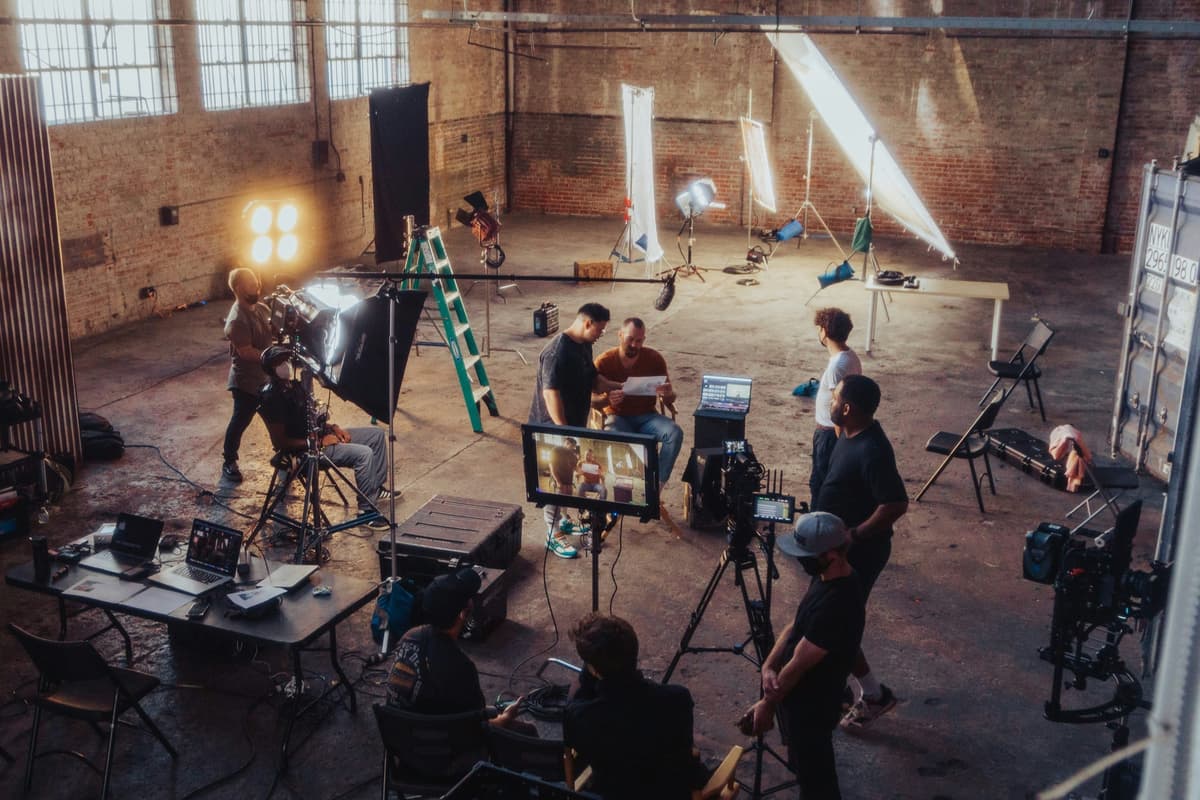
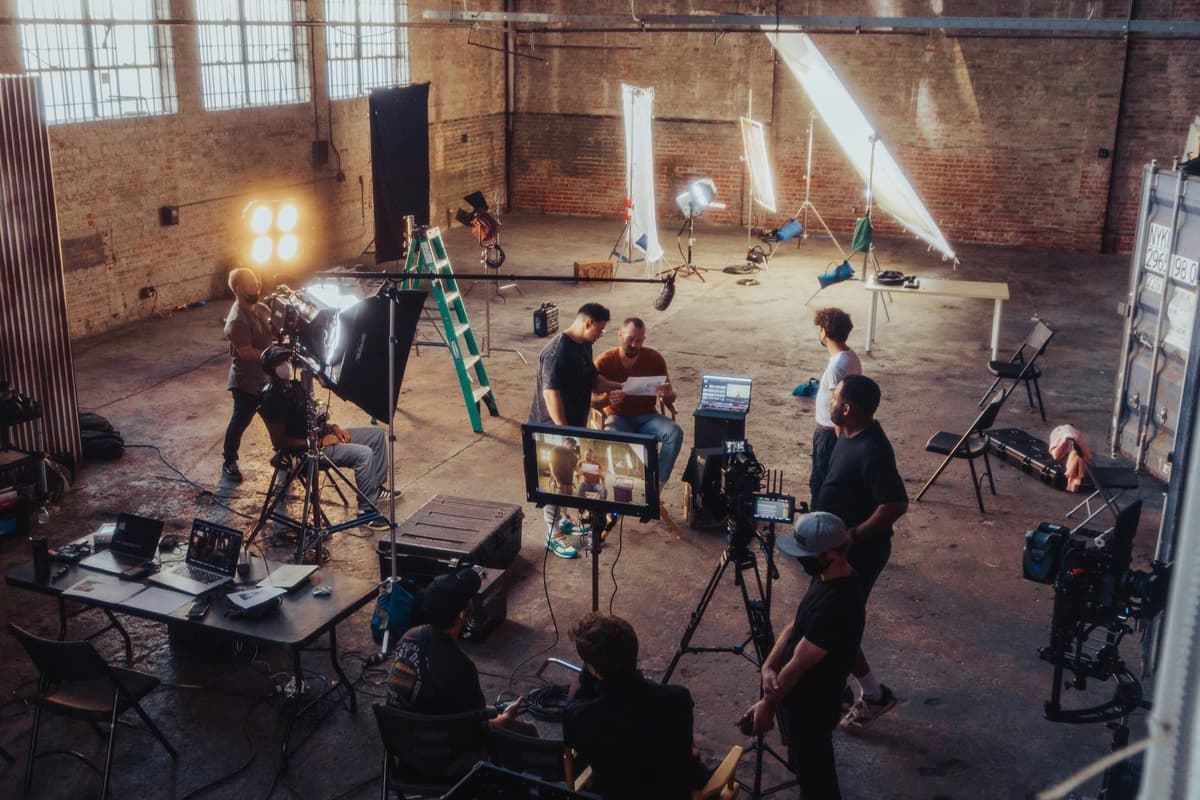
What is a Offline Editor?
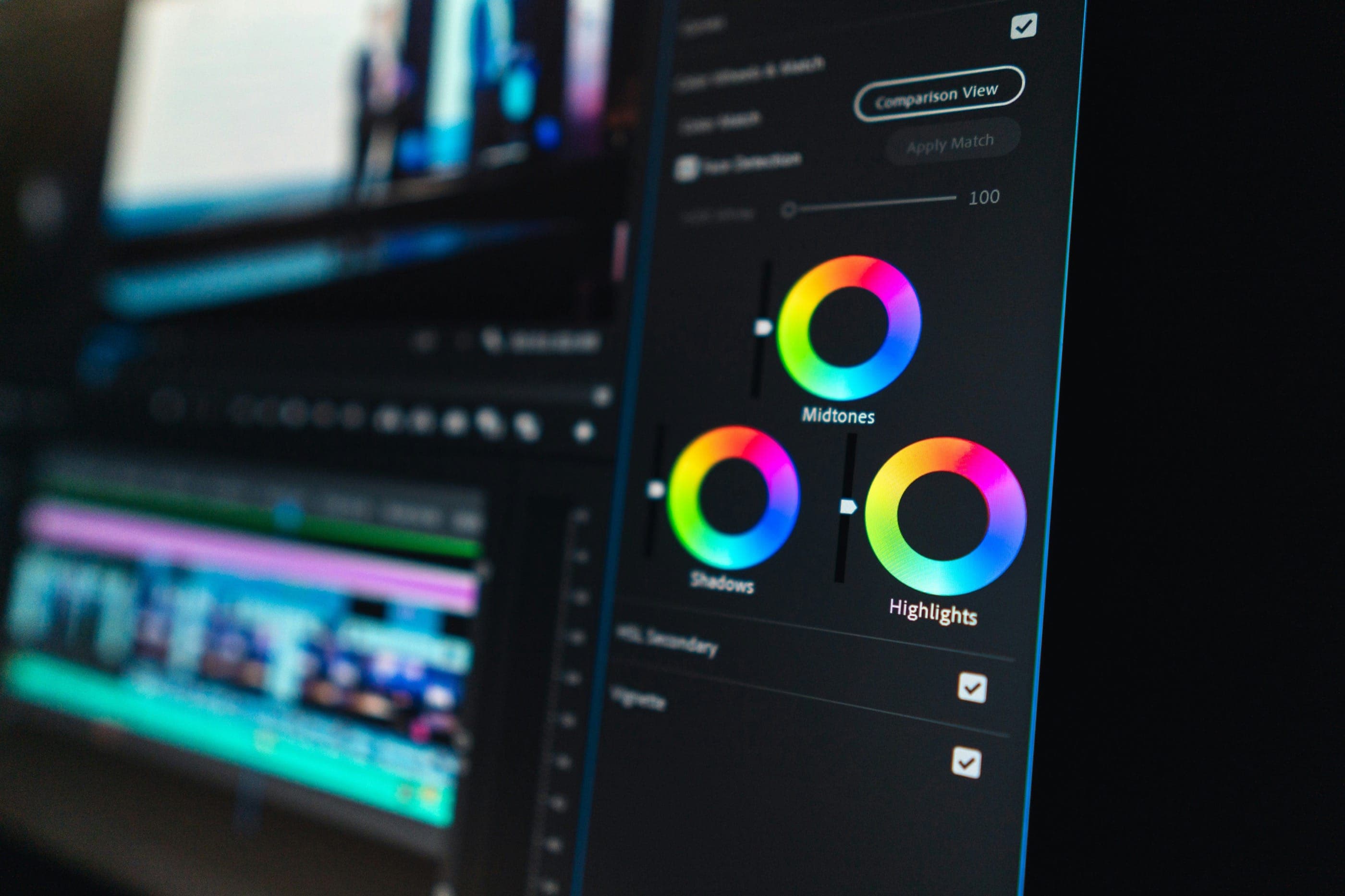
Overview
What Is an Offline Editor?
An offline editor is the creative storyteller in post-production. Working with lower-resolution proxy files rather than full-resolution camera originals, the offline editor shapes raw footage into a structured narrative—assembling scenes, building rhythmic momentum, refining performances, and locking the story before the picture ever goes to an online finishing suite. In film and television, the offline edit is where the movie is truly made. Everything from assembly cut to picture lock happens in the offline phase.
The title comes from the pre-digital era, when editing happened "offline" from the master tape—editors would work with lower-quality dubs of footage to make creative decisions, then conform the final edit to the high-quality originals in a separate "online" session. Today the distinction is still essential, even though it is now defined by resolution and workflow rather than physical tape.
Managing the finances and budgets behind post-production teams is just as important as the creative work itself. Saturation.io gives producers and coordinators the tools to track post-production costs in real time—so editorial departments can focus on storytelling, not spreadsheets.
Offline vs. Online Editing: The Core Distinction
The offline edit and the online edit serve fundamentally different purposes, and confusing them is one of the most common mistakes production newcomers make.
Offline editing is the creative phase. The offline editor works with proxy files—typically a compressed codec such as DNxHD, ProRes Proxy, or H.264—that are small enough to store on a local workstation and responsive enough to edit in real time without expensive high-performance storage. The goal is storytelling: finding the best performances, establishing pacing, building tension and release, and arriving at picture lock.
Online editing (also called finishing or conforming) is the technical phase. Once picture is locked, a conform editor or online editor relinks the timeline to the full-resolution camera originals—often 4K, 6K, RAW, or ARRIRAW files—and prepares the deliverable for color grading, audio mix, visual effects integration, and final mastering. The online editor is not recutting the story; they are executing the decisions the offline editor already made.
Why the Offline/Online Workflow Exists
The separation of offline and online editing exists for three reasons: storage cost, system performance, and creative freedom.
Modern camera formats are enormous. A single day of ARRIRAW shooting can generate two to three terabytes of data. Editing those files natively would require petabyte-scale SAN storage, workstations with extreme GPU and CPU specs, and infrastructure that most editorial rooms—especially on mid-budget productions—cannot afford or do not need for the creative phase. Proxy files solve this: a DNxHD 36 proxy of an ARRIRAW file is roughly 50 times smaller, runs on any modern laptop, and is nearly indistinguishable for purposes of cutting a scene.
Creative freedom is equally important. When the system is responsive and files are light, an editor can move quickly—try ten different versions of a scene in an afternoon, experiment with structure, and make bold choices without waiting for renders. Speed in the offline phase translates directly to better creative output.
The Offline Editor's Relationship to the Director and Showrunner
On a feature film, the offline editor is one of the director's closest collaborators. Many prominent director-editor partnerships—such as Martin Scorsese and Thelma Schoonmaker, or Quentin Tarantino and Sally Menke—span entire careers because the relationship is so intimate. The editor must understand the director's intentions deeply enough to serve them, and be confident enough to challenge them when a scene is not working.
On a television series, the offline editor's primary relationship may be with the showrunner as much as the episode director. In broadcast and streaming drama, a showrunner often has final cut on all episodes, and the offline editor must balance the creative vision of multiple episode directors with the overarching tone the showrunner maintains across a season. Reality and documentary television adds yet another layer: the offline editor may be responsible for constructing an entire narrative from footage of events that were not scripted, working with producers and story departments to find characters, arcs, and scenes that never existed on a production plan.
Role & Responsibilities
Core Duties of an Offline Editor
The offline editor's workday is defined by a progression from chaos to clarity. A shoot generates hundreds of hours of footage; the editor's job is to find the film buried inside. That process moves through several formal stages.
Assembly Cut
The assembly cut is the editor's first pass at building the film from raw footage. It is not meant to be watchable by an audience—it is a structural exercise. The editor takes every scene as scripted, uses the best-looking or most technically correct take for each setup, and lays them end to end in script order. An assembly cut of a feature film is typically two to four hours long, regardless of how long the final film will be. On a one-hour drama, the assembly of a single episode often runs ninety minutes or more.
The assembly cut gives the editor and director a comprehensive view of all the material that was shot. It reveals what is working, what is not, what scenes are redundant given what the rest of the film establishes, and where the story needs help.
Rough Cut
From the assembly, the editor moves into the rough cut. This is where real creative work begins. The editor starts selecting performances—not just the best-composed shot, but the best moment of acting. Lines of dialogue that were written may be cut entirely because the scene works better without them. Scenes may be restructured, scenes may be dropped, and intercutting may begin between storylines that were never meant to overlap.
The rough cut on a feature typically runs thirty to sixty minutes longer than the intended final runtime. On episodic television, a rough cut from the editor is often delivered to the showrunner within a few days of production wrapping on each episode, giving post-production the time it needs while the director is still finishing other episodes of the shoot.
Director's Cut
After the rough cut is delivered, the director typically takes a period—contractually guaranteed under DGA guidelines—to work with the editor and produce a director's cut. On a feature, this is generally ten weeks from the delivery of the editor's cut. On television, it is typically two days per episode.
The director's cut is not a creative free-for-all. The editor's job during this phase is to collaborate closely with the director, rapidly trying different approaches to scenes and sequences. Some editors describe this as the most intense phase of the editorial process—it requires both technical speed on the system and the interpersonal skill to give honest creative feedback to a director under pressure.
Fine Cut and Network Cut
In studio film and streaming, after the director's cut is delivered to the studio or network, the producer and studio executives weigh in, often requesting further changes. The offline editor executes these notes, producing what is sometimes called the fine cut or the producer's cut. On network television, this is the network cut—an additional pass incorporating notes from the broadcast or streaming platform.
In some cases, studio or network notes significantly restructure a film, adding or removing scenes, adjusting tone, or changing the ending. The offline editor is at the center of all of these revisions.
Picture Lock
Picture lock is the moment when all creative parties agree that the edit is final. No more changes to the cut. Once picture is locked, the audio department can begin their mix, the colorist can begin grading, and VFX vendors can begin final renders—all with the confidence that the edit they are responding to will not change. Picture lock is a formal milestone on every production schedule, often with contractual implications for delivery dates.
Achieving picture lock is rarely as clean as the term suggests. Productions often go through multiple "soft locks" where changes continue to be made despite an agreed-upon date. The offline editor's job is to manage this process diplomatically, flagging when changes will affect downstream departments and keeping post-production on schedule.
VFX Turnover
As part of the editorial workflow, the offline editor—working with the VFX supervisor and assistant editors—manages VFX turnover: the process of delivering editorial files, reference footage, and technical specifications to the visual effects house for each shot requiring visual effects work. This typically happens in multiple passes as the edit progresses, and requires close coordination between editorial and the VFX production team to ensure that VFX work is being done on shots that will actually appear in the final film at the correct length and cut points.
Working with the Assistant Editor
On any production beyond the micro-budget level, the offline editor works alongside one or more assistant editors who handle the technical infrastructure of post-production: ingesting footage, creating and managing proxies, syncing audio to picture, building string-outs and selects bins, managing the cutting room's storage and backup systems, and executing administrative tasks that free the editor to focus on creative work.
The relationship between editor and assistant editor is one of the most important in post-production. Assistant editors who understand an editor's organizational system, anticipate their needs, and can take on increasingly complex editorial tasks become indispensable. Most feature film and TV editors began their careers as assistant editors.
Screening Prep and Editorial Notes
Throughout the offline process, the editor prepares cuts for internal screenings with the director, producers, studio, and test audiences. Each screening generates a fresh set of notes that must be organized, prioritized, and executed efficiently. Managing editorial notes—tracking which notes are incorporated, which are being held for later, and which have been discussed and rejected—is an ongoing administrative responsibility alongside the creative work.
Skills Required
Technical Skills: Software Mastery
Software proficiency is not optional for an offline editor—it is foundational. The choice of platform is not just a personal preference; it is often dictated by the production and the workflow requirements of the finishing pipeline. Editors who are fluent on multiple platforms are more employable and more adaptable to the varying technical requirements of different projects.
Avid Media Composer
Avid Media Composer is the industry standard for offline editing in professional film and television, particularly in high-end dramatic features and series. The majority of primetime broadcast drama, network procedurals, and major studio features are cut on Avid. Understanding why requires understanding what Avid does differently from other platforms.
Avid's media management model—where media is transcoded into a proprietary format (MXF/OP-Atom) and stored in an Avid MediaFiles or ISIS/NEXIS shared storage environment—creates a stable, scalable infrastructure for large productions with multiple editorial rooms working simultaneously. The bin system organizes footage logically regardless of where media is physically stored, and projects can be shared across rooms through Avid's collaboration tools. For a network drama with five editorial rooms cutting in parallel, Avid's architecture is purpose-built in a way that consumer-oriented tools are not.
Learning Avid deeply means mastering bin organization and script-based workflows, understanding the transcode and proxy media pipeline, working fluently in script mode for dialogue-heavy drama, managing multicam sequences, and executing efficient VFX turnovers through the ALE/EDL export workflow.
Adobe Premiere Pro
Adobe Premiere Pro has become the dominant platform for documentary, unscripted television, music video, commercial, and independent narrative work. Its native media workflow—the ability to edit natively in virtually any camera format without transcoding—makes it faster to get into a cut, and its integration with the rest of the Adobe Creative Cloud ecosystem (After Effects, Audition, Photoshop) makes it attractive for editors who need to work across multiple disciplines.
Premiere Pro's collaborative workflow (through Premiere Pro Productions, formerly called Team Projects) has improved significantly, and high-end productions including theatrical features have been cut on Premiere Pro in recent years. For editors working in the documentary or independent space, deep Premiere Pro fluency is often more valuable than Avid knowledge.
Final Cut Pro
Apple's Final Cut Pro remains a strong option for independent and low-budget work, and its Magnetic Timeline offers a workflow that some editors find faster for initial assembly. Final Cut Pro is less common in professional television and studio film than Avid, but it has a devoted professional user base, particularly among documentary editors and those working in the Apple ecosystem.
Storytelling and Pacing
Technical software proficiency is the table stake. What separates good editors from exceptional ones is storytelling instinct. An offline editor must understand narrative structure at an almost unconscious level: where a scene begins, where it ends, which moments earn screen time and which slow the audience down. This is a skill that cannot be fully taught in a classroom—it is developed through cutting hundreds of scenes and developing an acute sensitivity to how an audience experiences time on screen.
Pacing is not simply about cutting quickly. A tense thriller and a contemplative drama require entirely different relationships to screen time. The editor must understand the genre, the director's intention, and the emotional register the scene is targeting, then find the rhythm that serves those goals. Walter Murch, the legendary editor of Apocalypse Now and The English Patient, identified six criteria for a good cut—emotion, story, rhythm, eye trace, two-dimensional plane of screen, and three-dimensional space of action—with emotion ranked as the most important by a significant margin.
Bin Organization and Metadata Management
An offline editor who cannot keep their project organized cannot cut efficiently. On a complex narrative production, a cutting room may contain tens of thousands of clips organized across hundreds of bins. The editor's organizational system—how selects are built, how scenes are labeled, how alternate versions are tracked—directly affects how quickly they can find and execute on ideas in the edit.
Metadata management has become increasingly important as productions generate more data and delivery requirements have multiplied. Editors who understand how metadata flows through the post-production pipeline—from camera report to VFX turnover to finishing—are significantly more valuable on complex productions.
Collaboration with Directors and Producers
Offline editing requires a specific kind of interpersonal intelligence. The editor must be confident enough to advocate for editorial choices, humble enough to abandon them when the director has a better idea, and skilled enough diplomatically to navigate disagreements between the director, producers, and studio without becoming a political casualty. This is more difficult than it sounds. Editing decisions are inherently subjective, creative disagreements are inevitable, and the offline editor is at the center of every creative conflict in post-production.
The best editors describe their relationship with directors as similar to a therapist's relationship with a patient: the editor must understand what the director is trying to say, sometimes better than the director can articulate it themselves, and find the version of the cut that realizes that intention most fully.
Working Under Pressure and to Schedule
Post-production schedules are unforgiving. The offline editor must deliver cuts on time regardless of the quality of the footage, the stability of the creative direction, or the volume of notes they have received. Time management, the ability to prioritize, and the discipline to keep cutting through creative uncertainty are as important as any technical or artistic skill.
Salary Guide
Offline Editor Salary Overview
Offline editor compensation varies significantly based on medium (film vs. television), budget level, union status, experience, and geography. The range across the industry runs from approximately $75,000 annually for emerging editors on lower-budget projects to $180,000 or more for experienced editors on high-budget network and streaming series or studio features.
IATSE Local 700 — The Motion Picture Editors Guild
The majority of offline editors working on professional film and television productions in the United States are members of IATSE Local 700, the Motion Picture Editors Guild. Union membership is typically required to work on productions covered by major studio, network, or streaming agreements, and the Guild's collective bargaining agreements establish minimum rates for all covered editorial positions.
IATSE Local 700 contracts cover editors working under the AMPTP (Alliance of Motion Picture and Television Producers) agreements, which include productions made for the major studios, broadcast networks, and streaming platforms including Netflix, Amazon, and Apple TV+. Rates are negotiated periodically, and the Guild publishes minimum scales for all covered classifications.
Feature Film Rates
For feature films covered by IATSE Local 700 agreements, editor minimum rates are negotiated based on the type of agreement and the budget of the film. As of the most recent AMPTP agreement:
On major studio features, experienced offline editors typically negotiate above minimum. Day rates for experienced editors on studio features range from $4,000 to $7,000 per week or higher for prominent editors with significant credits. Total compensation on a studio feature, including the prep period, production period, and post-production, can reach $200,000 to $400,000 or more for A-list editors.
On independent features and smaller productions, rates vary considerably. Low-budget independent features (budgets under $1 million) may hire editors at $1,500 to $2,500 per week, often deferring a portion of the fee against backend participation. Mid-range independent features ($1 million to $5 million) typically pay $2,500 to $4,000 per week for an experienced editor.
Television and Streaming Episodic Rates
Television is where most offline editors work most consistently. The weekly rate structure for episodic editors reflects the continuous nature of the work: on a series, an editor is typically hired for the entire season rather than project-by-project, providing more financial stability than feature work.
For one-hour dramatic series on network television or major streaming platforms (Netflix, HBO, Hulu, Disney+), experienced offline editors typically earn:
- $7,000 to $12,000 per week for experienced editors with strong credits on similar-tier shows
- $4,500 to $7,000 per week for editors moving up from lower-budget or shorter-form work
- $3,000 to $4,500 per week for editors in their first few seasons of episodic work at this level
A one-hour drama season typically runs 8 to 13 episodes, with post-production lasting four to six months or longer on premium productions. An editor paid $8,000 per week on a 20-week engagement earns $160,000 for a single season of work—not including prep and additional time if the season extends.
Half-hour comedy and limited series operate on somewhat different rate structures, but experienced editors in the same tier typically earn comparable weekly rates.
Reality and Unscripted Television
Reality and unscripted television typically pays lower rates than scripted drama, though the volume of work is high. Editors on reality series often earn $2,500 to $5,000 per week depending on the network, the format, and the editor's level of experience. Some reality editors earn significantly more on high-profile competition series or premium unscripted productions.
Annual Income Ranges
Because editing is project-based, annual income is a function of both rate and utilization (how many weeks per year an editor is working). Based on industry data and BLS occupational statistics:
- Entry-level / emerging editors: $45,000 to $75,000 annually
- Mid-career editors (5-10 years experience, regular episodic credits): $90,000 to $140,000 annually
- Experienced editors (10+ years, major network/streaming credits): $150,000 to $250,000+ annually
- Top-tier editors (major studio features, A-list showrunner relationships): $300,000 to $500,000+ annually
According to the Bureau of Labor Statistics, film and video editors earned a median annual wage of approximately $68,000 as of the most recent reporting period, though this figure encompasses all editors across all budget levels and formats, including many who work in non-entertainment contexts.
Freelance vs. Staff Positions
Nearly all offline editing work in film and television is freelance. Editors are hired per-project or per-season, and most work simultaneously across multiple production companies and studios over the course of their careers. This is different from some other post-production roles where in-house or staff positions exist at production companies or post facilities.
The freelance nature of offline editing means that income can be irregular, and editors must actively manage the gap between projects. Editors with strong industry relationships and consistent credits typically experience less downtime than editors still building their client base.
Geographic Variation
Offline editing work is concentrated in Los Angeles and New York, with additional markets in Atlanta, Chicago, and increasingly in states with significant tax incentive programs for film and television production. Editors working in major production hubs typically have access to higher-budget productions and therefore higher compensation. Remote editing has become more normalized since 2020, allowing editors to work on productions outside their immediate geography, though in-person collaboration remains the norm for the highest-budget projects.
Frequently Asked Questions
What is offline editing in film?
Offline editing is the creative stage of post-production where an editor shapes raw footage into a finished story using proxy (lower-resolution) files. It encompasses everything from the first assembly cut through picture lock—the point at which the edit is complete. Offline editing is where pacing, performance selection, scene structure, and narrative arc are determined. It is called "offline" because it originated in an era when editors worked with copies of master tapes rather than the masters themselves, to avoid degrading the originals.
What is the difference between offline and online editing?
Offline editing is the creative phase: cutting the story together using proxy files to maintain system performance and storage efficiency. Online editing (also called finishing or conforming) is the technical phase that follows picture lock: the online editor relinks the approved cut to full-resolution camera originals and prepares the project for color grading, audio mixing, and final delivery. The offline editor makes creative decisions; the online editor executes those decisions at broadcast or cinema resolution.
What software do offline editors use?
Avid Media Composer is the industry standard for professional television and studio film, particularly in high-end dramatic production. Adobe Premiere Pro is dominant in documentary, unscripted, and independent narrative work. Final Cut Pro is used primarily in independent and low-budget productions. DaVinci Resolve, best known as a color grading platform, has gained traction as an offline editing tool on certain productions, particularly those keeping color and editorial in the same ecosystem. Most professional editors are fluent in at least two platforms.
How much does an offline editor earn?
Offline editor compensation ranges from approximately $75,000 annually for editors on lower-budget projects to $180,000 or more for experienced editors on major network or streaming series. Experienced editors on high-budget one-hour drama series typically earn $7,000 to $12,000 per week. Studio feature editors negotiate individually and may earn $200,000 to $400,000 or more on a single film. Annual earnings depend heavily on utilization—how many weeks per year the editor is working—as well as experience level, credits, and budget tier.
How do you become an offline editor?
Most offline editors in professional film and television begin as assistant editors, spending three to eight years handling the technical infrastructure of post-production—syncing footage, managing storage, building bins, executing VFX turnovers—before transitioning to cutting their own material. Some editors accelerate this path through documentary, reality television, or short film work, where they accumulate more primary cutting experience earlier. Film school programs (AFI, NYU, USC, Chapman) provide training and industry networks but are not required. What is required is the ability to demonstrate strong editorial instinct and technical proficiency on a professional system, particularly Avid Media Composer or Adobe Premiere Pro.
How long does offline editing take?
The offline edit for a feature film typically takes six months to a year from the end of principal photography to picture lock, though this varies considerably with budget, the complexity of the edit, and the number of stakeholder rounds. On a one-hour dramatic television episode, the editorial schedule from end of production to a network-ready picture lock is typically eight to twelve weeks. Reality and unscripted television operates on much tighter schedules, with episodes often cut in two to four weeks. The director's cut period on a feature film is contractually guaranteed under DGA guidelines as approximately ten weeks from delivery of the editor's cut.
What is picture lock in film editing?
Picture lock is the formal moment when all creative parties—director, producers, studio, network—agree that the edit is final and no further changes will be made. Once picture is locked, downstream post-production departments (audio, color, VFX) can complete their work with confidence that the cut they are responding to will not change. In practice, productions sometimes go through a "soft lock" before achieving a true picture lock, and changes after lock—while they do occur—have significant cost and scheduling implications for every other department in post-production.
Do offline editors need to be union members?
Union membership through IATSE Local 700 (the Motion Picture Editors Guild) is typically required to work on productions covered by AMPTP agreements—which includes major studio films, network television, and productions for major streaming platforms including Netflix, Amazon, HBO Max, and Apple TV+. Non-union productions (certain independent films, smaller web productions, corporate content) do not require union membership. Most editors working regularly in professional Hollywood film and television are IATSE Local 700 members. Joining the union typically requires being hired on a covered production, which then triggers an obligation to join.
Education
Education and Training Paths for Offline Editors
There is no single road into the offline editing chair. Editors come from film school, from self-taught backgrounds, and from adjacent roles in post-production. What they share is usually years of immersive work inside an editorial workflow before they are trusted with primary creative responsibility for a feature or series.
Film School and Editing Programs
The most direct formal path to a career as an offline editor is a film production or post-production program with strong editorial training. The following programs are considered among the best in the United States for editors:
AFI Conservatory (Los Angeles) — The American Film Institute's MFA program in editing is consistently ranked among the top in the country. Students cut student thesis films under working professional editors serving as faculty, and the program's Los Angeles location places graduates inside the industry network immediately after graduation. AFI's editing program is notable for its emphasis on narrative storytelling rather than technical training alone.
NYU Tisch School of the Arts (New York) — NYU's film and television programs produce a significant number of working editors, particularly in the documentary and independent film space. The Graduate Film program includes intensive editing coursework, and students have access to the school's production community for footage to cut.
USC School of Cinematic Arts (Los Angeles) — USC's production programs emphasize a comprehensive understanding of the filmmaking process, and the school's proximity to Hollywood studios means that students often begin networking with working professionals while still in school. USC has produced an unusually high number of editors and post-production executives working at the highest levels of the industry.
Chapman University Dodge College of Film and Media Arts (Orange, California) — Chapman's program is smaller than AFI, NYU, or USC but has a strong reputation for hands-on training and a high faculty-to-student ratio. The school's post-production facilities are well-equipped, and its proximity to the Los Angeles market makes industry connectivity accessible.
Emerson College (Boston) — For editors interested in documentary, news, or non-fiction work, Emerson's film and media arts programs provide strong training with a particular emphasis on storytelling craft.
What Film School Gives You (and What It Does Not)
Film school gives aspiring editors access to footage to cut, exposure to storytelling theory, professional software training, and most importantly, a peer network that becomes professionally meaningful over a career. It does not automatically lead to industry employment—graduates must still start at the bottom and work their way up.
Film school does not replace the need to become expert in the tools of the trade. Whether a program teaches Avid Media Composer, Adobe Premiere Pro, or Final Cut Pro, students who do not achieve deep technical proficiency on their own time are at a disadvantage when entering the workforce.
Self-Taught and Non-Traditional Paths
Many working offline editors did not attend film school. The post-production industry has historically been one of the more permeable areas of filmmaking for people without formal credentials, because the work speaks for itself. Editors who can demonstrate the ability to cut a scene—to understand rhythm, pacing, and performance—can find work regardless of their educational background.
Self-taught editors typically build their skills by cutting short films, music videos, corporate content, or documentary projects—any work that generates footage to cut and clients whose feedback sharpens editorial instincts. Online platforms like YouTube, Vimeo's film communities, and industry forums have made it possible to learn software and technique from working professionals without paying tuition.
The Assistant Editor Ladder
In professional film and television, the standard path to becoming an offline editor is through the assistant editor role. An assistant editor handles the technical infrastructure of post-production—syncing rushes, building the cutting room, managing storage and backups, creating bins and organizational systems, and executing VFX turnovers—while learning the editorial process from an experienced editor.
Most feature film and dramatic television editors spent three to eight years working as assistant editors before making the transition to cutting their own material. The timeline varies enormously depending on the level of production, the editor's relationships, and opportunities that arise. Some assistant editors transition to editing via documentary work, where budgets are smaller and editors often work without a full assistant team, allowing them to accumulate more cutting experience more quickly.
Reality television has also served as an editing training ground. The volume of footage, the emphasis on story construction from raw material, and the aggressive schedules of reality TV have trained many editors who later moved into dramatic narrative work.
ACE Membership Pathway
The American Cinema Editors (ACE) is the honorary professional organization for film and television editors. Membership (indicated by the suffix "ACE" after an editor's name) is awarded based on professional achievement, peer recommendation, and a demonstrated body of work at the professional level. ACE membership is not a prerequisite for working as an editor, but it signals a level of professional standing and provides access to a network of senior editors that many members describe as invaluable for career development and mentorship.
ACE hosts an annual EditFest conference, the ACE Eddie Awards (the editing industry's equivalent of the Academy Award), and networking events that connect working editors with studio and network post-production executives.
Last updated April 25, 2026
Budget this role in seconds with Saturation
Rate packs, fringes, and phases turn a crew list into an accurate production budget without the spreadsheet math.
Rate packs
Verified union rates, versioned.


Fringes and markupsRebuilt
Stack them, cap them, and see the split on every line.
PhasesRebuilt
Every column knows its type.
Auto-fill
Rates fill in as you type, from the source you turned on.