What is a Makeup Assistant?
Overview
What Is a Makeup Assistant?
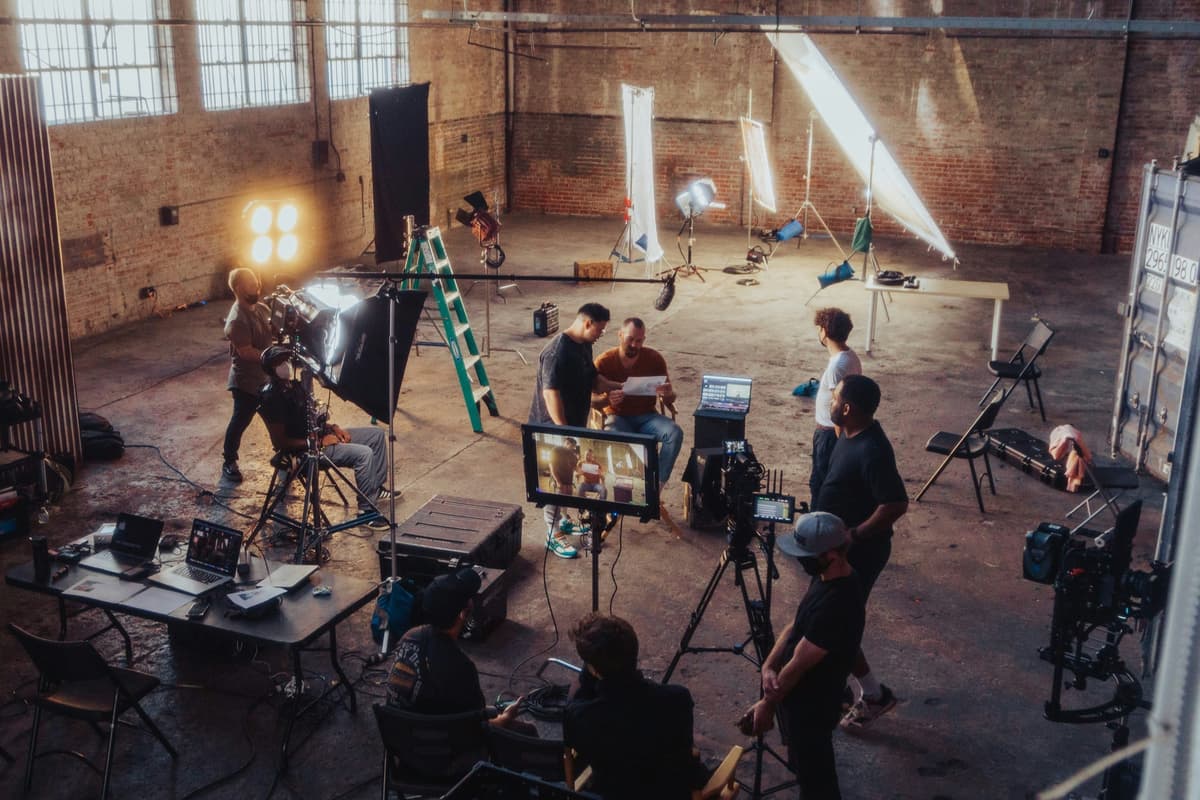
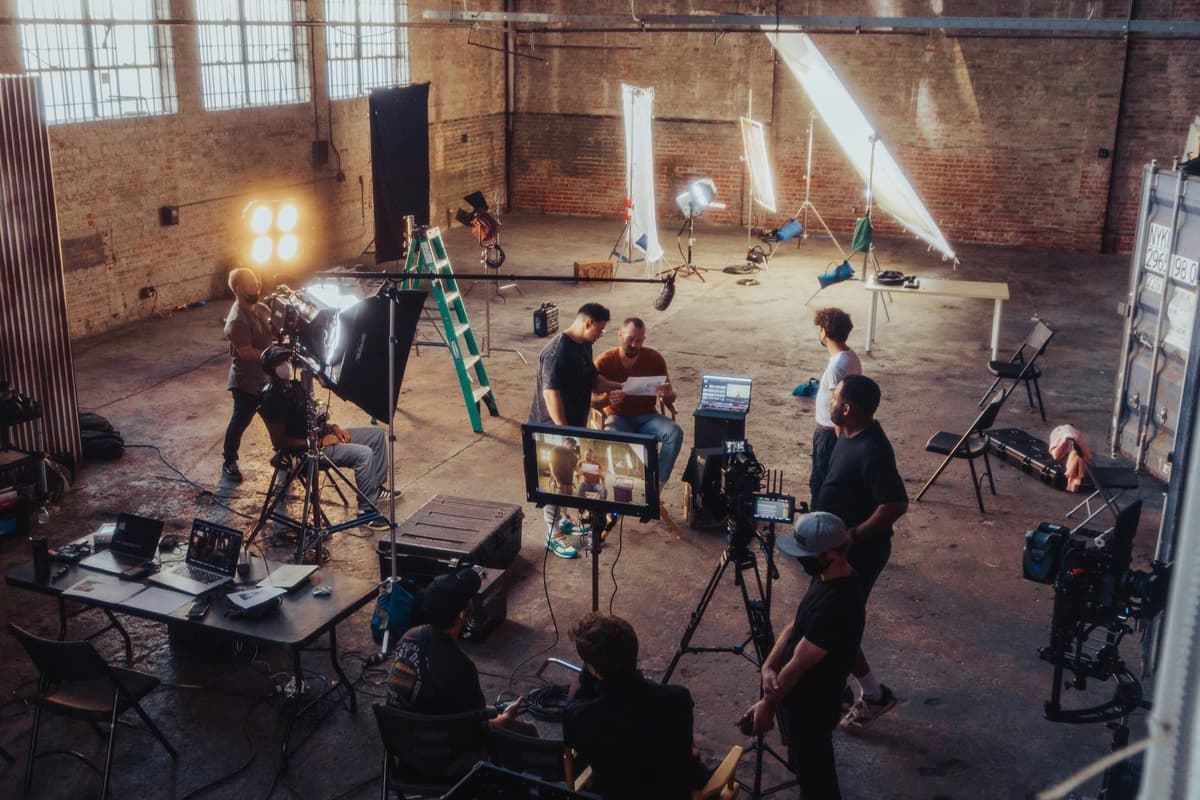
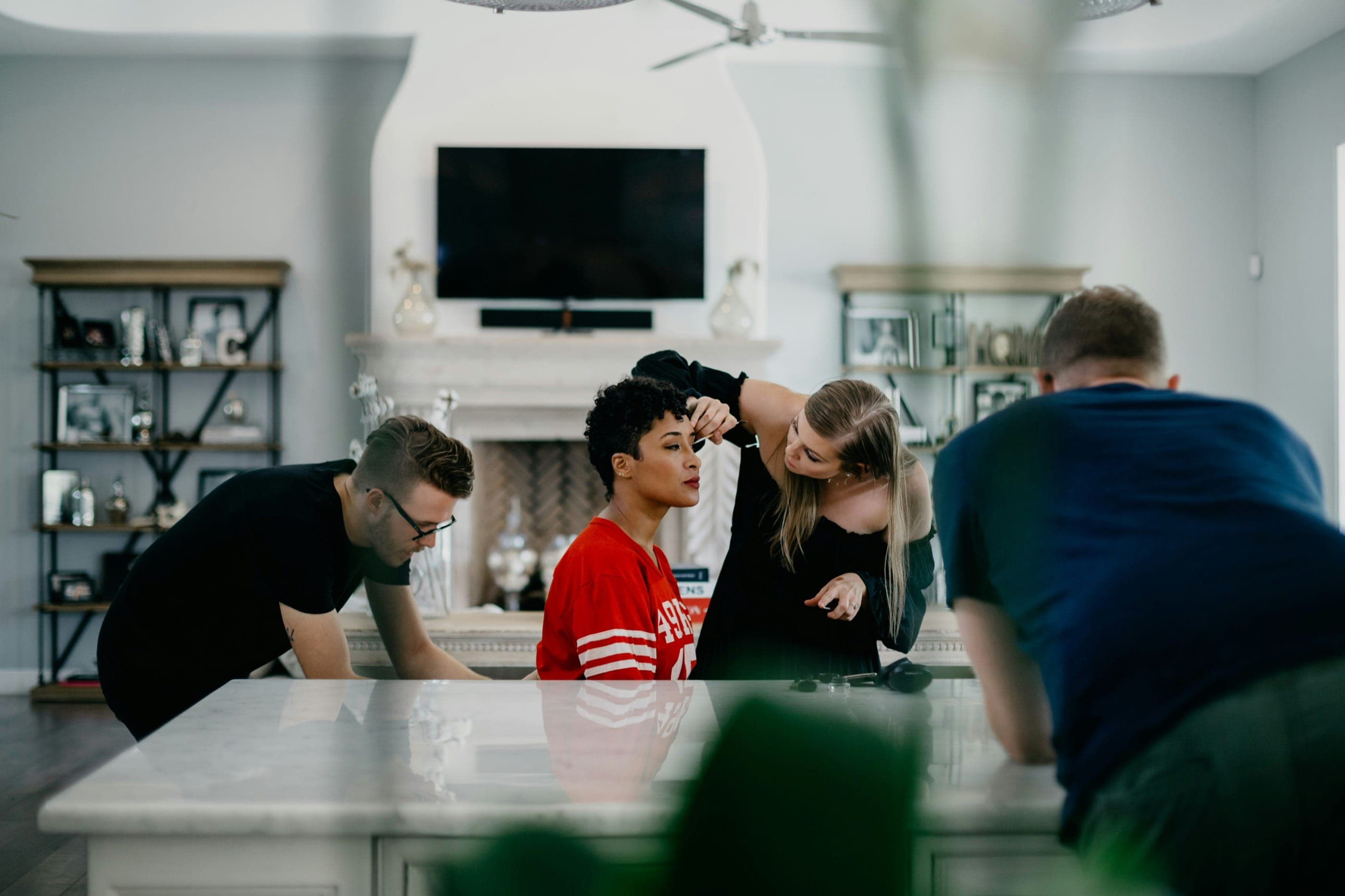
A makeup assistant is an entry-level position in the Hair & Makeup department on film, television, and commercial productions. Working directly under the key makeup artist (also called the head of department or makeup department head), the makeup assistant supports every stage of the process—from pre-production prep through final wrap.
On set, the makeup assistant is often the first crew member cast and talent encounter before the cameras roll. Their work directly affects how performers appear on screen, making precision, consistency, and speed critical skills.
The role is distinct from the key makeup artist, who designs the overall looks, selects products, and oversees continuity. The makeup assistant executes those designs, maintains them throughout the shoot day, and handles the logistical work that keeps the department running smoothly.
Where Makeup Assistants Work
Makeup assistants work across all production types:
- Feature films — long-form projects with larger crews and more complex looks
- Television series — episodic work requiring strict continuity across many shooting days
- Commercials — fast-paced, high-expectation shoots with tight schedules
- Music videos — creative projects often involving stylized or experimental looks
- Reality and unscripted TV — ongoing hair and makeup support for talent and on-camera hosts
Most makeup assistants work as freelancers, hired on a project-by-project basis. Steady work comes from building relationships with key artists, department heads, and production companies over time.
Where the Makeup Assistant Fits in the Crew
The Hair & Makeup department is typically structured as follows:
- Makeup Department Head (Key Makeup Artist) — designs and oversees all looks
- Additional Makeup Artists — handle supporting cast and background
- Makeup Assistant — supports the key artist, handles continuity, preps kit
- Makeup Trainee — the most junior position, focused on learning
On smaller productions with limited budgets, the makeup assistant may function as the sole makeup support alongside the key artist, handling a wider range of duties. On larger studio productions, the assistant works within a larger team under clear hierarchy. Production budget tracking tools like Saturation help production accountants and coordinators plan department sizes and day rates from the earliest stages of budgeting.
Role & Responsibilities
Day-to-Day Duties of a Makeup Assistant
The makeup assistant's responsibilities shift throughout the production day, from prep work in the morning to touch-ups on set and kit breakdown at wrap. Here is a detailed breakdown of what the role involves.
Pre-Production and Prep Day Duties
- Assist the key artist in prepping the makeup kit — organizing products, brushes, sponges, and disposables
- Run product pickups and supply orders as directed
- Help research and source specialty items for character looks (wigs, prosthetic pieces, specialty foundations)
- Attend makeup tests with lead cast to assist with application and note continuity references
- Log petty cash purchases and track department expenses for production accounting
- Set up and break down the makeup trailer before and after each test day
Morning Duties — Makeup Trailer
- Arrive ahead of crew call to set up workstations — typically 60 to 90 minutes before cast call
- Lay out brushes, products, and tools for the key artist's stations
- Prepare continuity photographs and reference bibles for the day's cast
- Apply makeup to supporting cast, doubles, and day players under the key artist's direction
- Assist the key artist with lead cast prep on complex character looks or prosthetics
- Maintain hygiene protocols — clean brushes between each talent, use disposable applicators
On-Set Duties
- Stand by during filming to perform touch-ups between takes
- Monitor continuity — verify that makeup matches the established look shot-to-shot and scene-to-scene
- Carry a set bag with essential touch-up items (setting spray, powder, lip products, concealer)
- Respond quickly to director or AD requests for touch-ups or corrections
- Work closely with the hair department to ensure cohesive on-screen looks
- Track any continuity changes in the script (character ages, injuries, time-of-day looks)
Prosthetics and Special Effects Support
- Assist with prosthetic application under the supervision of a prosthetics artist or the key makeup artist
- Help time complex prosthetic makeups that may require multiple hours of application
- Clean and store prosthetic pieces properly after each use
- Mix and match silicone or foam latex edges to skin tone
- Apply special effects elements including cuts, bruises, aging, and blood effects
Wrap Duties
- Remove makeup from cast — including prosthetics and special effects applications
- Clean and sanitize all brushes, sponges, and reusable tools
- Restock and organize the kit for the next shoot day
- Log products used and flag items that need reordering
- Strike the makeup trailer and secure equipment at the end of the final shoot day
Communication and Coordination
The makeup assistant serves as a key point of coordination within the department. They relay information between the key artist and production office, flag scheduling concerns (e.g., a complex prosthetic look that requires more prep time than the schedule allows), and liaise with the 1st AD on makeup ETA for cast during rushed mornings. Strong communication skills are as important as technical ability in this role.
Skills Required
Core Skills for a Film Makeup Assistant
Makeup assistants need a combination of technical, interpersonal, and on-set practical skills. Raw talent is a starting point, but production-ready execution, speed, and professionalism are what keep you employed.
Makeup Application Techniques
- Foundation and skin preparation — understanding how different skin types read on camera, including HD and 4K formats that expose every imperfection
- Contouring and highlighting for screen — techniques that look natural under studio and location lighting, not just in daylight
- Eye makeup precision — liner, shadow, and lash application that holds up across long shooting days and under harsh lighting
- Lip work — clean edges and long-wear application for coverage that lasts through multiple takes
- Airbrush application — increasingly standard on higher-budget productions for flawless, seamless skin coverage
Color Theory
Understanding how colors interact on screen is essential. What looks correct in person can appear orange, ashy, or flat under film lights. A makeup assistant must understand:
- How color temperature of lighting affects skin tone on camera
- Color correction techniques for redness, dark circles, and uneven tone
- How to match foundation and concealer shades across different areas of the face
- How saturated colors (lips, eye shadow) translate to different camera formats
Continuity Skills
Film and television are not shot in order. A scene set in the morning of a story might be filmed weeks after a scene set that same afternoon. The makeup assistant is responsible for ensuring that every look matches precisely when scenes are edited together. This requires:
- Detailed continuity photography — photographing talent from multiple angles at the start of every new look
- Meticulous note-taking — recording exact products, shades, and application methods used for each character
- Continuity bibles — organized references used throughout the production
Prosthetics and Special Effects Basics
Even assistants who do not specialize in prosthetics benefit from foundational knowledge, including:
- Prosthetic adhesive application and removal
- Edge blending — making prosthetic appliance edges invisible on camera
- Silicone-based and foam latex material handling
- Basic wound simulation and aging techniques using stipple, latex, and paints
- Blood effects — both dry and wet simulation for action and horror productions
Hygiene and Sanitation Standards
Film sets are close-contact environments. Poor sanitation can spread illness, cause skin reactions, or result in removal from set. A professional makeup assistant:
- Uses disposable applicators for all lip and eye products
- Cleans brushes between each talent using hospital-grade brush cleaner
- Avoids double-dipping into product containers
- Replaces single-use items (sponges, mascara wands) for each talent
- Maintains a clean, organized workstation at all times
Organizational and Kit Management Skills
A makeup assistant's kit is their professional toolkit. Being organized means productions run on time and nothing critical is missing when it's needed. Key organizational skills include:
- Kit organization systems — product categories, labeling, modular compartments
- Supply tracking and reorder management — knowing what's running low before it runs out
- Travel kit preparation — condensed versions for location shoots
- Budget tracking — logging petty cash purchases and expense receipts for production accounting
Soft Skills and On-Set Professionalism
- Discretion — makeup assistants work closely with talent and hear personal conversations; confidentiality is non-negotiable
- Speed under pressure — the AD will always want cast on set faster than the department is ready; working quickly without sacrificing quality is essential
- Adaptability — schedules change, looks change, and last-minute requests are the norm on any production
- Physical stamina — 12 to 16-hour days on your feet are standard on film sets
- Communication — clear, concise updates to the key artist and AD keep production moving
Salary Guide
Makeup Assistant Salary and Day Rates
Makeup assistant compensation in film and television varies based on union status, production budget, geography, and experience level. Understanding the rate structure helps both emerging makeup assistants negotiate fairly and production managers budget the Hair & Makeup department accurately.
IATSE Local 706 Union Rates
IATSE Local 706 (Makeup Artists and Hair Stylists Guild) sets minimum rates for makeup personnel working on union film and television productions. These rates are negotiated through collective bargaining agreements with the studios and are updated periodically.
Current Local 706 minimums for makeup assistants on studio productions in Los Angeles include:
- Studio zone hourly rate: approximately $46 to $56 per hour depending on job classification and contract year
- Guaranteed hours: minimum 8-hour day guarantee under most union agreements
- Overtime: time-and-a-half after 8 hours, double-time after 12 hours
- Kit rental: union makeup artists and assistants often negotiate a separate kit fee of $25 to $100+ per day for personal kit usage
Note: Local 706 rates differ between the Basic Agreement (studio productions) and the Low Budget Agreement (productions with smaller budgets). Always confirm the applicable agreement before accepting a rate.
Non-Union Day Rates by Experience Level
Non-union productions — including independent films, web series, commercials, and reality TV — negotiate rates directly. Typical non-union makeup assistant day rates in major markets:
- Entry level (0–1 year experience): $100 to $200 per 10-hour day
- Mid-level (2–4 years experience): $200 to $350 per day
- Experienced assistant (5+ years): $350 to $600 per day, sometimes more on higher-budget non-union shoots
On micro-budget and student productions, makeup assistants may work for deferred pay, portfolio credit, or reduced rates in exchange for experience and reel material.
Market Differences: Los Angeles vs. New York
Los Angeles is the primary hub for film and television makeup work in the United States. New York is the second-largest market, followed by Atlanta (which has grown significantly due to Georgia tax incentive programs), Chicago, and Vancouver (for US-produced Canadian shoots).
- Los Angeles: highest overall rates; union work most accessible; most feature film and scripted TV work
- New York: strong union market; heavy in commercials, fashion, and documentary; similar rate structure to LA
- Atlanta: growing union presence; day rates slightly below LA/NY union scale but higher than regional markets nationally
- Regional markets: non-union rates often $100 to $250 per day; union work limited to productions shooting on location
Annual Income Range
According to ZipRecruiter data, film makeup artist salaries in the United States currently range from approximately $34,000 (25th percentile) to $140,500 (75th percentile) annually, with top earners at $176,500 or more. Makeup assistants typically fall in the lower to middle portion of this range until they advance to key artist roles.
Freelance makeup assistants should budget for periods between productions, health insurance costs (Local 706 provides health benefits for qualifying members), and ongoing kit maintenance expenses that come out of pocket.
Kit Rental Fees
In addition to their base rate, many makeup assistants negotiate a kit rental fee — a daily payment for the use of their personal product kit on production. This fee typically ranges from $25 to $75 per day for an assistant-level kit and is separate from labor compensation. Always include kit rental in negotiations for any production where you are expected to supply your own products.
Frequently Asked Questions
Frequently Asked Questions
What is the role of a makeup assistant on a film set?
A makeup assistant supports the key makeup artist throughout the production. Their duties include applying makeup to supporting cast and day players, maintaining continuity between takes, performing touch-ups on set, prepping and organizing the makeup kit, assisting with prosthetic applications, and handling department logistics like supply ordering and petty cash tracking. On smaller productions, the makeup assistant may work directly with lead actors as well.
How do I become a makeup assistant for film and TV?
The most common path is: complete a formal makeup artistry or cosmetology program to build foundational skills, then begin assisting established makeup artists on student films, independent productions, or low-budget projects to gain on-set experience. Build a portfolio, make industry contacts, and work your way up to larger productions. In the US, non-union makeup assistants can access union productions through IATSE Local 706's temporary permit system, which is the standard path to full union membership.
Do makeup assistants need to join a union?
Union membership is not required to work in the industry, but it is necessary to work on studio-level film and television productions in the United States. IATSE Local 706 represents makeup artists and hair stylists in the US. Most makeup assistants start on non-union productions, accumulate work history through the permit system, and then join the union once they meet the qualifying day requirements. Union membership provides access to higher pay scales, pension and health benefits, and job protections.
What is the difference between a makeup assistant and a key makeup artist?
The key makeup artist (also called the makeup department head or head of department) designs all the looks for the production, collaborates with the director on character appearance, selects products, and oversees all makeup continuity. The makeup assistant executes those designs, supports the key artist, handles touch-ups, preps the kit, and manages day-to-day department logistics. As makeup assistants gain experience, they advance to additional makeup artist roles and eventually to key artist positions on their own projects.
How much does a makeup assistant earn on a film production?
Makeup assistant pay depends on union status, production budget, and market. On union productions in Los Angeles under IATSE Local 706, makeup assistants typically earn $46 to $56 per hour with overtime provisions. On non-union productions, day rates range from $100 to $200 per day for entry-level assistants and $200 to $600 per day for experienced assistants. Kit rental fees of $25 to $75 per day are often negotiated on top of the base rate.
What should a makeup assistant keep in their set bag?
A makeup assistant's set bag — the compact kit they carry on set for touch-ups — typically includes: setting spray and powder for shine control, concealer in a range of shades for blemish and continuity correction, lip products matching each talent's established look, blotting papers, disposable applicators and sponges, a small selection of brushes, band-aids, and any specialty items specific to the day's cast looks. The bag must be lightweight enough to carry comfortably throughout a long shoot day while containing everything needed for fast, seamless touch-ups between takes.
Education
How to Become a Makeup Assistant in Film and TV
There is no single required degree to become a makeup assistant, but structured training dramatically increases your chances of getting hired. The entertainment industry values demonstrated skill, a strong portfolio, and personal recommendations above formal credentials.
Cosmetology and Esthetics Programs
Many makeup assistants begin with a state-licensed cosmetology or esthetics program. These programs typically run 9 to 18 months and provide a strong foundation in:
- Skin care and preparation
- Color theory and application techniques
- Sanitation and hygiene standards
- Client communication and professional ethics
A cosmetology license is not always required for film and TV work, but it provides credibility and foundational knowledge. It is required in some states for on-set work under certain union agreements.
Makeup Artistry Schools and Certificates
Dedicated makeup artistry schools offer focused, film-industry-oriented training. Notable programs include:
- Cinema Makeup School (Los Angeles) — programs in character makeup, prosthetics, creature creation, and special effects
- Joe Blasco Makeup Artist Training Center — Hollywood-based, hands-on training in film and TV makeup
- Make-Up Designory (MUD) — programs in beauty, character, and media makeup
- Los Angeles Film School — includes film production programs with makeup concentration options
These programs typically range from $5,000 to $25,000 depending on program length and specialization. Some offer short-term workshops and bootcamps for candidates who already have basic skills and want to specialize.
Assisting as the Primary Training Path
In practice, the most effective route into the film and TV makeup department is assisting established artists directly. This can mean:
- Volunteering or working for free on student films and micro-budget productions
- Offering to assist established makeup artists on low-budget shoots
- Building a portfolio through testing (creative shoots with photographers and models)
- Working in commercial or fashion makeup to build technical range before transitioning to film
Most working makeup assistants in the industry started by assisting before ever receiving formal training. The combination of formal training plus hands-on assisting experience is the strongest preparation for a career in the department.
IATSE Local 706 — The Makeup Artists and Hair Stylists Guild
In the United States, union film and television productions hire makeup personnel through IATSE Local 706, the Makeup Artists and Hair Stylists Guild. Membership provides access to higher-budget productions, union-scale wages, pension and health benefits, and job security protections.
To join Local 706, candidates typically must:
- Accumulate 30 qualifying days of on-set work as a makeup artist on union productions (through a temporary work permit system)
- Pay initiation fees and ongoing dues
- Demonstrate professional competency through their work history
The permit system allows non-union makeup assistants to work on union productions before achieving full membership. This is the standard path: work on low-budget non-union projects first, accumulate experience, then transition to union work via permits, and ultimately join the guild.
In the UK, BECTU (Broadcasting, Entertainment, Communications and Theatre Union) plays a similar role, and ScreenSkills provides training pathways aligned with industry standards.
Last updated April 25, 2026
Budget this role in seconds with Saturation
Rate packs, fringes, and phases turn a crew list into an accurate production budget without the spreadsheet math.
Rate packs
Verified union rates, versioned.


Fringes and markupsRebuilt
Stack them, cap them, and see the split on every line.
PhasesRebuilt
Every column knows its type.
Auto-fill
Rates fill in as you type, from the source you turned on.