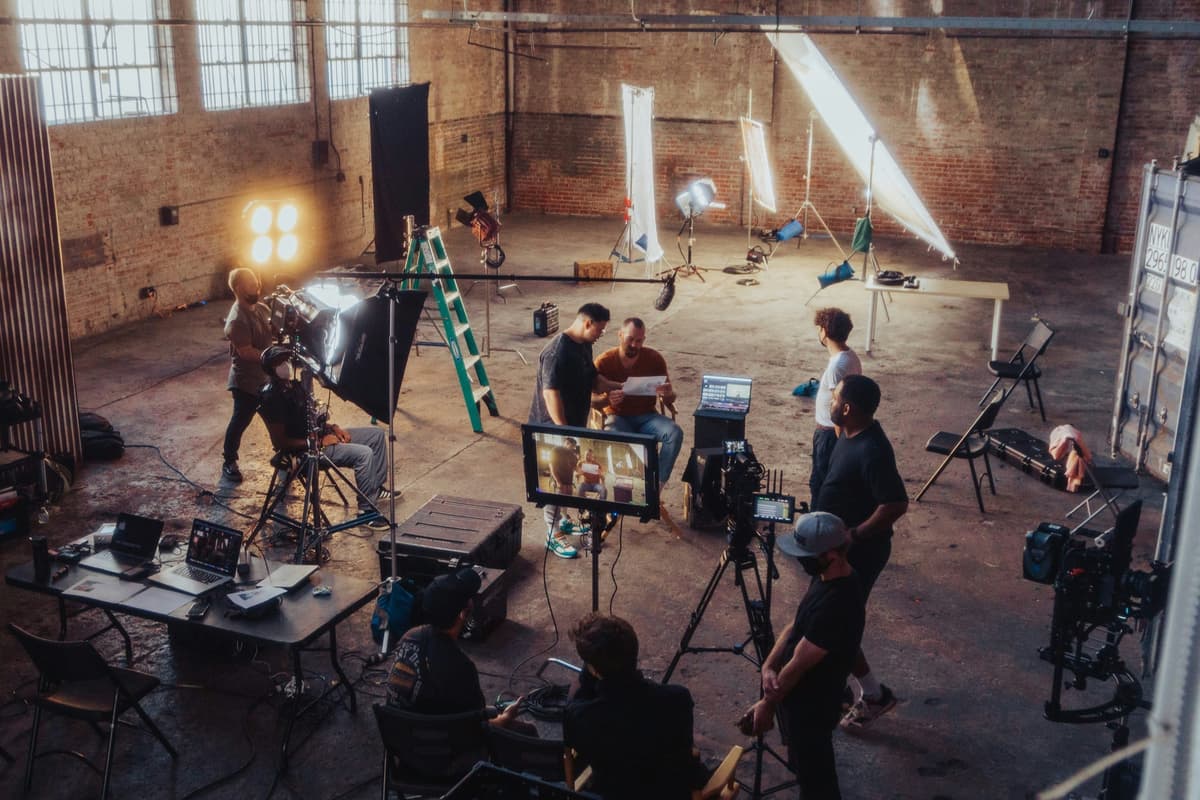
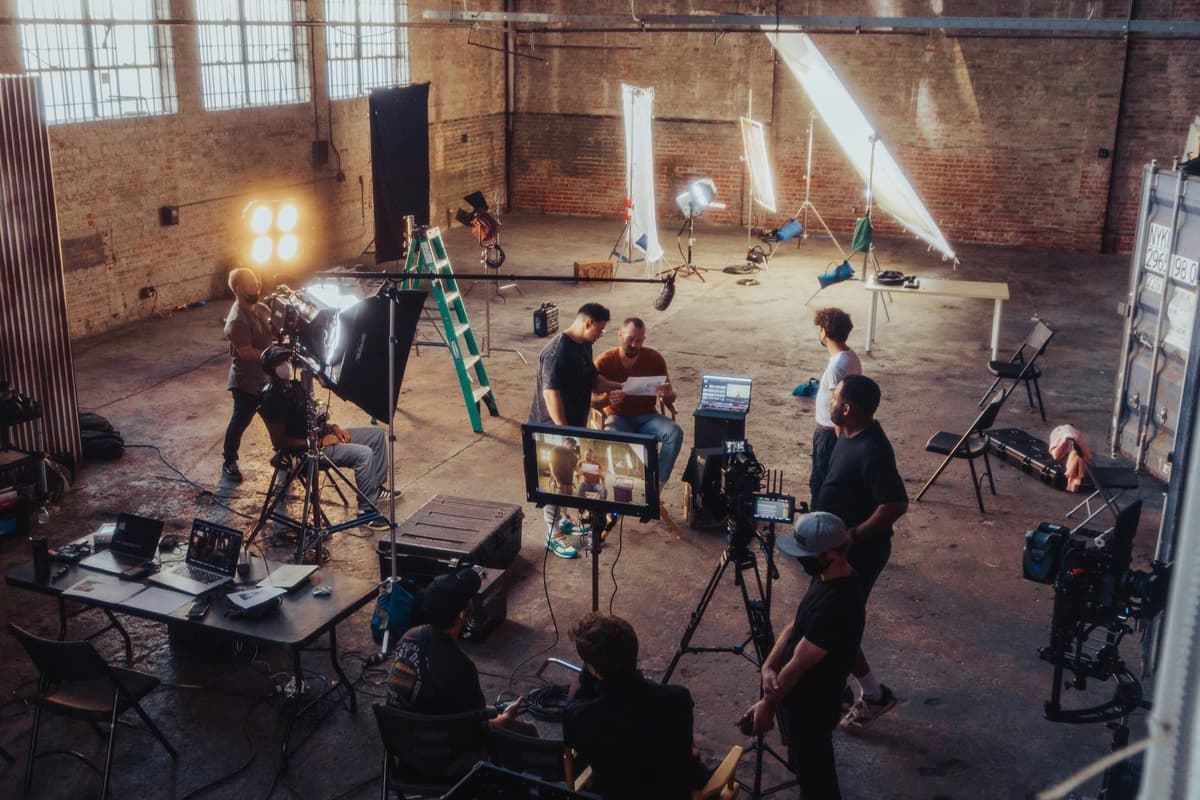
What is a Lighting?
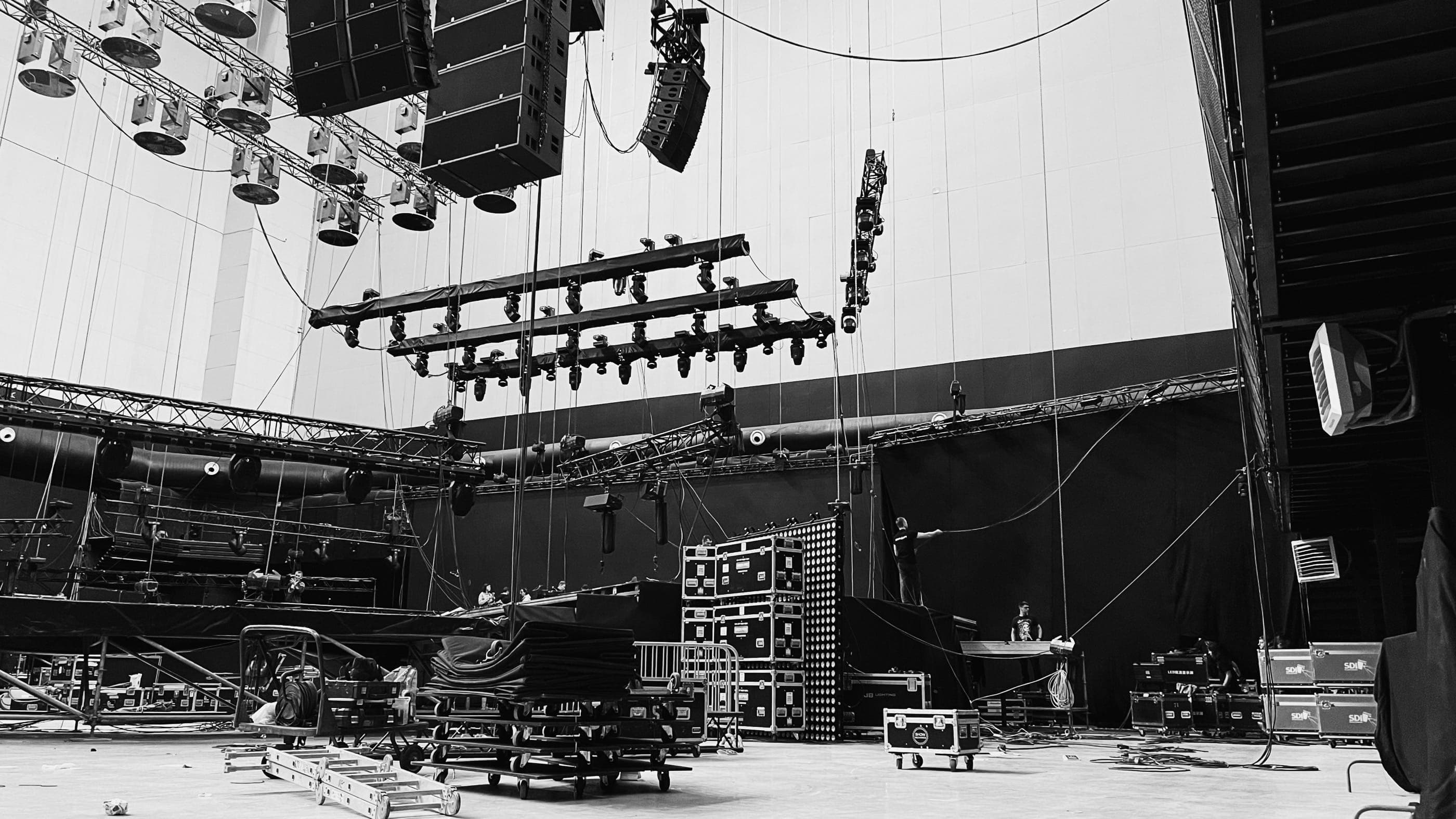
Overview
Lighting is a crucial aspect of the camera department in film production. It involves setting up and controlling the lights to create the desired mood, atmosphere, and visibility in a scene.
Role & Responsibilities
The role of a Lighting is to work closely with the director of photography and the gaffer to design and set up the lighting for each shot. They are responsible for ensuring that the lighting is consistent and matches the vision of the director and the director of photography.
Skills Required
To succeed as a Lighting, one must have a strong understanding of lighting techniques, equipment, and technology. Attention to detail, creativity, problem-solving skills, and the ability to work collaboratively with other crew members are also essential. Prior experience in lighting setups and a keen eye for aesthetics are valuable assets in this role.
Frequently Asked Questions
What does a Lighting do?
Lighting is a crucial aspect of the camera department in film production. It involves setting up and controlling the lights to create the desired mood, atmosphere, and visibility in a scene.
What are the main responsibilities of a Lighting?
The role of a Lighting is to work closely with the director of photography and the gaffer to design and set up the lighting for each shot. They are responsible for ensuring that the lighting is consistent and matches the vision of the director and the director of photography.
What skills does a Lighting need?
To succeed as a Lighting, one must have a strong understanding of lighting techniques, equipment, and technology. Attention to detail, creativity, problem-solving skills, and the ability to work collaboratively with other crew members are also essential. Prior experience in lighting setups and a keen eye for aesthetics are valuable assets in this.
What education or training do I need to become a Lighting?
A career as a Lighting typically does not require a college degree. However, having a degree in film production, cinematography, or a related field can be beneficial. Alternatively, experience in lighting for theater, photography, or other related fields can also be valuable.
Education
A career as a Lighting typically does not require a college degree. However, having a degree in film production, cinematography, or a related field can be beneficial. Alternatively, experience in lighting for theater, photography, or other related fields can also be valuable.
Last updated April 25, 2026
Budget this role in seconds with Saturation
Rate packs, fringes, and phases turn a crew list into an accurate production budget without the spreadsheet math.
Rate packs
Verified union rates, versioned.


Fringes and markupsRebuilt
Stack them, cap them, and see the split on every line.
PhasesRebuilt
Every column knows its type.
Auto-fill
Rates fill in as you type, from the source you turned on.