What is a Key Makeup Artist?
Overview
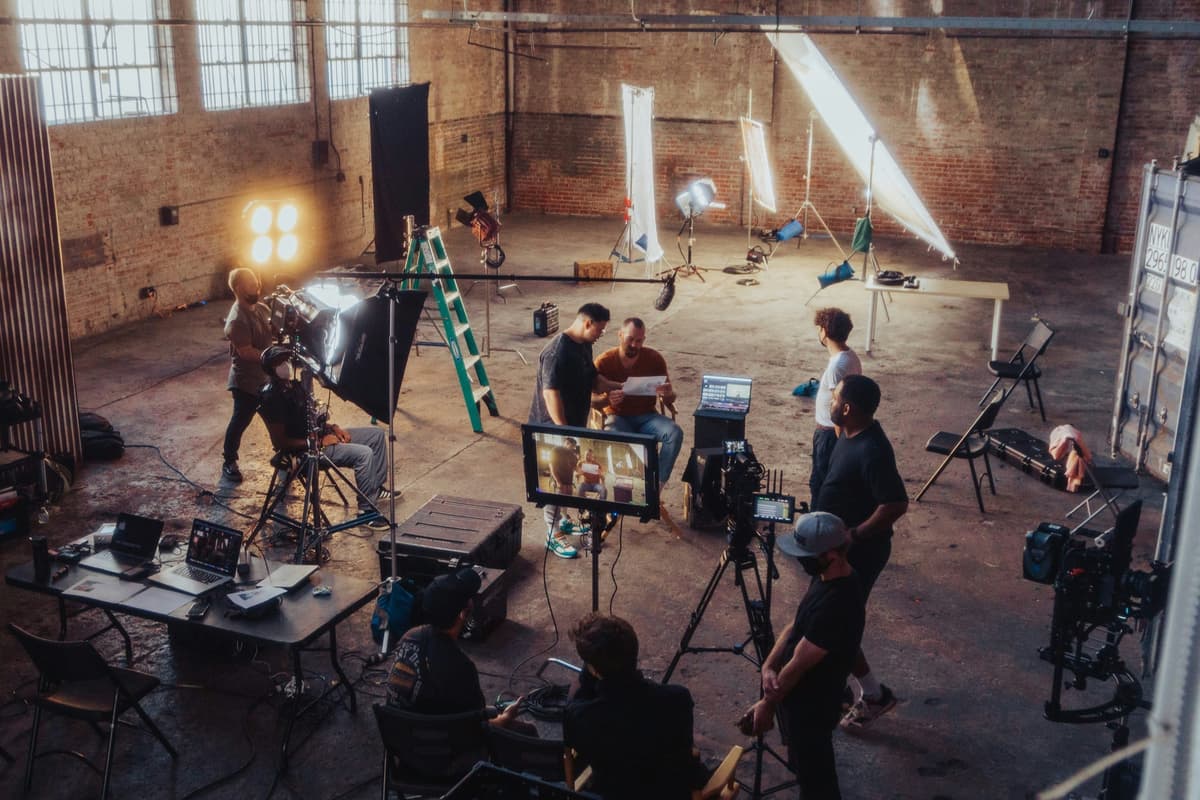
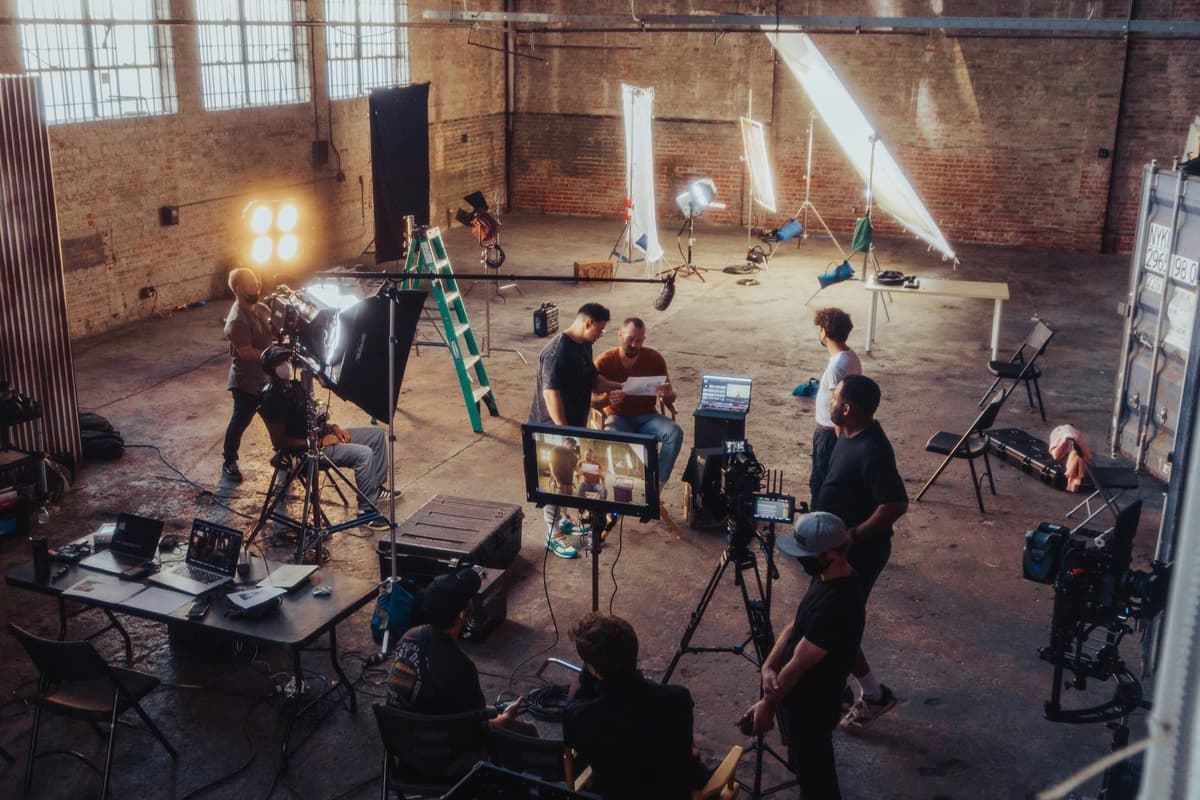
The key makeup artist is the department head of the hair and makeup department on a film, television, or commercial production. Every makeup look on every cast member flows through their creative vision and sign-off. They design character looks from scratch, lead a team of makeup artists and assistants, manage the department budget, and maintain visual consistency across every shooting day.
The key makeup artist is not simply the most skilled makeup artist on set. They are a manager, a designer, and a collaborator who translates the director's creative vision into physical appearances. On union productions, the key makeup artist reports to the director and works closely with the director of photography, costume designer, and hair department head to ensure each character's look is coherent across every department.
The distinction between a key makeup artist and a makeup artist is a matter of authority and scope. A makeup artist applies and maintains looks as directed. The key makeup artist designs those looks, hires the team that applies them, and is accountable to the director and producer for the entire department's output. On smaller productions, the key makeup artist may also be the only makeup artist on set, handling both roles simultaneously.
Managing a hair and makeup department involves coordinating budgets, scheduling, equipment, and personnel across every day of production. Productions that use Saturation's film budgeting software give department heads like the key makeup artist direct visibility into their department budget, making it easier to track spending on supplies, prosthetics, and crew without chasing down the line producer for updates. For a closer look at how makeup artists work within the broader crew structure, see the makeup artist role overview.
Role & Responsibilities
The key makeup artist's responsibilities begin weeks before principal photography and extend through final wrap. The role combines artistic design with department management throughout every phase of production.
Script Breakdown and Concept Design
The key makeup artist reads the script in detail before any other pre-production work begins. They break down every scene for makeup implications: aging requirements, injuries, period-accurate looks, character transformations, special effects needs, and continuity challenges. From this breakdown, they build a makeup concept document that outlines each principal character's look across every stage of the story. This document is reviewed with the director and approved before any design work begins.
Character Design and Look Development
Once the concept is approved, the key makeup artist develops detailed looks for each character. For straightforward productions, this involves cosmetic tests with actors in controlled lighting conditions. For productions requiring prosthetics, aging applications, or heavy character transformation, the key makeup artist works with prosthetics artists during pre-production to develop, build, and test the required pieces. These tests are photographed and catalogued so the look can be reproduced exactly on every shooting day.
Prosthetics and Special Effects Makeup Planning
When a script calls for prosthetic appliances, aging latex, wounds, burns, or other special effects makeup, the key makeup artist coordinates with specialty vendors during pre-production. They specify what is needed, review prototypes, conduct actor tests, and approve final pieces before the shoot begins. On set, they oversee or personally apply any SFX makeup that requires technical precision. This coordination often begins eight to twelve weeks before the first shooting day on effects-heavy productions.
Building and Hiring the Makeup Team
The key makeup artist hires every member of the makeup department, from the assistant makeup artist to specialty prosthetics artists. They determine how many crew members the production requires based on the schedule and number of cast, negotiate deals with the production, and assign responsibilities to each team member. On union productions, the department must be staffed with members of IATSE Local 706 or the applicable local union.
Makeup Department Budget Management
The key makeup artist submits a department budget during pre-production and is accountable for staying within it throughout the shoot. The budget covers expendable supplies (foundations, sponges, brushes, setting sprays), specialty materials (prosthetic adhesives, silicone materials, UV-activated products), kit rentals from department members, and any contracted services from external vendors. Tracking spending accurately across a long shoot requires organized systems and clear communication with the production coordinator.
On-Set Department Oversight
During principal photography, the key makeup artist manages the daily operations of the makeup department. They call times for each cast member's makeup chair, sequence the morning schedule to ensure all actors are camera-ready before their first scene, and supervise the team throughout the shooting day. When a director calls for a last-minute look change, the key makeup artist assesses whether it is achievable within the available time and communicates the answer clearly.
Lead Actor Makeup Application
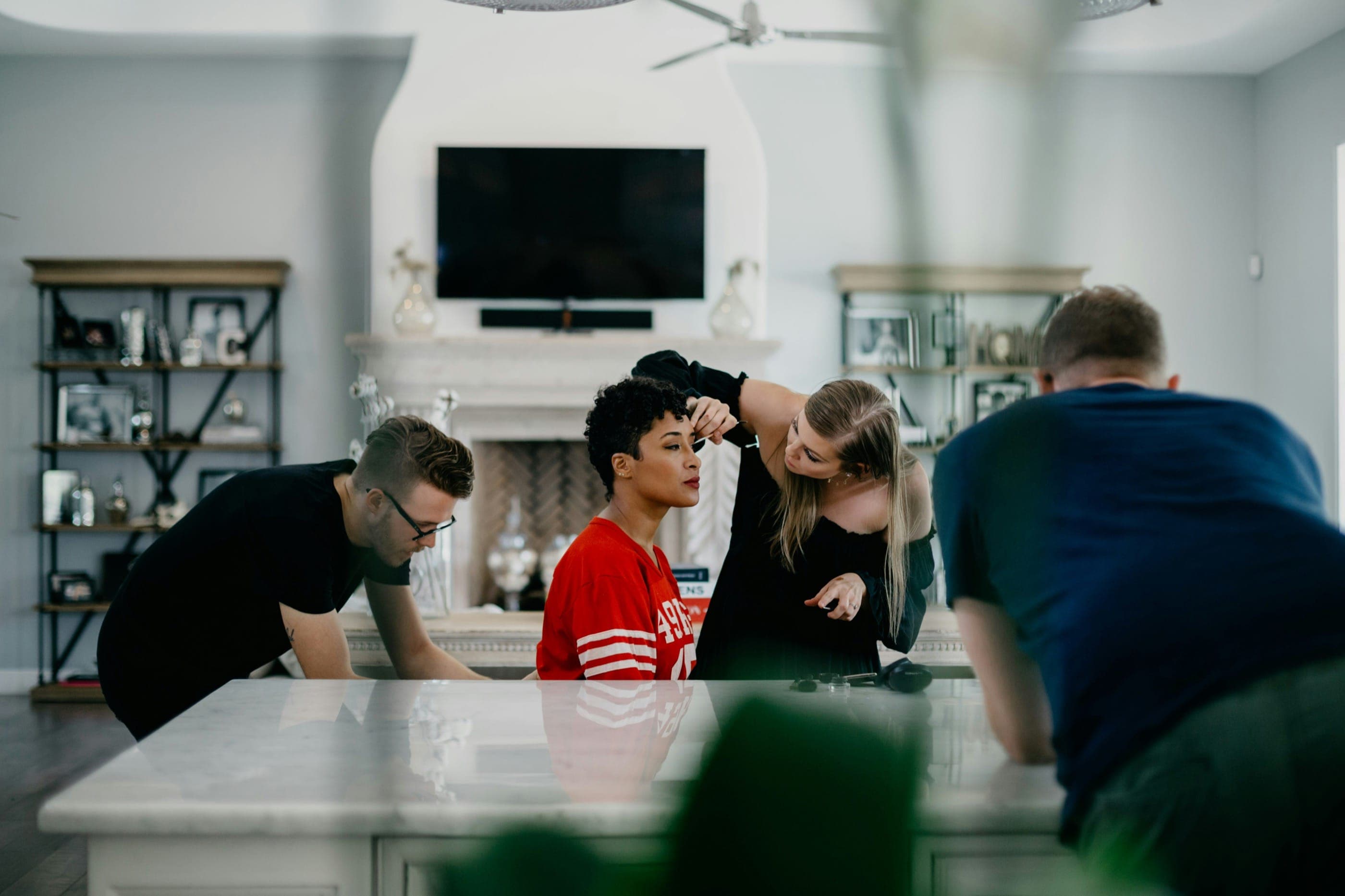
On most productions, the key makeup artist personally applies makeup to the lead actors and principal cast. This is both a creative and a relationship-driven responsibility. Actors often spend more time with the key makeup artist during a shoot than with almost any other crew member. The key makeup artist's ability to make cast members comfortable in the makeup chair directly affects the working atmosphere on set.
Continuity Management
Continuity is one of the most demanding aspects of the key makeup artist's job. Films are rarely shot in script order. A character may age ten years between shots filmed on the same day. The key makeup artist maintains detailed continuity logs with photographs of every look from every angle for every shooting day. These records ensure that when editor and director cut between scenes shot weeks apart, the makeup matches frame to frame.
Collaboration with Hair and Costume Departments
The key makeup artist works closely with the hair department head and the costume designer to ensure the three departments present a unified character look. Skin tone, color palette, texture, and period accuracy must be consistent across makeup, hair, and wardrobe. On productions with particularly complex visual identities, these three department heads hold regular coordination meetings throughout the shoot.
Wrap and Documentation
At the end of production, the key makeup artist manages equipment strike, returns rented items, accounts for all expendable spending, and prepares final budget reconciliation for the production office. They also archive look books, continuity photos, and prosthetics specifications in case a sequel, additional photography, or a reshoot requires reproducing the same looks months later.
Skills Required
The key makeup artist's skill set is broader than technical makeup application. At the department head level, the role demands management capabilities, creative leadership, and production knowledge in addition to the hands-on craft skills that form the foundation of the career.
Department Management and Leadership
The key makeup artist manages a team of artists with different specialties and experience levels. They set daily schedules, assign tasks, resolve conflicts, communicate performance expectations, and ensure the entire department functions at the standard the production requires. This management capability is what distinguishes a department head from a skilled makeup artist. Artists who cannot organize a team and communicate clearly will struggle to advance to the key role regardless of their technical talent.
Beauty and Corrective Makeup for Camera
The foundational technical skill of the key makeup artist is flawless beauty and corrective makeup application calibrated for high-definition camera and specific lighting conditions. What looks natural in person does not always translate correctly to camera. The key makeup artist understands how different camera formats, color spaces, and lighting setups affect how makeup reads on screen, and adjusts their application technique accordingly. Skin preparation, color correction, foundation matching across a wide range of skin tones, contouring, and finishing are all performed at a professional level.
Character and Period Makeup
Period productions, fantasy projects, and scripts calling for stylized character looks require the key makeup artist to design makeup that is visually accurate to a specific historical era or creative concept. This involves research into period-appropriate cosmetics, techniques for aging actors without prosthetics, and the ability to design looks that serve the story without drawing attention to themselves. The key makeup artist works with the director and cinematographer to calibrate how much character makeup reads on camera under the specific lighting conditions of each production.
Special Effects Makeup Application
Wounds, burns, bruises, aging effects applied with foam latex or silicone appliances, creature makeup, and other special effects looks require both technical skill and materials knowledge. The key makeup artist understands which products adhere safely to different skin types, how to blend prosthetic edges invisibly, and how to build layered SFX looks that photograph believably. On productions with extensive SFX requirements, the key makeup artist may collaborate with or hire specialist prosthetics artists, but they must understand the techniques well enough to supervise and troubleshoot.
Prosthetics Application and Management
Full prosthetic applications, including foam latex masks, silicone facial appliances, and bald cap work, require specific preparation, application, and removal techniques. The key makeup artist must be able to apply prosthetic pieces correctly so they move naturally with the actor's expressions, photograph without visible edges, and are removed safely at the end of the shooting day without skin damage. They must also coordinate the storage, maintenance, and replacement of prosthetic pieces across a multi-week shoot.
Continuity and Documentation Systems
Maintaining exact continuity across weeks of out-of-sequence filming requires systematic documentation skills. The key makeup artist photographs every look from multiple angles at the beginning of each shooting day, notes product names and application methods in a continuity log, and cross-references those records any time the production returns to a previously established look. Inconsistent continuity is immediately visible to audiences and is one of the most common points of criticism for productions that lack rigorous continuity management.
Budget Management and Vendor Relations
The key makeup artist builds and tracks a department budget that includes both expendable supplies and specialty materials. They negotiate with makeup supply vendors, prosthetics studios, and kit rental providers. They approve purchase orders, track expenditures against the approved budget, and flag overages before they become production-level problems. Artists who are uncomfortable with budget management often discover this as a barrier to advancement into department head roles.
Communication with Director, DP, and Other Departments
The key makeup artist communicates directly with the director about creative vision, with the director of photography about how makeup reads under specific lighting setups, with the costume designer about color palette alignment, and with the hair department head about unified character looks. Clear, confident communication with department heads from other departments and with the director is a prerequisite for the role. The key makeup artist must also communicate production realities to producers, including when a requested look is not achievable within the available time or budget.
Skin Care Knowledge and Allergy Awareness
Working with actors' skin across extended production schedules requires knowledge of skin care, sensitivity management, and allergy protocols. The key makeup artist is responsible for asking about and documenting each actor's known allergies and skin sensitivities before applying any product. They must know how to substitute products when an actor reacts to a standard formula and how to maintain actors' skin health across long shooting schedules that involve heavy daily makeup application and removal.
Salary Guide
A key makeup artist's salary reflects their status as a department head with both creative and managerial responsibilities. Compensation varies significantly based on union status, production budget, geographic market, and the type of production.
Entry-Level Key Makeup Artist (Smaller Productions)
Makeup artists who first step into a key role typically do so on student films, low-budget independent features, or small commercial productions. At this level, daily rates range from $350 to $600 per day on non-union projects. Annual income for artists working primarily at this level ranges from $35,000 to $55,000, depending on how consistently they work. Entry-level key positions are primarily about building credits and developing the department management skills required to advance to higher-budget productions.
Mid-Level Key Makeup Artist (Mid-Budget Film and Television)
Experienced key makeup artists with a track record of department head credits on mid-budget productions earn between $700 and $1,200 per day on non-union or low-budget union productions. Artists working steadily at this level can expect annual earnings in the range of $65,000 to $110,000. Television productions in this tier, particularly basic cable shows and streaming productions with moderate budgets, fall into this salary range.
Senior Key Makeup Artist (Studio Features and Premium Television)
Key makeup artists working on major studio feature films and premium television productions earn at the top of the scale. On union productions at this level, daily rates for department heads frequently exceed $1,500 to $2,500 per day, with some established key makeup artists on high-budget productions earning more. Annual income for artists consistently working at this level can reach $120,000 to $180,000 or more, particularly on productions with long shooting schedules.
IATSE Local 706 Department Head Rates
IATSE Local 706 (Make-Up Artists and Hair Stylists Guild) negotiates minimum rates for union productions. Department heads are covered under the Studio Basic Agreement and other applicable collective bargaining agreements. Under the 2023 IATSE contract, department head minimums for makeup on studio productions are approximately $65 to $80 per hour for studio work, with weekly guarantees that typically total $3,500 to $4,500 per week at minimum scale. Many established department heads negotiate rates above scale, particularly on productions where their specific expertise or relationships justify higher compensation.
Non-Union Rates and Independent Productions
On non-union productions, there is no regulated minimum rate. Key makeup artists negotiate directly with producers. Rates on independent features and non-union commercials typically run $500 to $1,000 per day for experienced department heads. Music video productions, which often have compressed budgets and shorter shooting schedules, typically pay $600 to $900 per day for a key makeup artist depending on the label budget and production scope.
Commercial and Advertising Productions
Commercials and advertising productions are often among the highest-paying work for makeup department heads on a per-day basis. National broadcast commercials produced under AICP agreements pay union-scale rates, and the compressed shooting schedules mean fewer days of work for competitive daily compensation. Key makeup artists on major brand commercials earn $1,200 to $2,000 per day or more, with prep days and fitting days often included at the same rate.
Geographic Market Variation
Los Angeles and New York are the primary markets for union film and television production, and key makeup artists in those markets earn at the highest end of the scale. Other active production markets, including Atlanta, Chicago, New Orleans, and Vancouver (for US productions shooting in Canada), offer competitive but generally lower rates. Artists in secondary markets who are willing to travel for productions can access the same rate structures as LA and New York-based artists, with productions typically providing travel and per diem on top of the day rate.
ZipRecruiter and BLS Context
According to ZipRecruiter data for February 2026, movie makeup artist salaries range from $20,500 to $139,500 annually, with the majority earning between $35,000 and $50,000 across all experience levels. The Bureau of Labor Statistics reports a median annual wage of approximately $77,000 for theatrical and performance makeup artists, though this figure encompasses a broad range of experience levels and does not separate department heads from makeup artists working under direction. Key makeup artists at the department head level consistently earn above the BLS median, particularly those working on union productions in major markets.
Kit Rental Fees
In addition to their day rate, key makeup artists typically charge a kit rental fee that compensates them for the use of their personal makeup kit on the production. Kit rental rates for a key makeup artist range from $75 to $200 per day, depending on the size of the kit and the production budget. This fee is separate from any expendables budget the production provides for consumable supplies. Over the course of a long production, kit rental income can add meaningfully to total compensation.
Frequently Asked Questions
What is the difference between a key makeup artist and a makeup artist?
The key makeup artist is the department head responsible for designing all character looks, hiring the makeup team, managing the department budget, and overseeing all makeup work on the production. A makeup artist works under the key's direction, applying and maintaining the looks the key has designed. On small productions, one person may fill both roles. On larger productions, the distinction is clear: the key is the creative and managerial lead, and the makeup artists are the team members executing the plan.
How much does a key makeup artist make?
Key makeup artists earn between $350 and $2,500 per day depending on production budget, union status, and market. Entry-level key positions on non-union independent films typically pay $350 to $600 per day. Experienced department heads on union features and premium television earn $1,500 to $2,500 per day or more. Annual earnings for full-time working key makeup artists range from approximately $55,000 to $180,000, with established department heads on major productions at the high end of that range.
What is IATSE Local 706 and how does it affect key makeup artists?
IATSE Local 706 is the Make-Up Artists and Hair Stylists Guild, the union representing makeup artists and hair stylists on film and television productions in the United States. On productions covered by a union contract, all department members including the key makeup artist must be covered under Local 706 or an applicable regional local. Local 706 negotiates minimum rates, overtime rules, turnaround time requirements, and other working conditions. Department head positions on major studio productions are almost universally union roles.
How do you become a key makeup artist?
The typical path starts with cosmetology licensing or formal makeup artist training, followed by years of on-set experience working as a makeup assistant and then a makeup artist under an established key. Most makeup artists work in supporting roles for five to ten years before earning their first consistent department head credits. The path accelerates by specializing in high-demand skills like prosthetics and SFX makeup, by working on productions that provide mentorship from experienced department heads, and by building strong relationships with directors and producers who hire crew for future projects.
What education does a key makeup artist need?
There is no formal degree required, but most working key makeup artists have completed a cosmetology program or a dedicated film and television makeup artist program, or both. Cosmetology licensing is required in most states. Many key makeup artists also pursue specialized training in prosthetics, SFX makeup, or period accuracy at schools like MUD, Cinema Makeup School, or the Joe Blasco Makeup Center. On-set experience working under established department heads is typically more important than any specific credential for reaching the key role.
Do key makeup artists need special effects skills?
Not always, but SFX and prosthetics skills significantly expand the range of productions a key makeup artist can lead. Many feature films require at least some level of special effects makeup, from basic wound creation to full prosthetic character transformations. Key makeup artists who can handle SFX work in-house are more valuable to productions than those who must bring in outside vendors for every effects requirement. Artists who develop strong prosthetics and SFX skills alongside their beauty and character makeup expertise are generally more competitive for department head positions on high-budget productions.
What does an entry-level key makeup artist do?
An entry-level key makeup artist is someone stepping into a department head role for the first time, typically on a student film, a very low-budget independent feature, or a small commercial production. At this level, the key often works alone or with one assistant, designs and applies all looks personally, manages a minimal budget, and builds the foundational credits and department management experience needed to advance. The work is demanding because there is little support structure, but it provides direct experience with every aspect of running a makeup department.
Do you need a cosmetology license to be a key makeup artist?
In most US states, yes. Cosmetology or esthetician licensing is required to work professionally applying makeup to clients in a commercial context. The specific requirements vary by state, and enforcement on film sets is inconsistent, but artists who plan to build a professional career should obtain licensing in their state of residence. On union productions, Local 706 membership requirements are separate from state licensing requirements, and both may apply. Artists working across multiple states should verify the licensing requirements in each state where they plan to work regularly.
Education
There is no single required degree to become a key makeup artist in film and television, but reaching a department head level demands a specific combination of formal training, technical specialty skills, and years of on-set experience. The path is structured and competitive.
Cosmetology Licensing
Most states require a cosmetology license or an esthetician license to work professionally applying makeup to clients. Cosmetology programs typically run 1,000 to 1,500 hours of instruction and cover skin care, color theory, sanitation protocols, and product knowledge. While a cosmetology license alone does not qualify someone to work as a key makeup artist on a film set, it establishes the foundational technical knowledge the role requires. States vary on licensing requirements, so artists should verify the rules in their state and the states where they plan to work.
Professional Makeup Artist Programs
Beyond cosmetology licensing, many working key makeup artists have completed dedicated makeup artist training programs. Schools such as the Make-Up Designory (MUD), Cinema Makeup School, the Joe Blasco Makeup Center, and the International Make-Up Association certification programs offer courses specifically focused on film and television makeup. These programs cover prosthetics application, old-age stippling, beauty makeup for camera, special effects, and working in a professional production environment. Program lengths range from a few weeks of intensive training to year-long curricula.
Special Effects and Prosthetics Training
For artists who want to advance to department head positions on high-budget films, prosthetics and SFX makeup training is effectively required. Prosthetics involve sculpting, molding, casting, and painting foam latex or silicone pieces, each of which requires specific materials knowledge and application technique. Artists pursue this training through specialty programs, apprenticeships with established SFX makeup shops, or by assisting experienced prosthetics artists on productions. Schools like the Tom Savini School of Special Make-Up Effects in Pittsburgh offer dedicated prosthetics curricula.
IATSE Local 706 Membership Requirements
On union film and television productions, all makeup department personnel must belong to IATSE Local 706 (Make-Up Artists and Hair Stylists Guild) or the applicable regional local. To become a department head on a union production, artists must hold a Local 706 permit or full membership. The path to membership typically requires working a minimum number of days on union productions as a permit employee, passing qualification standards, and meeting the Local's experience requirements. IATSE Local 706 is the primary union representing makeup artists and hair stylists in the film and television industry in the United States.
On-Set Career Progression
The most direct path to becoming a key makeup artist runs through years of on-set experience. Artists typically begin as makeup assistants or trainees, working under an established key makeup artist on productions. Over time, they progress to makeup artist positions where they apply and maintain looks under the key's direction. From there, artists may be hired as a key makeup artist on smaller productions, student films, independent features, or low-budget television, building credits and developing the department management skills the role requires before stepping into department head positions on larger shows.
Portfolio and Industry Networking
A professional portfolio documenting the range of a makeup artist's work is essential for career advancement. The portfolio should include high-quality photographs of beauty looks, character transformations, SFX applications, and period-accurate designs. Beyond the portfolio, most makeup artists find their first key positions through referrals from directors, producers, and other crew members they have worked with on previous projects. The film industry hires based on relationships and track records, and building those relationships while working as a makeup artist is the primary mechanism for reaching department head status.
Last updated April 25, 2026
Budget this role in seconds with Saturation
Rate packs, fringes, and phases turn a crew list into an accurate production budget without the spreadsheet math.
Rate packs
Verified union rates, versioned.


Fringes and markupsRebuilt
Stack them, cap them, and see the split on every line.
PhasesRebuilt
Every column knows its type.
Auto-fill
Rates fill in as you type, from the source you turned on.