What is a Key Hair Stylist?
Overview
What Is a Key Hair Stylist?
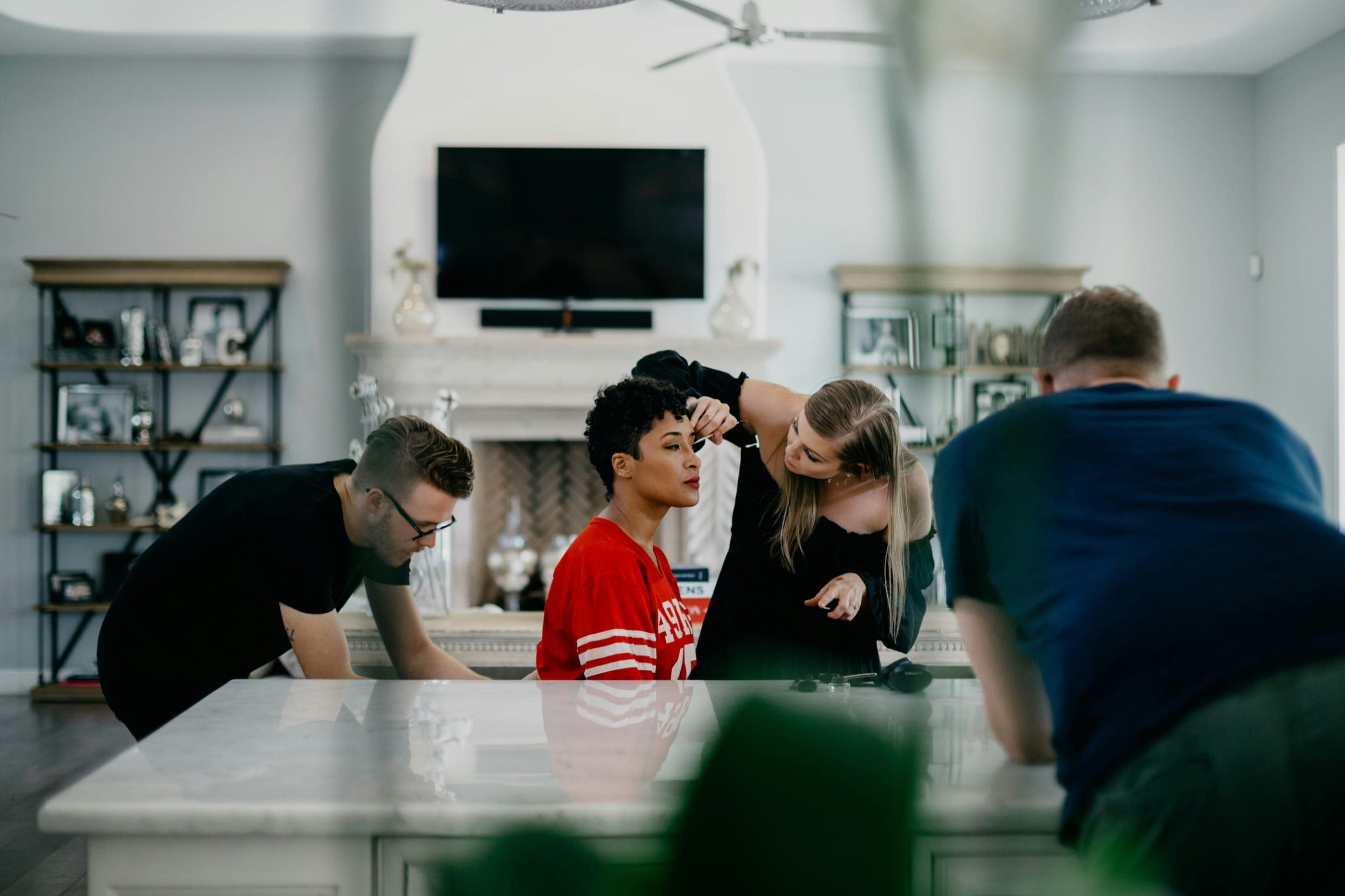
A key hair stylist — also called the head of the hair department, key hairstylist, or hair department head — is the senior hair professional responsible for every hairstyle that appears on screen. On a film or television production, the key hair stylist designs, creates, and maintains the hair looks for principal cast, day players, background performers, and stunt doubles. Every strand of hair the audience sees has been planned, approved, and executed under this person's supervision.
The "key" designation marks the top of the hair department hierarchy. Below the key sit additional hair stylists (often called "seconds"), hair assistants, and on larger productions, wig masters or specialty hair technicians. The key hair stylist hires, organizes, and leads this entire team.
Where the Key Hair Stylist Fits in the Production Hierarchy
The key hair stylist works within the broader Art and Beauty department structure of a film production. They report directly to the production designer and collaborate closely with the key makeup artist, costume designer, director, and director of photography. On studio productions the department head may also report to a hair and makeup designer who oversees both hair and makeup departments together — a role more common in the UK system.
On the set, the key hair stylist is part of the inner ring of crew members who shape how characters look on camera. The director's vision for a character's period, class, or psychological state is often communicated first through hair and costume — meaning the key hair stylist is an essential creative collaborator, not just a technical service provider.
Key Hair Stylist vs. Hair Stylist on Set
Many productions employ multiple hair stylists. The difference between the key and the other stylists on the crew comes down to creative authority, department management, and pre-production responsibility. A hair stylist on set follows the key's designs and may be assigned to specific cast or background. The key hair stylist designs the looks, approves every hairstyle, manages continuity across the entire shoot, and interfaces directly with the director and department heads. The key is also responsible for budgeting the department and sourcing specialty items such as wigs, hairpieces, and products.
Productions That Hire Key Hair Stylists
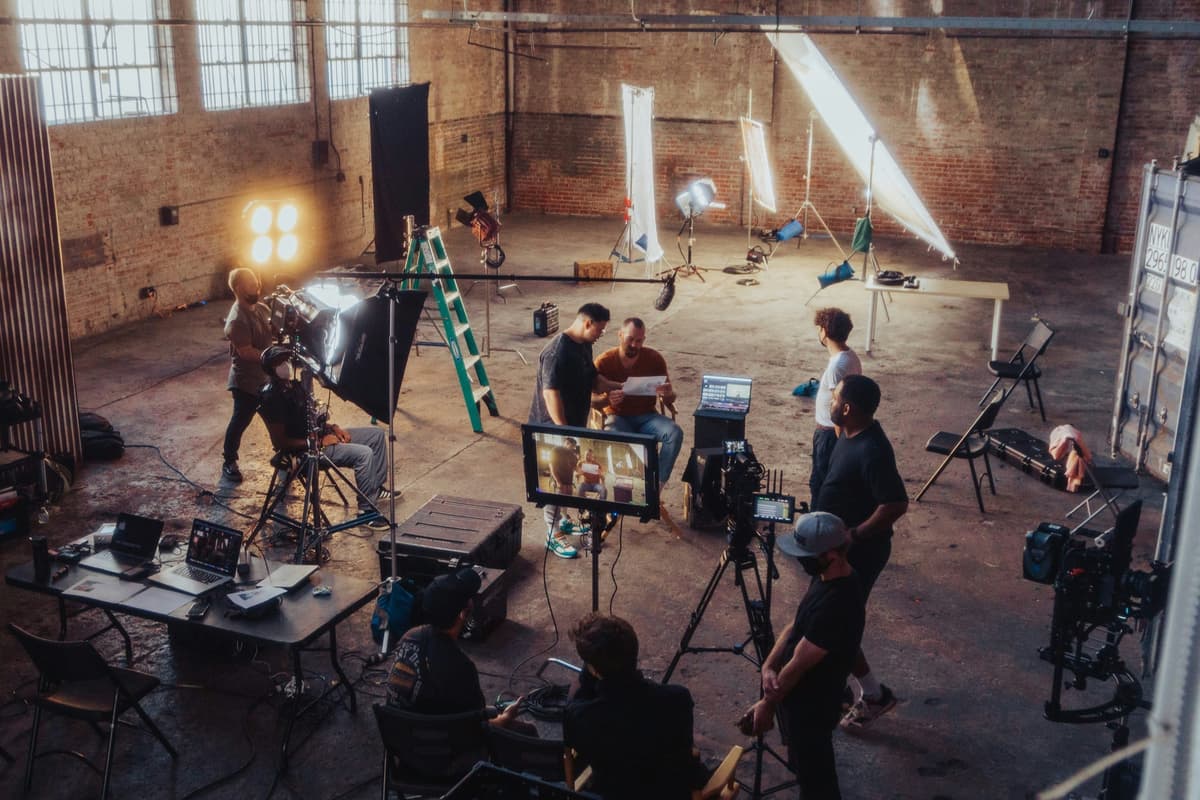
Key hair stylists work across all types of screen productions: feature films, streaming series, network television, cable dramas, commercials, music videos, and reality television. The scope and budget of the production determines the size of the hair department. A micro-budget independent feature may have a single key hair stylist who handles everything alone. A major studio film or prestige streaming series may have a hair department of eight to fifteen people, all under the direction of the key.
Managing a film production's hair department requires the same kind of financial discipline and organizational skill as any other department. Productions that use platforms like Saturation.io for production budgeting and expense tracking give their department heads — including the key hair stylist — cleaner access to department budget data, which makes sourcing wigs, products, and specialty materials much more efficient.
The Creative Stakes of the Role
Hair is a powerful storytelling tool. A character's hairstyle communicates era, social class, cultural identity, psychological state, and arc across a story. The key hair stylist reads the script with the same analytical attention a director brings to blocking or a cinematographer brings to lighting design. Getting hair wrong — an anachronistic style in a period drama, or a character whose hair doesn't change despite living through extremes — can pull viewers out of the story. Getting it right is invisible, which means the best key hair stylists are often unnoticed by audiences precisely because they've done their job perfectly.
Role & Responsibilities
Pre-Production Responsibilities
The key hair stylist's work begins long before the first day of principal photography. During pre-production, the key reads the full screenplay and breaks it down scene by scene, identifying every hair challenge: period styles that require research, character transformations that require wigs or extensions, action sequences that require safety-compliant styles, and any makeup-adjacent needs that cross into hair territory (facial hair, hair coloring, hairlines).
Based on this breakdown, the key hair stylist creates a hair design bible — a reference document that includes inspiration images, period research, color swatches, wig specifications, and approved character looks. This document becomes the continuity and creative bible for the entire department.
Character Hair Design
Working closely with the director, production designer, and key makeup artist, the key hair stylist designs specific hairstyles for each principal character. This process typically involves:
- Research sessions reviewing reference photography, period archives, and character notes from the script
- Hair tests with principal actors — often called "camera tests" — where different styles are photographed or filmed to see how they read on screen under the production's specific lighting conditions
- Collaboration with the costume designer to ensure hairstyles complement wardrobe choices at every stage of the story
- Sign-off meetings with the director and sometimes the actor or their personal representatives, particularly on major productions where star actors have approval rights over their appearance
Some actors arrive with their own established look that cannot be changed. In these cases, the key hair stylist works within those constraints while still ensuring every other character's hair serves the story.
Wig and Hairpiece Sourcing and Management
Wigs and hairpieces are essential tools in the key hair stylist's arsenal. A character undergoing a dramatic transformation, a period drama requiring historically accurate styling, or an actor who cannot cut or color their real hair for a role — all of these situations require wigs or hairpieces. The key hair stylist:
- Identifies which characters require wigs or hairpieces based on the script breakdown
- Sources wigs from rental houses, specialty manufacturers, or custom wig makers — a process that can take weeks for high-quality human hair wigs
- Supervises fitting, alteration, and ventilation (the process of tying individual hairs into a lace foundation) when custom work is required
- Maintains and cleans wigs throughout the production, a time-intensive process critical to screen quality
- Tracks all wig inventory and ensures their safe storage and transport between locations
High-end productions may employ a dedicated wig master, but on most productions this responsibility falls to the key hair stylist or is shared between key and second stylist.
Department Budget Management
The key hair stylist is responsible for managing the hair department budget. This includes estimating costs during pre-production, tracking expenditures for products, wigs, tools, and crew overtime throughout the shoot, and reconciling department spend against the approved budget at wrap. Budget overruns in any department create friction with the line producer and UPM, so experienced key hair stylists develop strong cost management instincts alongside their creative skills.
Department budget items typically include: wig rental or purchase, specialty product purchases, expendables (clips, elastics, spray products), equipment rental (salon chairs, steamer units, portable workstations), overtime hours for the hair team, and travel and accommodation costs when productions shoot on location.
On-Set Duties During Principal Photography
On shooting days, the key hair stylist works in two primary locations: the makeup trailer during morning prep and on set during filming. The prep call — the time at which hair and makeup work begins — is typically one to four hours before camera rolls, depending on the complexity of looks that day.
During filming, the key hair stylist stays on set watching monitors or standing near the camera to ensure hair continuity. This means tracking exactly how every character's hair looked at the end of each take so that reshoots, pickup shots, and scenes filmed out of sequence match seamlessly in the edit. Continuity is one of the most demanding aspects of the key hair stylist's set responsibilities because hair moves, and matching the exact degree of natural disarray from take to take requires constant attention and detailed photography records (Polaroids or digital continuity photos).
Other on-set duties include:
- Touch-ups between takes to address styling that has shifted during action
- Coordinating with stunt coordinators when hair could pose a safety risk during physical sequences
- Managing the hair team's position and responsibilities during complex multi-camera setups
- Communicating with the first assistant director about scheduling changes that affect hair prep time
- Responding to last-minute script changes or director requests that require improvised hair solutions
Collaboration With the Director and DP
The key hair stylist communicates directly with the director on creative decisions, particularly when an actor's hair appearance needs to shift to track a character's emotional or narrative arc. They also work with the director of photography to understand how the lighting setup may affect how hair reads on camera — certain lighting conditions can flatten hair texture or create unwanted shine from extensions. Understanding basic cinematography helps the key hair stylist make adjustments that serve the camera rather than fight it.
Wrap Procedures
At the end of production, the key hair stylist leads the hair department through wrap procedures: returning rental wigs and hairpieces in cleaned and restyled condition, inventorying and returning any rented equipment, reconciling all department expenditures, and completing any required SAG-AFTRA or union paperwork related to hair and makeup services. The key also maintains a wrap kit — a personal collection of the production's design documents, continuity photographs, and character bibles — which serves as a reference if reshoots or pickups are required months later.
Managing the Hair Team
Leadership is a core part of the key hair stylist's job. Managing a team of three to twelve stylists under pressure, on tight schedules, across diverse locations requires interpersonal skill, clear communication, and the ability to assign work effectively. The key must know each team member's strengths — who is fastest at wet sets, who excels at wig application, who works best with background — and allocate accordingly. On union productions, the key must also manage the team within the framework of IATSE Local 706 rules governing hours, breaks, meal penalties, and rates.
Skills Required
Technical Styling Skills
The technical foundation of the key hair stylist's craft includes proficiency across a broad spectrum of styling techniques. Unlike salon stylists who typically focus on a narrower range of services, film hair stylists must be competent in virtually every method of styling hair because productions may require any of them on short notice.
Core technical skills include:
- Wet setting: The use of rollers, rods, and clips to set hair into specific shapes while wet, then drying and finishing — the basis of many period styles from the 1920s through the 1960s
- Thermal styling: Skilled use of curling irons, flat irons, hot rollers, and pressing combs to create and maintain styles through a shooting day without damage to hair integrity
- Updos and formal styling: The ability to execute complex pinned and woven styles that are both screen-ready and durable enough to survive a full day's shooting
- Hair cutting: The ability to cut, trim, and shape hair on actors — occasionally needed for emergency situations mid-production or for characters whose style evolves
- Hair coloring: Knowledge of color theory, color mixing, and application techniques, particularly for continuity work when color must be matched across weeks or months of production
- Chemical services: Knowledge of perms, relaxers, and straightening treatments — though these are used conservatively on productions to protect actor hair
Period Hair and Historical Research
Period-accurate hair is one of the most demanding specializations in film hair. Productions set in historical eras — from ancient Rome to World War II-era America — require hairstyles that are technically accurate and visually convincing for audiences. This requires the key hair stylist to:
- Research period-specific hairstyles using archival photographs, paintings, period illustrations, and academic sources
- Understand which anachronistic compromises are acceptable for storytelling purposes (perfectly symmetrical 1940s waves may be maintained daily in a way that was impossible for period women) and which details are non-negotiable
- Execute period techniques including Marcel waving, finger waving, pin curls, chignons, Victorian knots, and Edwardian upsweep styles
- Source or construct period-appropriate hairpieces and accessories
Wig Work and Application
Proficiency in wig application and maintenance is increasingly essential for key hair stylists working on productions with significant hair transformation requirements. Core wig skills include:
- Lace front wig application: Applying adhesive or tape to secure lace-front wigs in a way that looks natural on camera and stays secure through physical action sequences or emotional performance
- Full wig application and blending: Fitting and securing full wigs with a natural hairline that reads convincingly under high-definition camera capture
- Wig cleaning and maintenance: Washing, conditioning, restyling, and re-blocking wigs throughout a production to maintain their quality — a time-intensive process often done overnight between shooting days
- Hair extension application: Adding volume or length with clip-in, tape-in, or sewn weft extensions as continuity demands
- Ventilating: The ability to tie individual hairs into lace foundations — a specialist skill used in custom wig construction
Continuity Tracking
Hair continuity is one of the most technically demanding aspects of the key hair stylist's job. Film productions shoot scenes out of sequence — a scene shot in week three of production may come before a scene shot in week one in the final edit. Every hair detail must match exactly between scenes that will be cut together, regardless of when they were shot.
Effective continuity tracking requires:
- Systematic documentation of every character's hair at the end of each take using digital photography or Polaroid — these continuity photos are the key's reference bible
- Detailed continuity notes that capture not just the overall style but specific details: which direction a curl falls, how many pins are in an updo, which strands are loose at the temples
- The ability to precisely recreate a specific level of natural disarray — hair that reads "slightly windswept from a two-minute walk" rather than "just styled in a trailer" or "walked through a hurricane"
- Communication with the script supervisor, who is also tracking continuity, to ensure hair matches the official continuity record
Color Theory
An in-depth understanding of color theory is essential for film hair. Camera sensors and film stock render color differently than the human eye does, and the lighting conditions of a production further alter how hair color reads on screen. The key hair stylist must understand:
- How different artificial lighting temperatures (tungsten vs. daylight vs. LED) affect hair color on camera
- How to adjust color to compensate for under- or overexposure in specific lighting setups
- How to match color precisely when a wig or extension must read as natural alongside an actor's real hair under high-definition capture
- The basics of color formulation for toning, covering, and enhancing as maintenance situations arise during production
Leadership and Team Management
The key hair stylist's leadership responsibilities are as important as their technical skills. Managing a hair team under production pressure — tight call times, schedule changes, demanding actors, and technically challenging scenes — requires:
- Clear delegation of responsibilities among team members based on their individual strengths
- The ability to stay calm and problem-solve under pressure when unexpected challenges arise mid-shoot
- Diplomatic communication with actors and their agents or managers around hair-related concerns
- Assertiveness in protecting department scheduling needs — prep time is not negotiable, and the key must advocate for adequate time to achieve the required looks
- Mentorship of junior stylists and assistants who are learning the film industry craft
Working in Tight Conditions
Film sets are physically demanding work environments. Key hair stylists work in cramped makeup trailers, on location in outdoor conditions (wind, humidity, extreme temperatures), in period costumes if a scene requires the hair team to be dressed appropriately, and often while balancing a kit bag, reference photographs, and styling tools simultaneously. Physical stamina, adaptability to variable working conditions, and the organizational skill to maintain an efficient mobile workstation are practical requirements of the job.
Interpersonal Skills
The key hair stylist often has more physical proximity to lead actors than almost anyone else on a production. Styling someone's hair requires personal contact and often takes place in the early morning hours of a shooting day when actors may be tired or stressed. The ability to build genuine rapport and trust with actors — creating a calm, professional space in the makeup trailer — is a non-technical skill that experienced key hair stylists consistently identify as one of the most important factors in their career success. Actors who feel comfortable with their hair team perform better and are more willing to accept challenging design choices.
Salary Guide
Key Hair Stylist Salary Overview
Compensation for key hair stylists in film and television varies widely based on experience level, market, production type, union status, and production budget. Entry-level or non-union rates differ substantially from experienced union rates on major studio productions. What follows is a comprehensive breakdown of compensation across these variables.
IATSE Local 706 Rates (Union Productions)
IATSE Local 706 (Make-Up Artists and Hair Stylists Guild) covers hair stylists working on qualifying productions in Los Angeles and on productions that have a union agreement. Union rates are negotiated through collective bargaining with the Alliance of Motion Picture and Television Producers (AMPTP). Under the current IATSE Basic Agreement:
- Hair Department Head (Key Hair Stylist): Studio scale rates typically start at approximately $65–$75 per hour for qualified department heads on major studio productions, with rates increasing with seniority and the production's budget
- Minimum guaranteed hours: Union contracts specify minimum call guarantees (typically 8 hours per day, known as a "guaranteed 8"), overtime rates beyond 8 hours, and meal penalty provisions
- Additional compensation: Kit rentals (a daily or weekly fee for the use of the key's personal styling equipment and products), box rentals, and mileage reimbursement are common additions to base rate compensation on union productions
- Health and pension: Union members who meet minimum earning thresholds in a qualifying period receive employer contributions to the IATSE Health & Welfare Fund and the IATSE Pension Fund — benefits that can represent significant additional compensation value
IATSE Local 798 covers hair stylists in New York City, with rates comparable in structure to Local 706 but reflecting New York's higher cost of living.
Salary by Experience Level
Entry-level (0–3 years, hair assistant or additional stylist): Early career hair professionals working their first productions typically earn between $20 and $35 per hour on non-union productions, or studio scale minimums as assistants on union productions. Annual earnings at this stage often range from $30,000 to $55,000, with significant variability based on how consistently work is booked.
Mid-career (3–7 years, experienced second or early key credits): Hair stylists with several years of credits and the ability to book as key on mid-budget productions typically earn $45–$65 per hour. Annual earnings in the $60,000–$90,000 range are achievable for consistently working stylists in major production markets. Kit rental fees, which a key typically charges, add $75–$200 per day to total compensation.
Experienced key hair stylists (7+ years, established department head credits): Established key hair stylists with feature film and major television credits command rates of $65–$120+ per hour on union productions. Kit rentals, prep weeks, and additional days for complex productions (wig fittings, hair tests, pickups) can push total project earnings substantially higher. Annual earnings of $100,000–$175,000 are attainable for those who work consistently at this level.
High-end studio productions: Key hair stylists on major studio features, prestige streaming dramas, or long-running hit television series can earn $150,000–$200,000+ annually in total compensation including benefits, kit rentals, and overtime. Lead actors' personal key hair stylists who travel with them across productions negotiate their rates individually and can earn at the higher end of the range.
Salary by Market
Los Angeles: The primary US production market. The highest concentration of union productions, the widest range of budget levels, and the most competitive booking environment. Experienced keys earn in the top of the national range.
New York: The second-largest US market. Strong across film, advertising, fashion, and television. Rates are comparable to Los Angeles. Local 798 sets the union floor. New York productions often run shorter shooting schedules which can compress annual earnings for stylists who don't consistently bridge from one project to the next.
Atlanta: Georgia's significant film incentive program has made Atlanta a major production center. Rates for non-union work are lower than LA or NY, but the volume of productions has increased substantially. Many LA-based keys travel to Atlanta for major productions, while a local Atlanta-based film hair industry has grown substantially over the past decade. Local market day rates for non-union work in Atlanta often run $350–$600 per day for key positions on mid-budget productions.
Other markets: Chicago, Albuquerque, New Orleans, and Vancouver (a major US-adjacent production hub) all have active production communities. Rates reflect local cost-of-living and the specific union coverage applicable to each market.
Salary by Production Type
Feature films: Longer prep periods, complex character designs, and wig work on features typically command higher total project fees. A major studio feature shooting 60 days may employ the key hair stylist for 80–100 total days including pre-production and reshoots.
Television drama (streaming and cable): Episodic television offers the most consistent employment. A key hair stylist on a 10-episode streaming series may work 100+ days across the season, with the predictability of recurring characters and established looks reducing some of the pre-production intensity.
Network television: Multi-camera sitcoms and daytime series tend to run year-round, offering some of the most stable employment in the industry. Rates may be modestly lower than single-camera drama, but the consistency of work compensates for many working stylists.
Commercials and music videos: High-budget advertising campaigns can pay premium daily rates — $700–$1,500+ per day for experienced keys — but work is project-by-project and highly competitive. Music videos pay variable rates, with major label productions paying better than independent artist projects.
Non-union independent film: Day rates for key positions on non-union independent features typically run $200–$500 per day. Deferred payment arrangements (payment contingent on the film being acquired) are common but not always realized. These productions are valuable for building credits and experience early in a career, but rarely provide a primary income.
Kit Rental as Additional Compensation
A significant and often underappreciated component of a key hair stylist's total compensation is the kit rental — a daily or weekly fee charged for the use of the stylist's personal kit of products, tools, and specialty items. A well-stocked professional hair kit for film can represent an investment of $5,000–$20,000+ in products, wigs, specialty tools, and expendables. Kit rentals compensate the stylist for this investment and for the replenishment costs incurred during production. Typical kit rental rates range from $75–$200 per day for a key hair stylist, representing an additional $10,000–$25,000 in annual income for a consistently working department head.
BLS Data for Context
The Bureau of Labor Statistics tracks compensation for hairdressers and cosmetologists as a broad occupational category. According to BLS data, the median annual wage for hairdressers, hairstylists, and cosmetologists across all employment settings was approximately $37,700 nationally. Film and television hair stylists, particularly those working at the key level, earn substantially above this median due to the specialized nature of their work, union wage floors, and kit rental compensation.
Frequently Asked Questions
What does a key hair stylist do on a film set?
A key hair stylist is the head of the hair department on a film or television production. Their responsibilities span the entire production: reading the script and designing character hairstyles in pre-production, collaborating with the director and production designer on the visual concept, sourcing wigs and specialty hairpieces, conducting hair tests with actors, managing a team of additional stylists, performing on-set touch-ups during filming, and tracking hair continuity across every scene. The key is the creative and operational leader of everything related to hair that appears on screen.
How much does a key hair stylist make in film and TV?
Compensation varies significantly by experience and market. Entry-level or non-union hair stylists earn $20–$35 per hour. Mid-career stylists booking key positions on mid-budget productions earn $45–$65 per hour, with annual totals of $60,000–$90,000 for consistently working professionals. Experienced keys on major studio or streaming productions earn $65–$120+ per hour, with annual totals of $100,000–$200,000+ when kit rentals, overtime, and benefits are included. IATSE Local 706 sets minimum rates for union productions in Los Angeles.
What is the difference between a key hair stylist and a hair stylist on set?
The key hair stylist is the department head. They design all character hair looks, manage the department budget, hire and lead the hair team, and are responsible for all creative and operational decisions. Additional hair stylists on set work under the key's direction, executing designs for specific cast members or background performers. The key interfaces directly with the director, production designer, and costume designer; other stylists typically receive their assignments through the key.
How do you become a key hair stylist in film?
The typical pathway begins with cosmetology school and state licensure, followed by breaking into film through student films, independent productions, and assisting work. Building credits as a second or additional stylist under experienced keys provides the on-set knowledge needed to eventually lead a department. In Los Angeles, joining IATSE Local 706 — typically through accumulating qualifying days on union productions — is the pathway to major studio work. Most key hair stylists spend five to ten years building credits before their first key credit on a significant production.
Is a key hair stylist a union job?
On major studio film and television productions, yes. IATSE Local 706 covers hair stylists in Los Angeles, and IATSE Local 798 covers New York City productions. Union membership provides negotiated minimum rates, health and pension benefits, and protections around hours and working conditions. Non-union productions — including independent films, many commercial productions, and lower-budget streaming content — employ hair stylists outside the union framework. Many stylists work a mix of union and non-union productions throughout their careers, particularly early in building their credits.
What is IATSE Local 706 and how do you join?
IATSE Local 706 is the International Alliance of Theatrical Stage Employees local that represents make-up artists and hair stylists in the Los Angeles area motion picture and television industry. Joining typically requires a valid California cosmetology license and accumulating qualifying days of work on productions that have a Local 706 agreement (or its equivalent). Once qualifying days are met, applicants can apply for membership by paying an initiation fee and beginning to pay monthly dues. Full members access the guild's health, welfare, and pension benefits.
What wig skills does a key hair stylist need?
Wig proficiency is increasingly essential. Key hair stylists need to be skilled in lace front wig application and blending, full wig fitting and securing, wig cleaning and restyling maintenance, and extension integration. On productions with significant wig demands — period films, character transformation stories, or productions where actors cannot alter their real hair — wig skill is often the difference between booking and not booking a key position. Advanced stylists may also know basic ventilating (hand-tying hairs into lace), though this is a specialty more common among dedicated wig masters.
Education
Do You Need a Degree to Become a Key Hair Stylist?
A four-year college degree is not required to become a key hair stylist in film and television. What is required is a professional-level foundation in hair — specifically a cosmetology license, which in almost every US state is a legal prerequisite for working on people's hair. Beyond licensure, the pathway into film and TV hair typically runs through vocational training, apprenticeship, and on-set experience rather than a traditional university route.
Cosmetology School
The essential first step for nearly every key hair stylist is cosmetology school. Cosmetology programs teach the technical fundamentals: hair cutting, coloring, chemical services (perms, relaxers), heat styling, scalp health, and sanitation protocols. Programs range from 1,000 to 1,600 hours depending on the state, and most can be completed in 12 to 24 months at full-time enrollment. Upon completion, graduates must pass a state board examination — both a written test and a practical skills exam — to receive their cosmetology license.
Well-regarded cosmetology schools with strong industry track records include:
- Vidal Sassoon Academy (Santa Monica, CA)
- Arrojo Studio (New York, NY)
- Paul Mitchell Schools (locations nationwide)
- Aveda Institutes (locations nationwide)
- Empire Beauty Schools (locations nationwide)
Some aspiring film hair stylists also attend esthetics or barbering programs to add complementary skills, particularly for productions where facial hair and barbering techniques are heavily used.
Makeup Artist and Specialty Schools
Several schools offer programs specifically designed for film, television, and theater hair and makeup. These programs go beyond salon technique to cover continuity photography, wig work, period hair styling, and on-set professionalism. Notable programs include:
- Joe Blasco Makeup Center (Orlando and Los Angeles) — offers film and TV focused hair and makeup training
- Cinema Makeup School (Los Angeles) — comprehensive programs covering film hair and makeup including prosthetics and special effects
- Douglas J Institute — offers film and theater hair specialist programs that specifically address the demands of on-set work
- Make-Up Designory (MUD) (Los Angeles and New York) — respected film and television hair and makeup training
These programs are valuable for their industry-specific content and for the networking opportunities they provide with working film professionals who serve as instructors.
College Degree Programs
While not required, some film hair stylists pursue associate or bachelor's degrees in related fields. Relevant programs include:
- Fashion Institute of Technology (FIT) — programs in beauty and fashion with film industry pathways
- Art Center College of Design — entertainment design programs
- CalArts — theater and film production programs that include hair and makeup design
- University of Southern California (USC) — theater and film programs with hair and makeup design concentrations
A degree in costume design, art history (particularly for period productions), or theater can provide valuable contextual knowledge that makes a hair stylist a stronger creative collaborator. Period research skills and fashion history knowledge are practical on-set assets.
IATSE Local 706 Apprenticeship
In Los Angeles — the center of the US film and television industry — working on most studio productions requires membership in IATSE Local 706 (Make-Up Artists and Hair Stylists Guild). The most direct path to full membership is through the Local 706 apprenticeship program.
The apprenticeship pathway typically works as follows:
- Applicants must hold a valid cosmetology license in California
- New entrants begin on the Industry Experience Roster (IER), which allows them to work on qualifying productions as they accumulate hours
- After accumulating the required number of days worked on qualifying productions — historically 30 days — individuals can apply for full union membership
- Full members pay initiation fees and ongoing dues, and in return gain access to the union's health and pension benefits, which are substantial on long-running productions
New York productions are covered by IATSE Local 798 (Make-Up Artists and Hair Stylists). The pathways into Local 798 are similar in structure. Productions in Atlanta — the third-largest film production center in the US — may involve work through Local 798 traveling, or through Georgia-based non-union production depending on the production's union status.
Building a Portfolio and Getting Your First Film Credits
Breaking into film requires accumulating credits, which requires working on productions. The classic catch-22 of the industry is addressed in a few ways by newcomers:
- Student films: Film schools constantly produce short films and thesis projects that need hair and makeup. Working these productions builds credits and relationships without requiring union membership.
- Non-union independent productions: Lower-budget independent features and web series often operate non-union, providing on-set experience and screen credits.
- Commercial and music video work: These shorter-format productions often operate on tighter union protocols and can be a faster entry point to organized labor credits.
- Working as a hair assistant to an established key: This is the most educational path. Working as second, third, or additional stylist under an experienced key provides direct mentorship and insight into how the department head operates.
Building a strong digital portfolio of production photographs, character design work, and period styling examples is increasingly important for pitching for key positions. Many working key hair stylists maintain professional websites and active Instagram portfolios that showcase their range across different genres and production scales.
Continuing Education and Specialization
Established key hair stylists continuously invest in education to expand their capabilities. Specializations that add value and increase booking rates include:
- Advanced wig construction and ventilation courses
- Ethnic hair specialization (locs, braids, natural textures) — an area where many productions have historically underinvested
- Period hair research and styling (Victorian, 1920s–1970s are perennially in demand)
- Special effects hair work (aging, disease, transformation)
- Cutting and color advanced techniques
Last updated April 25, 2026
Budget this role in seconds with Saturation
Rate packs, fringes, and phases turn a crew list into an accurate production budget without the spreadsheet math.
Rate packs
Verified union rates, versioned.


Fringes and markupsRebuilt
Stack them, cap them, and see the split on every line.
PhasesRebuilt
Every column knows its type.
Auto-fill
Rates fill in as you type, from the source you turned on.