What is a Groomer?

Overview
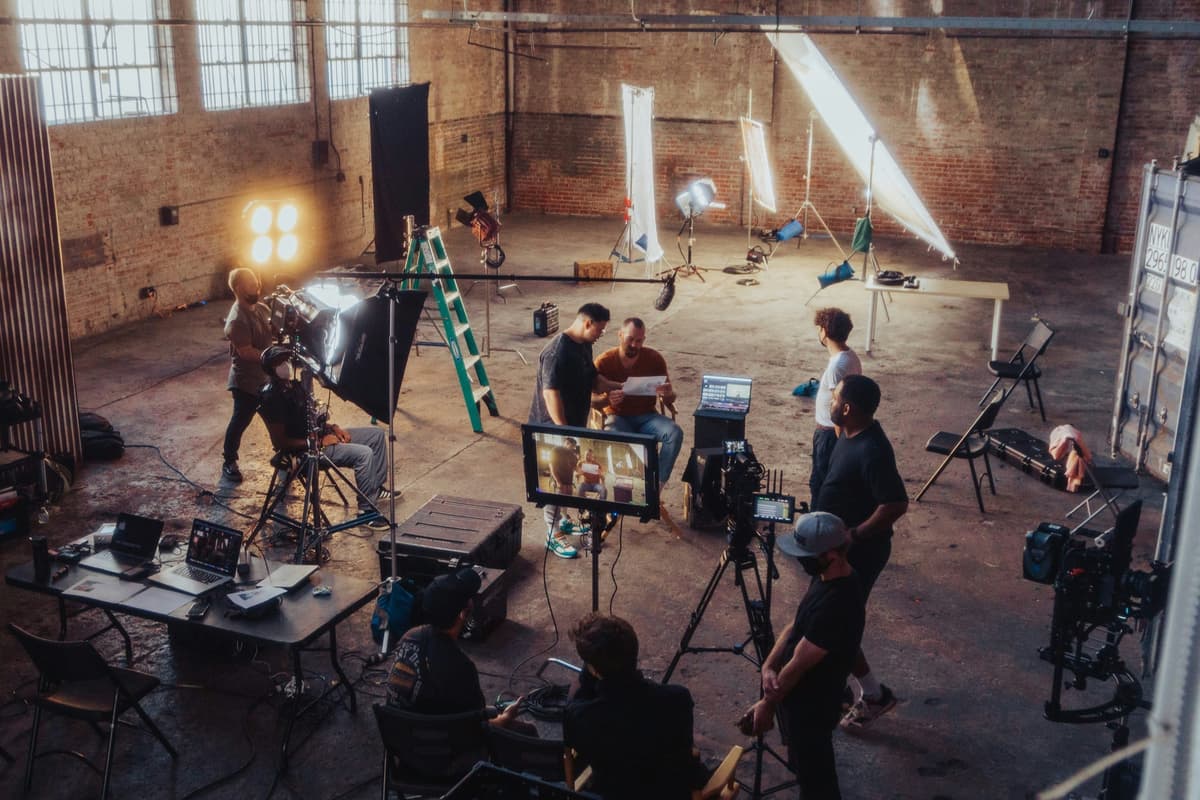
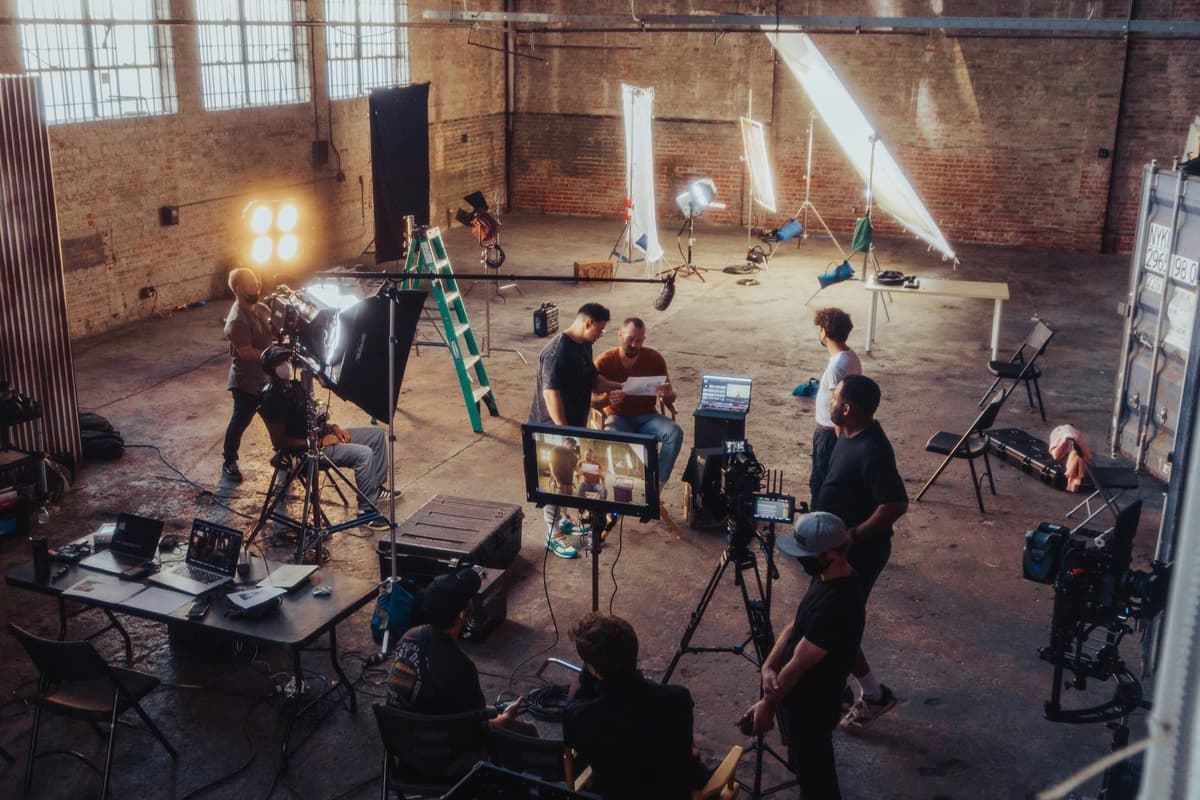
A groomer on a film or television set is a combined hair and makeup artist who handles both disciplines simultaneously. Rather than calling for separate hair and makeup departments, productions hire a single groomer to keep talent looking camera-ready from prep room to last looks. The role is especially common on commercials, reality TV, music videos, news and corporate productions, and smaller scripted projects where separate hair and makeup teams are not budget-justified.
The term groomer comes directly from the concept of personal grooming — presenting a polished, intentional appearance. On set, that polish extends to everything from a news anchor's hairline to a documentary subject's skin shine. A skilled groomer works across both craft areas with equal confidence, switching between a curling iron and a foundation brush without missing a beat between takes.
On larger scripted productions — major studio features, network dramas, and prestige limited series — the hair and makeup departments are fully separated. A department head makeup artist oversees the makeup team, while a key hair stylist leads the hair department. Groomers are rarely used in these contexts because the scale of the production demands specialist depth in each discipline. But for the vast majority of production work by volume, including the enormous commercial and reality TV markets, the groomer is the standard choice.
Grooming is distinct from character makeup or special effects makeup. A groomer creates or maintains natural, photogenic looks that serve the talent without calling attention to the artistry itself. The goal is invisible craft: talent who look flawless on camera without looking done up. This requires understanding both lighting and camera formats, since what reads correctly on a RED camera shooting a narrative short is different from what reads on a broadcast studio camera shooting a news interview.
Productions that use Saturation.io for production budgeting and expense management often find the Hair & Makeup department budget — including groomer day rates, kit fees, and supply costs — easier to track in real time against the overall production budget. Cloud-based expense tools let producers see exactly where Hair & Makeup spending sits without waiting for a weekly cost report.
When Productions Hire a Groomer vs. Separate Departments
The decision to hire a groomer versus building out separate hair and makeup departments comes down to production scale, budget, and the complexity of the looks required.
- Commercials and branded content: Most commercial shoots hire one groomer unless the spot involves elaborate character work or a large cast with multiple looks.
- Reality TV and non-scripted: Reality shows typically hire groomers rather than full departments. The format requires touch-up work throughout long shoot days rather than complex character design.
- Music videos: Depend on the artist's requirements. A solo artist video may use one groomer; a concept-heavy video with costume changes may bring in separate specialists.
- News, corporate, and industrial video: Almost exclusively use groomers. The goal is photogenic presentation, not character transformation.
- Low-budget narrative film and web series: Often hire a single groomer to keep overhead manageable while maintaining professional on-camera quality.
- Studio features and premium TV: Separate hair and makeup departments with full teams. The groomer role does not typically exist at this scale.
Groomer vs. Makeup Artist vs. Hair Stylist
The distinction matters for hiring and budgeting. A makeup artist is trained specifically in cosmetic application: foundation, contouring, eye makeup, and skin preparation. A hair stylist specializes in cutting, coloring, and styling hair using professional tools. A groomer is proficient in both and is hired precisely because productions need one person covering both functions. The groomer's kit contains full makeup and full hair tools — two departments in one bag.
Groomer vs. Personal Groomer (Celebrity Context)
The term groomer is also used outside of production to describe a dedicated personal beauty professional retained by a celebrity or public figure for regular appearances, red carpet events, press tours, and media engagements. Personal groomers often work specifically with male talent — managing skin prep, beard grooming, hair styling, and subtle cosmetic work. On a production, the term retains the same combined-discipline meaning but applies within the context of a shoot day.
Role & Responsibilities
The groomer's responsibilities cover the full arc of a production day, from early prep room work before cameras roll to final touch-ups between the last take and wrap. The role demands both technical craft and the interpersonal skill to make talent comfortable under pressure.
Pre-Shoot Prep Room Work
- Skin preparation: Cleanse, moisturize, and prime talent's skin before makeup application. On long shoot days, proper skin prep extends the life of the makeup application and reduces touch-up frequency.
- Foundation and base application: Match and apply foundation to even skin tone and reduce shine. Select products appropriate to the camera format, lighting conditions, and talent's skin type.
- Eye, lip, and cheek work: Apply natural or enhanced eye makeup, lip color, and blush as required by the look brief. Commercial grooming typically favors clean, natural looks; editorial or music video work may call for more defined applications.
- Hair prep and styling: Wash, blow-dry, cut (if necessary), and style hair according to the talent's established look or the director's brief. This includes setting with heat tools, applying product for hold, and finishing with appropriate shine or matte products.
- Beard and facial hair grooming (male talent): Trim, shape, and tidy beards and mustaches. Apply subtle products to reduce shine or add texture. Manage unruly brows. This is a significant part of male grooming work on commercials and corporate video.
- Continuity documentation: Photograph the finished look from multiple angles for continuity reference. For multi-day shoots, continuity photos are essential for matching hair placement and makeup details exactly across days and setups.
On-Set Duties During the Shoot
- Last looks: Before each take, perform a final check on talent's hair and makeup on set under the lighting rig. Identify and correct anything that has shifted: stray hairs, shine breakthrough, lipstick on teeth, mascara smudge. Last looks must be completed efficiently without delaying the shot.
- Touch-ups between takes: Standby on set or immediately adjacent to step in during blocking adjustments and between takes. The goal is maintaining the look across all coverage — wide shots, close-ups, and everything in between must match.
- Sweat and shine management: High-output lighting causes perspiration. The groomer manages this with blotting papers, translucent powder, and setting spray. Managing shine is one of the most frequent on-set tasks.
- Continuity matching: Track where hair was styled and how makeup was applied in earlier setups and match it precisely in later coverage. Coverage filmed hours apart must cut seamlessly in the edit, and continuity errors in hair and makeup are visible on screen.
- Hair resets between setups: If talent has moved between locations or the lighting has revealed a styling issue, reset the hair to match the earlier setup. This may involve restyling from scratch if the look has dropped significantly.
- Coordination with wardrobe and lighting: Work with the costume department to ensure grooming choices complement wardrobe. Communicate with the gaffer or DP about how lighting choices affect what the camera picks up in terms of skin and hair texture.
Wrap and Kit Management
- Kit organization and inventory: Maintain a professionally stocked and organized kit covering both hair and makeup tools and consumables. A groomer's kit is larger and more expensive than a single-discipline kit because it covers both departments. Regular inventory management prevents running out of key products mid-shoot.
- Sanitation protocols: Follow professional sanitation practices for all brushes, tools, and shared products. This includes palette sanitation, brush cleaning, and single-use product practices. Sanitation is both a professional standard and a health requirement, particularly following post-COVID protocols on set.
- Product replenishment: Track consumables used during the shoot and submit kit fee claims or purchase order requests for product replacement. Most productions pay a kit fee in addition to the day rate to cover product usage.
- Multi-talent management: On productions with a full cast, the groomer manages prep schedules to ensure all talent is camera-ready on time. This requires clear time management and sometimes working multiple talent simultaneously at different stages of their prep process.
Groomer Responsibilities by Production Type
- Commercial shoots: Fast turnaround, multiple looks per day possible, emphasis on clean and camera-perfect presentation. Groomers on commercials must work quickly without sacrificing quality.
- Reality TV: Long days with continuous touch-up demands. Talent on reality shows are often non-actors who are not accustomed to camera makeup, requiring more prep time and more frequent adjustments throughout the day.
- News and corporate video: Minimal looks with emphasis on looking naturally polished. Male talent grooming is a significant component. Consistency across episodes or interviews is important for news formats.
- Music videos: Can range from simple and naturalistic to highly stylized. The groomer adapts to the creative director's vision and works closely with wardrobe and styling to maintain a cohesive aesthetic.
- Documentary and interview: The groomer often works in the talent's home or a non-studio environment. Managing lighting conditions in real locations is part of the challenge.
Skills Required
Working as a groomer on a film or television set demands a broad technical skill set across two professional disciplines, combined with the soft skills to thrive in a fast-paced, collaborative production environment. Unlike salon or retail beauty work, production grooming operates under time pressure, in unpredictable conditions, and in direct service of a camera lens that reveals every imperfection.
Makeup Artistry Skills
The makeup half of a groomer's toolkit covers the full range of beauty and camera makeup application:
- Foundation matching and application: The ability to match foundation precisely across a wide range of skin tones and apply it evenly under production lighting. Groomers must understand how HD and digital cameras render skin, which can reveal texture, discoloration, and shininess invisible to the naked eye.
- Color theory and skin correction: Understanding of color correction (using color opposites to neutralize redness, dark circles, or discoloration before foundation application). This is a foundational skill for anyone doing camera makeup.
- Eye makeup application: Eyeshadow blending, eyeliner application (both pencil and liquid), mascara application, and the ability to create looks ranging from natural and editorial to clean corporate for news formats.
- Contouring and highlighting: Creating dimension on camera using matte and shimmer products. Camera contouring is different from social media contouring — it must appear natural on screen, not visible in person.
- Lip preparation and color application: Exfoliating, conditioning, and coloring lips. Lip color on camera reads differently than in person, and groomers must select shades that photograph correctly under the production's specific lighting setup.
- Male grooming makeup: Applying foundation and powder to male talent in a way that appears completely natural on camera — the most common grooming request on commercial and corporate shoots. Understanding how to manage male skin concerns (beard shadow, oiliness, pore visibility) is essential.
- Product knowledge: Fluency across professional makeup product lines including NARS, MAC, RCMA, Kryolan, Ben Nye, and newer lines developed specifically for HD and digital camera formats. Understanding which products to use for longevity, sweat resistance, and specific skin types.
Hair Styling Skills
The hair half of the groomer's work requires the full range of professional styling technique:
- Heat tool proficiency: Confident use of curling irons, flat irons, hot rollers, and diffusers to create, set, and maintain styles. Heat tool work must be fast and consistent — a groomer who takes 40 minutes to style one person holds up production.
- Blow-dry technique: The foundation of professional hair styling. Groomers must be able to create smooth and textured blow-dry results quickly, using round brushes, Denman brushes, and diffusers as appropriate to the style.
- Updos and formal styles: For talent playing characters or appearing in formal settings, the ability to execute pinned-up styles, chignons, braids, and formal sets from memory.
- Men's hair cutting and styling: Fade lines, side parts, pompadour styling, and general men's barbering technique. On many commercial and corporate grooming bookings, male talent is the primary focus and hair cutting is part of prep.
- Extensions and hairpieces: Clip-in and tape-in extension application for adding length or volume when required by the look. Wig and hairpiece attachment for character or fashion work.
- Color application (touch-ups): Basic color application for root touch-ups or corrective color that falls within the scope of a licensed cosmetologist. This is less common in on-set grooming but occasionally required on longer-duration shoots.
- Product knowledge for hair: Fluency with professional product lines from Bumble and bumble, Oribe, Kevin Murphy, and industry staples like Kenra and Redken. Understanding which products perform best for hold, humidity resistance, and specific hair types.
Camera and Lighting Awareness
Grooming for camera is fundamentally different from grooming for in-person presentation. A groomer must understand:
- How digital cameras render skin: HD and 4K cameras pick up texture, product buildup, and color inconsistencies invisible to the naked eye. Groomers who learned their craft in salon environments must recalibrate for what a lens sees.
- Lighting and its effect on makeup: Hard lighting (direct studio lights, bright sun) will amplify texture and shine. Soft lighting (overcast exterior, softbox) is more forgiving. Groomers adjust product choices and application density based on the lighting setup.
- Camera distance and focal length: A wide establishing shot reads differently from a tight close-up. For close-up work, makeup precision and hair detail must be flawless. For wide shots, the emphasis shifts to overall color and proportion.
- Continuity photography: Using a phone or dedicated camera to photograph the finished look for reference. Good continuity photos — properly lit, from multiple angles — save time and reduce errors across multi-day shoots.
Time Management and Production Awareness
- Reading a call sheet: Understanding the day's schedule, talent call times, and when each cast member needs to be camera-ready. The groomer builds a prep schedule backward from the first shot time.
- Multi-talent scheduling: When multiple principals need prep simultaneously and one groomer is covering all of them, sequencing work efficiently is critical. Missing a call time has real production cost consequences.
- Last looks efficiency: The ability to assess and correct a look in 60 seconds or less on set. Last looks are a rapid quality check, not a full touch-up. Groomers who are slow at last looks draw frustration from directors, ADs, and producers.
- Working under pressure: Productions move fast. Equipment breaks down, schedules shift, and talent runs late. The groomer must absorb these disruptions without adding to the stress level on set.
Interpersonal and Professionalism Skills
- Talent rapport: Making talent comfortable in the chair is as important as technical skill. Actors, executives, and reality TV personalities are trusting the groomer with their on-camera appearance. A groomer who creates a calm, professional environment gets better results and gets re-hired.
- Discretion: Groomers often hear private conversations between talent, producers, and directors during prep. Professional discretion — keeping what happens in the makeup chair confidential — is a non-negotiable professional standard.
- Communication with department heads and producers: Groomers who work on larger productions need to communicate clearly with the director, DP, and AD about what they need from set and what they can deliver within the schedule.
- Kit management and professionalism: Showing up on time with a fully stocked, organized, and sanitary kit is the baseline. Groomers who arrive unprepared or with disorganized kits damage their professional reputation quickly in tight-knit production markets.
Salary Guide
Groomer compensation varies significantly based on production type, market, union status, and experience level. Because the role spans two professional disciplines, groomers typically command higher day rates than single-discipline makeup artists or hair stylists, particularly on productions where their combined skill set replaces two separate budget lines.
Day Rate Ranges by Production Type (2025–2026)
- Commercial productions (non-union): $400 to $750 per day. Commercial grooming is the highest-volume market for groomers. National broadcast commercial day rates for experienced groomers in major markets (Los Angeles, New York, Chicago) typically land in the $500 to $700 range.
- Commercial productions (union, IATSE Local 706): Scale rates for makeup artists and hair stylists under union commercial agreements vary by production size and contract type, typically ranging from $550 to $900+ per day at scale.
- Reality TV (non-union): $350 to $600 per day. Reality television is a major employment market for groomers. Long shoot days (12 to 14 hours) with continuous touch-up demands are standard. Some reality shows engage groomers on weekly flat rates rather than daily rates.
- Music videos: $350 to $650 per day. Rates vary significantly based on the artist's budget and label. Established artists on major label productions pay at the higher end; independent artist shoots pay less.
- Corporate video and branded content: $300 to $500 per day. Corporate shoots are typically shorter days (8 to 10 hours) with predictable schedules. This market offers consistent work for groomers who build relationships with corporate production companies.
- News, broadcast, and interview formats: $250 to $450 per day or per session. Broadcast grooming may involve per-session agreements rather than full-day rates, particularly for ongoing talent relationships with news organizations.
- Low-budget narrative film (non-union): $200 to $400 per day. Independent films operating below IATSE thresholds often pay less but offer credit value and the opportunity to work with directors building their careers.
Weekly Rate Structure
On longer-form productions — television series, feature films, and extended commercial campaigns — groomers often negotiate a weekly rate rather than a daily rate. Weekly rates provide income predictability for the groomer and simplify budgeting for the production. Typical weekly rates:
- Non-union television: $1,800 to $3,200 per week depending on production budget and market
- Union television (IATSE Local 706 television scale): Typically $2,500 to $4,000+ per week including fringe benefits on high-budget productions
- Extended commercial campaigns: $2,500 to $4,500 per week for groomers engaged as a dedicated beauty lead across a campaign shoot block
Kit Fee
In addition to the day rate, groomers typically charge a kit fee — a separate daily charge to cover the cost of products consumed during the shoot. Standard kit fees:
- Commercial and branded content: $75 to $150 per day
- Television: $50 to $100 per day
- Low-budget / independent: $35 to $75 per day, sometimes waived on very low-budget projects in exchange for a higher day rate
Productions should budget for kit fees separately from day rates when building out the Hair & Makeup department budget. Forgetting kit fees in an initial budget is a common oversight that causes cost report problems later in production.
IATSE Local 706 Union Rates
On union productions in Los Angeles and other IATSE markets, hair and makeup work is governed by IATSE Local 706, the Make-Up Artists and Hair Stylists Guild. Key facts for groomers:
- Local 706 has separate classifications for makeup artists and hair stylists. There is no formal "groomer" classification within the union structure — groomers typically fall under one classification or the other depending on the primary work being performed.
- The minimum weekly scale for a journeyman makeup artist or hair stylist on a studio production typically ranges from $2,500 to $3,500 per week before overtime and benefits.
- Employers contribute to the IATSE health and pension plan on behalf of union workers, which is a significant addition to compensation beyond the take-home rate.
- To work on a union production under Local 706, a groomer must be a union member or work through the union's permit process.
Annual Income Ranges
Annual income for a working groomer depends heavily on how many days they work per year. Full-time production groomers in active markets:
- Early career (first 2 to 3 years): $30,000 to $55,000 annually, building clientele and credits
- Mid-career (established, 4 to 8 years): $60,000 to $90,000 annually in active commercial and TV markets
- Senior / in-demand groomers: $90,000 to $130,000+ annually, particularly for those with strong commercial relationships or celebrity personal grooming clients alongside production work
The Bureau of Labor Statistics reports a median annual wage of approximately $38,580 for hairdressers, hairstylists, and cosmetologists and around $80,000 for theatrical and performance makeup artists (BLS SOC 39-5091). Production groomers with strong commercial market presence typically exceed the cosmetologist median and approach the theatrical makeup artist range, particularly in Los Angeles and New York.
Market Comparison
- Los Angeles: The largest commercial production market in the country. Groomers with union relationships and strong commercial credits earn at the upper end of all ranges.
- New York: Strong commercial and editorial market. Fashion and advertising shoots add a grooming dimension that does not exist in the same volume in other markets. Rates are comparable to Los Angeles.
- Atlanta: Growing production hub driven by Georgia's film incentive program. Rates are lower than LA/NY but cost of living is significantly lower.
- Chicago, Dallas, Miami: Significant commercial production markets with strong demand for groomers on advertising and corporate shoots. Rates are typically in the $350 to $550 range for commercial work.
Frequently Asked Questions
What is a groomer on a film set?
A groomer on a film set is a combined hair and makeup artist responsible for both disciplines simultaneously. Unlike larger productions that employ separate hair and makeup departments, smaller productions — commercials, reality TV, music videos, corporate video, and lower-budget narrative projects — hire a single groomer to manage all hair and makeup needs. The groomer handles talent prep in the prep room, continuity tracking, on-set last looks between takes, and touch-ups throughout the shoot day. The title comes from the concept of personal grooming — the professional presentation of hair, skin, and overall appearance for camera.
What is the difference between a groomer and a makeup artist on set?
A makeup artist specializes specifically in cosmetic application — foundation, eye makeup, contouring, lip color — and may not be trained or licensed in hair styling. A groomer covers both makeup and hair and is hired as a combined resource. On productions that need one person managing both departments, the groomer is the practical choice. On larger productions with complex character looks, separate makeup artists and hair stylists are hired because the depth of expertise each discipline requires exceeds what a single generalist can provide at scale.
When does a production hire a groomer instead of separate departments?
Productions hire a groomer when the budget does not justify building out two separate departments, when the looks required are photogenic rather than character-driven, and when efficiency is the priority. This is the standard for most commercial shoots, reality television, music videos, news segments, corporate video, and low-budget narrative film. Larger productions — major studio features, network dramas, and premium streaming series — maintain separate hair and makeup departments with full teams because the volume and complexity of the work requires specialist depth.
How much does a groomer make on a film or TV set?
Groomers typically earn $300 to $750 per day depending on production type, market, and experience. Commercial productions in major markets (Los Angeles, New York) pay $500 to $750 per day for experienced groomers. Reality TV typically pays $350 to $600 per day. Corporate and branded content is in the $300 to $500 range. In addition to the day rate, most productions also pay a kit fee of $50 to $150 per day to cover product costs. Annual income for a working groomer ranges from $30,000 to $130,000 depending on how many days they work per year and which production markets they serve.
Do you need a cosmetology license to work as a groomer on set?
Yes, in most U.S. states, a cosmetology license is required to perform hair styling services for payment. This includes the on-set hair work that groomers perform. Without a cosmetology license, a groomer can legally provide makeup services in most states (makeup artistry is unregulated in the majority of U.S. states), but cannot legally charge for hair services. Productions working with union agreements and formal production structures expect groomers to hold a current cosmetology license. Operating without a license in a state that requires one creates liability for both the groomer and the production.
Is a groomer a union job?
On major studio productions in Los Angeles, hair and makeup work is covered by IATSE Local 706, the Make-Up Artists and Hair Stylists Guild. Local 706 does not have a separate groomer classification — groomers working on union productions are typically classified as makeup artists or hair stylists depending on their primary function. Most commercial and reality TV grooming work is non-union, which is where most groomers build their early careers and where the majority of grooming work by volume takes place. Union membership becomes relevant primarily for groomers moving into major studio television and film work.
What does a groomer's kit include?
A working groomer's kit covers both the makeup and hair disciplines, making it substantially larger and more expensive than a single-specialty kit. The makeup side includes professional foundations across a full shade range, color correctors, powders, blushes, eye shadow palettes, eyeliners, mascaras, lip products, and brushes. The hair side includes curling irons, flat irons, a quality blow dryer, sectioning clips, combs, paddle and round brushes, and professional products covering hold, texture, shine, and thermal protection. Groomers also carry blotting papers and setting spray for on-set shine management, sanitation supplies, and a phone for continuity photos. A fully stocked professional groomer kit represents a several-thousand-dollar investment, which is why kit fees are a standard part of groomer compensation.
Education
The path to working as a groomer on film and television sets runs through professional beauty training, licensing, and industry experience rather than a traditional degree program. The specific requirements vary by state and by the type of work you intend to pursue, but the fundamentals are consistent: licensed in cosmetology or dual-licensed in cosmetology and esthetics, trained in both hair and makeup for camera, and experienced enough to work efficiently under production pressure.
State Cosmetology Licensing
Most states require a cosmetology license to work professionally with hair. The licensing requirements vary significantly by state but typically include:
- Cosmetology school hours: Between 1,000 and 1,500 hours of supervised training at a state-accredited cosmetology school, depending on the state. California requires 1,000 hours; New York requires 1,000 hours; Texas requires 1,500 hours.
- State board exam: A written theory exam and practical skills exam administered by the state cosmetology board. Passing both is required before licensure.
- Renewal requirements: Most states require continuing education and periodic license renewal to maintain active status.
Groomers who want to work legally in hair styling anywhere in the United States must hold a current cosmetology license in the state where they are working. Some production markets — particularly Los Angeles and New York — take this seriously, and productions may verify license status before hiring crew.
Makeup Artist Training and Certification
Unlike hair styling, makeup artistry does not require a state license in most U.S. states. However, professional makeup training is expected for anyone working at a production level. Reputable training options include:
- Make-Up Designory (MUD): Offers professional programs in Los Angeles and New York with a reputation for training working film and TV makeup artists. Programs cover beauty, character, and special effects makeup.
- Cinema Makeup School (Los Angeles): Focused specifically on film and television makeup artistry, with programs taught by working industry professionals.
- Cosmetology school makeup modules: Many cosmetology programs include significant makeup training as part of the curriculum, though at a consumer rather than industry level. Film-specific makeup skills require additional training beyond cosmetology school.
- Online and workshop training: Platforms like Masterclass, CreativeLive, and industry-specific workshops offer supplemental training in camera makeup techniques, color theory, and industry workflows.
Dual Certification Advantage
Groomers with both a cosmetology license and formal makeup training hold a distinct advantage in the production market. They can legally perform all hair services and professionally execute camera-ready makeup work. Groomers without a cosmetology license can offer makeup services but are restricted in what hair services they can legally perform for payment in most states — limiting their marketability as a combined-discipline hire.
Esthetics License (Optional but Useful)
An esthetics license covers skin care, facials, and related treatments. For groomers working extensively in news, corporate, and interview formats — where skin preparation is the primary work — an esthetics license demonstrates deeper skin care expertise. Esthetics training programs typically require 260 to 600 hours depending on the state, substantially shorter than full cosmetology training.
Career Path into Production Grooming
The typical path into film and television grooming work follows a progression from licensed training into assisting and then independent bookings:
- Complete cosmetology school and pass state board exams: This is the non-negotiable first step for anyone intending to work in hair on set.
- Complete makeup artistry training: Enroll in a makeup school or workshop program that teaches camera makeup technique, color matching for different skin tones, and product knowledge for film and television.
- Assist a working groomer or makeup artist on set: This is the fastest way to learn production-specific workflows — prep schedules, last looks etiquette, continuity documentation, and how to work efficiently without disrupting the set.
- Build an independent kit and client base: As you accumulate credits, build a kit that covers both disciplines. Early grooming work often comes through commercial production companies, talent agencies, PR firms, and corporate video producers.
- Network in production communities: Platforms like ProductionHub, Mandy.com, and local film commission crew lists connect groomers with production coordinators and producers booking crew.
IATSE Local 706 (Union Path)
In Los Angeles, hair and makeup professionals working on major studio productions are represented by IATSE Local 706, the Make-Up Artists and Hair Stylists Guild. The union covers both makeup artists and hair stylists. Groomers who aspire to work on union productions need to understand the path to Local 706 membership, which typically requires working a set number of days on qualifying productions under a union basic agreement before initiating membership. The union path usually requires separate specialization as a makeup artist or hair stylist rather than as a combined groomer, because the union has separate classifications for each discipline.
Last updated April 25, 2026
Budget this role in seconds with Saturation
Rate packs, fringes, and phases turn a crew list into an accurate production budget without the spreadsheet math.
Rate packs
Verified union rates, versioned.


Fringes and markupsRebuilt
Stack them, cap them, and see the split on every line.
PhasesRebuilt
Every column knows its type.
Auto-fill
Rates fill in as you type, from the source you turned on.