What is a Grip?
Overview
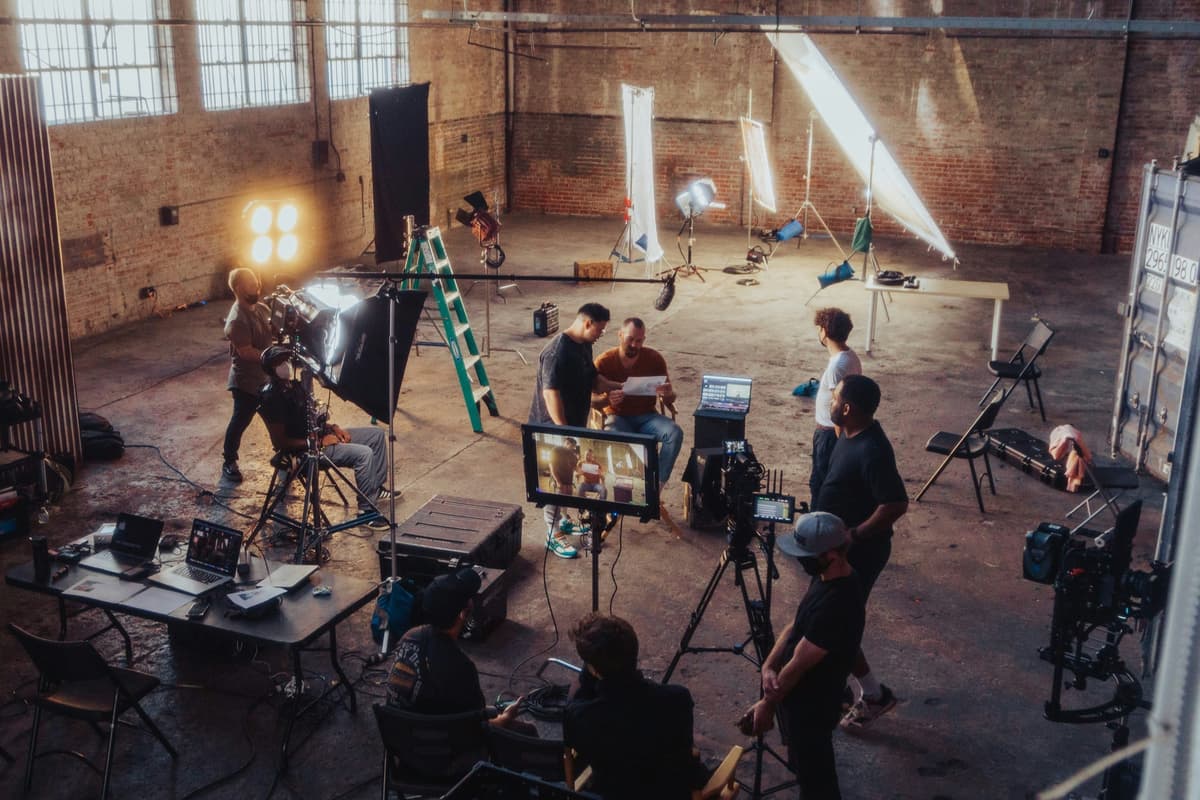
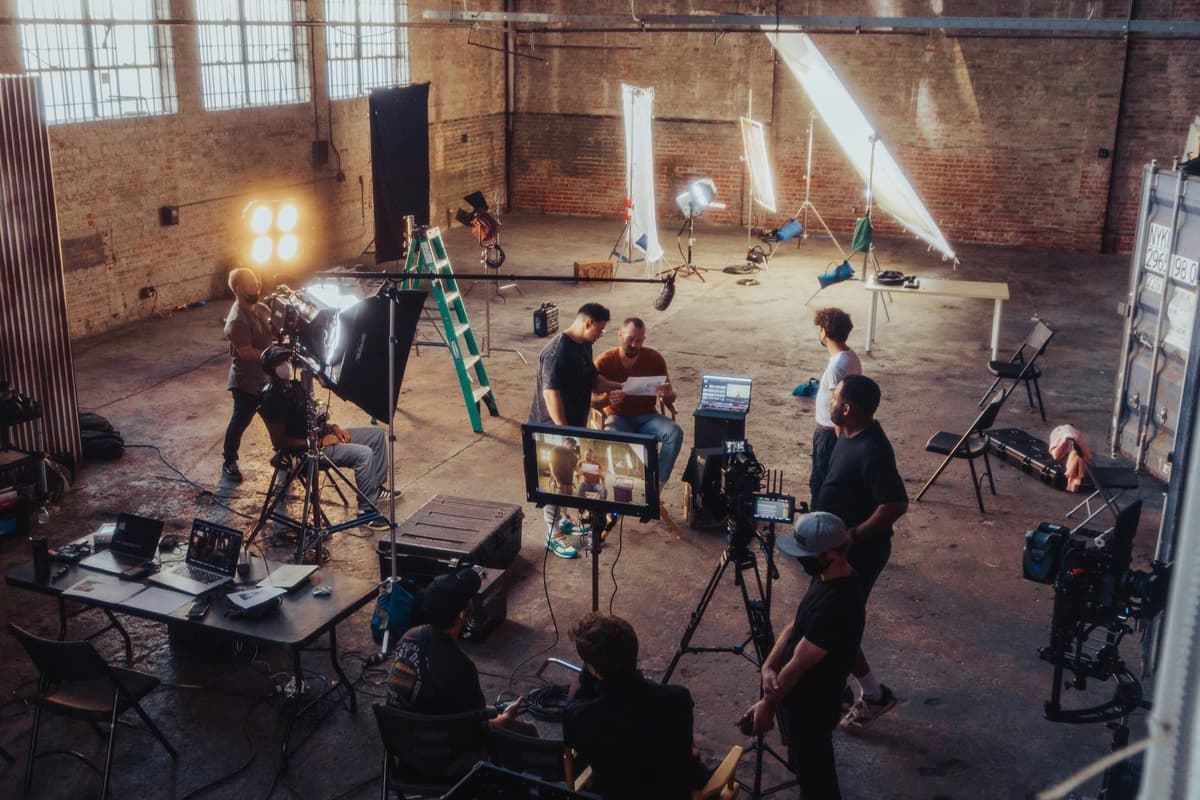
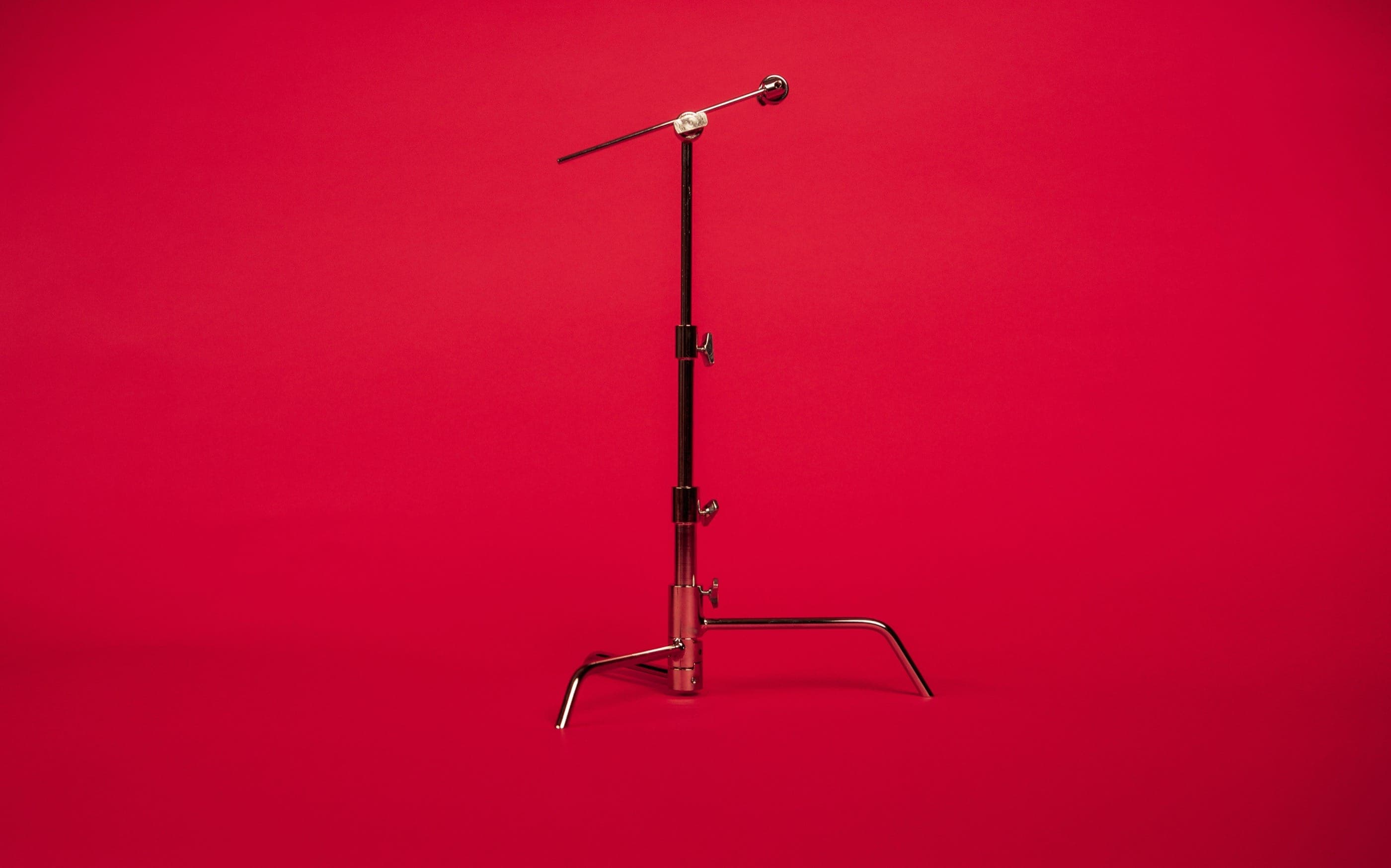
A grip is a vital member of the film production team, working within the grip department to support the camera and lighting departments in creating the visual look of a film. Their primary responsibility revolves around the rigging of equipment that supports cameras, including tripods, dollies, tracks, jibs, and cranes, as well as the setup of lighting equipment. They work under the direction of the key grip and collaborate closely with the director of photography to achieve the desired camera movement and lighting setups.
Role & Responsibilities
The role of a grip entails a broad range of physical and technical tasks. They are responsible for building and maintaining all the equipment that supports cameras, which can range from simple setups to complex rigs for dynamic camera movements. Grips also shape and modify lighting through the use of flags, nets, and diffusion materials. Moreover, they are crucial during on-location shoots, where they manage the safety of camera rigs and adapt to varying environmental conditions to ensure high-quality visual results.
Skills Required
To excel as a grip, one must possess a combination of physical strength and dexterity, technical know-how, and problem-solving capabilities. Essential skills include a deep understanding of camera and lighting equipment, the ability to follow precise instructions, and working effectively under pressure. Effective communication and teamwork are crucial, as grips often collaborate with various departments. Attention to detail and a commitment to safety protocols are also paramount in this physically demanding role to prevent accidents and ensure the smooth operation of the production.
Frequently Asked Questions
What does a Grip do?
A grip is a vital member of the film production team, working within the grip department to support the camera and lighting departments in creating the visual look of a film. Their primary responsibility revolves around the rigging of equipment that supports cameras, including tripods, dollies, tracks, jibs, and cranes, as well as the setup of.
What are the main responsibilities of a Grip?
The role of a grip entails a broad range of physical and technical tasks. They are responsible for building and maintaining all the equipment that supports cameras, which can range from simple setups to complex rigs for dynamic camera movements. Grips also shape and modify lighting through the use of flags, nets, and diffusion materials. Moreover, .
What skills does a Grip need?
To excel as a grip, one must possess a combination of physical strength and dexterity, technical know-how, and problem-solving capabilities. Essential skills include a deep understanding of camera and lighting equipment, the ability to follow precise instructions, and working effectively under pressure. Effective communication and teamwork are.
What education or training do I need to become a Grip?
Pursuing a career as a grip does not necessarily require a college degree. However, some grips may choose to attend film school or participate in technical courses to gain a foundational understanding of filmmaking practices and terminology. The position is more reliant on hands-on experience, on-set etiquette, and a practical knowledge of.
Education
Pursuing a career as a grip does not necessarily require a college degree. However, some grips may choose to attend film school or participate in technical courses to gain a foundational understanding of filmmaking practices and terminology. The position is more reliant on hands-on experience, on-set etiquette, and a practical knowledge of equipment and techniques. Many grips start as trainees or production assistants and learn their craft through apprenticeships and real-world experience on film sets.
Last updated August 31, 2026
Budget this role in seconds with Saturation
Rate packs, fringes, and phases turn a crew list into an accurate production budget without the spreadsheet math.
Rate packs
Verified union rates, versioned.


Fringes and markupsRebuilt
Stack them, cap them, and see the split on every line.
PhasesRebuilt
Every column knows its type.
Auto-fill
Rates fill in as you type, from the source you turned on.