What is a Gaffer?
Overview
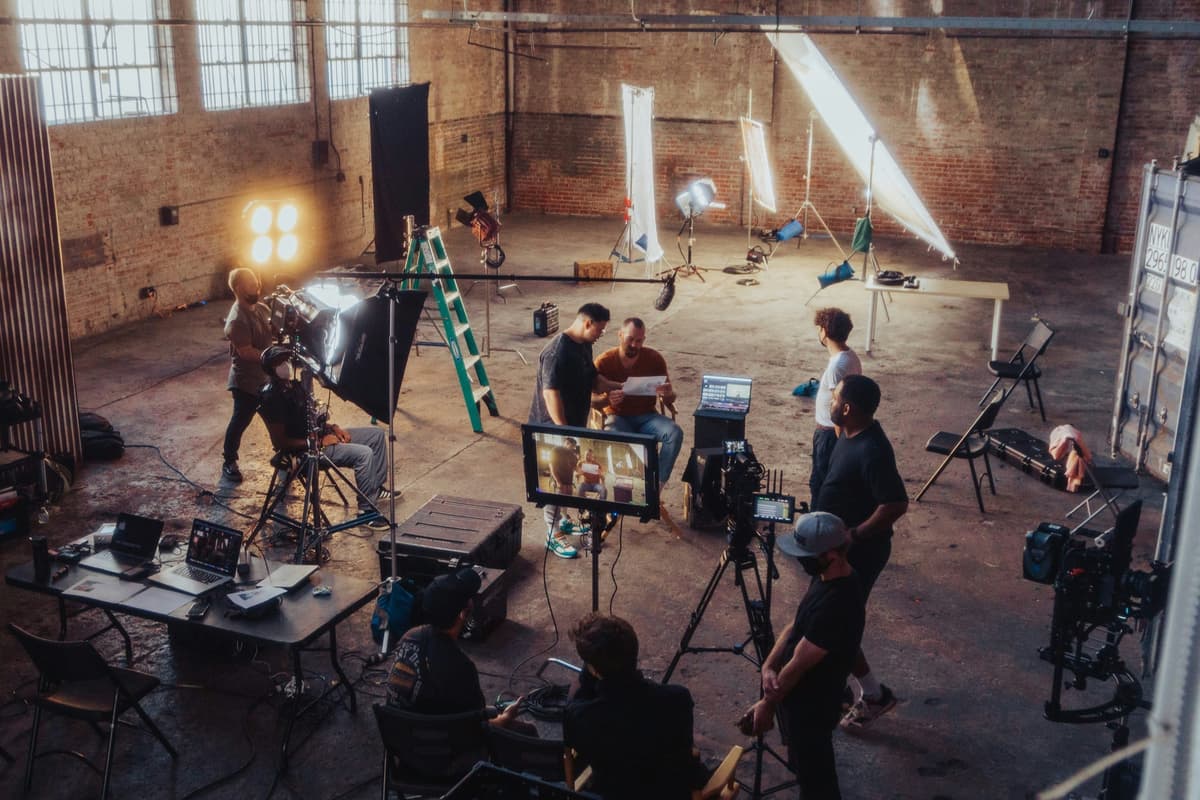
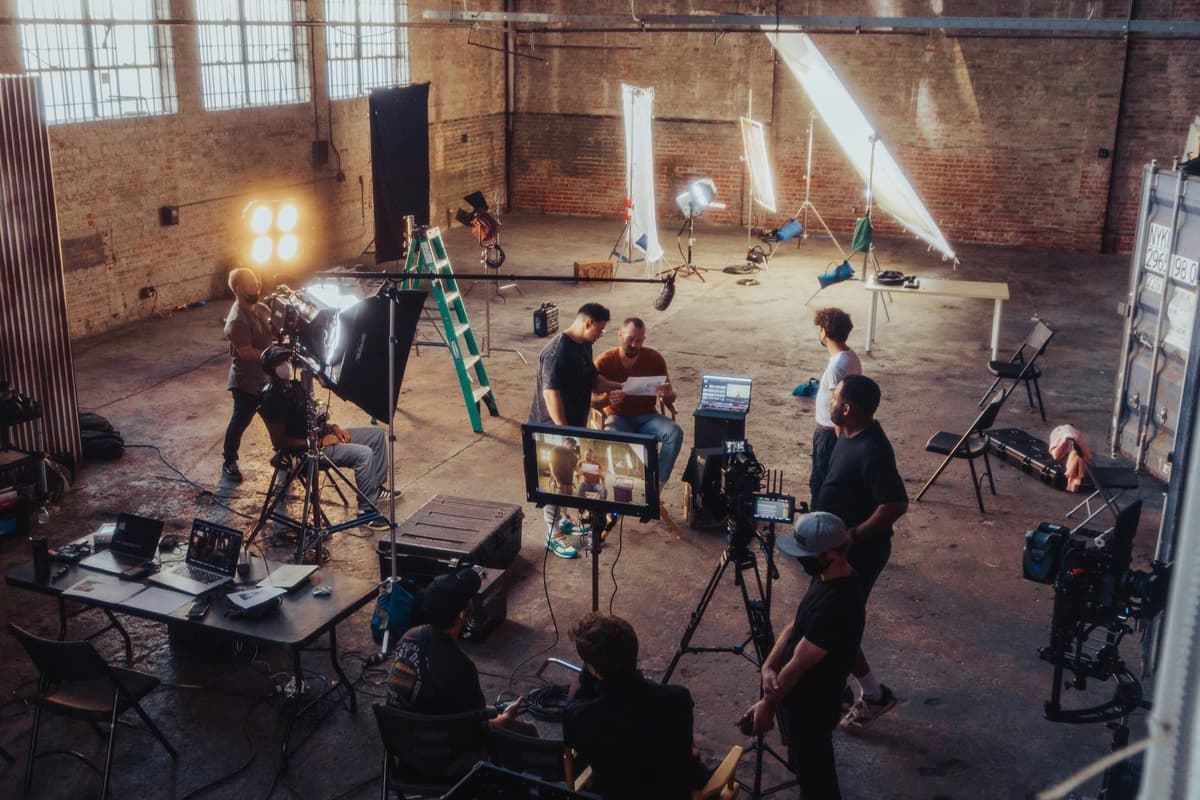
A gaffer is the chief lighting technician on a film or television set and the head of the electrical department. The title has roots in British slang: early film crews used a long pole called a "gaff" to adjust overhead lights, and the person wielding it became the gaffer. Today, the gaffer translates the director of photography's lighting vision into a working reality, managing the equipment, the crew, and the power supply that makes every shot possible.
On set, the gaffer sits directly below the director of photography (DP) in the lighting chain of command. The DP decides how a scene should look. The gaffer figures out how to make it look that way. That distinction matters: a skilled gaffer is not just a technician executing orders but a creative collaborator who understands light, color, and the limits of what the schedule and budget will allow.
The Gaffer's Place in the Crew Hierarchy
The gaffer works in the electrical department alongside the best boy electric and the set lighting technicians. The best boy electric is the gaffer's second-in-command, handling crew scheduling, equipment tracking, and day-to-day logistics so the gaffer can stay focused on the lighting itself. Set lighting technicians (also called lamp operators or juicers) follow the gaffer's direction on set, placing and adjusting fixtures as the gaffer calls for them.
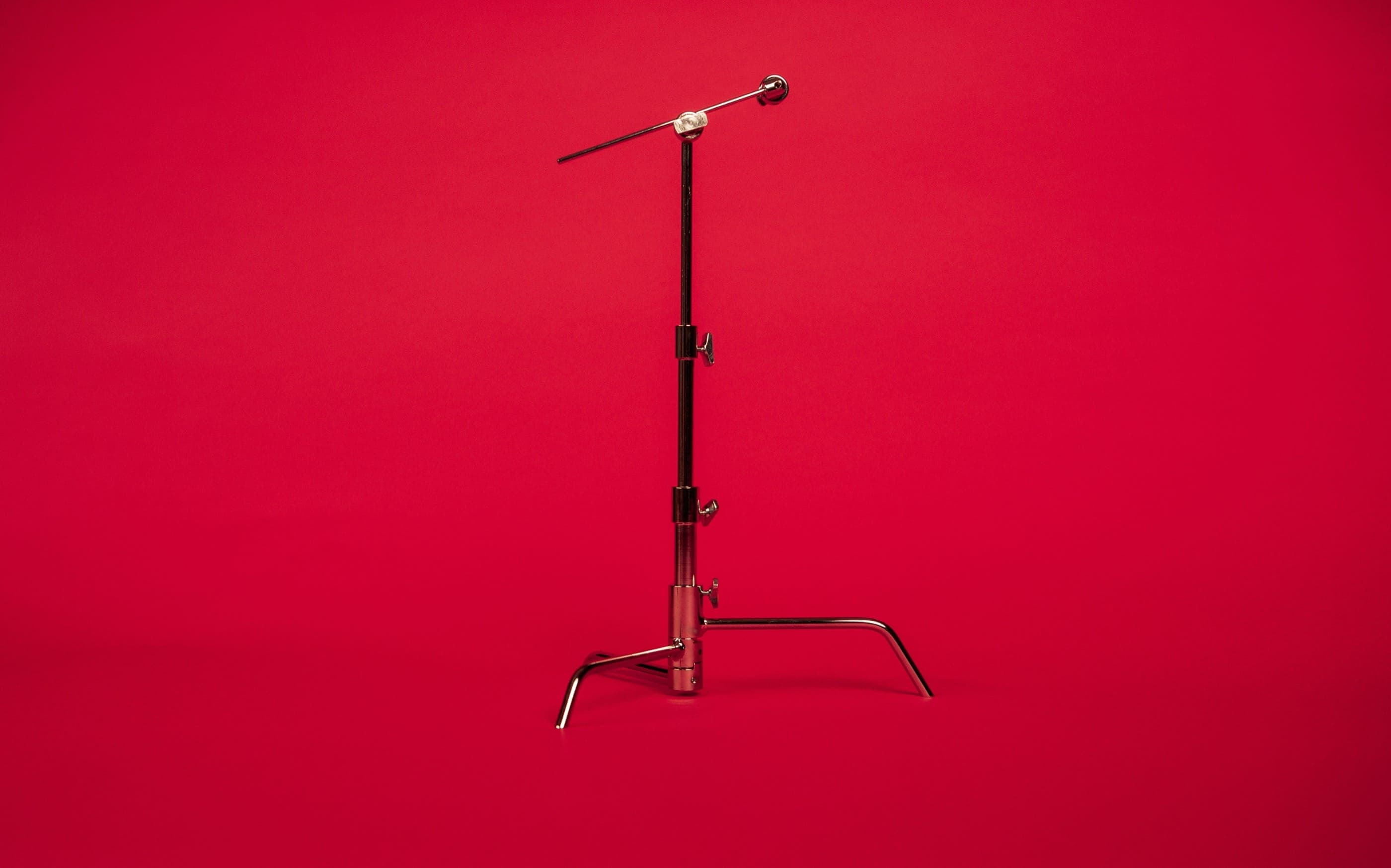
The gaffer's department is separate from the grip department, though the two work closely. Grips handle the physical support of lighting equipment (stands, flags, diffusion frames) while the electrical department handles power and fixtures. The key grip and gaffer are peers on set, both reporting to the DP.
Pre-Production: Where the Real Work Begins
A gaffer's involvement in a production does not start on day one of the shoot. During pre-production, the gaffer reads the script, meets with the DP and director, scouts locations, and begins building a lighting plan. That plan covers which fixtures will be needed (HMIs, LEDs, tungsten, practicals), how power will be distributed across locations, what rigging will be required, and how large the electrical crew needs to be.
The gaffer also assembles the crew, prepares equipment lists for the rental house, and coordinates with the location manager and production designer on any structural constraints (available power, ceiling height, rigging points). Budget awareness is critical: the lighting package is one of the larger line items in a production budget, and the gaffer is expected to hit the visual target without blowing the numbers.
Production teams that use film budgeting software like Saturation can track lighting department costs in real time, giving the gaffer and line producer a shared view of where the budget stands before equipment goes out on rent.
On Set: Execution Under Pressure
When cameras roll, the gaffer's job is execution. Each lighting setup requires placing fixtures at the right angle and distance, dialing in the correct intensity and color temperature, and controlling spill and shadows. The gaffer communicates directly with the DP about adjustments, often making changes between takes based on camera position or actor movement.
Power management is a constant concern. Film sets run substantial electrical loads, and the gaffer must ensure the power distribution is safe, organized, and compliant with applicable electrical codes. On location, this often means coordinating with a generator operator (or "genny op") to supply the right amount of clean power to the set.
Days are long, usually 12 to 14 hours, and conditions change. A gaffer who cannot think quickly and adapt to weather, equipment failure, or a director who wants to change the look of a scene entirely is going to struggle. The role demands both technical mastery and the composure to problem-solve in real time.
Role & Responsibilities
The gaffer's responsibilities span pre-production through wrap. At its core, the role is about managing the electrical department to execute a lighting plan that serves the DP's vision, within the constraints of the schedule and the budget.
Pre-Production Responsibilities
Before the shoot begins, the gaffer takes on several planning-focused tasks:
- Script breakdown: Reading the script scene by scene, noting day/night settings, practical light sources, and any lighting effects that will require special setups or rigging.
- DP collaboration: Meeting with the director of photography to understand the intended look, mood, and any reference images or films that define the visual direction.
- Location scouts: Visiting locations to assess available power, identify rigging options, measure ceiling heights, and flag any electrical infrastructure challenges.
- Equipment lists: Building a detailed lighting package list that balances the DP's wishes against the production budget, then ordering the package from a rental house.
- Crew hiring: Selecting and hiring the best boy electric and set lighting technicians. Union productions governed by IATSE Local 728 follow specific wage scales and hiring protocols.
- Power planning: Calculating the total electrical load for each location and arranging for generator support where house power is insufficient.
On-Set Responsibilities
During the shoot, the gaffer is in constant motion between setup and setup:
- Lighting setup supervision: Directing the electrical crew to place, aim, and adjust fixtures according to the DP's plan, then fine-tuning based on the DP's feedback once the camera is in position.
- Color and intensity control: Setting the color temperature and output of each fixture to match the desired look. On modern sets this often means programming LED panels through a lighting console.
- Generator coordination: Working with the generator operator to manage power draw, avoid overloading circuits, and run cable safely across the set.
- Safety oversight: Ensuring all electrical connections are safe, cables are properly run and secured, and the crew is working within safe load limits. The gaffer is responsible for the electrical safety of the set.
- Adaptation to changes: When the director or DP changes the shot, the gaffer must quickly assess what lighting adjustments are needed and direct the crew to make them without losing time.
- Communication: Maintaining clear, calm communication with the DP, the key grip, and the electrical crew throughout the day. A gaffer who cannot communicate clearly under pressure creates problems.
Working with the Director of Photography
The relationship between the gaffer and DP is one of the most important on any set. The DP describes what they see in their mind. The gaffer translates that into physical reality. A strong gaffer anticipates what the DP will need before they ask for it, offers suggestions based on technical knowledge, and executes changes quickly and cleanly.
Experienced DPs often bring their own preferred gaffer from project to project. That continuity speeds up communication, builds trust, and improves the quality of the final image. A gaffer who consistently delivers for a specific DP will find a steady stream of work through that relationship alone.
Working with the Key Grip
The gaffer and key grip are counterparts. The key grip's department handles the physical control of light: flags to cut light, diffusion frames to soften it, negative fill boards to deepen shadows. The electrical department supplies the light source itself. Coordinating between these two departments is essential. If the gaffer and key grip are not communicating clearly, setups take longer and the look suffers.
Wrap and Post-Production
When the shoot ends, the gaffer supervises the return of all rented electrical equipment, ensures the rental package is accounted for, and handles any damaged equipment reports. While gaffers do not typically work in post-production, a well-executed lighting plan reduces the need for color correction and visual effects cleanup, which saves the production money in post.
Skills Required
The gaffer role combines technical expertise with leadership and creative sensibility. The skills needed to succeed fall into three categories: electrical and technical knowledge, lighting theory and artistry, and crew management.
Electrical Knowledge and Safety
A working understanding of electricity is non-negotiable. Gaffers must be able to calculate electrical loads, read and work safely with distribution systems, and understand the limits of any given power supply. On location, this means knowing how to tie into house power, work with a generator, and distribute power safely across a set. Electrical safety is a core responsibility: the gaffer is accountable for keeping the crew safe from electrical hazards, which means understanding grounding, circuit protection, and safe cable management.
- Load calculation and power distribution
- Generator operation and coordination
- Electrical code compliance on location
- Cable management and tie-in procedures
- Safe handling of high-voltage equipment
Lighting Theory and Color Science
Beyond the technical, gaffers need to understand how light behaves and how it affects the image on camera. This includes color temperature (measured in Kelvin), the physics of hard versus soft light, the effect of light direction and angle on shadow and depth, and the way different film stocks and digital sensors respond to different light sources.
- Color temperature and color rendering index (CRI)
- Hard light vs. soft light: quality, direction, and shadow control
- Practical lights and how to balance them against key lights
- Exposure and how the camera sensor responds to different light levels
- How to use negative fill to create contrast and depth
Equipment Operation
Gaffers work with a wide range of lighting instruments. Understanding the strengths, limitations, and best applications of each type is essential:
- HMIs: High-intensity discharge lights that produce daylight-balanced output. Standard for exterior day scenes and large interiors requiring a daylight source. Require ballasts and warm-up time.
- Tungsten/incandescent fixtures: Warm-toned, continuous light sources. Lower upfront cost, but high power draw and heat output. Less common on modern sets but still used for specific looks.
- LED panels and fixtures: Increasingly the industry standard. Energy-efficient, color-tunable, and available in a wide range of form factors from small on-camera lights to large soft boxes. Many can be controlled wirelessly through DMX or proprietary apps.
- Fluorescent fixtures (Kino Flos): Long-established soft light sources. Used for interview setups, practical-looking office lighting, and any situation requiring a large, diffuse source with minimal heat.
- Lighting consoles and DMX control: Modern sets increasingly rely on wireless DMX systems to control multiple fixtures simultaneously. Gaffers on higher-budget productions are expected to be comfortable programming and operating a lighting console.
Communication and Leadership
The gaffer manages a crew. On a mid-budget feature, that crew might include a best boy electric and four to eight lighting technicians. On a large studio production, it could be significantly larger. Giving clear instructions, maintaining morale during long days, and communicating diplomatically with the DP and other department heads are skills that separate effective gaffers from technically competent ones who struggle in leadership.
- Clear verbal communication under time pressure
- Crew scheduling and day-to-day department management
- Conflict resolution and maintaining professional relationships
- Translating the DP's creative vision into actionable instructions for the electrical crew
Budget Awareness
Gaffers who understand production finance make better decisions on set. Knowing which fixtures are worth the rental cost, where the budget has room for a rigging day, and how to hit a lighting look without over-specifying the package makes a gaffer more valuable to producers and line producers. Reviewing the lighting line items in a production budget alongside the DP during prep helps avoid expensive surprises during the shoot.
Salary Guide
Gaffer salaries vary significantly based on union membership, market, production type, and experience. The ranges below reflect current data from the Bureau of Labor Statistics, IATSE Local 728 wage scales, and industry reporting.
Bureau of Labor Statistics Data
The Bureau of Labor Statistics (BLS) tracks lighting technicians under the broader category of broadcast, sound, and video technicians. The median annual wage for this occupational group was approximately $70,000 in May 2024, though gaffers on union productions typically earn above this median. The top 10% of earners in this category exceeded $110,000 annually.
Geographic location is the largest single variable in lighting technician pay. California, particularly the Los Angeles metro area, consistently reports the highest wages, driven by the concentration of studio production and the IATSE Local 728 basic agreement rates that govern most major studio work.
IATSE Local 728 Union Rates
On productions covered by IATSE Local 728's Basic Agreement with the major studios, the Chief Lighting Technician (gaffer) earns a minimum hourly rate of $60.59 (effective August 4, 2024 through August 2025). This rate applies to studio productions in Los Angeles and carries with it guaranteed minimums, overtime calculations, and contributions to union health and pension funds.
The weekly guarantee for a union CLT at studio rates is approximately $3,647, based on a five-day minimum. Overtime, turnaround violations, and weekend premiums add to the base rate on most productions. IATSE pension and health contributions are made on top of the gross wage, which increases the total cost to the production but also builds significant retirement and benefits coverage for the gaffer.
Rate Ranges by Production Type
Pay varies considerably depending on the type of production:
- Major studio features and premium streaming series: Union scale or above. Experienced gaffers on these productions often negotiate above-scale deals. Day rates of $700 to $1,200 or more are typical for established gaffers working in the studio system.
- Mid-budget independent films: Often negotiated as a flat weekly rate. Gaffers on productions with budgets in the $1M to $10M range typically earn between $1,500 and $3,500 per week depending on experience and market.
- Television (episodic): Television schedules tend to be more compressed than features, with consistent work across the season. TV gaffers on union episodic productions earn similar hourly rates to features but often benefit from longer guaranteed run-of-show contracts.
- Commercials: Commercial gaffers can earn among the highest day rates in the industry, with experienced operators billing $800 to $1,500 or more per day. IATSE Local 728 also negotiates separately under the AICP (Association of Independent Commercial Producers) agreement for commercial production.
- Low-budget and non-union production: Rates drop substantially for non-union work. Low-budget features (under $250K) often pay flat weekly rates of $800 to $1,500, with little or no additional benefits. Many gaffers working their way up begin here before entering the union system.
Market Comparison
Los Angeles and New York are the two primary markets for union gaffers, with Los Angeles commanding the highest rates due to IATSE Local 728's jurisdiction over major studio productions. Other active markets including Atlanta, New Orleans, and Albuquerque (all significant production hubs) tend to have rates below LA but above national averages, particularly as more studio productions film outside California.
Career Earnings Trajectory
A gaffer starting on non-union independent films might earn $35,000 to $45,000 annually while building credits. After gaining union membership and establishing a track record on mid-budget productions, annual earnings typically move into the $60,000 to $90,000 range. Experienced union gaffers with strong DP relationships working consistently in the studio system can earn well above $100,000 per year, particularly when commercials are part of the work mix.
Frequently Asked Questions
What is the difference between a gaffer and a grip?
The gaffer and the key grip work closely together but have distinct responsibilities. The gaffer runs the electrical department and is responsible for the light sources themselves: the fixtures, the power supply, and the color and intensity of the light. The key grip runs the grip department, which handles the physical support and control of lighting: stands, flags (to cut or shape light), diffusion frames, and camera support equipment like dollies and cranes. A simple way to think about it: the gaffer makes the light, and the grip controls it. Both departments work under the direction of the director of photography, and strong collaboration between the gaffer and key grip is essential to an efficient, well-lit set.
What is a gaffer's typical salary?
A gaffer's salary depends on market, union status, and production type. On union productions in Los Angeles covered by IATSE Local 728, the minimum hourly rate for a Chief Lighting Technician is $60.59 (effective August 2024). That translates to a weekly guaranteed minimum of approximately $3,647 on a standard studio contract. Experienced union gaffers working consistently in features, episodic television, and commercials often earn between $80,000 and $130,000 or more per year. On non-union independent productions, rates are lower, typically $800 to $1,500 per week on low-budget films. Commercial production tends to pay the highest day rates in the industry, with established gaffers billing $800 to $1,500 per day or more.
What are common mistakes new gaffers make?
New gaffers most often struggle in three areas. First, over-specifying the equipment package: ordering more fixtures than the schedule and budget realistically support, which creates unnecessary cost and setup time. Second, poor communication with the DP: not clarifying the lighting intent before committing to a setup, which leads to time-consuming revisions on set. Third, underestimating power requirements on location: failing to properly calculate electrical load before a shoot day, which can result in blown circuits or generator overloads. The most effective early-career gaffers ask clear questions during prep, plan conservatively with equipment, and stay focused on the DP's vision rather than imposing their own lighting preferences.
Education
There is no formal degree required to become a gaffer. The path into the role is almost always built through hands-on experience, starting at the bottom of the electrical department and working up over several years.
Common Entry Points
- Film school: A degree in film production from a four-year program or a technical film school provides foundational knowledge of cinematography, lighting theory, and crew dynamics. Film school is useful for understanding the "why" behind lighting decisions, but it does not teach the hands-on electrical skills needed on a professional set. Graduates typically still need to spend years working as production assistants, cable runs, and junior lighting technicians before reaching the gaffer level.
- Electrical apprenticeship: Some gaffers enter the industry through a background in electrical work, particularly those who started in the live events or concert touring industry before transitioning to film and television. A licensed electrician's background provides a strong technical foundation, especially for understanding power distribution, load calculations, and electrical safety codes.
- Starting as a set lighting technician: The most common path is starting as a production assistant on a set, transitioning into the electrical department as a lighting technician (sometimes called a "juicer" or lamp operator), and working up to best boy electric before eventually becoming a gaffer. This typically takes five to ten years on union productions, though non-union and independent film crews often promote people faster.
IATSE Local 728 Membership
In Los Angeles and on most major studio productions, gaffers are members of IATSE Local 728, the union representing Studio Electrical Lighting Technicians. Union membership brings access to higher-paying studio productions, health and pension benefits, and wage minimums set by collective bargaining agreements.
Joining Local 728 requires accumulating a set number of qualifying work hours on productions that fall under the union's jurisdiction. The standard path is to work on non-union productions long enough to build a track record, then gain a union referral or sponsorship to enter the roster. The specific requirements change periodically, so prospective members should contact the local directly for current intake procedures.
Continuing Education and Training
Gaffers who want to stay competitive invest in ongoing technical education, particularly as lighting technology evolves. LED fixtures, wireless DMX control, and remote-controlled lighting heads have changed the workflow significantly over the past decade. Understanding how to program a lighting console and integrate wireless control systems into a shoot is increasingly expected on higher-budget productions.
Industry events, manufacturer training programs (from companies like ARRI, Litepanels, and Aputure), and hands-on workshops offered through unions and film schools all provide ways to build technical skills without going back to a degree program.
Last updated August 31, 2026
Budget this role in seconds with Saturation
Rate packs, fringes, and phases turn a crew list into an accurate production budget without the spreadsheet math.
Rate packs
Verified union rates, versioned.


Fringes and markupsRebuilt
Stack them, cap them, and see the split on every line.
PhasesRebuilt
Every column knows its type.
Auto-fill
Rates fill in as you type, from the source you turned on.