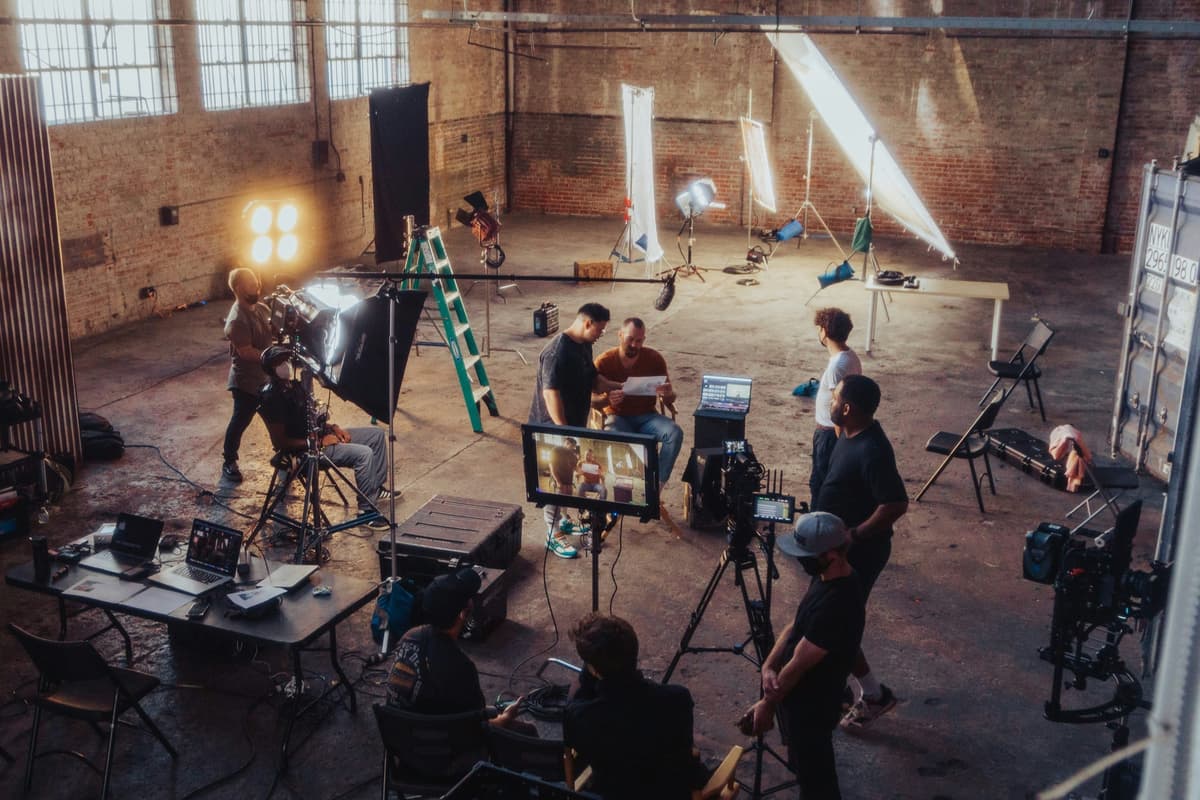
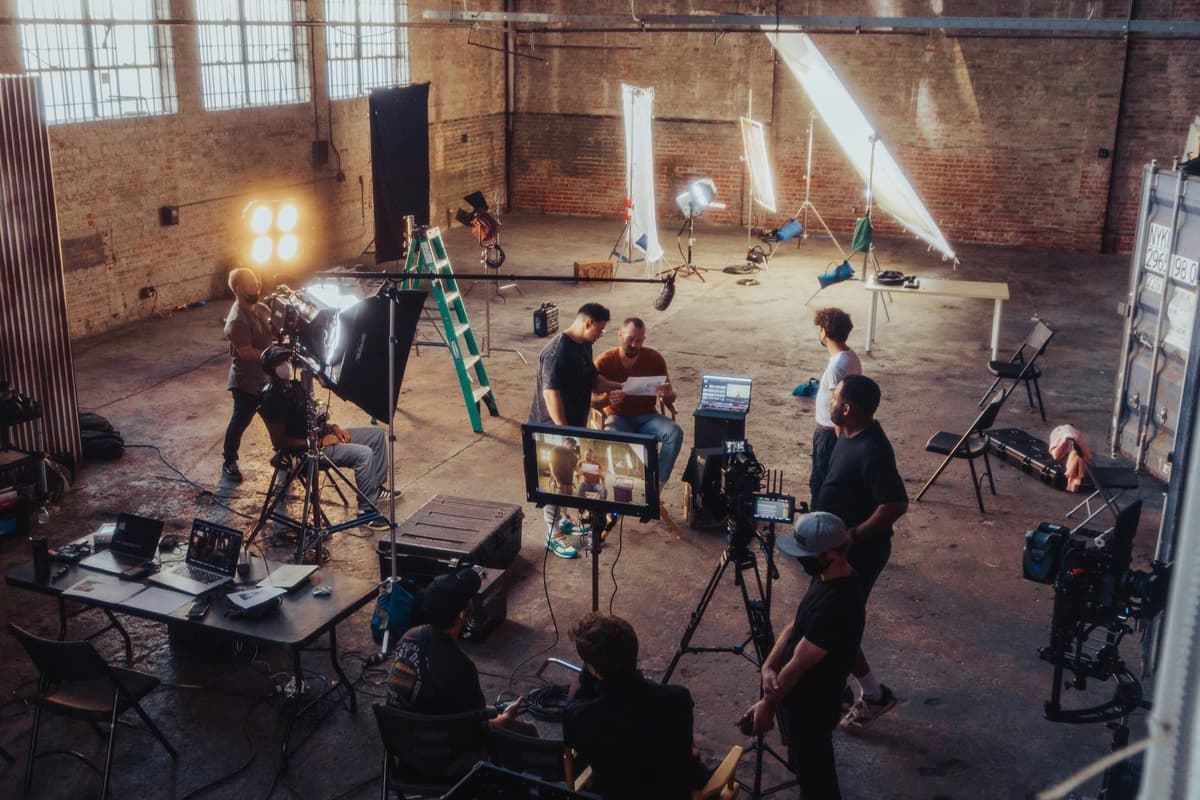
What is a Fire Safety Officer?
Overview
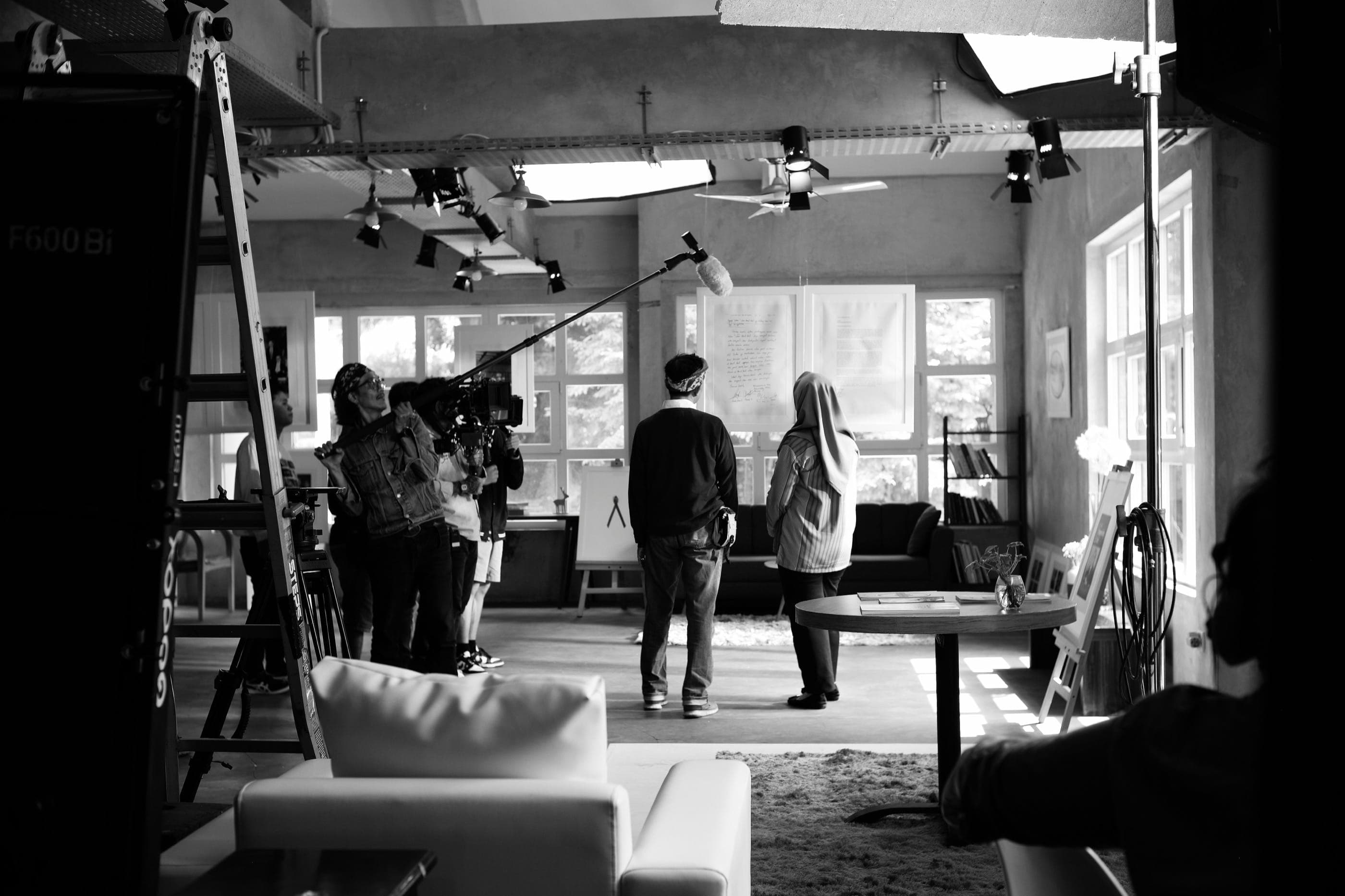
What Is a Fire Safety Officer on a Film Set?
A Fire Safety Officer (FSO) is a certified fire and life-safety professional who stands by on set whenever a production involves pyrotechnics, open flame, fire stunts, or any other ignition source that could threaten cast, crew, or property. The role goes by several titles in the industry—Fire Safety Consultant, On-Set Fire Safety Officer, or simply "the fire safety"—but the mandate is always the same: prevent injuries, control hazards, and act as the authoritative interface between the production and local fire authorities.
Unlike most crew positions, the Fire Safety Officer is not a creative role. The FSO operates in a regulatory and emergency-response capacity. Every decision they make is backed by statute, safety bulletin, or industry code. Productions that disregard this position—or hire underqualified personnel to fill it—expose themselves to criminal liability, civil lawsuits, permit revocations, and the kind of catastrophic accidents that destroy careers and end lives.
When Is a Fire Safety Officer Required?
SAG-AFTRA Safety Bulletin No. 14, "Working with Pyrotechnics and Explosives," specifies that a qualified Fire Safety Officer must be present whenever pyrotechnics are used on set. Beyond SAG-AFTRA, local Authority Having Jurisdiction (AHJ) rules—typically the city or county fire marshal—impose their own staffing requirements. California's Office of the State Fire Marshal (OSFM) has codified this through its Motion Picture and Entertainment Safety Program. Major filming jurisdictions including Los Angeles, Burbank, Atlanta, and New York all require a permitted FSO before issuing fire-related special-effects permits.
Triggers that mandate an FSO on set include:
- Any pyrotechnic device or explosive effect (squibs, mortars, flash powder)
- Fire gags where a performer or stunt double is set alight
- Open flame effects including candles, torches, fire pits, and braziers in proximity to the set
- Flamethrower or liquid-fire rigs operated by the special effects department
- Interior sets with practical fire where ventilation is restricted
- Gasoline or accelerant burns of vehicles, buildings, or props
- Any sequence where the AHJ deems fire suppression standby is required
Productions that do not qualify for SAG-AFTRA signatory status are still bound by local fire codes and OSHA General Industry standards (29 CFR 1910.155–165). Failing to staff an FSO where one is required can void production insurance and trigger Cal/OSHA citations with per-day penalties.
Who Fills the Role?
The overwhelming majority of working Fire Safety Officers are active or retired municipal firefighters—often captains or engineers with specialized certifications. Many hold California State Fire Marshal (OSFM) pyrotechnic operator licenses, Class 1 or Class 2, which are required to supervise pyrotechnic use on set in California. In other states, equivalent credentials include fire inspector certifications under NFPA 1031 and state-issued entertainment pyrotechnics permits.
The FSO is distinct from the Special Effects Coordinator (SFX Coordinator), who designs and executes the physical effect. The FSO does not build the effect—they oversee the safety conditions under which the SFX Coordinator works. On large productions, both positions are present simultaneously during fire sequences. The FSO has the legal authority to halt production if conditions become unsafe, regardless of schedule or budget pressure.
Post-Rust Production Safety Landscape
The 2021 fatal shooting on the set of Rust accelerated industry-wide scrutiny of on-set safety professionals across all departments, not just firearms. In response, SAG-AFTRA, the IATSE, and the Producers Guild of America collectively elevated standards for safety officer documentation, pre-shoot briefings, and the authority of safety personnel to stop work. For fire safety specifically, the OSFM tightened permit review timelines in California and increased compliance spot-checks on permitted sets. Productions are now routinely asked to demonstrate that their FSO's credentials are current and match the specific hazard category of the planned effect.
The practical impact: productions that once tried to handle minor fire effects under a general fire watch (staffed by a less-credentialed individual) are now required to use a fully licensed FSO. Budget-conscious productions using Saturation.io's collaborative film budgeting platform can build FSO costs directly into their safety line items—ensuring no surprise expenses when the fire department shows up for permit inspection.
The FSO's Relationship to Other Safety Personnel
The Fire Safety Officer works within a safety hierarchy that includes the Production's Safety Representative (often a union-required Safety Bulletin compliance officer), the SFX Coordinator, the stunt coordinator (on stunt-related fire gags), and the first aid/medic standing by on set. On studio lot productions in Los Angeles, the LAFD Film Unit may provide or co-supervise alongside the FSO. The FSO coordinates directly with the local AHJ to ensure permits are in order, water supply is accessible, and evacuation routes are clear before any fire effect is rehearsed or executed.
Role & Responsibilities
Pre-Production Fire Safety Planning
The Fire Safety Officer's engagement begins well before the first camera rolls. During pre-production, the FSO reviews the script breakdown to flag every scene involving ignition, open flame, or pyrotechnic action. They then work with the SFX Coordinator to assess the specific devices, accelerants, and deployment methods planned. This joint assessment forms the foundation of the Fire Safety Plan, a formal document submitted to the AHJ when applying for special effects permits.
Pre-production duties include:
- Reviewing storyboards and production design plans for fire-related sequences
- Consulting with the SFX Coordinator on effect design, fuel loads, and suppression strategy
- Identifying water supply sources and required fire department notification windows
- Drafting the site-specific Fire Safety Plan and permit application
- Attending production safety meetings and briefing department heads on fire protocols
- Confirming that all pyrotechnic permits are issued before purchasing or transporting devices
Pre-Shoot Inspection and Setup
On the day of a fire sequence, the FSO arrives well ahead of crew call to conduct a systematic inspection of the set. This walk-through covers evacuation routes, combustible material proximity, ventilation adequacy (for interior sets), water supply access, and fire extinguisher placement. The FSO confirms that all suppression equipment is charged, in-date, and correctly rated for the fuel type being used—Class B extinguishers for flammable liquid fires, Class D for metal fires, and so on.
Setup inspection tasks include:
- Inspecting and marking primary and secondary evacuation routes
- Confirming clearance distances between the effect and combustibles (sets, costumes, equipment)
- Verifying that the SFX Coordinator has filed the effect with the AHJ if required
- Ensuring fire hose lines are charged and accessible
- Positioning fire extinguishers at intervals appropriate to the anticipated flame spread
- Briefing all on-set personnel on muster points and stop-work authority
- Confirming with the production's medic or EMT that emergency protocols are synchronized
Standby Supervision During Fire Sequences
When the director calls for the fire effect, the FSO takes active station at the edge of the effect zone with appropriate personal protective equipment (PPE), suppression equipment at hand, and a direct communication line to the SFX Coordinator. The FSO monitors the behavior of the fire continuously—watching for unexpected spread, wind changes that redirect flame toward performers or equipment, and any sign that the effect is exceeding planned parameters.
The FSO holds unambiguous stop-work authority. If they call "cut" or "hold the effect," production must comply immediately, regardless of whether the director or 1st AD has issued a conflicting instruction. This authority is codified in SAG-AFTRA safety bulletins and OSFM permit conditions. No schedule pressure, no cost argument, and no creative justification can override the FSO's safety call.
Standby responsibilities include:
- Monitoring fire behavior in real time for unexpected spread or intensity
- Maintaining communication with SFX Coordinator throughout the effect
- Coordinating with stunt coordinator if a performer is involved in the fire gag
- Managing any bystanders or additional crew to maintain clear egress lanes
- Directing suppression response if the effect escapes planned boundaries
- Communicating with the AHJ representative if one is on-site per permit conditions
Fire Suppression Equipment Management
The FSO is responsible for ensuring that all suppression equipment on set is appropriate, operable, and staged correctly for the specific hazard. This is not a passive task—the FSO tracks the service dates on every extinguisher on their watch, confirms that hand lines are pressurized, and in some cases coordinates with the local fire department for a standby engine company when the scope of the effect warrants it (for example, a controlled building burn or large exterior vehicle fire).
Equipment responsibilities cover:
- Class A, B, C, and D extinguisher selection and placement based on fuel type
- Charged hand-line positioning for large-scale effects
- Coordination with a fire department standby company when required by permit
- Inspection of CO2 or foam systems if on-set suppression infrastructure is present
- Confirming that the SFX Coordinator's personal suppression kit is adequately stocked
Communication with the Authority Having Jurisdiction
The AHJ—most commonly the local fire marshal, fire prevention bureau, or a designated film fire unit like the LAFD Film Unit—issues the permits that authorize pyrotechnic work on set. The FSO is the primary point of contact with the AHJ throughout the production. They attend permit inspections, answer compliance questions, and ensure that any deviation from the approved safety plan is disclosed to the AHJ before the effect is executed.
In California, the OSFM's Motion Picture and Entertainment Safety Program maintains oversight of complex productions statewide. The FSO interacts with this program during initial permitting and during any incident reporting that may be required under Health and Safety Code Section 12560 et seq.
Safety Documentation and Incident Reporting
Documentation is a core professional obligation for the Fire Safety Officer. Before each fire sequence, the FSO completes a pre-effect sign-off form that records the planned effect parameters, equipment staged, personnel briefed, and AHJ permit numbers. If an incident occurs—even a near-miss—the FSO files an incident report within the timeframe specified by the production's safety plan and, where required, with the AHJ.
Post-sequence documentation includes:
- Effect completion log with time, location, and outcome notes
- Any anomaly report if the effect deviated from plan
- Extinguisher or equipment usage records
- Debrief notes shared with the SFX Coordinator and Production Safety Representative
Post-Sequence Debrief and Scene Clearance
After a fire effect wraps, the FSO does not leave set until the scene is fully cleared and cooled. Hot materials—partially burned props, gas-soaked earth, smoldering structural elements—can reignite hours after an effect concludes. The FSO conducts a thermal check of the effect zone, ensures that any remaining accelerant is neutralized or safely stored, and provides a formal all-clear to the 1st AD before the crew is released from fire-watch protocols. A debrief with the SFX Coordinator follows, particularly when the effect presented any unexpected behaviors, to inform the safety plan for subsequent sequences.
Skills Required
Fire Suppression Techniques and Equipment Proficiency
The foundational technical skill of any Fire Safety Officer is practical mastery of fire suppression—knowing not just how to operate suppression equipment, but which suppression method is correct for each fire class and how to position equipment for maximum effectiveness in a production environment. On a film set, fire suppression decisions must account for the presence of expensive equipment, delicate set finishes, camera positions, and performers in proximity to the hazard.
Suppression skills in an FSO's toolkit:
- Hand extinguisher operation across all agent types (dry chemical, CO2, foam, water mist, wet chemical)
- Charged hand-line deployment and nozzle technique for large-area coverage
- Class-specific suppression strategy: Class A (ordinary combustibles), Class B (flammable liquids/gases), Class C (energized electrical), Class D (combustible metals), Class K (cooking oils)
- Foam blanket application for controlled flammable-liquid burns
- Fog pattern vs. straight stream selection based on flame behavior
- High-pressure CO2 suppression for set-contained fire effects requiring quick knockdown without water damage to equipment
Pyrotechnic Safety Knowledge
Working alongside a Special Effects Coordinator on fire gags requires the FSO to understand pyrotechnic devices at a technical level sufficient to assess hazards, even though the FSO does not initiate the effects. This includes knowledge of:
- Common entertainment pyrotechnic devices: squibs, mortars, gerbs, mines, flash powder charges, concussion devices
- Minimum safe distances for each device class per SAG-AFTRA Bulletin No. 14
- Storage and transportation requirements under ATF regulations (27 CFR Part 555)
- Dud-handling protocols—what to do when a pyrotechnic device fails to fire
- Clothing and body-burn fuel properties (naphthalene gel, isopropyl alcohol, fire protective gels used for stunt burns)
- Recognition of overdose signs in accelerant-soaked stunt performers during body-burn sequences
Risk Assessment and Hazard Identification
Before any fire effect is approved, the FSO conducts a systematic risk assessment of the effect environment. This is not a checkbox exercise—it is a structured evaluation of probability and consequence that results in concrete mitigation actions. Effective risk assessment requires the ability to visualize fire behavior in three dimensions: how the effect will initiate, how it will propagate under planned conditions, and how it might behave differently if wind, humidity, or fuel load deviates from planned parameters.
Risk assessment competencies include:
- Identifying ignition sources, fuel sources, and oxidizer conditions in the effect zone
- Calculating clearance distances based on fuel type, effect duration, and heat release rate
- Assessing structural combustibility of set materials (common pitfalls: foam core flats, polystyrene architectural elements, synthetic carpets)
- Wind and ventilation analysis for exterior and interior sets
- Contingency planning: what suppression response is executed if the effect exceeds planned parameters at each stage
SAG-AFTRA Safety Bulletin Compliance
Navigating SAG-AFTRA safety bulletins requires more than familiarity—the FSO must be able to apply bulletin requirements to specific, non-standard production scenarios where the written guidance is ambiguous. This includes understanding when a specific effect qualifies as a "stunt" under Bulletin No. 1 versus a "special effect" under Bulletin No. 14, which determines which union jurisdiction governs the sequence and what approval workflows must be followed.
Practical compliance skills include:
- Completing and obtaining cast/crew acknowledgment on pre-effect safety briefing forms
- Structuring effect approval chains between director, production, SFX Coordinator, and FSO
- Identifying when a planned effect requires a stunt coordinator's sign-off in addition to the FSO's
- Documenting compliance in a format that satisfies both the AHJ and the production's insurance carrier
Communication and Authority on Set
The FSO operates at the intersection of creative production and regulatory compliance—two cultures that often have conflicting priorities. The ability to communicate safety requirements clearly and without being perceived as obstructionist is essential. An FSO who cannot effectively communicate stop-work authority will be bypassed under schedule pressure; an FSO who communicates poorly will be excluded from pre-effect planning conversations, reducing their ability to prevent problems before they escalate.
Communication skills required:
- Conducting pre-effect safety briefings with cast, stunt performers, and crew in plain, unambiguous language
- Negotiating with directors and producers when planned effects exceed safe parameters—proposing modified approaches rather than simple refusals
- Radio protocol for coordinating with the 1st AD, SFX Coordinator, and on-site AHJ representatives during multi-unit fire sequences
- Incident reporting communication: clear, factual, legally defensible incident documentation
AHJ Liaison Skills
Building and maintaining productive relationships with Authority Having Jurisdiction personnel is a soft skill that experienced FSOs cite as one of the most career-critical. Permit applications that arrive from a known, trusted FSO are processed faster. Inspectors who recognize an FSO as professional and well-prepared are less likely to issue stop-work orders for technical violations during production.
AHJ liaison competencies include:
- Preparing complete, accurate special effects permit applications that anticipate AHJ questions
- Understanding each local jurisdiction's specific permitting timeline and requirements (LA, Burbank, Long Beach, NYC, Atlanta, Chicago all have distinct processes)
- Facilitating AHJ on-site inspections smoothly and efficiently
- Managing permit amendments when a production modifies planned effects after initial approval
Safety Documentation and Record Keeping
Production safety documentation serves two purposes: it protects the crew if an incident occurs, and it protects the FSO professionally and legally. An FSO who maintains meticulous records is significantly more defensible in a post-incident investigation than one whose documentation is incomplete or inconsistent.
Documentation skills include:
- Pre-effect sign-off sheet completion and signature collection
- Equipment inspection logs with date, condition, and service status
- Incident and near-miss report writing in plain, legally appropriate language
- Permit condition compliance checklists tailored to each AHJ's requirements
- Post-production safety file assembly for insurance carrier review
First Aid and Burn Care
Burn injuries, while preventable, are the most common serious injury risk in fire-related production work. An FSO must be able to provide immediate, competent burn care while awaiting the set medic or EMS response. This includes correct burn classification (first, second, third degree), appropriate cooling and covering techniques, airway management for inhalation injuries, and recognition of chemical burn hazards from accelerants used in stunt fuel applications.
Salary Guide
Fire Safety Officer Day Rates in Film and Television
Fire Safety Officers in the entertainment industry are compensated as independent contractors on a per-day or per-week basis, not as salaried employees of the production company. Day rates vary considerably based on the complexity and duration of the fire sequence, the FSO's experience level, market geography, and whether the FSO is working under a union agreement or on a non-union production.
Typical day rate ranges for 2025–2026:
- Entry to mid-level FSO (3–7 years experience, non-union): $400–$650 per day
- Experienced FSO (7–15 years, major-market productions): $650–$900 per day
- Senior / specialist FSO (large-scale fire gags, building burns, complex exterior effects): $900–$1,500+ per day
- Fire department off-duty standby (LAFD, NYPD, Atlanta FD): Rates set by municipal agreement, typically $75–$150/hour with 4-hour minimums
The City of Burbank Film Safety Office requires that productions pay a minimum 4-hour FSO fee before the first day of production when a fire effect is planned. The City of Chicago sets the municipal Fire Safety Officer rate at $75.00 per hour per assignment for productions filming in city-owned or city-permitted locations.
Fire Department Off-Duty Pay Scales
Many productions in major filming markets hire off-duty firefighters directly from municipal departments through official off-duty or secondary employment programs. These programs allow fire departments to provide standby coverage to productions while generating supplemental income for their personnel. The rates are typically set by memorandum of understanding (MOU) between the production and the fire department, not individually negotiated.
In Los Angeles, the LAFD Film Unit coordinates standby assignments with standard rates that are updated periodically. Productions filming on studio lots within Los Angeles city limits—including Paramount, Warner Bros., Universal, and Raleigh Studios—frequently engage LAFD resources for complex fire sequences. Rates for LAFD off-duty standby generally fall between $85 and $130 per hour depending on rank and assignment type.
Atlanta, which has become one of the top production markets in North America due to Georgia's film tax incentive program, sees similar arrangements with the Atlanta Fire Rescue Department. New York productions engage the FDNY through a comparable off-duty program.
Union vs. Non-Union Production Rates
There is no single union specifically governing the Fire Safety Officer classification in entertainment production. Most FSOs work as sole proprietors or through personal loan-out companies, negotiating day rates directly with production or through entertainment staffing agencies that specialize in safety personnel placement. However, some FSOs hold IATSE membership (in locals covering special effects or safety departments) or work under agreements that reference specific safety staffing rates.
On large-budget studio productions, FSO rates are often standardized by the production's safety coordinator or UPM against industry-standard benchmarks. Independently negotiated rates on non-union productions can run lower (as little as $300–$400/day for short films), though this reflects reduced complexity rather than reduced responsibility.
How Sequence Complexity Affects Rates
The most significant variable in FSO compensation is the complexity of the fire sequence being supervised. Rates for different effect categories:
- Candles and practical fireplace (low complexity): $400–$500/day — minimal suppression equipment, low ignition risk
- Controlled burn props and small pyrotechnic devices: $500–$700/day — requires standard extinguisher coverage and pre-effect plan
- Body burns and stunt fire gags: $700–$1,000/day — coordination with stunt coordinator, performer briefing, charged hose line required
- Vehicle burns and large exterior effects: $900–$1,200/day — may require fire department standby, AHJ on-site
- Building burns and large-scale destruction sequences: $1,200–$2,000+/day — multi-day planning, multiple FSOs on-site, structural engineer involvement
Market Geography and Rate Variation
Film production is concentrated in a small number of major markets, and FSO rates reflect local labor market conditions:
- Los Angeles / Southern California: Highest rates nationally. LAFD off-duty rates plus competitive independent FSO market. Experienced FSOs command $800–$1,200+/day on studio productions.
- New York / New Jersey: Comparable to LA for major productions. FDNY off-duty programs well-established. Day rates $700–$1,100+ for experienced personnel.
- Atlanta / Georgia: Growing market with strong demand driven by tax incentive activity. Rates lag LA/NY slightly: $600–$900/day for experienced FSOs.
- New Mexico / Albuquerque: Active production market post-Rust heightened safety standards. $550–$800/day typical for experienced FSOs on major productions.
- Canada (Toronto, Vancouver): Rate equivalents in CAD with additional consideration for provincial fire marshal certification requirements.
BLS Benchmark: Fire Inspectors and Investigators
The Bureau of Labor Statistics tracks fire inspectors and investigators as an occupational category (SOC 33-2021). According to the most recent BLS data, the median annual wage for fire inspectors and investigators in the United States is $70,590, with the top 10% earning above $102,000 annually. For reference data, see the BLS Occupational Outlook Handbook: Fire Inspectors and Investigators.
Entertainment industry FSOs who work full production seasons (40–50 shoot days per year) on mid- to large-budget productions can exceed this median significantly. An FSO charging $750/day at 45 days per year earns $33,750 in film work, typically supplemented by a full-time or part-time fire department salary if they are active-duty. Independent FSOs working full-time entertainment schedules (90–120 shoot days per year across multiple productions) can gross $80,000–$150,000+ annually.
Career Trajectory and Income Growth
FSOs who establish a reputation for professionalism—arriving prepared, communicating clearly with AHJs, maintaining perfect documentation—are rehired consistently across productions from the same studios, UPMs, and SFX Coordinators. Relationships in the entertainment industry are the primary driver of rate growth. An FSO hired at $500/day on an independent feature who performs well may be referred to the same UPM's next studio production at $900/day within two to three years.
Senior FSOs with 10+ years of entertainment experience and relationships at major studios can command $1,500–$2,500/day for large-scale fire sequences on major studio productions. These top earners often transition to consulting roles—advising productions during development on the feasibility and budgeting of fire effects—in addition to on-set standby work.
Frequently Asked Questions
When is a Fire Safety Officer required on a film set?
A Fire Safety Officer is required whenever a production uses pyrotechnics, open flame effects, fire stunts, flammable accelerants, or any ignition source that poses a risk to cast, crew, or property. SAG-AFTRA Safety Bulletin No. 14 mandates an FSO for all productions using pyrotechnic devices or explosives. Local fire codes—enforced by the Authority Having Jurisdiction—impose additional staffing requirements that may be broader than the SAG-AFTRA rule. Productions should engage an FSO during pre-production planning for any sequence involving fire, not just on shoot days, to ensure permits are in order and the safety plan is developed in advance.
What are the SAG-AFTRA rules for fire safety on set?
SAG-AFTRA has published specific safety bulletins governing fire and pyrotechnic work. Bulletin No. 14 (Working with Pyrotechnics and Explosives) requires a qualified Fire Safety Officer to be present during any pyrotechnic sequence, establishes minimum safe distances for various device classes, and mandates documented pre-effect safety briefings with all personnel in the effect zone. Bulletin No. 15 covers igniting performers during fire gags and specifies additional precautions for body burns including protective gel application, duration limits, and immediate suppression access. Bulletin No. 30 addresses flammable liquid use on set. These bulletins apply to all SAG-AFTRA signatory productions.
What does a Fire Safety Officer earn per day on a film set?
Fire Safety Officer day rates in the entertainment industry typically range from $400 to $1,500+ depending on the complexity of the fire effect, the FSO's experience level, and the production market. Entry-level FSOs on smaller productions may negotiate $400–$600/day. Experienced FSOs supervising body burns or vehicle fires on major productions earn $700–$1,200/day. Large-scale destruction sequences—building burns, large exterior fires—command $1,200–$2,000+ per day for senior FSOs. Municipal fire department off-duty rates (LAFD, FDNY, Atlanta FD) are set by department agreement and typically run $75–$130/hour with minimum call guarantees.
How do you become a Fire Safety Officer for film and television?
Most film and television Fire Safety Officers begin as certified municipal firefighters, typically with 5–10 years of active-duty experience. In California, the most direct path to entertainment fire safety work is obtaining a California Office of the State Fire Marshal (OSFM) Class 2 Special Effects Pyrotechnic Operator license, which requires passing a written examination and demonstrating practical experience under a licensed operator. Supplemental credentials worth pursuing include NFPA 1031 Fire Inspector I or II certification and EMT/paramedic licensure. Building relationships with Special Effects Coordinators and entertainment safety coordinators is the primary way FSOs break into their first productions.
What is the difference between a Fire Safety Officer and a Special Effects Coordinator?
The Special Effects Coordinator (SFX Coordinator) designs, builds, and executes the physical fire or pyrotechnic effect. They are responsible for the creative and technical realization of what the director wants. The Fire Safety Officer oversees the safety conditions under which the SFX Coordinator works. The FSO does not build or detonate effects—they ensure that the environment is safe, suppression equipment is staged correctly, permits are in order, and all personnel are briefed. The FSO holds stop-work authority independent of the SFX Coordinator. Both are present simultaneously during fire sequences on major productions.
What permits are required for fire effects in film production?
Permit requirements vary by jurisdiction, but most major filming markets require a special effects permit from the local fire marshal before any pyrotechnic or open-flame effect can be executed. In California, the OSFM's Motion Picture and Entertainment Safety Program reviews permit applications for complex productions statewide. City-specific film permits (required in LA, Burbank, New York, Atlanta, Chicago, and others) often have a fire safety component that requires the FSO's credentials to be submitted with the application. Productions filming at studio lots must additionally comply with the studio's own fire prevention department requirements. The FSO typically manages the permit application process as part of their pre-production duties.
How did the Rust shooting change fire safety standards on film sets?
While the Rust incident involved a firearm rather than pyrotechnics directly, the broader industry response elevated scrutiny of all on-set safety professionals, including Fire Safety Officers. SAG-AFTRA, IATSE, and the Producers Guild accelerated adoption of formal safety officer documentation requirements, mandatory pre-shot safety briefings, and clearer stop-work authority protocols. The California OSFM tightened permit review processes for entertainment production and increased compliance spot-checks. Productions are now required to demonstrate that their FSO's credentials are current and specifically matched to the hazard category of the planned effect. Production insurance carriers became more rigorous in requiring FSO documentation before issuing policies covering fire-related sequences.
Can an independent or low-budget film skip hiring a Fire Safety Officer?
No. The requirement for a Fire Safety Officer is not tied to budget level—it is tied to the presence of specific hazards on set. If a low-budget production uses pyrotechnics, open flame, or fire gags, the AHJ's special effects permit will specify that a qualified FSO must be present. Attempting to proceed without one can result in permit revocation, forced production shutdown, Cal/OSHA or OSHA citations, and void insurance coverage. Many independent productions are surprised to discover that a simple controlled burn of a small prop or a fire stunt involving a performer requires full FSO coverage. Building FSO costs into the initial budget—using a tool like Saturation.io to track safety department line items—is far less costly than a forced shutdown or an insurance claim.
Education
Firefighter Certification and Career Foundation
The most direct path into film fire safety work starts with becoming a certified municipal firefighter. State and local fire academies provide the foundational training that AHJs and productions require when vetting FSO candidates. California's firefighter certification process is governed by the California Office of the State Fire Marshal under the State Fire Training program, which issues Firefighter I and Firefighter II certifications upon successful completion of an accredited fire academy and written/practical examinations.
Fire academy programs typically run 16 to 24 weeks and cover:
- Structural firefighting tactics and hose operations
- Hazardous materials (HazMat) first responder awareness and operations
- Vehicle extrication and technical rescue fundamentals
- Emergency medical first responder (EMR) or EMT certification
- Wildland firefighting techniques (especially relevant in California production locations)
- Fire behavior and combustion chemistry
- Incident command system (ICS) protocols under NIMS
Most working FSOs have 5–10 years of active municipal firefighter experience before transitioning to entertainment work. This operational background is what AHJs look for when reviewing an FSO's qualifications for a special effects permit.
Fire Inspector Certification (NFPA 1031)
The National Fire Protection Association's NFPA 1031 standard defines the professional qualifications for fire inspector positions. Many FSOs hold Fire Inspector I or Fire Inspector II certification under this standard, issued through the International Fire Service Accreditation Congress (IFSAC) or Pro Board-accredited programs. Fire inspector training provides deep grounding in fire code compliance, hazard assessment, and the permit review process—all directly applicable to the FSO's role on set.
Coursework at the fire inspector level covers:
- Reading and interpreting NFPA codes (notably NFPA 1, NFPA 101, and NFPA 1126)
- Inspecting flammable and combustible liquid storage and use
- Evaluating fire suppression and detection systems
- Occupancy classification and egress requirements
- Code compliance documentation and enforcement procedures
California State Fire Marshal Pyrotechnic Operator Certification
This is the credential most specifically tied to entertainment fire safety work in California and is recognized by productions and AHJs nationwide as a mark of professional qualification. The OSFM issues Pyrotechnic Operator licenses in two classes:
- Class 1 (Display): Authorizes operation of consumer and display fireworks at licensed public events. Relevant to large-scale outdoor fire effects.
- Class 2 (Special Effects): Authorizes pyrotechnic use specifically for entertainment production—the primary certification sought by FSOs working in film and television. Requires demonstrated knowledge of entertainment-specific pyrotechnic devices, safety distances, and on-set protocols.
Obtaining a Class 2 license requires passing a written examination administered by the OSFM, demonstrating practical experience under a licensed operator, and paying applicable licensing fees. The license must be renewed every two years with continuing education credit. Many California FSOs hold both class certifications.
The OSFM also offers a separate Motion Picture and Entertainment Safety (MPES) certification that covers broader on-set safety principles beyond pyrotechnics, including electrical safety, construction safety for set builds, and fall protection—all of which an FSO may encounter during production.
SAG-AFTRA Safety Bulletin Knowledge
While not a formal certification, thorough knowledge of SAG-AFTRA's published safety bulletins is an employment prerequisite for any FSO working on SAG-AFTRA signatory productions. The relevant bulletins include:
- Bulletin No. 14: Working with Pyrotechnics and Explosives — specifies FSO staffing requirements, effect approval workflows, and set protocols
- Bulletin No. 15: Fire and Explosions / Igniting Performers — requirements for fire gags involving principal performers or stunt doubles
- Bulletin No. 1: Stunts and Special Effects — general safety framework that intersects with fire work
- Bulletin No. 30: Safe Use of Gasoline and Other Flammable Liquids on Set — directly applicable to most practical fire effects
Productions regularly ask FSO candidates to demonstrate familiarity with these bulletins during interviews, and the FSO is expected to reference them during on-set safety briefings with cast and crew.
Formal Degree Programs and Supplemental Education
While no undergraduate degree is required to work as an FSO, degrees in Fire Science, Fire Protection Engineering, or Occupational Safety and Health provide a strong theoretical foundation. Programs worth noting include:
- American Public University (APU) / American Military University (AMU): Online Fire Science degrees widely used by working firefighters seeking advancement credentials
- Oklahoma State University — Fire Protection and Safety Engineering Technology: One of the most rigorous academic programs in North America for fire protection professionals
- University of Maryland — Fire Protection Engineering: Nationally recognized program covering detection systems, suppression engineering, and egress modeling
- California community colleges: Many offer NFPA-aligned fire technology courses that satisfy state certification prerequisites at low cost
For FSOs who want to deepen their entertainment-specific knowledge, the Entertainment Community Fund and the Alliance of Motion Picture and Television Producers (AMPTP) have periodically offered safety training programs in collaboration with the OSFM.
First Aid, CPR, and Emergency Medical Training
Most fire departments require their personnel to hold at minimum an Emergency Medical Responder (EMR) certification. Many working FSOs hold full Emergency Medical Technician (EMT-B) or paramedic certification. On-set, the FSO's medical credentials matter because they may be the first qualified responder to a burn injury before the set medic or EMT reaches the scene. Current CPR/AED certification and basic burn care training are expected on any professional FSO's credential sheet.
Last updated April 25, 2026
Budget this role in seconds with Saturation
Rate packs, fringes, and phases turn a crew list into an accurate production budget without the spreadsheet math.
Rate packs
Verified union rates, versioned.


Fringes and markupsRebuilt
Stack them, cap them, and see the split on every line.
PhasesRebuilt
Every column knows its type.
Auto-fill
Rates fill in as you type, from the source you turned on.