What is a Colorist?
Overview
What Is a Film Colorist?
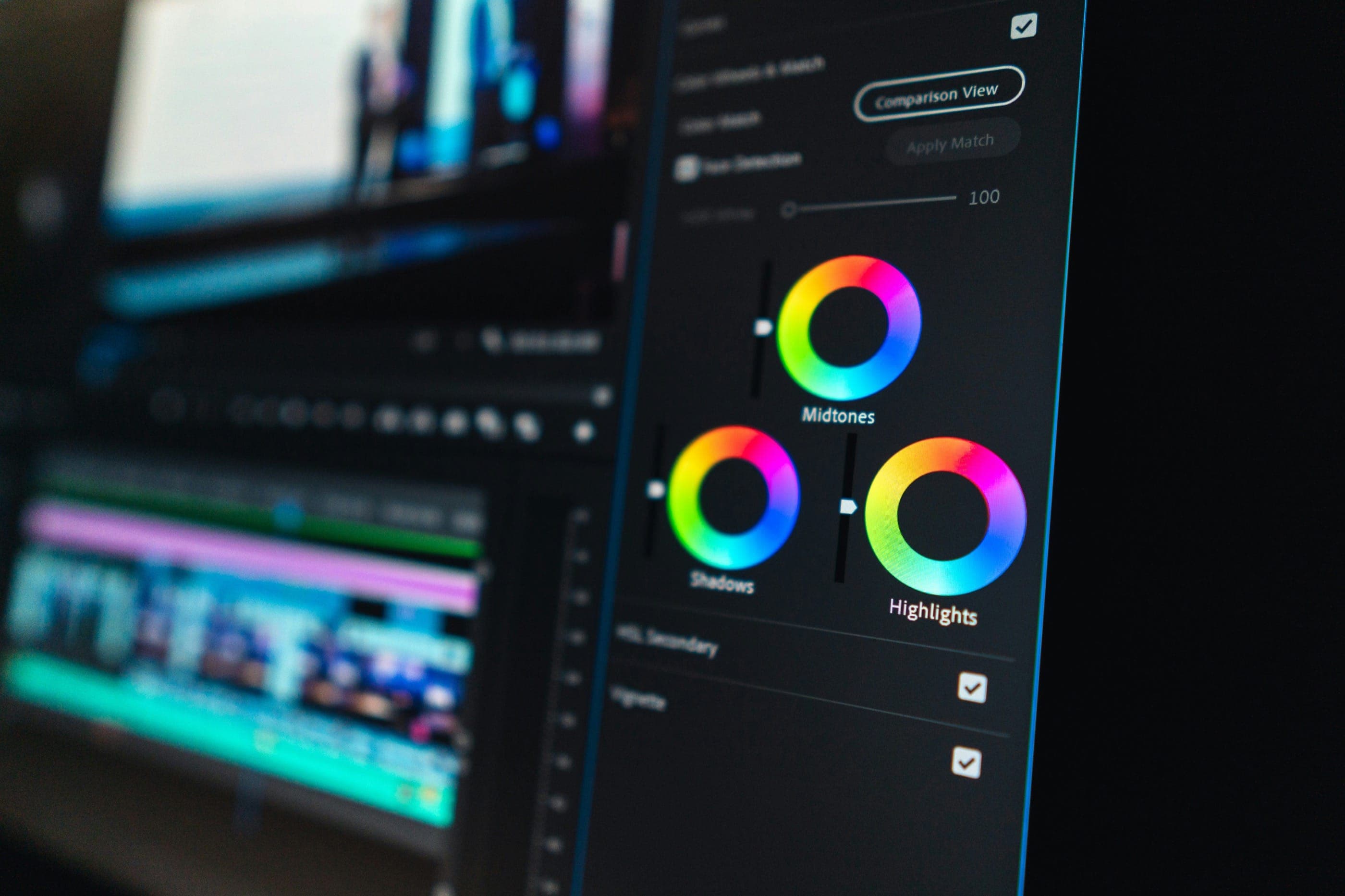
A film colorist is the post-production specialist responsible for shaping the visual tone, mood, and emotional palette of a motion picture or television series through the process of color grading and color correction. After picture lock — when the editor delivers a finalized cut — the colorist takes control of the image and transforms it from raw or graded dailies into the finished, polished look audiences see on screen.
The colorist works at the intersection of art and technology. On one side, they collaborate closely with the director and director of photography (DP) to execute a creative vision — giving a film a warm, nostalgic feel; a cool, clinical tension; or a heightened, stylized palette. On the other side, they manage complex technical pipelines involving camera raw formats, LUT management, display colorimetry, and format-specific deliverables for theatrical, streaming, broadcast, and home video.
Primary vs. Secondary Color Work
The colorist's work divides into two foundational categories. Primary color correction addresses the image as a whole — balancing exposure, correcting white balance, setting black and white points, and ensuring consistency across shots. Secondary color grading isolates specific elements — a sky, a skin tone, a costume — and manipulates them independently to serve the story without affecting the rest of the frame.
Where Colorists Work
Colorists are employed at dedicated post-production facilities (post houses), Hollywood studios, streaming platforms, broadcast networks, advertising agencies, and as independent freelancers. Feature film colorists often work inside a Digital Intermediate (DI) facility equipped with a calibrated theater-grade grading suite. Television and commercial colorists frequently work in smaller suites or remotely via cloud-based review tools like Frame.io or DaVinci Resolve's remote grading features.
The colorist sits near the end of the post-production chain — after picture editing, visual effects, and finishing — and is among the last creative voices to shape the film before final delivery.
Role & Responsibilities
Core Responsibilities of a Film Colorist
The colorist's responsibilities span both the creative development of the film's look and the technical execution required to deliver it across multiple formats and platforms.
Primary Color Correction
The colorist analyzes each scene for exposure problems, inconsistent color temperature, noise, and camera artifacts introduced during production. They balance shots within a scene so that edits flow invisibly — a critical task when footage comes from multiple cameras, different shooting days, or varying lighting conditions. This foundation work ensures every frame is technically sound before any creative grading begins.
Creative Color Grading and Look Development
Working from the director and DP's intent — communicated via reference images, mood boards, or on-set LUTs (Look-Up Tables) — the colorist develops the film's signature visual identity. They manipulate contrast curves, saturation, hue, and selective color ranges to evoke specific emotions. A crime drama might call for desaturated, high-contrast shadows; a romantic period piece might require lifted blacks and warm highlights. The colorist translates these intentions into technical grade decisions frame by frame, scene by scene.
Digital Intermediate (DI) Sessions
On feature films and high-end television productions, the colorist leads formal Digital Intermediate sessions. The director and DP attend the grading suite to review and approve the color work. The colorist presents multiple looks, explains technical constraints, and refines grades based on creative feedback — all in real time. Strong communication skills are as essential as technical mastery in these sessions.
HDR and SDR Deliverables
Modern productions require deliverables for multiple display standards simultaneously. The colorist must produce a theatrical DCI P3 master, an HDR10 or Dolby Vision grade for streaming, an SDR Rec.709 version for broadcast, and sometimes additional platform-specific masters for IMAX, Prime Video, or Netflix specifications. Each version requires careful adjustment — the HDR grade cannot simply be tone-mapped down to SDR without creative intervention. The colorist manages all of these concurrent deliverables within the post schedule.
Collaboration with the Post Team
The colorist coordinates with the VFX supervisor to ensure composited shots integrate seamlessly into the grade, with the online editor or conform artist to ensure the editorial timeline is properly organized, and with the DI producer to meet delivery deadlines. On productions using dailies, the colorist may also apply temporary "viewing LUTs" during production so the director and DP can monitor a consistent look on set.
Dailies and On-Set LUT Management
On larger productions, a dailies colorist (sometimes a separate role) processes camera footage daily during the shoot — applying exposure corrections, LUT transformations, and basic looks for editorial and on-set review. The primary colorist often sets the on-set LUTs that define the intended look before a frame is graded in post.
Quality Control and Delivery
Before deliverables leave the facility, the colorist reviews QC reports for luminance level compliance (e.g., broadcast legal levels), checks for banding, clipping, or macroblocking artifacts, and ensures metadata is correctly embedded. They sign off on the final technical master used by the distributor or streaming platform.
Skills Required
Technical and Creative Skills Every Film Colorist Needs
Professional colorists are expected to combine rigorous technical knowledge with a highly developed aesthetic sensibility. The skill set spans software mastery, color science, display technology, and interpersonal communication.
DaVinci Resolve (Industry Standard)
DaVinci Resolve by Blackmagic Design is the dominant professional color grading application in the industry. Colorists must be expert-level users of Resolve's color page — including node-based grading structures, Color Warper, Qualifier and Curves tools, Power Windows, tracking, OpenFX plugins, and the Resolve Color Management (RCM) pipeline. Knowledge of Resolve's Fusion page for basic compositing and its Deliver page for complex deliverable management is also expected at the professional level.
Baselight and Other Systems
FilmLight Baselight remains the primary alternative to Resolve in high-end feature film facilities, particularly in London and European post houses. Autodesk Lustre appears in some legacy facility workflows. Colorists working across multiple facilities benefit from familiarity with both Baselight and Resolve, though most professionals specialize in one primary system.
Color Science and Display Colorimetry
Professional colorists understand color spaces, gamma curves, and the mathematical relationships between them. This includes mastery of ACES (Academy Color Encoding System), scene-referred vs. display-referred workflows, camera-native log formats (ARRI Log C3/C4, Sony S-Log3, RED IPP2, DJI D-Log M), and display standards including Rec.709, DCI P3, and Rec.2020. Understanding how HDR formats (HDR10, Dolby Vision, HLG) differ technically — and how to grade for each — is now an essential professional skill.
Scopes and Monitoring
Colorists make decisions by reading video scopes — waveforms, vectorscopes, histograms, and RGB parade — rather than relying solely on visual perception. A calibrated reference monitor (typically Sony BVM-HX310, Canon DP-V3120, or equivalent) viewed in a light-controlled environment is the foundation of accurate grading. Understanding how to interpret scope readings and map them to delivery specifications is fundamental.
LUT Management and Look Development
Creating, managing, and applying Look-Up Tables (LUTs) for on-set monitoring, dailies workflows, and final delivery is a core colorist skill. Colorists must understand 1D vs. 3D LUT structures, how to build technical LUTs for camera-to-display transforms, and how to create creative show LUTs that establish the visual tone for a production.
Client Communication and Session Management
A colorist working with a director and DP in a live grading session must translate subjective creative notes ("it feels too clinical," "can we make this feel more humid and tired?") into specific technical grade adjustments in real time. Strong interpersonal skills, patience under creative pressure, and the ability to articulate grading decisions in plain language are as important as technical excellence.
Delivery Specifications and Quality Control
Every distributor, broadcaster, and streaming platform has specific technical delivery requirements. Netflix, Disney+, Amazon Prime Video, and IMAX each publish their own specs for peak luminance levels, color volume, codec, frame rate, and metadata. Colorists must know how to interpret these specs and structure their delivery pipeline accordingly.
Frequently Asked Questions
What does a Colorist (Color Grading) do?
What Is a Film Colorist?
What are the main responsibilities of a Colorist (Color Grading)?
Core Responsibilities of a Film Colorist
What skills does a Colorist (Color Grading) need?
Technical and Creative Skills Every Film Colorist Needs
What education or training do I need to become a Colorist (Color Grading)?
Education and Training for Aspiring Colorists
Education
Education and Training for Aspiring Colorists
There is no single mandatory degree to become a film colorist, but a combination of formal education, technical certification, and hands-on assisting work is the most effective path into professional color grading.
Film and Post-Production Degree Programs
Many working colorists hold bachelor's degrees in film production, cinema studies, digital media, or broadcast technology. Programs at schools like Chapman University, Savannah College of Art and Design (SCAD), Emerson College, NYU Tisch, and USC offer post-production specializations that introduce students to color theory, digital workflows, and professional grading software. A film degree is not required, but it provides a structured foundation in visual storytelling, editing, and the post pipeline — all of which inform better grading decisions.
DaVinci Resolve Certification
Blackmagic Design offers an official DaVinci Resolve Certified Training program — the closest thing to an industry-standard credential for colorists. Certification demonstrates proficiency in Resolve's color page, node structure, Power Windows, qualifiers, and delivery pipeline. Many post houses consider Resolve certification a baseline requirement for junior colorist and assist positions. The certification is available online and through authorized training centers globally.
Colorist Training Schools and Workshops
Dedicated colorist training programs exist specifically for this career path. Mixing Light offers comprehensive online tutorials from working professionals. Color Collective provides structured courses on color science and Resolve workflows. The Light Space & Time Online Gallery and film-specific bootcamps run intensive multi-day grading workshops. These programs fill the gap between academic film education and the specialized, daily reality of professional color work.
Starting as a Colorist's Assistant
The most common entry point into professional color grading is assisting an established colorist at a post house. As an assistant or junior colorist, you manage media ingest, conform timelines, organize project files, apply basic corrections under supervision, and learn the operational rhythms of a professional grading suite. This assisting path typically runs 2-4 years before a colorist begins taking on their own projects independently.
Self-Teaching and Portfolio Building
DaVinci Resolve is available as a free full-featured application, which has made self-teaching a legitimate entry path for many colorists. Independent short films, music videos, and documentary work allow emerging colorists to build a reel demonstrating their range. Platforms like YouTube, Vimeo, and Behance serve as portfolio hosts where colorists showcase before-and-after grades and reel samples.
Last updated April 25, 2026
Budget this role in seconds with Saturation
Rate packs, fringes, and phases turn a crew list into an accurate production budget without the spreadsheet math.
Rate packs
Verified union rates, versioned.


Fringes and markupsRebuilt
Stack them, cap them, and see the split on every line.
PhasesRebuilt
Every column knows its type.
Auto-fill
Rates fill in as you type, from the source you turned on.