What is a Cinematographer?
Overview
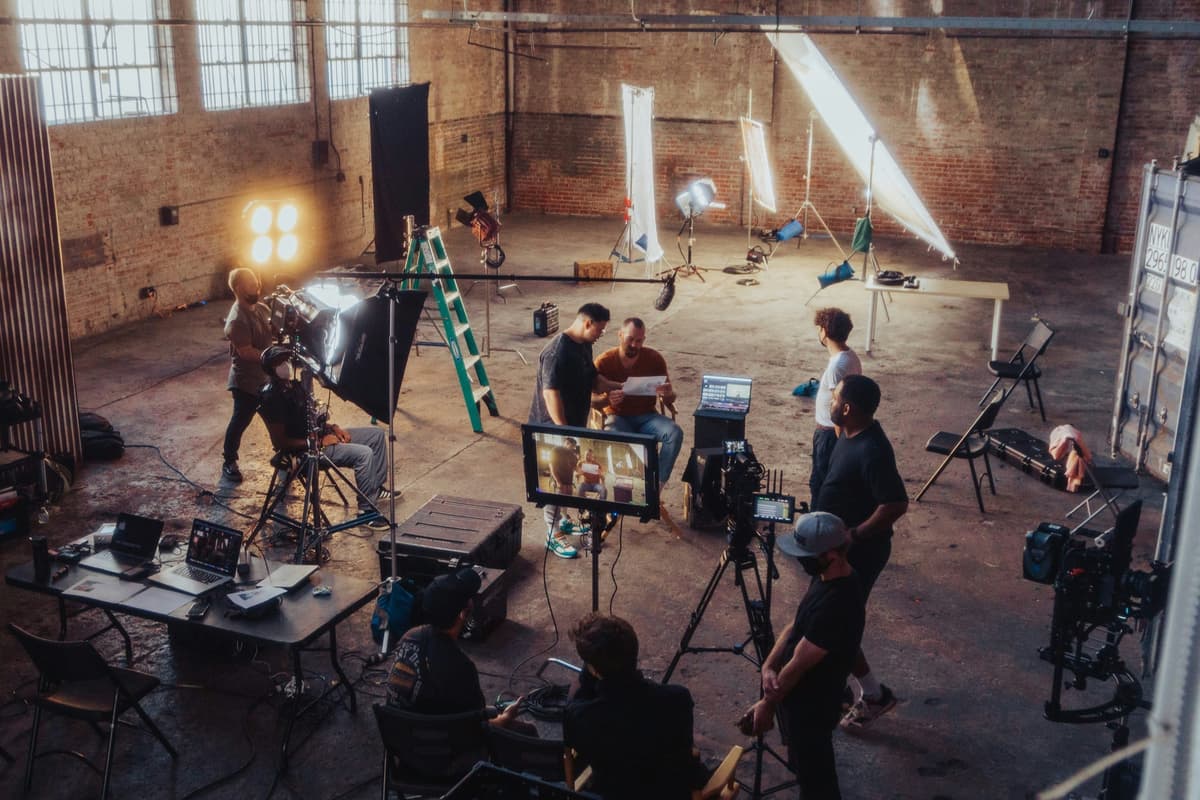
A Cinematographer, also known as a Director of Photography, is a vital member of the camera department in the film crew. They are responsible for the visual look of the film, working closely with the director to achieve the desired aesthetic and mood. Cinematographers use their expertise in lighting, framing, and camera movement to bring the director's vision to life on screen.
Role & Responsibilities
The role of a Cinematographer is to translate the director's vision into visual storytelling. They collaborate with the director to determine the best camera angles, lighting setups, and shooting techniques to enhance the narrative and evoke the desired emotions from the audience. Cinematographers also oversee the camera and lighting crew, ensuring that the technical aspects of filming are executed flawlessly.
Skills Required
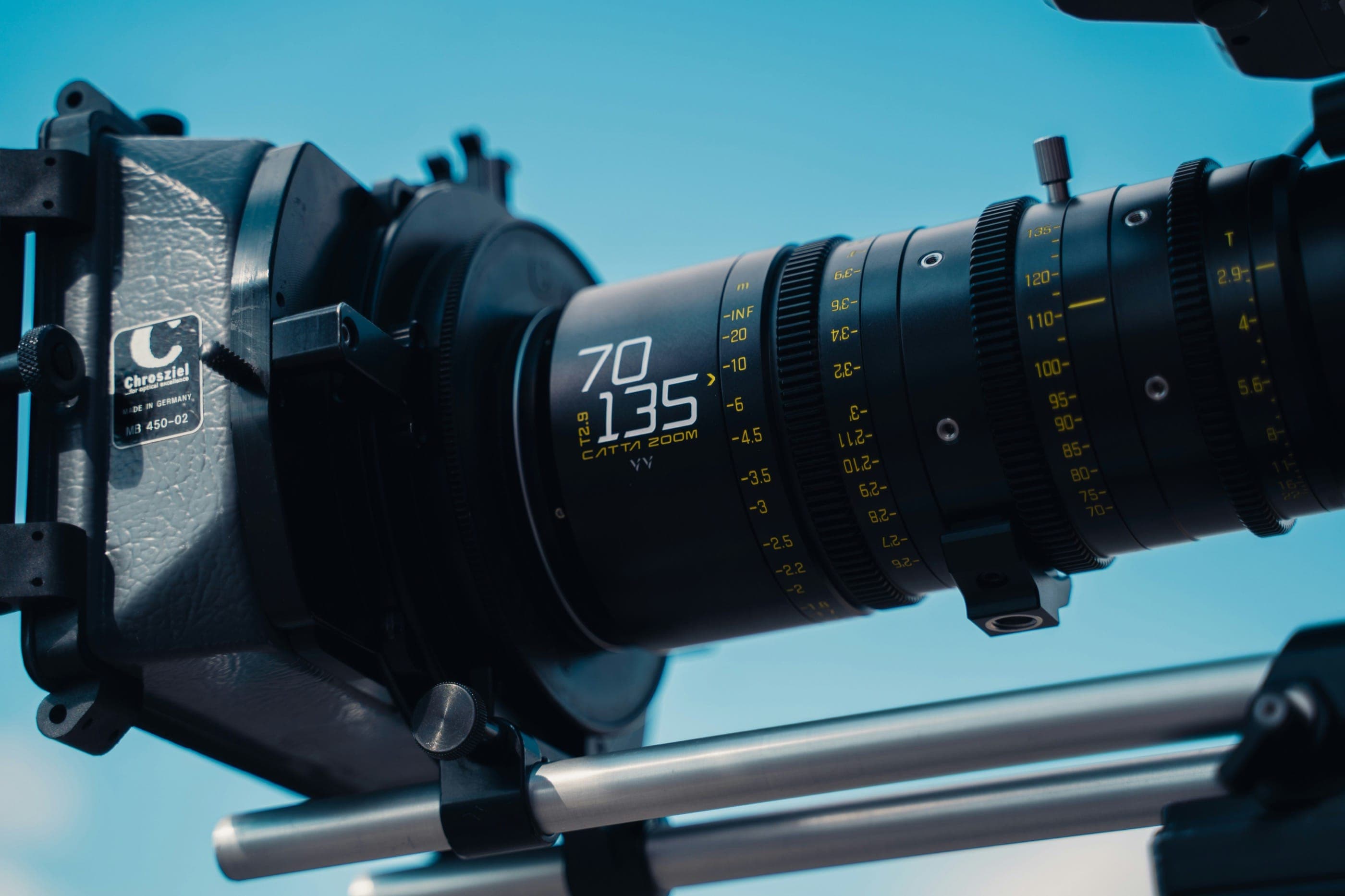
To excel as a Cinematographer, one must possess a diverse set of skills. These include a deep understanding of camera equipment and technology, proficiency in lighting techniques, creativity in visual storytelling, strong communication and collaboration skills, adaptability to different filming conditions, and the ability to work efficiently under pressure. Additionally, a keen eye for detail, a passion for cinematic artistry, and a willingness to experiment with new techniques are valuable traits for a successful Cinematographer.
Frequently Asked Questions
What does a Cinematographer do?
A Cinematographer, also known as a Director of Photography, is a vital member of the camera department in the film crew. They are responsible for the visual look of the film, working closely with the director to achieve the desired aesthetic and mood. Cinematographers use their expertise in lighting, framing, and camera movement to bring the.
What are the main responsibilities of a Cinematographer?
The role of a Cinematographer is to translate the director's vision into visual storytelling. They collaborate with the director to determine the best camera angles, lighting setups, and shooting techniques to enhance the narrative and evoke the desired emotions from the audience. Cinematographers also oversee the camera and lighting crew,.
What skills does a Cinematographer need?
To excel as a Cinematographer, one must possess a diverse set of skills. These include a deep understanding of camera equipment and technology, proficiency in lighting techniques, creativity in visual storytelling, strong communication and collaboration skills, adaptability to different filming conditions, and the ability to work efficiently under .
What education or training do I need to become a Cinematographer?
Becoming a Cinematographer typically requires a college degree in film, cinematography, or a related field. Many aspiring Cinematographers also enroll in specialized film schools or programs to gain practical experience and technical skills. While a formal education is beneficial, some Cinematographers have built their careers through hands-on.
Education
Becoming a Cinematographer typically requires a college degree in film, cinematography, or a related field. Many aspiring Cinematographers also enroll in specialized film schools or programs to gain practical experience and technical skills. While a formal education is beneficial, some Cinematographers have built their careers through hands-on experience and mentorship in the industry.
Last updated August 31, 2026
Budget this role in seconds with Saturation
Rate packs, fringes, and phases turn a crew list into an accurate production budget without the spreadsheet math.
Rate packs
Verified union rates, versioned.


Fringes and markupsRebuilt
Stack them, cap them, and see the split on every line.
PhasesRebuilt
Every column knows its type.
Auto-fill
Rates fill in as you type, from the source you turned on.