What is a Character Design?
Overview
The realm of animation springs to life with the help of character designers, who are the creative forces behind the visual appearance and aesthetic style of characters in animated films, television shows, video games, and other media forms. A character designer's primary responsibility lies in conceptualizing and crafting the visual representation of a character by considering the narrative, setting, and personality traits that define them. This role demands a fusion of artistic talent, creativity, and a deep understanding of storytelling to ensure characters resonate with audiences and fit seamlessly within their animated worlds.
Role & Responsibilities
A character design professional stands at the crux of animation production, providing detailed and compelling character sketches that serve as a blueprint for animators and other team members. Their role encompasses researching and developing characters' looks, which can range from outfits and hairstyles to distinctive physical traits that align with the character's psychological profile and function within the story. Character designers also collaborate closely with directors and writers to translate a character from script to visual form, ensuring consistency in style and relevancy to the overall theme of the project.
Skills Required
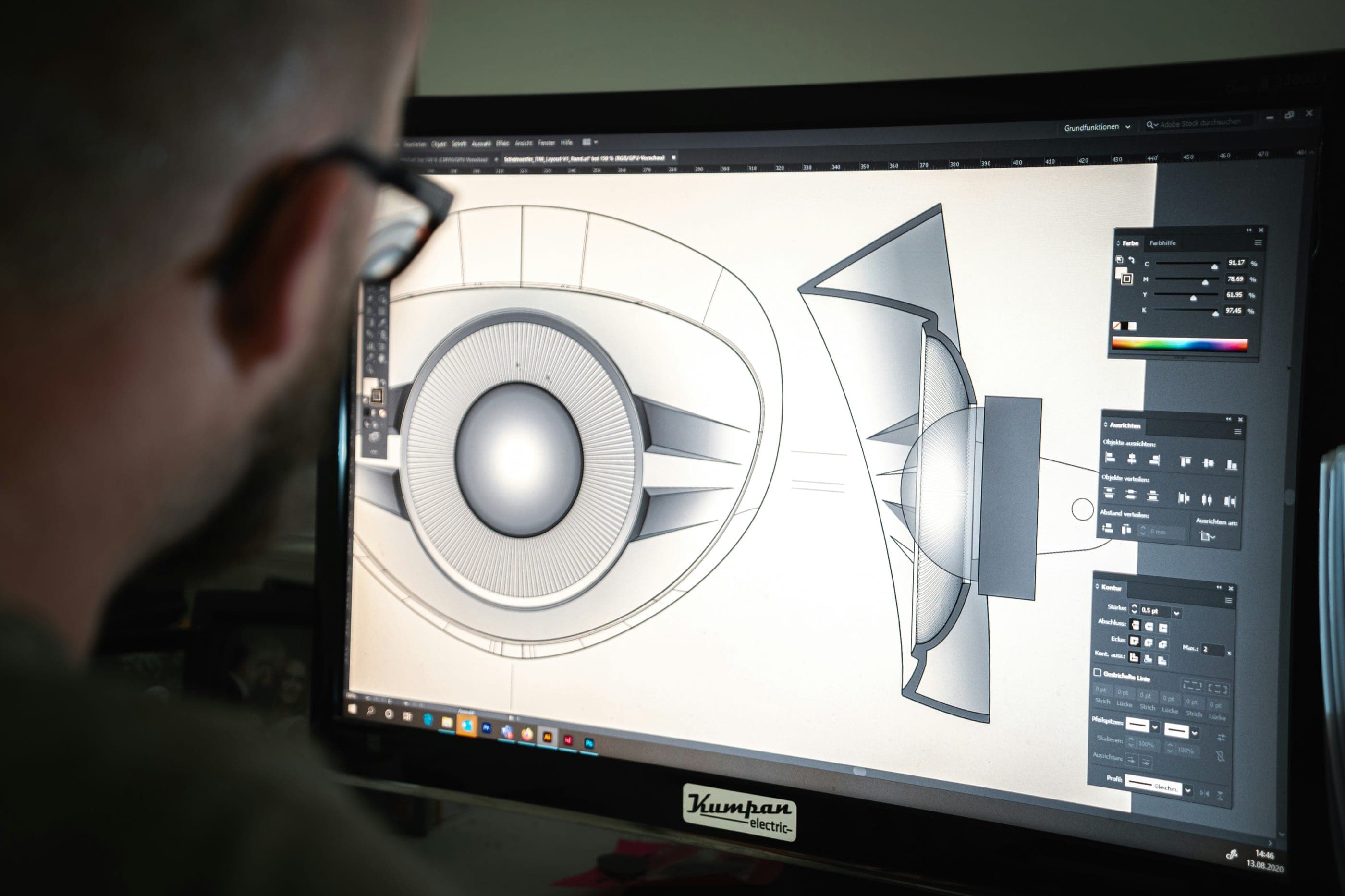
To excel in character design, a blend of artistic and technical skills is crucial. Individuals must have a strong grasp of anatomy, color theory, and composition, alongside proficiency in drawing and an understanding of movement and expression to give life to static images. Proficiency in digital art software such as Adobe Photoshop, Illustrator, or various 3D modeling programs is often required. Moreover, character designers should possess creativity, storytelling ability, communication, and collaboration skills to effectively contribute to a team and see a project through from concept to final animation.
Frequently Asked Questions
What does a Character Design do?
The realm of animation springs to life with the help of character designers, who are the creative forces behind the visual appearance and aesthetic style of characters in animated films, television shows, video games, and other media forms. A character designer's primary responsibility lies in conceptualizing and crafting the visual representation .
What are the main responsibilities of a Character Design?
A character design professional stands at the crux of animation production, providing detailed and compelling character sketches that serve as a blueprint for animators and other team members. Their role encompasses researching and developing characters' looks, which can range from outfits and hairstyles to distinctive physical traits that align.
What skills does a Character Design need?
To excel in character design, a blend of artistic and technical skills is crucial. Individuals must have a strong grasp of anatomy, color theory, and composition, alongside proficiency in drawing and an understanding of movement and expression to give life to static images. Proficiency in digital art software such as Adobe Photoshop, Illustrator,.
What education or training do I need to become a Character Design?
Although not always a strict requirement, many character designers have a background in higher education, typically holding degrees in fields such as Animation, Illustration, Fine Arts, or Graphic Design. Colleges and specialized art schools offer programs that provide the technical training and artistic development needed for this field. However, .
Education
Although not always a strict requirement, many character designers have a background in higher education, typically holding degrees in fields such as Animation, Illustration, Fine Arts, or Graphic Design. Colleges and specialized art schools offer programs that provide the technical training and artistic development needed for this field. However, the industry also places significant value on a robust portfolio and practical experience. As such, aspiring character designers may alternatively pursue internships, apprenticeships, or build experience through personal projects and freelance opportunities.
Last updated October 24, 2026
Budget this role in seconds with Saturation
Rate packs, fringes, and phases turn a crew list into an accurate production budget without the spreadsheet math.
Rate packs
Verified union rates, versioned.


Fringes and markupsRebuilt
Stack them, cap them, and see the split on every line.
PhasesRebuilt
Every column knows its type.
Auto-fill
Rates fill in as you type, from the source you turned on.