What is a Best Boy Grip?
Overview
What Is a Best Boy Grip?
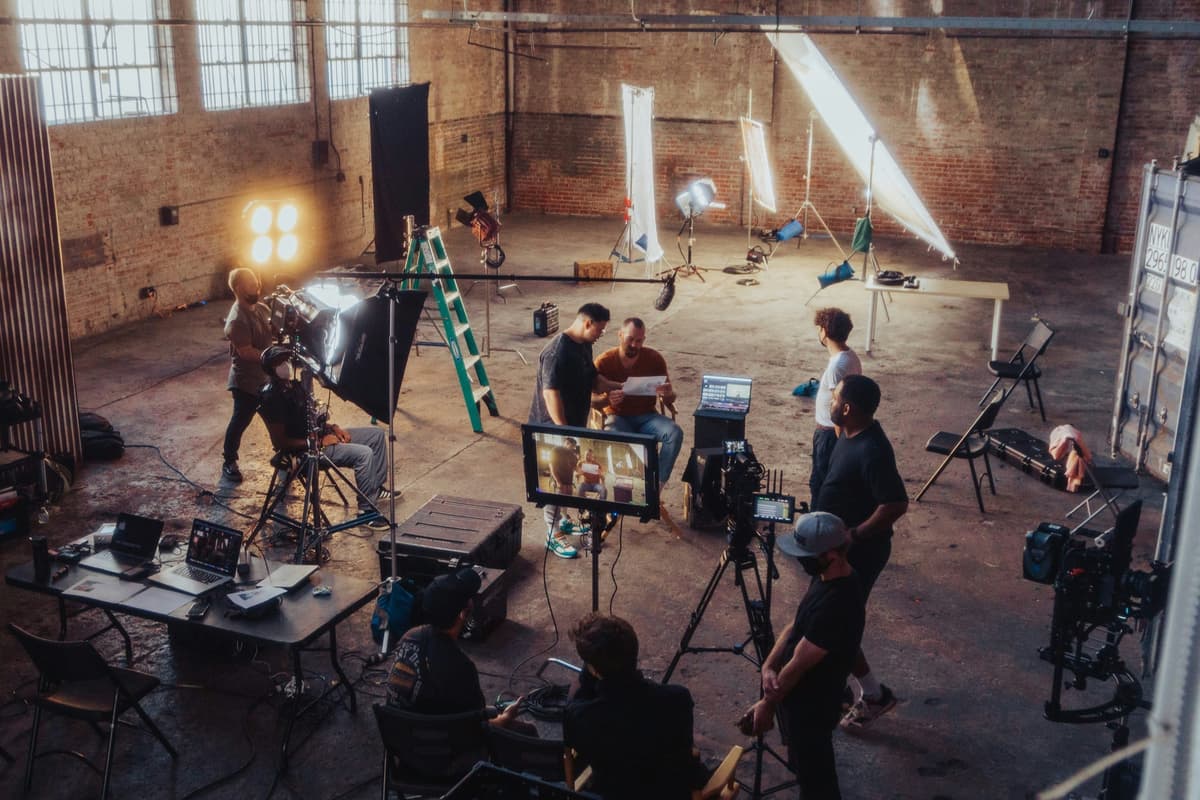
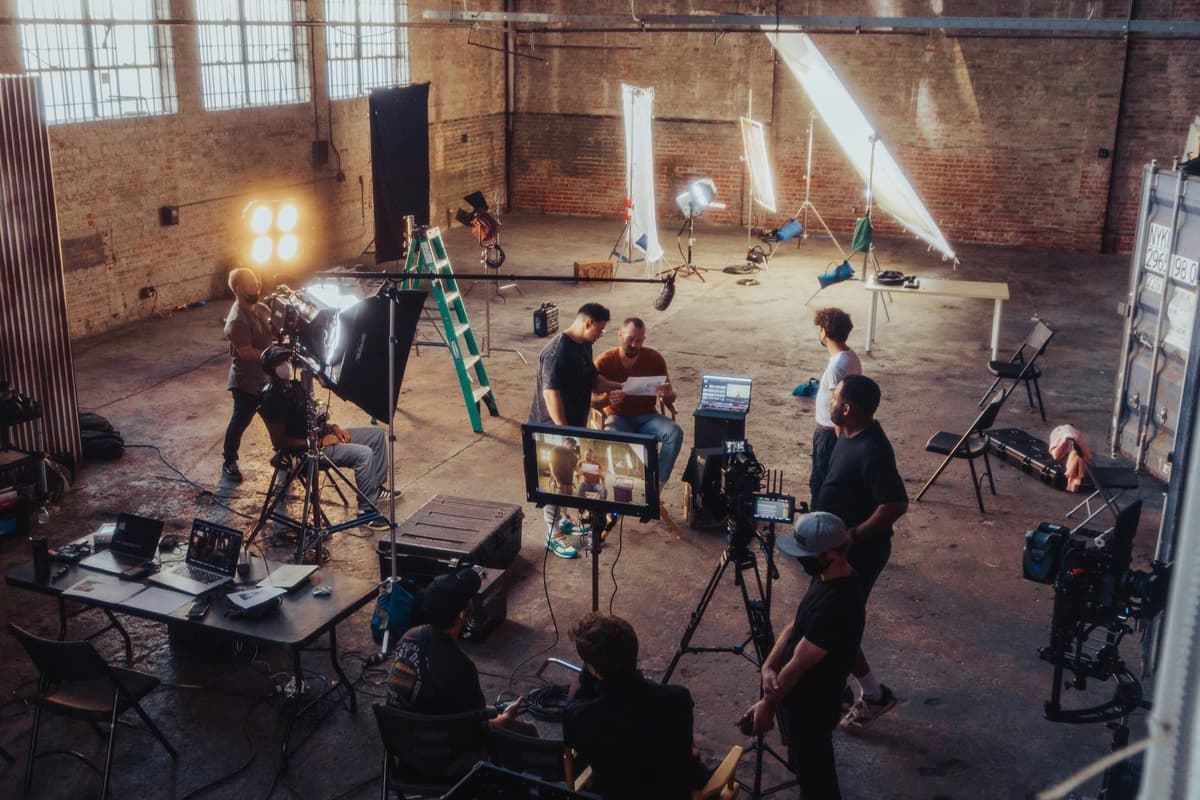
The best boy grip is the second-in-command of the grip department on a film or television production. Officially known as the 2nd Company Grip, the best boy grip reports directly to the key grip and is responsible for the day-to-day logistics of the entire grip crew — from managing equipment inventories and scheduling personnel to coordinating rentals and ensuring every piece of gear arrives camera-ready.
In simple terms: the key grip leads the creative and technical execution of rigging, camera support, and light control on set, while the best boy grip makes sure the department runs like a business. If the key grip is the head chef, the best boy grip is the kitchen manager — organizing the brigade, tracking supplies, and making sure service runs without a hitch.
Where Does the Name "Best Boy" Come From?
The origin of the term "best boy" traces back to the early days of the American film industry. When department heads needed an extra hand, they would call out for the "best boy" available from the labor pool — meaning the most capable, reliable worker on the call sheet. Over time, the designation became institutionalized in union agreements and eventually formalized as an official film crew title.
Today the title is gender-neutral in practice. A woman performing the same role may be called "best boy" or occasionally "best girl," though "best boy" is the universal industry standard that appears in contracts and screen credits regardless of gender.
Best Boy Grip vs. Best Boy Electric
There are two types of best boys on a typical film set:
- Best Boy Grip — assistant to the key grip, managing the grip department (rigging, dollies, cranes, camera mounts, and light-modifying flags and nets).
- Best Boy Electric — assistant to the gaffer, managing the electrical department (lamps, cable runs, generators, dimmer boards).
These are two entirely separate departments with distinct hierarchies. The best boy grip never supervises electricians, and the best boy electric never supervises grips — even though both departments often work side by side during lighting setups.
Where the Best Boy Grip Fits in the Department Hierarchy
The grip department chain of command on a major studio production typically looks like this:
- Key Grip — department head, works directly with the Director of Photography
- Best Boy Grip — second-in-command, handles operations and crew logistics
- Company Grips / Dolly Grip — on-set crew executing rigging and camera movement
- Swing Gang / Day Players — additional grip crew hired for specific shooting days or stunts
On smaller productions — short films, indie features, or branded content — the best boy grip and key grip roles may be consolidated into one person. On union studio productions, they are always distinct positions covered by separate deal memos and pay rates.
Why the Best Boy Grip Role Matters for Producers
From a production management standpoint, the best boy grip is one of the most budget-sensitive positions on the crew. They control the grip truck manifest, approve equipment rentals, and submit timecards for the entire grip crew. Miscommunication or poor oversight at this level leads directly to cost overruns — overtime charges for grip crew, unexpected rental extensions, or missing expendables that hold up shooting.
Producers who use cloud-based production budgeting and expense tracking software like Saturation can give department heads — including the key grip and best boy — real-time visibility into departmental budgets, eliminating end-of-week timecard surprises and rental overages that blow grip budgets.
Quick Facts: Best Boy Grip
- Also known as: 2nd Company Grip
- Reports to: Key Grip
- Department: Grip (sometimes listed under "Camera" or "Lighting & Grip")
- Union: IATSE Local 80 (Los Angeles), IATSE Local 52 (New York), other regional locals
- Average salary: $60,000–$130,000 annually (union, full-time equivalent)
- Career path: Grip → Company Grip → Best Boy Grip → Key Grip
Role & Responsibilities
Core Responsibilities of the Best Boy Grip
The best boy grip wears many hats simultaneously. On any given production day they are part logistics manager, part equipment technician, part HR administrator, and part safety officer. Below is a comprehensive breakdown of every major duty the role entails.
Crew Hiring and Scheduling
One of the best boy grip's primary responsibilities — especially in the prep phase before shooting begins — is assembling the grip crew. Working from the production's shooting schedule, they determine how many grips are needed on each shooting day, which days require the dolly grip, and when additional swing-gang workers must be called in.
The best boy grip maintains a personal contact book (or database) of reliable company grips, dolly grips, and day players they can call at short notice. On union productions, they must verify that all crew members are IATSE members in good standing before booking them. They issue daily crew calls, confirm availability, track who has worked consecutive days (triggering overtime rules), and file time cards at the end of each shooting day.
When a grip calls in sick or has a conflict, the best boy grip is responsible for finding a qualified replacement on short notice — often before dawn when shooting starts early.
Equipment Management and the Grip Truck
The best boy grip is the keeper of the grip truck. Before production begins, they work with the key grip to generate an equipment manifest — a full list of every item to be rented or owned by the production. This includes:
- Dollies and track — Fisher 10, 11, or 23; Chapman Hybrid; Doorway Dolly; etc.
- Cranes and jibs — Technocrane, Panther Eagle, smaller remote heads
- C-stands and risers — in multiples of 10–20 depending on the scale of the shoot
- Flags, nets, cutters, and silks — light-modifying fabric mounted on stands
- Apple boxes — solid, half, quarter, and pancake sizes for leveling and propping
- Clamps and hardware — mafer clamps, junior receivers, baby plates, cardellini clamps
- Sandbags — essential ballast for stands and rigging safety
- Camera mounts and car rigs — suction cups, hostess trays, hood mounts, arm rigs
- Expendables — gaffers tape, duvetyne, clothespins (C-47s), zip ties, bungee cords
The best boy grip submits rental orders to the grip house (Cinelease, Keslow, Panavision Grips, etc.), coordinates delivery and pickup dates, and verifies every item on the manifest when the truck arrives. Any discrepancy is reported immediately so it can be corrected before the first day of shooting.
During production, the best boy grip tracks equipment in real time — knowing what is on the floor of the stage versus what is stowed on the truck, what has been damaged, and what needs to be swapped out or supplemented. They manage expendable stock and reorder supplies before they run out mid-shoot.
On-Set Operations and Rigging
While the key grip is on the floor working directly with the Director of Photography and camera department during setups, the best boy grip is often simultaneously coordinating the next setup — pre-rigging equipment in the background while the main unit shoots. This parallel prep work is what keeps productions moving efficiently.
Best boy grips are highly skilled at:
- Laying dolly track — leveling track on uneven surfaces, curved track configurations, coordinating with the dolly grip on timing
- Crane rigging — assembling, counterbalancing, and safely operating camera cranes of various sizes
- High rigging — mounting heavy camera rigs and lighting modifiers at height from truss, grid, or scaffolding
- Vehicle and camera car work — rigging cameras to vehicles for driving sequences
- Green screen support — managing green/blue screen frame systems and keeping wrinkle-free tension
- Specialty mounts — snorkel mounts, underwater housings (in coordination with specialists), aerial mounts
The best boy also steps in to cover for the key grip during location scouts, production meetings, and pre-rigging days when the key grip cannot be in two places at once.
Safety Oversight
Safety is non-negotiable in the grip department. The best boy grip enforces all OSHA regulations, production safety bulletins, and IATSE safety protocols on the grip truck and on set. They conduct equipment checks before each use, ensure sandbags are on every stand that might tip, and call a halt to any rigging operation that appears unsafe — even if it creates delays.
After high-profile on-set accidents in the industry, productions are under increased scrutiny regarding rigging safety. The best boy grip is often the last line of defense before a potentially dangerous setup is executed. Their authority to stop work for safety reasons is absolute.
Paperwork and Administrative Duties
Beyond the physical labor, the best boy grip handles significant administrative work that many people outside the industry don't realize exists:
- Daily time cards — collecting, verifying, and submitting signed time cards for every member of the grip crew
- Purchase orders and rental invoices — approving grip expenditures within their departmental budget
- Loss and damage reports — documenting any equipment that is broken, lost, or stolen during production
- Wrap reports — finalizing the equipment manifest at the end of production, reconciling what was rented vs. returned
- Union paperwork — ensuring all crew members' union hours are properly reported to IATSE
On productions using modern production management platforms, this paperwork burden is dramatically reduced — digital timecards, expense approvals, and budget tracking happen in real time rather than via stacks of paper forms at the end of the day.
Relationship with the Gaffer's Department
The grip and electric departments work in close coordination throughout every shooting day, but maintain separate chains of command. The best boy grip communicates regularly with the best boy electric to coordinate equipment placement — for example, when a large silk or butterfly net needs to be positioned to both control a light and match a rigged electrical fixture.
Miscommunication between the two departments is a common source of set delays. Experienced best boys in both departments develop shorthand communication and mutual respect that keeps the departments moving as one unit without overlapping authority.
Wrap and Load
At the end of each shooting day and at the end of production, the best boy grip supervises the striking (dismantling) and loading of all grip equipment back onto the truck. They ensure all rented items are accounted for, all owned equipment is properly packed and protected, and the truck is loaded in the correct order for the next day's shooting priorities.
Final wrap — at the end of the entire production — involves returning all rented equipment to the rental house, reconciling final invoices, and confirming no damage claims will follow the production after wrap.
Skills Required
Essential Skills for a Best Boy Grip
The best boy grip role demands a rare combination of physical capability, technical expertise, interpersonal intelligence, and administrative competence. No single skill is sufficient — the best boys who build long careers in the industry are the ones who excel across all of these dimensions simultaneously.
Physical Fitness and Stamina
Grip work is physically demanding. Best boy grips regularly lift heavy equipment (sandbags, dolly sections, large C-stands), work on their feet for 12–16 hour days, operate in extreme weather conditions on location, and climb ladders and scaffolding to rig at height. A minimum level of physical fitness is a prerequisite — production injuries are serious, and an injured best boy grip affects the entire department's ability to function.
Experienced best boys develop efficient lifting technique, know when to call for additional crew rather than pushing through a dangerous lift, and manage their physical energy across multi-week shooting schedules to avoid cumulative fatigue.
Equipment Knowledge and Rigging Expertise
A best boy grip must have encyclopedic knowledge of grip equipment. This means knowing not only what each piece of equipment does, but how to rig it safely, what its rated load capacity is, and how to troubleshoot when something doesn't work as expected mid-setup.
Core equipment categories every best boy grip must master:
- Dolly systems — Fisher 10/11/23, Chapman Hybrid, Doorway Dolly, Elemack; understanding weight limits, arm configurations, and remote head compatibility
- Camera cranes and jibs — Technocrane 30 and 50, Panther Eagle, Pegasus, Fisher 23; counterbalancing, remote head setup, safe operating radius
- C-stand rigging — proper gobo head orientation, nesting legs for stability, maximum safe extension heights for flags and nets
- High rigging — working from ladders, scaffolding, condor baskets, and theatrical grid systems; load ratings for hanging points; hardware selection (shackles, swivels, picket pins)
- Vehicle rigging — suction mounts, low loaders, camera cars, hostess tray mounts; understanding safe driving speeds for various mount configurations
- Green screen and cyc work — infinity cove lighting control, seamless green/blue screen frame management, wrinkle prevention techniques
- Expendables expertise — knowing which tape adhesion levels to use on which surfaces, duvetyne applications, proper flagging to control light spill
Leadership and Crew Management
The best boy grip manages people every day. This requires leadership skills that go well beyond technical expertise. Strong best boys are clear and direct communicators who can give instructions without creating confusion or resentment. They understand how to motivate tired crew members at hour 14 of a 16-hour day. They know how to mediate disputes between crew members without escalating to the key grip unless necessary.
The best best boys are also great at reading the room. They sense when a crew member is struggling (physically or personally) and intervene with support before performance degrades on set. They cultivate loyalty — grip crew members often follow their best boy from show to show because they trust that the best boy will treat them fairly, call them back, and go to bat for them when issues arise.
Budgeting and Administrative Competence
Best boy grips must be comfortable working with departmental budgets. They track rental costs, manage expendable spend, and flag when the department is approaching its budget ceiling before it becomes a production management crisis. They submit accurate time cards, reconcile equipment invoices, and generate loss/damage reports that may have financial consequences for the production.
Attention to detail in paperwork prevents costly disputes with rental houses, payroll processing errors for crew members, and budget overruns that reflect poorly on the key grip and the production team.
Safety Protocols and OSHA Compliance
Safety knowledge is non-negotiable. The best boy grip must be fluent in:
- OSHA General Industry standards — particularly those covering fall protection, manual lifting, and scaffolding
- IATSE safety bulletins — the industry-specific safety guidelines governing everything from high rigging to vehicle work
- Production safety advisor guidance — major studios and streamers require compliance with safety coordinator recommendations
- Equipment weight ratings — never exceeding rated capacities on any piece of hardware, stand, or hanging point
- First aid basics — knowing what to do in the first moments of an on-set injury before the medic arrives
The best boy grip's authority to call a halt to any unsafe operation must be exercised without hesitation. A brief production delay is always preferable to a serious injury.
Communication Skills
Best boys operate at the intersection of multiple departments. They receive direction from the key grip, communicate with the best boy electric, coordinate with the dolly grip, interface with rental house representatives, and report to the production manager on departmental budget and crew issues. Clarity and precision in both verbal and written communication prevent errors that cause delays and cost money.
On walkie-talkie communication — standard on virtually every professional set — best boys must use proper radio etiquette, the correct channels for their department, and concise language that conveys accurate information without cluttering channels used by other departments.
Problem-Solving Under Pressure
Film sets are controlled chaos. Equipment arrives damaged. A critical piece of gear wasn't included in the rental. An actor's movement changes and the original dolly track layout no longer works. A location has an unexpected obstacle that prevents the planned rigging setup.
The best boy grip is expected to solve these problems quickly, quietly, and creatively — often without the key grip being available to consult because the key grip is in the middle of a setup. The ability to improvise with available equipment, call the right people at the rental house, and propose viable alternatives to the key grip on short notice is what separates competent best boys from exceptional ones.
IATSE Knowledge and Union Compliance
On union productions, the best boy grip must understand the IATSE Basic Agreement in detail. This includes knowing:
- Minimum rates for each grip classification
- Overtime triggers (time-and-a-half, double-time thresholds)
- Turnaround minimums between shooting days
- Meal penalty rules and when they apply
- Which work classifications require union members vs. can be covered by non-union workers on union shows
Violations of the union agreement — whether accidental or intentional — create grievances that the best boy grip must help manage. Prevention through knowledge is always the better approach.
Digital Tools and Production Software
Modern grip departments increasingly use digital tools to manage their operations. Best boys are expected to be comfortable with:
- Equipment tracking apps and digital manifests
- Digital time card submission (Movie Magic Budgeting, SmartTime, or similar)
- Communication platforms (Slack, WhatsApp groups, GroupMe) for coordinating with crew
- PDF readers and document management for call sheets, scripts, and DOOD reports
Productions that use integrated platforms — where budgeting, time cards, and expense approval all live in one system — make it significantly easier for the best boy grip to stay on top of administrative responsibilities alongside the physical demands of the job.
Salary Guide
Best Boy Grip Salary Overview
Best boy grip compensation varies significantly based on production budget, union status, market (Los Angeles vs. New York vs. regional), and the individual's experience level. The role commands a premium over company grip rates — the administrative responsibility, crew management duties, and equipment accountability justify higher base pay on nearly every production type.
IATSE Local 80 Union Rates (Los Angeles — 2025–2026)
In Los Angeles, best boy grips working on IATSE Local 80 signatory productions are covered by the Basic Agreement negotiated between the IATSE and the Alliance of Motion Picture and Television Producers (AMPTP). The following rates apply to studio and streaming productions under the current agreement:
- Best Boy Grip hourly rate: approximately $65–$75/hour (varies by classification and sub-agreement)
- Best Boy Grip weekly rate (5-day guarantee): approximately $3,900–$4,500/week on studio contracts
- Overtime: time-and-a-half after 8 hours/day; double-time after 12 hours/day (or after 10 hours on modified agreements)
- Turnaround: minimum 9-hour turnaround between shooting calls (10 hours on some agreements)
- Meal penalties: additional compensation if meal break is not provided within the contracted window
IATSE members also receive contributions to the Motion Picture Industry Pension & Health Plans — a significant additional compensation component worth thousands of dollars per production, covering health insurance and building pension credits toward retirement.
IATSE Local 52 Union Rates (New York)
New York productions covered by IATSE Local 52 operate under their own agreement with rates that are comparable to — and in some cases slightly higher than — Los Angeles. New York best boy grip rates generally range from $68–$78/hour on studio and streaming productions, reflecting the higher cost of living and different production environment in the New York market.
Annual Salary by Experience Level
Because the film industry is project-based rather than salaried, annual income for a best boy grip depends heavily on how many weeks of work they book across the year. Active best boys working steadily on union productions in a major market can expect:
- Entry-level best boy (first 1–3 years in the role): $60,000–$85,000/year — still building credits and working on smaller-budget productions, not yet booking major studio shows
- Mid-career best boy (3–7 years): $85,000–$110,000/year — regularly booked on studio features, network TV, and major streaming series; steady work across the year with occasional downtime between productions
- Senior best boy (7+ years, established relationships): $110,000–$140,000/year — working almost continuously on A-list productions, sometimes doing multiple shows in a year through overlapping prep and wrap periods
Non-Union Best Boy Grip Rates
Non-union productions — indie features, short films, commercial production, music videos, and branded content — negotiate rates directly with the best boy grip rather than following a fixed union rate card. Typical non-union day rates:
- Low-budget indie features / short films: $200–$350/day (10-hour day)
- Mid-budget indie features / commercial production: $350–$600/day
- Higher-budget commercial and music video: $600–$900/day — these productions often pay competitive day rates to attract union-caliber crew even without a formal IATSE agreement
Non-union rates do not include health insurance or pension contributions, which are major gaps compared to union compensation. Many non-union best boys must budget separately for health coverage, which significantly reduces the real-world difference in take-home pay between union and non-union work.
Salary by Market and Region
Production markets outside Los Angeles and New York offer substantially different rates:
- Atlanta, GA — one of the busiest non-LA production hubs due to Georgia's film tax incentive; union rates under IATSE Local 479, generally $55–$65/hour for best boy grip
- Chicago, IL — active commercial and TV market; IATSE Local 476, rates comparable to mid-range LA
- New Orleans, LA — significant production activity under Louisiana tax incentives; IATSE Local 478, lower rates than LA/NY but competitive within the local market
- Vancouver, BC / Toronto, ON — major Canadian production centers; rates negotiated in Canadian dollars under IATSE Canadian agreements; often $50–$70 CAD/hour
- Albuquerque, NM — growing production hub driven by Netflix studio investment; IATSE Local 480
Commercial and Advertising Production
Commercial production — ads for broadcast, digital, and streaming platforms — typically has compressed schedules (1–5 shoot days) but higher day rates. A best boy grip on a national commercial can earn $700–$1,200/day or more, particularly on union commercials covered by the AICP/IATSE commercial agreement. Top commercial best boys who book consistent work in this sector can earn $120,000+ annually despite fewer total working days per year.
Comparing to Adjacent Roles
- Company Grip (2nd step below): $50–$60/hour (union), $250–$450/day (non-union)
- Best Boy Grip (this role): $65–$75/hour (union), $350–$900/day (non-union)
- Key Grip (one step above): $75–$95/hour (union), $600–$1,500/day (non-union)
The step up from company grip to best boy grip typically represents a 20–30% increase in hourly rate. The step from best boy to key grip is similarly significant, though it comes with substantially more creative and financial responsibility.
BLS Wage Data Reference
The Bureau of Labor Statistics classifies grip crew under the broader category of Camera Operators, Television, Video, and Film. According to the BLS Occupational Employment and Wage Statistics (May 2024), the median annual wage for camera operators and film crew in this classification was approximately $68,810, with the top 10% earning over $122,000. These figures underrepresent experienced union best boy grips in major markets, who regularly exceed the median due to union scale rates and consistent bookings.
Factors That Affect Best Boy Grip Pay
- Production budget — studio features pay union scale; micro-budget films may pay deferred or minimal rates
- Union vs. non-union — the single biggest pay differentiator
- Market (LA vs. regional) — LA rates set the industry benchmark; regional markets vary significantly
- Production type — commercials can pay more per day than features; streaming rates are now comparable to or exceeding traditional broadcast
- Years of experience and credit level — best boys with strong credits on prestige productions command higher negotiated rates
- Specialization — best boys with expertise in specific rigging types (crane work, high rigging, underwater) may earn premium rates on specialized productions
Frequently Asked Questions
What does a best boy grip do on a film set?
The best boy grip is the second-in-command of the grip department, reporting to the key grip. Their primary responsibilities are managing the grip crew (hiring, scheduling, supervising), overseeing all grip equipment (the truck manifest, rentals, inventory), handling administrative work (time cards, purchase orders), and performing on-set rigging alongside the rest of the grip crew. They are the operational backbone of the department — handling logistics so the key grip can focus on the creative and technical execution of shots.
What is the difference between a best boy grip and a key grip?
The key grip is the department head who works directly with the Director of Photography to achieve the lighting and camera support requirements of each shot. The best boy grip is the department's foreman — managing crew, equipment logistics, and administrative tasks. The key grip makes the creative and technical decisions; the best boy grip makes sure the department has everything it needs to execute those decisions. Think of the key grip as the department head and the best boy grip as the operations manager.
What is the difference between a best boy grip and a best boy electric?
A best boy grip works under the key grip in the grip department, handling camera support rigging, dollies, cranes, flags, and nets. A best boy electric works under the gaffer in the electrical department, handling lighting equipment, cable management, and dimmer systems. They are parallel positions in entirely separate departments with separate chains of command — though the two departments work closely together during lighting setups on every shoot.
How much does a best boy grip make?
Union best boy grips in Los Angeles working under IATSE Local 80 earn approximately $65–$75/hour, translating to $3,900–$4,500/week on union studio productions. Annual income ranges from $60,000 for newer best boys on smaller productions to $110,000–$140,000 for established best boys working steadily on major studio features and streaming series. Non-union day rates range from $350 to $900/day depending on production budget and market. Commercial production best boys can earn higher per-day rates — $700–$1,200/day — on national ad campaigns.
How do you become a best boy grip?
The traditional path is: start as a production assistant or entry-level grip day player, work up to company grip on full productions, develop technical expertise and leadership skills over several years, and get promoted to best boy grip — typically first on smaller productions where you can develop the administrative and crew management skills alongside the rigging work. Film school can accelerate technical knowledge and provide contacts, but is not required. Joining IATSE Local 80 (Los Angeles) or Local 52 (New York) is the key to accessing higher-budget union productions and the best pay rates.
Is best boy grip a union position?
On studio features, network television, and major streaming productions, yes — the best boy grip is an IATSE union position, covered by IATSE Local 80 in Los Angeles, Local 52 in New York, and various regional locals in other markets. On non-union productions (many indie films, short films, music videos, and some commercials), the position exists but is not covered by the union agreement. Non-union best boys can earn competitive day rates on higher-budget non-union productions, but forgo the health insurance, pension contributions, and minimum rate protections that union membership provides.
Why is it called "best boy" grip?
The term originates from the early American film industry, when department heads would call for the "best boy" available from the labor pool — meaning the most capable and reliable assistant at hand. Over decades, the informal designation was formalized into an official union-recognized title that now appears in credits and contracts throughout the industry. The title is gender-neutral: both men and women performing the role are credited as "best boy grip," though "best girl" is sometimes used informally.
Can a best boy grip become a key grip?
Yes — the best boy grip position is the direct stepping stone to key grip. After accumulating significant experience as a best boy across a range of production types and budgets, a best boy grip builds the crew relationships, technical reputation, and production management skills required to step into the key grip role. The transition often happens first on smaller productions, then progressively on larger ones as the new key grip builds their own track record and relationship with directors of photography who request them by name.
Education
Do You Need a Degree to Become a Best Boy Grip?
No formal degree is required to become a best boy grip. The grip world is almost entirely merit-based — you advance by demonstrating physical skill, technical knowledge, reliability, and leadership on set. That said, education can accelerate your path by giving you technical knowledge and industry connections before you step on your first set.
Film School and Formal Education
Attending film school is one of the fastest ways to acquire hands-on grip knowledge in a structured environment. Film production programs give students access to grip equipment — C-stands, flags, dolly track, camera mounts — and teach them how to use it safely before they're ever on a professional set.
Top film schools for aspiring grip crew members:
- AFI Conservatory (Los Angeles) — intensive two-year MFA where students rotate through all crew departments including grip on student productions
- USC School of Cinematic Arts (Los Angeles) — strong alumni network in the LA film industry, practical production focus
- NYU Tisch School of the Arts (New York) — access to New York's large film and TV production market
- Chapman University Dodge College (Orange, CA) — respected for production-focused curriculum
- Savannah College of Art and Design (SCAD) — strong cinematography and production programs with equipment access
- Nashville Film Institute (Nashville, TN) — accelerated programs specifically focused on industry-ready technical skills
- Full Sail University (Winter Park, FL) — hands-on, career-focused media and film production programs
Film school is not essential, but the equipment access and student film credit-building opportunities are genuinely valuable — particularly for those without existing industry contacts.
The Non-Degree Path: Starting from the Ground Up
Many of the most respected key grips and best boys in Hollywood never attended film school. They started at the bottom and worked their way up through the industry's traditional apprenticeship model:
Step 1 — Start as a Production Assistant (PA)
Many grip careers begin with a stint as a set PA. Working as a PA gives you on-set exposure to how a professional film set operates — the departments, the chain of command, the pace, and the terminology. More importantly, you're visible to department heads who might bring you in as a grip day player when they need extra bodies.
Step 2 — Work as a Grip Day Player
Once you have some set experience, the goal is to get hired as a grip day player — an entry-level grip crew member. Day players handle manual labor: loading and unloading the truck, setting and striking C-stands, moving apple boxes, running cable (in coordination with electrics), and any other task the key grip or best boy assigns.
This stage is about proving your physical reliability, your willingness to learn, and your ability to keep up without constant supervision. Key grips remember the day players who show initiative — and they call them back first.
Step 3 — Company Grip
A company grip is a full-time member of the grip crew on a specific production. Unlike day players, company grips are hired for the duration of the show — they receive union benefits (on union shows) and are trusted with more complex rigging tasks. This is the stage where you develop deep equipment knowledge and begin to understand the logistical side of running a department.
Step 4 — Dolly Grip (Optional Specialization)
Some grips specialize as dolly grips — the crew member who physically operates the camera dolly during shots, often in close collaboration with the camera operator. The dolly grip specialty is a respected lateral move that can lead to higher day rates and consistent work on productions that rely heavily on dolly shots. Not all best boys go through this path, but dolly experience adds significant value.
Step 5 — Best Boy Grip
After demonstrating both technical competence and leadership ability as a company grip, a key grip may begin recommending you for best boy positions on smaller shows. Your first best boy credit is usually on a low-budget feature, short film series, or commercial — where the stakes allow you to develop the administrative and crew management skills that are just as important as the rigging knowledge.
Joining IATSE Local 80
In Los Angeles, grips are represented by IATSE Local 80. New York grips work under IATSE Local 52. Joining a union local is a significant milestone in a grip's career — it provides access to higher-budget productions, standardized pay rates, health insurance, and pension contributions.
The typical path to union membership in Los Angeles:
- Work enough non-union days in the industry to qualify for the IATSE Qualification list
- Accumulate the required number of qualifying days (varies by local and period)
- Apply for union membership when a slot opens or when a signatory producer vouches for you
- Pay the initiation fee and begin working under the IATSE collective bargaining agreement
Once union, a best boy grip is covered by the IATSE Basic Agreement, which sets minimum rates, overtime rules, turnaround requirements, and working condition standards for all Hollywood studio productions.
Industry Certifications and Training
While no official certification is required, several training resources can accelerate a grip's technical development:
- OSHA 10 / OSHA 30 certification — safety training increasingly required by major studios and streamers for department heads and their assistants
- Crane operator training — specialized rigging and crane operation courses through vendors like Chapman-Leonard or Technocrane
- Manufacturer training courses — rental houses like Panavision and Keslow sometimes offer equipment familiarization workshops
- IATSE apprenticeship programs — some locals run official apprenticeship tracks that provide structured mentorship under working crew members
Building Your Credit List
Credits are the currency of the grip world. Every production you work — no matter how small — becomes part of your professional resume. IMDb Pro membership is essential for tracking and displaying your credits, and producers and key grips actively search it when hiring. Building a credit list that shows a progression from grip to company grip to best boy demonstrates exactly the kind of career trajectory that earns trust on larger productions.
Last updated April 25, 2026
Budget this role in seconds with Saturation
Rate packs, fringes, and phases turn a crew list into an accurate production budget without the spreadsheet math.
Rate packs
Verified union rates, versioned.


Fringes and markupsRebuilt
Stack them, cap them, and see the split on every line.
PhasesRebuilt
Every column knows its type.
Auto-fill
Rates fill in as you type, from the source you turned on.