What is a Best Boy Electric?
Overview
What Is a Best Boy Electric?
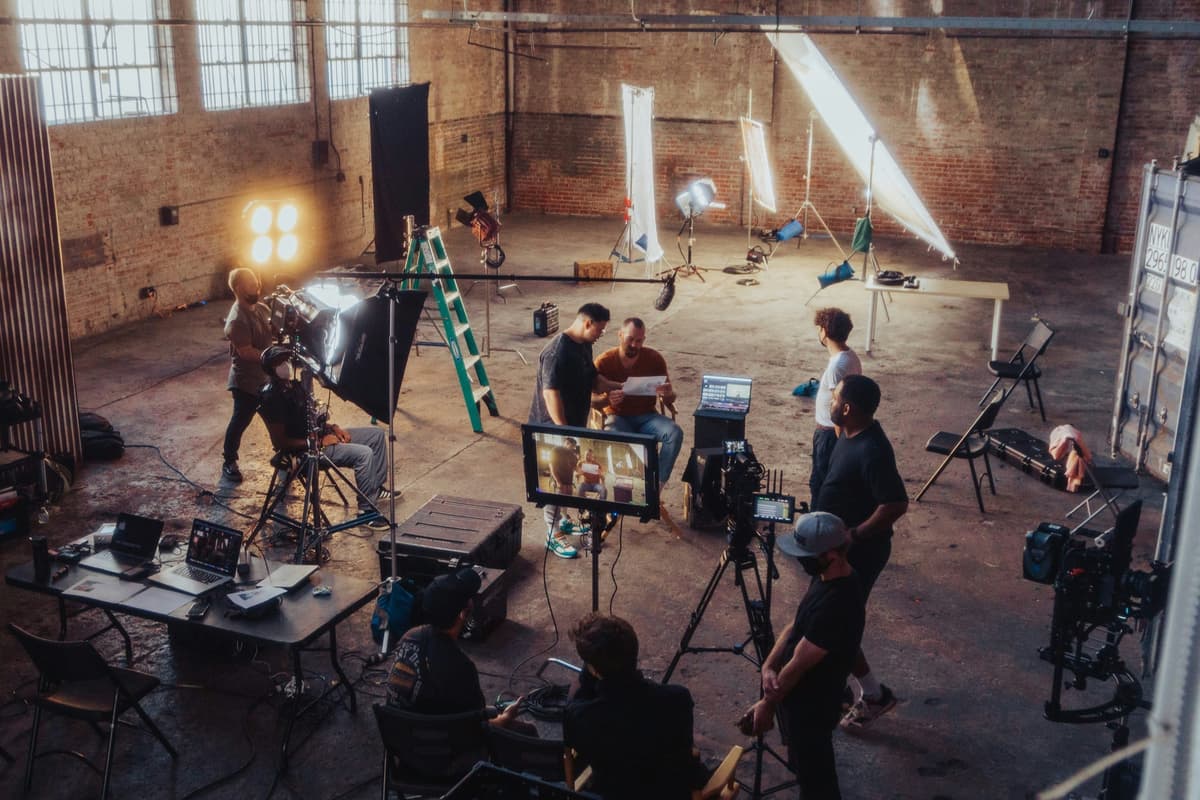
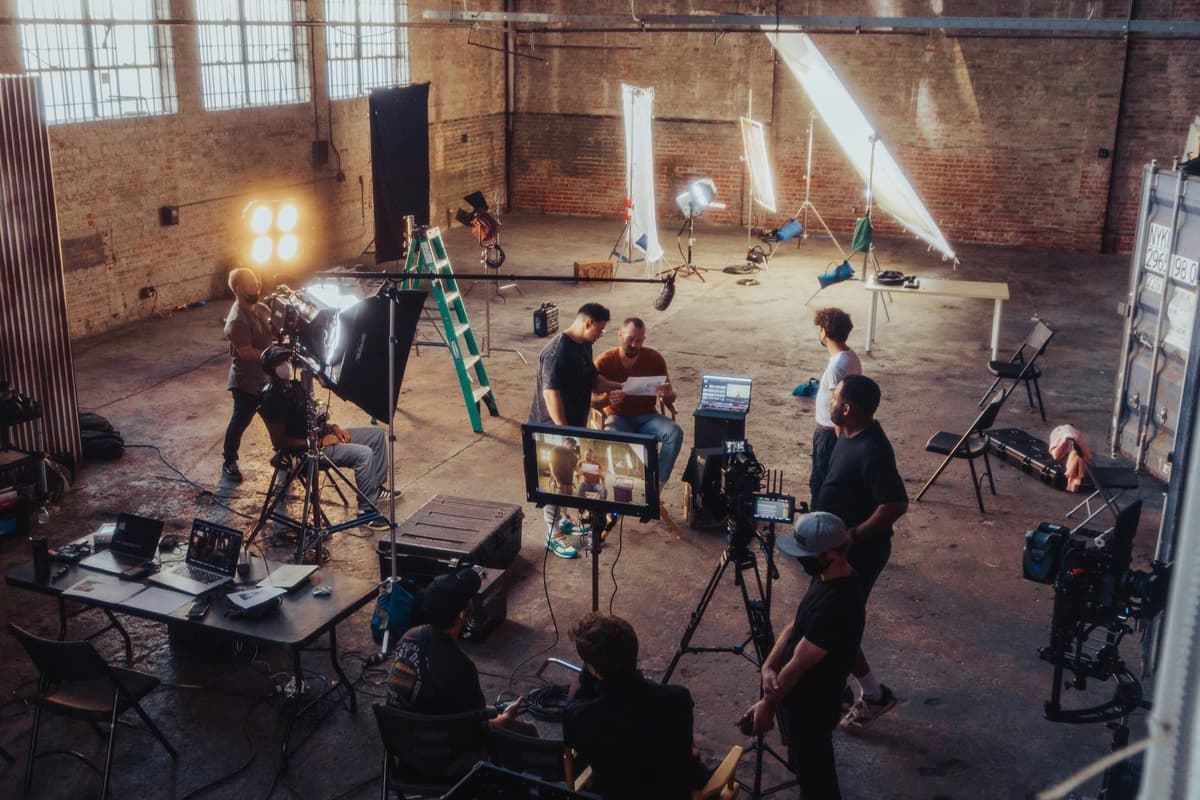
The best boy electric is the second-in-command of the electrical department on a film or television production. Reporting directly to the gaffer — the department head responsible for all lighting — the best boy electric functions as the foreman of the electrical crew, translating the gaffer's creative vision into on-set operational reality. While the gaffer collaborates with the director of photography (DP) to design the lighting plan, the best boy electric makes it happen: organizing the crew, managing equipment, supervising cable runs, coordinating power distribution, and handling the administrative side of the department.
Also known formally as the assistant chief lighting technician (ACLT), the best boy electric is a skilled electrician and manager who keeps the electrical department running efficiently under the high-pressure conditions of professional production. On union productions, this position falls under IATSE Local 728 in Los Angeles or the equivalent local in other major markets.
The "Best Boy" Name: Where Does It Come From?
The origin of the term "best boy" is somewhat debated in film history circles. The most widely cited explanation traces back to the early days of Hollywood, when department heads would request the loan of another department's most skilled worker — their "best boy" — to help with demanding setups. Over time, the informal request became a formal job title. Other historians suggest the term comes from early theater, where the "best boy" was simply the best available assistant a craftsperson could rely on. Either way, the title has stuck for nearly a century and is recognized across the entire English-speaking film industry.
It is worth noting that the title is gender-neutral — women hold the position frequently, and the term applies regardless of gender. Some productions use "best person" as an alternative, but "best boy electric" remains the industry standard terminology.
Best Boy Electric vs. Best Boy Grip
There are two kinds of best boy on a typical production: the best boy electric and the best boy grip. They are often confused, especially by newcomers, because both titles share the same "best boy" label and work in adjacent departments that collaborate closely on set.
- Best boy electric — works under the gaffer in the electrical department, managing lighting equipment, generators, cable, distribution boxes, and the electrician crew
- Best boy grip — works under the key grip in the grip department, managing camera support, rigging hardware, dollies, cranes, and the grip crew
Though the two roles coordinate on shared tasks like hanging lights from rigging (which grips rig and electricians lamp), they remain distinct departments with separate chains of command, budgets, and responsibilities.
The Best Boy Electric's Place in Production
In the wider production hierarchy, the best boy electric sits within the camera and lighting structure that drives the visual look of every project. The DP defines the visual language, the gaffer executes the lighting design, and the best boy electric runs the crew that makes both possible. On large-scale features and episodic television, the electrical department can include a dozen or more crew members — lamp operators, rigging electrics, generator operators, and daily hires — all coordinated by the best boy electric.
For productions that want to manage costs tightly and keep the entire crew on the same page, tools like Saturation.io's production budgeting and expense management platform help line producers and department heads track electrical department spending, manage purchase orders, and reconcile actuals against the approved budget — all in real time from any device.
Role & Responsibilities
Day-to-Day Responsibilities of the Best Boy Electric
The best boy electric's responsibilities span crew management, equipment logistics, safety oversight, and administrative duties. On most productions, the role divides into pre-production preparation, shooting-day operations, and wrap.
Pre-Production Duties
Before principal photography begins, the best boy electric works with the gaffer to build the electrical package — the complete inventory of lighting equipment, cable, distribution gear, and support tools the department will need. This includes:
- Building the lighting package — reviewing the script and shot list with the gaffer, determining what fixtures (LED panels, HMI units, tungsten units, practicals), cable quantities, distribution boxes (distro), and generators will be required
- Vendor negotiation and equipment rental — contacting grip and electric rental houses (such as Illumination Dynamics, Cinelease, or local vendors), pulling quotes, and confirming rental orders against the department budget
- Crew hiring — assembling the electric crew, including lamp operators (juicers), rigging electrics, and generator operators, often in coordination with the union hall for IATSE productions
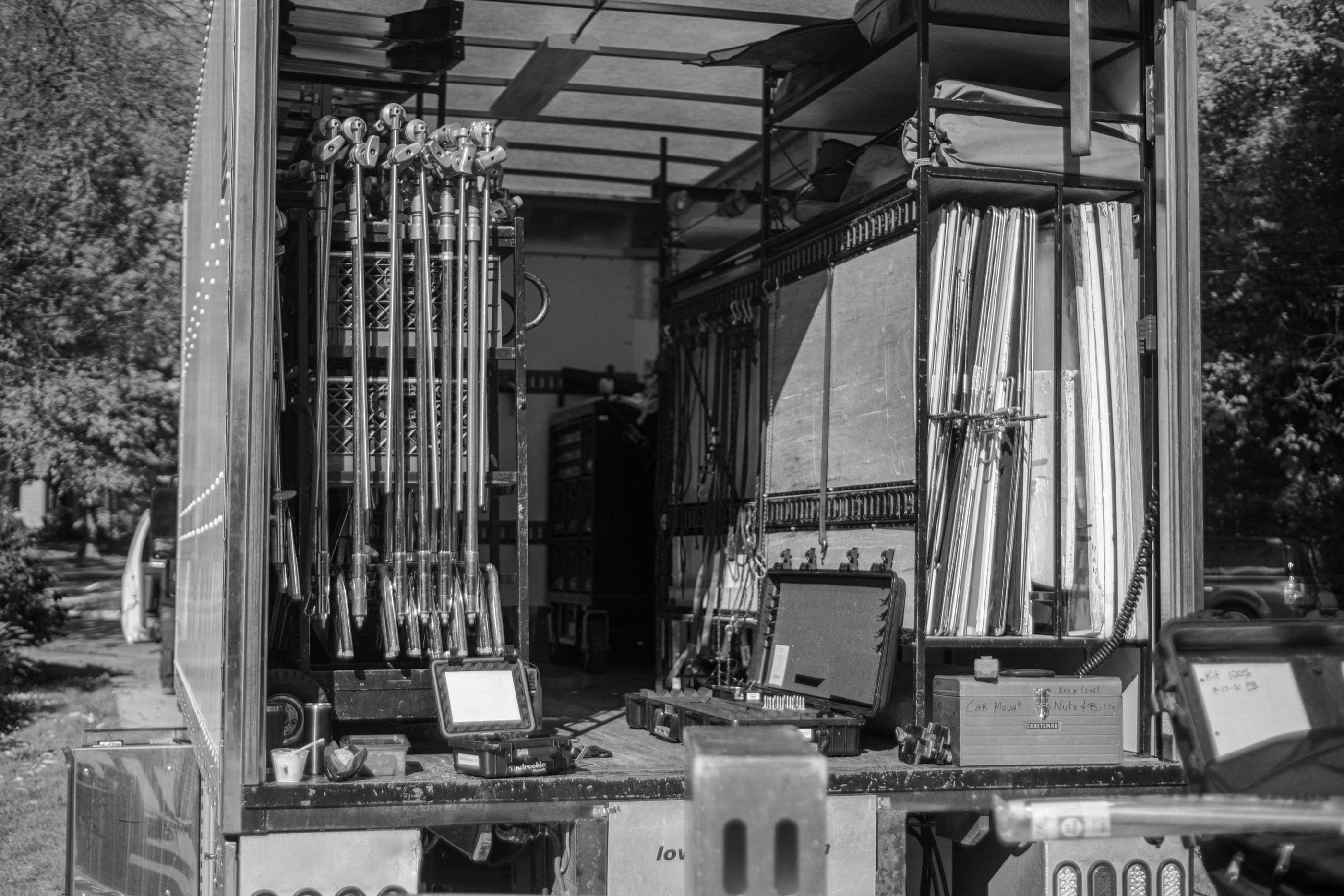
- Truck prep and loading — overseeing the packing, organization, and load of the electric truck so that every piece of equipment is inventoried, properly packed, and accessible on set
- Department paperwork — setting up deal memos, crew lists, and the expense tracking system the department will use throughout production
On-Set Shooting Day Duties
During production, the best boy electric is in constant motion, managing both the physical setup of electrical equipment and the crew performing that work. Key daily duties include:
- Running the crew — directing lamp operators to execute the gaffer's lighting setup, assigning tasks, managing pacing to stay on schedule, and anticipating what the next setup will require so the crew is always one step ahead
- Cable management — overseeing the laying, dressing, and striking of all feeder cable and stinger cable across the location or stage, ensuring pathways are safe and code-compliant
- Power distribution — managing the distribution boxes (distros) that step generator or house power down to usable circuits for each lighting unit, preventing overloads and ensuring balanced loads across phases
- Generator operation oversight — on location shoots, coordinating with the genny operator to fuel, position, and maintain the generator; tracking fuel consumption and coordinating fuel delivery
- Equipment troubleshooting — diagnosing and solving fixture failures, ballast problems, cable faults, or distro issues quickly to avoid costly delays
- Safety enforcement — ensuring all electrical work meets OSHA standards and production safety protocols, including proper grounding, wet weather procedures, and safe distances from water sources
- Communicating upward and laterally — relaying the gaffer's instructions to the crew clearly, updating the gaffer on any equipment or personnel issues, and coordinating with the grip department on shared rigging tasks
- Managing consumables — tracking gel stock, expendables (gels, diffusion material, black wrap, tape, connector pins), and restocking as needed throughout the shoot
Timecards, Paperwork, and Administrative Duties
A significant and often underestimated part of the best boy electric's role is administrative. On union productions especially, accurate paperwork is mandatory and legally binding:
- Timecards — collecting, verifying, and submitting timecards for the entire electrical crew at the end of each day, including call times, wrap times, meals, and any applicable allowances
- Purchase orders and petty cash — tracking all expenditures against the department's allocated budget, submitting purchase orders for rentals and purchases, and managing petty cash receipts for small expenditures
- Equipment returns — tracking rental inventory throughout the shoot and overseeing the return of all rental equipment at the end of production, including damage reporting
- Daily reports — on some productions, providing the UPM or production coordinator with a daily equipment status update
Wrap Duties
At the end of production (or at the end of each location), the best boy electric leads the wrap of the electrical department:
- Directing the strike of all cable, fixtures, and distribution gear
- Overseeing the repack of the electric truck in proper order
- Conducting a final inventory count against the rental manifest
- Returning equipment to the rental house and processing any damage claims
- Finalizing all remaining paperwork, timecards, and purchase orders for delivery to production accounting
Best Boy Electric vs. Gaffer: Who Does What?
The clearest way to understand the best boy electric's role is to compare it directly with the gaffer's role:
- Gaffer — creative and technical design of the lighting plan; works with the DP on every setup; makes decisions about fixture choice, color temperature, light quality, and placement; often operates lights directly on smaller productions
- Best boy electric — execution and logistics; translates the gaffer's decisions into crew assignments and physical equipment placement; manages the department personnel; handles all administrative and financial tracking for the electric department
On a large studio feature, the gaffer may rarely carry equipment, focusing entirely on creative decisions. The best boy electric makes sure the infrastructure exists for those creative decisions to be realized efficiently and safely.
Working with the Grip Department
While the electrical and grip departments are separate, they collaborate constantly on set. Grips rig the pipes, stands, and mounting hardware that electricians use to hang, clamp, and position lights. The best boy electric coordinates with the best boy grip to:
- Plan shared rigging setups (e.g., a pipe grid on a stage from which both lighting fixtures and camera rigging will hang)
- Coordinate crew sequencing so grips and electrics can work in the same space efficiently without blocking each other
- Share information about power requirements for any powered grip equipment (remote heads, motorized cranes)
Skills Required
Electrical Knowledge and Technical Expertise
The best boy electric must have a solid command of practical electrical principles and how they apply to production-scale power systems. This includes understanding:
- AC power fundamentals — voltage (120V and 240V single-phase; 120/208V and 277/480V three-phase), current (amperage), resistance, and power calculations used to balance loads across circuit breakers and distro boxes
- Distribution systems — how to wire and operate production distro boxes (200A, 400A, disconnect boxes), shore power connections, and generator tie-ins safely; how to balance phase loads to prevent neutral overloads
- Generator operation basics — understanding diesel generator output ratings (60kW, 100kW, 350kW, 500kW), load capacity, and how to coordinate with the generator operator on fuel management and ground fault conditions
- Cable types and ratings — knowing the appropriate cable for each application: 4/0 feeder cable for mains, 2/0 for sub-feeds, stinger (extension) cable gauges, and cam-lock connector protocols
- NEC (National Electrical Code) basics — understanding the safety rules that govern electrical work, particularly as they relate to wet locations, outdoor production, and temporary power installations
Lighting Equipment Mastery
A skilled best boy electric knows not just how to set up every fixture in the electrical package but how each fixture behaves, fails, and can be serviced in the field:
- LED fixtures — the dominant fixture type in contemporary production; knowledge of RGBW and bi-color LED panels, wireless DMX control (via Lumenradio, Wireless Solution, or similar), and battery vs. AC power options; familiarity with fixtures from manufacturers like Arri, Aputure, Quasar Science, Litepanels, and NANLUX
- HMI (Hydrargyrum Medium-Arc Iodide) fixtures — daylight-balanced high-output sources used for locations, exteriors, and large studio setups; knowledge of par, fresnel, and open-face HMIs; electronic and magnetic ballast operation; strike and warm-up times; lens care
- Tungsten fixtures — incandescent Fresnel units (1K, 2K, 5K, 10K), open-face units (Mole-Richardson, Altman), and practical dimming via dimmer packs; still used frequently for period looks and specific color quality
- Soft sources — Kino Flos, LED equivalent soft banks, and large diffusion frame setups using frames and Griffin or Ultrabounce material
- Practical fixtures — modifying on-set practical lamps (table lamps, overhead fixtures) to put them on dimmer control or change their color temperature with gel or bulb swaps
- DMX and lighting control — operating and troubleshooting DMX-controlled dimmers and fixtures; programming simple cue lists; understanding wired and wireless DMX topology
Safety Knowledge and On-Set Protocol
Electrical work on a film set carries genuine physical hazard. The best boy electric is ultimately responsible for the electrical safety of the entire department and anyone who comes into contact with the electrical infrastructure:
- Lockout/tagout procedures — de-energizing circuits before work and ensuring they cannot be re-energized while crew is working on the equipment
- Wet location protocols — strict rules about what equipment can operate in rain, near water, or in areas where water is present; GFCI requirements
- Ground fault protection — ensuring all circuits have appropriate ground fault protection, especially for location shoots without dedicated house power
- Arc flash and shock awareness — understanding the hazards of high-current circuits and the importance of proper PPE when working with main power connections
- OSHA General Industry Standards — familiarity with OSHA 29 CFR 1910 Subpart S (electrical standards) as they apply to temporary production power
- Heat and fire safety — understanding the risk of tungsten and HMI fixtures operating at extreme heat; proper fixture-to-subject and fixture-to-flammable-material distances; fire extinguisher placement near generators
Leadership and Crew Management
The best boy electric is a supervisor managing a team that may range from 3 people on a small commercial to 15 or more on a large studio feature. Strong leadership skills are non-negotiable:
- Clear task delegation — communicating specific assignments to each electrician concisely so the crew can work in parallel without confusion
- Anticipation — thinking two setups ahead so the crew is pre-staging the next scene's equipment while the camera is shooting the current one
- Conflict resolution — handling personality conflicts within the crew calmly and professionally, maintaining morale through long, physically demanding days
- Mentoring — teaching less experienced crew members the correct way to do tasks, building the next generation of skilled electricians
- Adaptability — adjusting the plan quickly when the director changes the shot, the location changes, weather intervenes, or equipment fails
Communication and Departmental Coordination
The best boy electric operates at the intersection of multiple departments and must communicate effectively with all of them:
- Upward to the gaffer — keeping the gaffer informed of any crew or equipment issues that might affect the lighting plan; raising concerns before they become problems
- Laterally to the best boy grip — coordinating shared rigging tasks, sequencing crew movements to avoid bottlenecks
- To the UPM and production coordinator — submitting timecards, purchase orders, and any budget variance explanations accurately and on time
- To rental houses and vendors — managing equipment orders, troubleshooting rental issues, and processing returns
Physical Stamina and Attention to Detail
Film production routinely involves 12- to 14-hour days, physically demanding work (carrying heavy cable, climbing ladders, working in heat and cold), and the mental stamina to maintain precision under fatigue and time pressure. The best boy electric needs:
- Physical fitness to handle the demands of the role across a multi-week or multi-month shoot
- The ability to maintain detailed inventory and paperwork accuracy at the end of an exhausting day
- Mental sharpness to troubleshoot technical problems quickly under the pressure of a waiting crew
Salary Guide
Best Boy Electric Salary Overview
Best boy electric compensation varies significantly based on union membership, production type, geographic market, and experience level. The role is a skilled trade position that typically earns more than a general electrician or lamp operator, reflecting the supervisory and administrative responsibilities it carries.
IATSE Local 728 Studio Rates (Los Angeles)
For union productions in Los Angeles governed by the IATSE Basic Agreement, best boy electric compensation is set by negotiated scale rates. IATSE Local 728 (Studio Electrical Lighting Technicians) covers this role under the "Best Boy Electric" classification.
- Hourly rate: Approximately $58–$66/hour (2024–2026 contract period, studio scale)
- Daily rate (8-hour day): Approximately $465–$530/day before overtime
- Weekly rate (5-day week): Approximately $2,325–$2,650/week at straight time
- Overtime: Time-and-a-half after 8 hours; double time after 12 hours and on the 6th and 7th consecutive days — significantly increasing take-home on long shooting days
- Fringe benefits: Union productions contribute to IATSE health and retirement plans on behalf of crew, substantially increasing total compensation value beyond the base rate
Note: For current contract rates, always verify directly with BLS occupational employment statistics and the IATSE Local 728 website, as rates are renegotiated periodically.
Annual Earnings Estimates
Because film production work is project-based rather than salaried, annual income depends heavily on how many weeks per year you are working. A best boy electric who works consistently on union productions in Los Angeles might earn:
- Entry-level best boy (first 1–3 years in role): $55,000–$75,000/year, working a mix of features, TV, and commercials
- Mid-career best boy (3–7 years): $80,000–$110,000/year on a busy year in major markets
- Experienced best boy (7+ years, established gaffer relationships): $110,000–$150,000/year, working on high-budget episodic TV and studio features
These figures reflect gross earnings including overtime and do not account for periods between productions. The project-based nature of the industry means income can fluctuate year to year.
Market-by-Market Salary Comparison
Compensation varies meaningfully by production market:
- Los Angeles (IATSE Local 728) — Highest rates in the country; union scale plus significant overtime on large studio productions; robust market with year-round work on features, episodic TV, commercials, and music videos
- New York City (IATSE Local 52) — Comparable union rates to LA; strong commercial and documentary market in addition to scripted television; competitive but slightly smaller feature film market than LA
- Atlanta, GA (IATSE Local 479) — Georgia's generous tax incentives have made Atlanta a major production hub; union rates lower than LA/NY but cost of living also lower; significant episodic TV and mid-budget feature market
- Chicago (IATSE Local 476) — Active commercial, corporate, and industrial production market; episodic TV has grown with Chicago-set series; rates generally lower than LA/NY
- Non-union markets — In markets and productions not governed by IATSE agreements, day rates are negotiated individually; typically $400–$700/day for an experienced best boy electric, with no overtime guarantees or benefit contributions
Factors That Affect Best Boy Electric Pay
- Production budget tier — Studio features and premium streaming productions pay more than low-budget independent films or student projects
- Union vs. non-union — Union productions pay scale and provide benefits; non-union productions pay negotiated rates with no benefit contributions
- Experience and reputation — An established best boy electric with a proven track record on major productions commands higher negotiated rates even in non-union contexts
- Production length — A 6-month television series provides much more stable and predictable income than a 4-week commercial
- Overtime — Long shooting days (12–14 hours) significantly increase gross earnings due to overtime premiums
- Kit rental — Some best boys electric rent their personal tool kits and small equipment to productions for an additional daily fee, typically $25–$75/day
Best Boy Electric vs. Gaffer Pay
The best boy electric earns somewhat less than the gaffer on union productions, reflecting the gaffer's additional creative responsibility and department-head status. The gap is not dramatic — typically 10–20% more for the gaffer — but gaffers also have a broader network and command higher negotiated rates on non-union productions where there is no fixed scale. The best boy electric role is the clearest stepping stone toward the gaffer position and its associated earning potential.
Frequently Asked Questions
What does a best boy electric do on a film set?
The best boy electric is the foreman of the electrical department, reporting directly to the gaffer. Their primary responsibilities include managing the electrical crew (lamp operators, rigging electrics), overseeing the setup and strike of all lighting and power distribution equipment, running cable, managing distro boxes, handling department timecards and purchase orders, tracking the equipment inventory, and coordinating with the grip department on shared rigging work. They are the operational manager who translates the gaffer's creative lighting decisions into physical execution by the crew.
What is the difference between a best boy electric and a gaffer?
The gaffer is the head of the electrical department and works closely with the director of photography (DP) on the creative and technical design of every lighting setup. The best boy electric is the gaffer's second-in-command, focused on the logistics and execution side: crew management, equipment organization, paperwork, and making sure the gaffer's plan can actually be achieved on the day. The gaffer makes the lighting decisions; the best boy electric makes those decisions happen efficiently and safely.
How much does a best boy electric make?
On union productions in Los Angeles (IATSE Local 728), best boy electric hourly rates fall approximately in the $58–$66/hour range (2024–2026 scale), translating to $465–$530/day at straight time. Annual earnings range from $55,000–$75,000 for less experienced best boys to $110,000–$150,000 for established professionals on studio features and premium TV. Non-union day rates typically range from $400–$700/day depending on market and production type.
How do you become a best boy electric?
The standard path is a ground-up progression through the electrical department: start as a production assistant or entry-level electrician (lamp operator/juicer) on student films and low-budget productions, build experience and a network over several years, establish a reputation for technical skill and reliability, and move up to lead electric before being promoted or hired as a best boy electric. In Los Angeles, joining IATSE Local 728 is typically required for work on major studio productions. The full progression from entry-level to best boy electric takes roughly 5–10 years in most markets.
Is best boy electric a union job?
On major film and television productions, the best boy electric position is covered by IATSE (International Alliance of Theatrical Stage Employees). In Los Angeles, the relevant local is IATSE Local 728 (Studio Electrical Lighting Technicians). In New York, it is IATSE Local 52; in Atlanta, Local 479; in Chicago, Local 476. Non-union productions (lower-budget independents, student films, corporate video) hire best boys electric without union membership requirements, but union work pays significantly more and provides health and retirement benefits.
Why is it called "best boy"?
The origin of the term is disputed, but the most common explanation traces back to early Hollywood, when department heads would request the loan of a skilled worker from a neighboring department by asking for the other department's "best boy" — their most capable assistant. Over decades, the informal request hardened into a formal job title. The title is gender-neutral and used regardless of the crew member's gender. Some productions use "best person" as an alternative, but "best boy electric" remains the universal industry standard.
What equipment does a best boy electric manage?
The best boy electric manages the entire electrical package, which includes: LED fixtures (panels, tube lights, spotlights), HMI fixtures and ballasts, tungsten Fresnels and open-face units, practical lamp modifications, feeder cable and stinger cable, power distribution boxes (distro), dimmer packs, DMX controllers and wireless DMX systems, generators (coordinating with the genny operator), and all associated expendables (gel, diffusion, tape, connectors). On large productions, this inventory can represent millions of dollars in equipment value.
What is the difference between best boy electric and best boy grip?
Both titles share the "best boy" name but belong to completely separate departments. The best boy electric works in the electrical department under the gaffer, managing lighting fixtures, power distribution, and the electrician crew. The best boy grip works in the grip department under the key grip, managing camera support equipment, rigging hardware, dollies, cranes, and the grip crew. The two roles collaborate on shared tasks — grips rig the hardware that electricians use to hang lights — but they have distinct chains of command, equipment inventories, and budgets.
Education
Do You Need a Degree to Become a Best Boy Electric?
No formal college degree is required to work as a best boy electric. The film industry's electrical department is a skilled trade — much closer in its credentialing structure to the construction trades or telecommunications industry than to careers requiring university qualifications. What matters most is hands-on electrical knowledge, on-set experience, and a reputation for reliability and technical competence built over several years of working as an electrician in the industry.
That said, formal education can accelerate your development and signal professionalism to gaffers who are building their trusted crew. Here is how most best boys electric get there.
The Typical Career Path to Best Boy Electric
The path to best boy electric is almost always a ground-up progression through the electrical department:
- Production assistant (PA) or set PA — many people enter the industry in this role, learning the set environment, the chain of command, and production terminology before gravitating toward a specific department
- Electric on set / day player — entry-level work in the electrical department, running cable, setting up stands, moving equipment, operating lights under direction; also called a "lamp operator" or "juicer" on some productions
- Lead electric / lamp operator — more consistent work as a trusted crew member, given greater responsibility for specific setups or sections of the lighting package
- Best boy electric — promoted to department foreman, trusted to run the crew and manage the logistics of the entire electric department
- Gaffer — the next step up, taking on creative and technical leadership of the entire electrical department
This progression typically takes 5 to 10 years, though the timeline varies significantly based on market, networking, the volume of productions in your region, and the rate at which you seek out diverse production types (student films, industrials, commercials, TV, features).
IATSE Local 728 and Union Membership in Los Angeles
In Los Angeles — the largest U.S. film production market — the majority of feature films and episodic television productions above a certain budget tier are union productions governed by agreements with IATSE Local 728, the Studio Electrical Lighting Technicians union. To work on these productions as a best boy electric or any other electrical crew position, you generally need to be a member of Local 728.
Getting into IATSE Local 728 typically involves one of the following pathways:
- The 30-Day List — working a qualifying number of days on union productions as a non-union "permit" worker (a process governed by specific IATSE agreements)
- The Apprenticeship Program — Local 728 operates a formal apprenticeship program open to qualified applicants, providing structured training and a path to full membership
- Joining via qualifying experience — demonstrating a verified work history that meets Local 728's membership criteria
Outside Los Angeles, the relevant locals include IATSE Local 52 (New York), IATSE Local 479 (Georgia/Atlanta), IATSE Local 476 (Chicago), and various other regional locals depending on where you are working.
Film Schools and Formal Education
While not required, film school or trade programs can provide valuable foundations:
- Film production programs — programs at schools like USC School of Cinematic Arts, NYU Tisch School of the Arts, Chapman University, or AFI Conservatory teach the fundamentals of on-set production, including lighting and camera, giving graduates a head start on understanding department structure
- Electrical trade school or electrician apprenticeship — a background as a licensed electrician (journeyman or apprentice) provides the foundational electrical knowledge — circuitry, power distribution, safety codes — that translates directly to the best boy electric role
- Workshops and short courses — organizations like the American Society of Cinematographers (ASC) and various grip and electric vendors offer workshops on specific equipment types (LED fixtures, HMI ballasts, wireless DMX systems) that build technical credibility
Building Experience Through Low-Budget and Independent Production
The most accessible path for newcomers is to start on student films, no-budget shorts, and independent productions where formal union restrictions do not apply. These projects let you:
- Learn the physical vocabulary of the electrical department (cable types, fixture names, distro wiring) hands-on
- Build a working network of directors, DPs, gaffers, and other crew members who will call you for future work
- Graduate progressively to bigger productions as your experience and reputation grow
Many working best boys electric in Los Angeles and New York started on student films at local universities, then transitioned to paid commercial and music video work before landing their first union features.
Networking and Industry Relationships
In film production, who you know matters enormously. Gaffers often build loyal crews of trusted people they rehire across multiple projects. Becoming the best boy electric for a gaffer who works frequently means your career advances alongside theirs. Key networking steps include:
- Attending IATSE union hall events and meetings
- Connecting with rental house staff who can recommend you to gaffers
- Joining online communities (Facebook groups for grips and electrics, crew-focused subreddits)
- Maintaining a reliable reputation on every set — the film industry is small and word travels fast
Last updated April 25, 2026
Budget this role in seconds with Saturation
Rate packs, fringes, and phases turn a crew list into an accurate production budget without the spreadsheet math.
Rate packs
Verified union rates, versioned.


Fringes and markupsRebuilt
Stack them, cap them, and see the split on every line.
PhasesRebuilt
Every column knows its type.
Auto-fill
Rates fill in as you type, from the source you turned on.