What is a Audio Recordist?
Overview
What Is an Audio Recordist on a Film Set?
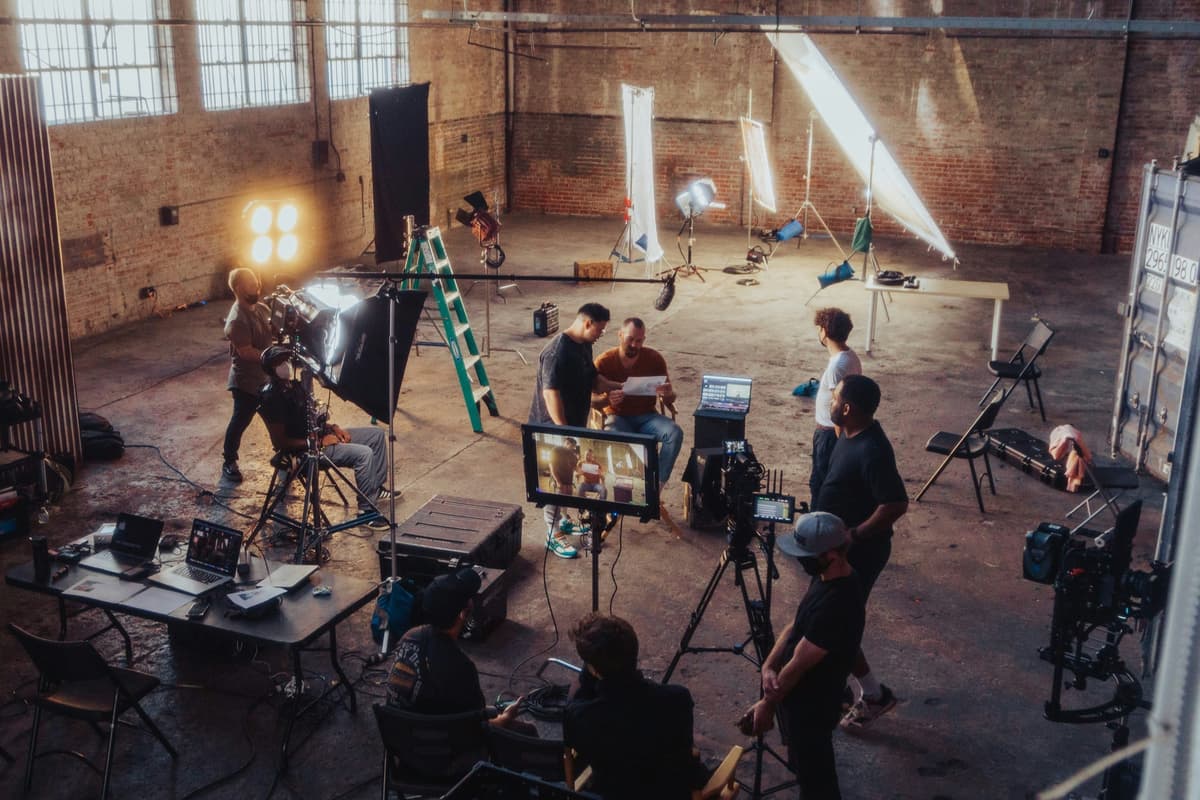
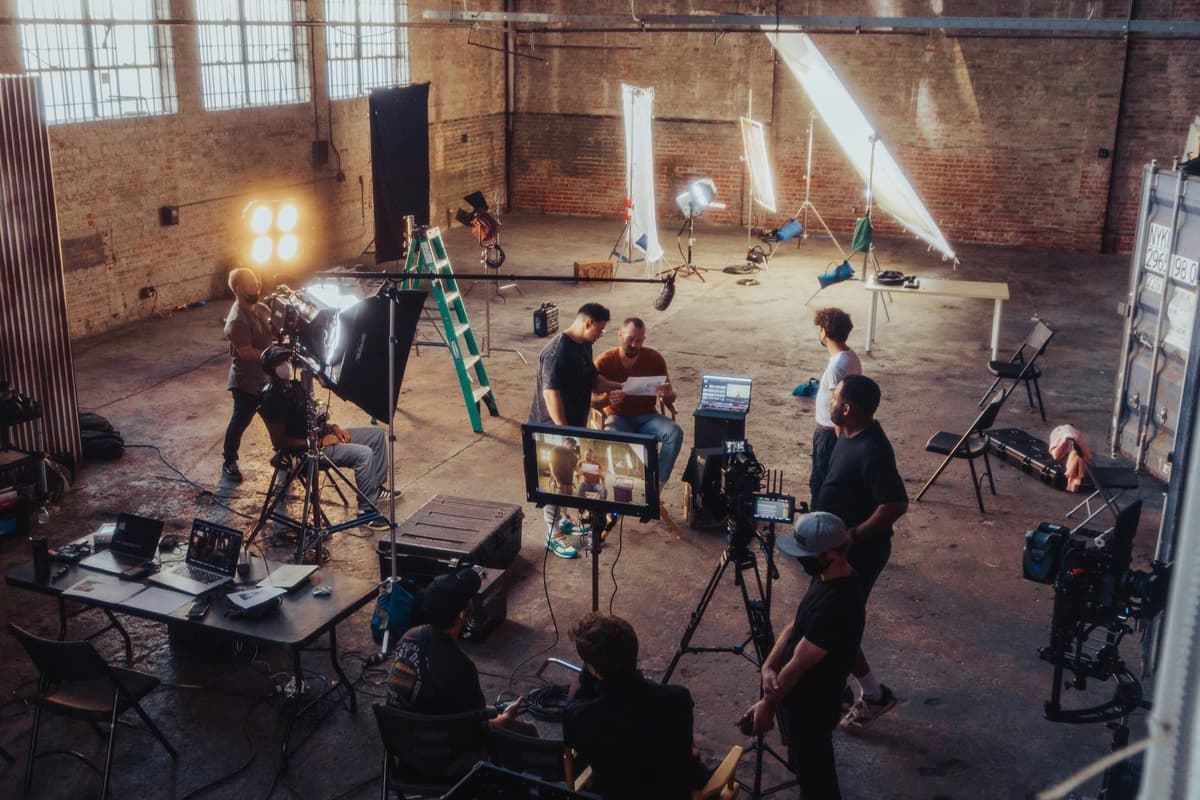
An audio recordist — also called a production sound mixer, sound recordist, or location sound engineer — is the head of the production sound department on a film, television, or commercial set. Their core job is to capture every word of dialogue, every ambient sound, and every live effect that happens during principal photography, producing recordings clean enough that post-production can cut directly from the sound report without costly ADR (automated dialogue replacement).
In the United States, the title most commonly used on union film productions is production sound mixer. The term "audio recordist" is widely understood and often appears on international co-productions, documentary projects, and non-union contracts, but it refers to the same person doing the same job. On very low-budget or solo shoots, one person may operate the boom and run the mixer simultaneously — at that scale, "audio recordist" and "production sound mixer" are entirely interchangeable.
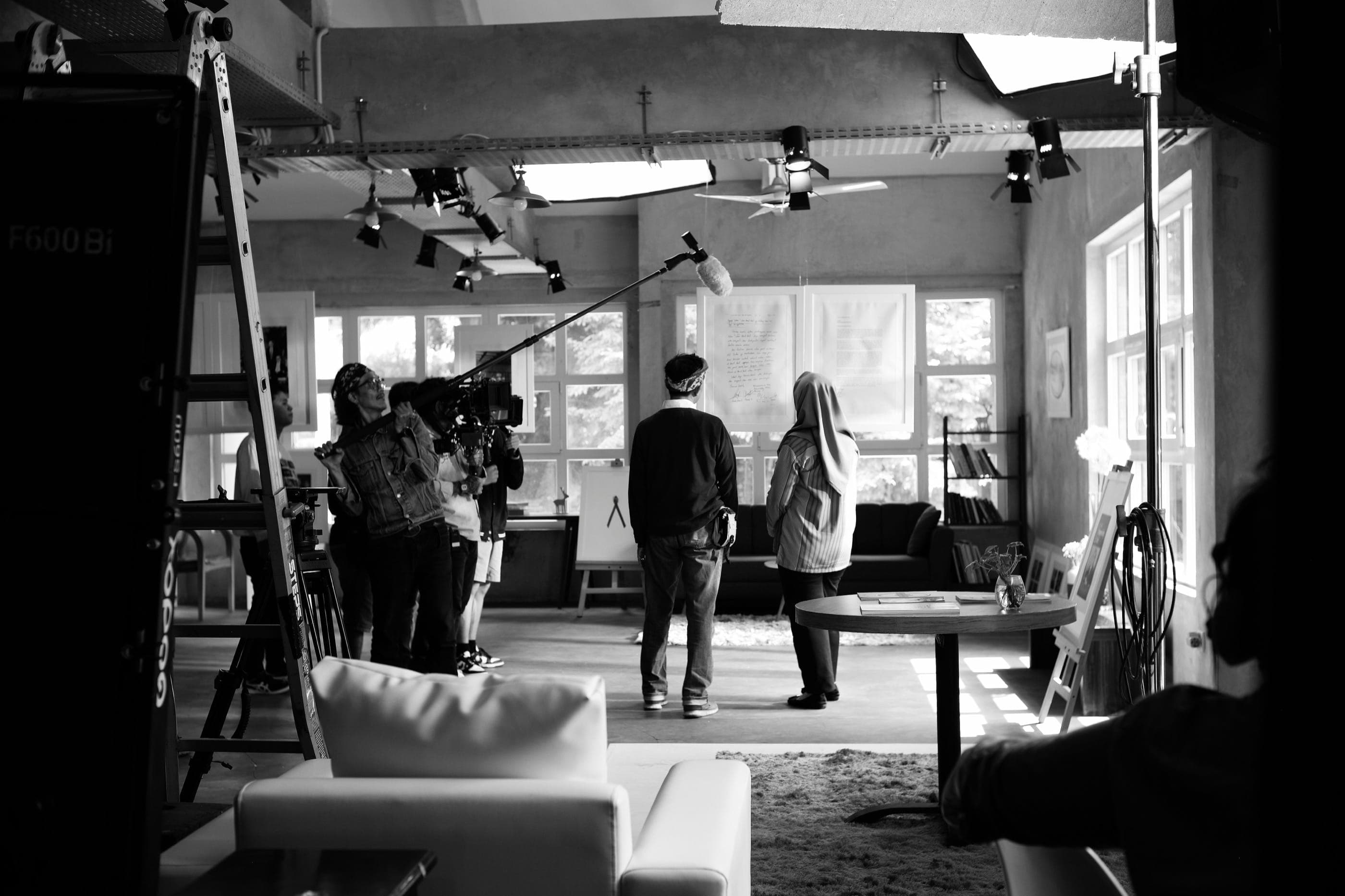
The audio recordist leads a small department that typically includes a boom operator (who physically controls the boom pole and microphone) and a utility sound technician (also called a cable utility or third), who assists with wireless transmitters, cable runs, and equipment management. On large studio productions, additional assistant mixers may also join the crew.
The Sound Recordist's Role in the Production Hierarchy
The audio recordist reports directly to the director and, on larger productions, the line producer or UPM. They collaborate closely with the director of photography (DP) to ensure that microphone placement does not interfere with camera framing — a constant negotiation that requires diplomacy and fast problem-solving. The DP controls the frame; the audio recordist controls what is heard inside it.
While the DP and gaffer are often the most visible department heads on set, a skilled audio recordist is indispensable: a botched take because of a noisy HVAC system, a missed line because of boom shadow disagreements, or an unusable day of audio because of a wireless frequency conflict can cost tens of thousands of dollars in ADR and pickups. Great production sound protects the budget. Managing production expenses efficiently is where tools like Saturation.io can help producers track gear rentals, crew costs, and expenditure across departments — keeping the entire production financially on-track alongside the creative work happening on set.
Audio Recordist vs. Production Sound Mixer: Is There a Difference?
In practice, no. "Production sound mixer" is the standard IATSE Local 695 classification for the head of the on-set sound department. "Audio recordist," "location sound recordist," and "location sound engineer" are alternative titles used in different production contexts — international co-productions frequently use the British term "sound recordist," while documentary and ENG (electronic news gathering) productions may list the role as "audio recordist" or simply "sound." The responsibilities are identical regardless of the credit.
The one nuance: on very large studio productions, a separate "re-recording mixer" works in post-production to mix the final soundtrack. The production sound mixer and the re-recording mixer are distinct roles — the production sound mixer works during filming, not during post.
Role & Responsibilities
Core Responsibilities of an Audio Recordist
The audio recordist is accountable for every sonic element captured during principal photography. This means managing a complex array of technical equipment in unpredictable environments — from a quiet interior on a studio stage to a windy rooftop in midtown Manhattan — while maintaining the calm authority needed to advise the director and DP in real time.
Pre-Production Duties
Script breakdown and location assessment: Before filming begins, the audio recordist reads the script with an ear for audio challenges — scenes with large groups, exterior dialogue, action sequences, locations near airports or highways, or scenes requiring period-accurate ambient sound (no modern traffic in a 1950s drama). They attend location scouts specifically to listen: standing in silence in a potential location, identifying HVAC noise, reverb from hard surfaces, electrical hum, and proximity to noise sources that may compromise recording.
Equipment selection and prep: The audio recordist selects their entire sound package based on the production's requirements. A drama with 12 principal cast requires more wireless channels than a two-hander. An exterior chase scene requires heavy wind protection. A period piece on a historic estate may prohibit drilling for cable runs, forcing a purely wireless solution. Equipment is tested, batteries are inventoried, and backup gear is confirmed before day one of shooting.
Frequency coordination: In urban markets especially, the RF (radio frequency) environment is congested. The audio recordist must scan the local spectrum and coordinate wireless frequencies for transmitters and receivers before arriving on location, using tools like Wireless Designer (from Lectrosonics) or Shure Wireless Workbench to avoid interference from local broadcast, cellular, and other productions shooting nearby.
Department hiring: On union productions, the audio recordist often has significant say in who fills the boom operator and utility sound positions. Many mixers work with the same boom operator across multiple productions — the booth/boom relationship is one of the closest working partnerships on any set.
On-Set Duties During Filming
Operating the sound cart and mixer: The audio recordist's central workstation is the sound cart — a rolling equipment case that houses the multi-channel audio recorder (typically a Sound Devices 888, 702T, or Scorpio), the field mixer (often a Sound Devices CL-16 or Zaxcom Nomad), wireless receiver racks, monitor headphones, timecode master, and power distribution. During takes, the audio recordist monitors all active channels through headphones, adjusting levels, riding gain, and flagging unusable takes immediately.
Managing wireless transmitters and lavalieres: Lavaliere (lav) microphones are small, clip-on mics attached directly to actors — typically hidden under wardrobe. The audio recordist and utility sound technician fit lavs on talent before scenes and remove them during camera resets. This requires working in close physical proximity to actors (and sometimes extras), which demands professionalism, discretion, and the ability to build trust quickly. Concealing a lav under a wool blazer sounds simple; concealing it under a sheer blouse while an actor performs a physically demanding scene is a technical challenge. Popular lav mics include the Sanken COS-11D, DPA 4060, and Countryman B6, paired with Lectrosonics, Zaxcom, or Wisycom transmitters.
Directing the boom operator: The audio recordist and boom operator communicate constantly — often through headphone talkback or hand signals — adjusting boom position in response to unexpected camera moves, actor blocking changes, and dialogue delivery nuances. If an actor turns away from the boom, the audio recordist calls it out and adjusts the wireless mix in real time.
Monitoring audio quality during takes: The audio recordist is listening for everything that does not belong — a refrigerator cycling on in the background, a crew member's radio squawking, a costume that rustles with every step, an actor wearing a smartwatch that creates RF interference. They must flag these issues quickly without derailing the creative momentum on set. The director trusts the audio recordist's judgment: if the mixer says a take is unusable for sound, that take needs to go again.
Timecode synchronization: Modern film production separates audio and video — cameras record picture, audio recorders capture sound independently, and they are synced in post via timecode (SMPTE). The audio recordist maintains and distributes timecode to cameras, ensuring every take can be reliably synced in the edit. Timecode drift is a serious error; it can make a full day of footage unusable. Audio recordists maintain their timecode master (often a Tentacle Sync or Ambient ACN) with precision throughout the day.
Sound reports and metadata: At the end of each day (and sometimes each scene), the audio recordist completes a sound report — a detailed log of every take, noting track assignments, lav channel assignments, boom channel, any audio issues, and recommended takes. This document is essential for the post-production sound team. Many audio recordists use dedicated apps (like Sound Report Writer) or maintain reports on tablets directly from the cart.
Recording room tone and wild tracks: Room tone is a 30-60 second recording of the ambient sound of each location with no dialogue — actors and crew standing still. This is cut into the edit wherever gaps in dialogue create dead silence. Wild tracks are recordings of specific sounds captured separately from the picture — a door slam, footsteps on gravel, or a crowd ambience — used to fill the audio design in editing.
Post-Production Collaboration
The audio recordist's work ends with the final day of principal photography (or additional photography/pickups). Their deliverables — polywav files, sound reports, and metadata — are handed off to the post-production sound team: the dialogue editor, sound designer, and ultimately the re-recording mixer who will create the final mix for the theatrical, broadcast, or streaming release. On low-budget productions, the audio recordist may also advise on ADR sessions or assist in identifying which lines of dialogue need replacement.
Skills Required
Technical Skills Every Audio Recordist Must Master
Production sound is a deeply technical discipline. While creativity and interpersonal skill matter, the non-negotiable foundation is technical expertise — the ability to operate professional equipment flawlessly under pressure, diagnose and solve audio problems in seconds, and protect the integrity of the recording from pre-production through the final handoff to post.
Audio Engineering Fundamentals
Signal flow and gain staging: Understanding the complete signal path — from microphone capsule to preamp to recorder — and setting gains correctly at each stage is fundamental. Improper gain staging causes noise floor problems at low gains or clipping distortion at high gains. An audio recordist must achieve the widest possible dynamic range on every take, ensuring that quiet dialogue reads clearly and loud peaks don't clip.
Acoustics and room treatment: The audio recordist must assess acoustics rapidly — identifying reflective surfaces, standing waves, and reverberation characteristics that will affect recorded quality. They cannot treat locations the way a studio engineer would, but they can adjust microphone placement, choose between hypercardioid and supercardioid patterns, and advise the production designer or location manager on mitigation options (adding furniture, soft goods, or room dividers to reduce reverb).
Noise identification and elimination: Location noise is the primary enemy of clean production audio. The audio recordist must be able to identify the source and type of noise quickly — HVAC (constant low-frequency hum), fluorescent lights (60Hz electrical hum), refrigerators (compressor cycling), traffic (broadband noise), aircraft (low-frequency rumble), wind (turbulent low-frequency noise) — and determine whether the source can be eliminated, mitigated, or must be accepted and communicated to the director.
Microphone techniques: Different microphone types (shotgun, hypercardioid, supercardioid, omnidirectional, cardioid) have different polar patterns and frequency responses. The audio recordist selects and positions microphones based on the acoustics, the shot size, actor blocking, and the nature of the dialogue. A shotgun microphone excels in outdoor environments with minimal reflections; a hypercardioid performs better indoors where a narrower null pattern rejects sidewall reflections. These are not arbitrary choices — incorrect microphone selection causes audio that is technically noisy or spectrally unpleasant regardless of level.
Wireless RF Management
RF (radio frequency) management is one of the most demanding technical skills in modern production sound, particularly in urban markets. Los Angeles and New York City have among the most congested RF environments in the world — thousands of wireless devices from nearby productions, cellular towers, broadcast stations, emergency services, and the production's own units compete for limited spectrum in the UHF and 2.4 GHz bands.
Professional audio recordists use dedicated frequency coordination software (Lectrosonics Wireless Designer, Shure Wireless Workbench) and hardware spectrum analyzers to scan the local RF environment before a shoot, assign clean frequencies to each transmitter/receiver pair, and maintain frequency logs throughout the shoot. When new interference appears (often from a nearby production wrapping and a new one starting), they must re-coordinate on the fly without interrupting filming.
Top-tier wireless systems used by professional audio recordists include:
Lectrosonics: The industry standard in US film and television. The SMQV transmitter (hybrid digital/analog) and DSQD quad receiver are the most widely used professional wireless system in Hollywood. Lectrosonics offers outstanding range, RF robustness, and audio quality.
Zaxcom: Known for its built-in recorder on the transmitter (ZMT4 and Maxx transmitters record a backup audio file even if the RF link drops), Zaxcom is favored for high-movement situations and productions requiring redundancy. The Nova and Oasis recorders integrate natively with Zaxcom wireless.
Wisycom: The European standard, increasingly adopted on US productions. Wisycom's MTP40S transmitter and MCR54 quad receiver are known for exceptional audio quality and very wide tuning range.
Shure Axient Digital: Widely used in television and live performance, Axient Digital offers excellent interference detection and automatic frequency management.
Professional Recorder Operation
The audio recordist must be fluent in the operation of professional multi-track recorders — configuring inputs, assigning channels, setting sample rate and bit depth, managing metadata and naming conventions, and organizing polywav file output for seamless handoff to post-production. Standard specifications on contemporary productions are 48 kHz / 24-bit, though some directors of photography and post houses request 96 kHz for specific projects.
Professional recorders include the Sound Devices 888 (8-channel portable mixer/recorder, the industry standard for mid-to-large productions), Sound Devices 702T (2-channel field recorder with timecode), Sound Devices MixPre-10 II (10-channel recorder, popular for smaller productions and documentaries), and Zaxcom Nomad and Nova series. On large productions, audio recordists may use multi-channel recorders with 16 or more tracks to accommodate large wireless systems.
Timecode Management
SMPTE timecode is the synchronization language that allows picture and sound to be matched in post-production. The audio recordist is responsible for generating master timecode, distributing it to cameras via BNC cables or wireless timecode devices, and verifying sync at the start of each day and after any equipment power cycle. Popular timecode devices include the Tentacle Sync E (small wireless timecode generator widely used on documentary and indie productions) and the Ambient ACN Recording Controller (industry standard on large features).
Timecode frame rates must match the camera frame rate — 23.976 fps for "24p" narrative, 29.97 fps for US television, 25 fps for PAL/European productions. Mismatched frame rates cause timecode to drift over time, potentially making a full day of footage unusable. The audio recordist verifies frame rates with the camera department before rolling on day one.
Critical Listening and Ear Training
The most important instrument in an audio recordist's toolkit is their ears. Critical listening — the ability to hear subtle distortion, frequency anomalies, noise artifacts, and audio quality issues while monitoring through headphones on a noisy set — is a skill that develops over thousands of hours of practice. Professional audio recordists listen to music and audio critically, take ISO (isolated channel) monitoring seriously, and are never satisfied with "good enough" audio when a clean take is achievable.
Interpersonal and Set Communication Skills
The audio recordist works with every department on set — camera, lighting, art, wardrobe, hair and makeup, locations, and talent. The lav placement process requires building quick trust with actors who may be uncomfortable with a technician attaching a microphone under their clothing. The boom placement negotiation with the DP requires professional assertiveness — advocating for audio quality without creating conflict. The ability to communicate clearly, calmly, and constructively under the pressure of a ticking production clock distinguishes great audio recordists from good ones.
Problem-Solving Under Pressure
Every shoot day brings unexpected audio challenges. A major location loses its sound deal, and the production moves to a noisier substitute. A principal actor's pacemaker creates electrical interference on their wireless channel. A critical exterior scene falls on a day with high winds. The audio recordist who can think through solutions quickly — alternative microphone approaches, lav placements that minimize interference, wind protection strategies, negotiation with the director on acceptable noise tradeoffs — is the audio recordist who gets rehired.
Salary Guide
Audio Recordist / Production Sound Mixer Salary Guide (2025–2026)
Production sound mixer income in the United States varies significantly based on union status, market, production type, and — crucially — kit rental fees. A union mixer working on a major studio feature film in Los Angeles can earn $300,000 or more in a banner year when combining day rates with kit rental. A non-union documentary mixer in a smaller market might earn $40,000–60,000 annually. Understanding all components of sound mixer compensation is essential for both aspiring mixers and producers building sound budgets.
IATSE Local 695 — Union Rates (2025–2026)
IATSE Local 695 (International Alliance of Theatrical Stage Employees) is the union that covers production sound mixers, boom operators, and utility sound technicians on major studio productions in Los Angeles and surrounding areas. Local 695 negotiates minimum rates through the AMPTP (Alliance of Motion Picture and Television Producers) Basic Agreement.
Current IATSE 695 minimum rates for Production Sound Mixer (2025–2026 contract period):
Studio/major production — Hourly: approximately $67–75/hour (based on 2021 IATSE Basic Agreement rates, with subsequent increases applied). The 2023 IATSE contract secured 18% increases over 3 years, bringing rates meaningfully higher than pre-2021 levels.
Weekly guarantee: Production sound mixers on studio features typically work under weekly contracts with a guaranteed minimum of 5 days, with overtime kicking in at 8 hours/day and 40 hours/week. Standard weekly minimums for production sound mixer on a major feature: $4,000–$6,000+ depending on the specific agreement and rider negotiations.
Daily rate / "day players": On shorter engagements, mixers may work as day players. Day player minimums for production sound mixer: approximately $750–1,200/day at minimum scale, though experienced mixers command well above scale.
Note: Local 695 rates apply to Hollywood studio productions and productions shot under AMPTP agreements. Non-AMPTP productions (many streaming originals, independent features) may negotiate separate rates or use low-budget agreements with reduced minimums.
Kit Rental Income — The Other Half of the Equation
Kit rental is a substantial and often overlooked component of production sound mixer compensation. When a mixer brings their own professional sound package to a production, the production pays a kit rental fee (also called equipment rental or gear rental) in addition to the mixer's day or weekly rate. This fee compensates the mixer for the use, maintenance, insurance, and depreciation of equipment that can represent $30,000–100,000 in capital investment.
Typical kit rental ranges (US market, 2025):
Basic documentary / ENG package (recorder + 2-4 wireless channels + boom): $200–350/day
Standard narrative / commercial package (recorder, mixer, 4-8 wireless channels, multiple booms, full accessories): $400–700/day
Large studio feature package (multi-track recorder, 12-24+ wireless channels, Comtek IFB, backup systems, full cart): $800–1,500+/day
On a 50-day feature film shoot with a full professional package, kit rental alone can generate $25,000–60,000 in additional income beyond the mixer's day rate. This is why experienced production sound mixers invest heavily in professional equipment — it pays dividends across every project.
Salary by Market and Production Type (2025–2026)
Los Angeles (major studio features and streaming):
Annual earnings (day rate + kit): $120,000–350,000+ for working union mixers on major productions. Top-tier mixers with major studio credits can earn $400,000+ in peak years. Entry-level union work (post-Local 695 membership, early career): $70,000–110,000.
New York City (features, television, commercials):
Comparable to LA for major productions, with IATSE Local 52 covering some productions. Annual range: $90,000–280,000 for experienced mixers. Commercials are a particularly lucrative market in NYC, with day rates of $800–2,000 for experienced mixers.
Atlanta / Georgia (major streaming and studio productions):
Atlanta has become a major production hub, with aggressive production schedules driven by Georgia's tax incentives. Working mixers earn $80,000–200,000 annually, with demand occasionally outstripping supply of experienced mixers. Many LA-based mixers travel to Atlanta for long features, adding per diem to their earnings.
Chicago, Austin, Albuquerque, and secondary markets:
Annual earnings for working production sound mixers: $50,000–140,000, depending on local production volume. Markets with active studio incentive programs (New Mexico, New York) tend to command higher rates due to consistent demand.
Documentary and non-fiction:
Day rates for documentary mixers range widely — $400–900/day for independent documentary work, with higher rates for broadcast and streaming documentary series. Documentary mixers often handle their own boom work (the "one-man-band" approach), reducing the department size and cost for the production.
Commercials:
Commercials are among the highest-paying single-day engagements for production sound. A one-day commercial shoot in a major market can pay $900–1,800 for the mixer, often with minimal overtime and well-controlled locations. Experienced commercial mixers who build agency relationships can work 100+ shoot days per year.
Non-Union Rates and Independent Film
Non-union production sound mixer rates are negotiated directly between the mixer and the production. Typical ranges:
Micro-budget indie film (under $500K budget): $250–500/day for mixer, with reduced or deferred kit rental. Many mixers accept lower rates on projects with strong creative potential or notable directors.
Mid-budget indie ($500K–$5M): $400–800/day for mixer + $200–500/day kit rental. Productions at this level often attract experienced mixers and may upgrade to union agreements to access experienced Local 695 crew.
Music videos: $400–800/day for production sound (some music video productions prioritize picture and handle sound in post, reducing demand for location sound). Sync-heavy videos require excellent location sound. BTS (behind-the-scenes) and documentary-style content may use separate audio recordists at lower rates.
Annual Earnings Summary
According to Glassdoor (February 2026), the average salary for a Production Sound Mixer in the United States is approximately $70,453/year. ZipRecruiter reports the average annual pay for Film Sound Mixers at approximately $39,229/year — reflecting a broader pool that includes part-time, entry-level, and regional workers. The true range for a working professional sound mixer is $50,000–350,000+, highly dependent on market, union status, kit rental income, and production type.
The BLS (Bureau of Labor Statistics) categorizes production sound mixers under SOC code 27-4014 (Sound Engineering Technicians). According to BLS data, the median annual wage for sound engineering technicians is approximately $60,200, with the top 10% earning over $105,810. These figures undercount the full income of film and television mixers, who earn kit rental income not reflected in wage surveys. See BLS occupational data at bls.gov/oes/current/oes_nat.htm.
Income Growth Trajectory
Entry-level (0–3 years, utility/boom): $35,000–65,000/year. Building experience, investing in first equipment.
Mid-career (3–8 years, working mixer): $60,000–150,000/year. Kit rental income growing, repeat client relationships forming.
Experienced mixer (8+ years, major market): $120,000–350,000+/year. Regular studio credits, full professional kit, strong agency/director relationships.
Frequently Asked Questions
Frequently Asked Questions About Audio Recordists
What does an audio recordist do on a film set?
An audio recordist (also called a production sound mixer or sound recordist) captures all of the audio recorded during principal photography — primarily dialogue, but also ambient sound, live effects, and room tone. They head the production sound department, operating the recording equipment (mixer, recorder, wireless systems), directing the boom operator, and monitoring audio quality during every take. Their goal is to deliver the cleanest possible recordings to post-production, minimizing the need for costly ADR (re-recorded dialogue).
What is the difference between an audio recordist and a production sound mixer?
In practice, these titles describe the same job. "Production sound mixer" is the standard IATSE Local 695 union classification for the head of the on-set sound department. "Audio recordist" and "sound recordist" are widely used alternative titles — common on international co-productions, documentaries, and non-union contracts. Both roles encompass the same responsibilities: heading the sound crew, operating the recording equipment, and being accountable for all audio captured during filming.
How much does an audio recordist (production sound mixer) make?
Production sound mixer earnings vary widely. Non-union independent work: $250–800/day. Union (IATSE Local 695) studio features: $750–1,200+/day at minimum scale, with experienced mixers negotiating above scale. Crucially, kit rental fees add $200–1,500+/day on top of the day rate, representing a significant income stream. Annual earnings for working US mixers range from $50,000 (regional, non-union) to $350,000+ (experienced union mixers in major markets on major productions). Glassdoor reports the average at $70,453/year; top earners exceed $200,000.
How do you become an audio recordist for film?
The standard path is: (1) study audio engineering, film sound, or a related field, (2) get on film sets in any capacity — PA, production assistant, camera utility — and connect with sound departments, (3) work as a utility sound technician (cable utility), (4) move up to boom operator, and (5) transition to production sound mixer after years of boom experience. Audio engineering school (Berklee, NYU, USC Thornton, Full Sail) accelerates technical knowledge. IATSE Local 695 membership is required for major Hollywood productions. Building your own equipment kit incrementally is essential — kit rental income is a major part of a working mixer's earnings.
What is a sound cart on a film set?
A sound cart is the rolling workstation used by the production sound mixer on set. It houses the multi-track audio recorder, field mixer, wireless receiver racks, monitor headphones, timecode master, power distribution, batteries, and accessories. The mixer operates the cart during takes, monitoring all audio channels and adjusting levels in real time. Sound carts range from simple two-shelf rolling cases on small productions to elaborate multi-level rigs on large studio features. The cart is the mixer's primary workspace and can represent $30,000–80,000 in professional equipment.
What is IATSE Local 695?
IATSE Local 695 is the Hollywood union that represents production sound professionals — including production sound mixers, boom operators, and utility sound technicians — on major studio film and television productions. Membership is required to work on AMPTP productions (major studios and most large streaming originals). Local 695 negotiates minimum rates, working conditions, pension and health contributions, and safety standards with the Alliance of Motion Picture and Television Producers. The union maintains an apprenticeship program and serves as the primary networking hub for sound professionals in the Los Angeles market.
Do audio recordists need to own their own gear?
On professional productions, yes — most production sound mixers are expected to provide their own professional sound package (sound cart). The production pays a kit rental fee in addition to the mixer's day rate, which is how mixers recoup the significant capital investment in their equipment. A full professional kit (recorder, mixer, 8-12 wireless channels, boom mics, lavs, timecode, accessories, cases) costs $30,000–100,000 new. Most mixers build their kit incrementally over years, starting with a quality recorder and expanding into wireless. Rental of specialized gear for specific productions is common even among experienced mixers.
Education
Education Pathways for Audio Recordists
There is no single educational path into production sound. Audio recordists come from audio engineering programs, film production programs, self-taught backgrounds, and the classical music world. What matters most is practical experience — the ability to operate professional equipment in high-pressure situations — not the specific degree on a resume.
Formal Degree Programs
Audio engineering and music technology programs are the most direct academic pathway. Schools like Berklee College of Music (Boston), NYU Steinhardt (New York), USC Thornton School of Music (Los Angeles), and Full Sail University (Orlando) offer programs with relevant coursework in acoustics, signal flow, recording technology, and studio technique. While these programs focus more on studio recording than location sound, the foundational knowledge transfers directly — understanding preamps, gain staging, compression, and signal path is equally applicable on a film set.
Film production programs at schools like NYU Tisch, USC School of Cinematic Arts, Chapman University, and Columbia College Chicago train students across all departments, including production sound. These programs provide the advantage of understanding the full filmmaking ecosystem — students who understand what a DP needs from a sound recordist, how a director communicates sound priorities, and how post-production will use location audio are better equipped for the collaborative demands of professional production.
Dedicated sound design programs — offered at institutions like DePaul University, the Savannah College of Art and Design (SCAD), and Academy of Art University — blend audio for film, television, interactive media, and games, with coursework that overlaps significantly with production sound workflow.
A four-year degree is helpful but not required. Many working production sound mixers never attended college or studied an unrelated field before entering the industry. Practical skill and professional reputation matter far more to hiring directors and producers than academic credentials.
Trade Schools and Vocational Training
The National Film and Television School (NFTS) in the UK offers a well-regarded short course in Location Sound Recording. In the US, vocational audio programs at community colleges and trade schools (such as Recording Arts programs) can provide cost-effective practical training without a four-year commitment. The Audio Engineering Society (AES) hosts workshops, conventions, and educational events that connect aspiring sound professionals with working mixers.
IATSE Local 695 training programs — the union that covers production sound in Hollywood — periodically offer workshops and are an important networking resource for those pursuing union work. Membership in Local 695 is generally required to work on major studio productions in Los Angeles; similar requirements apply in New York (IATSE Local 52 covers sound for some productions).
The Standard Career Path: Starting at the Bottom of the Sound Cart
The most reliable path into production sound in the United States follows a clear progression:
1. Utility Sound Technician (Cable Utility / Sound Utility / Third) — The entry-level position. Utility sound techs manage cables, assist with lav placement, carry equipment, and observe the mixer and boom operator at close range. This is where audio recordists learn professional workflow, equipment handling, and set etiquette. Many utilities simultaneously operate as production assistants on smaller productions.
2. Boom Operator — The boom operator is the second position in the sound department, responsible for physically operating the boom pole and boom mic during takes. This is a skilled role that requires upper body strength (boom poles can exceed 10 feet and must be held for long takes), spatial awareness (never let the boom shadow enter the frame), and a musical ear for dialogue delivery. Most professional production sound mixers worked extensively as boom operators before moving to the mixer position. The boom operator/mixer relationship is critical — communication between these two positions defines the quality of the recorded audio.
3. Production Sound Mixer / Audio Recordist — After years of experience as a boom operator on varied productions (features, television, commercials, documentaries), the step up to mixer becomes possible. The transition often begins on lower-budget productions where the mixer handles additional duties, before progressing to major studio films and premium streaming productions.
Building a Kit
A professional production sound package — recorder, mixer, wireless systems, boom mics, lavs, cables, cases, timecode devices, and accessories — can cost $30,000 to $100,000 or more when purchased new. Most working audio recordists build their kit incrementally, starting with a basic recorder and a pair of wireless channels, and expanding over years as their career grows. Equipment rental is also common: many audio recordists rent specialized or expensive gear (additional wireless channels, specialty microphones, specific recorders) for particular productions rather than owning everything outright. Kit rental fees are a significant part of a production sound mixer's income — see the Salary Guide section for details.
Key Gear to Know
Recorders: Sound Devices 888, 702T, MixPre-10 II, Zaxcom Nova, Zaxcom Deva — multi-track portable recorders that capture each channel independently as polywav files.
Wireless systems: Lectrosonics (SMQV, LT/LR series, DSQD), Zaxcom (ZMT4 transmitters, QRX235 receivers), Wisycom (MTP40S), Shure (Axient Digital, ULX-D) — professional wireless transmitter/receiver systems used for lavs and IFB (interruptible foldback) monitoring.
Boom microphones: Sennheiser MKH 416, Sennheiser MKH 50, Schoeps MK41, Rode NTG5 — directional shotgun and supercardioid microphones mounted at the end of boom poles.
Lavalieres: Sanken COS-11D, DPA 4060/4061/4071, Countryman B6, Tram TR50 — miniature omnidirectional condenser mics designed for body concealment.
Last updated April 25, 2026
Budget this role in seconds with Saturation
Rate packs, fringes, and phases turn a crew list into an accurate production budget without the spreadsheet math.
Rate packs
Verified union rates, versioned.


Fringes and markupsRebuilt
Stack them, cap them, and see the split on every line.
PhasesRebuilt
Every column knows its type.
Auto-fill
Rates fill in as you type, from the source you turned on.