What is a Animation Modeling?
Overview
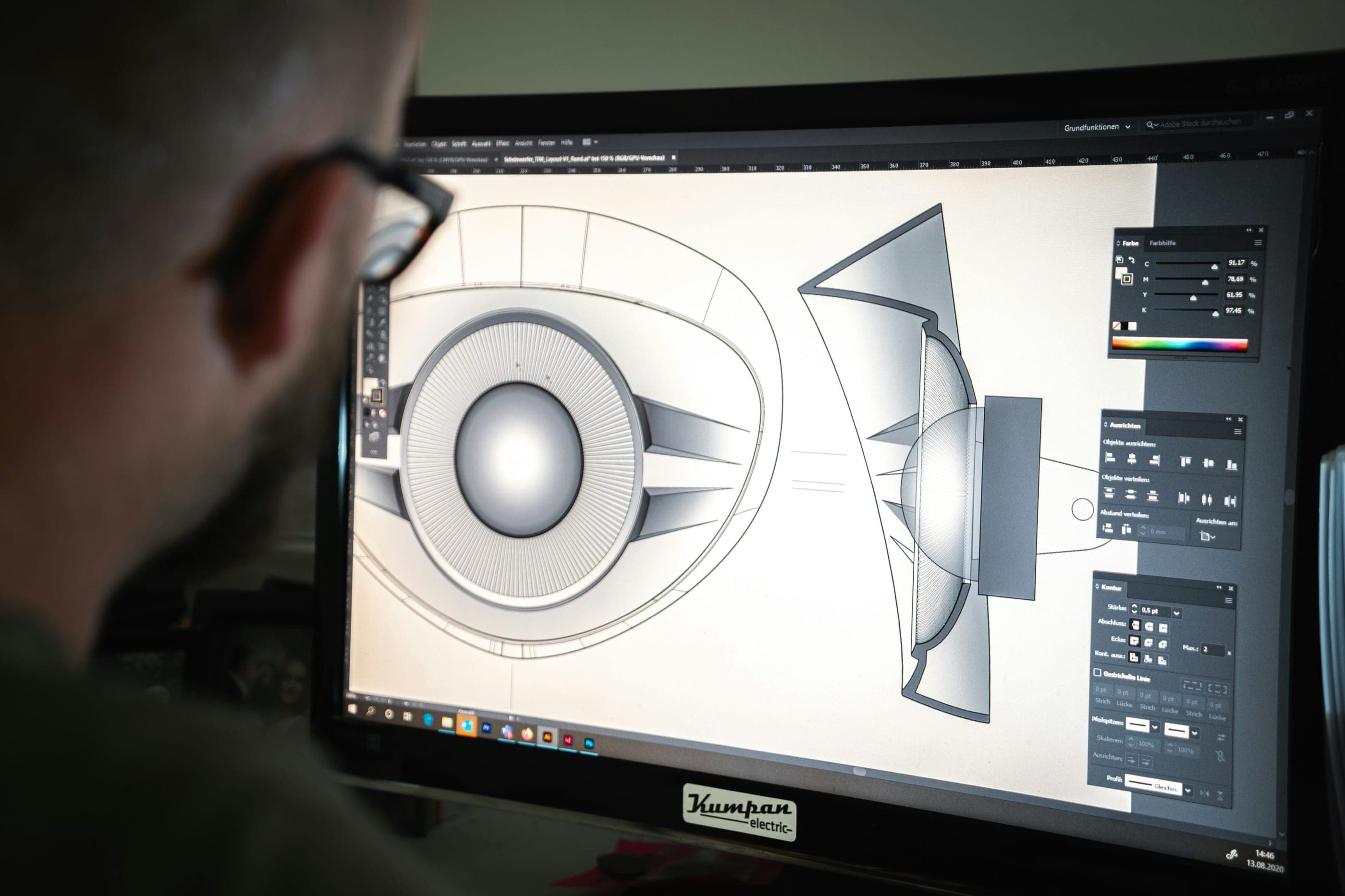
Animation Modeling is a specialized field within the animation department that focuses on creating three-dimensional (3D) characters, objects, and environments for use in animation and visual effects. Animation modelers utilize advanced software to sculpt and craft digital representations that are both realistic and stylistically consistent with the project's aesthetic. These digital assets are rigged with virtual skeletons or armatures, which allow the models to be manipulated and animated by other team members.
Role & Responsibilities
The role of an Animation Modeler involves translating concept art and design briefs into fully-realized 3D models. They work closely with other departments, such as texturing, rigging, and animation, to ensure that the created models meet technical requirements and are suitable for motion. Proficiency in sculpting, an understanding of anatomy and form, as well as a strong sense of proportion and spatial awareness, are essential in defining the functionality and appeal of the animated characters and objects.
Skills Required
Animation Modeling requires a combination of technical skills and artistic abilities. Proficiency in 3D modeling software such as Autodesk Maya, Blender, or ZBrush is critical. Strong understanding of anatomy, volume, and proportion is essential for creating lifelike models. Other required skills include texturing, knowledge of geometry and topology, and an eye for detail. Good communication and teamwork skills are also important, as modelers need to work closely with the rest of the animation team to bring concepts to life.
Frequently Asked Questions
What does a Animation Modeling do?
Animation Modeling is a specialized field within the animation department that focuses on creating three-dimensional (3D) characters, objects, and environments for use in animation and visual effects. Animation modelers utilize advanced software to sculpt and craft digital representations that are both realistic and stylistically consistent with.
What are the main responsibilities of a Animation Modeling?
The role of an Animation Modeler involves translating concept art and design briefs into fully-realized 3D models. They work closely with other departments, such as texturing, rigging, and animation, to ensure that the created models meet technical requirements and are suitable for motion. Proficiency in sculpting, an understanding of anatomy and.
What skills does a Animation Modeling need?
Animation Modeling requires a combination of technical skills and artistic abilities. Proficiency in 3D modeling software such as Autodesk Maya, Blender, or ZBrush is critical. Strong understanding of anatomy, volume, and proportion is essential for creating lifelike models. Other required skills include texturing, knowledge of geometry and.
What education or training do I need to become a Animation Modeling?
While a college degree is not always mandatory for a career in Animation Modeling, many professionals in the field hold a bachelor's degree in computer graphics, animation, fine arts, or a related discipline. Post-secondary education can provide foundational knowledge, technical skills, and valuable networking opportunities. However, a strong.
Education
While a college degree is not always mandatory for a career in Animation Modeling, many professionals in the field hold a bachelor's degree in computer graphics, animation, fine arts, or a related discipline. Post-secondary education can provide foundational knowledge, technical skills, and valuable networking opportunities. However, a strong portfolio demonstrating skill proficiency can sometimes outweigh formal education. Employers often look for experience with industry-standard software and a proven track record of high-quality work.
Last updated April 25, 2026
Budget this role in seconds with Saturation
Rate packs, fringes, and phases turn a crew list into an accurate production budget without the spreadsheet math.
Rate packs
Verified union rates, versioned.


Fringes and markupsRebuilt
Stack them, cap them, and see the split on every line.
PhasesRebuilt
Every column knows its type.
Auto-fill
Rates fill in as you type, from the source you turned on.