What is an A Camera Operator?
Overview
What Is an A Camera Operator?
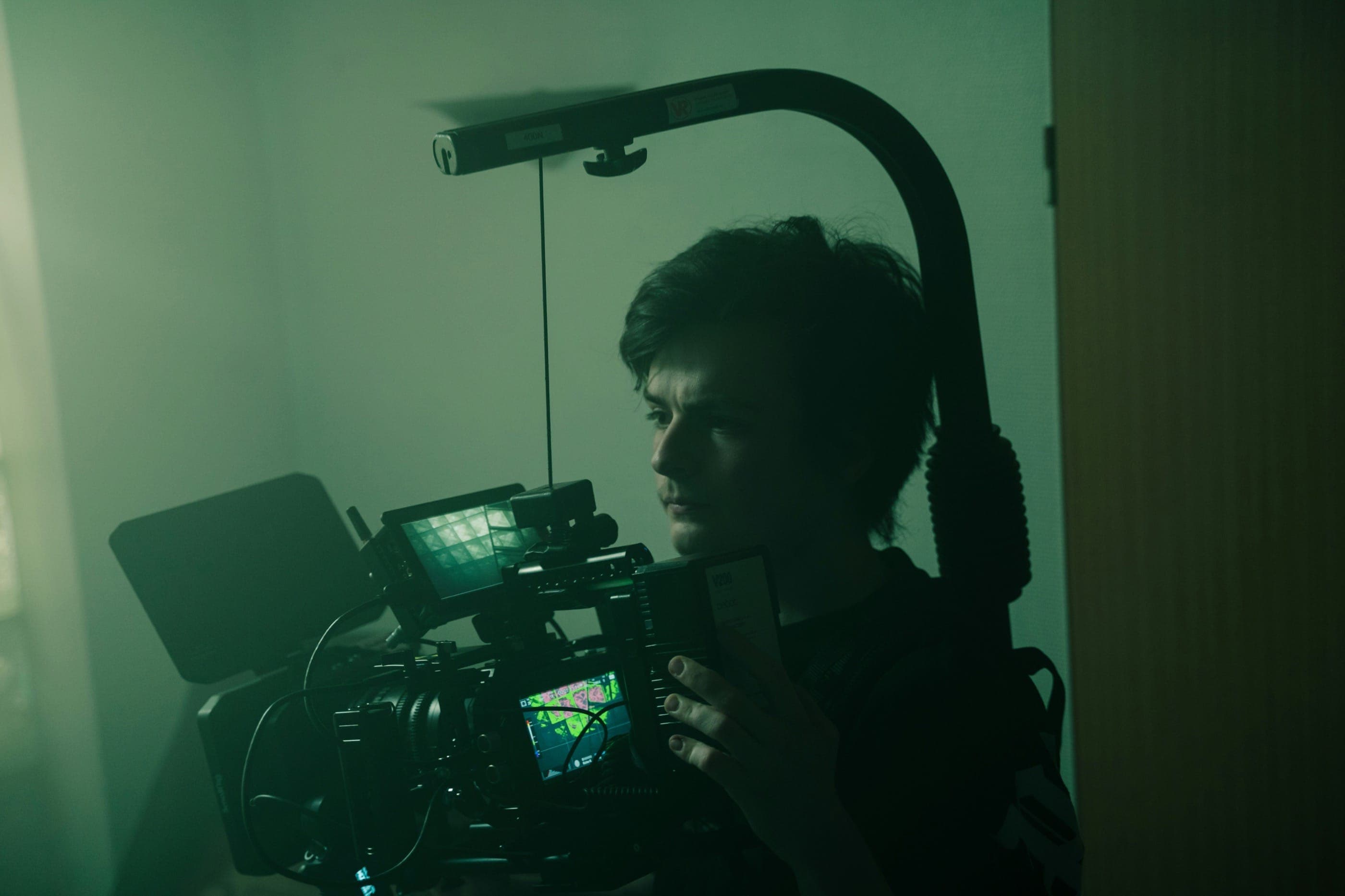
An A Camera Operator — commonly written "A-Cam Op" on call sheets — is the crew member who physically operates the primary camera on a film or television production. While the Director of Photography (DP or cinematographer) designs the visual language of the project — choosing lenses, lighting ratios, and camera movement vocabulary — the A Camera Operator executes those decisions frame by frame, take by take.
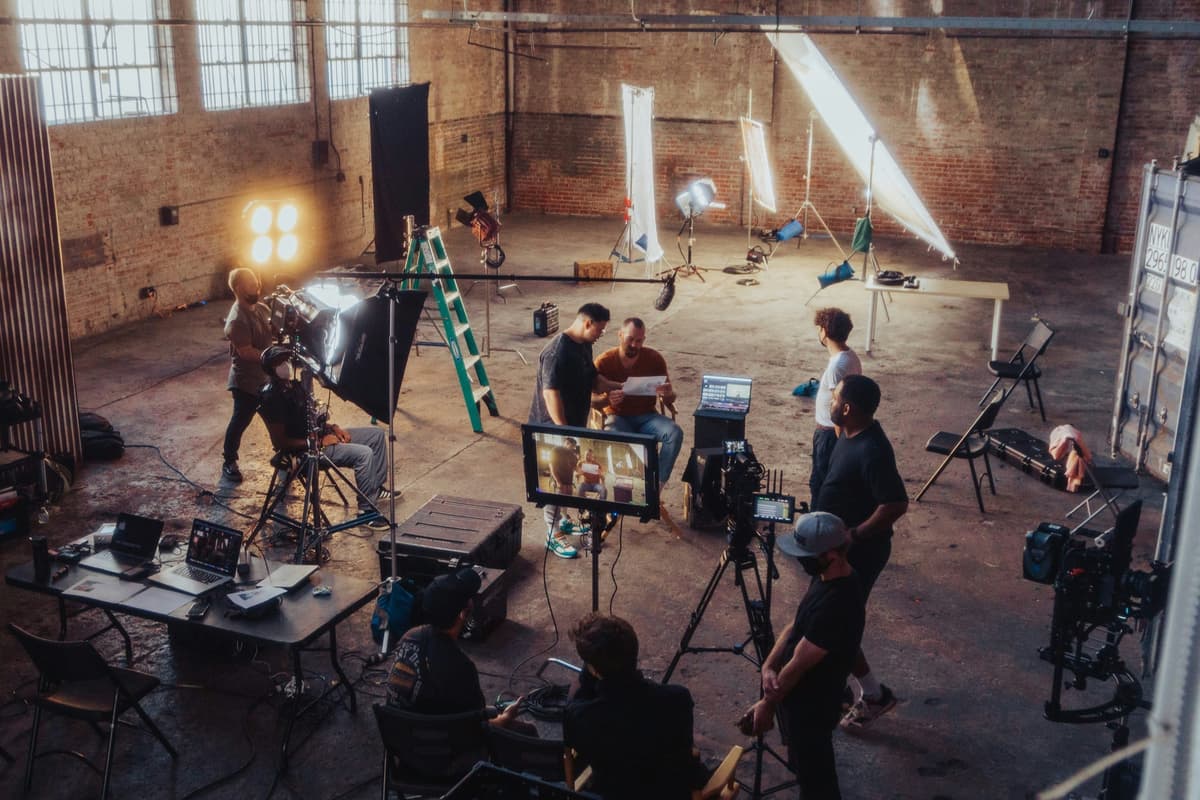
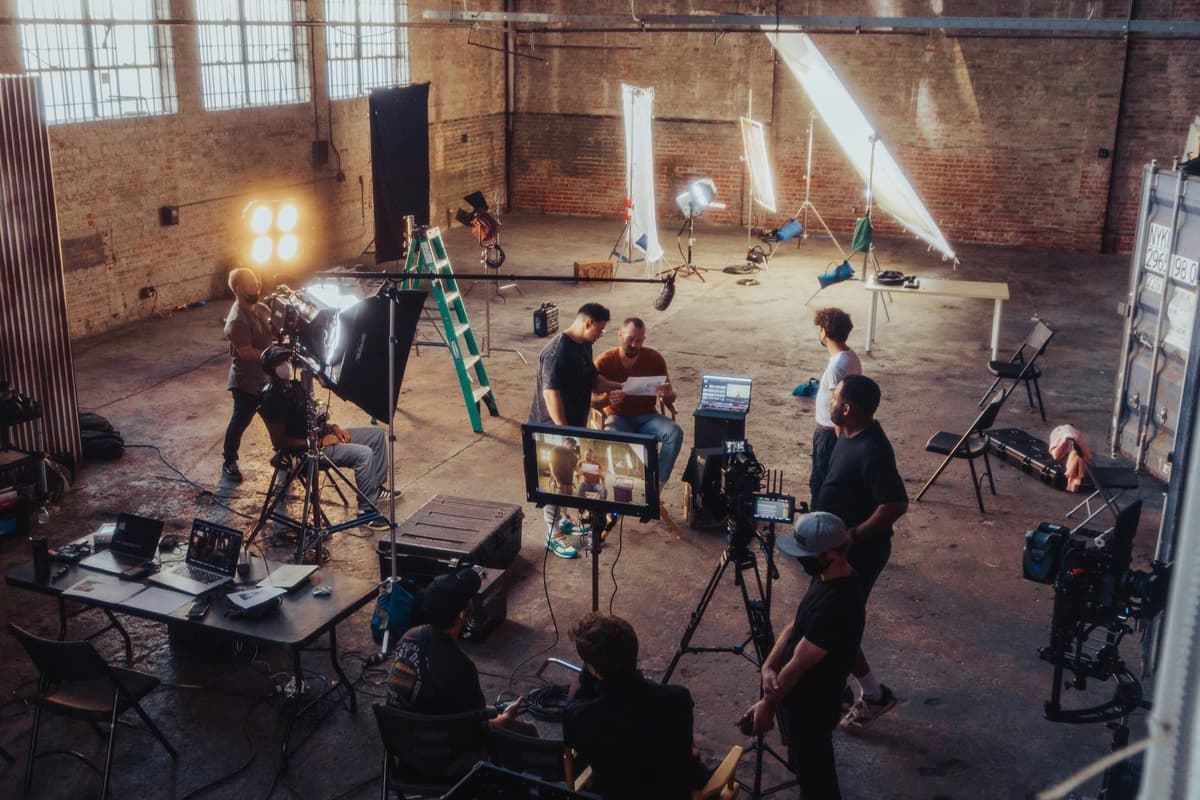
On a single-camera narrative production (most feature films and episodic drama), the title is often simply "camera operator" because there is only one camera running at a time. On multi-camera productions — situation comedies, talk shows, sporting events, reality television — the distinction becomes essential. The multi-camera setup uses an A camera, B camera, C camera, and sometimes a D or E camera simultaneously to capture an event or performance from multiple angles in a single pass. The A camera is always the principal or hero camera: it holds the master shot, the over-the-shoulder for the lead actor, or the primary coverage the editor will cut around.
The A Camera Operator sits at the intersection of technical precision and artistic instinct. They must maintain the exact frame the DP has designed while simultaneously anticipating action, tracking moving subjects, and communicating continuously with their 1st Assistant Camera (1st AC) so focus is always where it needs to be.
The Multi-Camera System: A, B, C, and D Cameras
Understanding the A camera role requires understanding why multiple cameras exist simultaneously on set.
A Camera is the primary camera and runs on every single setup. It holds the most important angle — typically a master wide shot, a close-up of the lead actor, or the shot the director has pre-designed as the editorial anchor. When only one camera is available, A camera is the only camera.
B Camera runs alongside A camera to capture a secondary angle simultaneously — often a complementary over-the-shoulder, a reaction shot, or an insert that would otherwise require a separate setup. B camera is operated by the B Camera Operator, who takes direction from both the DP and the A Camera Operator.
C Camera (and D camera on large multi-camera shoots) provides additional coverage angles, often used for wide establishing shots, specialty rigs, or Steadicam work that runs concurrent with the primary handheld or dolly setup.
The A Camera Operator coordinates all camera operators on set. They communicate with the DP about the visual plan, relay frame sizes and movement cues to their 1st AC, and flag any continuity issues to the script supervisor. On productions where the DP is also operating a camera, the A Camera Operator's responsibilities may shift or expand depending on the DP's preference.
The A Camera Operator and the Director of Photography
The working relationship between the A Camera Operator and the DP is one of the most nuanced partnerships on a film set. The DP is responsible for the overall visual design: they choose the camera, the lenses, the lighting package, and the movement vocabulary. They work with the director in prep to design the look of the film. On set, the DP spends significant time managing lighting, working with the gaffer and grip department, and consulting with the director on coverage strategy.
This is precisely where the A Camera Operator becomes indispensable. The DP cannot simultaneously light the set and be behind the eyepiece. The A Camera Operator takes the DP's design intent and executes it in real time. They look through the eyepiece on every take, make micro-adjustments to framing, and maintain visual consistency across dozens of takes so the editor can cut seamlessly.
Some DPs prefer to operate the camera themselves — this is especially common on intimate indie films, commercials, and documentary work. In those cases, an A Camera Operator may not be hired. But on larger productions — studio features, network episodic television, prestige streaming series — the A Camera Operator is a separate hire from the DP, and the two form the core of the camera department's creative leadership.
IATSE Local 600 and the Camera Operator Classification
In the United States, professional camera operators on union productions are members of the International Cinematographers Guild, IATSE Local 600. Local 600 covers all members of the camera department: DPs, camera operators (A, B, and C), 1st ACs, 2nd ACs, loader/DIT, and camera production assistants.
The Camera Operator classification in Local 600 specifically covers the operator role — distinct from the DP (Director of Photography) classification. Joining Local 600 typically requires either accumulating sufficient days worked under a qualifying signatory employer or receiving a direct offer from a signatory production after demonstrating equivalent experience. The guild negotiates minimum rates, residual formulas, and working conditions for all signatory productions including studio features, network television, and major streaming platforms.
Managing production finances across a multi-camera shoot — tracking equipment rentals, camera package deals, and per-episode crew costs — is where purpose-built production management tools like Saturation.io give production companies a clear advantage over spreadsheets. When you're running three or four cameras simultaneously, crew costs, overtime, and equipment line items multiply quickly.
Role & Responsibilities
Core Duties of the A Camera Operator
The A Camera Operator's responsibilities begin long before the first day of principal photography and extend through the final pickup shot. Their work spans pre-production meetings, daily set operations, and post-production communication with editorial.
Pre-Production and Prep
In prep, the A Camera Operator attends concept meetings with the DP and director to understand the visual language of the project. They participate in camera tests to evaluate lenses, camera bodies, and movement equipment. They review the script and shot list alongside the DP, identifying setups that require special rigging — crane work, car mounts, underwater housings, or specialty lens packages. They may also attend location scouts to assess practical camera positions, assess available light, and flag any operational challenges in challenging environments.
The A Camera Operator works with the camera department head (the DP or key camera operator on large productions) to assemble the camera package from a rental house. This includes selecting lenses, filters, camera bodies, follow focus systems, and movement rigs. Understanding the capabilities and limitations of each piece of equipment before the shoot begins is essential — a problem discovered on the rental house floor is always less costly than one discovered on set during a twelve-hour shooting day.
On-Set Responsibilities During Production
Operating the A camera on every setup. The A Camera Operator places the camera on the designed mount — whether that is a dolly, tripod, handheld rig, Steadicam vest, gimbal, or crane — and executes the planned shot. They listen to the DP's framing and movement instructions, then execute them precisely while maintaining awareness of actor performance, continuity, and potential hazards on set.
Executing the DP's shot design. When the DP describes a shot — "Start on a wide, push in slowly as she delivers the monologue, end tight on her eyes" — the A Camera Operator translates that description into a physical sequence of movements. They calibrate the speed of the push, maintain smooth focus (in coordination with the 1st AC), and adjust for any unscripted actor movement during the take.
Communicating frame sizes to the 1st AC for focus. Focus pulling on a narrative film set is a real-time collaboration between the A Camera Operator and the 1st AC. The A Camera Operator must call out frame adjustments ("I'm tighter than planned, she's at mark 2"), flag unexpected actor movements mid-take, and give the 1st AC any information that changes the focus distance. Clear, fast communication between these two positions directly affects the percentage of usable takes the editor receives.
Maintaining shot consistency across multiple takes. A scene may require fifteen to thirty takes to satisfy the director. The A Camera Operator is responsible for making the camera movement on take 27 match the camera movement on take 3 so the editor can cut between them. This requires both physical muscle memory and attentive observation of their own framing via a monitor or viewfinder playback.
Suggesting shots to the DP. Experienced A Camera Operators bring creative input to the set. If they see an angle or a movement opportunity the DP has not considered, they will voice it — diplomatically and at the appropriate moment. This collaborative input is valued on most productions because the A Camera Operator is physically closer to the action and may perceive compositional possibilities the DP cannot see from the monitor village.
Coordinating with B and C camera operators. On multi-camera setups, the A Camera Operator is the de facto leader of the operating team. They coordinate frame sizes, ensure cameras are not in each other's shots (crossing cameras), and communicate the overall coverage plan to the B and C operators so every camera is capturing useful footage simultaneously.
Operating specialty rigs. Many A Camera Operators are trained in Steadicam operation, gimbal work, handheld technique, and dolly work. On productions where a specialized operator is not hired, the A Camera Operator is expected to execute these moves. Steadicam is a particularly valued skill — A Camera Operators who are also certified Steadicam operators command higher rates and are sought after for productions where fluid, long-form camera movement is a priority.
Safety and set protocol. The A Camera Operator is responsible for maintaining a safe operating environment around the camera. They call "camera rolling" before a take, confirm the gate or digital recording is clean after a take, and flag any equipment issues immediately. On action-heavy or stunt sequences, they work closely with the stunt coordinator to understand where the camera can be safely positioned.
Post-Production Communication
The A Camera Operator's direct involvement typically ends after principal photography. However, some operators are asked to provide technical notes to the editorial team on unusual shots — particularly if a shot requires specific context to evaluate (a deliberately imperfect handheld move that is intentional, for example). On large productions, the A Camera Operator may also be involved in any photography reshoots, second-unit work, or VFX elements that require camera operation.
Relationship to Other Camera Department Positions
Director of Photography (DP): The DP is the A Camera Operator's immediate supervisor. The DP designs; the operator executes. On some productions the DP and A Camera Operator are the same person.
1st Assistant Camera (1st AC / Focus Puller): The 1st AC is the A Camera Operator's closest collaborator on set. The 1st AC pulls focus, manages the camera system, and prepares each setup so the operator is ready to shoot. Communication between these two positions is constant.
2nd Assistant Camera (2nd AC / Clapper/Loader): The 2nd AC slates shots, loads magazines (or manages digital cards/media), and assists the 1st AC. They report to the 1st AC but interact regularly with the A Camera Operator on slate information and setup logistics.
B Camera Operator: The B Camera Operator is a peer, not a subordinate, but the A Camera Operator typically sets the overall camera coordination plan and communicates coverage priorities to B cam.
Digital Imaging Technician (DIT): The DIT manages the signal chain from the camera through to monitors and dailies processing. The A Camera Operator communicates with the DIT on any technical issues with the camera image — exposure variations, sensor anomalies, or unexpected artifacts.
Skills Required
Technical Camera Operation Skills
Camera operation at the professional level is a physical craft before it is an artistic one. An A Camera Operator must be fluent in the operation of every major camera system, movement platform, and support rig used on professional productions. Technical deficiency in any of these areas can slow down a shoot, invalidate takes, or put equipment and personnel at risk.
Camera Movement Systems
Dolly operation: The dolly — a wheeled platform that rolls along a track or on rubber wheels — is the foundation of planned camera movement in narrative filmmaking. The A Camera Operator rides on the dolly, operates the head (pan and tilt mechanism), and collaborates in real time with the dolly grip who pushes the dolly along the track. Mastery of dolly operation requires understanding head tension, the physics of smooth acceleration and deceleration, and the ability to repeat a move exactly across multiple takes. Fluid dolly work is one of the most immediately readable marks of a skilled camera operator.
Handheld operation: Handheld camera work ranges from barely perceptible to aggressively kinetic depending on the visual language of the production. A Camera Operators must be able to operate handheld for extended periods — sometimes an entire shooting day — while maintaining controlled, purposeful movement that serves the story rather than simply creating noise. Physical endurance, upper body strength, and an understanding of how to weight the camera for stability all contribute to effective handheld work.
Steadicam operation: Steadicam is a specialized camera stabilization system consisting of a vest, an arm, and a sled that isolates the camera from the operator's body movement, producing smooth, flowing camera motion that is neither the precision of a dolly nor the raw energy of handheld. Steadicam operators train intensively — typically through dedicated workshops and years of practice — because the physical demands and technical complexity of the system are significant. Many A Camera Operators hold Steadicam certification and handle their own Steadicam work on productions, while others specialize as dedicated Steadicam operators.
Gimbal and remote head operation: Electronic gimbals (DJI Ronin, Tilta Hydra, and similar systems) have become standard tools on productions of all scales. A Camera Operators must be able to configure, balance, and operate gimbal systems both handheld and mounted to vehicles, cranes, or other rigs. Remote heads — motorized pan-tilt heads controlled from a distance — are used for shots where the camera must be in a position the operator cannot physically occupy (the end of a long crane arm, inside a moving vehicle, in a water environment).
Crane and jib operation: A Camera Operators often work with camera cranes ranging from small jibs to large hydraulic cranes. They must be able to frame and operate the camera remotely using a monitor and remote head controls, coordinating complex up, down, push, and pan combinations that are choreographed as precisely as a dance sequence.
Shot Composition and Framing Instinct
Composition is where technical skill meets artistic judgment. The A Camera Operator must internalize the DP's visual language — their preferred use of headroom, leading space, depth layering, and rule-of-thirds application — and then execute it consistently across every setup. Beyond mechanical reproduction, a skilled operator also brings their own compositional instinct to the work, making micro-adjustments that honor the DP's design while responding fluidly to the performance happening inside the frame.
Understanding classical compositional principles — the rule of thirds, the golden ratio, depth of field as compositional tool, foreground layering — is foundational. Understanding when to break those rules intentionally — when the DP has designed a deliberately disorienting frame, for example — is equally important. The A Camera Operator must read the intention behind every compositional choice and execute it faithfully.
Lens Language and Optics Knowledge
Different lenses render the world in fundamentally different ways, and the A Camera Operator must understand these differences intuitively. A 21mm wide-angle lens on a subject two feet from the camera produces a radically different image — exaggerated perspective, expanded space, apparent distortion — than a 135mm lens on the same subject from fifteen feet away. The choice between these lenses is the DP's, but the A Camera Operator needs to understand why the choice was made and what physical parameters they must maintain for the shot to work as designed.
Anamorphic lenses introduce their own operational considerations: different breathing characteristics, specific minimum focus distances, and the distinctive oval bokeh that defines the anamorphic look. Vintage versus modern lens sets render differently. Fast lenses at wide open apertures leave very little margin for error in focus, which directly affects the collaboration between the A Camera Operator and the 1st AC.
Communication and Collaboration
Communication with the 1st AC: The operating-to-focus collaboration is the most constant, most critical, and most unforgiving communication loop on a narrative film set. The A Camera Operator must communicate frame changes, actor position variations, unexpected movements, and any factors that change the focus distance — and they must do it quickly, quietly, and clearly enough that the 1st AC can respond in real time without the exchange appearing on the recording. Developing a personal communication shorthand with a trusted 1st AC is one of the most valuable professional assets a camera operator can have.
Communication with the DP: The A Camera Operator must understand direction, ask clarifying questions efficiently, and offer suggestions diplomatically. The ability to say "I'm seeing something at 40mm that might work better here — want to take a look?" without derailing the DP's thought process is a social skill as much as a technical one.
Communication with the director: Some directors prefer to communicate directly with the camera operator, particularly about performance framing. The A Camera Operator must be able to receive and execute direction from the director while keeping the DP in the loop.
Coordination with B/C camera operators: On multi-camera setups, the A Camera Operator is the coordinator of the operating team. They must communicate clearly about what A camera is doing so B and C camera can position themselves for maximum coverage without crossing each other's frames.
Maintaining Visual Continuity
Continuity is the editor's problem to solve in post — but it is the camera operator's responsibility to prevent. If the camera moves differently on take 12 than it did on the director's preferred take 8, the editor cannot cut between them. The A Camera Operator must develop the ability to repeat a shot — including subtle micro-movements — with high fidelity across many takes. This requires a combination of physical muscle memory, attentive observation, and the discipline to resist the temptation to "improve" a shot that has already been established as correct.
Physical Fitness and Endurance
Camera operation is a physically demanding job. A Camera Operators spend twelve to fourteen hours on their feet, carry and handle heavy camera rigs, operate Steadicam for extended periods, crouch in uncomfortable positions for low-angle shots, and may work in extreme weather conditions on location. Maintaining physical fitness — particularly core strength and shoulder stability — is not optional; it is occupational maintenance. Many experienced A Camera Operators treat their physical conditioning as a direct investment in their professional longevity.
Software and Production Technology
Modern A Camera Operators are expected to be fluent with digital camera systems from ARRI, Sony, RED, Blackmagic, and Panavision. They must understand LUT management, on-set monitor calibration, wireless video transmission systems (Teradek, Hollyland), and the interaction between the camera's internal settings and the DIT's signal chain. Productions that use cloud-based tools for budget management and production coordination benefit from operators who understand how production technology integrates across departments — equipment rental tracking, camera package costs, and department budget management are all areas where modern production software streamlines what used to be handled entirely on paper.
Salary Guide
A Camera Operator Salary: Day Rates, Weekly Rates, and Annual Income
Camera operator compensation in the film and television industry varies significantly based on whether work is union or non-union, the medium (feature film, episodic television, commercial, documentary), the production budget, and the market in which the operator is working. The figures below represent current market conditions as of 2025–2026.
BLS Median and National Benchmarks
According to the U.S. Bureau of Labor Statistics (BLS), the median annual wage for Camera Operators, Television, Video, and Film was $68,810 as of May 2024. This figure covers a broad range of camera operator classifications and production types, from local broadcast news operators to feature film operators on major studio productions.
The top 10% of earners in the BLS camera operators classification earn over $121,500 per year, while the bottom 25th percentile earns approximately $39,000 annually. The wide spread reflects the enormous variation in production scale, market, and union status across the industry.
For camera operators specifically working on film and video productions (as opposed to broadcast news or corporate video), average annual income trends higher. Glassdoor reports an average camera operator salary of $73,724 per year in the United States as of 2026, while ZipRecruiter reports top earners reaching $121,500 annually.
IATSE Local 600 Minimum Rates
Union camera operators working on productions covered by the International Cinematographers Guild (IATSE Local 600) receive negotiated minimum rates. These minimums represent the floor, not the ceiling — experienced operators with strong track records routinely negotiate above scale.
The Local 600 minimum daily rate for a Camera Operator on a studio feature is $527 per day as of current guild minimums. For first assistant camera, the minimum is $382/day; for second assistant camera, $259/day. Weekly rates for episodic television are structured differently and typically reflect a guaranteed minimum number of days per week with overtime provisions.
On major studio productions (Netflix, HBO, Apple TV+, Amazon, and studio theatrical releases), camera operators commonly negotiate above minimum scale. Experienced A Camera Operators on high-budget productions may work at day rates between $1,200 and $2,500+ depending on specialty skills (Steadicam certification, specialty rigging experience, foreign location work).
Day Rates by Production Type
Low-budget independent features (under $1M budget): $300–$600/day, often at or below minimum wage for the production tier. Many operators accept lower rates to gain narrative feature credits early in their careers.
Mid-range independent features ($1M–$10M budget): $500–$900/day, often negotiated individually. May be union or non-union depending on the production's signatory status.
Studio features and major streaming productions: $800–$2,500+/day for A camera operator. Steadicam operators on these productions may negotiate separate Steadicam rates in addition to their base operator rate.
Network and streaming episodic television: Weekly rates apply. A Camera Operators on one-hour drama typically earn $3,500–$6,500 per week on above-scale productions, with studio-level shows pushing higher for operators with significant episodic credits.
Multi-camera sitcom: Multi-camera sitcoms typically shoot three to four days per week and pay daily or weekly rates. A camera operators on network multi-camera shows often earn $4,000–$7,000 per week.
Commercials: Commercial rates are among the highest per-day rates available to camera operators. A day rate of $1,000–$2,500 is common on national commercial productions, with top operators working for advertising agencies or major brands earning more. Commercial work is also valued for its predictable duration and relatively high per-day compensation.
Music videos: Rates vary extremely widely. Micro-budget music videos may offer $200–$400/day or even deferred payment. Major label productions with significant budgets pay $700–$1,500/day for experienced operators.
Documentary: Documentary operator rates typically range from $450–$900/day for experienced operators, with senior documentary cinematographers who also operate earning more when they are credited as DP/operator.
Geographic Market Variation
Los Angeles: The primary market for feature film and scripted television production. Union minimums apply on all Local 600 signatory productions. Day rates for experienced A Camera Operators average $800–$2,000+ on above-scale productions. The density of productions in the LA market also means more consistent work opportunities.
New York: The second largest market, with strong commercial, episodic television, and documentary production. Rates are comparable to LA for union productions. New York's commercial market is particularly robust, and camera operators with commercial experience command strong day rates.
Atlanta: Georgia's tax incentive program has made Atlanta one of the most active production markets in the United States, particularly for studio features and streaming productions. Rates have risen substantially as the market has matured; experienced A Camera Operators can earn LA-comparable rates on major productions shooting in Georgia.
Smaller markets: Regional markets (Chicago, New Orleans, New Mexico, Vancouver area for US productions) offer lower average day rates but can provide consistent work for operators who establish themselves locally. Travel and location rates apply when productions bring operators from LA or NY to these markets.
Annual Income and Career Trajectory
Camera operators in the film industry are almost universally freelance — they do not receive an annual salary from a single employer. Annual income is therefore a product of how many days worked multiplied by the day rate, with significant variation year over year based on the production slate and the operator's booking activity.
A camera operator working consistently in the LA or NY market on a mix of commercial, television, and feature work can realistically earn $80,000–$150,000 per year once established. Operators working exclusively on studio features and major streaming productions with Steadicam certification and a strong track record can reach $200,000+ annually in productive years.
Benefits vary by union status. Local 600 members receive pension contributions from qualifying productions, and health benefits are available through the guild's health plan provided the operator meets minimum earnings thresholds during qualifying periods. Non-union operators are responsible for their own health insurance and retirement savings.
For current BLS wage data by geographic area, see the Bureau of Labor Statistics Camera Operators occupational wage estimates.
Frequently Asked Questions
What is an A Camera Operator?
An A Camera Operator is the crew member who physically operates the primary (A) camera on a film or television production. On multi-camera productions, the A camera is the principal camera — the one that holds the master shot, the hero angle, or the primary coverage the editor cuts around. The A Camera Operator executes the Director of Photography's shot design frame by frame, maintaining framing consistency across takes and coordinating with the 1st AC for focus.
What is the difference between an A Camera Operator and a Director of Photography?
The Director of Photography (DP) designs the visual language of the production: they select the camera, lenses, lighting package, and overall look. They work with the director to determine how the story is told visually. The A Camera Operator executes the DP's design — they look through the eyepiece on every take and translate the DP's intentions into a precise physical reality. On large productions, the DP manages lighting and consults with the director while the A Camera Operator is behind the camera on every shot. Some DPs also operate the camera themselves, in which case there is no separate A Camera Operator hired.
What is the difference between A camera and B camera?
A camera is the primary camera — it runs on every setup and holds the most important angle. B camera runs simultaneously with A camera to capture a secondary angle. On a two-person dialogue scene, A camera might hold the over-the-shoulder on the lead actor while B camera simultaneously captures the reverse. B camera is operated by the B Camera Operator, who coordinates with the A Camera Operator to ensure the cameras are not crossing each other's frames and that coverage is maximized during each setup.
What is the difference between an A Camera Operator and a 1st AC?
The A Camera Operator looks through the eyepiece and frames the shot — they are responsible for composition and camera movement. The 1st AC (1st Assistant Camera, also called the Focus Puller) stands beside the camera and pulls focus during takes, managing the distance between the subject and the lens so the image is sharp where it needs to be. The two positions work in constant collaboration: the A Camera Operator communicates any changes in framing or actor position, and the 1st AC adjusts focus in real time. The 1st AC also preps and maintains the camera system for each setup.
How do you become an A Camera Operator?
The traditional path is through the camera department hierarchy: Camera PA → 2nd AC → 1st AC → Camera Operator (starting on B camera) → A Camera Operator. This progression typically takes eight to fifteen years on professional productions. Film school or a related degree can accelerate entry into the industry, but hands-on set experience and professional relationships are the primary determinants of advancement. In the United States, most A Camera Operators on major productions are members of IATSE Local 600, the International Cinematographers Guild.
What is the A Camera Operator salary?
The BLS reports a median annual wage of $68,810 for camera operators across all production types as of May 2024. Working A Camera Operators on film productions typically earn day rates of $500–$2,500+ depending on production budget, union status, and specialty skills. Operators with Steadicam certification and strong studio credits commonly earn $80,000–$200,000 per year in active markets like Los Angeles, New York, and Atlanta. Commercial rates are among the highest per-day rates in the industry.
Do A Camera Operators need to be in a union?
Not all camera operators are in a union, but most A Camera Operators working on major studio features, network television, and large streaming productions are members of IATSE Local 600, the International Cinematographers Guild. Union membership requires working under signatory employers and meeting eligibility requirements — it cannot simply be purchased. Non-union operators can work on independent, commercial, and documentary productions that are not signatory to IATSE agreements. Union membership provides minimum wage guarantees, pension contributions, and access to guild health benefits.
What is IATSE Local 600?
IATSE Local 600, the International Cinematographers Guild, is the union that represents camera department professionals on union film and television productions in the United States. It covers Directors of Photography, Camera Operators (A, B, and C), 1st ACs, 2nd ACs, Loaders, DITs, and Camera Production Assistants. Local 600 negotiates minimum rates with the AMPTP (Alliance of Motion Picture and Television Producers) covering studio features, network television, streaming platforms, and commercials. Members receive pension contributions, access to guild health benefits, and representation in labor disputes.
Education
Education Pathways for Aspiring Camera Operators
There is no single required degree to become an A Camera Operator in the film and television industry. The path to the role is almost always built through hands-on experience accumulated over many years, but formal education can accelerate entry into the industry and build the technical foundation that field experience will then deepen.
Film School and University Programs
Many camera operators begin with a bachelor's degree in film production, cinematography, broadcast production, or a related communications field. Dedicated film programs at institutions such as the American Film Institute (AFI), New York University (NYU) Tisch School of the Arts, the University of Southern California (USC) School of Cinematic Arts, Chapman University Dodge College, Loyola Marymount University, and Emerson College offer coursework that covers camera operation, lens theory, lighting fundamentals, and production workflow.
Within these programs, students who know they want to pursue camera operation should focus on courses covering:
Cinematography and camera fundamentals: Sensor size, lens focal length and its effect on perspective and compression, aperture, shutter angle, frame rate, and color science. Understanding why a lens renders the way it does — not just how to operate it — separates strong camera operators from average ones.
Camera movement and support systems: Hands-on experience with dollies, tripod heads, handheld technique, and Steadicam or gimbal operation. Most film programs have access to grip and camera equipment that allows students to practice these skills in a low-stakes environment.
Narrative production workshops: Short film sets where students rotate through all camera department roles — 2nd AC, 1st AC, operator — in a supervised setting. This rotation builds empathy for every position in the department, which makes for a more collaborative professional on a real set.
Editing and post-production fundamentals: Understanding how an editor uses footage helps camera operators make better decisions about coverage. A camera operator who understands what makes a shot cuttable, what coverage the editor needs to tell the story, and what constitutes a useless angle will make more valuable contributions to a production.
A four-year film degree is not universally required and many successful camera operators did not attend film school. Community college production programs, trade school cinematography certificates, and intensive workshops (such as those offered by the International Cinematographers Guild Education and Welfare Fund) provide alternative pathways that are equally respected in the field.
The Career Ladder: From 2nd AC to Camera Operator
The traditional career progression into the A Camera Operator role follows the camera department hierarchy. This path is slower than some other industry careers but it is thorough — by the time a camera operator reaches their first professional operating credit, they have typically spent years learning every technical and logistical aspect of the camera system from the ground up.
Step 1 — Camera Production Assistant (Camera PA): The entry point into the professional camera department. Camera PAs assist with equipment transportation, cable management, charging batteries, and any tasks the 2nd AC needs handled. This role is paid, though modestly, and provides the first exposure to how a professional camera department operates on a real set with real stakes.
Step 2 — 2nd Assistant Camera (2nd AC / Clapper Loader): The 2nd AC slates every shot, loads and offloads recording media, assists the 1st AC with camera prep, and maintains the camera report. This role teaches the language and rhythm of the camera department. A 2nd AC who is technically reliable, fast, and communicative is exactly the person a 1st AC wants to promote to their own crew when the opportunity arrives.
Step 3 — 1st Assistant Camera (1st AC / Focus Puller): This is a significant jump in both responsibility and income. The 1st AC is responsible for focus on every shot — one of the most technically demanding and high-pressure jobs on a film set. 1st ACs spend years developing the ability to pull accurate focus across complex camera moves, anticipating actor blocking changes, and maintaining the camera system at peak performance throughout a shooting day. Working as a 1st AC alongside experienced A Camera Operators gives a clear view of the operating role and builds the collaborative fluency that will define their working relationships for decades.
Step 4 — Camera Operator (B Cam, then A Cam): Most camera operators enter the operating world through B camera work — second-unit shoots, pickup days, multi-camera productions where a second operator is needed. B camera credits build a professional operating resume. Over time, as the network of industry relationships deepens and the operating reel grows, the step from B camera operator to A camera operator on larger productions becomes available.
The timeline from camera PA to A Camera Operator on a studio feature typically spans eight to fifteen years. Some extremely talented individuals move faster; many take longer. The key accelerators are consistent work on productions of increasing scale, strong professional relationships with DPs and 1st ACs, and a demonstrable operating reel.
IATSE Local 600 Membership
Professional camera operators working on union productions in the United States must be members of the International Cinematographers Guild, IATSE Local 600. Membership cannot be purchased — it must be earned through a qualifying employment offer from a signatory production company or through accumulating the required number of days worked under signatory employers.
The pathway to Local 600 membership typically involves working non-union productions (student films, independent shorts, music videos, commercials, and lower-budget features) long enough to build both a professional reputation and a work history. When a signatory production company offers a Local 600 qualifying position, the applicant pays an initiation fee and begins paying ongoing union dues in exchange for the wage minimums, residuals, pension contributions, and health benefits the guild provides.
IATSE Local 600 maintains a roster system that lists available crew members for signatory productions. Being on the roster — and keeping contact information current — is one of the most direct ways a qualified operator gets hired on studio-level productions.
Commercial, Music Video, and Non-Union Experience
The commercial production industry provides some of the best-paying and fastest-paced camera operator experience available. Commercials typically shoot in one to five days, demand technically precise camera work, often involve complex movement rigs, and pay well relative to the short commitment. Building a commercial credit list accelerates a camera operator's rate development significantly.
Music video production is similarly valuable — particularly for developing handheld technique and the ability to respond quickly to a director's evolving vision. Music video budgets vary wildly, from micro-budget one-day shoots to high-end productions that approximate feature film scale, and both ends of that spectrum provide useful learning experiences.
Documentary production offers a third alternative path. Documentary camera operators develop exceptional handheld agility, the ability to capture unrepeatable moments, and the self-sufficiency of operating a lean one- or two-person camera department without a large support crew. Many experienced documentary camera operators transition into narrative features precisely because of the adaptability documentary work demands.
Last updated April 25, 2026
Budget this role in seconds with Saturation
Rate packs, fringes, and phases turn a crew list into an accurate production budget without the spreadsheet math.
Rate packs
Verified union rates, versioned.


Fringes and markupsRebuilt
Stack them, cap them, and see the split on every line.
PhasesRebuilt
Every column knows its type.
Auto-fill
Rates fill in as you type, from the source you turned on.