What is a 2nd Assistant Camera (Clapper Loader)?
Overview
What Is a 2nd AC (Clapper Loader)?
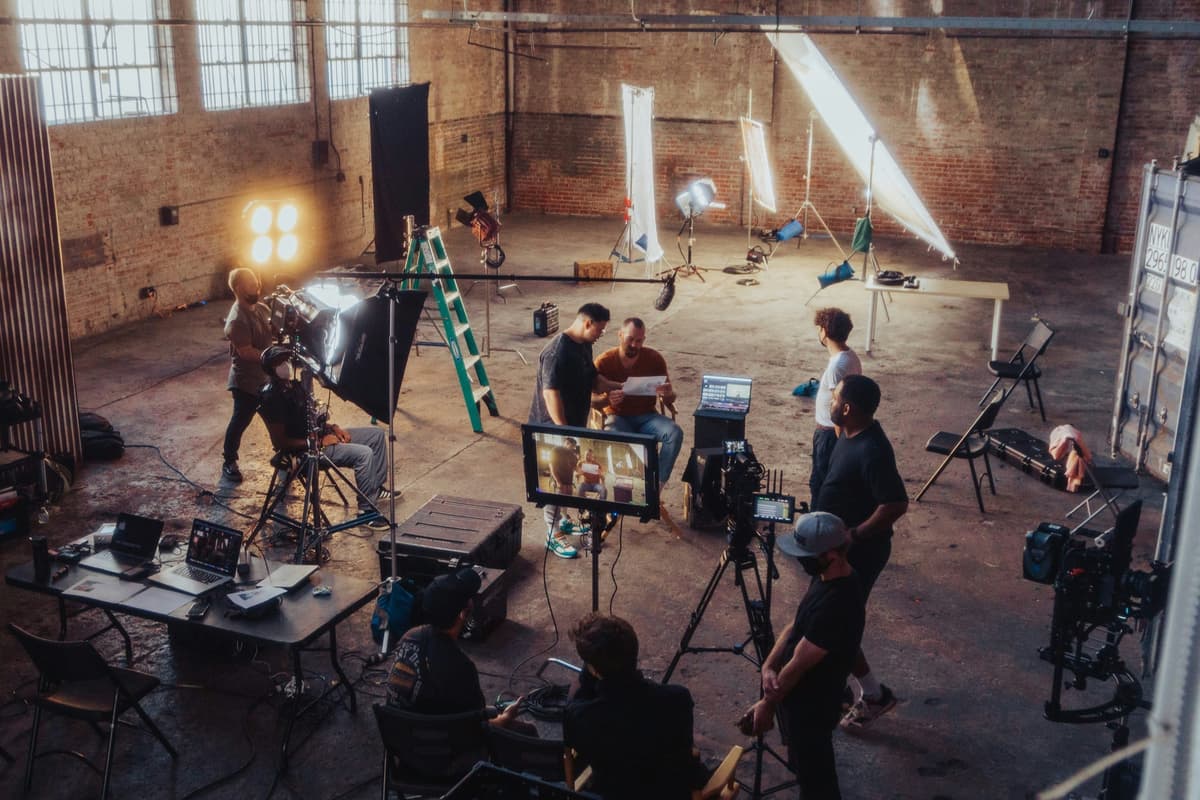
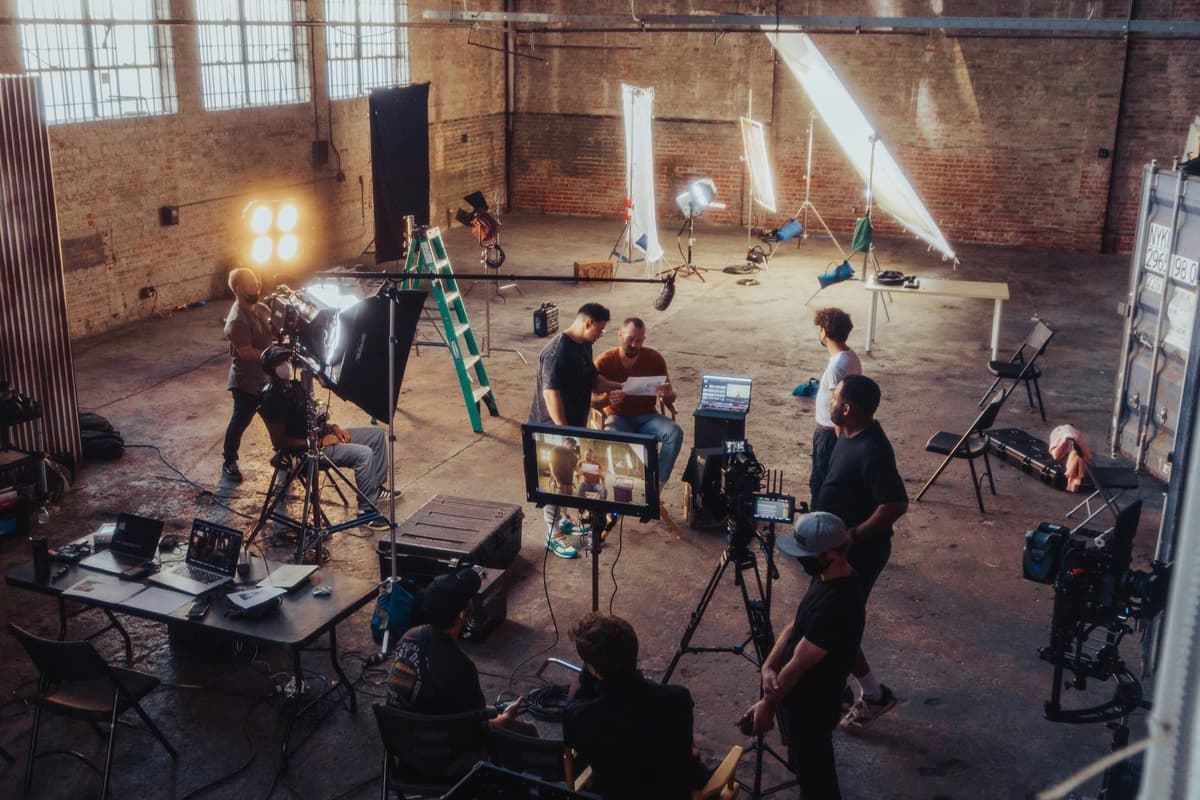
The 2nd Assistant Camera—commonly called the 2nd AC or clapper loader—is the entry-to-mid-level member of the camera department on a film or television production. Reporting directly to the 1st Assistant Camera (1st AC / focus puller), the 2nd AC serves as the operational backbone of the camera crew's day-to-day workflow. While the director of photography (DP) sets the visual language and the 1st AC maintains focus, the 2nd AC keeps the machinery running: media loaded, slates marked, batteries charged, reports filed, and lenses delivered on cue.
The Clapper Loader Name Explained
The title "clapper loader" originates from two historically distinct responsibilities. The clapper referred to the crew member who operated the clapperboard—the hinged slate that creates a visual and audible sync point for post-production. The loader referred to the technician who loaded raw film stock into camera magazines in complete darkness, a task requiring speed, precision, and tactile skill. In the digital era, the loading function has shifted to managing digital media cards, LTO tape, and solid-state drives, but the role—and its dual name—persists across British and American productions alike.
Where the 2nd AC Sits in the Camera Department
On most union film and television productions, the camera department hierarchy is: Director of Photography (DP) → Camera Operator → 1st AC (Focus Puller) → 2nd AC (Clapper Loader) → Loader / Camera PA / DIT. On smaller or non-union productions, the 2nd AC may absorb additional responsibilities normally handled by dedicated loaders or digital imaging technicians (DITs). On multi-camera shoots, a separate 2nd AC is typically assigned to each camera unit.
Why the 2nd AC Role Matters
A disorganized or underprepared 2nd AC creates cascading problems: a missed slate delays the edit, a corrupted media card can destroy irreplaceable footage, a dead battery mid-take costs the production thousands of dollars in reset time. Conversely, an excellent 2nd AC is nearly invisible—everything arrives on time, reports are accurate, and the 1st AC can focus entirely on pulling focus without distraction. Production teams that manage their camera budgets carefully—tracking expendables, media costs, and equipment rentals—often rely on software like Saturation.io to keep camera department spending in check alongside the broader production budget.
2nd AC vs. Loader: Are They the Same?
On large-budget productions—particularly those still shooting on film—the loader is sometimes a separate position from the 2nd AC. The loader focuses exclusively on media management (loading film magazines or digital media, downloading and backing up cards), while the 2nd AC handles slating, reports, and set operations. On most modern digital productions, these two functions are combined into a single 2nd AC role. On very large productions with multiple camera units, there may be both a 2nd AC and a dedicated DIT or loader working in tandem.
Role & Responsibilities
On-Set Responsibilities: The Core Duties of a 2nd AC
The 2nd AC's responsibilities span pre-production preparation, on-set execution, and end-of-day wrap. Understanding the full scope of the role is essential for anyone aspiring to work in the camera department or for producers building accurate department budgets.
Slating: Operating the Clapperboard
The clapperboard—also called the slate, clapper, or clapper board—is one of the most recognizable symbols of filmmaking. The 2nd AC is responsible for marking every take with scene number, take number, camera roll, and other identifying information. The "clap" of the sticks creates a sharp audio spike that post-production uses to sync the picture and sound recorded on separate devices.
Slating requires speed and precision. The 2nd AC must be in position before the camera rolls, slate clearly visible to the lens, and clear the frame immediately after the clap so the take can begin. On MOS shots (shots recorded without sound), the slate is held upside down and the sticks are not clapped. On productions using smart slates with timecode displays (like the Denecke TS-C), the 2nd AC is also responsible for jamming the slate's timecode to match the sound department's timecode generator.
Additional slating duties include:
- Calling "mark" at the appropriate moment in the camera assistant's workflow
- Maintaining a running log of all slate numbers and takes throughout the shooting day
- Coordinating with the script supervisor on scene and take numbers
- Managing insert slates (end slates) when a beginning slate is missed
- Operating the slate for B-camera and additional camera units when needed
Digital Media Management
On digital productions, one of the 2nd AC's most critical responsibilities is managing digital media—the memory cards, solid-state drives, or recording magazines that capture footage. This work typically happens in the camera truck or a designated media management station near set.
Core media management tasks include:
- Loading media: Inserting formatted, empty cards or magazines into the camera at the beginning of each roll
- Unloading media: Removing full media from the camera body promptly and safely, labeling it clearly
- Labeling and logging: Marking every piece of media with camera roll number, date, scene range, and any special notes
- Coordinating with the DIT: Handing off full media to the Digital Imaging Technician for offload, backup, and color management
- Tracking media inventory: Knowing at all times how many cards are empty, full, or in the process of being downloaded
- Preventing data loss: Never reformatting or reusing media until DIT confirms successful backup to at least two drives
Common digital media formats the 2nd AC must be fluent in include CFast 2.0 (ARRI, Canon), CFexpress (RED, Sony, Canon), SxS cards (Sony), ProRes RAW (Atomos recorders), LTO tape (long-form archival), and standard SD/V60/V90 cards on mirrorless or documentary systems.
Camera Reports
The camera report is the production record that documents every roll of media shot during the day. The 2nd AC fills out a camera report for each camera roll, typically including:
- Production name and date
- Camera designation (A, B, C camera)
- Magazine or media number
- Stock type (film era) or media type and capacity (digital)
- Scene and take numbers covered on that roll
- Print/circle takes (takes the director wants prioritized in the edit)
- Any technical notes (camera issues, exposure changes, ND filtration)
- Footage count (film) or approximate GB used (digital)
Camera reports are distributed to the editor, post-production coordinator, and production office at the end of each shooting day. They are essential for editorial workflow, VFX tracking, and post-production budgeting.
Assisting the 1st AC in Building the Camera
Before the first shot of the day—and during every setup change—the camera must be configured for the lens, format, and movement requirements of the shot. The 2nd AC assists the 1st AC in this process, which may include:
- Unpacking, cleaning, and prepping cameras from shipping cases
- Attaching rails, mattebox, follow focus, and other accessories
- Swapping lenses as directed by the 1st AC or DP
- Attaching and removing filters and NDs from the mattebox
- Organizing the lens kit and keeping glass clean and catalogued
- Managing monitors, wireless video transmitters, and on-board monitors
- Cable management (wireless and wired signal paths to the video village)
Actor Marking and Focus Assistance
During rehearsals and blocking, the 2nd AC places focus marks on the floor—small pieces of colored tape or rubber "sausages"—to indicate the precise positions where actors should stand for the 1st AC to pull accurate focus. The 2nd AC works with the 1st AC to measure distances from the film plane to the actor and set those marks ahead of each shot.
On especially complex shots (moving camera, multiple actors crossing), the 2nd AC may act as a "stand-in" for distance measurement while the 1st AC rehearses the focus pull.
Battery and Power Management
The 2nd AC is responsible for keeping camera batteries charged and rotated throughout the shooting day. This includes:
- Charging all batteries overnight before the shooting day
- Swapping depleted batteries for fresh ones between takes or setups
- Maintaining a charging station in the camera truck
- Keeping track of how many charges each battery has had (battery health monitoring)
- Knowing compatibility across V-mount and Gold Mount battery systems
- Powering wireless video transmitters, monitoring systems, and accessories
Camera Truck and Equipment Organization
The camera department operates out of a camera truck (or camera room on stage productions). The 2nd AC is responsible for maintaining the organization of this space throughout the shooting day: packing cases properly after pulling equipment, returning lenses and accessories to their designated locations, tracking expendables inventory (tape, batteries, cleaning supplies), and coordinating equipment pickups and returns with the rental house.
End-of-Day Wrap
At the end of each shooting day, the 2nd AC is among the last to leave the camera department. Wrap duties include completing camera reports, delivering media to the DIT or production office, packing and securing all camera equipment, inventorying equipment against the rental contract, and prepping media and batteries for the next day's work.
Skills Required
Core Skills of an Outstanding 2nd AC
Technical knowledge is the minimum baseline for a working 2nd AC. The professionals who build long careers and earn repeat bookings from top 1st ACs and DPs combine technical fluency with a distinct set of professional and interpersonal skills that are harder to teach and often more decisive than camera knowledge alone.
Organization and Attention to Detail
The 2nd AC manages dozens of moving parts simultaneously: media cards in various states (empty, full, downloading), batteries in various states of charge, lens cases, expendables, camera reports, and slate data—all while keeping up with a set that rarely stops moving. A single organizational failure can have expensive consequences. The 2nd AC who develops rigorous systems—color-coded media labels, dedicated charging protocols, standardized report formats—becomes an asset that 1st ACs request by name.
Specific organizational skills include:
- Creating and maintaining a media card chain-of-custody log throughout the shooting day
- Developing a reliable battery rotation system that guarantees a fresh battery is always available
- Maintaining a clean, organized camera truck that the 1st AC can access quickly under pressure
- Tracking multiple slate numbers across A and B cameras without errors
- Completing thorough camera reports that match the script supervisor's notes exactly
Technical Fluency with Camera Systems and Media
A 2nd AC who can only operate one camera system limits their bookings significantly. Top 2nd ACs are fluent across all major camera platforms:
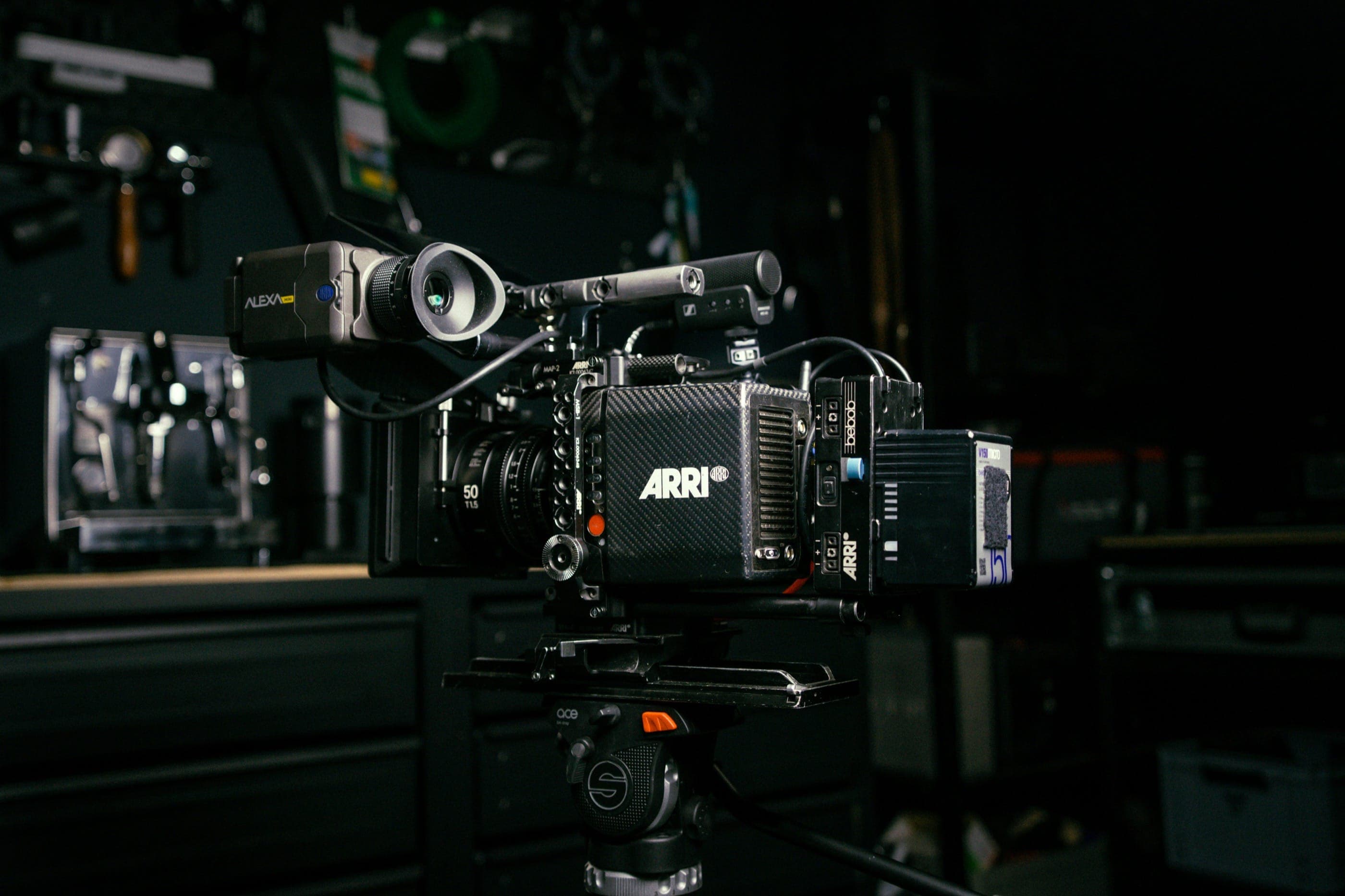
- ARRI ALEXA systems: ALEXA Mini, Mini LF, ALEXA 35 — CFast 2.0 and Codex media workflows
- RED systems: MONSTRO, RAPTOR, KOMODO — CFexpress Type B and SSD workflows, REDCODE RAW
- Sony systems: Venice, Venice 2, FX9 — SxS and AXS media, X-OCN and XAVC workflows
- Canon systems: EOS C70, C300 Mark III — CFexpress and CFast media
- Blackmagic systems: URSA Mini Pro 12K — CFast and USB-C SSD workflows
- Film cameras: ARRI 435, Moviecam, Panavision Millennium — for productions still shooting on 35mm or 16mm
Technical fluency also extends to supporting systems: wireless video transmitters (Teradek, Paralinx), monitor calibration, Preston FIZ wireless follow focus systems, timecode generators (Tentacle Sync, Ambient Lockit), and lens metadata systems (ARRI LDS, /i Technology).
Speed and Physical Endurance
A shooting day for a 2nd AC can run 12-16 hours on set, preceded by an early call for pre-rigging and extended after wrap for media management. The role requires sustained physical endurance: standing, moving, carrying equipment cases, and remaining mentally sharp and organized throughout the day. The ability to move quickly and quietly between the camera truck and set without disrupting the atmosphere on stage is a skill that distinguishes professional 2nd ACs from beginners.
Anticipation and Proactive Thinking
The best 2nd ACs operate two steps ahead of the production. When the 1st AC calls for a lens swap, the correct lens should already be in hand. When the director is about to call the next setup, the 2nd AC should have already identified which media is nearly full and needs swapping. This anticipatory mindset reduces friction, speeds transitions, and earns the trust of the camera department leadership over time.
Communication with the 1st AC and DIT
The 2nd AC operates at the intersection of the on-set camera crew and the media management pipeline. Clear, accurate, and proactive communication is essential in both directions:
- With the 1st AC: Confirming media status, battery levels, lens availability, and any equipment issues before they become problems on set
- With the DIT: Handing off media with complete logs, confirming download status before media is reformatted, flagging any cards that experienced unusual conditions (extreme temperature, rough handling)
- With the Script Supervisor: Coordinating scene and take numbers to ensure camera reports match continuity logs
- With the Sound Department: Timecode sync for smart slate; coordinating slate call-outs with the boom operator
Slating Technique and Speed
Slating is a deceptively simple task that reveals a great deal about a 2nd AC's professionalism. The slate must be legible to the lens (not back-lit, properly sized for the frame), the clap must be clean and crisp, and the 2nd AC must clear frame instantly. On a fast-moving documentary or reality set, this may happen 40-60 times per hour. The 2nd AC who slates cleanly and clears quickly is appreciated by the camera operator and director; the 2nd AC who fumbles slates or lingers in frame creates unnecessary delays.
Knowledge of Expendables and Budget Awareness
The 2nd AC typically orders and manages the camera department's expendables—tape, batteries, cleaning supplies, media, and miscellaneous items. Understanding how to stretch an expendables budget without compromising the crew's ability to work is a practical skill that production coordinators and UPMs notice. Productions that use production budgeting software can track camera department expendable spending in real time, reducing over-ordering and preventing end-of-show budget surprises.
Discretion and Professionalism
Camera assistants work in close proximity to directors, actors, and studio executives. The camera department overhears sensitive conversations, creative disagreements, and personal moments on set. A 2nd AC who maintains strict discretion—who does not gossip about what they have witnessed on set, does not share unauthorized footage or behind-the-scenes content on social media—builds a reputation for trustworthiness that is invaluable in an industry driven by personal relationships.
Electrical and Power System Basics
While the 2nd AC is not an electrician, basic knowledge of power distribution matters. The 2nd AC must understand how to safely power camera systems from production generators via voltage converters, how to identify and avoid ground loops that cause noise on monitors, and how to safely use DC-to-AC inverters in the camera truck for battery charging stations. On smaller productions without a dedicated electrical department, the 2nd AC may need to troubleshoot basic power issues independently.
Salary Guide
2nd AC Salary and Day Rate Guide
Compensation for 2nd ACs varies significantly based on union status, production budget, market, and experience level. Understanding the full range—from entry-level non-union work to top-tier union scale—helps 2nd ACs negotiate effectively and helps producers build accurate camera department budgets.
IATSE Local 600 Union Scale Rates
On union productions in the United States, 2nd AC rates are governed by the applicable IATSE Local 600 agreement. The major agreements include:
- Basic Agreement (Theatrical): Covers major studio feature films and high-budget productions. 2nd AC daily rate typically ranges from $450-$580/day (studio scale), with overtime, meal penalties, and turnaround provisions adding significantly to actual weekly take-home.
- Television Basic Agreement: Covers network and cable television productions. 2nd AC rates are comparable to theatrical scale, with guaranteed minimums and overtime structures.
- Low Budget Agreements: IATSE has tiered agreements for productions with budgets below certain thresholds (Ultra Low Budget, Modified Low Budget). 2nd AC rates on these agreements are lower but still include health and pension contributions.
- Short Film and Student Agreements: Local 600 offers favorable short-term rates for qualifying short films and student productions, allowing emerging 2nd ACs to work union without full theatrical scale commitment.
Union work also includes contributions to the IATSE health and pension fund, which provides healthcare coverage after qualifying earnings thresholds. For many camera assistants, the benefits package is as significant as the wage itself.
Non-Union Day Rates
Outside of union productions, 2nd AC day rates are entirely negotiated between the crew member and the production. Market norms vary by city and production type:
- Entry-level and student films: $0-$150/day (often deferred or experience-based credits)
- Low-budget features and short films: $150-$300/day
- Music videos (non-union): $250-$400/day depending on label budget
- Commercials (non-union, smaller production companies): $300-$500/day
- Episodic television (non-union streaming): $350-$600/day
- Experienced 2nd AC on mid-budget features: $400-$700/day
These are day rates only. Most non-union productions do not provide overtime, turnaround protection, or benefits contributions unless negotiated explicitly.
Salary by Market
Geographic market significantly affects 2nd AC earnings:
- Los Angeles: The highest-earning market for union 2nd ACs. Strong demand from major studios, streaming services, and commercials. Experienced 2nd ACs working steadily can earn $75,000-$110,000/year.
- New York: Second highest market, strong union presence through Local 600. Active commercial, episodic television, and feature film markets. Annual earnings for working 2nd ACs: $65,000-$100,000/year.
- Atlanta: One of the fastest-growing production markets in the US (Georgia tax incentives driving large-scale studio productions). Mix of union and non-union work. Annual earnings: $55,000-$85,000/year for consistent workers.
- Chicago, New Orleans, Albuquerque, Vancouver (BC): Active regional markets with growing production infrastructure. Ranges vary widely: $40,000-$75,000/year.
- Smaller markets: 2nd ACs working primarily in smaller regional markets typically earn $30,000-$55,000/year, with lower day rates and less consistent booking.
Salary by Production Type
The type of production significantly impacts both day rate and the total days worked per year:
- Major Studio Feature Films: Highest day rates, longest schedules (60-120+ shoot days), union scale with full benefits. A 2nd AC booking a major studio feature can earn $50,000-$90,000 from a single project.
- Streaming Originals (Netflix, HBO, Amazon): Increasingly at or near theatrical scale, particularly for prestige drama. Strong demand for experienced 2nd ACs on long-schedule productions.
- Network and Cable Television: Episodic television typically pays well per episode (7-10 shoot days each). A 2nd AC on a 22-episode network series may work 150+ days per year on a single booking.
- Commercials: High day rates for shorter schedules. A 2nd AC who builds a commercial resume can earn premium rates ($500-$800/day or higher) for 1-5 day shoots.
- Music Videos: Day rates vary from very low (emerging artists) to very high (established label budgets). Often used by 2nd ACs to build relationships with emerging DP talent.
- Documentary: Generally lower pay, smaller crews, and longer pre-production periods. Valued by 2nd ACs for creative variety and flexibility.
BLS Benchmarks for Camera Department Workers
The U.S. Bureau of Labor Statistics (BLS) Occupational Employment Statistics reports a median annual wage of $68,810 for camera operators (television, video, and film) as of May 2024, with the top 25% earning above $90,000 and top earners exceeding $131,420. Note that BLS data aggregates all camera operator roles and does not distinguish between 2nd ACs and camera operators—the 2nd AC role is typically categorized within this broader grouping.
Entry-level 2nd ACs typically earn significantly less than this median in their first 1-3 years, while experienced 2nd ACs in active markets with union membership can exceed the median once they have established booking networks.
Career Progression and Earning Potential
The 2nd AC role is generally understood as a stepping stone toward 1st AC. Most working 2nd ACs aspire to transition to 1st AC within 3-7 years of entering the department. This transition brings a significant pay increase—1st AC (focus puller) day rates on union productions typically run 40-60% higher than 2nd AC scale. After 1st AC, some camera assistants continue toward DP work; others specialize as elite 1st ACs working with specific DPs or on specific production types.
The 2nd ACs who earn the most are those who:
- Build relationships with working 1st ACs and DPs who book them repeatedly
- Gain union membership early and access higher-scale productions
- Develop dual-market fluency (commercials plus features, or scripted plus unscripted)
- Build a reputation for reliability, speed, and zero errors in media management
Frequently Asked Questions
Frequently Asked Questions: 2nd AC (Clapper Loader)
What does a 2nd AC do on set?
The 2nd AC (Second Assistant Camera) operates the clapperboard to sync picture and sound, manages all digital media, fills out camera reports for every roll, assists the 1st AC in building and maintaining the camera, places actor focus marks, manages camera batteries, and keeps the camera truck organized. The 2nd AC is one of the most operationally essential members of the camera department.
What is the difference between a 2nd AC and a 1st AC?
The 1st AC (First Assistant Camera)—also called the focus puller—is primarily responsible for keeping actors in sharp focus throughout every take, operating the follow focus system and maintaining the lens chart. The 2nd AC (clapper loader) supports the 1st AC by managing all logistics: digital media, slates, batteries, camera reports, focus marks, and equipment organization. The 1st AC is a higher-seniority role requiring years of experience as a 2nd AC first.
What is a clapper loader?
Clapper loader is the UK and Commonwealth term for the 2nd AC. The name historically combined two separate roles: the clapper (who operated the clapperboard to sync picture and sound) and the loader (who loaded raw film stock into camera magazines in complete darkness). In the digital era, the loader function has shifted to digital media management, but the dual title persists in British and Australian productions. In the United States, the preferred term is 2nd AC or 2nd Assistant Camera.
How much does a 2nd AC make?
2nd AC earnings depend on union status, experience, and market. On IATSE Local 600 union productions, 2nd AC daily rates typically range from $450-$580/day under the Theatrical Basic Agreement. Non-union day rates range from $150/day (entry-level student films) to $600+/day for experienced 2nd ACs on mid-budget productions. Working union 2nd ACs in Los Angeles or New York who book consistently can earn $75,000-$110,000/year. The U.S. Bureau of Labor Statistics reports a median annual wage of $68,810 for camera operators as of May 2024.
How do you become a 2nd AC?
Most 2nd ACs break into the role by starting as Camera PAs or Loaders, building relationships with working 1st ACs and DPs, and accumulating credits on student films, short films, music videos, and low-budget features. Formal film school helps but is not required. Technical fluency with major camera systems (ARRI, RED, Sony) is essential. IATSE Local 600 membership is required for union productions, typically earned after building qualifying credits as a non-union 2nd AC.
What does the camera slate do?
The camera slate (clapperboard) serves two purposes: it provides visual identification for the editor (scene number, take number, camera roll, production name) and creates a frame-accurate sync point for post-production by combining a sharp audio clap with a visual event. This allows editors to align separately recorded picture and sound files. On productions with timecode systems, smart slates (such as the Denecke TS-C) display the timecode burned in by the sound department, enabling frame-accurate synchronization across all recording devices.
What is the camera department hierarchy on a film set?
The typical camera department hierarchy from most senior to most junior is: Director of Photography (DP) → Camera Operator → 1st AC (Focus Puller) → 2nd AC (Clapper Loader) → Digital Imaging Technician (DIT) → Loader / Camera PA. On large productions, additional operators and assistants may be added per camera unit; on smaller productions, roles are often combined.
Do 2nd ACs need to know how to pull focus?
Basic knowledge of focus pulling is helpful but not required for the 2nd AC role. The 2nd AC's primary job is logistics support, not pulling focus. However, understanding what the 1st AC needs—accurate distance measurements, properly placed focus marks, correct lens information—makes a 2nd AC significantly more effective on set. For 2nd ACs who aspire to become 1st ACs, developing focus pulling technique on low-budget or student productions is strongly encouraged, as it's the core skill required for the next step up in the department.
Education
Education and Training for 2nd ACs
There is no single required educational path to becoming a 2nd AC. The camera department is one of the most skill-based, crew-experience-driven departments in production—meaning hands-on experience and technical knowledge often matter more than formal credentials. That said, formal education can provide important foundational skills and networking opportunities that accelerate entry into the field.
Film School and University Programs
Many working 2nd ACs attended film school or earned degrees in film production, cinematography, or a related media production field. Top programs offer hands-on experience with professional camera systems, exposure to industry-standard workflows, and access to alumni networks that can be invaluable when seeking your first professional credits.
Programs worth considering include:
- American Film Institute (AFI) Conservatory — Cinematography MFA, Los Angeles
- NYU Tisch School of the Arts — Film and Television Production, New York
- USC School of Cinematic Arts — Production emphasis with access to professional-grade equipment, Los Angeles
- Chapman University — Dodge College of Film and Media Arts, Orange County
- Savannah College of Art and Design (SCAD) — Film and Television Production
- Full Sail University — Film Production BFA with practical camera training
Film school is not mandatory and many successful 2nd ACs never attended. However, programs that offer industry equipment access—ARRI, RED, Sony cameras and supporting accessories—provide a significant advantage in building technical fluency before entering the professional market.
Self-Taught and Alternative Paths
A growing number of 2nd ACs are entirely self-taught, learning through a combination of YouTube tutorials, manufacturer training resources (ARRI Education, RED Certified), camera assistant forums (AC Society, reddit.com/r/focuspuller), and hands-on experience on student films, short films, and non-union productions.
Self-taught paths typically follow this progression:
- Camera PA or Production Assistant: Entry-level set work; learn set etiquette and workflow
- Loader / Digital Utility: Media management role on larger productions; builds familiarity with digital workflows
- 2nd AC on student and low-budget productions: Build reel and credits in a formal camera department role
- 2nd AC on tier productions: Progress to union-eligible or IATSE-signatory projects
Camera Assistant Workshops and Manufacturer Training
Several industry-recognized workshops provide compressed, practical training in camera assisting:
- ARRI Training Seminars: Camera operation, assistant workflows, and system-specific training for ARRI ALEXA and LF systems. Available in New York and Los Angeles.
- RED Camera Training: Technical workflows, media management, and REDCODE RAW handling. Online and in-person sessions available.
- Sony Professional Training: Venice and BURANO system-specific training for camera assistants.
- Camera Assistant Masterclasses: Industry professionals offering intensive 1-3 day workshops on the full 2nd AC toolkit—slating, media management, camera builds, reports.
- Panavision Training Programs: Available to emerging camera assistants at select Panavision offices; covers film and digital camera systems.
Breaking In: The Career Ladder from PA to 2nd AC
The typical entry point into the camera department is as a Camera Production Assistant (Camera PA) or simply as a general production PA who volunteers to help the camera department. From there, the progression is:
- Camera PA: Running equipment, fetching expendables, carrying cases. No camera-touching responsibilities yet. Builds relationships with the 1st AC and 2nd AC.
- Loader / Digital Utility: Managing media cards, offloading footage, organizing the camera truck. This is the step where hands-on technical knowledge begins to matter.
- 2nd AC (low-budget and non-union): Full 2nd AC duties on student films, music videos, commercials, and non-union features. This is where you build credits and reference relationships.
- 2nd AC (union and tier productions): Once you have credits and relationships, you can work toward IATSE Local 600 membership and move up to higher-budget productions.
- 1st AC: After 3-7 years as a working 2nd AC, many camera assistants move up to 1st AC (focus puller). This requires mastery of follow focus technique, lens charts, and shot anticipation.
IATSE Local 600 Membership
On union productions in the United States, camera assistants are represented by IATSE Local 600, the International Cinematographers Guild. Membership in Local 600 is required to work as a 2nd AC on union-signatory productions (major studio films, Netflix, HBO, Amazon originals, and most network television).
Membership pathways include:
- Experience Roster: Document a qualifying number of days worked as a 2nd AC on union or qualifying non-union productions, then apply for roster listing
- Sponsorship: A current Local 600 member sponsors you based on demonstrated competency
- Diversity Programs: Local 600 offers specific pathways for underrepresented applicants through its diversity initiative
The initiation fee and dues vary by region; Los Angeles and New York have the highest membership costs reflecting higher union scale wages. Membership in Local 600 provides access to health and pension benefits, contractually established minimum rates, and professional development resources.
Technical Knowledge Requirements
Regardless of educational background, a working 2nd AC must be fluent in:
- All major professional camera systems (ARRI ALEXA, RED Monstro/Raptor, Sony Venice, Blackmagic URSA)
- Digital media formats and capacities (CFast, CFexpress, SxS, ProRes, RAW workflows)
- Lens systems (PL mount, EF mount, LPL mount) and lens metadata protocols
- Timecode systems and smart slates (Denecke, Ambient)
- DIT workflows and media backup verification protocols
- Production software used for camera reports and inventory (Movie Slate app is industry-standard)
Last updated April 25, 2026
Budget this role in seconds with Saturation
Rate packs, fringes, and phases turn a crew list into an accurate production budget without the spreadsheet math.
Rate packs
Verified union rates, versioned.


Fringes and markupsRebuilt
Stack them, cap them, and see the split on every line.
PhasesRebuilt
Every column knows its type.
Auto-fill
Rates fill in as you type, from the source you turned on.