Ziam Budget
 HorrorThrillerAction1h 36m
Updated
Synopsis
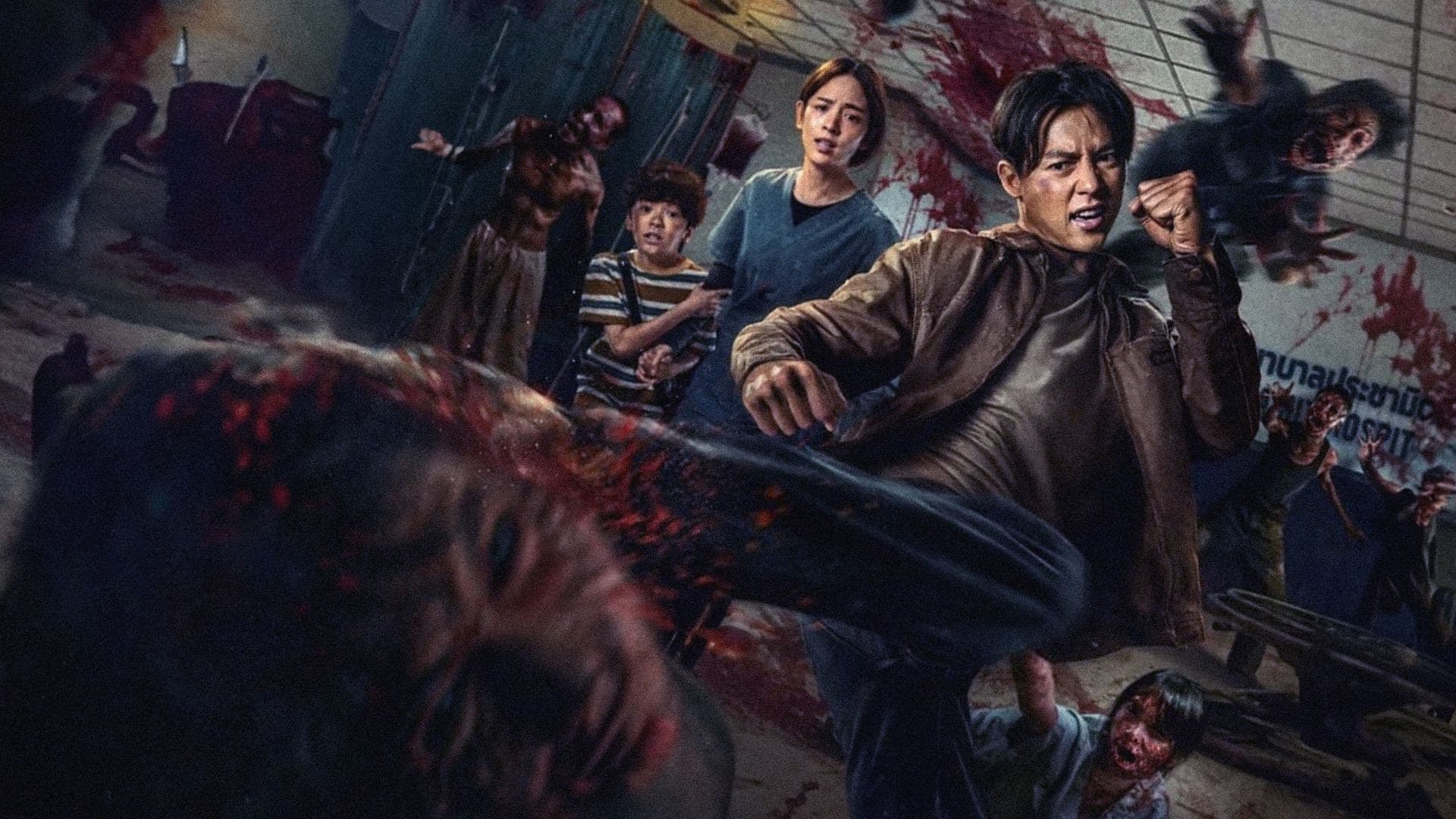
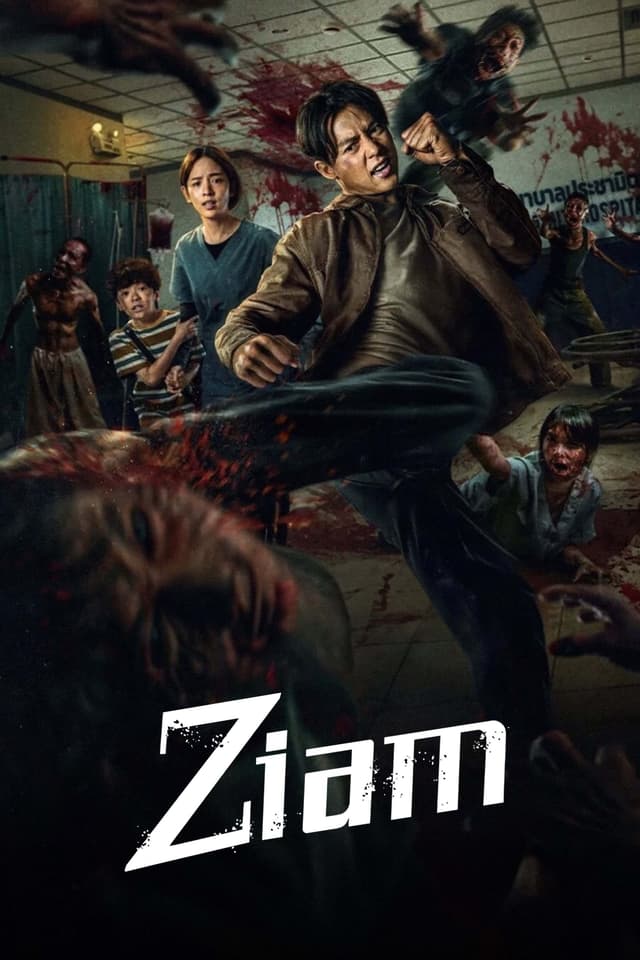
Singh, a former Muay Thai fighter visiting his girlfriend at a Bangkok hospital, finds himself trapped when a horrifying army of zombies overruns the building. With only his fists and a will to survive, he must fight his way through the hospital floor by floor to save the woman he loves.
What Is the Budget of Ziam (2025)?
Ziam (2025), directed by Kulp Kaljareuk and produced by Kantana Motion Pictures for Netflix, did not publicly disclose a production budget. The Thai-language zombie action film was financed as a Netflix original under the streamer's Thai-content expansion, which followed the success of titles including Hunger and Doi Boy. Industry observers estimate the negative cost in the $3,000,000 to $5,000,000 range based on the Bangkok hospital-set shoot, the practical-effects-heavy zombie design, and the Muay Thai action choreography requirements.
Kantana Motion Pictures, the production arm of Thailand's Kantana Group, is one of the country's longest-established film production companies, with credits spanning theatrical hits and streaming originals across two decades. The partnership with Netflix follows the streamer's pattern of working with established national production houses on its Thai-original slate, layering an international platform release on top of a domestically grounded production infrastructure.
Key Budget Allocation Categories
The Ziam budget broke down across these primary line items:
- Above-the-Line Talent: Prin Suparat (also known as Mark Prin) headlined as the Muay Thai fighter Singh. Suparat is one of Thailand's most prominent contemporary television leads, with substantial visibility through Channel 3 lakorn productions. Supporting performances by Nuttanicha Dungwattanawanich, Wanvayla Boonnithipaisit, and Johnny Anfone kept the principal-cast spend disciplined while drawing on established Thai-industry names.
- Bangkok Hospital Shoot: Principal photography took place primarily on a hospital location and stage build in Bangkok, with the contained single-location premise driving production design and lighting toward an industrial, fluorescent-lit register. The contained shoot kept location costs at the floor for a Thai action feature of this profile.
- Practical Effects and Zombie Design: The film commits to practical zombie makeup and prosthetic work over CG-heavy creature design, a creative choice that drives prosthetics-vendor spend but keeps post VFX costs lower than a comparable-scale Western zombie production. Multiple zombie variants required dedicated makeup teams across the shooting schedule.
- Muay Thai Choreography: The film leans on extensive Muay Thai fight choreography integrated into the zombie-survival premise. Fight choreographer and stunt coordinator credits drove a meaningful share of production spend, with stunt-double work, extended rehearsal periods, and on-set fight blocking adding to the action-unit budget.
- Cinematography and Camera: Cinematographers Pramett Chankrasse and Pakpoom Techaviset shot the film in a handheld, kinetic register appropriate to the action-horror genre, with the hospital location's practical fluorescent and emergency lighting integrated into the visual scheme.
- Score and Sound Design: Composer Chatchai Pongprapaphan, a Thai-industry mainstay, scored the film. The sound design budget supported the zombie-attack set pieces and the Muay Thai impact sound effects that the genre depends on.
How Does Ziam's Budget Compare to Similar Films?
Ziam sits in the upper-mid tier of Thai genre originals. The comparison set:
- Train to Busan (2016): Budget $8,500,000 | Worldwide $98,500,000. Yeon Sang-ho's Korean zombie hit set the contemporary Asian-zombie benchmark and demonstrated the theatrical ceiling for the genre at a moderate budget level.
- Peninsula (2020): Budget $17,000,000 | Worldwide $42,300,000. The Train to Busan sequel doubled the original's budget while earning less worldwide, useful context for Ziam's more contained single-location approach.
- Hunger (2023): Budget undisclosed | Worldwide N/A (streaming-only). The Netflix Thai original directed by Sitisiri Mongkolsiri preceded Ziam in the streamer's Thai slate and demonstrated the production scale Netflix Thailand has been willing to support.
- The Stranded (2019): Budget undisclosed | Worldwide N/A (streaming-only). The earlier Netflix Thai series, which established the streamer's commitment to Thai genre programming and the production model Ziam built on.
Ziam Box Office Performance
Ziam premiered as a Netflix streaming-only release in 2025, with no theatrical release in any territory. As is standard for Netflix originals, the platform did not disclose viewership in revenue terms and the film generated no reported theatrical box office.
Based on the Netflix cost-plus model:
Box Office Breakdown
Ziam

The film performed strongly within Thailand and across Southeast Asia, reaching the top of Netflix Thailand's daily top-10 at launch and appearing in the top-10 across multiple regional markets including Indonesia, Vietnam, Malaysia, and the Philippines. Global non-English top-10 chart placement followed the standard pattern for Thai Netflix originals with action and horror appeal.
Ziam Production History
Development began at Kantana Motion Pictures around 2023, with the screenplay credited to Nut Nualpang, Vathanyu Ingkawiwat, Weerasu Worrapot, and director Kulp Kaljareuk. The project capitalized on the Train to Busan and Peninsula-era appetite for Asian-zombie action and integrated the distinctive Muay Thai-versus-zombies premise that distinguishes Ziam from its Korean predecessors. Principal photography took place in Bangkok, Thailand across 2024, with the contained hospital location anchoring the shooting schedule.
Prin Suparat committed to the lead role as a tonal pivot from his television romantic-drama work, undertaking extensive Muay Thai conditioning during the pre-production period. The fight choreography integrated authentic Muay Thai techniques into the zombie-survival framework, distinguishing the film from the running-style zombie set pieces of the Korean and Western traditions.
Post-production was completed in late 2024 and early 2025. Netflix dated the title for a 2025 global launch with subtitled and dubbed tracks in the streamer's top-tier languages. The release coincided with Netflix's broader Thai-genre-content push, benefiting from cross-promotion alongside other Thai-language action and horror originals in the platform's expanding slate.
Awards and Recognition
Ziam launched too recently in 2025 to have completed a full awards-circuit cycle at the time of this writing. The film was not selected for major international festival programs ahead of its Netflix launch. Thai national awards including the Suphannahong National Film Awards and the Bangkok Critics Assembly Awards typically prioritize theatrical releases, which may affect the film's eligibility profile depending on rule interpretations in subsequent cycles.
Prin Suparat's performance and the Muay Thai-zombie fusion received scattered positive attention in Thai trade press and Asian-genre coverage internationally, particularly from outlets that have championed the regional zombie-action wave since Train to Busan. The film's longer-term awards profile will depend on whether Thai national awards extend eligibility to Netflix originals and whether the film draws sustained genre-festival programming.
Critical Reception
Ziam received mixed-to-positive early reception with stronger genre-press response than mainstream critical coverage. IMDb user ratings showed strong early engagement, with audience-side commentary praising the Muay Thai action choreography and the practical zombie effects. The Rotten Tomatoes critical page has not yet accumulated enough professional reviews for a Tomatometer score at the time of writing.
Asian-genre press outlets including Easternkicks and Asian Movie Pulse praised the action choreography and Prin Suparat's physical commitment while noting the screenplay's reliance on familiar zombie-genre beats. The Hollywood Reporter's Asia-focused coverage praised the film's practical-effects approach as a refreshing alternative to CG-heavy Western zombie productions, while flagging the contained single-location premise as a structural limitation.
Audience reception in Thailand was notably warmer than international critic response, with social-media engagement around the Muay Thai fight choreography driving the film's top-10 chart performance during the release window. The film has since accumulated a stronger cult reputation in Asian-genre communities than its initial international reception indicated.
Frequently Asked Questions
How much did it cost to make Ziam (2025)?
The production budget was not publicly disclosed. Industry observers estimate the negative cost in the $3,000,000 to $5,000,000 range based on the Bangkok hospital-set shoot, the practical-effects-heavy zombie design, and the Muay Thai action choreography requirements.
Where can you watch Ziam?
Ziam is a Netflix streaming-only original. It premiered globally on Netflix in 2025, with no theatrical release in any territory. Netflix holds global rights in perpetuity.
Who directed Ziam?
Kulp Kaljareuk directed the film, working from a screenplay by Nut Nualpang, Vathanyu Ingkawiwat, Weerasu Worrapot, Chonnatee Pimnan, and Kaljareuk himself. Kantana Motion Pictures produced.
Who stars in Ziam?
Prin Suparat (Mark Prin) stars as Singh, the Muay Thai fighter at the center of the story. Supporting cast includes Nuttanicha Dungwattanawanich, Wanvayla Boonnithipaisit, and Johnny Anfone. Suparat is one of Thailand's most prominent contemporary television leads.
Where was Ziam filmed?
Principal photography took place primarily on a hospital location and stage build in Bangkok, Thailand across 2024. The contained single-location premise drove production design toward an industrial, fluorescent-lit register appropriate to the hospital-under-siege story.
What is Ziam about?
The film follows Singh, a former Muay Thai fighter visiting his girlfriend at a Bangkok hospital, who finds himself trapped when a horrifying army of zombies overruns the building. With only his fists and a will to survive, he must fight his way through the hospital floor by floor to save the woman he loves.
Did Ziam earn money at the box office?
No. Ziam had no theatrical release. As a Netflix original, the film generated no reported box office gross. Its commercial outcome is measured through Netflix's internal top-10 charts rather than ticket sales.
How does Ziam compare to Train to Busan?
Train to Busan (2016) is the modern Asian-zombie benchmark, costing $8,500,000 and grossing $98,500,000 worldwide through a traditional theatrical release. Ziam operates at a smaller budget scale in a contained single-location premise, distinguishing itself through Muay Thai action choreography integrated into the zombie-survival framework rather than the moving-train premise that anchored Train to Busan.
How did Ziam perform on Netflix?
The film reached the top of Netflix Thailand's daily top-10 at launch and appeared in the top-10 across multiple regional markets including Indonesia, Vietnam, Malaysia, and the Philippines. Global non-English top-10 chart placement followed the standard pattern for Thai Netflix originals with action and horror appeal.
What did critics think of Ziam?
Early reception was mixed-to-positive with stronger genre-press response than mainstream critical coverage. Asian-genre outlets praised the action choreography and Prin Suparat's physical commitment while noting the screenplay's reliance on familiar zombie-genre beats. Thai audience reception was notably warmer than international critic response.
Filmmakers
Ziam

Official Trailer
Build budgets like this one in Saturation
Start from an industry-standard feature film template, import the schedule and rates you already have, and let the cost report keep itself current as you spend. Real-time collaboration, no spreadsheets.