The Shallows Budget
 HorrorDramaThriller1h 26m
Updated
Synopsis
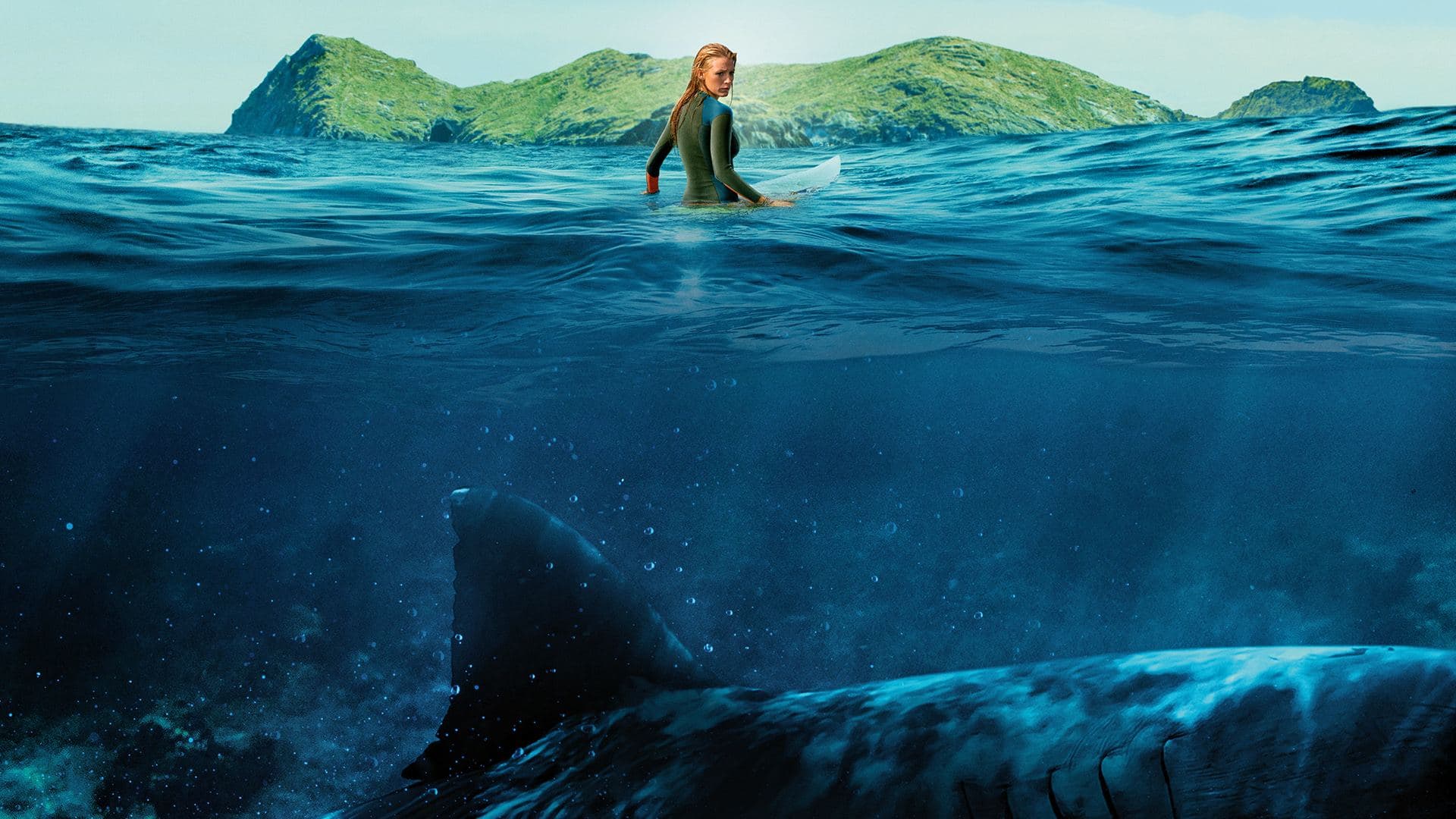
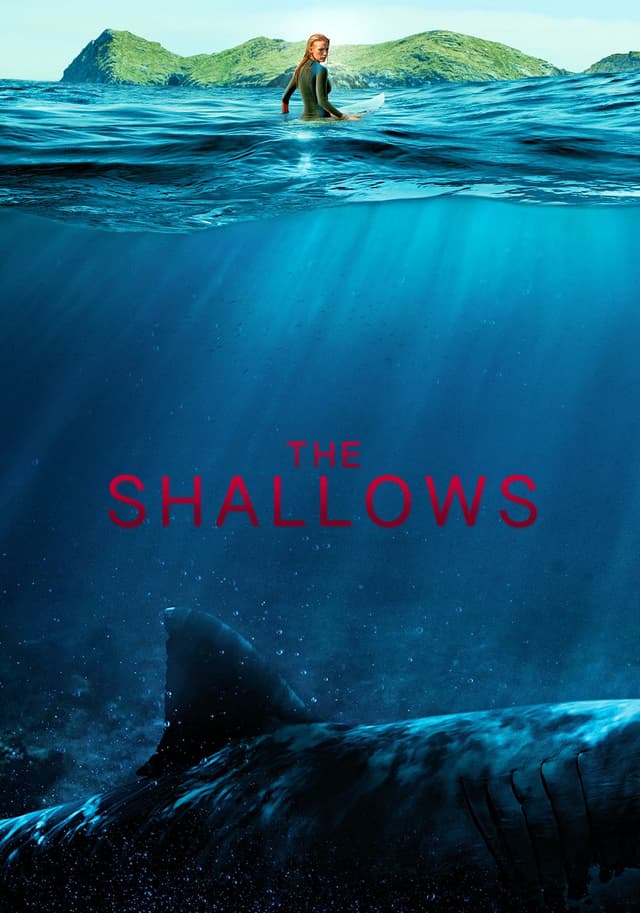
While surfing on a secluded beach, Nancy finds herself in the feeding grounds of a great white shark. Though stranded only 200 yards from shore, survival proves to be the ultimate test of wills, requiring all of her ingenuity, resourcefulness, and fortitude.
What Is the Budget of The Shallows?
The Shallows was produced on an estimated budget of $17 million, a modest figure for a studio release from Columbia Pictures. The film was developed as a contained survival thriller, which allowed the production to keep costs well below typical studio tentpole levels. Sony greenlit the project with a lean financial model, betting on a strong concept and a single bankable star rather than an ensemble cast or sprawling set pieces.
Director Jaume Collet-Serra, known for delivering commercially successful thrillers on disciplined budgets (Non-Stop, Run All Night), brought the same cost-conscious approach to The Shallows. By limiting the number of locations and keeping the cast minimal, the production concentrated its spending on the elements that mattered most: underwater cinematography, visual effects for the shark, and the physical demands of shooting in open water.
Key Budget Allocation Categories
- Above-the-Line Talent accounted for a significant share of the budget, with Blake Lively commanding a meaningful fee as the sole lead. Collet-Serra and screenwriter Anthony Jaswinski rounded out the key creative costs.
- Visual Effects and Shark Design required extensive CGI work to create a photorealistic great white shark. The VFX team blended practical water effects with digital compositing to maintain tension across dozens of shark encounter sequences.
- Location and Water Unit costs were driven by principal photography in Lord Howe Island and other coastal locations in New South Wales, Australia. Shooting on open water required specialized marine units, safety divers, and weather-dependent scheduling that extended production days.
- Cinematography and Underwater Rigs involved custom waterproof housing for Flavio Martinez Labiano's cameras, along with drone rigs for the sweeping aerial shots of the coastline and surf breaks that establish the film's geography.
- Physical Training and Stunt Coordination covered Blake Lively's months of surf and swim training before production began, plus the stunt team needed for the water sequences involving waves, currents, and simulated shark attacks.
- Music and Post-Production included Marco Beltrami's score, sound design that heightened the isolation and underwater tension, and extensive color grading to balance the sun-drenched surface shots with the darker underwater sequences.
How Does The Shallows's Budget Compare to Similar Films?
- Open Water (2003) had a budget of $500,000 and grossed $55 million worldwide. That micro-budget shark thriller proved the market existed for contained ocean survival stories, but its stripped-down aesthetic was divisive. The Shallows invested significantly more in production value while maintaining a similar single-location concept.
- 47 Meters Down (2017) had a budget of $5.5 million and grossed $62 million worldwide. Released one year after The Shallows, it took an even cheaper approach with two leads trapped in a shark cage. The Shallows spent three times as much but delivered considerably higher production polish and nearly double the worldwide gross.
- Jaws (1975) had a budget of $9 million (roughly $50 million adjusted for inflation) and grossed $472 million worldwide. The genre-defining shark film set the template that The Shallows modernized. While Spielberg's film relied on practical effects and a malfunctioning mechanical shark, The Shallows used CGI to deliver more frequent and controlled shark appearances at a fraction of the adjusted cost.
- The Meg (2018) had a budget of $130 million and grossed $530 million worldwide. This big-budget shark spectacle shows how the genre can scale up dramatically. The Shallows took the opposite approach, proving that a tightly constructed survival scenario with one star could generate strong returns without blockbuster-level spending.
- Crawl (2019) had a budget of $13.5 million and grossed $91 million worldwide. Alexandre Aja's alligator survival thriller is the closest budgetary peer to The Shallows, using a similarly contained premise with a single-digit-million budget. Both films demonstrate that creature survival stories perform best when they keep scope tight and tension high.
The Shallows Box Office Performance
The Shallows opened on June 24, 2016 and became one of the most profitable wide releases of that summer. For a $17 million production, the film's theatrical run delivered exceptional returns across both domestic and international markets.
Box Office Breakdown
The Shallows

With a worldwide gross that exceeded its budget by a factor of seven, The Shallows ranks among the most profitable shark films ever made. The film cleared its estimated break-even threshold on domestic gross alone, meaning every dollar earned internationally was essentially pure profit for Sony. Its strong performance validated the contained survival thriller as a reliable mid-budget formula and helped greenlight similar projects in subsequent years.
The Shallows Production History
Screenwriter Anthony Jaswinski originally developed the script under the working title "In the Deep." The screenplay circulated through Hollywood and attracted interest from multiple studios before Sony's Columbia Pictures acquired the project. The studio saw potential in the concept of a lone surfer trapped 200 yards from shore by a great white shark, recognizing that the constrained premise could deliver maximum tension on a controlled budget.
Jaume Collet-Serra signed on to direct after establishing himself as a reliable hitmaker with Liam Neeson thrillers like Non-Stop and Run All Night. Blake Lively was cast as medical student Nancy Adams, and the role required her to carry virtually every scene of the film on her own. Lively committed to months of physical preparation, training in surfing, swimming, and breath-holding techniques to perform as many of her own water sequences as possible.
Principal photography took place primarily in Lord Howe Island, New South Wales, Australia, with additional shooting at other coastal locations along the Australian coast. The production faced considerable logistical challenges working in open water, including unpredictable tides, marine wildlife, and weather delays that pushed the shooting schedule. Cinematographer Flavio Martinez Labiano used a combination of underwater camera rigs, drones, and handheld setups to capture the film's mix of sweeping ocean vistas and claustrophobic close-quarters tension on the rock.
One unexpected element of the production was Steven, the injured seagull that Nancy tends to on the rock. The bird became a fan favorite during the film's marketing campaign and theatrical run, providing comic relief in an otherwise relentlessly tense narrative. The production used a combination of a real seagull and a detailed animatronic for the scenes where Nancy interacts with the bird directly.
Post-production focused heavily on the visual effects work needed to bring the great white shark to life. The VFX team studied real shark behavior and movement patterns to ensure the CGI creature felt authentic in the water. Marco Beltrami composed the score, building a sonic palette that alternated between the warm, sun-soaked calm of the opening surf sequences and the escalating dread of Nancy's increasingly desperate situation.
Awards and Recognition
The Shallows received recognition primarily for its technical achievements and Blake Lively's committed physical performance. The film earned a Teen Choice Award nomination for Choice Movie: Sci-Fi/Fantasy. Lively was praised across the critical landscape for carrying the film almost entirely alone, with several critics noting it as one of her strongest dramatic performances.
The visual effects work on the shark sequences drew attention within the industry, particularly given the modest budget. The film's sound design and editing were also highlighted as key contributors to its effectiveness, with the underwater sequences creating some of the most immersive audio work in the survival thriller genre that year. While The Shallows did not compete in major awards circuits, its commercial success and critical reception cemented its reputation as one of the best shark films since Jaws.
Critical Reception
The Shallows holds a 78% approval rating on Rotten Tomatoes, with critics praising the film's lean construction and Lively's performance. The critical consensus highlighted the movie's ability to generate genuine suspense from a deceptively simple premise, with many reviewers drawing favorable comparisons to the contained thriller tradition of films like 127 Hours and Buried.
Reviewers consistently singled out Blake Lively's physical commitment to the role as the film's greatest asset. Her performance required conveying fear, determination, pain, and resourcefulness almost entirely through solo scenes, and critics noted that she elevated material that could have felt formulaic in lesser hands. The dynamic between Nancy and Steven the seagull also received warm mentions as an unexpectedly charming element.
Some critics found the film's third act, particularly the climactic confrontation with the shark, to be less convincing than the taut first two acts. The shift toward more conventional action was noted as a departure from the grounded survival realism that made the earlier sequences so effective. However, most reviews acknowledged that the film delivered on its core promise: a tight, efficient, and genuinely tense 86 minutes that justified its theatrical release and stood above the typical creature feature.
Frequently Asked Questions
How much did it cost to make The Shallows (2016)?
The production budget was $17,000,000, covering principal photography, cast and crew salaries, locations, sets, post-production, and music. Marketing and distribution (P&A) costs are estimated at an additional $8,500,000 - $13,600,000, bringing the total studio investment to approximately $25,500,000 - $30,600,000.
How much did The Shallows (2016) earn at the box office?
The Shallows grossed $119,100,758 worldwide.
Was The Shallows (2016) profitable?
Yes. Against a production budget of $17,000,000 and estimated total costs of ~$42,500,000, the film earned $119,100,758 theatrically - a 601% ROI on production costs alone.
What were the biggest costs in producing The Shallows?
The primary cost drivers were above-the-line talent (Blake Lively, Óscar Jaenada, Brett Cullen); practical creature effects, atmospheric cinematography, and psychologically engineered sound design; international production across Australia, Spain, United States of America.
How does The Shallows's budget compare to similar horror films?
At $17,000,000, The Shallows is classified as a low-budget production. The median budget for wide-release horror films in the 2010s ranges from $30 - 80M for mid-budget to $150M+ for tentpoles. Comparable budgets: Away We Go (2009, $17,000,000); Deuce Bigalow: Male Gigolo (1999, $17,000,000); Jeepers Creepers 2 (2003, $17,000,000).
Did The Shallows (2016) go over budget?
There are no widely reported accounts of significant budget overruns for this production. However, studios rarely disclose precise budget overrun figures publicly. The reported production budget reflects the final estimated cost.
What was the return on investment (ROI) for The Shallows?
The theatrical ROI was 600.6%, calculated as ($119,100,758 − $17,000,000) ÷ $17,000,000 × 100. This measures gross revenue against production budget only - it does not account for P&A or exhibitor shares.
Who directed The Shallows and who were the key crew members?
Directed by Jaume Collet-Serra, written by Anthony Jaswinski, shot by Flavio Martínez Labiano, with music by Marco Beltrami, edited by Joel Negron.
Where was The Shallows filmed?
The Shallows was filmed in Australia, Spain, United States of America. Principal photography began on October 28, 2015, in New South Wales, Australia. Filming also took place at Lord Howe Island, Mount Tamborine, Queensland and Village Roadshow Studios.
Filmmakers
The Shallows

Official Trailer
Build budgets like this one in Saturation
Start from an industry-standard feature film template, import the schedule and rates you already have, and let the cost report keep itself current as you spend. Real-time collaboration, no spreadsheets.