Victoria Budget
Updated
Synopsis
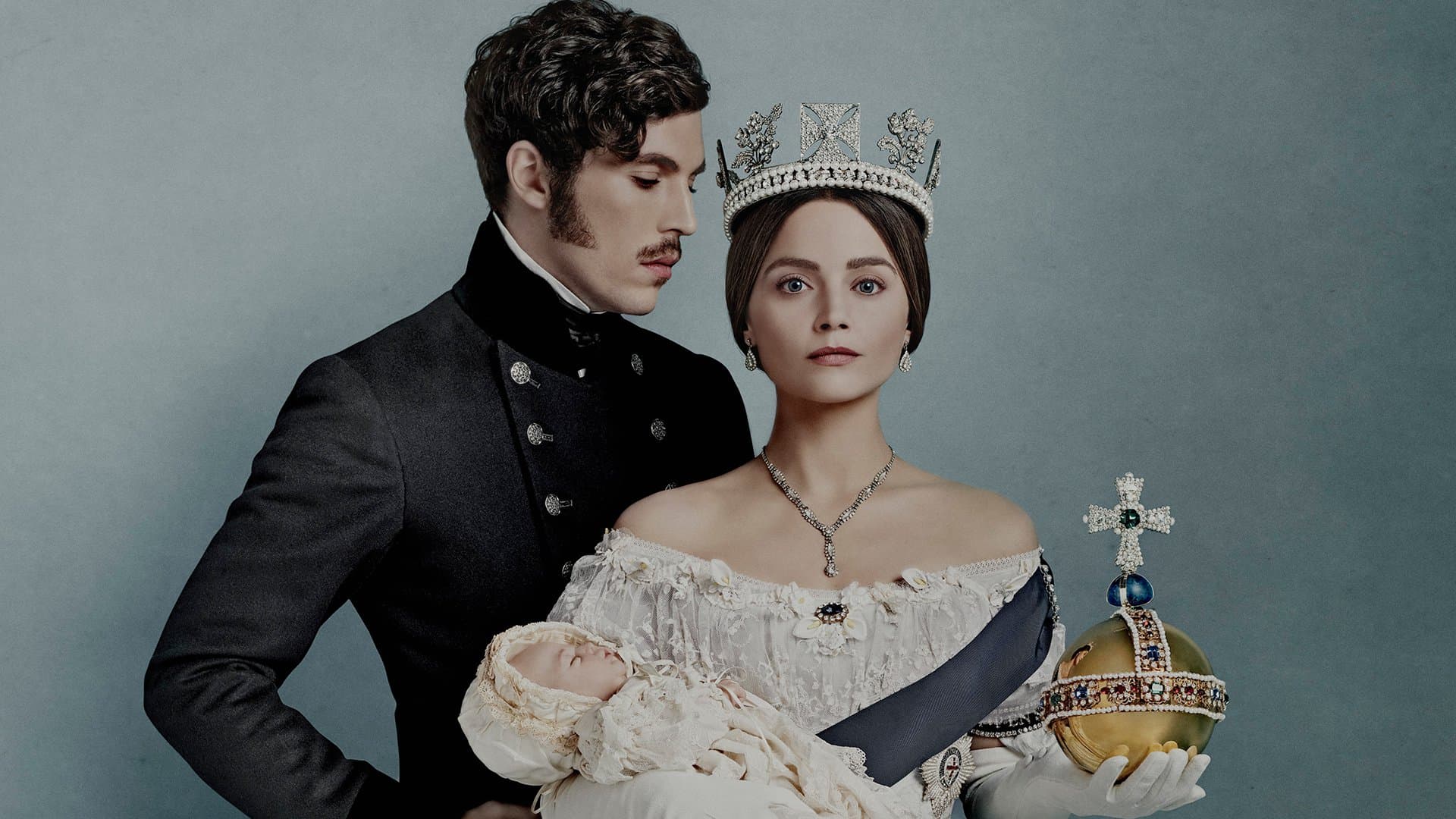
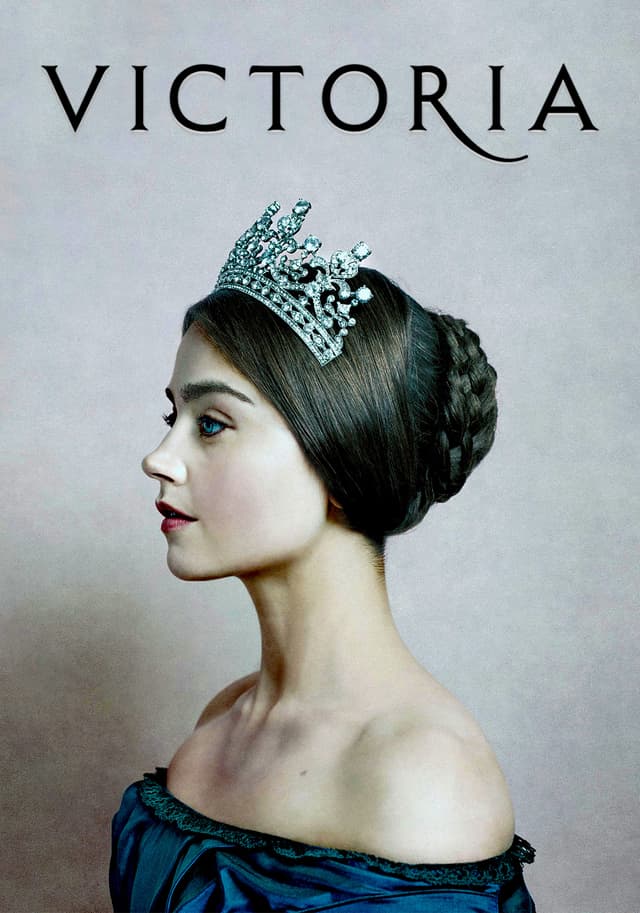
Victoria (2016), created by historical novelist Daisy Goodwin, follows Queen Victoria from her teenage accession in 1837 through her early reign, her partnership with Prime Minister Lord Melbourne (Rufus Sewell), and her marriage to Prince Albert (Tom Hughes). Jenna Coleman, fresh from Doctor Who, plays Victoria across 3 series and 25 episodes between August 2016 and May 2019 on ITV in the UK and on PBS Masterpiece in the United States, produced by Mammoth Screen and shot on practical Yorkshire locations.
What Is the Budget of Victoria (2016)?
Victoria (2016), the ITV and PBS Masterpiece period drama created by Daisy Goodwin and produced by Mammoth Screen, was made on an estimated per-episode budget of approximately £2,500,000 to £3,500,000, or roughly $3,200,000 to $4,500,000 in 2016 to 2019 US dollar terms, across the three-series run. Specific Mammoth Screen and ITV budgets are not consistently publicly disclosed, but the figures align with the upper tier of ITV prestige period-drama tariff during the mid-2010s and reflect the show's Castle Howard and Harewood House location production, the 1830s and 1840s costume and production-design overhead, and Jenna Coleman's post-Doctor Who lead-actor compensation.
Across 25 broadcast episodes between 28 August 2016 and 5 May 2019, cumulative production spend is estimated at approximately $80,000,000 to $112,000,000 in period dollars. Mammoth Screen, a London-based independent producer owned by ITV Studios, co-produced the show with PBS Masterpiece (Boston) under the long-running co-production model that has anchored ITV-PBS prestige period drama since the 1970s Upstairs, Downstairs era.
Key Budget Allocation Categories
Victoria's per-episode spend broke down across the cost centres typical of an ITV prestige period drama:
- Above-the-Line Cast: Jenna Coleman, fresh from her three-season run as Clara Oswald on Doctor Who (2012 to 2015), commanded a lead-actor rate appropriate to her post-Doctor Who profile and anchored the cast budget. Tom Hughes (Albert), Rufus Sewell (Lord Melbourne), Peter Bowles (Duke of Wellington), Catherine Flemming (the Duchess of Kent), Adrian Schiller (Penge), and the rotating supporting cast of British character actors filled out the regular ensemble at standard ITV prestige-drama rates.
- Yorkshire Location Production: Principal photography ran at Castle Howard, Harewood House, Bramham Park, Wentworth Woodhouse, and Church Fenton Studios in Yorkshire across the three-series run. The Yorkshire production base offered substantially lower crew rates than London-area equivalents and access to multiple grand country-house exteriors and interiors that could double for Buckingham Palace, Windsor Castle, and various Continental royal residences without the heritage-asset access costs of the actual historical sites.
- Period Costume Production: The 1830s and 1840s costume load was a defining incremental cost, with Rosalind Ebbutt designing approximately 100 to 150 period-accurate costumes per series for Jenna Coleman alone plus the surrounding court and political ensemble. The costume budget supported original construction, hire from period-costume specialists, and the accelerated wardrobe-change cadence required by the royal-court setting.
- Production Design and Set Build: Production designer Michael Howells (series 1) and his successors built standing-set interiors at Church Fenton Studios for the recurring Buckingham Palace, Windsor Castle, and Brocket Hall settings. The 1830s-and-1840s period production-design load (gas lighting fittings, furniture, china, fabrics, parliamentary chamber dressing) represented a substantial recurring overhead above standard contemporary-drama production.
- Visual Effects and Period Restoration: While Victoria leaned heavily on practical locations and costumes, the show used recurring digital set extension to extend Castle Howard exteriors into period-accurate London streetscapes, to remove modern intrusions from the Yorkshire grand-house exteriors, and to compose crowd extensions for state-occasion sequences. Multiple VFX vendors contributed across the run.
- Original Score and Period Music: Martin Phipps and Ruth Barrett composed the show's score, with the title theme by Phipps becoming one of the most-discussed UK television themes of the late 2010s. The music budget covered original composition, orchestral recording, and licensing of period-appropriate classical music for the recurring state-occasion sequences.
- ITV and PBS Masterpiece Co-Production: PBS Masterpiece's co-financing role provided substantial supplemental budget above the base ITV commissioning fee. The PBS Masterpiece partnership has been the principal economic enabler of high-end ITV period drama since the 1970s, and Victoria's £2,500,000 to £3,500,000 per-episode tariff would not have been achievable on the ITV commissioning fee alone.
- Yorkshire Film Office and Screen Yorkshire Support: Mammoth Screen received production support from Screen Yorkshire and the local Yorkshire Film Office for the multi-year shoot, with the regional production base also benefitting from the UK's high-end television tax relief (HETV) administered through the British Film Institute and HM Revenue & Customs.
How Does Victoria's Budget Compare to Similar Series?
At an estimated £2,500,000 to £3,500,000 per episode, Victoria sat in the upper tier of UK prestige period-drama tariff in the mid-2010s. The comparison set illustrates how its production scale stacked up:
- Downton Abbey (2010): Estimated per-episode budget approximately £1,000,000 to £1,500,000 in early seasons rising to £2,500,000 to £3,500,000 by season 6 ($1,500,000 to $4,500,000 across the run). ITV and Carnival Films's Julian Fellowes-created Edwardian drama, Victoria's direct ITV period-drama predecessor, ran at a comparable per-episode budget by its later seasons and provided the principal commercial model for Victoria's commissioning.
- The Crown (2016): Estimated per-episode budget approximately £5,000,000 to £13,000,000 ($6,500,000 to $17,000,000). Netflix and Left Bank Pictures's Peter Morgan-created Elizabeth II drama, launching the same year as Victoria, cost approximately twice as much per episode because of Netflix's premium tariff, the show's broader location footprint, and its higher above-the-line cast costs (Claire Foy, Matt Smith, Olivia Colman).
- Wolf Hall (2015): Estimated per-episode budget approximately £2,500,000 to £3,500,000 ($3,250,000 to $4,500,000). BBC Two and Company Pictures's Hilary Mantel adaptation hit a comparable per-episode tariff to Victoria on standard prestige period-drama economics. The structural parallels between Victoria and Wolf Hall (BBC vs ITV but similar PBS Masterpiece co-financing model) are direct.
- Outlander (2014): Estimated per-episode budget approximately $5,000,000 to $7,000,000. Starz and Sony Pictures Television's Diana Gabaldon adaptation cost roughly 50% more per episode than Victoria on a Scottish location shoot, with the premium reflecting Starz's premium-cable tariff and the show's broader practical-location footprint across Scotland and Continental Europe.
- Poldark (2015): Estimated per-episode budget approximately £1,500,000 to £2,500,000 ($2,000,000 to $3,250,000). BBC One and Mammoth Screen's Cornish-set period drama, produced by the same company as Victoria, ran at approximately 60% to 70% of Victoria's per-episode tariff, reflecting the BBC One commissioning fee against Victoria's ITV-plus-PBS Masterpiece co-financing.
- The Tudors (2007): Estimated per-episode budget approximately $3,000,000 to $4,000,000. Showtime, BBC, and Working Title Television's Henry VIII drama hit a comparable per-episode tariff to Victoria on an Irish location shoot, with the premium reflecting the Showtime co-financing and the show's heavy practical-effects production load.
Victoria Season Performance and Ratings
Victoria premiered on ITV on 28 August 2016 to strong overnight figures of approximately 7,800,000 viewers, the highest opening for an ITV Sunday-night drama since the original Downton Abbey premiere in September 2010. The economic framework breaks down as follows:
- Per-Episode Budget: approximately $3,200,000 to $4,500,000 across the three-series run
- Total Series Investment: approximately $80,000,000 to $112,000,000 across 25 episodes
- Network: ITV in the United Kingdom; PBS Masterpiece in the United States; international ITV Studios distribution to over 150 territories
- Audience/Ratings: series 1 premiere drew approximately 7,800,000 ITV overnight viewers; subsequent series settled in the 5,000,000 to 6,500,000 overnight range; PBS Masterpiece audiences averaged 5,000,000 to 7,500,000 viewers per episode in the US
- International Distribution: ITV Studios sold the format to over 150 territories; PBS Masterpiece carried US rights across all three series with major audience and pledge-drive impact
- Library/Streaming Value: available on ITVX in the UK and on PBS Passport in the US; international streaming rights distributed by ITV Studios continue to monetise the catalogue
Victoria series 1 was widely cited as ITV's most commercially successful new drama launch since Downton Abbey (2010 to 2015). The PBS Masterpiece pickup brought sustained US audiences across the three-series run, with the show consistently placing in the top tier of PBS prime-time drama performance.
Series 3 (March to May 2019) underperformed the series 1 audience but remained a strong ITV Sunday-night performer. As of July 2021, executive producer Daisy Goodwin and Mammoth Screen confirmed that there were "no plans presently to film Victoria, but that's not to say we won't revisit the series with the production team at a later date." A fourth series remains theoretically possible but has not been commissioned through 2024.
Victoria Production History
Daisy Goodwin, the historical novelist behind My Last Duchess (2010) and The Fortune Hunter (2014), developed Victoria for Mammoth Screen in 2014 to 2015, drawing on her research into Queen Victoria's teenage accession and her early correspondence with Lord Melbourne. The pitch centred on humanising the young Victoria across the years between her 1837 accession (age 18) and the establishment of her marriage to Albert and the family that defined the latter half of her reign.
Casting Jenna Coleman as Victoria in 2015 was the project's defining creative decision. Coleman, fresh from Doctor Who (2012 to 2015) and her concurrent BBC One drama Death Comes to Pemberley (2013), brought a contemporary-television fluency to the period setting and was a primary reason ITV committed to the project at a £2,500,000 to £3,500,000 per-episode tariff. Tom Hughes's casting as Albert anchored the show's romance arc, and Rufus Sewell's casting as Lord Melbourne was widely cited as series 1's breakout supporting performance. Principal photography ran on practical Yorkshire locations, with Castle Howard, Harewood House, Bramham Park, Wentworth Woodhouse, and Church Fenton Studios serving as the production base in the United Kingdom across the three-series run.
Series 1 (2016) covered Victoria's 1837 accession through her engagement to Albert. Series 2 (2017) extended the timeline through the early years of the marriage and the birth of the royal children. Series 3 (2019) covered the late 1840s, including the Chartist movement, the Continental revolutions of 1848, and the Irish Famine. The show's political-historical scope expanded across the run, with later series increasingly engaging with the broader 1840s political and social context beyond the immediate royal-household frame.
Mammoth Screen, the London-based independent producer owned by ITV Studios, anchored production across all three series under executive producers Damien Timmer (Mammoth Screen) and Daisy Goodwin. The PBS Masterpiece co-financing role brought substantial supplemental budget above the base ITV commissioning fee and US audience access through the long-running ITV-PBS prestige period-drama partnership. The Yorkshire production base benefitted from the UK's high-end television tax relief (HETV) and from Screen Yorkshire location and production support.
Series 3 was the show's longest production block, running from March to May 2019 broadcast after a comparatively long 17-month gap from series 2 (August to November 2017). The extended gap reflected scheduling demands on Jenna Coleman (the BBC One Christmas drama The Cry, 2018) and on Tom Hughes plus the broader ITV Sunday-night drama scheduling pressures. After series 3, no formal cancellation was announced, but no further series has been commissioned through 2024.
Awards and Recognition
Victoria received steady BAFTA Craft, Royal Television Society, and Screen Actors Guild recognition across its three-series run. Jenna Coleman received a Royal Television Society Best Actress nomination for her work as Queen Victoria, and the show's costume design, production design, hair and makeup, and music received craft nominations from the BAFTA Television Craft Awards, the Royal Television Society Craft and Design Awards, and the Costume Designers Guild Awards.
At the PBS Masterpiece level, the show received Peabody Award and Edgar Allan Poe Awards nominations across its US broadcast cycles. The PBS pledge-drive impact and the show's position in the long-running ITV-PBS Masterpiece partnership cemented its commercial-and-critical recognition profile in the United States.
The show did not win major BAFTA awards, in part because BBC One's contemporaneous prestige-drama slate (Happy Valley, Wolf Hall, The Hour) absorbed most of the British television academy's top-tier recognition during the same window. Victoria's recognition profile is best understood as that of a steady ITV commercial-and-critical success rather than a top-tier BAFTA prestige-awards player, with the underlying commercial economics (PBS pickup, ITV Sunday-night ratings, international distribution) substantially outweighing the awards-level recognition.
Critical Reception
Victoria received broadly positive reviews on its 2016 ITV launch. The Guardian's Lucy Mangan called the series 1 premiere "a confident, costume-rich Sunday-night ITV pleasure that knows exactly what it is doing," and The Telegraph's Michael Hogan praised Jenna Coleman's "remarkable transition from Doctor Who's Clara Oswald to a fully-realised Queen Victoria across just one summer." The Times in 2016 called the show "ITV's most commercially confident Sunday-night drama since the height of Downton Abbey." The series 1 Metacritic score sat in the high 70s and the show received broadly positive PBS Masterpiece review coverage.
Critical reception softened slightly across series 2 and 3. Reviewers including The Guardian's Sam Wollaston and The Spectator's James Walton noted that the show's royal-court-soap-opera plot mechanics became more visible across the later series, although Jenna Coleman's lead performance, Tom Hughes's Albert, and the period costume and production design continued to draw consistent craft press attention.
Retrospective reappraisal has placed Victoria in the upper tier of mid-2010s UK period drama, alongside Wolf Hall, Poldark, and Outlander. The Guardian's 2020 "best ITV dramas" list placed Victoria in the second tier, behind Downton Abbey and the original Brideshead Revisited (1981). The show's sustained PBS Masterpiece library presence, its three-series run, and its commercial-economics position in the ITV-PBS prestige period-drama tradition have cemented its status as a defining late-2010s period-drama property.
Frequently Asked Questions
How much did each episode of Victoria (2016) cost to produce?
Estimated per-episode budgets ranged from approximately £2,500,000 to £3,500,000 (roughly $3,200,000 to $4,500,000) across the three-series run. Specific Mammoth Screen and ITV budgets are not consistently publicly disclosed, but the figures align with the upper tier of ITV prestige period-drama tariff during the mid-2010s.
How many series of Victoria are there?
Victoria produced 25 episodes across 3 series, broadcasting on ITV from 28 August 2016 to 5 May 2019. As of mid-2024, no fourth series has been commissioned, although Daisy Goodwin and Mammoth Screen have left open the possibility of a future revival.
Who created Victoria (2016)?
Historical novelist Daisy Goodwin created the series for Mammoth Screen, drawing on her research into Queen Victoria's teenage accession and her early correspondence with Lord Melbourne. Mammoth Screen, owned by ITV Studios, anchored production across all three series, with Damien Timmer and Goodwin as executive producers and PBS Masterpiece as US co-financier.
Where was Victoria filmed?
Principal photography ran on practical Yorkshire locations, with Castle Howard, Harewood House, Bramham Park, Wentworth Woodhouse, and Church Fenton Studios serving as the production base across the three-series run. The Yorkshire production base benefitted from the UK's high-end television tax relief (HETV) and from Screen Yorkshire location and production support.
Who plays Queen Victoria?
Jenna Coleman plays Queen Victoria across all three series. Coleman came to the project fresh from her three-season run as Clara Oswald on Doctor Who (2012 to 2015) and her concurrent BBC One drama Death Comes to Pemberley (2013). She received a Royal Television Society Best Actress nomination for her work in the role.
How does Victoria compare to The Crown?
Netflix's The Crown (2016) cost approximately £5,000,000 to £13,000,000 per episode against Victoria's £2,500,000 to £3,500,000 tariff, reflecting Netflix's premium-streamer commissioning rates and The Crown's broader location footprint. Both shows launched in the same autumn 2016 window with similar premise structures (a Queen's reign followed across decades), but operated on different commissioning economics.
Why was Victoria not renewed for a fourth series?
As of July 2021, executive producer Daisy Goodwin and Mammoth Screen confirmed that there were "no plans presently to film Victoria, but that's not to say we won't revisit the series with the production team at a later date." Series 3 ratings underperformed series 1 but remained strong, and the principal cast (Jenna Coleman, Tom Hughes) moved on to other projects. A fourth series remains theoretically possible.
Was Victoria popular on PBS Masterpiece?
Yes. PBS Masterpiece carried all three series of Victoria across 2017 to 2019, with US audiences averaging 5,000,000 to 7,500,000 viewers per episode. The show was widely cited as one of the strongest PBS Masterpiece performers of the late 2010s and contributed substantial pledge-drive revenue to the US public broadcasting partnership with ITV.
Who plays Prince Albert in Victoria?
Tom Hughes plays Prince Albert across all three series, with the Albert-Victoria romance arc anchoring the show's emotional architecture from late series 1 onward. Hughes received craft press attention for his Albert performance, although the role did not generate the BAFTA-level recognition that Claire Foy and Olivia Colman received for The Crown's Elizabeth II during the same window.
Did Victoria win any awards?
Victoria received steady BAFTA Craft, Royal Television Society, and Screen Actors Guild nominations across its three-series run, principally in craft categories (costume, production design, hair and makeup, music). Jenna Coleman received a Royal Television Society Best Actress nomination. The show did not win major BAFTA awards, but the underlying commercial economics (PBS pickup, ITV Sunday-night ratings, international distribution) substantially outweighed the awards-level recognition.
Filmmakers
Victoria

Official Trailer
Build budgets like this one in Saturation
Start from an industry-standard feature film template, import the schedule and rates you already have, and let the cost report keep itself current as you spend. Real-time collaboration, no spreadsheets.