
Umberto D. Budget
Updated
Synopsis
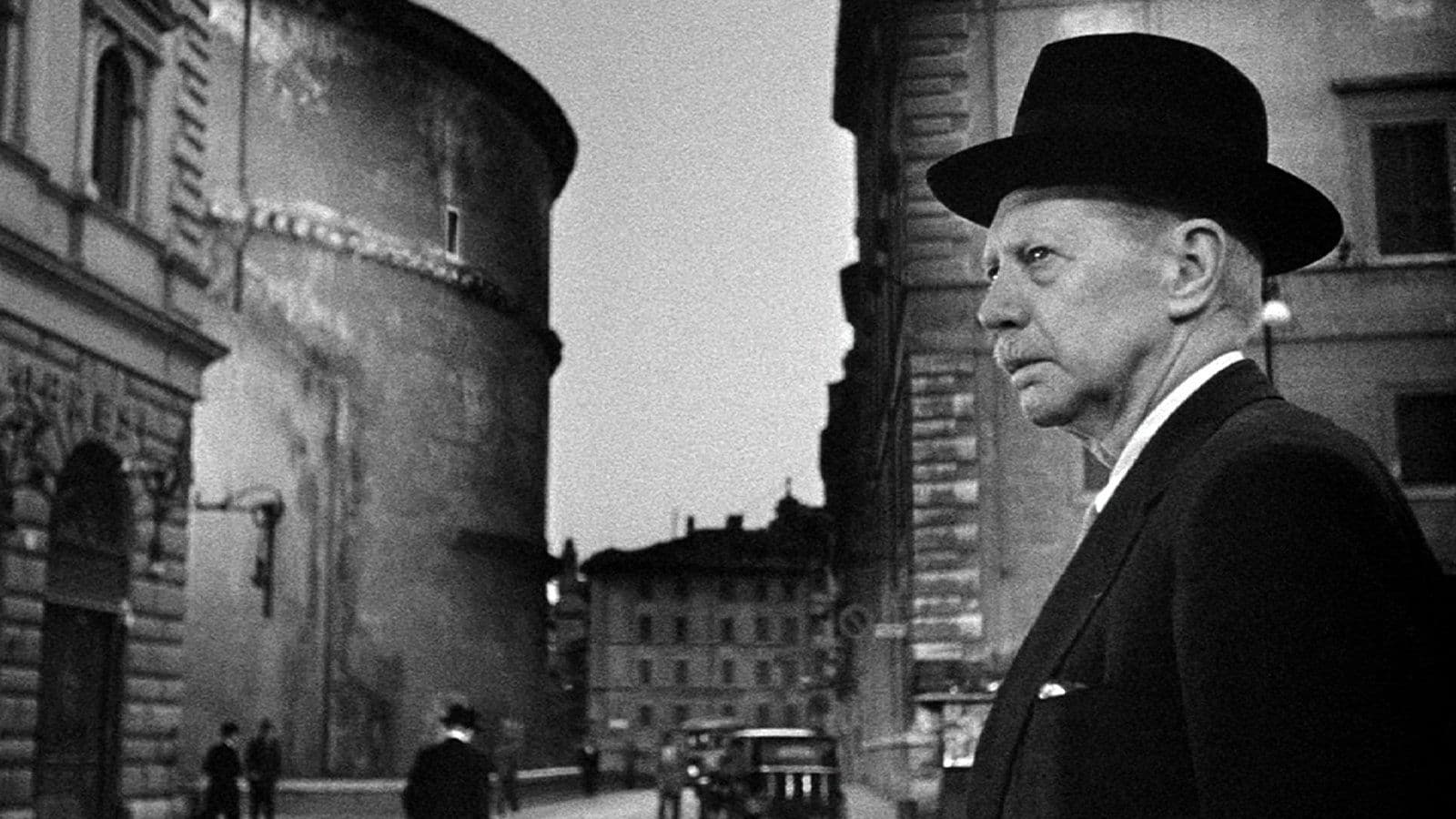
When elderly pensioner Umberto Domenico Ferrari returns to his boarding house from a protest calling for a hike in old-age pensions, his landlady demands her 15,000-lire rent by the end of the month or he and his small dog will be turned out onto the street. Unable to get the money in time, Umberto fakes illness to get sent to a hospital, giving his beloved dog to the landlady's pregnant and abandoned maid for temporary safekeeping.
What is known about the production of Umberto D.?
"Umberto D.," a drama released in 1952, was directed by Vittorio De Sica and stars Carlo Battisti, Napoleone the Dog. The production budget has not been publicly disclosed, though Amato Film, Rizzoli Film, Produzioni De Sica produced the film, making it a notable entry in the drama landscape whose financial details remain private.
What were the major cost factors in Umberto D.?
Several factors contributed to the overall production costs of "Umberto D.."
- Above-the-Line Talent: A-list cast and director fees, including Carlo Battisti are often the largest single line item in drama productions.
- Location Filming: On-location photography and period-appropriate production design add meaningfully to the overall cost.
- Post-Production: Careful editorial pacing, color grading, and an original score are essential investments in drama filmmaking.
Umberto D. Box Office Performance
"Umberto D." earned $74,308 domestically and $71,461 worldwide at the box office.
Awards and Recognition
Nominated for 1 Oscar. 3 wins & 3 nominations total
Critical Reception
De Sica said that the film was quite unpopular in Italy because it was in a period after World War II when the country was just getting back on its feet. Subsequently, they saw Umberto D. as too critical of the pride they were trying to engender in themselves. However, it was quite popular overseas and the film remained the one he was most proud of (even dedicating the film to his father).
Frequently Asked Questions
How much did it cost to make Umberto D. (1952)?
The production budget has not been publicly disclosed.
How much did Umberto D. (1952) earn at the box office?
Umberto D. grossed $74,308 domestic, $-2,847 international, totaling $71,461 worldwide.
Was Umberto D. (1952) profitable?
Insufficient data for a profitability assessment.
What were the biggest costs in producing Umberto D.?
Specific cost breakdowns are not publicly available.
How does Umberto D.'s budget compare to similar drama films?
Without a confirmed budget, comparison is not possible.
Did Umberto D. (1952) go over budget?
There are no widely reported accounts of significant budget overruns for this production. However, studios rarely disclose precise budget overrun figures publicly. The reported production budget reflects the final estimated cost.
What awards did Umberto D. (1952) win?
Nominated for 1 Oscar. 3 wins & 3 nominations total.
Who directed Umberto D. and who were the key crew members?
Directed by Vittorio De Sica, written by Cesare Zavattini, shot by G.R. Aldo, with music by Alessandro Cicognini, edited by Eraldo Da Roma.
Where was Umberto D. filmed?
Umberto D. was filmed in Italy.
Filmmakers
Umberto D.

Official Trailer
Build budgets like this one in Saturation
Start from an industry-standard feature film template, import the schedule and rates you already have, and let the cost report keep itself current as you spend. Real-time collaboration, no spreadsheets.