Trainspotting Budget
 DramaCrime1h 34m
Updated
Synopsis
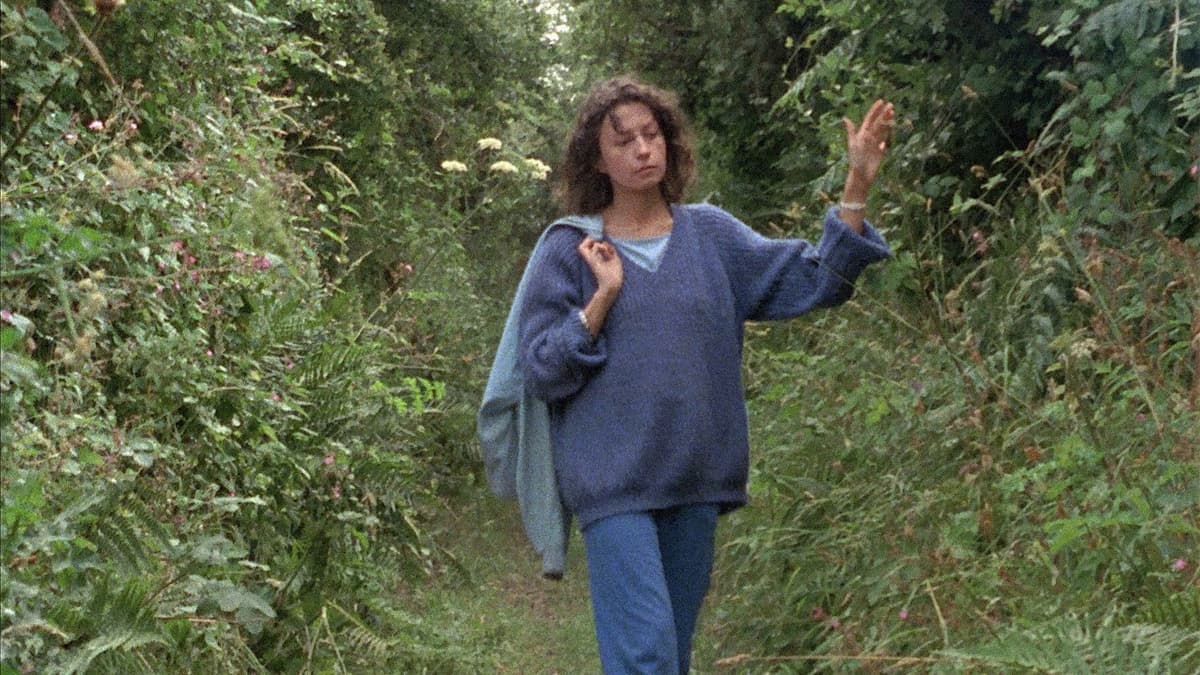
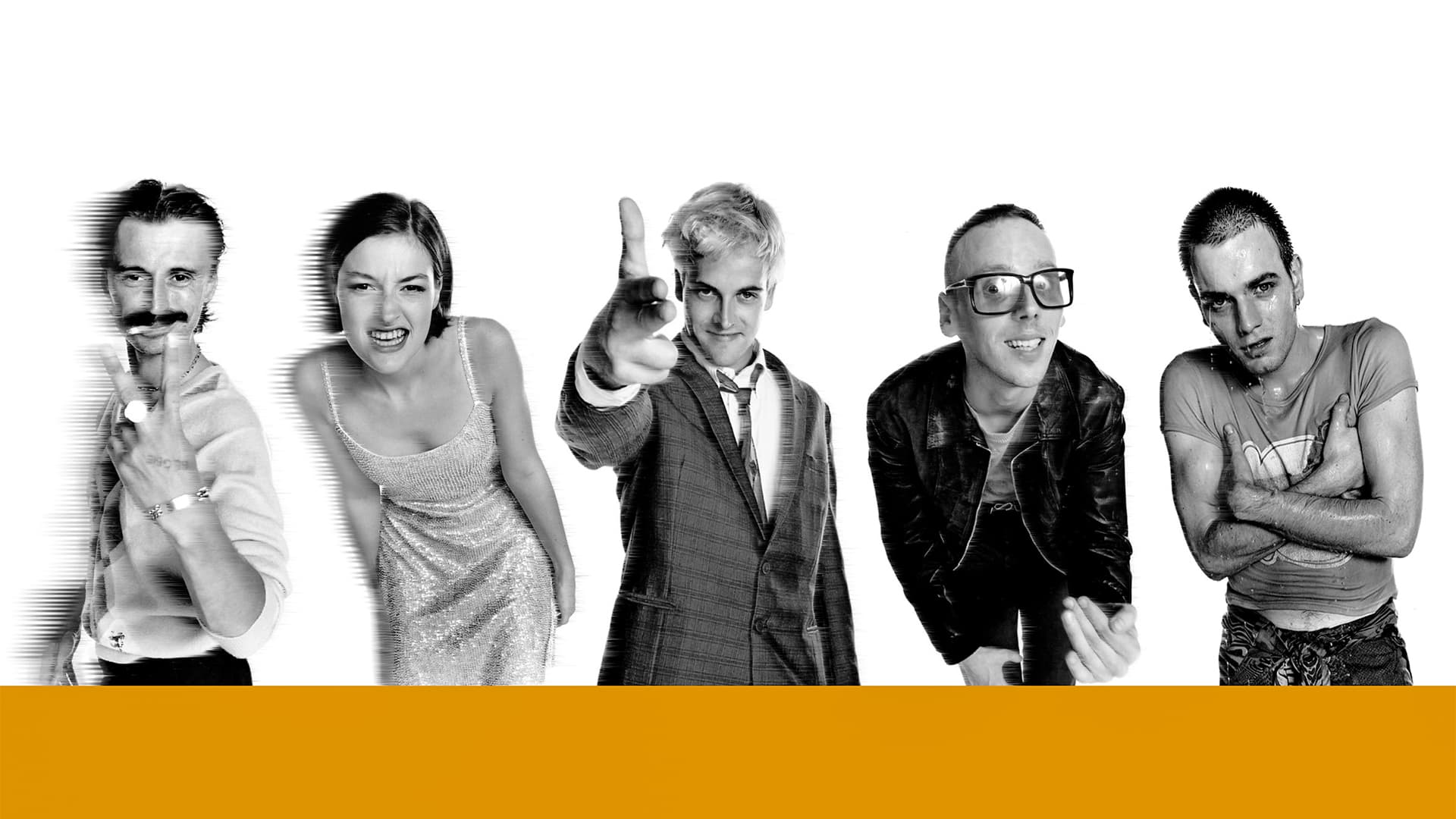
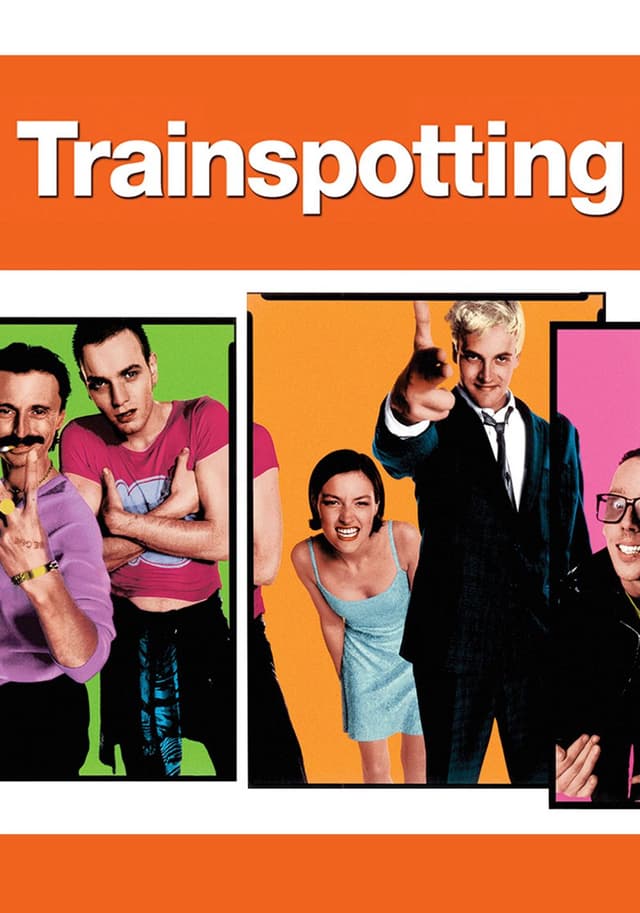
Heroin addict Mark Renton stumbles through bad ideas and sobriety attempts with his unreliable friends --Sick Boy, Begbie, Spud and Tommy. He also has an underage girlfriend, Diane, along for the ride. After cleaning up and moving from Edinburgh to London, Mark finds he can't escape the life he left behind as Begbie and Sick Boy come knocking.
What is the budget of Trainspotting?
"Trainspotting," a drama released in 1996, was directed by Danny Boyle and stars Ewan McGregor, Ewen Bremner. The production budget was $4,000,000, placing it in the micro-budget range for drama productions of the 1990s.
Key Budget Allocation Categories
While specific budget breakdowns are not publicly available, typical cost drivers for a drama production like this include:
- Above-the-Line Talent: Drama films live or die on the strength of their performances.
- Location Filming & Period Production Design: Authentic locations , whether contemporary or historical , require scouting, permits, travel, lodging, and often significant dressing to match the story's time period.
- Post-Production, Color Grading & Score: The editorial process for dramas is typically longer than genre films, with careful attention to pacing and tone.
- Casting: Pre-production began in April 1995.
What were the major cost factors in Trainspotting?
Several factors contributed to the overall production costs of "Trainspotting."
- Above-the-Line Talent: Above-the-Line Talent is one of the primary cost drivers in drama productions of this scale.
- Location Filming: Location Filming & Period Production Design is one of the primary cost drivers in drama productions of this scale.
- Post-Production: Post-Production, Color Grading & Score is one of the primary cost drivers in drama productions of this scale.
How Does Trainspotting's Budget Compare to Similar Films?
At $4,000,000, Trainspotting sits in the micro-budget range. Here is how it compares to productions with a similar budget:
- Peter Pan (1953): Budget $4,000,000, Worldwide Gross $87,400,000
- Farewell My Concubine (1993): Budget $4,000,000, Worldwide Gross $6,400,000
- Dersu Uzala (1975): Budget $4,000,000
- Interstella 5555: The 5tory of the 5ecret 5tar 5ystem (2003): Budget $4,000,000 , Gross $6,664,789
- Capernaum (2018): Budget $4,000,000, Worldwide Gross $64,978,931
The median budget for wide-release drama films in the era ranges from $30 to 80M for mid-budget to $150M+ for tentpoles.
Trainspotting Box Office Performance
"Trainspotting" earned $16,491,080 domestically and $71,981,823 worldwide at the box office. Against a production budget of $4,000,000, the film performed strongly at the box office.
A film typically needs to earn approximately twice its production budget to cover marketing and distribution costs. For "Trainspotting," that break-even threshold was roughly $8,000,000. With worldwide earnings of $71,981,823, the film cleared that threshold comfortably.
Box Office Breakdown
Trainspotting

At 1699.5%, "Trainspotting" earned roughly $18 for every $1 invested in production.
Trainspotting Production History
Pre-production began in April 1995. Ewan McGregor was cast after impressing Boyle and Macdonald with his work on their previous film, Shallow Grave. For the role of Begbie, Boyle considered casting Christopher Eccleston for his resemblance to how he imagined the character in the novel, but asked Robert Carlyle instead.
Trainspotting was shot in mid-1995 over seven weeks on a budget of £1.5million with the cast and crew working out of an abandoned cigarette factory in Glasgow. Due to time constraints and a tight budget, most scenes were done in one take, which contributed to the grungy look of the film. For example, when Renton sinks into the floor after overdosing on heroin, the crew built a platform above a trap door and lowered the actor down.
The Trainspotting soundtracks were two best-selling albums of music based on the film. The first is a collection of songs featured in the film, while the second includes those left out from the first soundtrack and extra songs that inspired the filmmakers during production. The soundtrack for Trainspotting has gone on to become a pop culture phenomenon.
Awards and Recognition
Nominated for 1 Oscar. 23 wins & 35 nominations total
- Boston Society of Film Critics Award for Best Foreign Language Film
- National Board of Review: Top Ten Films
- Bodil Award for Best Non-American Film: Danny Boyle
- Golden Space Needle
- BAFTA Award for Best Adapted Screenplay: John Hodge
- London Film Critics Circle Award for British Actor of the Year: Ewan McGregor
Critical Reception
Trainspotting was screened at the 1996 Cannes Film Festival but was shown out of competition, according to the filmmakers, due to its subject.
Frequently Asked Questions
How much did it cost to make Trainspotting (1996)?
The production budget was $4,000,000, covering principal photography, cast and crew salaries, locations, sets, post-production, and music. Marketing and distribution (P&A) costs are estimated at an additional $2,000,000 - $3,200,000, bringing the total studio investment to approximately $6,000,000 - $7,200,000.
How much did Trainspotting (1996) earn at the box office?
Trainspotting grossed $16,491,080 domestic, $55,490,743 international, totaling $71,981,823 worldwide.
Was Trainspotting (1996) profitable?
Yes. Against a production budget of $4,000,000 and estimated total costs of ~$10,000,000, the film earned $71,981,823 theatrically - a 1700% ROI on production costs alone.
What were the biggest costs in producing Trainspotting?
The primary cost drivers were above-the-line talent (Ewan McGregor, Ewen Bremner, Jonny Lee Miller); talent compensation, authentic period production design, and meticulous post-production.
How does Trainspotting's budget compare to similar drama films?
At $4,000,000, Trainspotting is classified as a micro-budget production. The median budget for wide-release drama films in the era ranges from $30 - 80M for mid-budget to $150M+ for tentpoles. Comparable budgets: Peter Pan (1953, $4,000,000); Farewell My Concubine (1993, $4,000,000); Dersu Uzala (1975, $4,000,000).
Did Trainspotting (1996) go over budget?
There are no widely reported accounts of significant budget overruns for this production. However, studios rarely disclose precise budget overrun figures publicly. The reported production budget reflects the final estimated cost.
What was the return on investment (ROI) for Trainspotting?
The theatrical ROI was 1699.5%, calculated as ($71,981,823 − $4,000,000) ÷ $4,000,000 × 100. This measures gross revenue against production budget only - it does not account for P&A or exhibitor shares.
What awards did Trainspotting (1996) win?
Nominated for 1 Oscar. 23 wins & 35 nominations total.
Who directed Trainspotting and who were the key crew members?
Directed by Danny Boyle, written by John Hodge, shot by Brian Tufano, edited by Masahiro Hirakubo.
Where was Trainspotting filmed?
Trainspotting was filmed in United Kingdom. Trainspotting was shot in mid-1995 over seven weeks on a budget of £1.5million with the cast and crew working out of an abandoned cigarette factory in Glasgow. Due to time constraints and a tight budget, most scenes were done in one take, which contributed to the grungy look of the film. For example, when Renton sinks into the floor after overdosing on heroin, the crew built a platform above a trap door and lowered the actor down. Despite the film being set in Edinburgh, almost the entirety of it was shot in Glasgow; the only scene that was actually filmed in the former was the opening chase scene. Locations in the film include: * The opening scene of Renton and Spud being chased by security for shoplifting is shot in Edinburgh, on Princes Street and Calton Road under Regent Bridge. * The park where Sick Boy and Renton discuss James Bond, Sean Connery and The Name of the Rose is Rouken Glen Park in Giffnock, East Renfrewshire.
Filmmakers
Trainspotting

Official Trailer
Build budgets like this one in Saturation
Start from an industry-standard feature film template, import the schedule and rates you already have, and let the cost report keep itself current as you spend. Real-time collaboration, no spreadsheets.