The Green Ray Budget
Updated
Synopsis
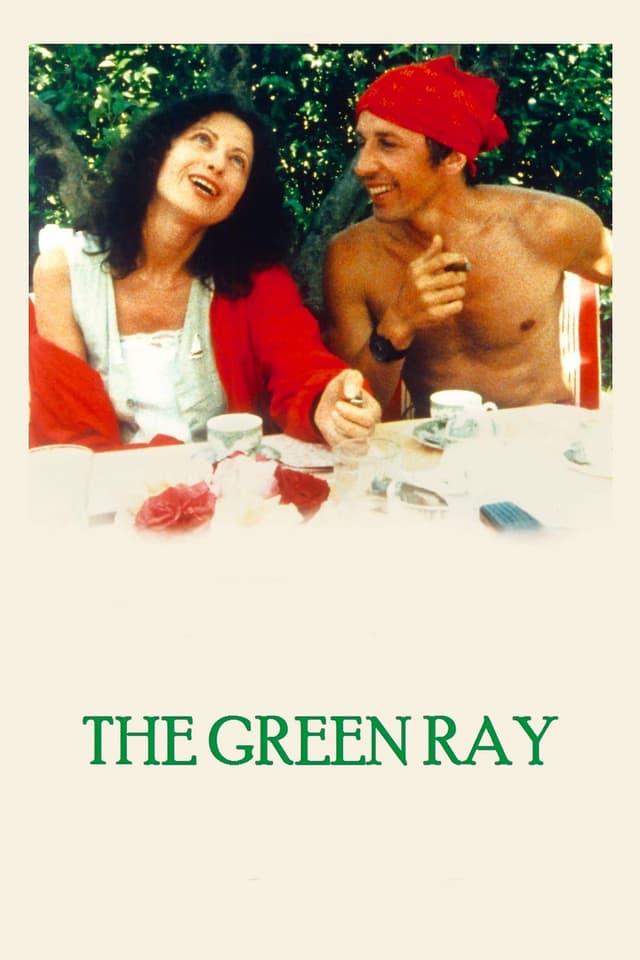
Abandoned by her boyfriend and at loose ends as her Paris vacation plans collapse, Delphine drifts through summer between Cherbourg, the Alps, and Biarritz, searching unsuccessfully for company and connection. A chance meeting on a train station bench and the legend of a fleeting atmospheric phenomenon, the green ray at sunset, may offer her a way forward.
What Is the Budget of The Green Ray (1986)?
The exact production budget of The Green Ray has never been publicly disclosed. The picture was produced by Margaret Menegoz at Les Films du Losange, Éric Rohmer's longtime production company, on a deliberately minimal economic model. Marie Rivière, the lead actress, co-developed the screenplay with Rohmer and the supporting cast through extended improvisation rather than from a finished script. Industry coverage of comparable Rohmer productions of the period places the total spend in the low six-figure range, well below conventional French art-cinema budgets.
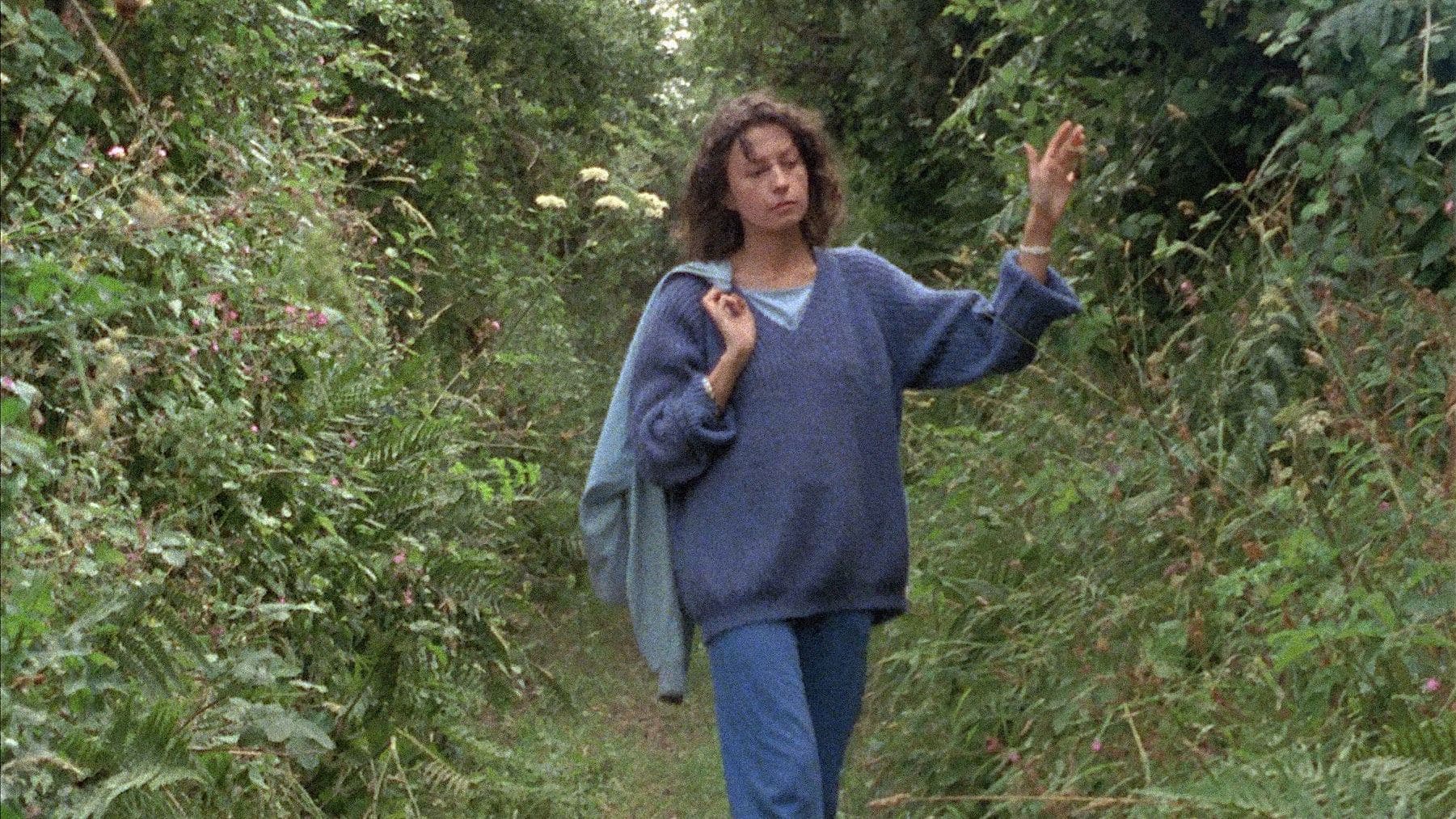
Director Éric Rohmer shot The Green Ray on 16mm with cinematographer Sophie Maintigneux over approximately seven weeks across summer 1985. The production used available natural light, no formal lighting package, and a crew of fewer than ten people moving between Paris, Normandy, the Alps, and the Biarritz coast on location. Dialogue was largely improvised on set and recorded with a single boom.
Key Budget Allocation Categories
- Cast Compensation: Marie Rivière as Delphine plus a supporting ensemble drawn from Rohmer's recurring company, including Lisa Hérédia, Béatrice Romand, and Vincent Gauthier.
- 16mm Stock and Processing: Film stock, processing, and the eventual 35mm blow-up for theatrical exhibition.
- Travel and Location: Production travel across Normandy, the Alpine resort of La Plagne, and Biarritz, plus the closing sunset sequence on the Atlantic coast.
- Crew and Equipment: A core crew of fewer than ten working with handheld cameras, available light, and minimal sound and grip support.
- Music and Sound: Jean-Louis Valéro's spare original music and the picture's reliance on diegetic ambient sound.
- Distribution and Festival Costs: Festival submission and the Venice premiere, plus the limited French and international theatrical rollout.
How Does The Green Ray's Budget Compare to Similar Films?
- Pauline at the Beach (1983): Budget undisclosed | Worldwide $5,260,000. Rohmer's previous Comedies and Proverbs entry, made on a similar minimal model with stronger box office.
- Full Moon in Paris (1984): Budget undisclosed | Worldwide $1,200,000. Another Rohmer Comedies and Proverbs film produced through Les Films du Losange.
- A Tale of Springtime (1990): Budget undisclosed | Worldwide $1,250,000. The first of Rohmer's subsequent Tales of the Four Seasons cycle on a comparable scale.
- 4 Adventures of Reinette and Mirabelle (1987): Budget undisclosed | Worldwide undisclosed. Rohmer's next picture, made for an even smaller spend.
The Green Ray Box Office Performance
The Green Ray premiered at the 43rd Venice International Film Festival in September 1986, where it won the Golden Lion for Best Film. It opened in France on September 3, 1986 in limited art-house release through Les Films du Losange and went on to a sustained run.
Box Office Breakdown
The Green Ray

For every $1 invested, Les Films du Losange recouped well above $1 across the original French theatrical, French television, and international art-house markets, supplemented by sustained DVD and Blu-ray library sales through MK2 in subsequent decades.
The picture's commercial profile was modest by mainstream standards but exceptional for an improvised 16mm art film. Janus Films later acquired North American rights, and the picture has remained a regular fixture of repertory programming and home video release through The Criterion Collection.
The Green Ray Production History
The Green Ray originated as the fifth entry in Éric Rohmer's Comedies and Proverbs cycle, conceived around a Rimbaud line that titles the picture in its proverb. Rohmer and Marie Rivière developed the central character of Delphine over several months of conversation, with Rivière contributing autobiographical material and shaping the picture's loose structure.
Principal photography ran from late June through August 1985 across France. The production used available locations: Rivière's sister's apartment in Paris, a Cherbourg beach hotel, a rented chalet at La Plagne in the Alps, and a Biarritz hotel for the closing sequence. Sophie Maintigneux's 16mm photography was hand-held throughout, and the production crew of fewer than ten functioned more like a documentary unit than a conventional French art-cinema team.
The picture's closing green-ray sunset was filmed on the Atlantic coast at Biarritz. The actual atmospheric phenomenon, a rare optical refraction that can briefly tint the upper edge of the setting sun green, was captured on film during one of several setups, and the production used the genuine footage in the finished picture.
Awards and Recognition
The Green Ray won the Golden Lion for Best Film at the 43rd Venice International Film Festival in 1986, the festival's top prize. Marie Rivière received the FIPRESCI Prize at Venice for her performance. The picture also won Best Foreign Language Film from the French Syndicate of Cinema Critics and was nominated for a César for Best Original Screenplay. It has subsequently appeared on numerous critics' polls of the greatest films of the 1980s and the greatest French films overall.
Critical Reception
The Green Ray holds a 100 percent rating on Rotten Tomatoes from a small sample of reviews and is widely regarded as one of Rohmer's finest pictures. Vincent Canby of The New York Times wrote that the film "is something rare and wonderful." Roger Ebert called it "one of the most quietly seductive films I have seen." Pauline Kael wrote that "Rohmer has made an astonishingly fine movie." Jonathan Rosenbaum has written extensively on the picture, calling it "one of the great works of recent French cinema." The picture has appeared on Sight and Sound's decennial critics' poll and is a regular reference point in writing on improvisation and naturalism in art cinema.
Frequently Asked Questions
What was the production budget of The Green Ray (1986)?
The exact production budget has never been publicly disclosed. The picture was shot on 16mm with a crew of fewer than ten and is widely considered one of Éric Rohmer's most economically minimal productions.
How much did The Green Ray gross worldwide?
The Green Ray reported $340,099 in worldwide grosses on subsequent international art-house re-release. The original 1986 French run earned more, though detailed grosses from that release were not publicly broken out.
Did The Green Ray win any major awards?
Yes. The Green Ray won the Golden Lion for Best Film at the 1986 Venice International Film Festival, and Marie Rivière received the FIPRESCI Prize for her performance. It also won Best Foreign Language Film from the French Syndicate of Cinema Critics.
Is the green ray phenomenon real?
Yes. The green ray is a real atmospheric optical phenomenon: under specific conditions at sunset or sunrise, the upper edge of the sun can appear briefly green due to refraction in the atmosphere. The Jules Verne novel from which Rohmer takes the title is built around this phenomenon.
Did the production capture an actual green ray on film?
Yes. The closing sunset sequence at Biarritz captured an actual green-ray refraction on film, which Rohmer used in the finished picture.
How much of The Green Ray was improvised?
A substantial portion of the dialogue was improvised on set. Marie Rivière and Rohmer developed the character of Delphine across several months of conversation, and the supporting cast worked from outlines rather than completed dialogue.
Where was The Green Ray filmed?
The Green Ray was shot across France, including Paris, Cherbourg, the Alpine resort of La Plagne, and Biarritz on the Atlantic coast.
What format was The Green Ray shot on?
The picture was shot on 16mm by cinematographer Sophie Maintigneux using available light and handheld cameras, then blown up to 35mm for theatrical exhibition.
How long is The Green Ray?
The Green Ray runs 99 minutes.
Where does the title come from?
The title refers to a Jules Verne novel, Le Rayon-vert, and to the atmospheric phenomenon the novel describes. The English title is sometimes given as Summer, the title used by The Criterion Collection for its release.
Filmmakers
The Green Ray

Official Trailer
Build budgets like this one in Saturation
Start from an industry-standard feature film template, import the schedule and rates you already have, and let the cost report keep itself current as you spend. Real-time collaboration, no spreadsheets.