Stand by Me Budget
 CrimeDrama1h 29m
Updated
Synopsis
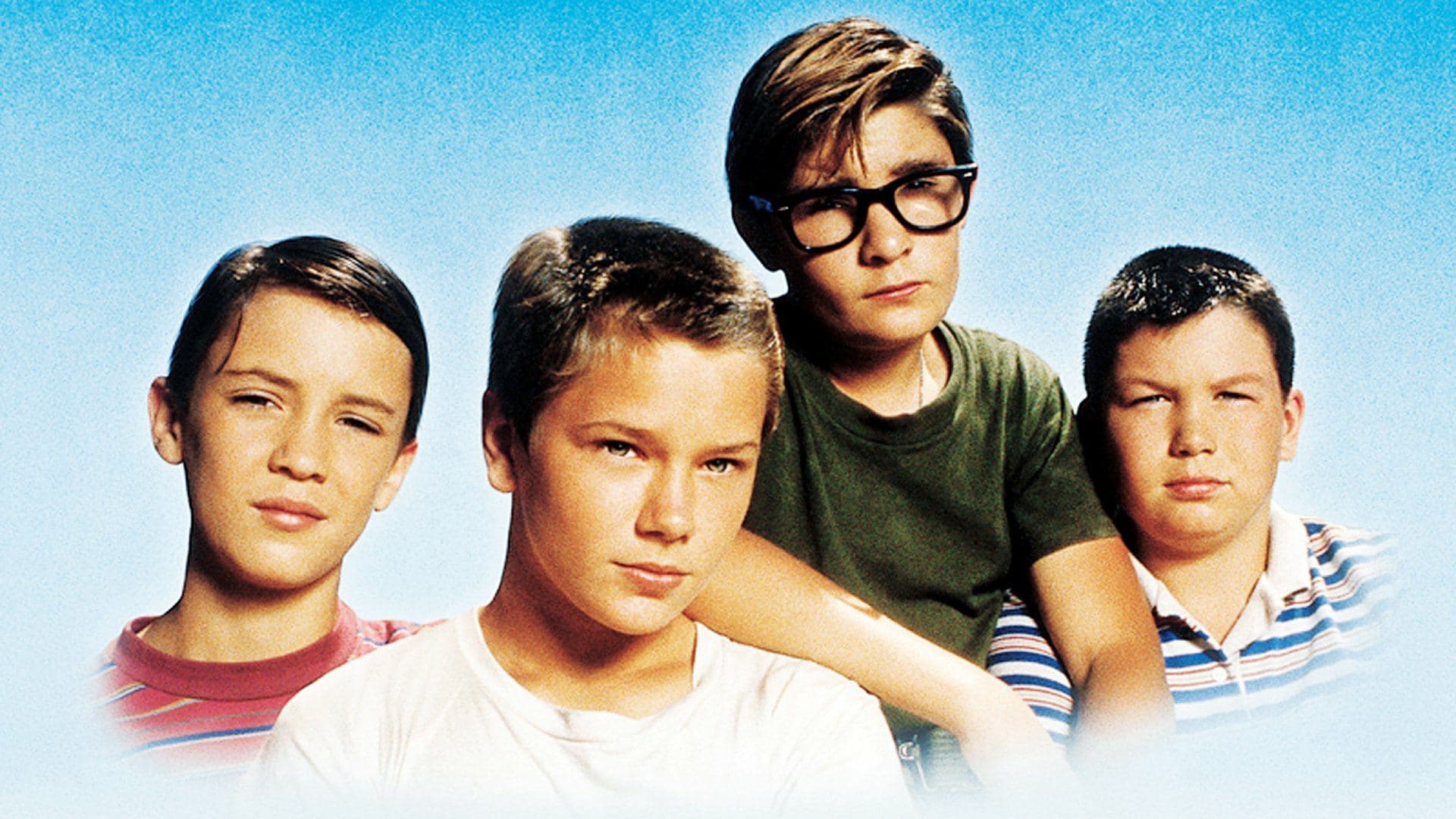
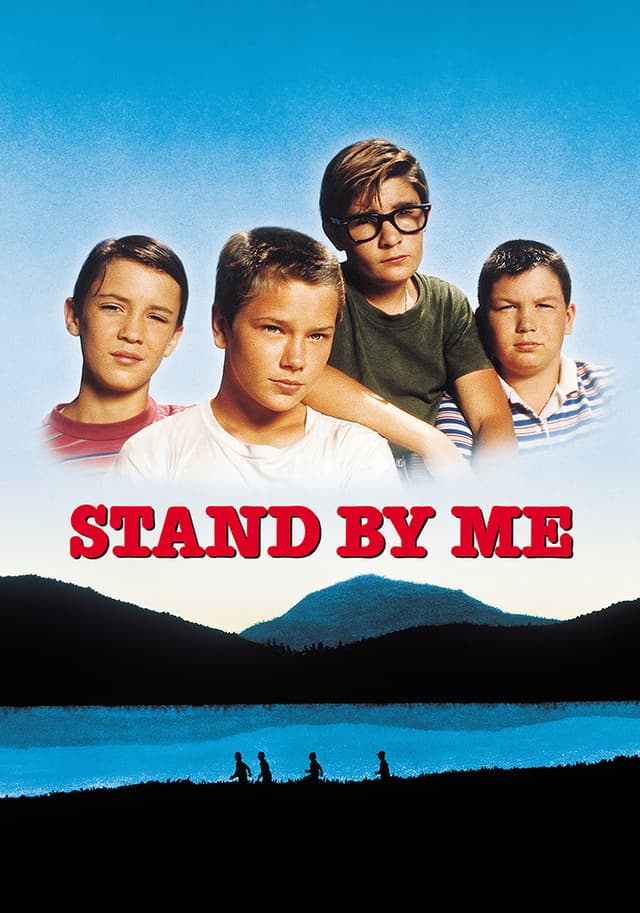
After learning that a boy their age has been accidentally killed near their rural homes, four boys decide to go see the body. Gordie, Vern, Chris, and Teddy encounter a mean junk man and a marsh full of leeches, but they also learn more about one another and their very different home lives. Just a lark at first, the boys' adventure evolves into a defining event in their lives.
What is the budget of Stand by Me?
"Stand by Me," a crime released in 1986, was directed by Rob Reiner and stars Wil Wheaton, River Phoenix. The production budget was $8,000,000, placing it in the low-budget range for crime productions of the 1980s.
Key Budget Allocation Categories
While specific budget breakdowns are not publicly available, typical cost drivers for a crime production like this include:
- Talent & Director Compensation: Thrillers depend on compelling lead performances to sustain tension, making cast compensation a primary budget concern. Directors with proven thriller credentials command premium fees.
- Cinematography & Location Photography: Thriller aesthetics demand specific visual languages , surveillance-style photography, claustrophobic framing, or expansive location work across multiple cities or countries.
- Editorial & Sound Post-Production: Precision editing , controlling information flow, building suspense through pacing, and orchestrating reveals , requires extended post-production schedules.
- Casting: In a 2011 interview with NPR, Wil Wheaton attributed the film's success to the director's casting choices:
What were the major cost factors in Stand by Me?
Several factors contributed to the overall production costs of "Stand by Me."
- Talent: Talent & Director Compensation is one of the primary cost drivers in crime productions of this scale.
- Cinematography: Cinematography & Location Photography is one of the primary cost drivers in crime productions of this scale.
- Editorial: Editorial & Sound Post-Production is one of the primary cost drivers in crime productions of this scale.
How Does Stand by Me's Budget Compare to Similar Films?
At $8,000,000, Stand by Me sits in the low-budget range. Here is how it compares to productions with a similar budget:
- Mutant Chronicles (2008): Budget $8,000,000, Worldwide Gross $2,131,057
- I'm Still Here (2024): Budget $8,000,000, Worldwide Gross $36,361,572
- Pulp Fiction (1994): Budget $8,000,000, Worldwide Gross $213,928,762
- Little Miss Sunshine (2006): Budget $8,000,000, Worldwide Gross $100,523,351
- My Life as a Zucchini (2016): Budget $8,000,000, Worldwide Gross $5,873,256
The median budget for wide-release crime films in the era ranges from $30 to 80M for mid-budget to $150M+ for tentpoles.
Stand by Me Box Office Performance
"Stand by Me" earned $52,287,414 domestically and $52,289,686 worldwide at the box office. Against a production budget of $8,000,000, the film performed strongly at the box office.
A film typically needs to earn approximately twice its production budget to cover marketing and distribution costs. For "Stand by Me," that break-even threshold was roughly $16,000,000. With worldwide earnings of $52,289,686, the film cleared that threshold comfortably.
Box Office Breakdown
Stand by Me

At 553.6%, "Stand by Me" earned roughly $6.54 for every $1 invested in production.
Stand by Me Production History
In a 2011 interview with NPR, Wil Wheaton attributed the film's success to the director's casting choices: Feldman recalled how his home life translated into his onscreen character: "[Most kids aren't] thinking they're going to get hit by their parents because they're not doing well enough in school, which will prevent them from getting a work permit, which will prevent them from being an actor." Ethan Hawke auditioned for Chris Chambers. Before filming began, Reiner put the four main actors together for two weeks to play games from Viola Spolin's Improvisation for the Theater (which Reiner called "the bible" of theater games) and build camaraderie. As a result, a friendship developed among the actors.
Principal photography began on June 17 and ended on August 23, 1985. Parts of the film were shot in Brownsville, Oregon, which stood in for the fictional town of Castle Rock. Located between Salem and Eugene, the town was selected for its small-town 1950s ambience; approximately 100 local residents were employed as extras.
Dan Mangan's song "Rows of Houses" (2011) is based on the film and takes the perspective of Gordie Lachance.
Awards and Recognition
Nominated for 1 Oscar. 6 wins & 12 nominations total
- National Board of Review: Top Ten Films
Critical Reception
On Rotten Tomatoes, the film has an approval rating of 88% based on 135 reviews. The website's critical consensus reads: "Stand by Me is a wise, nostalgic movie with a weird streak that captures both Stephen King's voice and the trials of growing up." On Metacritic, the film has a weighted average score of 75 out of 100 based on 20 critics, indicating "generally favorable reviews". Audiences polled by CinemaScore gave the film an average grade of "A" on an A+ to F scale.
Frequently Asked Questions
How much did it cost to make Stand by Me (1986)?
The production budget was $8,000,000, covering principal photography, cast and crew salaries, locations, sets, post-production, and music. Marketing and distribution (P&A) costs are estimated at an additional $4,000,000 - $6,400,000, bringing the total studio investment to approximately $12,000,000 - $14,400,000.
How much did Stand by Me (1986) earn at the box office?
Stand by Me grossed $52,287,414 domestic, $2,272 international, totaling $52,289,686 worldwide.
Was Stand by Me (1986) profitable?
Yes. Against a production budget of $8,000,000 and estimated total costs of ~$20,000,000, the film earned $52,289,686 theatrically - a 554% ROI on production costs alone.
What were the biggest costs in producing Stand by Me?
The primary cost drivers were above-the-line talent (Wil Wheaton, River Phoenix, Corey Feldman); talent compensation, location cinematography, and tension-driven editorial.
How does Stand by Me's budget compare to similar crime films?
At $8,000,000, Stand by Me is classified as a micro-budget production. The median budget for wide-release crime films in the era ranges from $30 - 80M for mid-budget to $150M+ for tentpoles. Comparable budgets: Mutant Chronicles (2008, $8,000,000); I'm Still Here (2024, $8,000,000); Pulp Fiction (1994, $8,000,000).
Did Stand by Me (1986) go over budget?
There are no widely reported accounts of significant budget overruns for this production. However, studios rarely disclose precise budget overrun figures publicly. The reported production budget reflects the final estimated cost.
What was the return on investment (ROI) for Stand by Me?
The theatrical ROI was 553.6%, calculated as ($52,289,686 − $8,000,000) ÷ $8,000,000 × 100. This measures gross revenue against production budget only - it does not account for P&A or exhibitor shares.
What awards did Stand by Me (1986) win?
Nominated for 1 Oscar. 6 wins & 12 nominations total.
Who directed Stand by Me and who were the key crew members?
Directed by Rob Reiner, written by Raynold Gideon, Bruce A. Evans, shot by Thomas Del Ruth, with music by Jack Nitzsche, edited by Robert Leighton.
Where was Stand by Me filmed?
Stand by Me was filmed in United States of America. Principal photography began on June 17 and ended on August 23, 1985. Parts of the film were shot in Brownsville, Oregon, which stood in for the fictional town of Castle Rock. Located between Salem and Eugene, the town was selected for its small-town 1950s ambience; approximately 100 local residents were employed as extras.
Filmmakers
Stand by Me

Official Trailer
Build budgets like this one in Saturation
Start from an industry-standard feature film template, import the schedule and rates you already have, and let the cost report keep itself current as you spend. Real-time collaboration, no spreadsheets.