Tokyo Story Budget
Updated
Synopsis
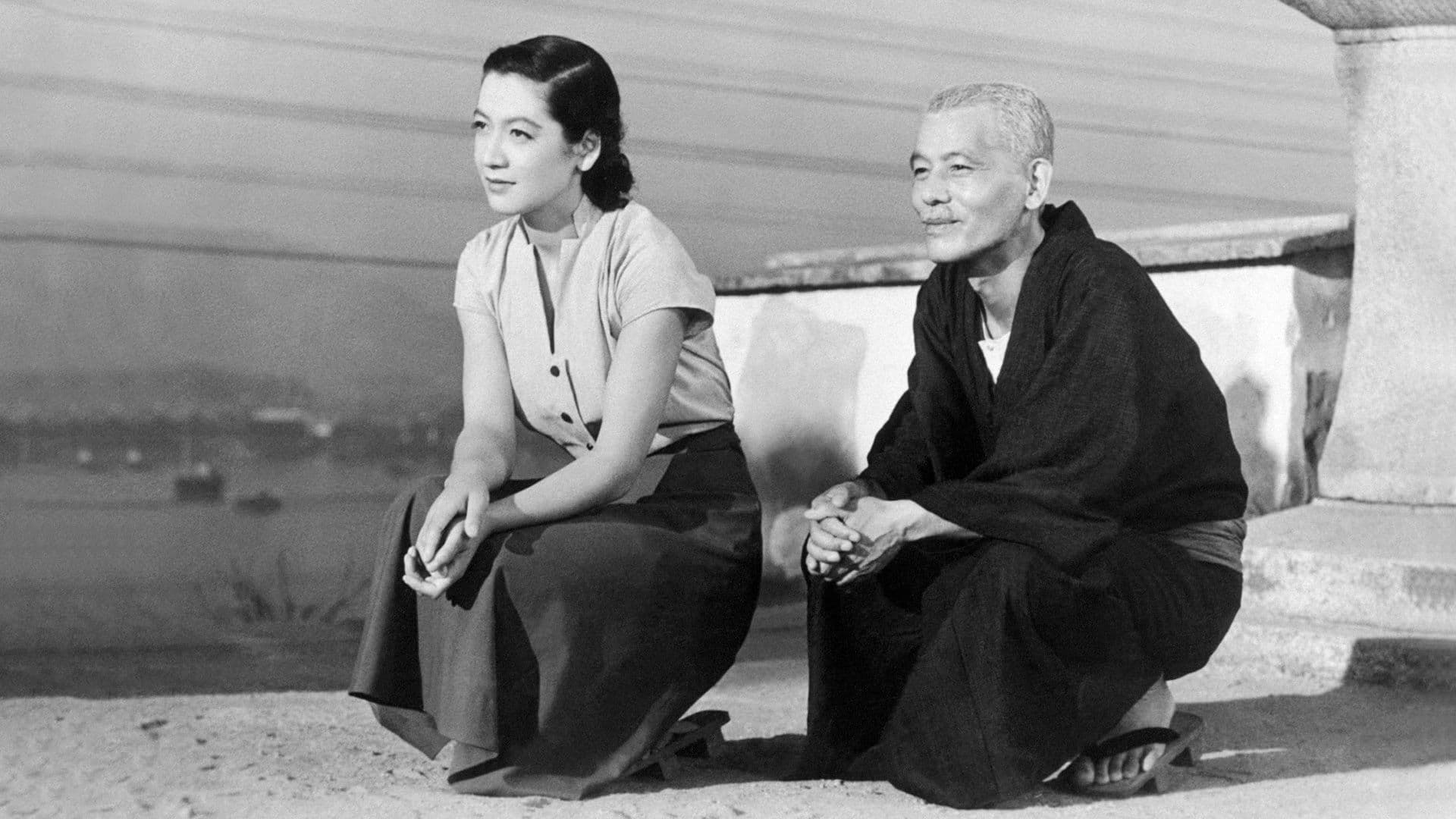
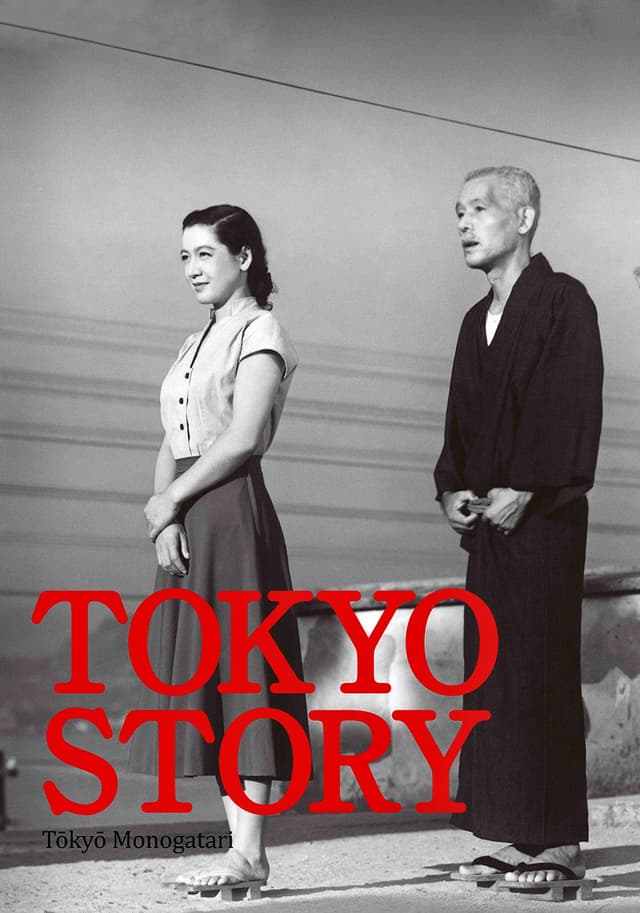
An elderly couple from the seaside town of Onomichi travel to Tokyo to visit their grown children, only to find their son and daughter too busy to spend meaningful time with them. The only family member who treats them with kindness is their widowed daughter-in-law Noriko, whose generosity stands in quiet contrast to the children's distraction. Yasujirō Ozu directs the Shochiku-produced family drama widely regarded as one of the greatest films ever made.
What Is the Budget of Tokyo Story (1953)?
Tokyo Story (1953), directed by Yasujirō Ozu and produced by Shochiku Eiga, was made within the studio system's structured budgeting at an estimated ¥45,000,000 to ¥60,000,000 (approximately $125,000 to $170,000 USD in 1953 exchange rates, or roughly $1,500,000 to $2,000,000 adjusted to 2024 dollars). The figure is consistent with Shochiku's senior-director feature budgets of the early 1950s, the studio's reconstruction-era peak.
Ozu had been a Shochiku contract director since 1927, and Tokyo Story was his 49th film. The studio supplied facilities, technical crew, and contract talent at internal rates, with the principal cost variables being location-shoot logistics in Tokyo and Onomichi (the two cities the film moves between) and the eight-week shooting schedule that ran from July through October 1953.
Key Budget Allocation Categories
Tokyo Story's Shochiku-system budget covered the following production areas:
- Above-the-Line Cast: Chishū Ryū and Chieko Higashiyama played the elderly couple Shūkichi and Tomi Hirayama as long-time Ozu ensemble members at Shochiku contract rates. Setsuko Hara, the most prominent actress in early-1950s Japanese cinema, played the widowed daughter-in-law Noriko. Haruko Sugimura, Sō Yamamura, Kuniko Miyake, and Kyōko Kagawa rounded out the ensemble.
- Director and Writer Fees: Yasujirō Ozu directed and co-wrote with Kōgo Noda at senior-director Shochiku rates. Their long-standing writing collaboration since 1929 produced the screenplay over a multi-month retreat in Chigasaki.
- Two-City Production: The film moves between Tokyo (where the children live) and Onomichi (the seaside hometown of the elderly couple), requiring location shooting in both cities. The Onomichi exteriors include Senkō-ji temple and the harbor views that have since become tourist landmarks.
- Cinematography: Yūharu Atsuta shot the film in Ozu's signature low-angle (tatami-mat-eye-level) compositions, with the studio supplying lighting, lenses, and 35mm black-and-white film stock.
- Production Design: Tatsuo Hamada designed the family-home interiors that Ozu shot in his characteristic still, lateral framing.
- Sound Recording: Sound was recorded on-location with post-production dubbing performed at Shochiku's Ōfuna Studios in Kamakura.
- Score and Music: Kojun Saitō composed the spare orchestral score that underscores key transitions while leaving most scenes silent.
- Distribution and Marketing: Shochiku handled all Japanese domestic distribution through its own theater chain, with international distribution arrangements not made until years after the film's domestic release.
How Does Tokyo Story's Budget Compare to Similar Films?
Tokyo Story's Shochiku-studio budget aligns with senior-director Japanese productions of the early 1950s:
- Rashomon (1950): Budget approximately ¥30,000,000 | Worldwide unknown. The Kurosawa Daiei-studio benchmark from three years earlier.
- Seven Samurai (1954): Budget approximately ¥125,000,000 | Worldwide unknown. A Tōhō tentpole at roughly three times the scale.
- Ugetsu (1953): Budget approximately ¥80,000,000 | Worldwide unknown. The Mizoguchi Daiei film from the same year.
- Late Spring (1949): Budget approximately ¥25,000,000 | Worldwide unknown. Ozu's earlier Shochiku family drama at roughly half the scale.
Tokyo Story Box Office Performance
Tokyo Story opened in Japan on November 3, 1953, through Shochiku's distribution chain. The film performed solidly within Ozu's domestic audience but did not chart among Shochiku's top earners of 1953, which were dominated by lighter studio comedies and musicals.
Box Office Breakdown
Tokyo Story

The film's commercial story is a long-tail one. International recognition built slowly across the 1960s and 1970s through Cinematheque and university screenings, accelerating after the 1972 New York theatrical release. The 2010s and 2020s Criterion Collection and Janus Films restoration releases sustained continued revenue across home video and repertory bookings.
The 2013 4K restoration commissioned by Shochiku, which premiered at Berlinale, returned the film to international theatrical release sixty years after its premiere. Subsequent streaming licensing through the Criterion Channel and Janus has extended commercial life.
Tokyo Story Production History
Yasujirō Ozu and Kōgo Noda began developing Tokyo Story in early 1953 during their regular writing retreat at Chigasaki Hall (a beachside inn south of Tokyo) that they used to draft every Ozu screenplay from the mid-1940s through 1963. The screenplay drew partly from Leo McCarey's Make Way for Tomorrow (1937), an American film Ozu admired about an elderly couple displaced by their children.
Pre-production at Shochiku's Ōfuna Studios in Kamakura ran through spring 1953. Ozu cast his regular ensemble: Chishū Ryū had appeared in nearly every Ozu film since 1929 and Setsuko Hara had starred in his Noriko Trilogy (Late Spring, Early Summer, and now Tokyo Story).
Principal photography ran from July 25 through October 14, 1953, on locations in Tokyo (Shitamachi neighborhoods, hospital exteriors, and inner-city train scenes) and Onomichi (Senkō-ji temple, the harbor, and the family-home exterior). Ozu's characteristic still-frame approach kept setups minimal but exacting, with every shot composed at tatami-mat-eye-level and held for long durations.
Post-production at Ōfuna Studios completed in late October. Shochiku released the film on November 3, 1953, in Tokyo. International recognition built gradually, with the film's first significant English-language screenings occurring in the early 1960s under the auspices of Donald Richie and the Cinematheque circuit. The 1972 US theatrical release through New Yorker Films cemented its international canonization.
Awards and Recognition
Tokyo Story did not figure in major Japanese awards at the time of its 1953 release, which were dominated by lighter studio fare. International recognition followed: the British Film Institute's Sight and Sound critics' poll ranked Tokyo Story the third greatest film of all time in 2012, second in 2002, and consistently in the top ten across every iteration since 1972. The 2012 Sight and Sound directors' poll ranked it the single greatest film ever made. The film won the Sutherland Trophy at the 1958 British Film Institute London Film Festival and continues to be cited in canon-defining surveys including the BBC's 100 Greatest Foreign Language Films and Time Out's 100 Best Films Ever Made. The film is enshrined in the Criterion Collection and the National Film Preservation Foundation registries of the world's most important films.
Critical Reception
Tokyo Story holds a 100 percent Rotten Tomatoes score from sixty-six critics with an average rating of 9.7 out of 10 and an audience score of 95 percent. Metacritic does not track films of this vintage with a Metascore, though contemporary critical reissue coverage has been uniformly admiring.
Roger Ebert included Tokyo Story in his Great Movies series, writing that 'the entire film is a quiet, methodical, meditative work on the impossibility of children fully understanding their parents.' David Thomson called it 'one of the supreme accomplishments of cinema.' A. O. Scott in The New York Times celebrated the 2013 4K restoration as 'a masterpiece that has aged into something close to a religious experience.' Critics consistently highlight the Setsuko Hara performance, the Chishū Ryū-Chieko Higashiyama elderly-couple chemistry, and Yasujirō Ozu's signature tatami-eye-level compositions as elements that elevate the film beyond its quiet narrative.
Frequently Asked Questions
What is the budget of Tokyo Story (1953)?
Tokyo Story's production budget is estimated between ¥45,000,000 and ¥60,000,000 (approximately $125,000 to $170,000 USD in 1953 exchange rates), consistent with Shochiku's senior-director feature budgets of the early 1950s.
Who directed Tokyo Story?
Yasujirō Ozu directed Tokyo Story, his 49th feature film. Ozu was a Shochiku contract director from 1927 until his death in 1963, with a fifty-three-film career across silent and sound cinema.
Who stars in Tokyo Story?
Chishū Ryū and Chieko Higashiyama play the elderly couple Shūkichi and Tomi Hirayama. Setsuko Hara plays their widowed daughter-in-law Noriko, with Haruko Sugimura, Sō Yamamura, Kuniko Miyake, Kyōko Kagawa, and Eijirō Tōno rounding out the ensemble.
Where was Tokyo Story filmed?
Principal photography took place in Tokyo (Shitamachi neighborhoods and hospital and train interiors) and Onomichi (the seaside hometown including Senkō-ji temple and the harbor) from July through October 1953.
When was Tokyo Story released?
Tokyo Story opened in Japan on November 3, 1953, through Shochiku's distribution chain. International theatrical release followed gradually, with significant English-language exposure beginning in the early 1960s and the 1972 US release through New Yorker Films.
Is Tokyo Story the greatest film of all time?
Tokyo Story has been ranked the greatest film of all time by the directors' poll of the British Film Institute's Sight and Sound (2012) and consistently in the top three of the critics' poll across every decade since 1972. It is considered a canonical masterpiece of world cinema.
What is the Noriko Trilogy?
The Noriko Trilogy is the informal name for three Yasujirō Ozu films featuring Setsuko Hara playing characters named Noriko: Late Spring (1949), Early Summer (1951), and Tokyo Story (1953). The trilogy is not narratively connected; each film presents a different Noriko.
Was Tokyo Story successful at the box office?
Tokyo Story performed solidly within Ozu's domestic audience at the time of its 1953 release but did not chart among Shochiku's top earners. The film's commercial story is a long-tail one through repertory, home video, and the 2013 4K restoration.
Is Tokyo Story available on streaming?
Tokyo Story streams on The Criterion Channel and Max in the United States, with availability in other markets through Janus Films and regional licensees. The Criterion Collection released a definitive 4K Blu-ray edition in 2013.
What is Tokyo Story about?
Tokyo Story follows an elderly couple from the seaside town of Onomichi who travel to Tokyo to visit their grown children. The film examines how the children's busy lives leave little time for their parents, with only the widowed daughter-in-law Noriko treating them with kindness.
Filmmakers
Tokyo Story

Official Trailer
Build budgets like this one in Saturation
Start from an industry-standard feature film template, import the schedule and rates you already have, and let the cost report keep itself current as you spend. Real-time collaboration, no spreadsheets.