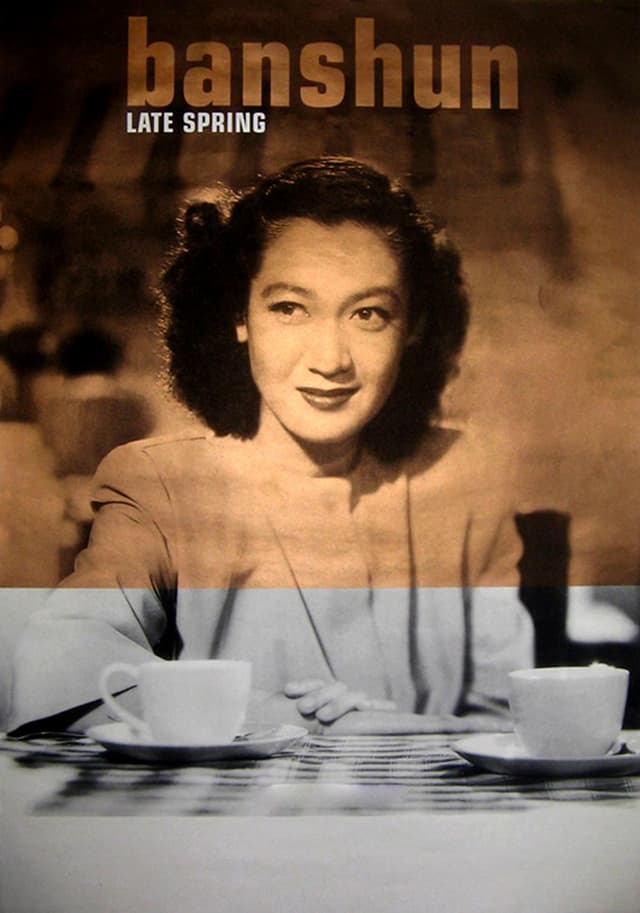
Late Spring Budget
Updated
Synopsis
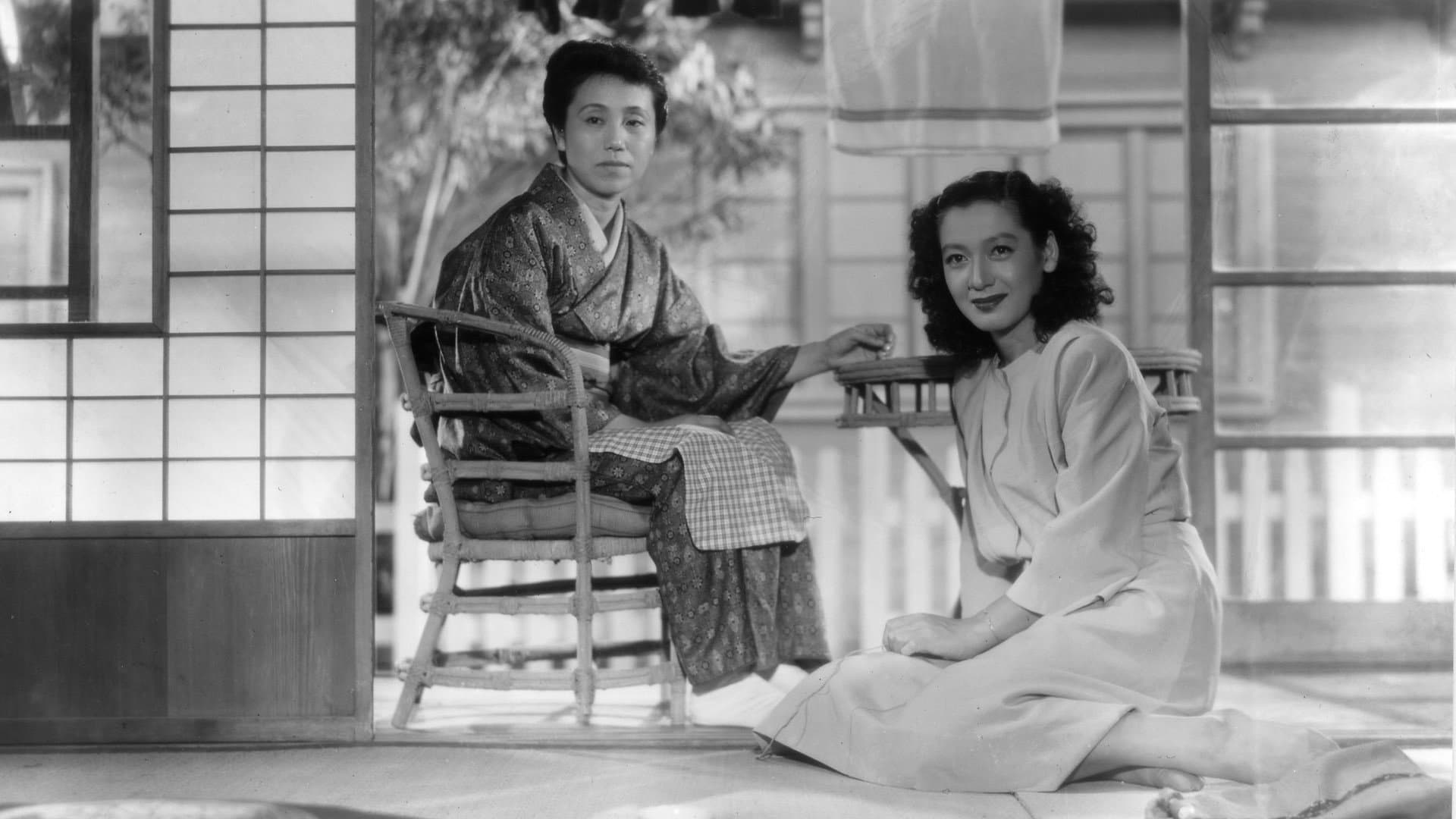
Noriko is 27 years old and is still living with her father Somiya, a widower. Noriko just recovered from an illness she developed in the war, and now the important question pops up: when will Noriko start thinking about marriage? Everybody who is important in her life tries to talk her into it: her father, her aunt, a girlfriend. But Noriko doesn't want to get married, she seems extremely happy with her life. She wants to stay with her father to take care of him. After all, she knows best of his manners and peculiarities. But Noriko's aunt doesn't want to give up. She arranges a partner for her and thinks of a plan that will convince Noriko her father can be left alone.
What is known about the production of Late Spring?
"Late Spring," a drama released in 1949, was directed by Yasujirō Ozu and stars Chishū Ryū, Setsuko Hara. The production budget has not been publicly disclosed, though Shochiku produced the film, making it a notable entry in the drama landscape whose financial details remain private.
What were the major cost factors in Late Spring?
Several factors contributed to the overall production costs of "Late Spring."
- Above-the-Line Talent: A-list cast and director fees, including Chishū Ryū are often the largest single line item in drama productions.
- Location Filming: On-location photography and period-appropriate production design add meaningfully to the overall cost.
- Post-Production: Careful editorial pacing, color grading, and an original score are essential investments in drama filmmaking.
Late Spring Box Office Performance
"Late Spring" earned $13,254 domestically.
Awards and Recognition
5 wins total
Critical Reception
New Yorker Films released the film in North America on July 21, 1972. Of the New York-based critics of the time, six (Stuart Byron of The Village Voice, Charles Michener of Newsweek, Vincent Canby of The New York Times, Archer Winsten of The New York Post, Judith Crist of The Today Show and Stanley Kauffmann of The New Republic) gave the work a favorable review, and one (John Simon of New York) gave it a "mixed" review.
Frequently Asked Questions
How much did it cost to make Late Spring (1949)?
The production budget has not been publicly disclosed.
How much did Late Spring (1949) earn at the box office?
Box office figures are not publicly available.
Was Late Spring (1949) profitable?
Insufficient data for a profitability assessment.
What were the biggest costs in producing Late Spring?
Specific cost breakdowns are not publicly available.
How does Late Spring's budget compare to similar drama films?
Without a confirmed budget, comparison is not possible.
Did Late Spring (1949) go over budget?
There are no widely reported accounts of significant budget overruns for this production. However, studios rarely disclose precise budget overrun figures publicly. The reported production budget reflects the final estimated cost.
What awards did Late Spring (1949) win?
5 wins total.
Who directed Late Spring and who were the key crew members?
Directed by Yasujirō Ozu, written by Kōgo Noda, Yasujirō Ozu, shot by Yûharu Atsuta, with music by Senji Ito, edited by Yoshiyasu Hamamura.
Where was Late Spring filmed?
Late Spring was filmed in Japan.
Filmmakers
Late Spring

Official Trailer
Build budgets like this one in Saturation
Start from an industry-standard feature film template, import the schedule and rates you already have, and let the cost report keep itself current as you spend. Real-time collaboration, no spreadsheets.