The Shop Around the Corner Budget
Updated
Synopsis
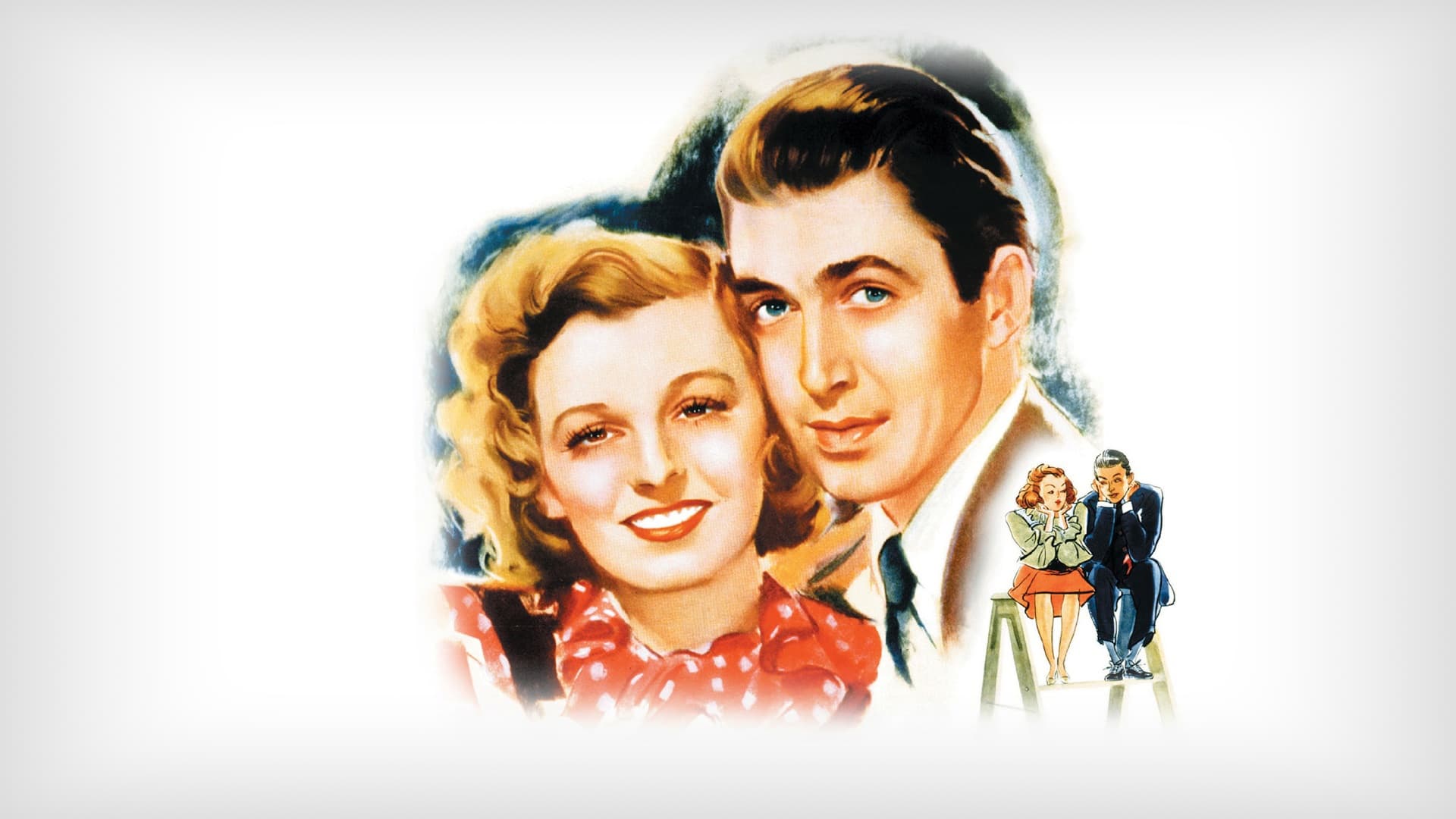
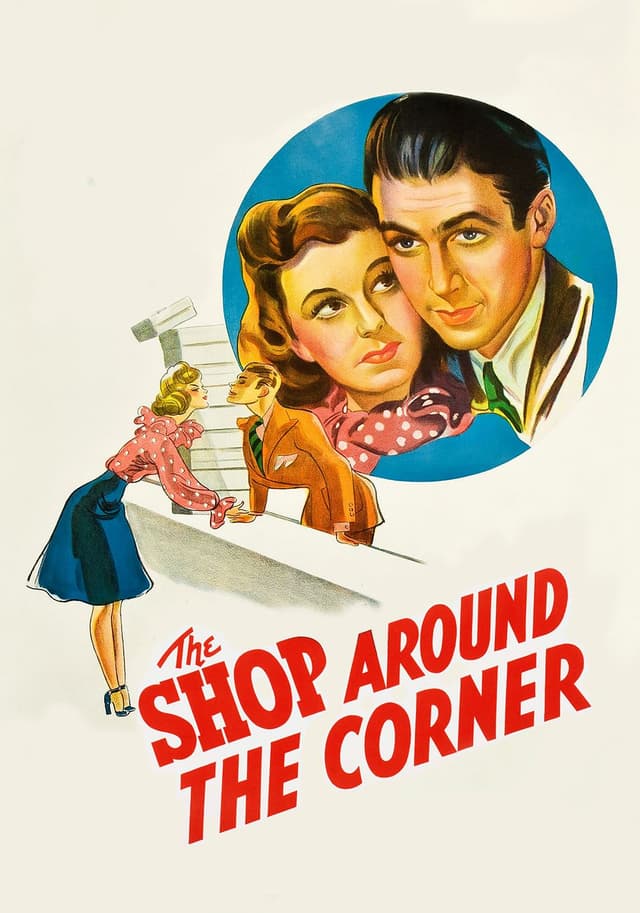
Two employees at a gift shop can barely stand one another, without realising that they are falling in love through the post as each other's anonymous pen pal.
What Is the Budget of The Shop Around the Corner?
The Shop Around the Corner (1940) was produced at MGM with an estimated budget of approximately $500,000. By the standards of a late-1930s studio production, this placed the film comfortably in the mid-range category, neither a prestige picture nor a B-movie quickie. MGM allocated enough resources for polished set design and a strong cast, but the story itself, adapted from Miklos Laszlo's Hungarian play "Parfumerie," required no elaborate location shoots or large-scale spectacles. Director Ernst Lubitsch was known for achieving maximum elegance on reasonable budgets, and MGM trusted him to deliver quality without excess.
The budget reflected MGM's confidence in Lubitsch's ability to craft a commercially appealing comedy from relatively modest materials. With two bankable stars in James Stewart and Margaret Sullavan, the studio expected solid returns without needing to overspend on production values.
Key Budget Allocation Categories
- Above-the-Line Talent accounted for a significant share of the budget, with James Stewart and Margaret Sullavan both commanding rising star salaries at MGM. Lubitsch's directing fee was also a premium line item given his status as one of Hollywood's most respected filmmakers.
- Production Design and Art Direction required the construction of a detailed Budapest gift shop interior on the MGM soundstages. The Matuschek and Company store set needed to feel lived-in and authentic, with shelves of merchandise, display cases, and period-appropriate decor throughout.
- Screenplay and Story Rights included the acquisition of Miklos Laszlo's play "Parfumerie" and the work of screenwriter Samson Raphaelson, a frequent Lubitsch collaborator. Raphaelson's polished dialogue was central to the film's charm and required careful development.
- Supporting Cast featured Frank Morgan, Joseph Schildkraut, Sara Haden, Felix Bressart, and William Tracy. MGM's contract system kept these costs manageable, but Morgan's role as Mr. Matuschek was substantial enough to warrant prominent billing.
- Music and Score was composed by Werner R. Heymann, who created a warm, understated orchestral score that complemented the film's romantic tone without overwhelming the dialogue-driven scenes.
- Cinematography and Lighting was handled by William H. Daniels, a veteran MGM cinematographer. The film's interior-heavy shooting schedule demanded careful lighting to maintain visual interest across the largely single-location story.
How Does The Shop Around the Corner's Budget Compare to Similar Films?
- Ninotchka (1939) had an estimated budget of $1.3 million, more than double The Shop Around the Corner. Both were Lubitsch comedies at MGM, but Ninotchka featured Greta Garbo and required Parisian location styling, driving costs significantly higher.
- The Philadelphia Story (1940) cost approximately $914,000 at MGM. Like The Shop Around the Corner, it relied on sharp writing and star chemistry over spectacle, but Katharine Hepburn, Cary Grant, and Jimmy Stewart together commanded higher combined salaries.
- His Girl Friday (1940) was produced at Columbia for roughly $600,000. Howard Hawks's screwball comedy shared a similar dialogue-driven approach, and its slightly higher budget reflected Columbia's investment in Cary Grant and Rosalind Russell.
- The Mortal Storm (1940) reunited Stewart and Sullavan at MGM with a budget around $700,000. The dramatic subject matter and European village sets required more elaborate production design than the single-shop setting of The Shop Around the Corner.
- You Can't Take It with You (1938) cost Columbia approximately $1.2 million. Frank Capra's ensemble comedy, which also starred Stewart, had a larger scope and cast that pushed costs well beyond Lubitsch's leaner production.
The Shop Around the Corner Box Office Performance
The Shop Around the Corner performed modestly at the domestic box office upon its January 1940 release. Exact grosses from this era are not comprehensively documented, but the film was considered a solid earner for MGM rather than a breakout hit. Industry estimates suggest domestic returns in the range of $800,000 to $1 million, which, against a $500,000 budget, represented a comfortable profit after accounting for distribution and marketing costs.
For a film of this era, breaking even typically required domestic grosses of roughly 2x the production budget to cover prints, advertising, and exhibitor splits. By that measure, The Shop Around the Corner cleared its threshold without difficulty, and international returns added further to its profitability. The film performed particularly well in urban markets where audiences appreciated Lubitsch's sophisticated humor.
The film's true commercial legacy extends far beyond its initial theatrical run. It was remade as the Judy Garland musical In the Good Old Summertime (1949) and again as You've Got Mail (1998) starring Tom Hanks and Meg Ryan, the latter grossing $250 million worldwide. The enduring appeal of Laszlo's premise has generated revenue across multiple decades and formats that dwarfs the original's modest box office figures.
The Shop Around the Corner Production History
Ernst Lubitsch acquired the rights to Miklos Laszlo's 1937 Hungarian play "Parfumerie" after seeing its potential as a vehicle for his particular brand of romantic comedy. Laszlo, a Budapest playwright, had written the story inspired by his own experiences working in a leather goods shop. The play had already been performed across Europe before Lubitsch brought it to MGM.
Lubitsch enlisted Samson Raphaelson to adapt the screenplay, marking one of their most fruitful collaborations. Raphaelson had previously written Trouble in Paradise and The Merry Widow for Lubitsch, and the two shared an instinct for balancing wit with genuine emotion. The adaptation relocated the specifics to a Budapest gift shop while preserving the central conceit of two bickering coworkers who are secretly romantic pen pals.
The casting of James Stewart and Margaret Sullavan was a reunion of sorts. The two had appeared together in Next Time We Love (1936) and The Mortal Storm, which was shooting at MGM around the same time. Their off-screen friendship gave their on-screen chemistry a natural, unforced quality that Lubitsch exploited to full effect. Stewart later said this was his personal favorite among all his films, a remarkable distinction given a career that included Vertigo, Rear Window, and It's a Wonderful Life.
Principal photography took place entirely on MGM's Culver City soundstages during late 1939. The Matuschek and Company gift shop set was the film's centerpiece, designed to feel both cramped and inviting. Lubitsch was known for his efficiency on set, rarely overshooting, and the production wrapped on schedule. The film was released in January 1940, positioned as a prestige comedy for the winter season.
Awards and Recognition
The Shop Around the Corner did not receive any Academy Award nominations upon its initial release in 1940, a year when the Oscars were dominated by Rebecca, The Grapes of Wrath, and The Philadelphia Story. This was not unusual for comedies of the era, which the Academy frequently overlooked in favor of dramas and literary adaptations.
The film's recognition came primarily through critical reappraisal in subsequent decades. It has been included on numerous all-time-great lists, and the American Film Institute has cited it as one of the finest romantic comedies in Hollywood history. In 1999, the Library of Congress selected The Shop Around the Corner for preservation in the United States National Film Registry, recognizing it as "culturally, historically, or aesthetically significant."
Lubitsch's direction has been singled out by generations of filmmakers as a masterclass in tone. Billy Wilder famously kept a sign in his office reading "How would Lubitsch do it?" as a reminder of the standard his mentor set. The film's influence on romantic comedy as a genre, from its mistaken-identity premise to its workplace setting, has been acknowledged by directors including Nora Ephron, who explicitly cited it as the basis for You've Got Mail.
Critical Reception
The Shop Around the Corner holds a perfect 100% score on Rotten Tomatoes with over 40 reviews contributing to its Certified Fresh designation. Critics have consistently praised the film for its warmth, wit, and the effortless chemistry between Stewart and Sullavan. The consensus recognizes it as one of the purest expressions of what became known as "the Lubitsch touch," a phrase describing the director's ability to convey meaning through subtle visual and verbal wit rather than broad comedy.
Contemporary reviews at the time of release were enthusiastic. The New York Times praised the film's "beguiling charm" and singled out both leads for their performances. Variety noted Lubitsch's skill in drawing genuine emotion from what could have been a slight premise. Critics appreciated that the film treated its characters with respect, allowing the comedy to emerge from recognizable human behavior rather than manufactured situations.
The film's critical reputation has only grown over time. Critic Andrew Sarris called it "the most perfectly realized of Lubitsch's films," and Pauline Kael described it as a rare comedy that "makes you feel good without making you feel cheap." James Stewart's declaration that it was his favorite of his own films has become one of the most frequently cited pieces of Hollywood trivia, lending the film an additional layer of reverence among cinephiles and casual viewers alike.
Frequently Asked Questions
How much did it cost to make The Shop Around the Corner (1940)?
The production budget was $500,000, covering principal photography, cast and crew salaries, locations, sets, post-production, and music. Marketing and distribution (P&A) costs are estimated at an additional $250,000 - $400,000, bringing the total studio investment to approximately $750,000 - $900,000.
How much did The Shop Around the Corner (1940) earn at the box office?
Box office figures are not publicly available.
Was The Shop Around the Corner (1940) profitable?
Insufficient data for a profitability assessment.
What were the biggest costs in producing The Shop Around the Corner?
The primary cost drivers were above-the-line talent (Margaret Sullavan, James Stewart, Frank Morgan); star comedian salaries, location filming, and aggressive marketing campaigns.
How does The Shop Around the Corner's budget compare to similar comedy films?
At $500,000, The Shop Around the Corner is classified as a ultra-low-budget production. The median budget for wide-release comedy films in the era ranges from $30 - 80M for mid-budget to $150M+ for tentpoles. Comparable budgets: The Red Shoes (1948, $500,000); undertone (2026, $500,000); Winnie-the-Pooh: Blood and Honey 2 (2024, $500,000).
Did The Shop Around the Corner (1940) go over budget?
There are no widely reported accounts of significant budget overruns for this production. However, studios rarely disclose precise budget overrun figures publicly. The reported production budget reflects the final estimated cost.
What awards did The Shop Around the Corner (1940) win?
7 wins total.
Who directed The Shop Around the Corner and who were the key crew members?
Directed by Ernst Lubitsch, written by Samson Raphaelson, shot by William H. Daniels, with music by Werner R. Heymann, edited by Gene Ruggiero.
Where was The Shop Around the Corner filmed?
The Shop Around the Corner was filmed in United States of America.
Filmmakers
The Shop Around the Corner

Official Trailer
Build budgets like this one in Saturation
Start from an industry-standard feature film template, import the schedule and rates you already have, and let the cost report keep itself current as you spend. Real-time collaboration, no spreadsheets.