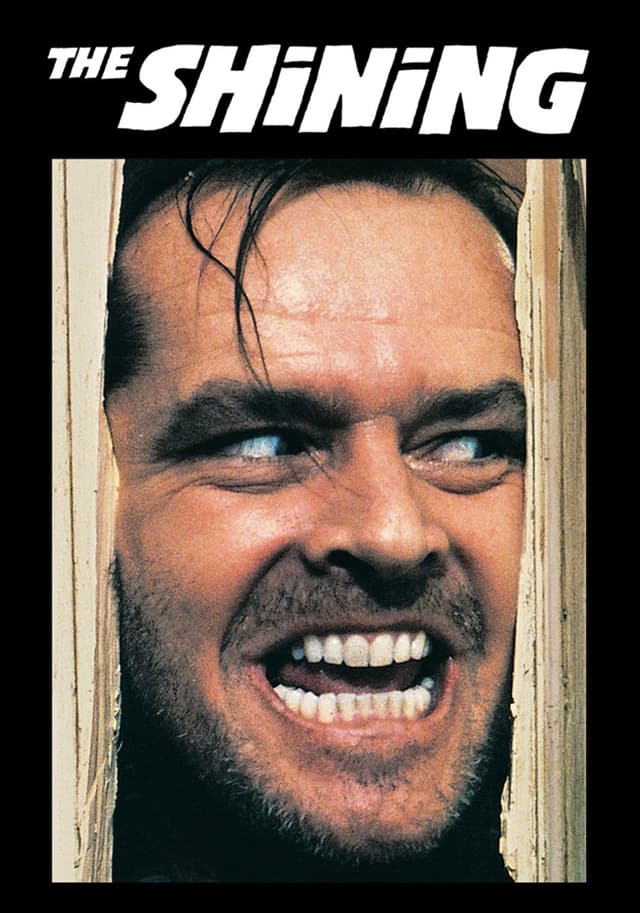
The Shining
 HorrorThriller2h 24m
Synopsis
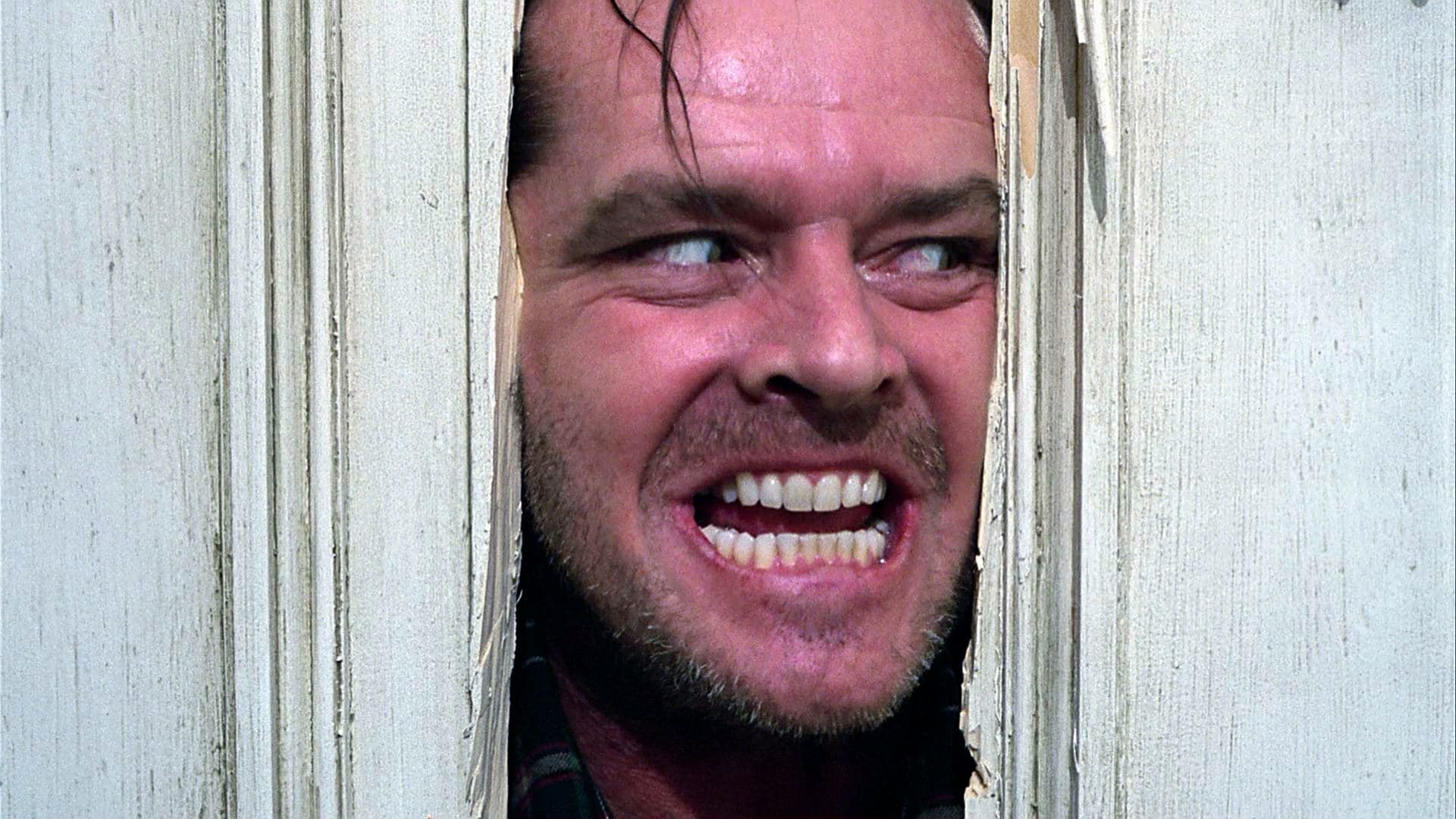
Haunted by a persistent writer's block, the aspiring author and recovering alcoholic, Jack Torrance, drags his wife, Wendy, and his gifted son, Danny, up snow-capped Colorado's secluded Overlook Hotel after taking up a job as an off-season caretaker. As the cavernous hotel shuts down for the season, the manager gives Jack a grand tour, and the facility's chef, the ageing Mr Hallorann, has a fascinating chat with Danny about a rare psychic gift called "The Shining", making sure to warn him about the hotel's abandoned rooms, and, in particular, the off-limits Room 237. However, instead of overcoming the dismal creative rut, little by little, Jack starts losing his mind, trapped in an unforgiving environment of seemingly endless snowstorms, and a gargantuan silent prison riddled with strange occurrences and eerie visions. Now, the incessant voices inside Jack's head demand sacrifice. Is Jack capable of murder?
What is the budget of The Shining?
"The Shining," a horror released in 1980, was directed by Stanley Kubrick and stars Jack Nicholson, Shelley Duvall. The production budget was $19,000,000, placing it in the low-budget range for horror productions of the 1980s.
Key Budget Allocation Categories
While specific budget breakdowns are not publicly available, typical cost drivers for a horror production like this include:
- Practical Effects, Prosthetics & Makeup: Horror productions invest disproportionately in practical effects , prosthetic applications, animatronics, blood and gore effects, and creature suits. A single hero creature suit can cost $50,000 to 200,000.
- Atmospheric Production Design & Cinematography: Creating dread through environment is essential. Abandoned locations must be secured and dressed, lighting rigs designed for shadow and tension, and sets built to enable specific camera movements and reveals.
- Sound Design & Score: Horror is arguably the most sound-dependent genre. Foley work, ambient textures, frequency manipulation, and jump-scare stingers require specialized sound designers working with unconventional techniques.
- Development: Before making The Shining, Stanley Kubrick directed the film Barry Lyndon (1975), a highly visual period film about an Irishman who attempts to make his way into the European aristocracy.
What were the major cost factors in The Shining?
Several factors contributed to the overall production costs of "The Shining."
- Practical Effects: Practical Effects, Prosthetics & Makeup is one of the primary cost drivers in horror productions of this scale.
- Atmospheric Production Design: Atmospheric Production Design & Cinematography is one of the primary cost drivers in horror productions of this scale.
- Sound Design: Sound Design & Score is one of the primary cost drivers in horror productions of this scale.
How Does The Shining's Budget Compare to Similar Films?
At $19,000,000, The Shining sits in the low-budget range. Here is how it compares to productions with a similar budget:
- A Cinderella Story (2004): Budget $19,000,000, Worldwide Gross $70,067,909
- A Very Harold & Kumar Christmas (2011): Budget $19,000,000, Worldwide Gross $36,192,775
- Action Point (2018): Budget $19,000,000, Worldwide Gross $5,059,608
- Arthur the King (2024): Budget $19,000,000, Worldwide Gross $40,829,138
- Back to the Future (1985): Budget $19,000,000, Worldwide Gross $381,109,762
The median budget for wide-release horror films in the era ranges from $30 to 80M for mid-budget to $150M+ for tentpoles.
The Shining Box Office Performance
"The Shining" earned $45,634,352 domestically and $44,781,695 worldwide at the box office. Against a production budget of $19,000,000, the film showed modest profitability in theatrical release.
A film typically needs to earn approximately twice its production budget to cover marketing and distribution costs. For "The Shining," that break-even threshold was roughly $38,000,000. With worldwide earnings of $44,781,695, the film cleared that threshold comfortably.
- Production Budget: $19,000,000
- Worldwide Gross: $44,781,695
- Net Return: $25,781,695
- ROI: approximately 135.7%
At 135.7%, "The Shining" earned roughly $2.36 for every $1 invested in production.
The Shining Production History
Before making The Shining, Stanley Kubrick directed the film Barry Lyndon (1975), a highly visual period film about an Irishman who attempts to make his way into the European aristocracy. Despite its technical achievements, the film was not a box-office success in the United States of America and was derided by critics for being too long and too slow. Disappointed with Barry Lyndons lack of success, Kubrick realized he needed to make a film that would be commercially viable as well as artistically fulfilling.
In 1977, a Warner Bros. executive, John Calley, sent Kubrick the proofs of what would become the novel. Its author, Stephen King, was already at that time a best-selling author who, after the blockbuster of Carrie, could boast of successes in adaptations for the big screen.
Jack Nicholson was Kubrick's first choice for the role of Jack Torrance; other actors considered included Robert De Niro (who said the film gave him nightmares for a month), Robin Williams and Harrison Ford, all of whom met with King's disapproval. Kris Kristofferson was Kubrick's backup choice if Nicholson had declined. King, for his part, disavowed Nicholson because he thought that, because of his part in One Flew Over the Cuckoo's Nest, the viewer would tend to consider him an unstable individual from the beginning.
Awards and Recognition
6 wins & 9 nominations total
Official Trailer





























Budget Templates
Build your own production budget
Create professional budgets with industry-standard feature film templates. Real-time collaboration, no spreadsheets.
Start Budgeting Free