The Red Shoes Budget
Updated
Synopsis
A fledgling ballerina falls in love with a brilliant composer, but the jealous head of the ballet company plots to drive them apart.
What is the budget of The Red Shoes?
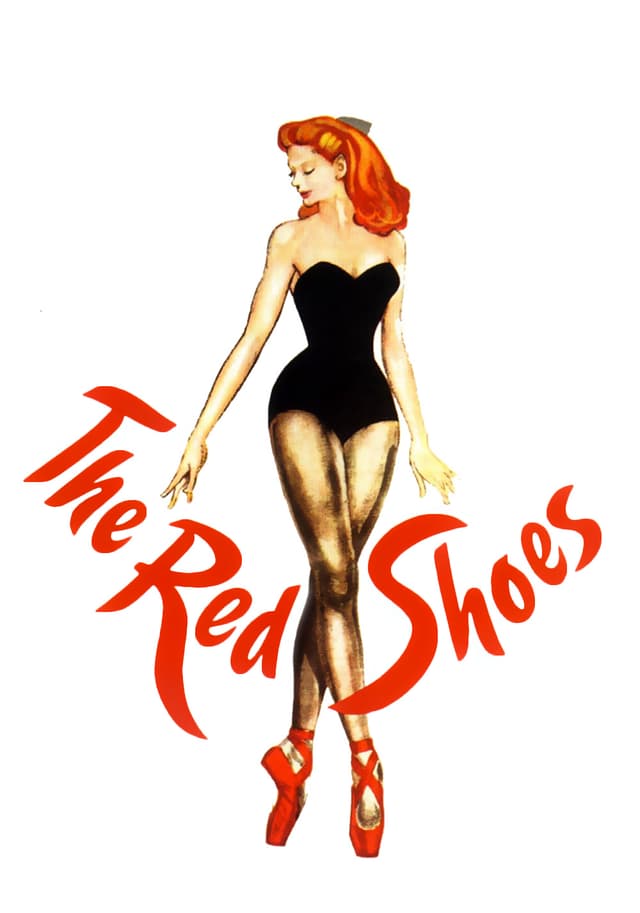
"The Red Shoes," a drama released in 1948, was directed by Michael Powell, Emeric Pressburger and stars Anton Walbrook, Marius Goring. The production budget was $500,000, placing it in the micro-budget range for drama productions of the 1940s.
Key Budget Allocation Categories
While specific budget breakdowns are not publicly available, typical cost drivers for a drama production like this include:
- Above-the-Line Talent: Drama films live or die on the strength of their performances.
- Location Filming & Period Production Design: Authentic locations , whether contemporary or historical , require scouting, permits, travel, lodging, and often significant dressing to match the story's time period.
- Post-Production, Color Grading & Score: The editorial process for dramas is typically longer than genre films, with careful attention to pacing and tone.
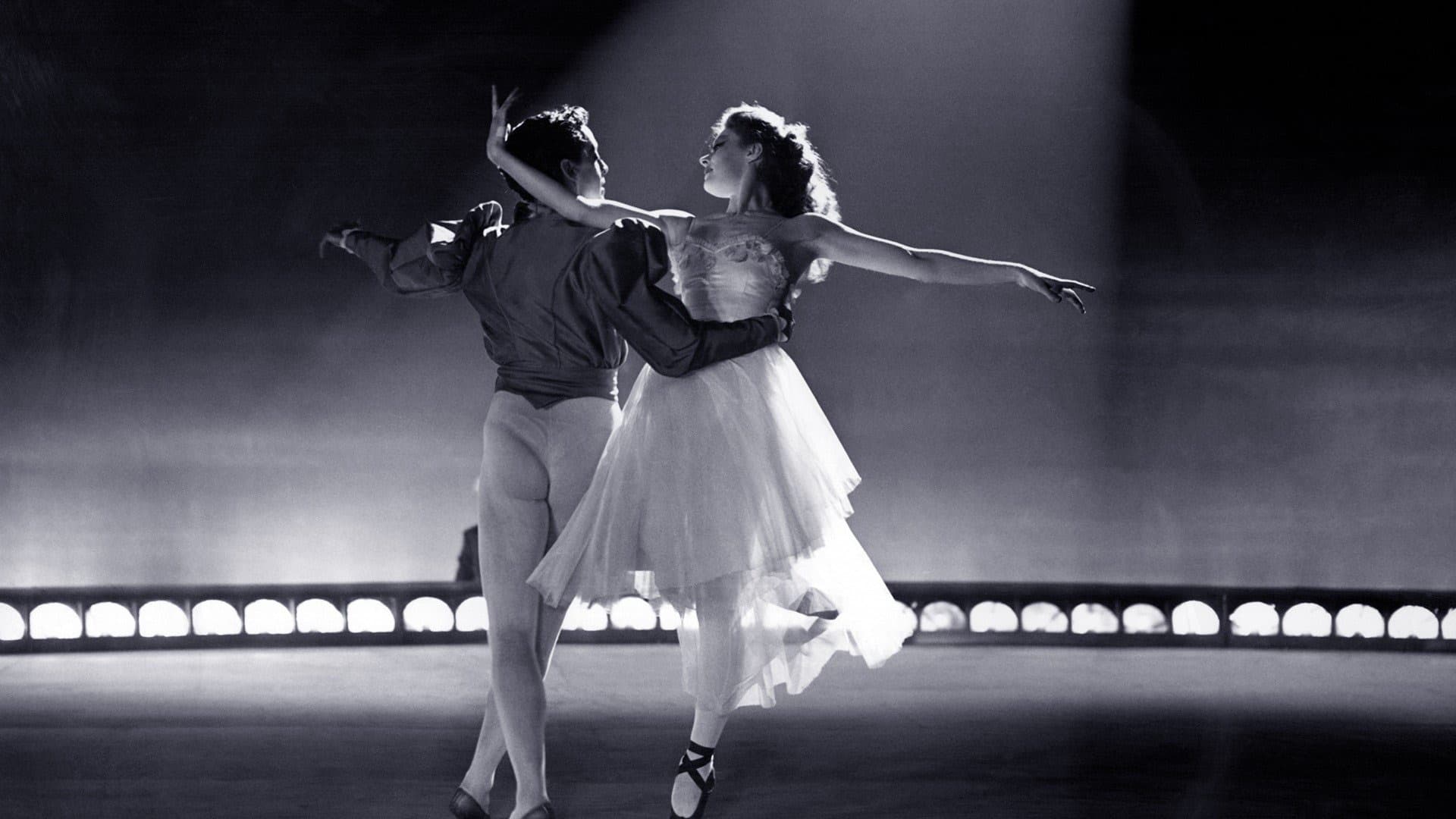
- Casting: Powell and Pressburger decided early on that they had to use dancers who could act rather than actors who could dance.
What were the major cost factors in The Red Shoes?
Several factors contributed to the overall production costs of "The Red Shoes."
- Above-the-Line Talent: Above-the-Line Talent is one of the primary cost drivers in drama productions of this scale.
- Location Filming: Location Filming & Period Production Design is one of the primary cost drivers in drama productions of this scale.
- Post-Production: Post-Production, Color Grading & Score is one of the primary cost drivers in drama productions of this scale.
How Does The Red Shoes's Budget Compare to Similar Films?
At $500,000, The Red Shoes sits in the micro-budget range. Here is how it compares to productions with a similar budget:
- The Shop Around the Corner (1940): Budget $500,000
- undertone (2026): Budget $500,000, Worldwide Gross $19,535,928
- Winnie-the-Pooh: Blood and Honey 2 (2024): Budget $500,000 , Gross $7,582,541
- Leatherface (2017): Budget $500,000, Worldwide Gross $1,476,843
- The Beguiled (1971): Budget $475,000, Worldwide Gross $1,100,000
The median budget for wide-release drama films in the era ranges from $30 to 80M for mid-budget to $150M+ for tentpoles.
The Red Shoes Box Office Performance
"The Red Shoes" earned $10,000,000 worldwide at the box office. Against a production budget of $500,000, the film performed strongly at the box office.
A film typically needs to earn approximately twice its production budget to cover marketing and distribution costs. For "The Red Shoes," that break-even threshold was roughly $1,000,000. With worldwide earnings of $10,000,000, the film cleared that threshold comfortably.
Box Office Breakdown
The Red Shoes

At 1900%, "The Red Shoes" earned roughly $20 for every $1 invested in production.
The Red Shoes Production History
Powell and Pressburger decided early on that they had to use dancers who could act rather than actors who could dance. To create a realistic feeling of a ballet company at work, and to be able to include a fifteen-minute ballet as the high point of the film, they created their own ballet company using many dancers from The Royal Ballet. In casting the lead role of Victoria Page, Powell and Pressburger sought an experienced dancer who could also act.
Filming of The Red Shoes took place primarily in Paris, with principal photography beginning in June 1947. Jack Cardiff, who had shot Powell and Pressburger's Black Narcissus, served as cinematographer. The shooting schedule ran for approximately fifteen weeks, on a budget of .
Awards and Recognition
Won 2 Oscars. 5 wins & 5 nominations total
- Academy Award for Best Art Direction, Color: Hein Heckroth (21st Academy Awards)
- Academy Award for Best Art Direction, Color: Arthur Lawson (21st Academy Awards)
- Academy Award for Best Original Dramatic or Comedy Score: Brian Easdale (21st Academy Awards)
- National Board of Review: Top Ten Films
Critical Reception
Film scholar Mark Connelly notes that interpreting the contemporaneous critical response to The Red Shoes is a "complicated task, as there are no simple divisions between those who liked the film and those who did not." Connelly concludes that the reaction was notably "complex and mixed." Adrienne McLean similarly states that the film received "only mixed" reviews from both cinema and ballet critics.
Frequently Asked Questions
How much did it cost to make The Red Shoes (1948)?
The production budget was $500,000, covering principal photography, cast and crew salaries, locations, sets, post-production, and music. Marketing and distribution (P&A) costs are estimated at an additional $250,000 - $400,000, bringing the total studio investment to approximately $750,000 - $900,000.
How much did The Red Shoes (1948) earn at the box office?
The Red Shoes grossed $10,000,000 worldwide.
Was The Red Shoes (1948) profitable?
Yes. Against a production budget of $500,000 and estimated total costs of ~$1,250,000, the film earned $10,000,000 theatrically - a 1900% ROI on production costs alone.
What were the biggest costs in producing The Red Shoes?
The primary cost drivers were above-the-line talent (Anton Walbrook, Marius Goring, Moira Shearer); talent compensation, authentic period production design, and meticulous post-production.
How does The Red Shoes's budget compare to similar drama films?
At $500,000, The Red Shoes is classified as a ultra-low-budget production. The median budget for wide-release drama films in the era ranges from $30 - 80M for mid-budget to $150M+ for tentpoles. Comparable budgets: The Shop Around the Corner (1940, $500,000); undertone (2026, $500,000); Winnie-the-Pooh: Blood and Honey 2 (2024, $500,000).
Did The Red Shoes (1948) go over budget?
Based on available production reports, there were indications of budget pressures during production. Detailed figures on budget overruns are not typically disclosed publicly.
What was the return on investment (ROI) for The Red Shoes?
The theatrical ROI was 1900.0%, calculated as ($10,000,000 − $500,000) ÷ $500,000 × 100. This measures gross revenue against production budget only - it does not account for P&A or exhibitor shares.
What awards did The Red Shoes (1948) win?
Won 2 Oscars. 5 wins & 5 nominations total.
Who directed The Red Shoes and who were the key crew members?
Directed by Michael Powell, Emeric Pressburger, written by Michael Powell, Emeric Pressburger, shot by Jack Cardiff, with music by Brian Easdale, edited by Reginald Mills.
Where was The Red Shoes filmed?
The Red Shoes was filmed in United Kingdom. Filming of The Red Shoes took place primarily in Paris, with principal photography beginning in June 1947. Jack Cardiff, who had shot Powell and Pressburger's Black Narcissus, served as cinematographer.
Filmmakers
The Red Shoes

Official Trailer
Build budgets like this one in Saturation
Start from an industry-standard feature film template, import the schedule and rates you already have, and let the cost report keep itself current as you spend. Real-time collaboration, no spreadsheets.