The Passion of the Christ Budget
 Drama2h 7m
Updated
Synopsis
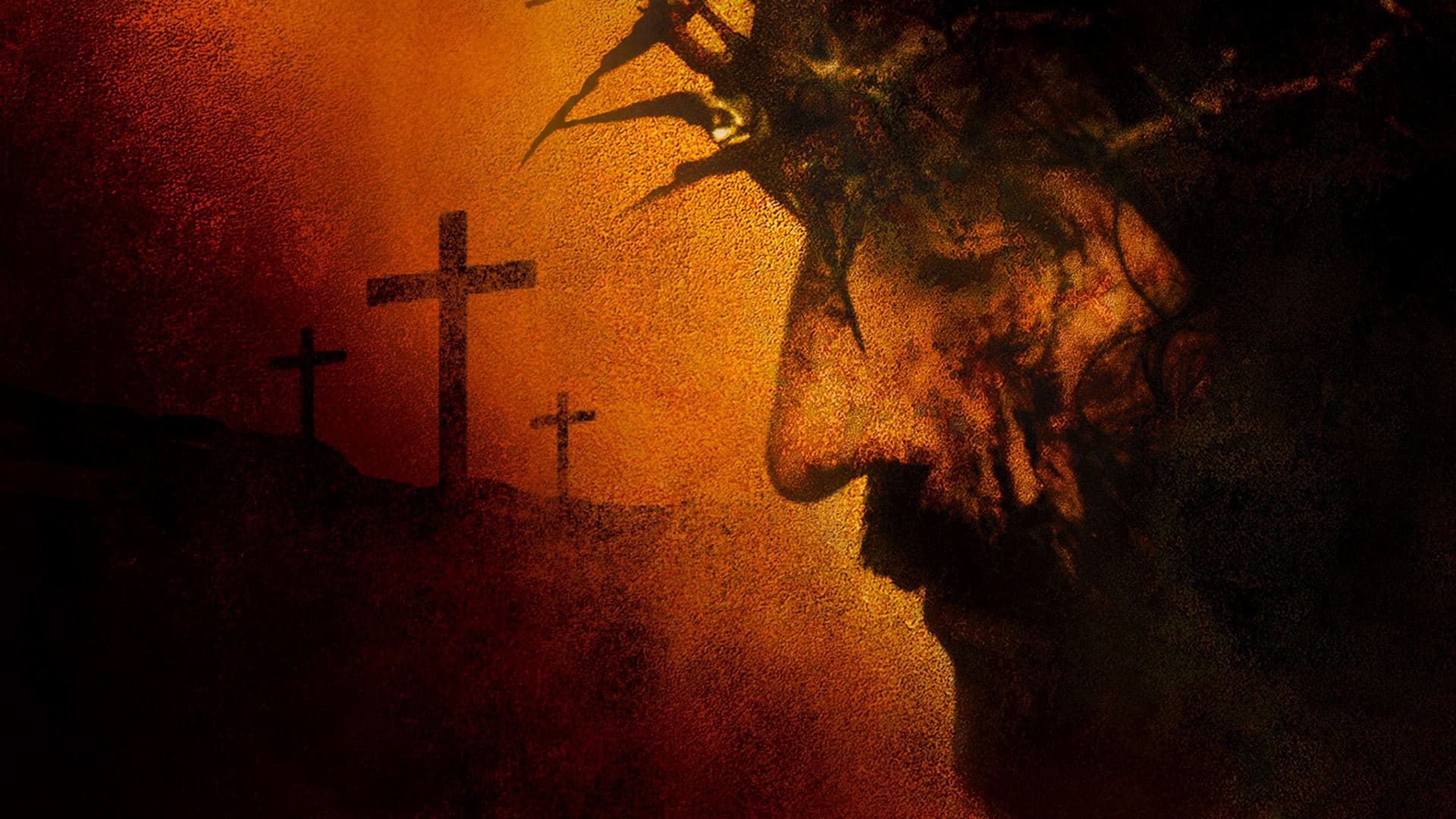
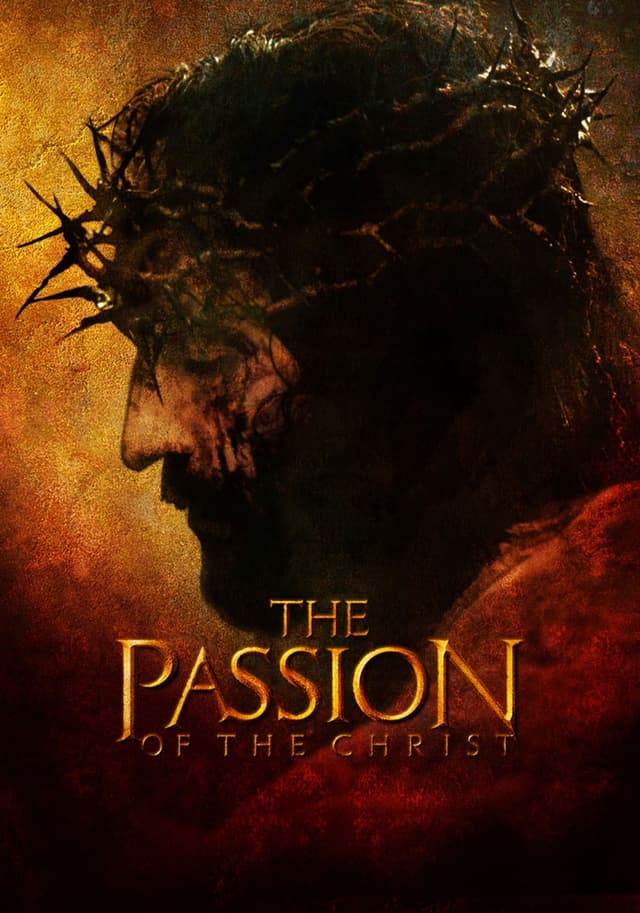
A graphic portrayal of the last twelve hours of Jesus of Nazareth's life.
What Is the Budget of The Passion of the Christ?
The Passion of the Christ was produced for $30 million, every dollar of which came directly from Mel Gibson's personal finances. After every major Hollywood studio declined to distribute or finance the project, Gibson used his own production company, Icon Productions, to fund the entire film independently. The $30 million covered principal photography in Matera, Italy, and at Cinecitta Studios in Rome, along with elaborate practical effects, prosthetic makeup, and a complex post-production pipeline that included extensive visual effects work and a score composed by John Debney with the London Symphony Orchestra.
Gibson also personally funded the estimated $30 million print and advertising campaign required for the film's wide theatrical release, bringing his total personal investment to roughly $60 million. Newmarket Films handled North American distribution after every major studio passed. The decision to shoot entirely in Aramaic, Latin, and Hebrew with subtitles was considered commercially suicidal by industry standards, making the film's eventual $612 million worldwide gross one of the most extraordinary returns on investment in cinema history.
Key Budget Allocation Categories
- Production Design and Location Work in Southern Italy: Filming took place in Matera, a city in Basilicata whose ancient cave dwellings and stone architecture provided an authentic stand-in for first-century Jerusalem. Production designer Francesco Frigeri transformed sections of the city into biblical-era streets, the Garden of Gethsemane, and Pontius Pilate's praetorium. Additional sets were constructed at Cinecitta Studios in Rome, including the interior of the Temple and the path of the Via Dolorosa. The location and set construction budget was substantial given the need for historical accuracy across dozens of period environments.
- Prosthetic Makeup, Practical Effects, and the Crucifixion Sequences: The film's graphic depiction of the scourging and crucifixion required months of prosthetic design and application. Makeup artists Keith VanderLaan and Greg Cannom created layered silicone prosthetics that could be progressively applied to Jim Caviezel's body to simulate escalating physical trauma across multiple shooting days. The crucifixion sequence alone took weeks to film, with Caviezel enduring hours of daily prosthetic application. Real whips with soft tips were used for some scourging shots, with CGI enhancement added in post-production for the most graphic moments.
- Cinematography and Camera Equipment: Caleb Deschanel, a four-time Oscar nominee, served as director of photography. Deschanel shot the film using a desaturated palette with heavy use of natural and firelight sources to create a painterly visual style inspired by Caravaggio. The night sequences in the Garden of Gethsemane and the torchlit arrest required extensive lighting rigs designed to appear naturalistic. Deschanel's approach demanded high-end camera systems and specialized lenses to capture detail in extremely low-light conditions.
- Music Score and Sound Design: John Debney composed an orchestral and choral score performed by the London Symphony Orchestra, with additional vocal performances recorded in multiple sessions. The score blended Middle Eastern instrumentation with Western orchestral traditions, requiring specialized session musicians and ethnic instrument soloists. Sound design was equally demanding: all dialogue was recorded in Aramaic, Latin, and Hebrew, requiring dialect coaches and language consultants on set throughout production to ensure linguistic accuracy.
- Visual Effects and Post-Production: While primarily a practical-effects film, The Passion of the Christ used CGI to enhance several sequences, including the earthquake at the moment of Christ's death, Satan's appearances, and the tearing of the Temple veil. Visual effects house CIS Hollywood handled the digital work. Post-production also included the creation of English, Spanish, and other language subtitle tracks, color grading to achieve the film's distinctive muted look, and a sound mix designed for theatrical presentation.
How Does The Passion of the Christ's Budget Compare to Similar Films?
- The Last Temptation of Christ (1988): Budget $7M | Worldwide $8.4M. Martin Scorsese's earlier Jesus film was made for less than a quarter of Gibson's budget and faced similar controversy, though it generated far less box office revenue. The Last Temptation used a more stylized, low-budget approach filmed in Morocco.
- Risen (2016): Budget $20M | Worldwide $46M. This post-crucifixion thriller told from a Roman soldier's perspective was made for $10 million less than Gibson's film and earned a fraction of its worldwide gross, illustrating the unique commercial power of The Passion's direct approach to the crucifixion narrative.
- Ben-Hur (2016): Budget $100M | Worldwide $94M. The Ben-Hur remake cost more than three times Gibson's budget and failed to recoup its investment, proving that biblical spectacle at blockbuster scale carries enormous financial risk. Gibson's lower budget and singular focus on the Passion narrative proved far more commercially effective.
- Son of God (2014): Budget $22M | Worldwide $67.8M. This theatrical edit of the History Channel's "The Bible" miniseries was produced for a similar budget to Gibson's film but earned roughly one-ninth the worldwide gross, underscoring how The Passion's unflinching approach and cultural controversy drove extraordinary audience demand.
- Hacksaw Ridge (2016): Budget $40M | Worldwide $175.3M. Gibson's later directorial effort about a pacifist soldier in World War II cost $10 million more and earned strong returns, though still far less than The Passion. Both films share Gibson's signature graphic depiction of physical suffering in service of a faith-driven narrative.
The Passion of the Christ Box Office Performance
The Passion of the Christ opened on February 25, 2004, on Ash Wednesday, earning $83.8 million in its first five days from 4,643 screens across North America. The opening was the highest ever for an R-rated film at that time and remains one of the largest openings for a non-franchise, non-sequel release. The film held the number one spot for three consecutive weekends and maintained strong legs through the Easter season.
Domestic gross reached $370,782,930, making it the highest-grossing R-rated film in North American history at the time (a record it held until Deadpool surpassed it in 2016). Worldwide gross totaled $612,054,506 across all territories. The film performed exceptionally well in Latin America, the Philippines, South Korea, and across predominantly Christian markets worldwide.
With a production budget of $30 million and an estimated $30 million in self-funded marketing, Gibson's total investment was approximately $60 million. Using the industry standard break-even multiplier of 2x production budget (to account for P&A and distribution fees), the film needed roughly $60 million at the worldwide box office to break even. It exceeded that threshold by a factor of ten. The return on investment calculation: ($612,054,506 minus $30,000,000) divided by $30,000,000 times 100 equals a 1,940% ROI on production cost alone. Even accounting for the full $60 million personal outlay, the ROI exceeds 920%. Gibson reportedly earned over $400 million in personal profit from the film, making it one of the most lucrative individual investments in entertainment history.
Box Office Breakdown
The Passion of the Christ

The Passion of the Christ Production History
Mel Gibson first conceived the project in the late 1990s, driven by his traditionalist Catholic faith and a desire to depict the final twelve hours of Jesus Christ's life with historical and physical realism that no previous film had attempted. He commissioned a screenplay from Benedict Fitzgerald, a screenwriter known for literary adaptations, and co-wrote the script himself. The decision to use Aramaic, Latin, and Hebrew as the film's spoken languages was made early and was non-negotiable for Gibson, who believed modern English dialogue would undermine the film's authenticity.
Gibson approached every major Hollywood studio for financing and distribution. All of them declined. Executives cited the R-rated violence, the absence of English dialogue, the narrow focus on the Passion narrative (rather than a full life-of-Christ story), and the inherent controversy of any dramatization of the crucifixion. Several studios reportedly expressed concern about accusations of antisemitism, given that the Gospel accounts depict Jewish religious authorities as instrumental in Jesus's condemnation. Gibson ultimately decided to finance the entire production himself through Icon Productions.
Principal photography began in November 2002 in Matera, Italy, and at Cinecitta Studios in Rome. Jim Caviezel was cast as Jesus, a choice Gibson made partly because Caviezel was 33 years old at the time of filming, the traditional age of Christ at the crucifixion. Monica Bellucci played Mary Magdalene, and Romanian actress Maia Morgenstern was cast as the Virgin Mary. The shoot was physically grueling: Caviezel was struck by lightning on set, suffered a separated shoulder during the crucifixion scenes, and endured hypothermia from extended outdoor night shoots in winter.
The controversy began well before the film's release. In the summer of 2003, a group of Catholic and Jewish scholars obtained a draft of the screenplay and published a report alleging that the film would promote antisemitism by dramatizing the blood libel and depicting Jewish crowds demanding Jesus's execution. The Anti-Defamation League and other Jewish organizations called for changes to the script. Gibson made some edits, including removing the subtitle for the line "His blood be on us and on our children," but largely resisted pressure to alter his vision. The debate generated massive media coverage that effectively served as free publicity for the film.
Unable to secure a major distributor, Gibson partnered with Newmarket Films, the independent company that had previously distributed Memento and Whale Rider. Gibson personally funded the $30 million marketing campaign, which targeted evangelical Christian churches, Catholic parishes, and faith-based organizations directly, bypassing traditional Hollywood marketing channels. Church groups organized bulk ticket purchases and chartered buses to theaters. The grassroots campaign proved extraordinarily effective, turning the film into a cultural event that transcended conventional moviegoing.
Awards and Recognition
The Passion of the Christ received three Academy Award nominations at the 77th Oscars: Best Cinematography for Caleb Deschanel, Best Original Score for John Debney, and Best Makeup for Keith VanderLaan and Christien Tinsley. It did not win in any category, losing Cinematography to The Aviator, Score to Finding Neverland, and Makeup to Lemony Snicket's A Series of Unfortunate Events.
The film won numerous faith-based and audience awards, including the People's Choice Award for Favorite Motion Picture Drama. It was largely shut out of critics' awards and the Golden Globes, reflecting the deep polarization the film provoked within the entertainment industry. The American Film Institute did not include it in any of its retrospective lists. Despite the awards-season cold shoulder, the film's commercial performance and cultural impact were undeniable, and it remains the highest-grossing independent film and the highest-grossing religious film ever made.
Critical Reception
Critical response to The Passion of the Christ was sharply divided along lines that often reflected the reviewer's relationship to the film's subject matter. Roger Ebert gave it four out of four stars, calling it "the most violent film I have ever seen" while praising its artistic commitment and emotional power. A.O. Scott of The New York Times described it as "a Jesus Chainsaw Massacre" and questioned whether the extreme violence served any purpose beyond provocation. The film holds a 49% score on Rotten Tomatoes from 312 reviews, with an average rating of 5.6 out of 10.
Supporters, particularly within the Christian community, praised the film for its unflinching depiction of Christ's suffering and its emotional authenticity. Many pastors and church leaders called it the most powerful evangelistic tool since the Gospel itself. Critics, however, argued that the relentless focus on physical torture came at the expense of Jesus's teachings, ministry, and message of love, reducing the story to a prolonged spectacle of suffering. The antisemitism debate continued well after release, with scholars and commentators disagreeing about whether the film's portrayal of Caiaphas and the Sanhedrin crossed the line from biblical narrative into harmful stereotype.
The film's legacy extends beyond its critical reception. It proved that a deeply personal, uncompromising religious vision could achieve massive commercial success without studio backing, English-language dialogue, or critical consensus. It pioneered the faith-based marketing strategy that studios would later adopt for films like Fireproof, God's Not Dead, and War Room. Whether viewed as a masterpiece of devotional cinema or an exercise in gratuitous violence, The Passion of the Christ permanently altered the economics of religious filmmaking and demonstrated that audiences worldwide would show up in unprecedented numbers for a film that took their faith seriously.
Frequently Asked Questions
How much did it cost to make The Passion of the Christ (2004)?
The production budget was $30,000,000, covering principal photography, cast and crew salaries, locations, sets, post-production, and music. Marketing and distribution (P&A) costs are estimated at an additional $15,000,000 - $24,000,000, bringing the total studio investment to approximately $45,000,000 - $54,000,000.
How much did The Passion of the Christ (2004) earn at the box office?
The Passion of the Christ grossed $370,782,930 domestic, $239,280,538 international, totaling $610,063,468 worldwide.
Was The Passion of the Christ (2004) profitable?
Yes. Against a production budget of $30,000,000 and estimated total costs of ~$75,000,000, the film earned $610,063,468 theatrically - a 1934% ROI on production costs alone.
What were the biggest costs in producing The Passion of the Christ?
The primary cost drivers were above-the-line talent (Jim Caviezel, Maia Morgenstern, Christo Jivkov); talent compensation, authentic period production design, and meticulous post-production.
How does The Passion of the Christ's budget compare to similar drama films?
At $30,000,000, The Passion of the Christ is classified as a low-budget production. The median budget for wide-release drama films in the 2000s ranges from $30 - 80M for mid-budget to $150M+ for tentpoles. Comparable budgets: A Hologram for the King (2016, $30,000,000); A Lot Like Love (2005, $30,000,000); Big Momma's House (2000, $30,000,000).
Did The Passion of the Christ (2004) go over budget?
There are no widely reported accounts of significant budget overruns for this production. However, studios rarely disclose precise budget overrun figures publicly. The reported production budget reflects the final estimated cost.
What was the return on investment (ROI) for The Passion of the Christ?
The theatrical ROI was 1933.5%, calculated as ($610,063,468 − $30,000,000) ÷ $30,000,000 × 100. This measures gross revenue against production budget only - it does not account for P&A or exhibitor shares.
What awards did The Passion of the Christ (2004) win?
Nominated for 3 Oscars. 30 wins & 24 nominations total.
Who directed The Passion of the Christ and who were the key crew members?
Directed by Mel Gibson, written by Mel Gibson, Benedict Fitzgerald, shot by Caleb Deschanel, with music by John Debney, Gingger Shankar, edited by Steve Mirkovich, John Wright.
Where was The Passion of the Christ filmed?
The Passion of the Christ was filmed in United States of America.
Filmmakers
The Passion of the Christ

Official Trailer
Build budgets like this one in Saturation
Start from an industry-standard feature film template, import the schedule and rates you already have, and let the cost report keep itself current as you spend. Real-time collaboration, no spreadsheets.