The Man Who Sleeps Budget
Updated
Synopsis
A young student decides to have no more interaction with the world than is needed to minimally sustain life. His increasingly automaton-like behavior is coupled with a strange clarity of insight about the world around him.
What is known about the production of The Man Who Sleeps?
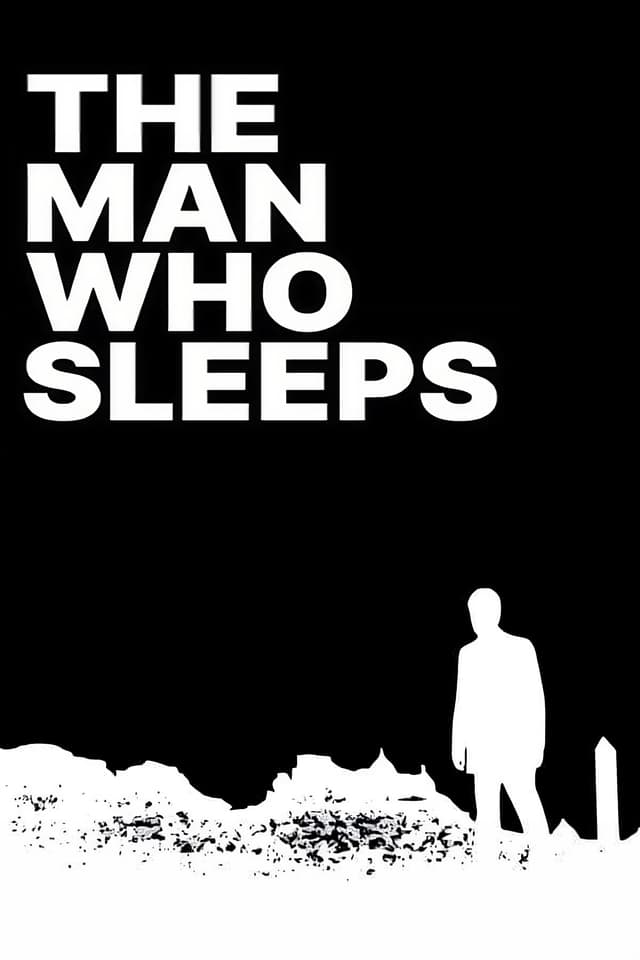
"The Man Who Sleeps," a drama released in 1974, was directed by Bernard Queysanne and stars Jacques Spiesser, Ludmila Mikaël. The production budget has not been publicly disclosed, though Dovidis, SATPEC produced the film, making it a notable entry in the drama landscape whose financial details remain private.
Key Budget Allocation Categories
While specific budget breakdowns are not publicly available, typical cost drivers for a drama production like this include:
- Pre-Production: Queysanne pitched the film as, "three different works, image, text, sound, which form a story, a story which creates emotion," while Perec pitched it as "a feature film where there is only one character, no story, no events, no dialogue, but only a text read by voice-over." Additionally, the pair was able to get funds from SATPEC, a production company based in Queysanne's home country of Tunisia.
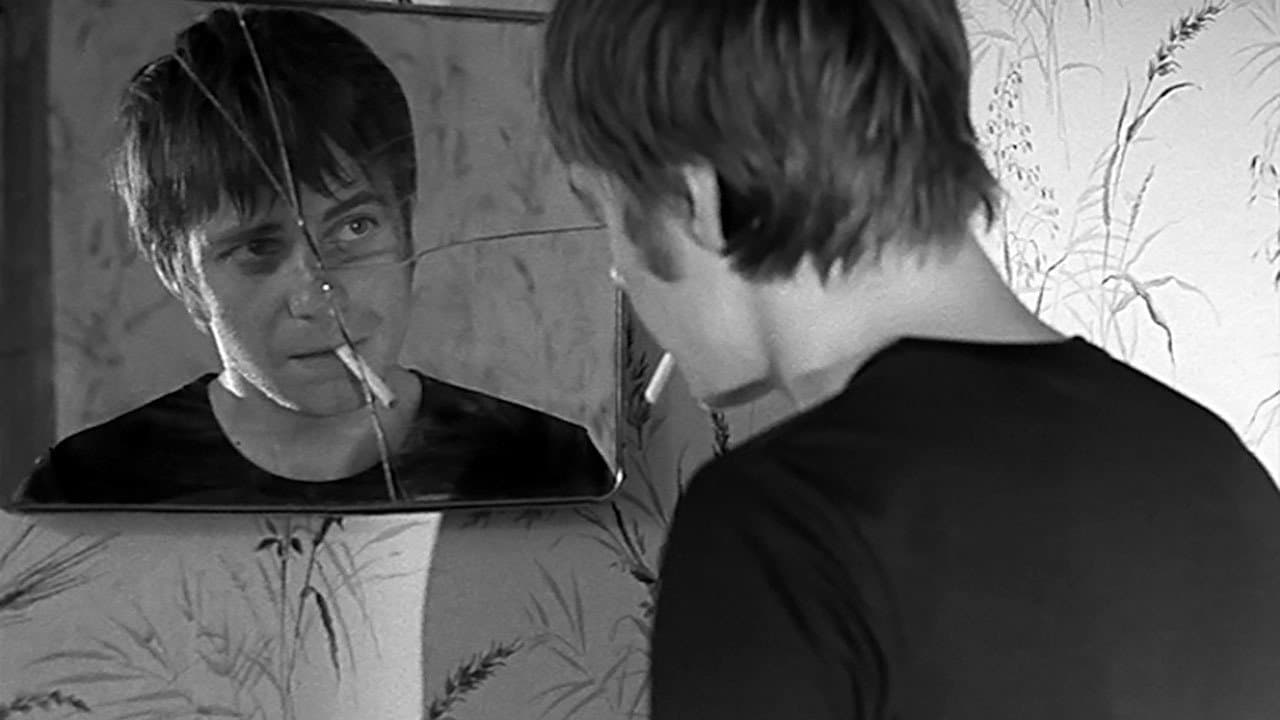
- Filming & Locations: Principal photography was done in Paris, France, primarily in a one-room chambre de bonne rented by the title character.
What were the major cost factors in The Man Who Sleeps?
Several factors contributed to the overall production costs of "The Man Who Sleeps."
- Pre-Production: Pre-Production is one of the primary cost drivers in drama productions of this scale.
- Filming: Filming & Locations is one of the primary cost drivers in drama productions of this scale.
The Man Who Sleeps Production History
Principal photography was done in Paris, France, primarily in a one-room chambre de bonne rented by the title character. In the room, he is recorded reading the works of Raymond Aron and Henri Lefebvre, two of the directors' favorite authors. He is also recorded roaming around fields and public squares, frequently visiting cheap restaurants and cinemas.
Awards and Recognition
1 win total
Critical Reception
Un homme qui dort received some critical acclaim among its small audience. There is no entry for it on Rotten Tomatoes or Metacritic.
Frequently Asked Questions
How much did it cost to make The Man Who Sleeps (1974)?
The production budget has not been publicly disclosed.
How much did The Man Who Sleeps (1974) earn at the box office?
Box office figures are not publicly available.
Was The Man Who Sleeps (1974) profitable?
Insufficient data for a profitability assessment.
What were the biggest costs in producing The Man Who Sleeps?
Specific cost breakdowns are not publicly available.
How does The Man Who Sleeps's budget compare to similar drama films?
Without a confirmed budget, comparison is not possible.
Did The Man Who Sleeps (1974) go over budget?
There are no widely reported accounts of significant budget overruns for this production. However, studios rarely disclose precise budget overrun figures publicly. The reported production budget reflects the final estimated cost.
What awards did The Man Who Sleeps (1974) win?
1 win total.
Who directed The Man Who Sleeps and who were the key crew members?
Directed by Bernard Queysanne, written by Georges Perec, with music by Philippe Drogoz, Eugénie Kuffler, edited by Andrée Davanture, Agnès Molinard.
Where was The Man Who Sleeps filmed?
The Man Who Sleeps was filmed in France, Tunisia. Principal photography was done in Paris, France, primarily in a one-room chambre de bonne rented by the title character. In the room, he is recorded reading the works of Raymond Aron and Henri Lefebvre, two of the directors' favorite authors.
Filmmakers
The Man Who Sleeps

Official Trailer
Build budgets like this one in Saturation
Start from an industry-standard feature film template, import the schedule and rates you already have, and let the cost report keep itself current as you spend. Real-time collaboration, no spreadsheets.