Fail Safe Budget
Updated
Synopsis
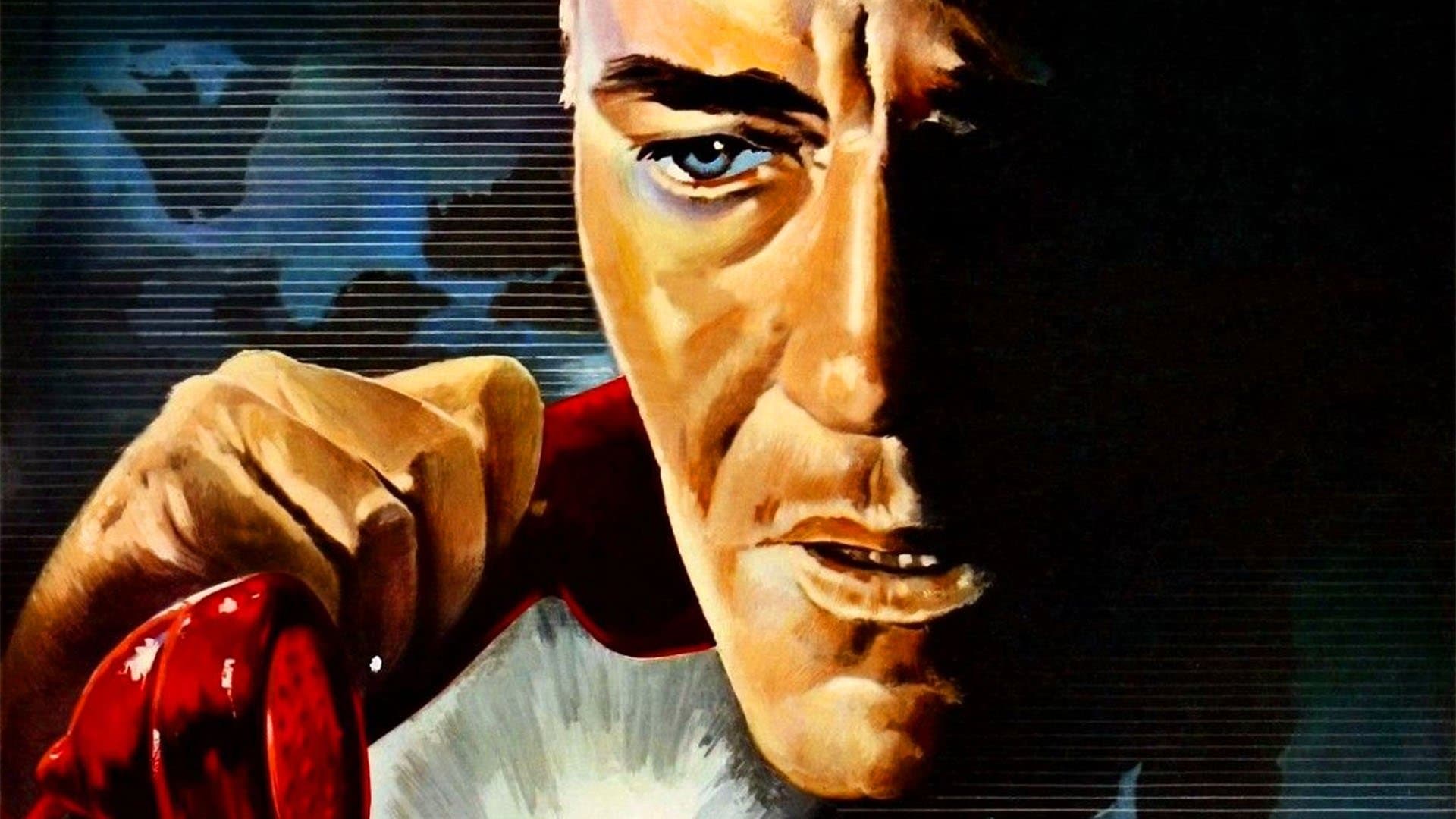
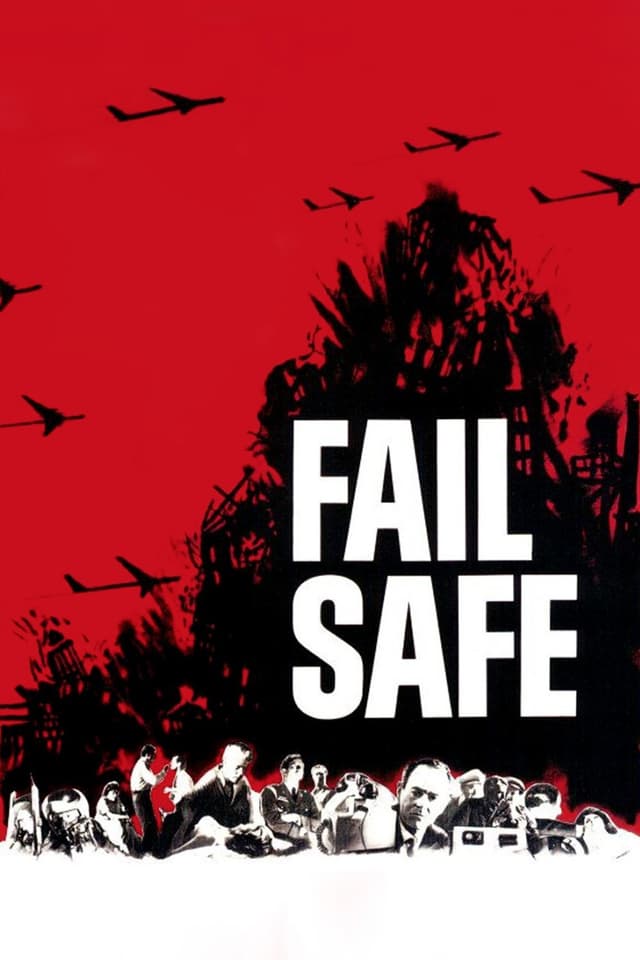
A series of human and computer errors sends a squadron of American 'Vindicator' bombers to nuke Moscow. The President, in order to convince the Soviets that this is a mistake, orders the Strategic Air Command to help the Soviets stop them.
What is known about the production of Fail Safe?
"Fail Safe," a thriller released in 1964, was directed by Sidney Lumet and stars Henry Fonda, Walter Matthau. The production budget has not been publicly disclosed, though Columbia Pictures produced the film, making it a notable entry in the thriller landscape whose financial details remain private.
Key Budget Allocation Categories
While specific budget breakdowns are not publicly available, typical cost drivers for a thriller production like this include:
- Production: Fail Safe so closely resembled Peter George's novel Red Alert, on which Stanley Kubrick's film Dr.
- Filming & Locations: Because of the film's relatively low-budget (estimated at under $1.2 million), filming took place almost entirely in Lumet's hometown of New York City, with the key locations built as soundstage sets at Fox Movietone Studios on Tenth Avenue in Manhattan.
What were the major cost factors in Fail Safe?
Several factors contributed to the overall production costs of "Fail Safe."
- Production: Production is one of the primary cost drivers in thriller productions of this scale.
- Filming: Filming & Locations is one of the primary cost drivers in thriller productions of this scale.
Fail Safe Box Office Performance
"Fail Safe" earned $3,924,000 domestically.
Fail Safe Production History
Because of the film's relatively low-budget (estimated at under $1.2 million), filming took place almost entirely in Lumet's hometown of New York City, with the key locations built as soundstage sets at Fox Movietone Studios on Tenth Avenue in Manhattan. The "Vindicator" bombers are represented in the film by stock footage of Convair B-58 Hustlers, which could fly at twice the speed of sound. Fighters sent to attack the bombers are illustrated by film clips variously of the McDonnell F-101 Voodoo, Convair F-102 Delta Dagger, and Lockheed F-104 Starfighter.
Awards and Recognition
Nominated for 1 BAFTA Award3 nominations total
Critical Reception
Over the years, both the novel and the movie were well received for their depiction of a nuclear crisis, despite many critical reviews rejecting the notion that a breakdown in communication could result in the erroneous "Go" command depicted in the novel and the movie.
Frequently Asked Questions
How much did it cost to make Fail Safe (1964)?
The production budget has not been publicly disclosed.
How much did Fail Safe (1964) earn at the box office?
Box office figures are not publicly available.
Was Fail Safe (1964) profitable?
Insufficient data for a profitability assessment.
What were the biggest costs in producing Fail Safe?
Specific cost breakdowns are not publicly available.
How does Fail Safe's budget compare to similar thriller films?
Without a confirmed budget, comparison is not possible.
Did Fail Safe (1964) go over budget?
There are no widely reported accounts of significant budget overruns for this production. However, studios rarely disclose precise budget overrun figures publicly. The reported production budget reflects the final estimated cost.
What awards did Fail Safe (1964) win?
Nominated for 1 BAFTA Award3 nominations total.
Who directed Fail Safe and who were the key crew members?
Directed by Sidney Lumet, written by Walter Bernstein, shot by Gerald Hirschfeld, edited by Ralph Rosenblum.
Where was Fail Safe filmed?
Fail Safe was filmed in United States of America. Because of the film's relatively low-budget (estimated at under $1.2 million), filming took place almost entirely in Lumet's hometown of New York City, with the key locations built as soundstage sets at Fox Movietone Studios on Tenth Avenue in Manhattan. The "Vindicator" bombers are represented in the film by stock footage of Convair B-58 Hustlers, which could fly at twice the speed of sound. Fighters sent to attack the bombers are illustrated by film clips variously of the McDonnell F-101 Voodoo, Convair F-102 Delta Dagger, and Lockheed F-104 Starfighter.
Filmmakers
Fail Safe

Official Trailer
Build budgets like this one in Saturation
Start from an industry-standard feature film template, import the schedule and rates you already have, and let the cost report keep itself current as you spend. Real-time collaboration, no spreadsheets.