
The Last Picture Show Budget
 DramaRomance1h 59m
Updated
Synopsis
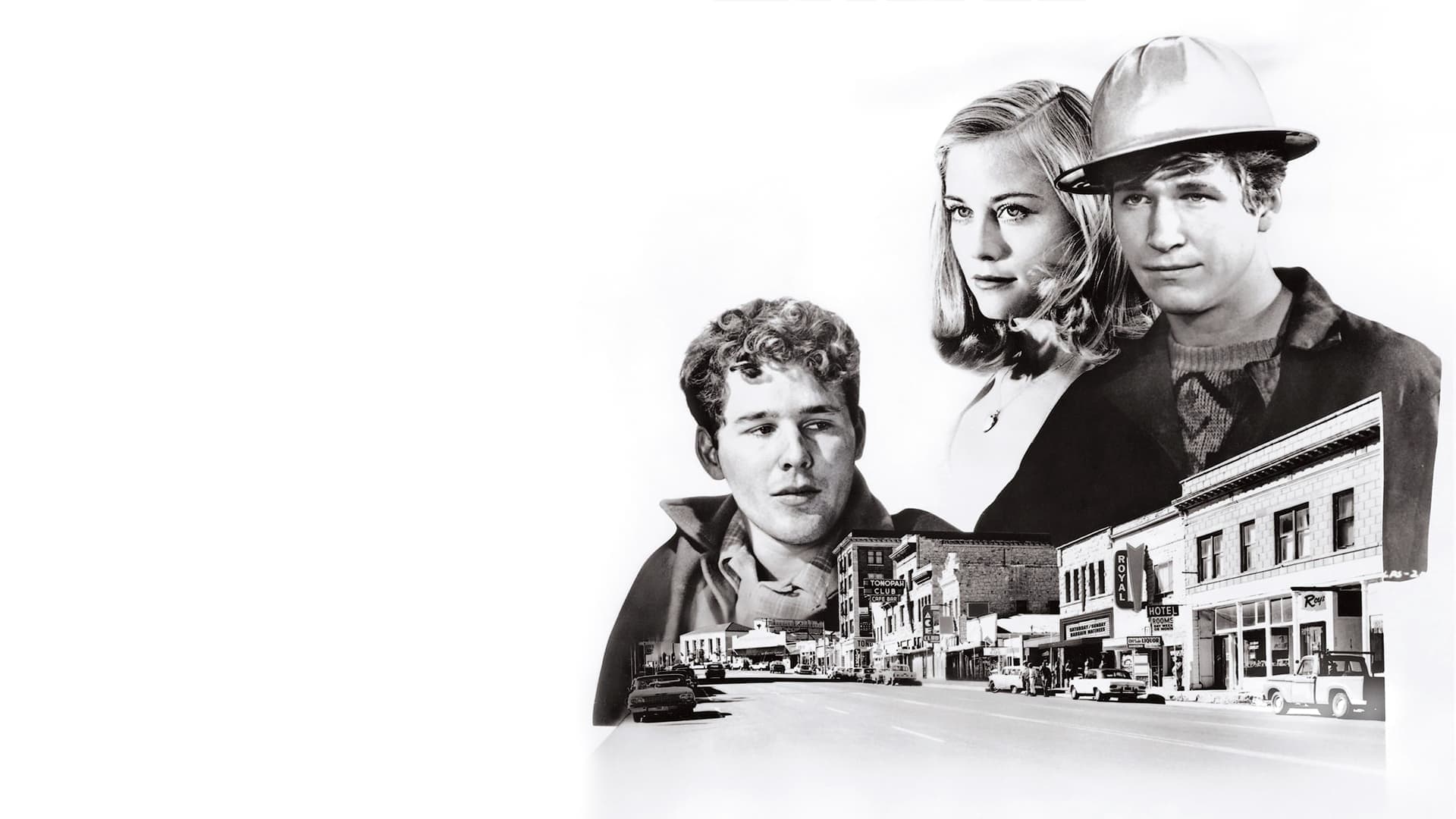
High school seniors and best friends, Sonny and Duane, live in a dying Texas town. The handsome Duane is dating a local beauty, while Sonny is having an affair with the coach's wife. As graduation nears and both boys contemplate their futures, Duane eyes the army and Sonny takes over a local business. Each struggles to figure out if he can escape this dead-end town and build a better life somewhere else.
What is the budget of The Last Picture Show?
"The Last Picture Show," a drama released in 1971, was directed by Peter Bogdanovich and stars Timothy Bottoms, Cybill Shepherd. The production budget was $1,300,000, placing it in the micro-budget range for drama productions of the 1970s.
Key Budget Allocation Categories
While specific budget breakdowns are not publicly available, typical cost drivers for a drama production like this include:
- Above-the-Line Talent: Drama films live or die on the strength of their performances.
- Location Filming & Period Production Design: Authentic locations , whether contemporary or historical , require scouting, permits, travel, lodging, and often significant dressing to match the story's time period.
- Post-Production, Color Grading & Score: The editorial process for dramas is typically longer than genre films, with careful attention to pacing and tone.
- Production: Going into The Last Picture Show Peter Bogdanovich was a 31-year-old stage actor, film essayist, and critic.
What were the major cost factors in The Last Picture Show?
Several factors contributed to the overall production costs of "The Last Picture Show."
- Above-the-Line Talent: Above-the-Line Talent is one of the primary cost drivers in drama productions of this scale.
- Location Filming: Location Filming & Period Production Design is one of the primary cost drivers in drama productions of this scale.
- Post-Production: Post-Production, Color Grading & Score is one of the primary cost drivers in drama productions of this scale.
How Does The Last Picture Show's Budget Compare to Similar Films?
At $1,300,000, The Last Picture Show sits in the micro-budget range. Here is how it compares to productions with a similar budget:
- Andrei Rublev (1966): Budget $1,300,000, Worldwide Gross $24,173
- The Celebration (1998): Budget $1,300,000
- Drive My Car (2021): Budget $1,300,000, Worldwide Gross $15,356,046
- Mustang (2015): Budget $1,300,000, Worldwide Gross $5,300,000
- Nine Queens (2000): Budget $1,300,000, Worldwide Gross $12,413,888
The median budget for wide-release drama films in the era ranges from $30 to 80M for mid-budget to $150M+ for tentpoles.
The Last Picture Show Box Office Performance
"The Last Picture Show" earned $29,133,000 worldwide at the box office. Against a production budget of $1,300,000, the film performed strongly at the box office.
A film typically needs to earn approximately twice its production budget to cover marketing and distribution costs. For "The Last Picture Show," that break-even threshold was roughly $2,600,000. With worldwide earnings of $29,133,000, the film cleared that threshold comfortably.
Box Office Breakdown
The Last Picture Show

At 2141%, "The Last Picture Show" earned roughly $22.41 for every $1 invested in production.
The Last Picture Show Production History
The film features entirely diegetic music, including many songs of Hank Williams Sr. and other country and western and 1950s popular music recording artists. In interviews, Bogdanovich emphasized that a lot of attention was paid to the music being accurate and contemporary to the narrated time span between November 1951 to October 1952, and that no songs were used that were released later than that.
Awards and Recognition
Won 2 Oscars. 19 wins & 22 nominations total
- Academy Award for Best Supporting Actor: Ben Johnson (44th Academy Awards)
- BAFTA Award for Best Actress in a Supporting Role: Cloris Leachman (26th British Academy Film Awards)
- National Society of Film Critics Award for Best Supporting Actress: Ellen Burstyn
- BAFTA Award for Best Actor in a Supporting Role: Ben Johnson (26th British Academy Film Awards)
- National Board of Review: Top Ten Films
- Academy Award for Best Supporting Actress: Cloris Leachman (44th Academy Awards)
- Golden Globe Award for Best Supporting Actor , Motion Picture: Ben Johnson
Critical Reception
Chicago Sun-Times critic Roger Ebert gave the film four out of four stars in his original review and named it the best film of 1971. He later added it to his "Great Movies" list, writing that "the film is above all an evocation of mood. It is about a town with no reason to exist, and people with no reason to live there.
Frequently Asked Questions
How much did it cost to make The Last Picture Show (1971)?
The production budget was $1,300,000, covering principal photography, cast and crew salaries, locations, sets, post-production, and music. Marketing and distribution (P&A) costs are estimated at an additional $650,000 - $1,040,000, bringing the total studio investment to approximately $1,950,000 - $2,340,000.
How much did The Last Picture Show (1971) earn at the box office?
The Last Picture Show grossed $29,133,000 domestic, totaling $29,133,000 worldwide.
Was The Last Picture Show (1971) profitable?
Yes. Against a production budget of $1,300,000 and estimated total costs of ~$3,250,000, the film earned $29,133,000 theatrically - a 2141% ROI on production costs alone.
What were the biggest costs in producing The Last Picture Show?
The primary cost drivers were above-the-line talent (Timothy Bottoms, Cybill Shepherd, Jeff Bridges); talent compensation, authentic period production design, and meticulous post-production.
How does The Last Picture Show's budget compare to similar drama films?
At $1,300,000, The Last Picture Show is classified as a micro-budget production. The median budget for wide-release drama films in the era ranges from $30 - 80M for mid-budget to $150M+ for tentpoles. Comparable budgets: Andrei Rublev (1966, $1,300,000); The Celebration (1998, $1,300,000); Drive My Car (2021, $1,300,000).
Did The Last Picture Show (1971) go over budget?
There are no widely reported accounts of significant budget overruns for this production. However, studios rarely disclose precise budget overrun figures publicly. The reported production budget reflects the final estimated cost.
What was the return on investment (ROI) for The Last Picture Show?
The theatrical ROI was 2141.0%, calculated as ($29,133,000 − $1,300,000) ÷ $1,300,000 × 100. This measures gross revenue against production budget only - it does not account for P&A or exhibitor shares.
What awards did The Last Picture Show (1971) win?
Won 2 Oscars. 19 wins & 22 nominations total.
Who directed The Last Picture Show and who were the key crew members?
Directed by Peter Bogdanovich, written by Larry McMurtry, Peter Bogdanovich, shot by Robert Surtees, edited by Peter Bogdanovich, Donn Cambern.
Where was The Last Picture Show filmed?
The Last Picture Show was filmed in United States of America.
Filmmakers
The Last Picture Show

Official Trailer
Build budgets like this one in Saturation
Start from an industry-standard feature film template, import the schedule and rates you already have, and let the cost report keep itself current as you spend. Real-time collaboration, no spreadsheets.